
Enhancing Data Security with Blockchain and AI: Protecting Against Cyber Threats in the Digital Age

Welcome to Blockchain Trends, your compass in the rapidly evolving world of decentralized technology.
Ever wondered how blockchain can revolutionize data security, moving beyond cryptocurrency to safeguard sensitive information across industries? Dive in as we explore cutting-edge blockchain data security solutions, revealing how they, coupled with the power of AI, are forging a formidable defense against the ever-present threat of cyberattacks. Discover the innovative strategies shaping the future of data protection and unlock the potential of a more secure digital age.
Enhancing Data Security with Blockchain and AI: Protecting Against Cyber Threats in the Digital Age
- Introduction: The Growing Need for Robust Data Security in the Digital Landscape
-
Frequently Asked Questions
- What are some key benefits of using blockchain for data security solutions?
- How can AI be integrated with blockchain to improve data security?
- What are some real-world applications of blockchain data security solutions beyond cryptocurrencies?
- What are the regulatory considerations surrounding the use of blockchain for data security?
- How will decentralized systems and blockchain data security solutions shape the future of digital security?
- Final Reflection: Securing Tomorrow with Intelligent Chains
- Embrace the Future: Fortify Your Data Security Today!
Introduction: The Growing Need for Robust Data Security in the Digital Landscape
The Escalating Threat of Cyberattacks and Data Breaches
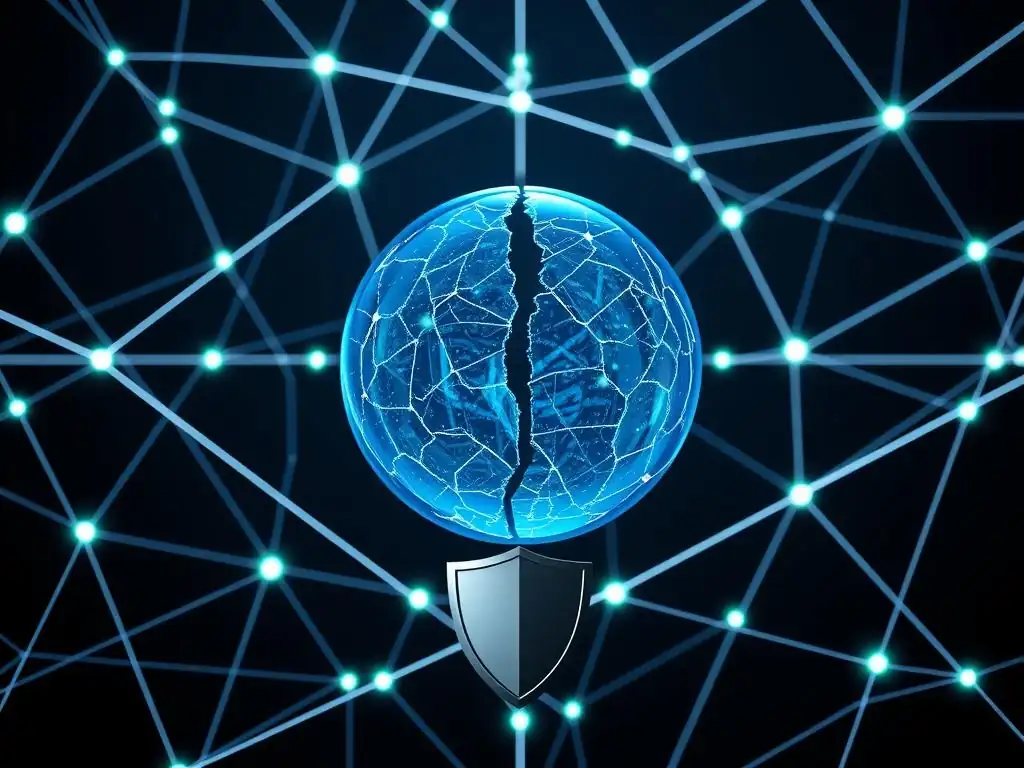
The digital age has ushered in an era of unprecedented connectivity and data generation, but it has also amplified the risks of cyberattacks and data breaches. Recent years have witnessed a dramatic surge in sophisticated cyber threats targeting businesses of all sizes, government institutions, and individuals alike. According to a report by Cybersecurity Ventures, global cybercrime costs are projected to reach \$10.5 trillion annually by 2025, a staggering increase from \$3 trillion in 2015. This exponential growth underscores the urgent need for more robust and resilient data security solutions to protect sensitive information from malicious actors.
Data breaches, in particular, have become commonplace, exposing vast amounts of personal and financial data. In 2021, for example, the T-Mobile data breach impacted over 76 million individuals, exposing social security numbers, driver's license information, and other sensitive data. Similarly, the Facebook data leak in 2019 compromised the personal information of over 533 million users.
These incidents not only result in significant financial losses for organizations through fines, legal battles, and reputational damage but also erode public trust and can have devastating consequences for affected individuals, including identity theft and financial fraud. The increasing frequency and severity of these attacks highlight the critical importance of adopting advanced blockchain data security solutions.
The Role of Blockchain in Exploring Innovative Security Solutions
Blockchain technology, initially recognized for its role in cryptocurrencies, is now emerging as a powerful tool in the realm of data security. Its inherent characteristics of decentralization, immutability, and cryptographic security offer a paradigm shift from traditional centralized security models. Unlike conventional systems where data is stored in a single, vulnerable location, blockchain distributes data across a network of nodes, making it significantly harder for attackers to compromise the entire system. This decentralized nature inherently reduces single points of failure, a critical weakness in many current security infrastructures.
Moreover, the immutability of blockchain ensures that once data is recorded on the chain, it cannot be altered or deleted, providing an auditable and tamper-proof record of information. This feature is crucial for maintaining data integrity and building trust, especially in sensitive sectors like finance and healthcare. By leveraging cryptographic techniques such as hashing and digital signatures, blockchain provides robust authentication and encryption, ensuring that data is protected throughout its lifecycle. The potential of blockchain data security solutions to revolutionize how we protect digital assets is becoming increasingly evident as organizations explore its applications beyond cryptocurrencies.
Combining Blockchain and AI for Enhanced Data Protection: An Overview
While blockchain offers a strong foundation for data security, its synergy with Artificial Intelligence (AI) promises an even more potent defense against evolving cyber threats. AI brings intelligent capabilities to cybersecurity, enabling proactive threat detection, automated response, and continuous security improvement. AI algorithms can analyze vast datasets to identify anomalies and suspicious patterns that might be indicative of cyberattacks, often before they can cause significant damage. This predictive capability is a significant advantage over traditional rule-based security systems that are often reactive rather than proactive.
By integrating AI with blockchain, organizations can create a layered security approach that combines the strengths of both technologies. Blockchain provides a secure and immutable infrastructure for data storage and access control, while AI enhances threat detection, automates security responses, and provides intelligent insights for continuous improvement. This powerful combination of blockchain and AI for data security creates a dynamic and adaptable defense mechanism that is better equipped to handle the complexities and sophistication of modern cyber threats, offering a new paradigm in protecting sensitive information in the digital age.
Frequently Asked Questions
What are some key benefits of using blockchain for data security solutions?
Blockchain offers immutable records and decentralized control, making it extremely difficult for hackers to alter or tamper with data. This enhances trust and transparency in data management processes.
How can AI be integrated with blockchain to improve data security?
AI can analyze blockchain data to detect anomalous activities and potential security breaches. This proactive approach helps to identify and mitigate threats before they cause significant damage.
What are some real-world applications of blockchain data security solutions beyond cryptocurrencies?
Blockchain is being used in supply chain management for tracking product origins and ensuring authenticity. It's also applied in healthcare for securely storing and sharing patient data while maintaining privacy.
What are the regulatory considerations surrounding the use of blockchain for data security?
Regulations surrounding blockchain are still evolving, and businesses must ensure they comply with data privacy laws like GDPR and CCPA. Careful consideration of legal frameworks is crucial.
How will decentralized systems and blockchain data security solutions shape the future of digital security?
Decentralized systems offer a more resilient and secure infrastructure compared to traditional centralized systems. Blockchain's inherent security features will play a vital role in building trust and protecting against cyber threats in the future.
Final Reflection: Securing Tomorrow with Intelligent Chains
The confluence of blockchain and AI, as explored throughout this article, isn't just a technological advancement; it's a fundamental shift in how we perceive and implement data security. In a world increasingly reliant on digital infrastructure, the vulnerabilities exposed by traditional security models demand innovative solutions, and the synergy of these two powerful technologies offers a compelling path forward.
This convergence has profoundly impacted the conversation around data privacy and security, moving it from a reactive, patch-based approach to a proactive, preventative paradigm. Witnessing this evolution firsthand underscores the critical need for continuous learning and adaptation in the face of ever-evolving cyber threats. Security is always excessive until it's not enough.
This quote perfectly encapsulates the proactive mindset required to navigate the complexities of the digital age and the importance of embracing robust solutions like blockchain-enhanced AI.
As we look to the future, the responsibility lies with each of us to champion and implement these advanced security measures. Consider how you can advocate for the adoption of blockchain data security solutions within your own sphere of influence. Explore the possibilities, educate yourself and others, and contribute to building a more secure and trustworthy digital world for generations to come. The future of data security depends on our collective commitment to innovation and vigilance.
Okay, I'm ready to create a CTA for the end of the web article based on your specifications:
Embrace the Future: Fortify Your Data Security Today!
Thank you for diving into the world of blockchain and AI and discovering how they can revolutionize your data security strategy. Now, it's time to put this knowledge into action and take control of your digital defenses.
Here's how you can start:
- Immediately assess your current data security infrastructure and identify vulnerabilities that blockchain or AI could address.
- Explore open-source blockchain frameworks and AI security tools. Experiment with small-scale pilot projects to understand their potential impact on your systems.
- Share this article with colleagues and start a discussion about integrating these cutting-edge technologies within your organization.
What specific data security challenge are you most eager to tackle using blockchain or AI, and how do you envision these technologies transforming your approach?
Leave a Reply