
The Regulatory Landscape of SelfSovereign Identity: Navigating the Legal Maze


Welcome to Blockchain Trends, your go-to source for understanding the revolutionary impact of blockchain technology. Beyond the hype of cryptocurrencies, blockchain is reshaping industries and redefining digital trust.
Are you ready to unravel the complexities of Blockchain Self-Sovereign Identity Regulation? Dive in to explore the emerging legal frameworks shaping the future of decentralized identity and discover how these regulations will impact individuals, businesses, and the entire blockchain ecosystem. This is more than just technology; it's about the future of ownership and control of your digital self. What challenges and opportunities lie ahead? Let's find out together.
The Regulatory Landscape of Self-Sovereign Identity: Navigating the Legal Maze
- Understanding Self-Sovereign Identity (SSI) and its Regulatory Implications
- Key Regulatory Challenges in Self-Sovereign Identity Implementation
- Examining Existing Regulatory Frameworks Relevant to SSI
- Self-Sovereign Identity Regulation: A Global Perspective
- Future Trends in SSI Regulation and Compliance
- Navigating the Legal Maze: Best Practices for SSI Implementation
- Conclusion: The Future of SSI and Regulatory Harmonization
-
Frequently Asked Questions
- What is Self-Sovereign Identity (SSI) and why is it relevant to blockchain?
- How does the "Regulatory Landscape of Self-Sovereign Identity" article address the legal challenges surrounding SSI?
- What aspects of DeFi (Decentralized Finance) are impacted by Blockchain Self-Sovereign Identity Regulation?
- What are some potential enterprise applications of SSI discussed on "Blockchain Trends," besides just finance?
- How can Blockchain Self-Sovereign Identity Regulation foster greater trust in decentralized systems and promote wider adoption?
- Final Reflection: Embracing the Future of Identity
- Unlock Your SSI Potential: Embrace Secure Digital Identity!
Understanding Self-Sovereign Identity (SSI) and its Regulatory Implications
What is Self-Sovereign Identity (SSI)? A User-Centric Approach
Self-Sovereign Identity (SSI) represents a paradigm shift in digital identity management, moving control away from centralized authorities and placing it firmly in the hands of the individual. Unlike traditional identity systems where corporations or governments manage personal data, SSI architecture empowers users to control their digital credentials and decide who they share them with, when, and why.
This model often leverages decentralized technologies, including blockchain, to provide a secure, tamper-evident, and privacy-preserving foundation for identity data and verifiable claims. The core idea is to enable individuals to prove aspects of their identity or qualifications (like being over 18, having a degree, or being a certified professional) without revealing unnecessary personal information, minimizing exposure to data breaches and enhancing personal privacy.
This user-centric approach fundamentally challenges existing regulatory frameworks designed for centralized identity systems. Regulations surrounding data privacy, identity verification, and trust services often assume that data resides in a single, identifiable location under the control of a specific entity.
SSI, particularly when built on blockchain, distributes data or proofs across a network, making traditional compliance mechanisms, such as data deletion or access requests, require reinterpretation. The decentralized nature impacts how regulations like GDPR's 'right to be forgotten' or CCPA's data access rights are practically implemented, necessitating careful consideration of the underlying technology and its implications for Blockchain selfsovereign identity regulation.
The Core Principles of SSI and Data Control
At the heart of Self-Sovereign Identity are principles centered around user control and data minimization. Key tenets include decentralization of control, user ownership of data, transparency of processes, interoperability across different systems, and selective disclosure of information. In an SSI model, an individual receives verifiable credentials from trusted issuers (like universities, employers, or governments) and stores them securely in a digital wallet.
They can then present these credentials to verifiers, proving specific attributes without necessarily revealing their full identity or other unrelated details. For example, a user might prove they are old enough to purchase age-restricted goods without showing their date of birth or name.
This granular control over personal data stands in contrast to systems where users grant broad consent for their data to be used and stored by third parties, often without full transparency or control over subsequent uses. The SSI model aligns strongly with modern privacy principles embedded in regulations like GDPR, which emphasize consent management and data minimization.
However, the technical implementation of these principles within a decentralized framework presents novel challenges for Blockchain selfsovereign identity regulation. Ensuring that the underlying technology supports these principles in a way that is legally compliant and robust requires careful design and ongoing dialogue between technologists and legal experts.
Why is Regulation Crucial for the Widespread Adoption of SSI?
While SSI promises enhanced privacy and user control, the absence of clear and harmonized regulation poses significant hurdles to its widespread adoption. Regulatory clarity is essential to build trust among individuals, businesses, and governments. Without defined rules, potential adopters face uncertainty regarding legal compliance, liability, and the recognition of digital credentials.
This uncertainty can stifle innovation and prevent the scaling of SSI solutions beyond niche applications. For instance, a business might hesitate to rely on SSI credentials for identity verification if their legal standing in court is questionable or if they are unsure how to comply with AML/KYC regulations using decentralized identities.
Furthermore, regulation can help ensure interoperability and prevent vendor lock-in, which are critical for SSI's success. Standards for verifiable credentials and decentralized identifiers (DIDs) are emerging, but regulatory backing can accelerate their adoption and ensure consistency across different providers and jurisdictions. Clear Blockchain selfsovereign identity regulation can also address concerns related to data governance in decentralized networks, the handling of private keys, and the process for revoking credentials or managing identity recovery. Establishing a predictable legal environment is paramount to unlocking the full potential of SSI as a secure, privacy-preserving, and universally applicable digital identity framework.
Key Regulatory Challenges in Self-Sovereign Identity Implementation
Data Privacy and Compliance in Decentralized Identity Systems
Implementing data privacy principles within decentralized identity systems presents unique challenges compared to traditional centralized databases. Regulations like the GDPR mandate specific rights for data subjects, including the right to access, rectify, erase (right to be forgotten), and restrict processing of their personal data. In an SSI model, especially one leveraging blockchain, personal data might not be stored directly on the ledger but rather referenced or linked to verifiable credentials held by the user.
However, the decentralized nature of the network and the immutability often associated with blockchain technology can complicate the practical execution of these rights. For example, while the sensitive personal data might be off-chain, metadata or hashes on the blockchain could potentially be linked back to an individual, raising questions about what constitutes 'personal data' within this context and how erasure rights apply.
Compliance requires innovative technical and legal approaches. SSI solutions must be designed with privacy-by-design principles embedded from the outset. This includes using technologies like zero-knowledge proofs (ZKPs) to enable verification without revealing underlying data, ensuring secure off-chain storage for sensitive information, and developing robust mechanisms for managing consent and selective disclosure.
Navigating the complexities of Blockchain selfsovereign identity regulation in this domain necessitates a deep understanding of both the technological architecture and the specific requirements of relevant data protection laws. Legal experts and technologists must collaborate to define best practices for data handling, storage, and processing in a decentralized environment to ensure compliance and protect user privacy effectively.
Cross-Border Data Transfer and International SSI Regulations
Self-Sovereign Identity, by its nature, is designed to be globally portable, allowing individuals to use their digital identity credentials across different jurisdictions and services. However, this portability runs headfirst into the complexities of international data transfer regulations.
Laws like GDPR have strict rules regarding transferring personal data outside the European Economic Area (EEA), requiring adequate levels of data protection in destination countries or specific legal safeguards like Standard Contractual Clauses (SCCs) or Binding Corporate Rules (BCRs). While SSI aims to keep data with the user, the underlying infrastructure (nodes in a blockchain network, cloud storage for off-chain data) might be geographically distributed, potentially triggering cross-border data transfer rules depending on how the system is architected and where verifiers or issuers are located.
The challenge for Blockchain selfsovereign identity regulation lies in determining how these regulations apply when data is not being transferred between controllers in the traditional sense, but rather presented by the user to various verifiers across borders. Does the act of presenting a verifiable credential to a verifier in a different country constitute a data transfer subject to these rules? Clarity is needed on the legal status of the user's wallet and the decentralized network itself in the context of data protection laws.
Harmonization of international regulations or the development of specific frameworks for decentralized identity could significantly ease these challenges and facilitate the seamless, global use of SSI. Without such clarity, the promise of a truly global, portable digital identity remains hampered by jurisdictional legal fragmentation.
Identity Verification and Anti-Money Laundering (AML) in SSI Frameworks
Self-Sovereign Identity has the potential to revolutionize identity verification processes, making them more efficient, secure, and privacy-preserving. Instead of relying on scanned documents or manually verifying data against centralized databases, verifiers can rely on cryptographically secured verifiable credentials issued by trusted sources. For example, a bank could verify a customer's identity for AML/KYC purposes by requesting specific credentials issued by a government (proof of identity) and perhaps an employer (proof of address), without needing to see or store copies of passports or utility bills.
This reduces the risk of fraud and data exposure. However, integrating SSI into existing Anti-Money Laundering (AML) and Know Your Customer (KYC) regulations presents significant challenges.
Current AML/KYC frameworks often mandate specific methods of identity verification, including presenting physical documents or using approved electronic identification services. They also place obligations on regulated entities (like banks and financial institutions) to retain records of verification processes and customer due diligence. Blockchain selfsovereign identity regulation needs to address how verifiable credentials fit within these requirements.
How can the 'reliability' of a digital credential be assessed compared to a physical document? What records must a verifier keep when using SSI, and how can they comply with data retention requirements while respecting the user's control over their data?
Regulatory bodies need to provide clear guidelines on the acceptability of SSI-based verification methods and define the obligations of verifiers and issuers within this new paradigm to unlock SSI's potential in this critical sector. For example, the Financial Action Task Force (FATF) has issued guidance on virtual assets and identity, indicating a global move towards addressing digital identity in financial crime prevention, but specific SSI guidance is still nascent.
Legal Recognition of Digital Credentials and Verifiable Claims
A fundamental prerequisite for the widespread adoption of Self-Sovereign Identity is the legal recognition of digital credentials and verifiable claims issued within SSI frameworks. If a digital driver's license or a university degree issued as a verifiable credential does not hold the same legal weight as its physical counterpart or a traditional electronic signature, its utility is severely limited.
Legal systems are often based on established notions of documentation and proof, and the shift to cryptographically signed, decentralized credentials requires legislative adaptation. While frameworks like eIDAS in Europe provide a basis for legal recognition of electronic identification and trust services, their application to the specific architecture of SSI, especially blockchain-based solutions, requires careful interpretation and potentially amendments.
The challenge for Blockchain selfsovereign identity regulation is to create a legal environment where verifiable credentials are not merely convenient digital tokens but legally binding proofs of attribute ownership or status. This involves defining the legal status of issuers, holders, and verifiers within an SSI ecosystem, establishing standards for the trustworthiness and reliability of credentials, and outlining processes for dispute resolution and revocation.
Some jurisdictions are exploring this; for instance, certain US states have passed legislation recognizing electronic records and signatures, which could potentially extend to verifiable credentials, but explicit recognition for SSI-specific formats is often lacking. Clear legal recognition is vital for industries such as healthcare (for medical records), education (for diplomas and transcripts), and government services (for permits and licenses) to confidently adopt SSI.
Examining Existing Regulatory Frameworks Relevant to SSI
GDPR and its Impact on SSI Solutions
The General Data Protection Regulation (GDPR), effective since May 2018 across the European Union (EU) and European Economic Area (EEA), is arguably the most significant data privacy regulation impacting Self-Sovereign Identity solutions globally. While not designed specifically for decentralized systems, its core principles align well with the user-centric nature of SSI. GDPR emphasizes data minimization, purpose limitation, transparency, and, crucially, grants data subjects significant rights over their personal data, including the right to access, rectification, erasure, and data portability.
SSI's design, which aims to keep personal data with the user and facilitate selective disclosure, inherently supports these principles more effectively than many traditional centralized systems. For example, an SSI user can choose exactly which attributes (e.g., only age, not date of birth) they disclose, directly supporting data minimization and purpose limitation.
However, applying GDPR to SSI, particularly blockchain-based SSI, presents interpretational challenges. Determining who is the 'data controller' or 'data processor' in a decentralized network can be complex. Is it the issuer, the verifier, the wallet provider, or the network participants? The immutability of blockchain data clashes directly with the 'right to erasure' (Article 17).
While sensitive data is typically stored off-chain in SSI, the blockchain might contain hashes or identifiers linked to individuals. Blockchain selfsovereign identity regulation within the GDPR framework requires clarifying these roles and developing technical and organizational measures that allow for compliance, such as using permissioned ledgers where data can be managed, or employing architectural patterns that allow for data deletion or rendering data unusable while maintaining the integrity of the verifiable claim structure. The European Data Protection Board (EDPB) has provided some guidance on blockchain, but specific SSI interpretations are still evolving.
eIDAS Regulation and its Potential for Digital Identity in Europe
The electronic Identification, Authentication and Trust Services (eIDAS) Regulation, in force across the EU since 2014 and updated with eIDAS 2.0 proposals, provides a framework for electronic identification and trust services (like electronic signatures, seals, and time stamps) across member states. Its primary goal is to enable secure and seamless cross-border electronic interactions between citizens, businesses, and public authorities.
eIDAS establishes different levels of assurance for electronic identification schemes (low, substantial, high) and aims for mutual recognition of notified schemes across the EU. While eIDAS primarily focuses on government-issued or recognized electronic identities, its principles of interoperability, security, and trust services are highly relevant to SSI.
eIDAS 2.0, with its focus on a European Digital Identity Wallet, shows a clear move towards a model that shares some characteristics with SSI, particularly the concept of a user-controlled digital wallet capable of holding various credentials (identity, professional qualifications, health data). The potential for Blockchain selfsovereign identity regulation within the eIDAS framework lies in how SSI credentials could be recognized and trusted under its provisions. Could verifiable credentials issued within an SSI framework achieve a level of assurance recognized by eIDAS?
How can decentralized trust mechanisms align with the centralized or federated trust models typically assumed by eIDAS? Integrating SSI into this established framework would require defining how decentralized identifiers (DIDs), verifiable credentials (VCs), and decentralized ledger technology (DLT) fit within eIDAS definitions of electronic identification means and trust services, potentially paving the way for widespread adoption in public sector applications.
CCPA and CPRA: US State Laws on Data Privacy and Digital Identity
In the United States, the regulatory landscape for data privacy and digital identity is more fragmented, primarily driven by state-level initiatives. The California Consumer Privacy Act (CCPA), effective January 1, 2020, and its successor, the California Privacy Rights Act (CPRA), effective January 1, 2023, are landmark examples. These laws grant California consumers significant rights regarding their personal information collected by businesses, including the right to know what data is collected, the right to delete that data, and the right to opt-out of its sale.
Like GDPR, CCPA/CPRA's emphasis on consumer control over personal data aligns conceptually with SSI's core principles. SSI's architecture, which minimizes data collection by verifiers and keeps data with the consumer, can potentially facilitate compliance with these 'delete' and 'know' rights more easily than centralized systems where data is duplicated across many databases.
However, similar to GDPR, applying CCPA/CPRA requirements to decentralized SSI systems raises questions about who constitutes a 'business' under the law, how the 'sale' of data is defined in a decentralized context, and how the right to delete applies to information recorded on a blockchain. Blockchain selfsovereign identity regulation in states like California needs to consider the unique technical characteristics of SSI.
While sensitive data is typically off-chain, the potential for identifiers or related metadata on a public or permissioned blockchain to be considered 'personal information' under CCPA/CPRA needs clarification. As more US states enact their own privacy laws (e.g., Virginia's CDPA, Colorado's CPA, Utah's UCPA), the challenge of navigating a patchwork of regulations for SSI solutions operating nationwide becomes increasingly complex, highlighting the need for federal guidance or state-level harmonization.
Exploring Other International Regulations Affecting SSI
Beyond GDPR, eIDAS, and US state laws, a multitude of other international regulations impact the development and deployment of Self-Sovereign Identity solutions. These include sector-specific regulations, national electronic transaction laws, and emerging data governance frameworks.
For instance, regulations in healthcare (like HIPAA in the US or similar patient data privacy laws in other countries) dictate how sensitive health information must be handled, requiring SSI solutions in this sector to meet stringent security and privacy standards. Financial regulations, including PSD2 in Europe (Open Banking) or similar initiatives globally, are increasingly focused on secure customer authentication and data sharing, areas where SSI could play a significant role but must comply with specific technical and security requirements.
Furthermore, national electronic identification laws, like those in Canada, Australia, and various Asian countries, are developing, some exploring decentralized approaches. Laws governing electronic signatures and trust services also vary by jurisdiction, impacting the legal validity of verifiable credentials used for signing or authenticating transactions. Navigating this diverse global landscape requires SSI providers and adopters to conduct thorough legal assessments in each target market.
The fragmentation of Blockchain selfsovereign identity regulation across different countries and sectors underscores the need for international cooperation and the development of globally recognized standards to foster interoperability and ensure legal certainty for SSI. Initiatives by bodies like the United Nations or the World Economic Forum are beginning to explore these challenges, but concrete, harmonized regulatory frameworks for decentralized identity are still in early stages globally.
Self-Sovereign Identity Regulation: A Global Perspective
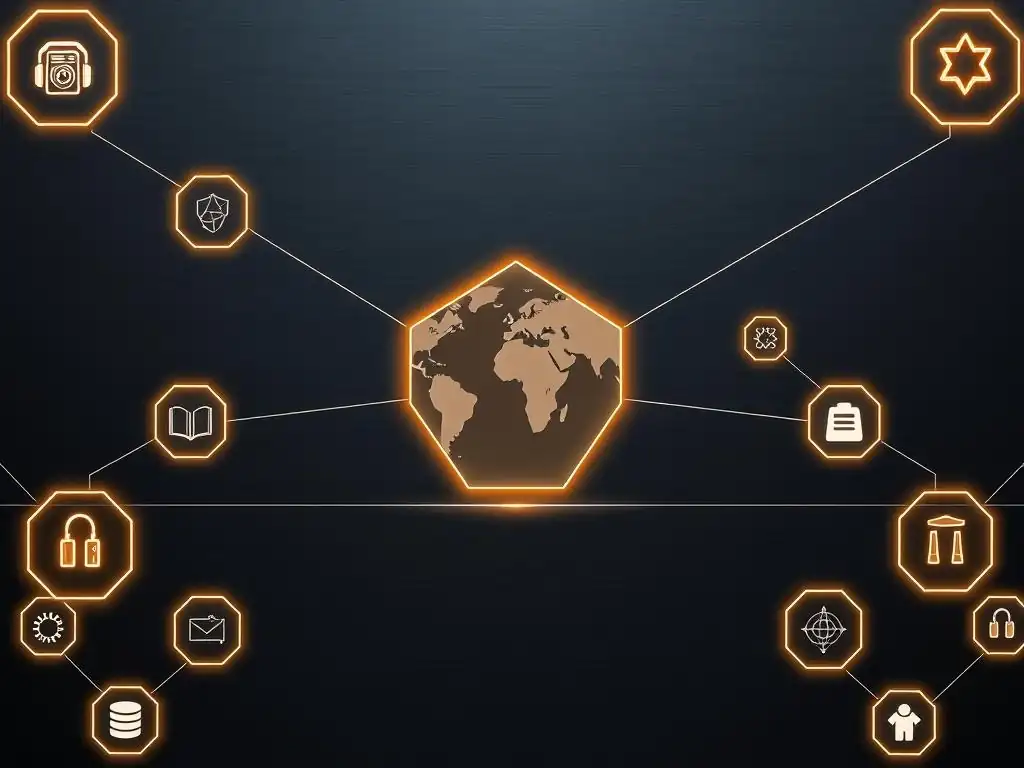
Regulatory Sandboxes and SSI: Fostering Innovation
Regulatory sandboxes are emerging as valuable tools for fostering innovation in complex and rapidly evolving fields like Self-Sovereign Identity, particularly when leveraging blockchain technology. These sandboxes, established by financial regulators, data protection authorities, or innovation agencies, provide a controlled environment where businesses can test innovative products, services, or business models that may not fit neatly within existing regulations.
Participants typically receive temporary waivers or modifications of specific legal requirements and work closely with regulators to identify potential risks and understand how current rules apply or need adaptation. This collaborative approach allows regulators to gain practical experience with new technologies like SSI and helps businesses understand compliance challenges in real-world scenarios.
Several jurisdictions have utilized sandboxes or similar innovation hubs to explore digital identity solutions. For example, the UK's Financial Conduct Authority (FCA) has run multiple cohorts in its regulatory sandbox, including projects related to digital identity verification using novel technologies. Singapore's Infocomm Media Development Authority (IMDA) has also supported trials involving digital identity.
These sandboxes provide a crucial space for dialogue on Blockchain selfsovereign identity regulation, allowing technical experts and legal professionals to jointly assess issues like data governance in decentralized networks, the legal status of verifiable credentials, and compliance with AML/KYC requirements. The insights gained from these sandbox initiatives are vital for informing the development of future, more tailored regulations that support innovation while safeguarding public interest.
Case Studies: Countries Leading the Way in SSI Regulation
While no country has fully enacted comprehensive legislation specifically for Self-Sovereign Identity, several jurisdictions are actively exploring or implementing frameworks that accommodate or enable aspects of SSI. Estonia, renowned for its advanced digital government services and e-Residency program, is a strong example of a country with a mature digital identity infrastructure that could potentially integrate SSI principles. While their current system is largely centralized, their emphasis on user control over data and secure digital signatures aligns conceptually.
Another case often cited is Singapore, which has been proactive in developing national digital identity frameworks and exploring decentralized technologies. Singapore's Singpass, initially a centralized digital identity, is evolving towards a model with more user control and the ability to hold diverse digital credentials, showing a potential path towards integrating SSI concepts within a national framework.
These countries are navigating the complexities of Blockchain selfsovereign identity regulation by either adapting existing eID frameworks or developing new policies that can accommodate decentralized models. For instance, Singapore's approach involves collaboration between technical agencies and financial regulators to ensure that emerging digital identity solutions can meet stringent requirements for security, privacy, and financial crime prevention.
Their focus on developing technical standards that support interoperability and trust is also a key element enabling future regulatory clarity. While specific SSI legislation is still rare, these case studies demonstrate how nations with forward-thinking digital strategies are laying the groundwork for legal and technical frameworks that can support the principles and adoption of Self-Sovereign Identity.
The Role of Standards and Interoperability in Regulatory Compliance
Standards and interoperability are foundational elements for the successful global adoption of Self-Sovereign Identity and play a critical role in enabling regulatory compliance. Without common technical standards, different SSI systems would be isolated, preventing users from seamlessly using their digital credentials across various applications, industries, and jurisdictions. This lack of interoperability would also complicate regulatory oversight, as authorities would have to contend with a multitude of incompatible technical implementations, making it difficult to assess security, privacy, and compliance consistently. Fortunately, significant progress is being made in developing open standards for decentralized identity.
Organizations like the World Wide Web Consortium (W3C) have developed specifications for Decentralized Identifiers (DIDs) and Verifiable Credentials (VCs), providing a common language and framework for creating, issuing, holding, and verifying digital credentials in a decentralized manner. These standards define data models and protocols that enable different SSI components (wallets, issuers, verifiers) to interact regardless of the underlying technology (including various blockchain implementations). Regulatory bodies worldwide are increasingly recognizing the importance of these standards.
Explicitly referencing or mandating adherence to W3C DID/VC standards in Blockchain selfsovereign identity regulation can significantly accelerate adoption by ensuring that compliant solutions are interoperable and built upon a common, auditable technical foundation. This also simplifies the regulatory task, allowing focus on policy issues rather than the specifics of proprietary technologies.
Future Trends in SSI Regulation and Compliance
The Rise of Decentralized Governance and its Impact on Regulation
A significant trend in the evolution of blockchain and decentralized systems, including SSI, is the exploration of decentralized governance models. These models aim to distribute decision-making power across a network of participants rather than concentrating it in a single entity. In the context of SSI, this could involve community-driven processes for managing trust registries, resolving disputes over credentials, or even evolving the technical standards themselves. While decentralized governance promises resilience and censorship resistance, it presents novel challenges for traditional, hierarchical regulatory structures. Regulators are accustomed to dealing with identifiable legal entities (companies, organizations) that are clearly responsible and accountable.
Applying Blockchain selfsovereign identity regulation to systems governed by decentralized autonomous organizations (DAOs) or similar distributed models requires rethinking accountability. Who is responsible when a rule is broken or data is mishandled in a system where control is distributed among many participants? How can regulatory requirements, such as appointing a data protection officer or responding to legal process, be met by a decentralized protocol?
Future regulatory approaches will likely need to address these questions, perhaps through a combination of regulating specific actors within the ecosystem (e.g., wallet providers, credential issuers operating as legal entities) and potentially developing new legal concepts or frameworks tailored to decentralized autonomous systems. The dialogue between regulators and the SSI community will be crucial in shaping feasible and effective governance models that can coexist with legal requirements.
Anticipating New Regulations for Digital Identity
The increasing digitization of identity and the growing awareness of privacy risks are driving momentum towards new regulations specifically addressing digital identity. While existing laws like GDPR and eIDAS provide foundational principles or frameworks, they were not designed with decentralized identity systems like SSI in mind. Anticipating future Blockchain selfsovereign identity regulation involves recognizing that governments worldwide are grappling with how to provide secure, privacy-preserving, and interoperable digital identity solutions for their citizens and businesses. This could manifest as amendments to existing laws to explicitly include decentralized identity technologies or the creation of entirely new regulatory frameworks.
Potential areas for new regulation include:
- Specific requirements for the issuance and verification of digital credentials, potentially defining levels of trust or assurance equivalent to traditional documents.
- Rules governing the operation of digital wallets, including security standards, recovery mechanisms, and consumer protection.
- Clarification on the legal status of decentralized identifiers (DIDs) and their use in legal transactions.
- Guidelines for data handling and privacy compliance within decentralized networks, addressing issues like immutability and the right to erasure.
- Frameworks for cross-border recognition and interoperability of decentralized digital identities.
The development of these regulations will likely be influenced by pilot programs, international standards, and ongoing dialogue between stakeholders.
The Importance of Collaboration between Regulators and the SSI Community
Given the technical complexity and transformative potential of Self-Sovereign Identity, effective regulation cannot be developed in isolation. Close collaboration between regulatory bodies and the SSI community – including technologists, developers, businesses building SSI solutions, and privacy advocates – is paramount. Regulators need to understand the underlying technology, its capabilities, and its limitations to create rules that are both effective in protecting public interest and technically feasible. Conversely, the SSI community needs to understand regulatory requirements and concerns to design solutions that are compliant and trustworthy.
This collaboration can take various forms, such as:
- Regulatory Sandboxes: As discussed, providing a safe space for experimentation and dialogue.
- Consultation Processes: Regulators issuing white papers or draft regulations and seeking feedback from the SSI community.
- Joint Workshops and Forums: Bringing together legal experts, policymakers, and technologists to discuss specific challenges in Blockchain selfsovereign identity regulation.
- Participation in Standard-Setting Bodies: Regulators engaging with organizations like W3C or ISO to ensure that technical standards align with policy objectives.
This ongoing dialogue is essential to ensure that regulation keeps pace with technological advancements, fosters innovation, and builds a legal framework that supports the secure, private, and widespread adoption of Self-Sovereign Identity for the benefit of individuals and society.
Implementing Privacy-by-Design in SSI Systems
Implementing Privacy-by-Design is not just a regulatory requirement (e.g., under GDPR Article 25) but a fundamental best practice for developing trustworthy Self-Sovereign Identity solutions. It means embedding data protection principles into the very architecture and design of the system from the earliest stages, rather than treating privacy as an afterthought.
For SSI, this translates into designing systems where the user is always in control of their data, where data minimization is the default, and where sensitive personal information is not unnecessarily exposed or stored in centralized or immutable locations. Technologies like zero-knowledge proofs (ZKPs), which allow a user to prove something is true (e.g., they are over 18) without revealing the underlying data (their date of birth), are prime examples of privacy-enhancing technologies that should be core to SSI design.
A privacy-by-design approach for Blockchain selfsovereign identity regulation compliance involves:
- Storing sensitive personal data off-chain in secure, user-controlled wallets or encrypted storage.
- Using decentralized identifiers (DIDs) that do not inherently contain personal information.
- Implementing selective disclosure mechanisms that allow users to share only the minimum necessary information.
- Ensuring robust consent management features that empower users to grant and revoke permissions granularly.
- Designing the system to facilitate compliance with data subject rights, such as providing mechanisms for users to manage their credentials and associated data.
Adopting these practices from the outset is crucial for building SSI systems that are not only technologically advanced but also legally compliant and ethically sound.
Establishing Clear Data Governance Policies
For any organization acting as an issuer, verifier, or platform provider within a Self-Sovereign Identity ecosystem, establishing clear and transparent data governance policies is essential for regulatory compliance and building user trust. Even in a decentralized system, entities interacting with personal data or issuing credentials have responsibilities. These policies should clearly define:
- What types of data are processed (e.g., attribute data in credentials, transaction metadata).
- The purpose and legal basis for processing this data (e.g., issuing a credential based on user request, verifying a credential based on a transaction requirement).
- How data is stored, secured, and retained, distinguishing between on-chain and off-chain data.
- How user consent is obtained, managed, and respected.
- Procedures for handling data subject requests (e.g., access, rectification, potential challenges related to 'erasure' on blockchain).
- Roles and responsibilities for data protection within the organization.
These policies must be easily accessible and understandable to users and verifiers. They serve as a commitment to responsible data handling and provide a framework for navigating the complexities of Blockchain selfsovereign identity regulation across different jurisdictions. Organizations should proactively map their data flows within the SSI ecosystem against relevant data protection laws (like GDPR, CCPA/CPRA) to identify potential compliance gaps and ensure their governance policies address them comprehensively. This proactive approach helps mitigate legal risks and demonstrates a commitment to privacy that is vital for the success of any SSI initiative.
Ensuring Compliance with Relevant Regulations
Navigating the legal maze of Self-Sovereign Identity implementation requires a deep understanding of and proactive efforts to ensure compliance with all relevant regulations. This includes not only data privacy laws but also sector-specific regulations (e.g., in finance, healthcare, education), electronic transaction laws, and identity verification requirements (like AML/KYC). Compliance is not a one-time checklist but an ongoing process that must adapt as both the SSI solution evolves and the regulatory landscape changes.
Key steps for ensuring compliance include:
- Legal Assessment: Conducting a thorough analysis of all applicable laws and regulations in the target markets for the SSI solution.
- Mapping Requirements: Identifying specific regulatory requirements related to data handling, security, identity verification, and legal recognition of credentials.
- Technical Implementation: Ensuring the SSI architecture and features are designed to meet these requirements (e.g., using appropriate cryptographic techniques, implementing secure storage, building consent management).
- Policy Development: Creating internal policies and external-facing privacy notices and terms of service that reflect compliance commitments.
- Regular Audits and Updates: Periodically reviewing the system and policies against evolving regulations and best practices.
- Engaging with Legal Experts: Consulting with legal professionals specializing in data privacy, blockchain, and digital identity regulation.
Proactive and continuous engagement with Blockchain selfsovereign identity regulation is crucial for building trust, avoiding penalties, and ensuring the long-term viability of SSI solutions.
Considerations for Data Minimization in SSI
Data minimization, the principle of collecting and processing only the minimum amount of personal data necessary for a specific purpose, is a cornerstone of privacy-preserving systems and a key requirement under regulations like GDPR (Article 5(1)(c)). Self-Sovereign Identity inherently supports data minimization by allowing users to share only specific attributes via verifiable credentials, rather than revealing their full identity or large sets of personal data. For example, instead of sharing a full passport scan, a user can share a credential proving they are over 18, or a credential proving they are a resident of a particular country.
Best practices for implementing data minimization within SSI systems include:
- Designing credential schemas to contain only necessary attributes for specific use cases.
- Encouraging the use of selective disclosure and zero-knowledge proofs to limit shared information.
- Ensuring that verifiers only request the minimum set of credentials or attributes required for their specific purpose.
- Avoiding unnecessary storage of personal data by verifiers after verification is complete, where possible and compliant with other regulations (e.g., AML data retention).
- Minimizing the personal data included in on-chain transactions or metadata.
Embracing data minimization is not just about compliance with Blockchain selfsovereign identity regulation; it also significantly reduces the risk and impact of potential data breaches, enhancing the security and privacy posture of the entire ecosystem and increasing user trust.
Conclusion: The Future of SSI and Regulatory Harmonization
The Potential of SSI to Transform Digital Identity
Self-Sovereign Identity holds immense potential to fundamentally transform how we manage and interact with our digital identities. By shifting control from centralized authorities to individuals, SSI promises enhanced privacy, security, and user empowerment.
It envisions a future where individuals can seamlessly and securely prove aspects of their identity, qualifications, and affiliations across various online and offline interactions using interoperable digital credentials stored in their personal wallets. This could streamline processes in areas like accessing government services, opening bank accounts, proving professional licenses, sharing health records, and even verifying online reputations, reducing fraud, improving user experience, and mitigating the risks associated with large, centralized honey pots of personal data.
The integration of blockchain or other distributed ledger technologies provides a robust foundation for SSI, offering immutability (for the record of issuance/verification), transparency (of processes, not necessarily data), and censorship resistance, further strengthening the case for a decentralized approach. As digital interactions become ever more central to daily life, a secure, privacy-preserving, and user-controlled digital identity framework is not just desirable but increasingly necessary.
The transformative power of SSI lies in its ability to put individuals back in charge of their digital lives, fostering a more trusted and efficient digital ecosystem, provided the challenges of Blockchain selfsovereign identity regulation can be effectively addressed.
The Need for Clear and Consistent Regulations
Despite the significant potential of Self-Sovereign Identity, its widespread adoption hinges critically on the development of clear, consistent, and harmonized regulations. The current regulatory landscape, characterized by a patchwork of data privacy laws, eID frameworks, and sector-specific rules that were not designed for decentralized identity, creates uncertainty and poses significant barriers to implementation. Businesses and public sector organizations need legal certainty regarding the validity of verifiable credentials, compliance obligations when using SSI, and the legal status of decentralized components. Users need assurance that their rights are protected and that SSI solutions are trustworthy and legally recognized.
Addressing the challenges of Blockchain selfsovereign identity regulation requires a concerted effort from regulators, policymakers, and the SSI community globally. This involves adapting existing laws to accommodate decentralized models, developing new frameworks where necessary, promoting the adoption of interoperable technical standards, and fostering international cooperation to ensure cross-border compatibility.
Regulatory sandboxes and ongoing dialogue can help bridge the gap between technological innovation and legal frameworks. Ultimately, clear and consistent regulation is not an impediment to SSI but a necessary enabler, providing the trust and legal foundation required for Self-Sovereign Identity to move from promising concept to widespread reality, unlocking its full potential to enhance privacy, security, and control in the digital age.
Frequently Asked Questions
What is Self-Sovereign Identity (SSI) and why is it relevant to blockchain?
SSI empowers individuals with control over their digital identity, allowing them to manage and share their data without relying on centralized authorities. Blockchain provides a secure and immutable ledger for verifying identity claims.
How does the "Regulatory Landscape of Self-Sovereign Identity" article address the legal challenges surrounding SSI?
The article explores the various legal complexities that arise when implementing SSI solutions, particularly focusing on issues like data privacy, compliance, and liability across different jurisdictions.
What aspects of DeFi (Decentralized Finance) are impacted by Blockchain Self-Sovereign Identity Regulation?
KYC (Know Your Customer) and AML (Anti-Money Laundering) regulations in DeFi can leverage SSI for enhanced compliance and user privacy, creating a balance between regulatory requirements and decentralized principles.
What are some potential enterprise applications of SSI discussed on "Blockchain Trends," besides just finance?
SSI has potential in supply chain management for verifying product authenticity and tracking provenance, as well as in healthcare for securely sharing patient data with authorized providers.
How can Blockchain Self-Sovereign Identity Regulation foster greater trust in decentralized systems and promote wider adoption?
Clear and consistent regulations can provide a framework for accountability and consumer protection, fostering trust in SSI systems and encouraging businesses and individuals to adopt this technology.
Final Reflection: Embracing the Future of Identity
The journey through the regulatory landscape of Self-Sovereign Identity (SSI) reveals a complex and evolving terrain. Understanding these regulations is no longer optional, but essential for fostering trust and innovation in the digital age. The potential of SSI to empower individuals and reshape digital interactions hinges on our ability to navigate this legal maze effectively and responsibly.
The ongoing development and implementation of SSI technologies are profoundly shaping how we perceive and manage identity in the digital realm. This shift towards user-centric control over personal data is not just a technological advancement, but a fundamental re-evaluation of power dynamics in the digital world. Identity is not just a collection of attributes; it's the essence of who we are, and we must protect it.
This quote underscores the moral imperative to champion SSI as a means of safeguarding individual autonomy and privacy in an increasingly interconnected world.
As we stand at the cusp of a new era of digital identity, I invite you to reflect on your own role in shaping this future. Consider how you can advocate for responsible regulation, promote ethical development, and embrace the transformative potential of Self-Sovereign Identity to create a more equitable and secure digital society for all. Let us all strive to be informed participants in this revolution, ensuring that the future of identity is one that empowers and protects us all.
Unlock Your SSI Potential: Embrace Secure Digital Identity!
Thank you for exploring the intricate regulatory landscape of Self-Sovereign Identity. Now that you have a clearer understanding of the legal considerations, it's time to take action. Here are some steps you can follow to apply your knowledge:
- Begin designing an SSI-compliant solution by exploring available platforms and frameworks to create a prototype that emphasizes user control and complies with relevant regulations.
- Share this article with colleagues who are facing similar challenges to help them understand and navigate the legal complexities of SSI.
- Reflect on real-world scenarios where SSI could enhance data security or simplify identity management. Think about the regulatory hurdles involved and consider potential solutions based on what you've learned.
What is one regulatory challenge you believe SSI can help overcome in your industry? Share your thoughts in the comments below!
Leave a Reply