
The Decentralized Dollar: Can BlockchainBased Currencies Empower the Financially Excluded?


Welcome to Blockchain Trends, your guide to understanding the revolutionary impact of blockchain technology.
Imagine a world where financial services are accessible to everyone, regardless of their location or socioeconomic status. Our deep dive into blockchain financial inclusion opportunities explores precisely how this technology is poised to unlock unprecedented access to capital and financial tools for the unbanked. Discover the potential of decentralized systems to reshape global finance and empower communities. Ready to explore?
Blockchain for Financial Inclusion: Empowering the Unbanked
- Introduction: Addressing Financial Exclusion with Blockchain Technology
- Understanding Blockchain-Based Financial Solutions
- Blockchain Solutions: Addressing the Needs of the Unbanked
- Real-World Examples: Blockchain Impacting Financial Inclusion
- Overcoming Barriers to Adoption and Scalability
- The Future of Blockchain and Financial Inclusion: Towards a More Equitable System
- Conclusion: The Transformative Power of Blockchain for Financial Empowerment
-
Frequently Asked Questions
- How can blockchain-based currencies contribute to financial inclusion?
- What are the main challenges in implementing blockchain solutions for financial inclusion?
- How does DeFi (Decentralized Finance) play a role in expanding blockchain financial inclusion opportunities?
- What regulations are needed to foster blockchain financial inclusion opportunities while mitigating risks?
- What is the future outlook for blockchain financial inclusion opportunities and its impact?
- Final Reflection: Embracing Decentralized Financial Futures
- Ignite Financial Freedom: Take the First Step!
Introduction: Addressing Financial Exclusion with Blockchain Technology
Financial exclusion remains a significant global challenge, impacting billions of individuals who lack access to basic financial services such as savings accounts, credit, insurance, and secure payment systems. This lack of access perpetuates cycles of poverty, limits economic opportunity, and hinders overall development. Traditional financial infrastructure often proves too costly or inaccessible for low-income populations and those in remote areas.
Emerging technologies offer new avenues to address this persistent problem. Among these, blockchain technology stands out for its potential to create decentralized, transparent, and low-cost financial systems. Exploring the potential of blockchain for financial inclusion opportunities is crucial as we seek innovative ways to bring essential services to underserved communities.
Exploring Blockchain's Potential to Bridge the Financial Inclusion Gap
Blockchain technology, with its distributed ledger capabilities and cryptographic security, offers a paradigm shift in how financial services can be delivered. By removing the need for traditional intermediaries like banks in many transactions, blockchain can significantly lower costs and increase the speed of financial operations. This is particularly relevant for populations where traditional banking infrastructure is sparse or prohibitively expensive.
Furthermore, blockchain can facilitate the creation of decentralized identity systems, which can help individuals without official documentation gain access to services. Smart contracts enable automated, trustless execution of agreements, opening up possibilities for micro-lending, insurance, and other financial products tailored to the needs of the unbanked. These characteristics present compelling blockchain financial inclusion opportunities.
The Global Challenge of Financial Exclusion: Scope and Impact
The scope of financial exclusion is vast and its impact profound. According to data from the World Bank's Global Findex database, approximately 1.4 billion adults worldwide remain unbanked as of 2021. While significant progress has been made over the past decade, particularly with the rise of mobile money, a substantial portion of the global population still faces barriers to formal financial participation.
The consequences of being unbanked are far-reaching. Individuals often rely on informal, insecure, and expensive methods for saving and borrowing. Sending and receiving money, especially remittances from abroad, incurs high fees, eroding the value transferred. Lack of access to formal credit prevents entrepreneurs from starting or expanding businesses, and the absence of insurance leaves families vulnerable to unexpected shocks. Addressing this gap is paramount for achieving sustainable development goals and unlocking economic potential.
Understanding Blockchain-Based Financial Solutions
Blockchain technology provides a foundation upon which a variety of financial solutions can be built, offering alternatives to traditional systems. These solutions leverage the core properties of blockchain – decentralization, immutability, transparency (to varying degrees depending on the type of blockchain), and security – to create more accessible and efficient financial tools. Understanding these mechanisms is key to appreciating the blockchain financial inclusion opportunities they present.
From digital wallets capable of holding and transferring value without a bank account to decentralized lending platforms and identity verification systems, blockchain is enabling new models for financial interaction. These innovations are particularly relevant in regions where traditional financial infrastructure is underdeveloped or trust in existing institutions is low.
Blockchain-Based Solutions: Overview and Applications
Blockchain-based financial solutions encompass a wide range of applications. At the most basic level are digital wallets and payment systems that allow users to store and transfer value peer-to-peer using cryptocurrencies or stablecoins. Stablecoins, pegged to the value of fiat currencies like the US dollar, are particularly relevant for daily transactions as they mitigate the volatility often associated with cryptocurrencies.
Beyond payments, blockchain is being applied to supply chain finance, enabling small businesses to receive payments more quickly. Decentralized finance (DeFi) protocols are exploring ways to offer lending, borrowing, and yield-generating opportunities directly between users, bypassing traditional banks. Additionally, blockchain can underpin digital identity systems, providing individuals with verifiable credentials that can be used to access services, including financial ones.
How Blockchain Enables Financial Inclusion: Key Mechanisms
Several key mechanisms within blockchain technology contribute directly to enabling financial inclusion. Firstly, disintermediation reduces reliance on traditional third parties. Transactions can occur directly between users, cutting down on fees and bureaucratic hurdles that often exclude low-income individuals. This peer-to-peer capability is a cornerstone of blockchain financial inclusion opportunities.
Secondly, the immutability and transparency of blockchain ledgers can build trust in financial systems, especially in environments where trust in traditional institutions is low. While privacy is maintained through cryptography, transactions are verifiable on the public ledger (for public blockchains), providing a level of accountability. Lastly, programmable money via smart contracts allows for automated execution of financial agreements, enabling innovative products like micro-insurance or escrow services without manual oversight.
Advantages of Blockchain Solutions for the Unbanked
Blockchain solutions offer distinct advantages for populations lacking access to traditional banking. A primary benefit is significantly reduced transaction costs, especially for small transfers or remittances. Traditional fees can be exorbitant for low-value transactions, making them impractical. Blockchain-based systems can process transactions at a fraction of the cost, sometimes mere cents or even less.
Another advantage is increased accessibility. All that is typically required is a mobile phone with internet access, a much lower barrier than needing a physical bank branch or extensive documentation. Blockchain technology operates 24/7, unlike traditional banks with limited hours. This constant availability, combined with lower costs and reduced reliance on intermediaries, makes blockchain a powerful tool for expanding financial access.
Blockchain Solutions: Addressing the Needs of the Unbanked
The needs of the unbanked and underbanked populations are diverse, ranging from secure places to save money to affordable ways to send and receive funds across borders. Blockchain technology offers tailor-made solutions that directly address these specific requirements, unlocking significant blockchain financial inclusion opportunities.
By providing alternative rails for payments, savings, credit, and identity, blockchain can empower individuals who have historically been left out of the formal financial system. These solutions are not just technological novelties; they represent practical tools that can improve livelihoods and economic resilience.
Reducing Transaction Costs for Micropayments and Remittances
One of the most immediate and impactful benefits of blockchain for the unbanked is the drastic reduction in transaction costs. Traditional remittance services often charge fees that can range from 5% to over 10% of the amount sent, particularly for smaller sums or transfers to less common corridors. These high costs disproportionately affect low-income families who rely on remittances for essential needs.
Blockchain-based remittance platforms, often leveraging stablecoins or cryptocurrencies designed for fast, low-cost transactions, can reduce fees to a few percentage points or even fractions of a percent. For example, platforms built on networks like Stellar or Ripple (though the latter faces regulatory challenges) or utilizing low-fee stablecoins like USDC or USDT on efficient chains, aim to make sending $50 or $100 across borders affordable. This cost saving puts more money directly into the hands of recipients, boosting local economies.
Enhancing Access to Savings and Credit Opportunities
Securely saving money is a fundamental financial need, yet many unbanked individuals lack access to safe savings vehicles, often storing cash at home with risks of theft or loss. Blockchain technology can provide secure digital wallets that function as savings accounts, accessible via mobile phones. While not offering interest in the traditional sense (unless integrated with specific DeFi protocols), they provide a safe and accessible store of value.
Access to credit is another critical area. Without a formal credit history or collateral, obtaining loans from traditional institutions is nearly impossible for the unbanked. Blockchain-based identity and reputation systems could potentially create alternative credit scores based on digital transaction history or other verifiable data. Decentralized lending protocols could also facilitate peer-to-peer micro-lending, potentially using digital assets or verifiable social connections as collateral substitutes.
Facilitating Cross-Border Payments and International Trade
Cross-border payments are notoriously slow, expensive, and complex when handled through traditional banking channels, often involving multiple intermediary banks. This poses a significant barrier for individuals sending remittances and small businesses engaging in international trade. The process can take several business days and incur numerous fees at each step.
Blockchain networks are designed for efficient value transfer across borders. Transactions can be completed in minutes or seconds, regardless of geographical distance, and with significantly lower fees. This speed and cost-effectiveness make it easier for individuals to receive support from family abroad and enables small businesses to participate in international commerce without being hampered by prohibitive payment costs and delays. This expands blockchain financial inclusion opportunities on a global scale.
Real-World Examples: Blockchain Impacting Financial Inclusion
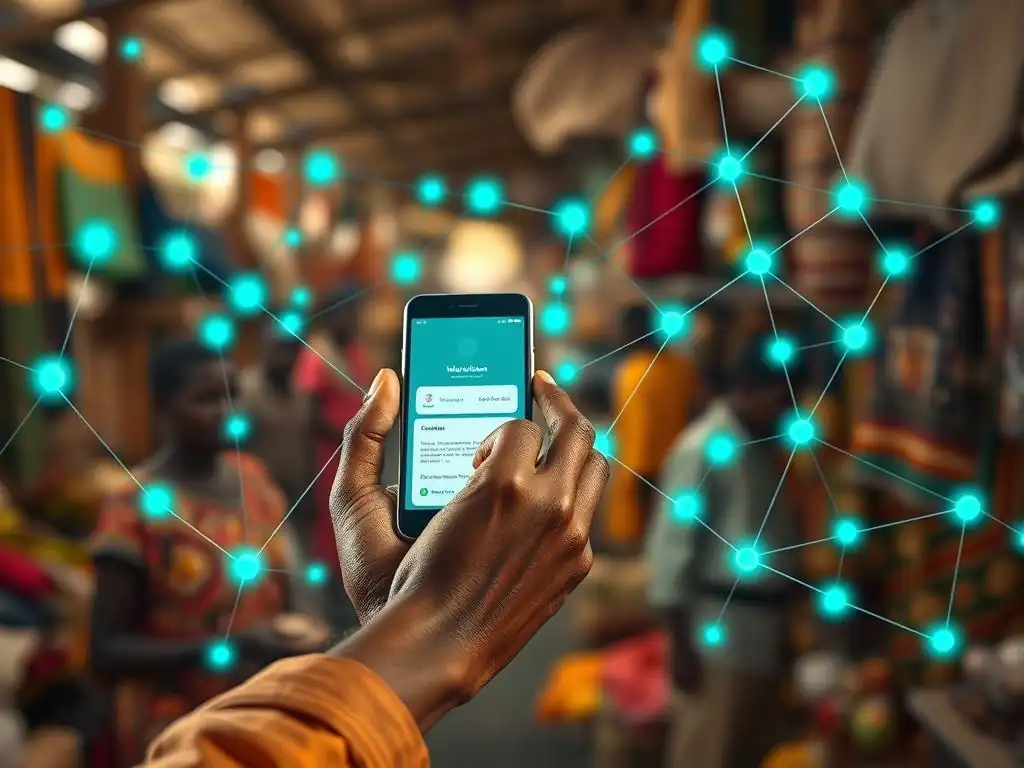
While still nascent in many areas, blockchain technology is already being piloted and implemented in various regions to address financial exclusion. These real-world applications provide valuable insights into the practical challenges and potential successes of leveraging blockchain for development goals. Examining these cases helps illustrate the tangible benefits and the path forward for scaling blockchain financial inclusion opportunities.
These examples often involve collaboration between technology providers, local organizations, and sometimes governments, demonstrating that a multi-stakeholder approach is key to successful implementation in diverse communities.
Case Study 1: Mobile Money Platforms Leveraging Blockchain in Africa
Africa has been a pioneer in mobile money, with platforms like M-Pesa transforming financial access. While not initially blockchain-based, newer initiatives are exploring how blockchain can enhance these services. For instance, projects like Celo aim to provide a mobile-first blockchain platform specifically designed for widespread adoption, enabling low-cost payments and stable value transfer using stablecoins pegged to currencies like the US Dollar.
These platforms leverage the ubiquity of mobile phones to provide digital wallets accessible to anyone, regardless of banking status. By using blockchain, they can offer lower transaction fees compared to some traditional mobile money services, facilitate easier international remittances, and potentially integrate with decentralized applications offering savings or credit. Pilots in countries like Kenya and Nigeria are exploring these possibilities, reaching users in both urban and rural areas.
Case Study 2: Blockchain-Based Identity Solutions for Unbanked Populations
A major barrier to financial inclusion is the lack of official identity documents required to open bank accounts or access formal services. Millions of people, including refugees, stateless individuals, and those in remote areas, lack such documentation. Blockchain technology offers a potential solution by enabling the creation of self-sovereign digital identities.
Projects like those explored by organizations such as the World Identity Network or initiatives using platforms like uPort or Sovrin aim to allow individuals to create, control, and share their identity data securely using blockchain. This verifiable digital identity, potentially linked to biometric data or attested by trusted community members, could serve as a credential for accessing financial services, humanitarian aid, and other essential services, overcoming the need for traditional paper documents.
Impact Assessment: Analyzing Successes and Challenges
Assessing the impact of these blockchain initiatives reveals both promising successes and significant challenges. Successes include demonstrable reductions in transaction costs for remittances in specific corridors and increased access to digital wallets for previously unbanked individuals. The potential for building transparent and tamper-proof records is also a clear benefit, reducing fraud.
However, challenges persist. Scaling these solutions requires significant infrastructure development, user education, and regulatory clarity. Interoperability between different blockchain networks and traditional financial systems remains complex. Furthermore, ensuring security and usability for individuals with limited technical literacy is paramount. While pilots show promise, widespread adoption requires overcoming these practical hurdles.
Overcoming Barriers to Adoption and Scalability
Despite the significant potential of blockchain for financial inclusion opportunities, several barriers must be addressed to achieve widespread adoption and scalability. These challenges span regulatory, technological, and social dimensions, requiring coordinated efforts from various stakeholders.
Successfully navigating these obstacles is crucial for translating the promise of blockchain into tangible improvements in the lives of the financially excluded. Addressing these issues systematically will pave the way for more robust and impactful blockchain solutions.
Regulatory Landscape and Compliance Requirements
The regulatory environment for blockchain and cryptocurrencies remains fragmented and uncertain across many jurisdictions. Governments and central banks are grappling with how to classify and oversee these new technologies. For financial inclusion initiatives, this uncertainty can hinder development and adoption.
Compliance with Anti-Money Laundering (AML) and Know Your Customer (KYC) regulations is a particular challenge for decentralized systems designed for populations lacking traditional identification. Solutions must find ways to balance regulatory requirements aimed at preventing illicit activities with the need for low-barrier access for the unbanked. Clearer, more flexible regulations that acknowledge the unique context of financial inclusion are needed.
Infrastructure Limitations and Technological Access
While smartphone penetration is increasing globally, significant infrastructure limitations remain in many areas where financial exclusion is highest. Reliable internet access, consistent electricity, and affordable mobile data are not universally available. These basic requirements are essential for accessing blockchain-based services via mobile phones or computers.
- [ ] Improve internet connectivity in rural areas.
- [ ] Increase access to affordable smartphones.
- [ ] Address energy reliability issues.
Furthermore, the technical complexity of interacting with blockchain wallets and understanding concepts like private keys can be a barrier for users with limited digital literacy. Solutions need to be designed with extremely simple and intuitive user interfaces.
User Education and Trust-Building Strategies
Introducing new financial technology requires significant user education and trust-building, especially in communities where trust in financial systems may be low due to past negative experiences or unfamiliarity. Potential users need to understand how blockchain technology works, its benefits, and importantly, how to use it safely.
Strategies must go beyond simply providing technology. They should involve community outreach, local language training, and building trust through reliable support systems. Partnerships with trusted local organizations and community leaders can be instrumental in promoting understanding and encouraging adoption. Without trust and understanding, even the most innovative blockchain financial inclusion opportunities will fail to gain traction.
The Future of Blockchain and Financial Inclusion: Towards a More Equitable System
The trajectory of blockchain technology suggests a future where its role in promoting financial inclusion will only grow. As the technology matures, becomes more efficient, and gains wider acceptance, its potential to create a more equitable financial system for billions becomes increasingly viable. The exploration of blockchain financial inclusion opportunities is entering a new phase.
Future developments, including the potential widespread adoption of Central Bank Digital Currencies (CBDCs) and the evolution of Decentralized Finance (DeFi), will significantly shape this landscape, potentially creating new pathways for financial access.
Projected Growth and Market Trends in Blockchain-Based Financial Services
Market analysts project substantial growth in the use of blockchain technology within the financial services sector, including applications focused on inclusion. Reports indicate that the global blockchain market is expected to grow significantly, with financial services being a major application area. While exact figures vary, estimates often place the market value in the tens or even hundreds of billions of dollars in the coming years.
This growth is driven by increasing recognition of blockchain's efficiency, security, and cost-saving potential. As more pilot projects demonstrate success and regulatory clarity improves in certain regions, investment and development in blockchain-based financial inclusion solutions are likely to accelerate, creating more blockchain financial inclusion opportunities.
The Potential Role of Central Bank Digital Currencies (CBDCs)
Central Bank Digital Currencies (CBDCs), digital forms of a country's fiat currency issued by the central bank, could play a significant role in financial inclusion. While not always implemented using blockchain in a decentralized manner, many CBDC designs leverage distributed ledger technology. A well-designed CBDC could provide a secure, low-cost digital payment option directly from the central bank, accessible to all citizens regardless of whether they have a traditional bank account.
This could bypass commercial banks for basic transactions, providing a public digital financial infrastructure. Over 100 countries are currently exploring or developing CBDCs, with some, like Nigeria (eNaira) and The Bahamas (Sand Dollar), already launching them. Their success in promoting inclusion will depend heavily on their design, accessibility features (e.g., offline capabilities), and integration with mobile technology.
Further Innovations: Exploring Decentralized Finance (DeFi) Applications
Decentralized Finance (DeFi), the ecosystem of financial applications built on blockchain (primarily Ethereum and other smart contract platforms), offers a glimpse into a future of open, permissionless finance. While currently dominated by crypto-native users and often involving high transaction fees on busy networks, the underlying principles of DeFi – peer-to-peer lending, automated market makers for exchange, and tokenized assets – hold potential for inclusion.
Innovations in layer-2 scaling solutions and more efficient blockchain protocols are working to reduce costs and increase transaction speed, making DeFi applications more accessible. Future developments could see tailored DeFi products designed for the specific needs and risk profiles of low-income users, offering opportunities for yield generation on small savings or access to capital through novel collateral mechanisms, further expanding blockchain financial inclusion opportunities.
Conclusion: The Transformative Power of Blockchain for Financial Empowerment
Blockchain technology presents a powerful set of tools with the potential to significantly advance financial inclusion globally. By offering decentralized, low-cost, and accessible alternatives to traditional financial services, blockchain can empower individuals who have historically been marginalized by the formal financial system. The exploration and implementation of blockchain financial inclusion opportunities are not merely theoretical exercises but represent concrete steps towards a more equitable world.
While challenges related to regulation, infrastructure, and user adoption remain, ongoing innovation and real-world pilots demonstrate the tangible benefits that blockchain can deliver. Continued focus and investment in this area are crucial for unlocking the full potential of this transformative technology to improve livelihoods and foster economic resilience for billions.
Summarizing the Key Benefits of Blockchain for Financial Inclusion
The key benefits of leveraging blockchain for financial inclusion can be summarized as:
- Reduced transaction costs, particularly for micropayments and remittances.
- Increased accessibility via mobile phones, bypassing traditional banking infrastructure.
- Enhanced security and transparency through immutable and verifiable ledgers.
- Potential for alternative identity and credit scoring systems.
- Faster and more efficient cross-border payments.
- Enabling new financial products through smart contracts.
These advantages collectively contribute to lowering barriers to entry for financial services and providing individuals with greater control over their financial lives.
Call to Action: Promoting Collaboration and Investment in Inclusive Technologies
Realizing the full potential of blockchain for financial inclusion requires concerted effort and collaboration across various sectors.
- Governize efforts between technology developers, financial institutions, NGOs, and governments.
- [ ] Promote investment in infrastructure development (internet, mobile access) in underserved areas.
- [ ] Support the creation of enabling regulatory frameworks that balance innovation with consumer protection.
- [ ] Invest in user education and digital literacy programs tailored for diverse populations.
- [ ] Encourage pilot programs and research into sustainable and scalable blockchain financial inclusion opportunities.
By working together, stakeholders can accelerate the development and deployment of blockchain-based solutions that truly empower the financially excluded, moving closer to a world where everyone has access to the essential financial services they need to thrive.
Frequently Asked Questions
How can blockchain-based currencies contribute to financial inclusion?
Blockchain currencies offer a decentralized and accessible alternative to traditional banking, potentially reaching underserved populations with limited access to financial services. This can be achieved through lower transaction fees and simplified access to digital wallets.
What are the main challenges in implementing blockchain solutions for financial inclusion?
Challenges include regulatory uncertainty, the digital divide (lack of internet access and digital literacy), and the inherent volatility of some cryptocurrencies. These factors can hinder widespread adoption and trust.
How does DeFi (Decentralized Finance) play a role in expanding blockchain financial inclusion opportunities?
DeFi platforms provide uncollateralized lending, peer-to-peer lending, and other financial services without traditional intermediaries. This expands access to credit and investment opportunities for the financially excluded.
What regulations are needed to foster blockchain financial inclusion opportunities while mitigating risks?
Effective regulations should focus on consumer protection, preventing illicit activities, and establishing clear legal frameworks for blockchain-based financial services. A balance between innovation and security is crucial.
What is the future outlook for blockchain financial inclusion opportunities and its impact?
The future holds promise as technology matures and becomes more user-friendly. Widespread adoption could lead to significant economic empowerment for underserved populations and a more equitable financial system, assuming the challenges are effectively addressed.
Final Reflection: Embracing Decentralized Financial Futures
The exploration of blockchain-based currencies as a tool for financial inclusion reveals a powerful potential, but also underscores the complexities of bridging the gap for the financially excluded. The promise of a decentralized dollar lies not just in technological innovation, but in its ability to dismantle traditional barriers and empower individuals previously marginalized by conventional financial systems. This potential is particularly relevant today, as economic disparities widen and the need for accessible financial solutions becomes increasingly urgent.
The impact of decentralized finance extends far beyond mere transactions; it touches upon fundamental issues of economic justice and social equity. Witnessing the potential for blockchain to provide access to credit, savings, and investment opportunities for those historically denied these resources is profoundly moving. Financial inclusion is not just about giving people access to financial services; it's about empowering them to participate fully in the economy and improve their lives.
This quote encapsulates the core of the matter: it's about creating a more equitable and just world.
As we stand at the cusp of a new financial era, let us not merely observe the evolution of blockchain technology, but actively engage in shaping its future. Consider how you can contribute to fostering blockchain financial inclusion opportunities. Reflect on the ways you can support initiatives that prioritize accessibility, education, and responsible innovation. The future of finance is not predetermined; it is a collective creation, and your actions can help ensure that it truly empowers all.
Okay, here's a CTA for the end of the web article titled "The Decentralized Dollar: Can Blockchain-Based Currencies Empower the Financially Excluded?" for the website "Blockchain Trends" with the domain "blockchaintrends.org":
Ignite Financial Freedom: Take the First Step!
Thank you for exploring the potential of decentralized currencies and their impact on financial inclusion. We hope this article has illuminated the possibilities of blockchain technology in creating a more equitable financial system. Now, it's time to put that knowledge into action and contribute to this vital movement.
Here are a few ways you can get involved:
- Actively research and support a blockchain project that focuses on financial inclusion. Explore platforms like Ethereum, Celo, or Algorand and identify initiatives aligned with your values.
- Share this article with three friends or family members who might benefit from learning about decentralized finance and its potential to empower marginalized communities.
- Consider donating a small amount of cryptocurrency to a charity or organization that supports financial literacy and access to digital financial tools in underserved areas.
What specific challenge faced by the financially excluded do you believe blockchain can most effectively address, and what solutions are you most excited to see developed?
Leave a Reply