
The Challenges of CrossChain Development: Navigating the Complexities of Interoperability


Welcome to Blockchain Trends, your go-to source for demystifying the evolving world of decentralized technologies. Dive into our latest exploration of crosschain development, where we unravel the complexities and spotlight innovative solutions. Are you ready to navigate the intricate web of interoperability and discover how to overcome its inherent challenges? Let's explore the path forward together!
The Challenges of Cross-Chain Development: Navigating the Complexities of Interoperability
- Introduction: Understanding the Need for Cross-Chain Interoperability
- Identifying the Key Challenges in Cross-Chain Development
- Navigating the Complexities: Exploring Cross-Chain Development Solutions
- Ethereum vs. Polkadot vs. Cosmos: Comparing Cross-Chain Development Approaches
- Best Practices for Cross-Chain Development
- The Future of Cross-Chain Interoperability: Trends and Predictions
- Conclusion: Embracing Cross-Chain Development for a Unified Blockchain Ecosystem
-
Frequently Asked Questions
- What are the primary challenges in crosschain development?
- How does the lack of standardization impact crosschain development?
- What are some solutions being developed to address crosschain interoperability?
- How does regulation affect the development and deployment of crosschain applications?
- What is the future outlook for crosschain development and its impact on decentralized systems?
- Final Reflection: Bridging the Blockchain Divide
- Unlock the Potential: Forge Your Cross-Chain Future!
Introduction: Understanding the Need for Cross-Chain Interoperability
Why Cross-Chain Solutions are Crucial for Blockchain Adoption
Blockchain technology, since its inception with Bitcoin, has proliferated into a diverse ecosystem of platforms, each optimized for specific use cases and functionalities. However, this proliferation has inadvertently led to a fragmented landscape, often described as "siloed blockchains." These isolated networks, while individually powerful, struggle to communicate and interact with one another, limiting the overall potential of the blockchain space.
Cross-chain solutions are thus emerging as a critical necessity to break down these silos, enabling seamless communication and value transfer between disparate blockchain networks. Without interoperability, the vision of a unified, interconnected blockchain ecosystem, capable of supporting a wide range of applications from decentralized finance (DeFi) to supply chain management, remains largely unrealized. The ability to move assets and data freely across chains is essential for unlocking network effects and fostering broader blockchain adoption across industries and use cases.
The need for cross-chain solutions is further amplified by the increasing specialization of blockchains. Different blockchains are being developed with unique architectures and consensus mechanisms optimized for specific purposes. For instance, some are designed for high-throughput transactions, ideal for payment systems, while others prioritize privacy or smart contract capabilities.
This specialization is beneficial but creates a situation where users and applications may need to interact with multiple blockchains to leverage their distinct advantages. Cross-chain interoperability bridges this gap, allowing users to access the best features of different blockchains without being confined to a single network. This promotes innovation and user choice, driving the overall growth and maturation of the blockchain ecosystem by enabling developers to build more versatile and powerful decentralized applications that can span multiple platforms.
Defining Cross-Chain Development and its Goals
Cross-chain development refers to the methodologies, technologies, and practices involved in building applications and systems that can operate across multiple distinct blockchain networks. At its core, cross-chain development aims to achieve interoperability, which is the ability for different blockchains to communicate, share data, and transfer value with each other in a secure and efficient manner. This goes beyond simply moving tokens from one chain to another; it encompasses enabling complex interactions, such as triggering smart contracts on one chain based on events occurring on another, or composing decentralized applications that leverage functionalities from multiple blockchains simultaneously.
The primary goals of cross-chain development are multifaceted. Firstly, it seeks to overcome the limitations of isolated blockchain ecosystems by creating bridges that allow for the free flow of information and assets. Secondly, it aims to enhance the functionality and scalability of blockchain applications by allowing them to leverage the unique strengths of different chains.
For example, a DeFi application might utilize a high-throughput chain for transactions and a privacy-focused chain for sensitive data management. Thirdly, cross-chain development strives to foster innovation by enabling developers to build more complex and versatile applications that were previously impossible within the confines of a single blockchain. Ultimately, the goal is to create a more interconnected, efficient, and user-friendly blockchain landscape, driving wider adoption and unlocking the full potential of decentralized technologies.
Identifying the Key Challenges in Cross-Chain Development
Technical Hurdles in Building Interoperable Blockchains
Different Consensus Mechanisms and their Compatibility Issues
One of the most significant technical hurdles in achieving cross-chain interoperability stems from the inherent diversity in consensus mechanisms employed by different blockchains. Consensus mechanisms are the fundamental algorithms that blockchains use to agree on the state of the network and validate transactions. Bitcoin, for example, utilizes Proof-of-Work (PoW), which relies on computational power to secure the network, while Ethereum is transitioning to Proof-of-Stake (PoS), which relies on validators staking cryptocurrency. Other blockchains employ variations like Delegated Proof-of-Stake (DPoS), Proof-of-Authority (PoA), and Byzantine Fault Tolerance (BFT) algorithms, each with distinct security assumptions, performance characteristics, and levels of decentralization.
These disparate consensus mechanisms create fundamental compatibility issues for cross-chain communication. A transaction validated on a PoW chain, for instance, relies on a different security model than one validated on a PoS chain. Verifying the validity of events and transactions across chains with such fundamentally different security paradigms becomes a complex challenge.
Developing mechanisms that can reliably and trustlessly translate and validate consensus proofs across different algorithms requires sophisticated cryptographic techniques and careful architectural design. Furthermore, differences in block finality times – the time it takes for a transaction to be considered irreversible – can introduce complications in cross-chain transfers, as a transaction deemed final on one chain might still be probabilistic on another, leading to potential race conditions and security vulnerabilities in cross-chain interactions.
Addressing Data and Asset Transfer Limitations
Transferring data and assets seamlessly between blockchains is a core requirement for cross-chain interoperability, yet it presents significant technical challenges. Blockchains are inherently designed to operate independently, with their own data structures, transaction formats, and address schemes. Directly accessing and interpreting data from a foreign blockchain is not a trivial task. Cross-chain solutions must establish standardized protocols and mechanisms to translate and validate data and asset representations across different blockchain formats. This often involves creating "bridges" or "relays" that act as intermediaries, capable of understanding and interpreting the languages of different blockchains.
Asset transfer, particularly for cryptocurrencies and tokens, adds another layer of complexity. Simply moving a token from one chain to another is not just a matter of copying data; it necessitates ensuring the token's authenticity, preventing double-spending, and maintaining its supply integrity across chains.
Techniques like locking or burning tokens on the source chain and minting equivalent wrapped tokens on the destination chain are commonly employed, but these methods introduce their own set of challenges, including custody risks and the need for robust mechanisms to maintain pegging and prevent supply manipulation. Furthermore, handling complex data structures and smart contract states across chains requires sophisticated serialization and deserialization techniques, ensuring data integrity and consistency throughout the cross-chain transfer process.
Smart Contract Interoperability: A Significant Challenge
Smart contracts, self-executing agreements encoded on blockchains, are a cornerstone of decentralized applications. However, achieving interoperability between smart contracts residing on different blockchains presents a particularly intricate challenge. Smart contracts are typically written in blockchain-specific languages like Solidity for Ethereum or Rust for Solana, and they operate within the virtual machine environment of their respective blockchains. Directly invoking a smart contract on one chain from a smart contract on another is generally not possible without specialized cross-chain infrastructure.
The challenge of smart contract interoperability goes beyond just language compatibility. It involves managing state consistency, event handling, and transaction execution across different smart contract platforms. Cross-chain solutions need to provide mechanisms for smart contracts on different chains to communicate and coordinate actions in a secure and reliable manner.
This might involve using oracles to relay information about smart contract events across chains, or employing specialized cross-chain messaging protocols that allow smart contracts to send and receive instructions. Furthermore, ensuring atomicity in cross-chain smart contract interactions – meaning that either all operations across chains succeed or all fail, preventing inconsistent states – is a critical but technically demanding aspect of cross-chain smart contract development. The complexity escalates further when considering the need to maintain composability, allowing smart contracts on different chains to interact and build upon each other's functionalities in a seamless and modular way.
Security Risks and Vulnerabilities in Cross-Chain Bridges
The Problem of Centralized Bridges and Single Points of Failure
Cross-chain bridges are essential infrastructure components facilitating interoperability, but they inherently introduce new security risks and vulnerabilities. A significant concern arises from the prevalence of centralized bridges. Many early cross-chain solutions relied on centralized entities to manage asset transfers and relay information between chains. These centralized bridges often act as custodians of user funds during cross-chain transactions, creating single points of failure that can be exploited by malicious actors. If a centralized bridge is compromised, either through hacking or insider threats, users can lose their funds, and the integrity of the entire cross-chain system can be jeopardized.
The infamous Ronin Bridge hack in March 2022, where approximately $625 million in cryptocurrency was stolen, serves as a stark example of the risks associated with centralized bridges. The attackers exploited vulnerabilities in the bridge's centralized validator setup, gaining control over the majority of validator nodes and authorizing fraudulent withdrawals.
This incident underscored the critical need to move away from centralized architectures in cross-chain bridges and towards more decentralized and trustless solutions. While centralized bridges might offer speed and ease of implementation, their inherent security weaknesses pose a significant threat to the broader adoption and long-term viability of cross-chain technology.
Mitigating Smart Contract Security Risks in Cross-Chain Transfers
Even in decentralized cross-chain bridges, smart contract security remains a paramount concern. Cross-chain transfers often involve complex smart contracts that manage the locking, minting, and burning of assets across different chains. Vulnerabilities in these smart contracts can be exploited to drain funds, manipulate asset supplies, or disrupt the bridge's functionality. The increased complexity of cross-chain smart contracts, often involving interactions with multiple blockchains and external data sources, expands the attack surface and makes them more susceptible to bugs and exploits.
Mitigating smart contract security risks in cross-chain transfers requires rigorous security practices throughout the development lifecycle. This includes thorough code audits by independent security experts, formal verification methods to mathematically prove the correctness of smart contract logic, and comprehensive testing to identify potential vulnerabilities before deployment. Furthermore, implementing robust monitoring and incident response mechanisms is crucial to detect and respond to security incidents promptly.
Regular security updates and patches are also necessary to address newly discovered vulnerabilities. Emphasis on modular design and separation of concerns in smart contract architecture can help to limit the impact of potential vulnerabilities, making the system more resilient to attacks.
Preventing Double-Spending and Replay Attacks Across Chains
Double-spending and replay attacks are fundamental security threats in any blockchain system, and they become particularly relevant and complex in the context of cross-chain interactions. Double-spending occurs when the same digital asset is spent more than once, while replay attacks involve re-broadcasting a valid transaction to fraudulently execute it again. In cross-chain scenarios, these attacks can manifest in novel and challenging ways. For instance, an attacker might attempt to spend the same asset on both the source and destination chains during a cross-chain transfer, or replay a cross-chain transaction to mint duplicate tokens on the target chain.
Preventing double-spending and replay attacks in cross-chain environments requires careful protocol design and robust security mechanisms. Cross-chain bridges must implement secure transaction tracking and validation mechanisms to ensure that assets are properly locked or burned on the source chain before being minted or released on the destination chain. Techniques like nonces (unique transaction identifiers) and chain IDs are crucial to prevent replay attacks by ensuring that transactions are only valid within their intended context and chain.
Furthermore, consensus mechanisms and validation processes within cross-chain bridges must be designed to detect and reject any attempts at double-spending or fraudulent transaction replays. The complexity increases when dealing with asynchronous cross-chain communication, where transactions might take time to propagate and finalize across different networks, requiring sophisticated synchronization and conflict resolution mechanisms.
Scalability Bottlenecks in Cross-Chain Communication
Optimizing Cross-Chain Transaction Speeds
Latency in cross-chain transactions presents a significant scalability bottleneck. Traditional blockchain transactions, especially on high-throughput chains, can achieve relatively fast confirmation times. However, cross-chain transactions often involve multiple steps and network hops, leading to increased latency and slower overall transaction speeds. This latency can be detrimental to user experience, particularly for applications requiring fast and responsive cross-chain interactions, such as decentralized exchanges (DEXs) and cross-chain payments.
Optimizing cross-chain transaction speeds requires addressing several factors contributing to latency. These include network congestion on both the source and destination chains, the processing overhead of cross-chain bridges, and the time required for consensus finality on different chains. Techniques such as parallel processing, optimized routing algorithms, and efficient message relay mechanisms can help to reduce bridge processing times.
Furthermore, leveraging layer-2 scaling solutions, like state channels and rollups, for cross-chain communication can significantly improve transaction speeds by offloading a significant portion of transaction processing and validation from the main chains. Exploring and adopting faster consensus mechanisms and block finality protocols on underlying blockchains also contributes to overall cross-chain speed improvements.
Handling Increased Data Load and Network Congestion
As cross-chain activity grows, the data load and network congestion associated with cross-chain communication can become a significant scalability bottleneck. Each cross-chain transaction generates additional data that needs to be processed, stored, and relayed across networks. This increased data load can strain the capacity of cross-chain bridges and the underlying blockchains, leading to network congestion, higher transaction fees, and slower confirmation times. The problem is exacerbated when considering scenarios involving high volumes of cross-chain transactions, such as in a widely adopted cross-chain DeFi ecosystem.
Handling increased data load and network congestion in cross-chain communication requires scalable infrastructure and efficient data management techniques. Cross-chain bridges need to be designed to handle increasing transaction throughput and data volumes without performance degradation. This might involve using distributed architectures, load balancing techniques, and optimized data storage and retrieval mechanisms. Furthermore, exploring data compression and aggregation techniques can help to reduce the overall data footprint of cross-chain transactions. Layer-2 scaling solutions, by aggregating multiple cross-chain transactions into a single on-chain transaction, can also significantly reduce the data load on the main chains and improve overall scalability.
Ensuring Scalable Cross-Chain Infrastructure
Building truly scalable cross-chain infrastructure is crucial for supporting the long-term growth and adoption of cross-chain technology. Scalability in this context encompasses not only handling increased transaction throughput and data volumes but also accommodating the addition of new blockchains and cross-chain applications to the ecosystem. The architecture of cross-chain solutions needs to be flexible and adaptable to evolve with the expanding blockchain landscape. This requires modular designs, standardized protocols, and open interfaces that facilitate the integration of new chains and applications without requiring major architectural overhauls.
Ensuring scalable cross-chain infrastructure also involves addressing the challenges of decentralized governance and network maintenance. As cross-chain networks grow in complexity and scale, managing upgrades, resolving disputes, and coordinating network participants becomes increasingly challenging. Developing robust decentralized governance mechanisms is essential to ensure the long-term sustainability and scalability of cross-chain infrastructure.
This includes establishing clear decision-making processes, incentive structures for network participants, and mechanisms for community involvement in network governance. Furthermore, investing in research and development of novel scaling technologies and architectural paradigms is crucial for pushing the boundaries of cross-chain scalability and unlocking the full potential of interoperable blockchain ecosystems.
Atomic Swaps: Enabling Trustless Cross-Chain Transactions
Atomic swaps represent a foundational approach to cross-chain interoperability, enabling trustless peer-to-peer exchange of assets between different blockchains. The "atomic" nature of these swaps ensures that either both legs of the exchange occur successfully, or neither happens, eliminating counterparty risk. This is achieved through the use of Hash Time-Locked Contracts (HTLCs), which enforce conditional execution based on cryptographic hashes and time constraints. Atomic swaps are particularly valuable for facilitating decentralized cross-chain trading without relying on intermediaries or centralized exchanges.
The mechanics of atomic swaps typically involve two parties, each holding assets on different blockchains, wanting to exchange them. The process begins with one party creating an HTLC on their blockchain, locking their asset and generating a secret. This secret is then revealed to the counterparty after they have locked their asset in a corresponding HTLC on their blockchain, using the hash of the secret.
Once the secret is revealed, both parties can claim their respective assets. The time-lock mechanism ensures that if either party fails to fulfill their part of the agreement within a specified timeframe, the locked assets are returned to their original owners. Atomic swaps offer a highly secure and decentralized method for cross-chain asset exchange, but they have limitations in terms of complexity and the types of transactions they can support.
Hash Time-Locked Contracts (HTLCs) and their Limitations
Hash Time-Locked Contracts (HTLCs) are the cryptographic building blocks enabling atomic swaps and other forms of conditional cross-chain transactions. As described earlier, HTLCs utilize cryptographic hashes and time locks to enforce conditional execution. They are essentially smart contracts that lock assets and release them only if specific conditions are met within a defined time period.
The use of cryptographic hashes ensures that the secret required to unlock the assets can only be revealed after the counterparty has committed to their side of the transaction. The time lock mechanism adds a crucial safety net, preventing assets from being locked indefinitely if one party becomes unresponsive or malicious.
While HTLCs are powerful tools for enabling trustless cross-chain interactions, they also have limitations. One significant limitation is their complexity. Setting up and executing atomic swaps using HTLCs can be technically challenging, requiring a deep understanding of cryptography and blockchain protocols.
Furthermore, HTLCs are primarily designed for simple asset swaps and may not be suitable for more complex cross-chain interactions involving smart contracts or intricate business logic. Another limitation is the requirement for both parties to be online and actively participating in the swap process, which can be inconvenient in certain scenarios. Despite these limitations, HTLCs remain a fundamental technology for building decentralized and trustless cross-chain solutions, particularly for asset exchange and payment channels.
Cross-Chain Bridges: A Deep Dive into Different Architectures
Centralized Bridges: Trade-offs Between Speed and Security
Cross-chain bridges are infrastructure solutions designed to facilitate the transfer of assets and data between different blockchains. They come in various architectures, each with its own set of trade-offs between speed, security, and decentralization. Centralized bridges represent one end of the spectrum, prioritizing speed and ease of implementation but often at the expense of security and trustlessness. These bridges typically rely on a central authority or a small group of validators to manage cross-chain transfers. Users trust this central entity to correctly facilitate the transfer and custody of their assets.
The primary advantage of centralized bridges is their speed and efficiency. By relying on a centralized operator, cross-chain transactions can be processed quickly, often with lower fees compared to more decentralized solutions. This speed can be attractive for users seeking fast cross-chain transfers, especially for time-sensitive transactions. However, the centralized nature of these bridges introduces significant security risks.
As highlighted by the Ronin Bridge hack, a single point of failure can be exploited to compromise the entire bridge, leading to substantial financial losses. The trust placed in the central operator also raises concerns about censorship, collusion, and regulatory risks. While centralized bridges might offer a convenient solution for early-stage cross-chain interoperability, their inherent security limitations make them less desirable for long-term, secure cross-chain infrastructure.
Decentralized Bridges: Enhancing Trust and Transparency
Decentralized bridges aim to address the security and trust concerns associated with centralized bridges by distributing control and validation across a network of independent participants. These bridges typically utilize decentralized validator sets, consensus mechanisms, and smart contracts to manage cross-chain transfers in a more transparent and trustless manner. The goal is to minimize reliance on central authorities and enhance the security and resilience of cross-chain infrastructure. Decentralized bridges come in various forms, including those based on multi-signature schemes, threshold signature schemes, and optimistic or fraud-proof mechanisms.
Decentralized bridges offer significant advantages in terms of security and transparency. By distributing control and validation, they reduce the risk of single points of failure and enhance resistance to censorship and manipulation. The use of smart contracts and transparent on-chain processes increases accountability and auditability. However, decentralized bridges often come with trade-offs in terms of speed and complexity.
Achieving decentralization typically requires more complex architectures and consensus mechanisms, which can lead to slower transaction speeds and higher development costs. Balancing the trade-offs between decentralization, speed, and security is a key challenge in designing effective decentralized cross-chain bridges. Ongoing research and development are focused on improving the efficiency and scalability of decentralized bridge architectures while maintaining high levels of security and trustlessness.
Relay Chains and Parachains: The Polkadot Approach
Polkadot's architecture introduces a unique approach to cross-chain interoperability through its relay chain and parachain system. The relay chain serves as the central hub, providing shared security, consensus, and interoperability for connected parachains. Parachains are individual blockchains that plug into the relay chain, benefiting from its shared security and gaining the ability to communicate and transact with other parachains connected to the same relay chain. This architecture offers a fundamentally different approach to cross-chain interoperability compared to traditional bridges.
The Polkadot approach offers several advantages. Shared security through the relay chain significantly enhances the security of individual parachains and simplifies the process of launching new interoperable blockchains. The parachain architecture allows for customized blockchain designs optimized for specific use cases, while still maintaining interoperability within the Polkadot ecosystem. The relay chain facilitates seamless and efficient cross-chain communication between parachains, enabling complex cross-chain applications and composability.
However, the Polkadot approach also has its complexities. Developing parachains requires adherence to specific technical specifications and participation in the Polkadot ecosystem. The scalability and performance of the relay chain itself are critical factors influencing the overall scalability of the Polkadot network and its parachains. Nevertheless, Polkadot's relay chain and parachain architecture represents a significant advancement in cross-chain interoperability, offering a robust and scalable framework for building interconnected blockchain ecosystems.
Layer-2 Solutions for Cross-Chain Interoperability
State Channels and Plasma Chains for Faster Transactions
Layer-2 scaling solutions, originally developed to improve the scalability of individual blockchains, are also being explored for enhancing cross-chain interoperability. State channels and plasma chains are two prominent layer-2 technologies that offer potential benefits for faster and more efficient cross-chain interactions. State channels enable off-chain, direct communication and transaction processing between participants, with only the opening and closing states of the channel recorded on the main chain. Plasma chains are child chains that inherit security from the main chain and allow for off-chain transaction processing with periodic state commitments to the main chain.
In the context of cross-chain interoperability, state channels can facilitate fast and low-cost cross-chain transfers and interactions between a limited set of participants. For example, a state channel could be established between two parties on different blockchains to enable frequent and rapid cross-chain payments. Plasma chains, similarly, could be used to create dedicated cross-chain bridges with higher throughput and lower latency compared to main-chain bridges. By offloading a significant portion of cross-chain transaction processing to layer-2 solutions, the burden on main chains and cross-chain bridges can be reduced, leading to improved scalability and faster transaction speeds. However, layer-2 solutions like state channels and plasma chains typically have limitations in terms of their generality and the types of cross-chain interactions they can support. State channels are primarily suitable for interactions between a fixed set of participants, while plasma chains might impose constraints on the complexity of smart contracts and state transitions.
Rollups and their Applicability in Cross-Chain Scenarios
Rollups, another category of layer-2 scaling solutions, are gaining traction for their potential to enhance both scalability and cross-chain interoperability. Rollups operate by executing transactions off-chain and then posting compressed transaction data and state roots to the main chain. Two main types of rollups exist: optimistic rollups and zero-knowledge (ZK) rollups. Optimistic rollups assume transactions are valid unless proven otherwise through fraud proofs, while ZK-rollups use cryptographic proofs to guarantee transaction validity.
In cross-chain scenarios, rollups can be leveraged to create more scalable and efficient cross-chain bridges. By processing cross-chain transactions within a rollup and then anchoring the rollup's state on both the source and destination chains, faster and cheaper cross-chain transfers can be achieved. Rollups can also potentially enhance cross-chain smart contract interoperability by allowing for the execution of complex cross-chain logic within the rollup environment. ZK-rollups, in particular, offer strong security guarantees due to their reliance on cryptographic proofs, making them attractive for building secure and trustless cross-chain bridges. Furthermore, rollups can contribute to improved composability in cross-chain environments by enabling developers to build applications that span multiple chains while benefiting from the scalability and efficiency of layer-2 technology. The applicability of rollups in cross-chain development is an active area of research and development, with promising potential to address scalability bottlenecks and enhance the overall user experience of cross-chain applications.
Ethereum vs. Polkadot vs. Cosmos: Comparing Cross-Chain Development Approaches
Ethereum's Cross-Chain Efforts: Wormhole and LayerZero
Ethereum, as the leading smart contract platform, is actively exploring and adopting various cross-chain solutions to enhance its interoperability with other blockchains. While Ethereum itself does not have a native cross-chain protocol akin to Polkadot's parachains or Cosmos' IBC, several projects are building bridges and messaging protocols to connect Ethereum to other ecosystems. Wormhole and LayerZero are two prominent examples of such projects that exemplify Ethereum's approach to cross-chain interoperability.
Wormhole is a generic message-passing protocol that connects Ethereum to multiple other blockchains, including Solana, Polygon, and Binance Smart Chain. It allows for the transfer of tokens and arbitrary data messages across these connected chains. Wormhole utilizes a network of guardians to validate and relay messages between chains, employing a multi-signature scheme to enhance security.
LayerZero, on the other hand, is an omnichain interoperability protocol designed for lightweight message passing across blockchains. It utilizes oracles and relayers to validate and deliver messages, aiming for a more efficient and cost-effective approach to cross-chain communication. Both Wormhole and LayerZero represent significant efforts within the Ethereum ecosystem to address cross-chain development complexities and enable interoperability with a wider range of blockchain networks, focusing on general-purpose messaging and asset transfer capabilities.
Polkadot's Parachain Architecture and Interoperability Focus
Polkadot's architecture is inherently designed with cross-chain interoperability as a core principle. Its parachain system, connected to the central relay chain, provides a native framework for building and deploying interoperable blockchains. Parachains benefit from the shared security and consensus of the relay chain and can communicate and transact with each other seamlessly through Polkadot's cross-chain messaging protocol, XCM (Cross-Consensus Messaging). This architecture offers a unified and integrated approach to cross-chain development, fostering a highly interoperable ecosystem.
Polkadot's focus on interoperability is evident in its design choices and development roadmap. The XCM protocol is continuously evolving to support increasingly complex cross-chain interactions, including smart contract calls and state sharing between parachains. Polkadot's governance mechanisms also prioritize cross-chain functionality and ecosystem growth, fostering collaboration and standardization within the Polkadot network. The parachain model encourages specialization and diversity, allowing developers to build blockchains optimized for specific use cases while maintaining seamless interoperability within the broader Polkadot ecosystem. This dedicated focus on cross-chain interoperability distinguishes Polkadot as a platform specifically designed for a multi-chain future.
Cosmos' Inter-Blockchain Communication (IBC) Protocol
Cosmos takes a different approach to cross-chain interoperability, focusing on building an "Internet of Blockchains" through its Inter-Blockchain Communication (IBC) protocol. IBC is a standardized protocol that enables sovereign blockchains, known as zones in Cosmos terminology, to communicate and transact with each other in a permissionless and decentralized manner. Unlike Polkadot's shared security model, Cosmos zones maintain their own sovereignty and security, but can interoperate with other IBC-enabled zones through standardized messaging.
IBC provides a modular and flexible framework for cross-chain communication, focusing on standardized message formats and secure relaying mechanisms. It allows for the transfer of tokens, data, and even smart contract calls between connected zones. Cosmos SDK, a popular framework for building blockchains, natively supports IBC, making it easier for developers to create interoperable blockchains within the Cosmos ecosystem.
The Cosmos Hub, the first zone in the Cosmos network, acts as a central router for IBC messages, facilitating cross-chain communication between different zones. Cosmos' approach emphasizes blockchain sovereignty and modularity, providing a decentralized and permissionless framework for building an interconnected network of independent blockchains.
Comparing Security Models of Different Platforms
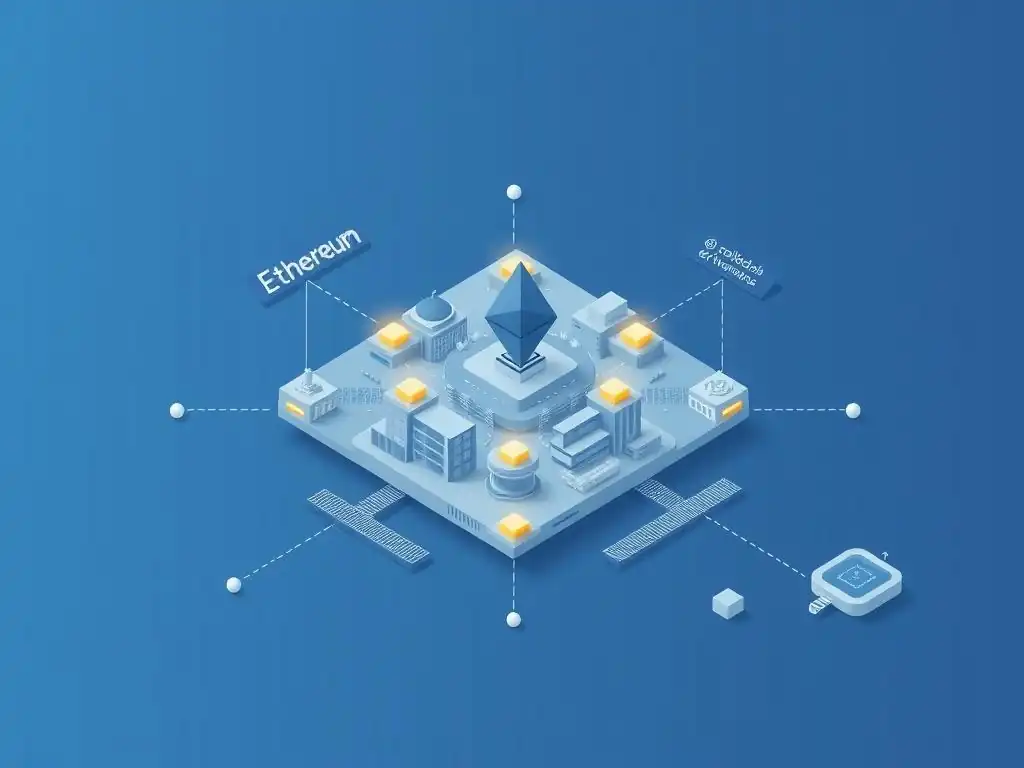
The security models of Ethereum, Polkadot, and Cosmos differ significantly, impacting the security considerations for cross-chain development on each platform. Ethereum, while transitioning to Proof-of-Stake, primarily relies on the security of its main chain for its cross-chain solutions like Wormhole and LayerZero. The security of these bridges depends on the robustness of their validator sets and smart contracts, which are ultimately anchored to Ethereum's main chain security. However, vulnerabilities in bridge contracts or validator setups can still pose significant risks.
Polkadot offers a shared security model where parachains inherit security from the relay chain. This provides a strong security foundation for cross-chain interactions within the Polkadot ecosystem, as parachains benefit from the collective security of the relay chain validators. However, the security of the entire Polkadot network is dependent on the security of the relay chain itself, and vulnerabilities in the relay chain consensus or validator set could impact all connected parachains.
Cosmos, on the other hand, adopts a sovereign security model where each zone is responsible for its own security. IBC provides a secure communication protocol, but the security of cross-chain interactions ultimately relies on the security of the individual zones involved.
Zones must implement robust security measures to protect themselves and ensure the integrity of cross-chain transactions. Comparing these security models highlights the different trade-offs and considerations for cross-chain development on each platform, with varying levels of shared versus independent security responsibilities.
Developer Experience and Tooling: A Comparative Analysis
The developer experience and tooling available for cross-chain development also vary across Ethereum, Polkadot, and Cosmos, influencing the ease and accessibility of building interoperable applications. Ethereum, with its mature developer ecosystem, offers a wide range of tools and libraries for smart contract development and bridge integration. Solidity, the dominant smart contract language on Ethereum, is well-supported with extensive documentation and developer resources. However, cross-chain development on Ethereum often involves integrating with third-party bridges and protocols, which can add complexity and require developers to learn new APIs and frameworks.
Polkadot provides a more integrated developer experience for cross-chain development within its ecosystem. Substrate, the framework for building parachains, offers built-in support for cross-chain messaging and interoperability. Developers building parachains benefit from a consistent development environment and a comprehensive set of tools and libraries for building interoperable applications. Rust, the primary programming language for Substrate, is gaining popularity in the blockchain space and offers strong performance and security features.
Cosmos also offers a developer-friendly experience through its Cosmos SDK, which simplifies the process of building IBC-enabled blockchains. The Cosmos SDK provides modules and tools for implementing IBC functionality and building interoperable applications. Go, the primary programming language for Cosmos SDK, is widely used and well-documented. Comparing developer experience and tooling highlights the different strengths and focuses of each platform, with Polkadot and Cosmos offering more integrated frameworks for cross-chain development compared to Ethereum's more fragmented but mature ecosystem.
Best Practices for Cross-Chain Development
Implementing Robust Security Audits for Cross-Chain Contracts
Given the inherent security risks in cross-chain development, implementing robust security audits for cross-chain smart contracts is paramount. Cross-chain contracts are often more complex than single-chain contracts, managing interactions across multiple blockchains and handling sensitive asset transfers. Thorough security audits by independent experts are essential to identify potential vulnerabilities and mitigate risks before deployment. These audits should cover all aspects of the contract code, including logic, cryptography, and integration with cross-chain infrastructure.
Security audits for cross-chain contracts should go beyond standard smart contract audit practices. They should specifically focus on vulnerabilities related to cross-chain interactions, such as message relay security, asset locking and minting mechanisms, and potential attack vectors arising from the interplay of different blockchain consensus mechanisms. Auditors should possess expertise in cross-chain protocols and security considerations specific to interoperability.
Regular audits, especially after any code changes or protocol updates, are crucial to maintain the security of cross-chain applications. Engaging reputable security auditing firms with proven experience in blockchain and cross-chain security is a vital best practice for minimizing vulnerabilities and ensuring the safety of user funds and data in cross-chain environments.
Utilizing Formal Verification Methods to Minimize Vulnerabilities
Formal verification methods offer a powerful approach to enhance the security of cross-chain smart contracts by mathematically proving the correctness of their code and logic. Formal verification involves using mathematical techniques to rigorously analyze smart contract code and verify that it behaves as intended and satisfies specific security properties. This can help to detect subtle bugs and vulnerabilities that might be missed by traditional testing and auditing methods. Applying formal verification to cross-chain contracts is particularly valuable due to their increased complexity and the critical nature of their operations.
Utilizing formal verification in cross-chain development can significantly reduce the risk of vulnerabilities and enhance the trustworthiness of cross-chain applications. Formal verification tools and techniques can be used to prove properties such as asset safety, atomicity of cross-chain transactions, and resistance to specific attack vectors. However, formal verification can be a complex and resource-intensive process, requiring specialized expertise and tools.
The level of rigor and formality applied should be commensurate with the criticality of the cross-chain application and the potential impact of vulnerabilities. Combining formal verification with traditional security audits provides a comprehensive approach to minimizing vulnerabilities and maximizing the security of cross-chain systems.
Designing for Fault Tolerance and Redundancy
Cross-chain systems, by their nature, involve interactions with multiple independent blockchains and infrastructure components. Designing for fault tolerance and redundancy is crucial to ensure the robustness and availability of cross-chain applications in the face of potential failures or disruptions. Cross-chain bridges and protocols should be designed to withstand failures in individual blockchains, network outages, or component malfunctions without compromising the overall functionality and security of the system.
Implementing fault tolerance in cross-chain development involves incorporating redundancy at various levels. This includes using multiple validators or relayers in cross-chain bridges, employing backup communication channels, and designing smart contracts to handle potential failures gracefully. Monitoring systems and alerting mechanisms are essential to detect and respond to failures promptly. Furthermore, designing cross-chain applications to be resilient to network congestion and delays is important for maintaining a smooth user experience. Fault tolerance and redundancy are not just about preventing catastrophic failures; they are also about ensuring continuous availability and reliable performance of cross-chain systems in real-world operating conditions.
Following Secure Coding Standards for Cross-Chain Applications
Adhering to secure coding standards is a fundamental best practice for developing any software, and it is particularly critical for cross-chain applications due to their security-sensitive nature. Secure coding standards encompass a set of guidelines and best practices aimed at preventing common coding errors and vulnerabilities that can be exploited by attackers. For cross-chain development, these standards should be tailored to address the specific security challenges and attack vectors associated with interoperability.
Secure coding standards for cross-chain applications should cover aspects such as input validation, access control, error handling, and secure cryptography practices. Developers should be trained on secure coding principles and encouraged to follow these standards throughout the development lifecycle. Code reviews and automated static analysis tools can help to identify deviations from secure coding standards and potential vulnerabilities.
Utilizing well-established and audited libraries and frameworks for cross-chain development can also contribute to improved security. Continuously updating secure coding practices to address newly emerging threats and vulnerabilities is essential to maintain a robust security posture for cross-chain applications in the evolving blockchain landscape.
The Future of Cross-Chain Interoperability: Trends and Predictions
The Rise of Interoperable DeFi (Cross-Chain DeFi)
Interoperable DeFi, or cross-chain DeFi, is poised to be a major trend shaping the future of decentralized finance. As the blockchain ecosystem becomes increasingly multi-chain, the ability to access and utilize DeFi services across different networks will become essential. Cross-chain DeFi aims to break down the silos between isolated DeFi ecosystems, enabling users to seamlessly interact with DeFi protocols and assets across multiple blockchains. This includes cross-chain lending, borrowing, trading, yield farming, and other DeFi activities, creating a more unified and efficient DeFi landscape.
The rise of cross-chain DeFi is driven by the demand for greater capital efficiency, access to diverse DeFi protocols, and reduced fragmentation in the DeFi space. Cross-chain bridges and interoperability protocols are the foundational technologies enabling this trend. We can expect to see further development and adoption of cross-chain DeFi platforms and protocols, offering users a more comprehensive and interconnected DeFi experience. This trend has the potential to unlock significant value and drive further growth in the DeFi sector by creating a more accessible, efficient, and user-friendly ecosystem.
Cross-Chain Governance and Decentralized Decision-Making
Cross-chain governance is an emerging area of focus, addressing the challenges of decentralized decision-making in interconnected blockchain ecosystems. As cross-chain networks and applications become more complex and interconnected, the need for robust governance mechanisms that span multiple chains becomes increasingly important. Cross-chain governance aims to establish frameworks for coordinating upgrades, resolving disputes, and making collective decisions across different blockchains in a decentralized and transparent manner.
The development of cross-chain governance mechanisms is crucial for the long-term sustainability and evolution of interoperable blockchain ecosystems. This might involve establishing shared governance protocols, cross-chain voting mechanisms, and decentralized dispute resolution systems. Challenges in cross-chain governance include aligning incentives across different blockchain communities, ensuring fair representation and participation, and addressing potential conflicts of interest. Research and development in cross-chain governance are essential to create robust and effective frameworks for managing and evolving interconnected blockchain networks in a decentralized and community-driven way.
The Impact of Cross-Chain Technology on Enterprise Blockchain Adoption
Cross-chain technology is expected to significantly impact enterprise blockchain adoption by addressing key barriers to enterprise use cases. Enterprises often require interoperability between different blockchain platforms, both public and private, to meet their diverse business needs. Cross-chain solutions can enable seamless data sharing, asset transfer, and workflow integration across different enterprise blockchain systems and with public blockchains. This interoperability is crucial for unlocking the full potential of blockchain technology in enterprise settings.
Cross-chain technology can facilitate use cases such as supply chain management, cross-border payments, and data provenance tracking across enterprise ecosystems. It can also enable enterprises to leverage the strengths of different blockchain platforms for specific applications, combining private blockchains for sensitive data management with public blockchains for transparency and auditability. As cross-chain solutions mature and become more readily available, we can expect to see increased enterprise adoption of blockchain technology, driven by the enhanced interoperability and flexibility offered by cross-chain capabilities.
Overcoming regulatory hurdles for cross-chain applications
Regulatory uncertainty and evolving regulatory frameworks pose significant hurdles for the widespread adoption of cross-chain applications. The cross-border and multi-jurisdictional nature of cross-chain technology introduces complexities for regulatory compliance. Regulators are still grappling with how to classify and regulate cross-chain bridges, protocols, and applications, and clarity in regulatory frameworks is crucial for fostering innovation and adoption in this space.
Overcoming regulatory hurdles requires proactive engagement with regulators, industry collaboration to develop best practices, and the development of compliance-focused cross-chain solutions. Standardization efforts in cross-chain protocols and security practices can also contribute to building trust and facilitating regulatory acceptance. As the cross-chain space matures and regulatory clarity emerges, we can expect to see a more favorable environment for the development and deployment of cross-chain applications, driving wider adoption and realizing the full potential of interoperable blockchain ecosystems.
Conclusion: Embracing Cross-Chain Development for a Unified Blockchain Ecosystem
The Potential of Cross-Chain Technology to Unlock New Opportunities
Cross-chain technology holds immense potential to unlock new opportunities and transform the blockchain landscape. By breaking down the silos between isolated blockchains, cross-chain interoperability enables the creation of a more unified, efficient, and versatile blockchain ecosystem. This interconnected ecosystem can support a wider range of applications, foster greater innovation, and drive broader adoption of blockchain technology across industries and use cases. The ability to seamlessly transfer value and data across chains opens up new possibilities for decentralized finance, supply chain management, digital identity, and many other domains.
The potential of cross-chain technology extends beyond just technical capabilities. It also fosters collaboration and network effects within the blockchain community. By enabling different blockchain ecosystems to interact and build upon each other's strengths, cross-chain interoperability promotes a more collaborative and synergistic approach to blockchain development. This collaborative environment can accelerate innovation, drive standardization, and ultimately lead to a more robust and impactful blockchain ecosystem for the future.
Overcoming the Challenges to Achieve Seamless Interoperability
While the potential of cross-chain technology is vast, realizing seamless interoperability requires overcoming significant challenges. Technical hurdles, security risks, and scalability bottlenecks must be addressed to create robust and user-friendly cross-chain solutions. This requires ongoing research and development, collaboration across different blockchain communities, and a commitment to security and best practices in cross-chain development. Addressing the challenges of cross-chain governance and regulatory uncertainty is also crucial for fostering a sustainable and thriving cross-chain ecosystem.
Overcoming these challenges is not a trivial task, but the rewards of achieving seamless interoperability are substantial. A truly interconnected blockchain ecosystem has the potential to revolutionize various industries, empower users, and unlock new paradigms of decentralized collaboration and innovation. The journey towards seamless interoperability is ongoing, but the progress made so far and the continued dedication of the blockchain community to solving these challenges are promising signs for the future of cross-chain technology.
The Importance of Collaboration and Standardization in Cross-Chain Development
Collaboration and standardization are paramount for the successful development and adoption of cross-chain technology. The fragmented nature of the current blockchain landscape necessitates collaborative efforts to establish common protocols, standards, and best practices for cross-chain interoperability. Collaboration across different blockchain projects, developers, researchers, and industry stakeholders is essential to drive innovation, address interoperability challenges, and ensure the security and usability of cross-chain solutions.
Standardization plays a critical role in facilitating interoperability and reducing friction in cross-chain development. Standardized protocols for cross-chain messaging, asset transfer, and security practices can promote compatibility between different blockchain platforms and simplify the development of interoperable applications. Industry-wide collaboration on standardization efforts can accelerate the maturation of cross-chain technology and pave the way for a more seamless and interconnected blockchain ecosystem. Embracing collaboration and standardization is not just a technical necessity; it is a strategic imperative for realizing the full potential of cross-chain technology and building a truly unified blockchain ecosystem.
Frequently Asked Questions
What are the primary challenges in crosschain development?
The primary challenges include ensuring security across multiple chains, achieving transactional atomicity, and handling data integrity when moving information between different blockchains.
How does the lack of standardization impact crosschain development?
The absence of unified standards leads to fragmentation and makes it difficult to create compatible solutions. Developers need to build custom bridges for each chain, increasing complexity.
What are some solutions being developed to address crosschain interoperability?
Solutions like atomic swaps, blockchain bridges, and interoperability protocols are being developed to facilitate seamless asset transfers and data sharing across different chains.
How does regulation affect the development and deployment of crosschain applications?
Uncertain and varying regulations across jurisdictions create legal ambiguity and can hinder the adoption of crosschain technologies. Compliance becomes a significant hurdle.
What is the future outlook for crosschain development and its impact on decentralized systems?
The future sees crosschain development as crucial for unlocking the full potential of decentralized systems, enabling greater scalability and interoperability across the blockchain landscape.
Final Reflection: Bridging the Blockchain Divide
The challenges outlined throughout this article underscore a crucial reality: cross-chain development is no longer a futuristic ideal, but a present-day necessity for the evolution of blockchain technology. The fragmentation of the blockchain landscape hinders widespread adoption and limits the potential of decentralized applications. Overcoming these complexities is paramount to unlocking the true power of a connected, interoperable web3.
This journey towards seamless cross-chain communication has profoundly shaped, and continues to shape, the very fabric of the blockchain ecosystem. Witnessing the ingenuity and dedication of developers tackling these challenges firsthand has solidified my belief in the transformative potential of this technology. The future of blockchain is not about one chain to rule them all, but about many chains working together seamlessly.
This quote encapsulates the collaborative spirit needed to navigate the complexities and build a truly interconnected blockchain world.
As you reflect on the challenges and solutions presented, consider your own role in shaping this future. How can you contribute to fostering collaboration, promoting standardization, and advocating for interoperable solutions? The future of blockchain is not predetermined; it is being actively built, brick by brick, by individuals like you. Embrace the complexities, learn from the challenges, and join the movement towards a more connected and accessible decentralized future.
Unlock the Potential: Forge Your Cross-Chain Future!
Thank you for exploring the intricacies of cross-chain development with us. We hope you've gained valuable insights into navigating the complexities of interoperability. Now it's time to put that knowledge into action and become a part of the cross-chain revolution!
Here's how you can start:
- Try a simple proof-of-concept project: Experiment with connecting two different blockchains using a straightforward smart contract. This practical experience will help you understand the challenges and benefits involved.
- Explore existing cross-chain solutions: Research projects like Polkadot, Cosmos, or LayerZero to learn about different architectural approaches and possible use cases.
- Join the conversation: Share your biggest cross-chain development challenge in the comments below and learn from others!
What innovative cross-chain solution are you most excited to build, and what’s the first obstacle you plan to tackle?
Leave a Reply