
Beyond InGame Purchases: Exploring the True Potential of NFTs in Gaming


Welcome to Blockchain Trends, your compass in the rapidly evolving world of decentralized technologies. Forget just the hype; we delve into the real impact of blockchain beyond cryptocurrencies, exploring its transformative potential across industries. Are you ready to discover how blockchain is revolutionizing gaming? Dive in to our in-depth analysis of NFTs gaming ecosystem benefits and unlock the future of play – it's far more than just in-game purchases. What untapped possibilities await? Let's find out!
- Introduction: NFTs Revolutionizing the Gaming Landscape
- Understanding the NFTs Gaming Ecosystem Benefits
- Unlocking New Revenue Streams for Game Developers with NFTs
- NFTs and Play-to-Earn (P2E) Gaming: A Symbiotic Relationship
- Enhanced Interoperability: NFTs Connecting Different Games
- NFTs and the Future of Game Customization & Personalization
- Addressing the Challenges and Concerns Surrounding NFTs in Gaming
- Case Studies: Successful Implementations of NFTs in Games
- The Future of NFTs in Gaming: Predictions and Trends
- Conclusion: Embracing the Transformative Potential of NFTs in Gaming
-
Frequently Asked Questions
- What are the primary benefits of using NFTs in gaming, beyond just in-game purchases?
- How can NFTs enhance the gaming experience beyond simple asset ownership?
- What are the risks and challenges associated with integrating NFTs into the gaming ecosystem?
- How might NFTs impact the relationship between game developers and players?
- What is the future outlook for NFTs in gaming, particularly concerning the gaming ecosystem benefits?
- Final Reflection: Embracing the Evolving Gaming Landscape
- Unveil the Future: Become a Gaming NFT Pioneer!
Introduction: NFTs Revolutionizing the Gaming Landscape
The Evolution of In-Game Assets and the Rise of NFTs
For decades, in-game assets have been a cornerstone of the gaming experience. From virtual swords and armor to character skins and emotes, players have invested time and money to acquire digital items that enhance their gameplay and express their individuality within virtual worlds. Traditionally, these assets have been centralized and controlled by game developers, residing within the game's ecosystem and often lacking true ownership for the players.
If a game shut down, these digital possessions vanished, representing a sunk cost for players with no residual value or portability. This system, while functional, inherently limited the potential of digital ownership and player empowerment.
The advent of Non-Fungible Tokens (NFTs) has initiated a paradigm shift in this landscape. NFTs, leveraging blockchain technology, provide a mechanism for verifiable digital scarcity and ownership. Unlike traditional in-game assets tied to a specific game's server, NFTs exist on a blockchain, granting players true ownership and control over their digital items. This transition from centralized in-game assets to decentralized NFTs marks a significant evolution, promising to reshape the relationship between players, developers, and the very concept of digital property in gaming.
Why NFTs Offer More Than Just Traditional Monetization Models
While traditional in-game purchases primarily serve as a direct revenue stream for game developers, NFTs offer a far more multifaceted and potentially lucrative monetization model, extending beyond simple transactions. Traditional microtransactions are often limited to one-time purchases, generating revenue only at the point of sale. NFTs, however, unlock the potential for ongoing revenue generation through secondary markets. Every time an NFT is traded on a marketplace, creators can program royalties, ensuring a percentage of each subsequent sale flows back to the game developers. This creates a sustainable and potentially exponential revenue stream that traditional models simply cannot replicate.
Furthermore, NFTs foster a deeper sense of player investment and engagement. By granting true ownership, NFTs transform players from mere consumers into stakeholders within the game's ecosystem. This sense of ownership can lead to increased player loyalty, longer game lifecycles, and the organic growth of vibrant in-game economies. The ability to trade, sell, or even lend NFTs adds a layer of financial interaction previously absent in traditional gaming, creating new avenues for player participation and community building, further enhancing the NFTs gaming ecosystem benefits.
Understanding the NFTs Gaming Ecosystem Benefits
Defining the Core Components of a Thriving NFTs Gaming Ecosystem
A thriving NFTs gaming ecosystem is characterized by several key components working in synergy. Firstly, a robust and engaging game is paramount. No amount of NFT integration can salvage a fundamentally flawed or uninteresting game. Secondly, a well-designed and user-friendly NFT marketplace is crucial for facilitating trading and ensuring liquidity for in-game assets.
Marketplaces like OpenSea and Magic Eden have become popular platforms for trading gaming NFTs, demonstrating the demand for these digital assets. Thirdly, a strong and active community is essential. NFTs thrive on community engagement, driving demand, and fostering a sense of shared ownership and investment in the game's success. Games like Axie Infinity and The Sandbox showcase the power of community in driving the growth of NFT gaming ecosystems.
Beyond these core components, interoperability and cross-game functionality are increasingly important. The ability for NFTs to transcend individual games and potentially be utilized across different virtual worlds adds significant value and utility. Finally, transparent and fair tokenomics are vital for long-term sustainability and player trust. This includes clear rules around NFT supply, distribution, and the economic mechanisms within the game. A healthy NFTs gaming ecosystem is built on a foundation of engaging gameplay, accessible marketplaces, strong community, interoperability, and transparent tokenomics, ensuring long-term value and benefits for both players and developers.
How NFTs Enhance Player Ownership and Control
NFTs fundamentally shift the power dynamic in gaming, granting players unprecedented ownership and control over their in-game assets. In traditional gaming, players purchase licenses to use digital items within the confines of a specific game. These items are essentially controlled by the game developer, and players have no real ownership outside of the game's terms of service.
With NFTs, players truly own their digital assets. This ownership is recorded on the blockchain, making it immutable and verifiable, independent of the game developer's control. This means players can freely trade, sell, or hold their NFTs as they see fit, similar to owning physical collectibles.
This newfound ownership translates to tangible benefits for players. They can now participate in secondary markets, potentially recouping their investments or even profiting from the appreciation of their NFTs. Moreover, NFTs can empower players with governance rights within decentralized gaming ecosystems, allowing them to have a say in the game's development and future.
For instance, some NFT games utilize Decentralized Autonomous Organizations (DAOs) to allow NFT holders to vote on key game decisions. This level of player agency and control is a core tenet of the NFTs gaming ecosystem benefits, fostering a more democratic and player-centric gaming experience compared to traditional centralized models.
Unlocking New Revenue Streams for Game Developers with NFTs
Beyond Initial Sales: Exploring Secondary Market Royalties
The traditional gaming revenue model relies heavily on initial game sales and in-game purchases. While effective, this model is largely linear, with revenue primarily generated at the point of sale. NFTs introduce a revolutionary concept: secondary market royalties. When game developers create NFTs, they can embed smart contracts that automatically trigger royalty payments whenever those NFTs are traded on secondary marketplaces, like OpenSea or Rarible. This means that even after the initial sale, developers continue to earn a percentage of every subsequent transaction involving their NFTs, creating a recurring revenue stream that persists for the lifespan of the asset.
Consider a scenario where a player purchases an NFT weapon in a game for $10. If the developer has set a 5% royalty, and that weapon is later sold on a secondary market for $100, the developer automatically receives $5 in royalties.
As the value of in-game NFTs appreciates due to factors like scarcity, demand, or in-game utility, the potential for royalty revenue grows exponentially. This innovative revenue model, unique to NFTs, offers developers a sustainable and scalable way to monetize their games beyond initial sales, significantly enhancing the financial viability and long-term prospects of the NFTs gaming ecosystem benefits.
NFTs as a Tool for Community Building and Funding
NFTs are not just revenue generators; they are also powerful tools for community building and game funding. By offering exclusive NFTs to early supporters or community members, developers can foster a sense of belonging and reward loyalty. These NFTs can grant access to exclusive in-game content, early access to game features, or even voting rights in game development decisions, further strengthening community engagement and investment. Limited edition NFTs, in particular, can become highly sought-after collectibles, driving community excitement and participation.
Furthermore, NFTs can be utilized for innovative funding mechanisms. Initial NFT offerings (INOs) have emerged as a method for game developers to raise capital for game development. By selling NFTs before a game's launch, developers can secure funding directly from their community, bypassing traditional venture capital routes.
This approach not only provides funding but also builds a passionate early adopter base invested in the game's success from the outset. The proceeds from INOs can be used to finance game development, marketing, and community growth, creating a self-sustaining cycle that benefits both developers and players and underscores the NFTs gaming ecosystem benefits in fostering community and funding.
NFTs and Play-to-Earn (P2E) Gaming: A Symbiotic Relationship
The Mechanics of Play-to-Earn: Earning Crypto Through Gaming
Play-to-Earn (P2E) gaming represents a significant evolution in the gaming industry, transforming the relationship between players and games from a purely entertainment-based model to one where players can earn cryptocurrency and real-world value through gameplay. At its core, P2E mechanics reward players for their time, skill, and engagement within a game.
This is typically achieved through various in-game activities such as completing quests, winning battles, participating in tournaments, or contributing to the game's ecosystem. Players earn cryptocurrency tokens or NFTs as rewards for these activities, which can then be traded on cryptocurrency exchanges or NFT marketplaces for other cryptocurrencies or fiat currencies.
The mechanics of P2E vary across different games. Some games, like Axie Infinity, focus on breeding and battling NFT creatures, where players earn tokens by winning battles and completing daily quests. Others, like The Sandbox, allow players to create and monetize their own in-game experiences and assets, earning cryptocurrency through sales and rentals. Regardless of the specific mechanics, the fundamental principle remains the same: players are rewarded with tangible digital assets that hold real-world value for their contributions to the game, creating a paradigm shift in how players interact with and benefit from the NFTs gaming ecosystem.
How NFTs Fuel the P2E Economy and Reward Player Engagement
NFTs are the essential fuel that powers the P2E economy and drives player engagement. They provide the verifiable ownership and tradability that are fundamental to the P2E model. In P2E games, in-game assets, characters, land, and other valuable items are often represented as NFTs.
This allows players to truly own their earnings and in-game progress, unlike traditional games where in-game currency and items are controlled by the game developer and lack real-world value. The scarcity and unique properties of NFTs also contribute to their value within the P2E economy, driving demand and creating opportunities for players to earn and trade.
By earning NFTs through gameplay, players are incentivized to invest more time and effort into the game. The potential to earn real-world value from their gaming activities transforms the gaming experience from a purely recreational pursuit to one with economic opportunities. This increased player engagement, driven by the P2E model and facilitated by NFTs, creates a virtuous cycle. Higher player engagement leads to a more vibrant and active game ecosystem, which in turn can increase the value of in-game NFTs and further incentivize player participation, showcasing the symbiotic relationship between NFTs and P2E in maximizing NFTs gaming ecosystem benefits.
Enhanced Interoperability: NFTs Connecting Different Games
Creating Cross-Game Assets and Experiences with NFTs
One of the most promising yet still largely unrealized potentials of NFTs lies in their ability to foster interoperability across different games and virtual worlds. Traditionally, in-game assets are locked within the game they were created for, offering no utility or value outside of that specific ecosystem. NFTs, being independent digital assets residing on a blockchain, have the potential to break down these silos and enable cross-game functionality. Imagine owning a sword NFT earned in one game that can be used, traded, or displayed in another game, creating a truly interconnected gaming experience.
While still in its early stages, the development of cross-game NFTs is gaining momentum. Projects are emerging that aim to create universal NFT standards and platforms that facilitate the transfer and utilization of NFTs across different gaming environments.
This could lead to a future where players can build a portfolio of digital assets that are not confined to a single game but rather have utility and value across a broader gaming metaverse. The ability to seamlessly move assets and identities between games would significantly enhance the value proposition of NFTs and unlock new dimensions of player expression and ownership within the NFTs gaming ecosystem benefits.
The Potential for a Unified Gaming Metaverse Powered by NFTs
The vision of a unified gaming metaverse, where players can seamlessly traverse different virtual worlds and experiences while maintaining their identity and assets, is heavily reliant on the interoperability enabled by NFTs. NFTs can act as the digital passports and portable assets within this metaverse, allowing players to carry their avatars, items, and achievements across various games and platforms. This interconnected metaverse would transcend the limitations of individual game silos, creating a richer, more persistent, and player-centric gaming experience.
Imagine a future where your avatar, customized with NFTs from various games, can participate in events in different virtual worlds, utilizing items and skills acquired across multiple gaming experiences. This metaverse, powered by NFTs, would foster a sense of digital identity and ownership that extends beyond any single game, creating a truly unified and interconnected gaming ecosystem.
The potential for a unified gaming metaverse, underpinned by the interoperability of NFTs, represents a transformative shift in the gaming landscape, promising to unlock unprecedented levels of player agency, creativity, and interconnectedness, maximizing the broader NFTs gaming ecosystem benefits across multiple platforms and experiences.
NFTs and the Future of Game Customization & Personalization
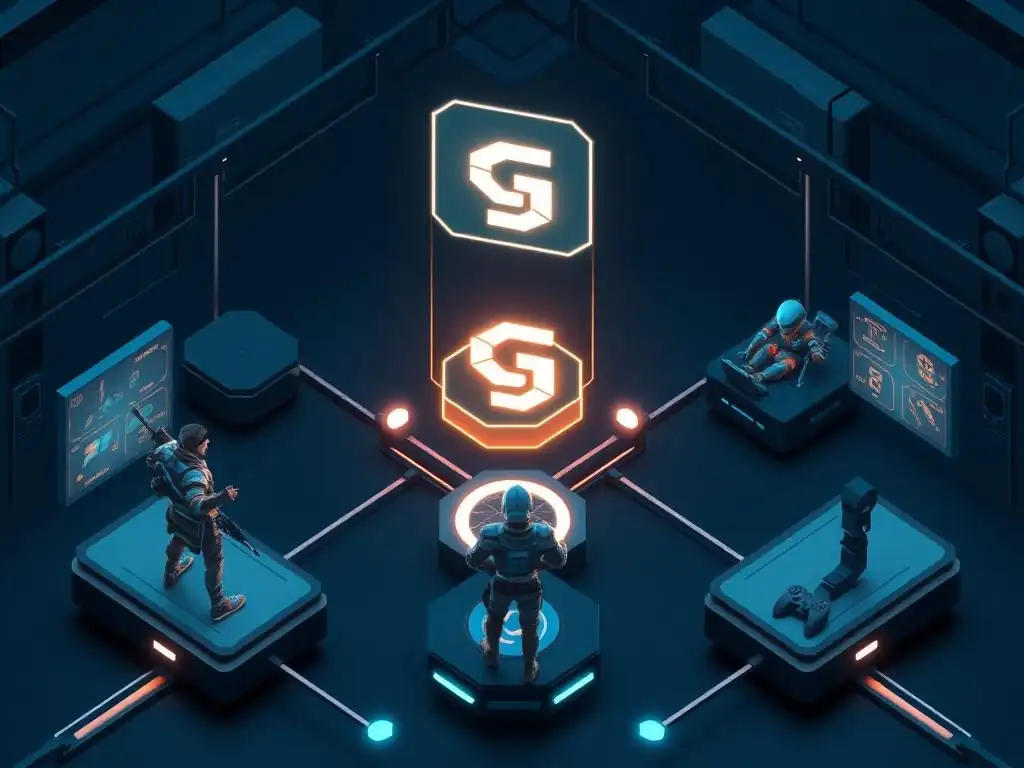
Unique Avatars and Cosmetics: Expressing Identity Through NFTs
NFTs are poised to revolutionize game customization and personalization, offering players unprecedented opportunities to express their unique identities within virtual worlds. Traditional in-game customization is often limited to pre-designed options and centralized control. NFTs, however, enable the creation of truly unique and scarce avatars, cosmetics, and other personalization items. Developers can release limited edition NFT avatars or cosmetic items that are verifiably unique and cannot be replicated, fostering a sense of exclusivity and prestige.
Players can acquire these NFT customization items through gameplay, purchases, or secondary markets, and use them to personalize their in-game avatars and profiles. The scarcity and provenance of NFTs add a layer of value and desirability to these digital collectibles, transforming them from simple cosmetic enhancements into expressions of digital identity and status. Furthermore, the ability to trade and showcase these unique NFT avatars and cosmetics enhances social interaction and community building within the NFTs gaming ecosystem benefits, allowing players to express their individuality and build their digital persona in a truly unique and verifiable manner.
Dynamically Evolving NFTs: Adapting to Player Progress and Achievements
Beyond static customization items, NFTs have the potential to be dynamically evolving assets that reflect a player's progress, achievements, and choices within a game. Imagine an NFT weapon that visually evolves as a player levels up their character or completes specific in-game challenges. Or consider an NFT avatar that changes its appearance based on a player's reputation or alignment within the game's narrative. This dynamic evolution adds a layer of depth and personalization to NFTs, making them more than just static collectibles; they become living records of a player's journey and accomplishments within the game.
Smart contracts can be programmed to automatically update NFT metadata and visual attributes based on in-game events and player actions. This creates a truly personalized and engaging experience, where NFTs become tangible representations of a player's unique gaming history and identity. Dynamically evolving NFTs can also enhance player retention and engagement, as players are incentivized to progress and achieve milestones to witness the evolution of their digital assets. This innovative application of NFTs further expands the NFTs gaming ecosystem benefits, transforming digital ownership into a dynamic and personalized experience that reflects individual player journeys and achievements.
Addressing the Challenges and Concerns Surrounding NFTs in Gaming
Environmental Impact and Sustainability Concerns
One of the most prominent concerns surrounding NFTs, particularly in their early adoption, is their environmental impact. Many early NFT projects were built on blockchain networks that utilized energy-intensive Proof-of-Work (PoW) consensus mechanisms, such as the original Ethereum blockchain. PoW requires significant computational power, leading to high energy consumption and a substantial carbon footprint. This environmental concern has been a major point of criticism for NFTs in general and NFT gaming specifically.
However, the landscape is rapidly evolving. The Ethereum blockchain has transitioned to a more energy-efficient Proof-of-Stake (PoS) consensus mechanism, drastically reducing its energy consumption. Furthermore, many newer NFT gaming projects are being built on eco-friendlier blockchain platforms that utilize PoS or other sustainable consensus mechanisms from the outset. Layer-2 scaling solutions and sidechains are also being employed to further reduce the environmental impact of NFT transactions. While environmental concerns remain a valid consideration, the industry is actively addressing these issues, and the NFTs gaming ecosystem benefits are increasingly being pursued through more sustainable and environmentally conscious blockchain technologies.
Regulatory Uncertainties and Legal Considerations
The nascent nature of NFTs and blockchain technology means that the regulatory landscape is still evolving and often uncertain. Governments and regulatory bodies worldwide are grappling with how to classify and regulate NFTs, particularly within the gaming context. Legal considerations surrounding NFT ownership, intellectual property rights, and taxation are still being clarified and vary significantly across jurisdictions. This regulatory uncertainty presents challenges for both game developers and players operating within the NFTs gaming ecosystem.
Game developers need to navigate complex legal frameworks and ensure compliance with evolving regulations related to NFTs and cryptocurrency. Players also face uncertainties regarding the legal status of their NFT holdings and the tax implications of trading and earning with NFTs in games. Clearer and more consistent regulatory frameworks are needed to foster wider adoption and mitigate risks within the NFT gaming space. Industry collaboration and proactive engagement with regulators are crucial to shaping a regulatory environment that supports innovation while protecting consumers and ensuring the sustainable growth of the NFTs gaming ecosystem benefits.
Combating Scams and Ensuring Security in the NFTs Gaming Space
The rapid growth and hype surrounding NFTs have unfortunately attracted malicious actors and scams to the space. Players in the NFT gaming ecosystem are vulnerable to various scams, including fake NFT projects, phishing attacks, and rug pulls, where developers abandon projects after raising funds, leaving NFT holders with worthless assets. Security concerns related to NFT wallets and marketplaces are also paramount. Protecting player assets and ensuring a secure gaming environment are critical challenges for the long-term success of NFTs gaming ecosystem benefits.
Robust security measures, player education, and platform accountability are essential to combat scams and enhance security in the NFT gaming space. Game developers and NFT marketplaces need to implement stringent security protocols to protect user accounts and assets. Players need to be educated about common scams and best practices for securing their NFT wallets and transactions. Community vigilance and reporting mechanisms are also crucial for identifying and mitigating fraudulent activities. Building trust and ensuring a secure environment are paramount for fostering widespread adoption and realizing the full potential of NFTs in gaming.
Case Studies: Successful Implementations of NFTs in Games
Analyzing the Impact of Axie Infinity on Player Engagement
Axie Infinity stands out as a pioneering example of a successful NFT-based Play-to-Earn game that significantly impacted player engagement. The game, centered around collecting, breeding, and battling NFT creatures called Axies, demonstrated the power of NFTs to drive player participation and create a vibrant in-game economy. At its peak, Axie Infinity boasted millions of daily active users, primarily driven by the P2E mechanics and the potential to earn income through gameplay. The game's native token, AXS, and its in-game currency, SLP, became valuable digital assets traded on cryptocurrency exchanges, showcasing the real-world economic opportunities within the NFTs gaming ecosystem.
Axie Infinity's success can be attributed to several factors, including its engaging gameplay loop, its well-designed P2E economy, and its strong community. The game's NFT-based assets created a sense of ownership and investment among players, leading to higher retention rates and increased player spending within the ecosystem.
While Axie Infinity has faced challenges related to economic sustainability and token price fluctuations, its initial impact on player engagement and the broader NFT gaming space is undeniable. It served as a powerful demonstration of how NFTs can transform gaming from a purely entertainment-focused activity to one with tangible economic benefits for players, driving significant growth in the NFTs gaming ecosystem benefits.
Examining the Revenue Generation Model of Decentraland
Decentraland offers a different perspective on successful NFT implementation in gaming, focusing on virtual land ownership and user-generated content creation within a decentralized metaverse. Decentraland is a virtual world built on the Ethereum blockchain where users can purchase, develop, and monetize virtual land parcels represented as NFTs. The game's revenue generation model is multifaceted, primarily driven by the sale of LAND NFTs and the secondary market trading of these virtual land parcels. Landowners in Decentraland can monetize their virtual land by creating experiences, hosting events, renting out space, or selling virtual goods and services within their parcels.
Decentraland's revenue model showcases the potential for NFTs to create new forms of digital real estate and user-driven economies within virtual worlds. The scarcity of LAND NFTs and the demand for prime virtual locations have driven significant value appreciation for these digital assets.
Decentraland has attracted brands, artists, and communities to build and engage within its metaverse, creating a vibrant and evolving virtual economy. While Decentraland's user base and economic activity fluctuate, its innovative revenue generation model and its pioneering approach to virtual land ownership highlight the diverse and evolving opportunities within the NFTs gaming ecosystem benefits, moving beyond traditional gaming monetization towards user-created value and digital real estate.
The Future of NFTs in Gaming: Predictions and Trends
The Integration of NFTs with Emerging Technologies like AR/VR
The future of NFTs in gaming is inextricably linked to the evolution and integration of emerging technologies like Augmented Reality (AR) and Virtual Reality (VR). AR and VR technologies promise to create more immersive and interactive gaming experiences, and NFTs are poised to play a crucial role in shaping these next-generation gaming environments.
Imagine AR games where NFT collectibles are seamlessly integrated into the real world, allowing players to discover and interact with digital assets in their physical surroundings. Or envision VR metaverses where players can fully immerse themselves in virtual worlds, utilizing NFT avatars and items to express their identity and engage in rich social and economic interactions.
The convergence of NFTs with AR/VR technologies has the potential to blur the lines between the physical and digital realms, creating truly hybrid gaming experiences. NFTs can provide the digital ownership and interoperability necessary to build persistent and interconnected AR/VR metaverses, where players can carry their digital identities and assets across different virtual and augmented reality environments. This integration of NFTs with AR/VR is expected to unlock new dimensions of immersive gaming, social interaction, and digital ownership, further expanding the NFTs gaming ecosystem benefits into new and exciting technological frontiers.
The Growth of Institutional Investment in NFTs Gaming Projects
Institutional investment in NFTs and blockchain gaming is a significant trend that is expected to accelerate in the coming years. As the potential of NFTs in gaming becomes more apparent and the market matures, traditional investment firms, venture capital funds, and even major gaming companies are increasingly allocating capital to NFT gaming projects. This influx of institutional investment provides crucial funding for game development, infrastructure building, and ecosystem growth within the NFTs gaming ecosystem.
Institutional investors bring not only capital but also expertise, resources, and legitimacy to the NFT gaming space. Their involvement can help to professionalize the industry, drive innovation, and accelerate the adoption of NFTs in mainstream gaming. The increasing institutional interest in NFT gaming is a strong indicator of the long-term potential and viability of this sector. As more institutional capital flows into the NFTs gaming ecosystem benefits, we can expect to see more sophisticated and high-quality NFT games emerge, further solidifying the role of NFTs in the future of gaming.
The Potential for NFTs to Transform Gaming into a True Digital Economy
Ultimately, NFTs have the transformative potential to reshape gaming into a true digital economy, where players are not just consumers but also active participants and stakeholders in the game ecosystem. By granting players true ownership of in-game assets and enabling P2E mechanics, NFTs are creating new economic opportunities within gaming. Players can earn income through gameplay, trade digital assets on open marketplaces, and even participate in the governance of decentralized gaming ecosystems. This shift towards a player-centric digital economy is fundamentally altering the relationship between players and games.
NFTs are fostering the emergence of player-owned economies within games, where value is created and exchanged directly between players, rather than solely flowing to game developers. This democratization of value creation and ownership has the potential to create more sustainable and equitable gaming ecosystems, where players are rewarded for their contributions and engagement. The transformation of gaming into a true digital economy, driven by NFTs, represents a paradigm shift in the industry, promising to unlock new forms of player empowerment, economic opportunity, and sustainable growth within the NFTs gaming ecosystem benefits.
Conclusion: Embracing the Transformative Potential of NFTs in Gaming
NFTs: More Than Just Collectibles, a Foundation for the Future of Gaming
NFTs in gaming have moved far beyond the initial perception of being mere digital collectibles. While the collectible aspect remains a part of their appeal, NFTs are proving to be a foundational technology that can fundamentally reshape the gaming landscape. They are not just about digital scarcity or speculative value; they are about ownership, interoperability, community building, and the creation of new economic models within gaming. NFTs are empowering players, unlocking new revenue streams for developers, and paving the way for more immersive, interconnected, and player-centric gaming experiences.
The transformative potential of NFTs extends across various aspects of gaming, from enhancing player ownership and customization to enabling P2E mechanics and fostering interoperability across games and metaverses. As the technology matures and adoption expands, NFTs are poised to become an integral part of the future of gaming, driving innovation, creating new opportunities, and redefining the very nature of digital ownership and interaction within virtual worlds. Embracing the transformative power of NFTs is crucial for the gaming industry to evolve and unlock the full spectrum of NFTs gaming ecosystem benefits.
The Importance of Responsible Development and Community Engagement in the NFTs Gaming Space
While the potential benefits of NFTs in gaming are immense, responsible development and genuine community engagement are paramount for realizing these benefits sustainably and ethically. Developers entering the NFT gaming space must prioritize transparency, fairness, and long-term sustainability in their projects. This includes addressing environmental concerns, ensuring robust security measures, and fostering healthy tokenomics that benefit both players and developers. Avoiding predatory monetization models and prioritizing player experience over short-term profit is crucial for building trust and fostering a positive NFTs gaming ecosystem benefits.
Furthermore, genuine community engagement is essential for the success of NFT gaming projects. Building strong communities around NFT games requires open communication, active listening to player feedback, and involving the community in the game's development and governance. Fostering a sense of shared ownership and purpose within the community is key to driving long-term engagement and building a thriving ecosystem. Responsible development, coupled with authentic community engagement, is the key to unlocking the full transformative potential of NFTs in gaming and ensuring a positive and sustainable future for the NFTs gaming ecosystem benefits for all stakeholders.
Frequently Asked Questions
What are the primary benefits of using NFTs in gaming, beyond just in-game purchases?
NFTs provide true ownership of in-game assets, allowing players to trade or sell them outside the game. This fosters a more player-driven economy and can unlock new revenue streams for both players and developers.
How can NFTs enhance the gaming experience beyond simple asset ownership?
NFTs can facilitate interoperability between games, allowing assets to be used across different platforms. They can also enable unique gaming mechanics, such as dynamically changing items based on NFT ownership.
What are the risks and challenges associated with integrating NFTs into the gaming ecosystem?
Concerns include the potential for speculation and price volatility, as well as the environmental impact of certain blockchain technologies. Security vulnerabilities and regulatory uncertainty also pose challenges.
How might NFTs impact the relationship between game developers and players?
NFTs can empower players with greater control and ownership, potentially shifting the power dynamic. Developers need to adopt a more collaborative approach, focusing on creating value for players through NFT integration.
What is the future outlook for NFTs in gaming, particularly concerning the gaming ecosystem benefits?
The future likely involves more sophisticated NFT use cases that go beyond simple collectibles. We can expect to see NFTs integrated into core gameplay mechanics and used to build more engaging and rewarding gaming experiences.
Final Reflection: Embracing the Evolving Gaming Landscape
The exploration of NFTs within gaming, as we've discussed, isn't merely about new revenue streams or cosmetic enhancements. It represents a fundamental shift in ownership, community engagement, and the very definition of what it means to "own" a piece of the gaming universe. The potential benefits to the NFTs gaming ecosystem are far-reaching, impacting both developers and players in profound ways, and its current relevance is undeniable as the industry grapples with evolving player expectations and the desire for more meaningful interactions.
The integration of NFTs into gaming is more than just a technological advancement; it's a cultural evolution. It's about empowering players, fostering genuine ownership, and creating a more dynamic and rewarding gaming experience. This shift is already influencing how we perceive digital assets and their value, both within and beyond the virtual world. The future of gaming isn't just about playing; it's about owning, creating, and participating in a decentralized ecosystem where players are truly valued.
- Anonymous Game Developer.
As we stand at the cusp of this new era, consider the implications of these advancements. How can you, as a player, developer, or even an observer, contribute to the responsible and innovative integration of NFTs into gaming? Let us all strive to build a gaming ecosystem that is not only entertaining but also equitable, empowering, and ultimately, more rewarding for everyone involved. The future of gaming is being written now, and your participation is crucial.
Unveil the Future: Become a Gaming NFT Pioneer!
Thanks for diving into the world of NFTs in gaming with us! We hope you've gained a clearer understanding of the exciting possibilities beyond simple in-game purchases. Now, it's time to take that knowledge and turn it into action.
Here's how you can get started:
- Start collecting! Begin by acquiring your first gaming NFT. Explore marketplaces like OpenSea or Rarible, focusing on games that align with your interests.
- Participate in early-stage projects. Many new blockchain games are launching NFTs to fund development. Contributing now could yield valuable assets in the future.
- Share this article with your gamer friends and start a discussion! Help them understand the transformative potential of NFTs in their favorite games.
What unique gaming NFT are you most excited to own and why? Share your thoughts in the comments below!
Leave a Reply