
DLT and Data Sovereignty: Empowering Users with Control Over Their Data

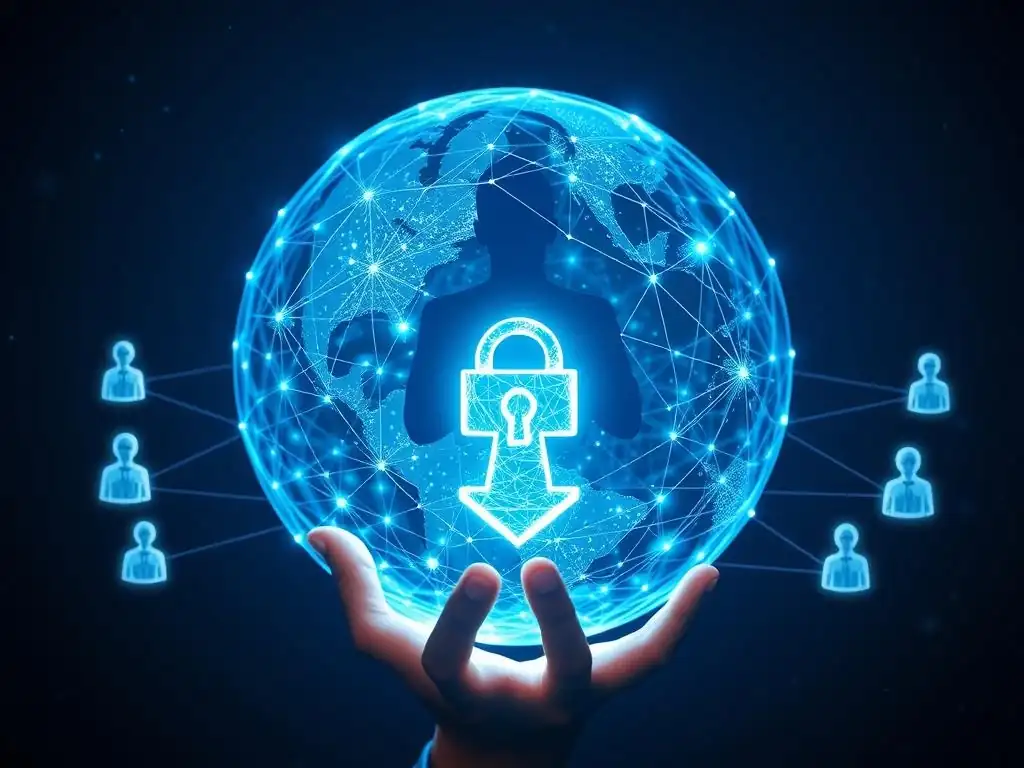
Welcome to Blockchain Trends, your go-to source for understanding the revolution beyond cryptocurrency. Ever wondered how blockchain technology can empower individuals to truly own their data? Dive into our latest deep dive and unravel the intricacies of blockchain data sovereignty control, exploring how it's reshaping the digital landscape and giving power back to the user. What if you could completely control who accesses and uses your information? Let's explore the possibilities...
DLT and Data Sovereignty: Empowering Users with Control Over Their Data
- Understanding Data Sovereignty in the Age of Blockchain
- The Role of DLT in Achieving Data Sovereignty
- Current Challenges to Data Sovereignty in Traditional Systems
- DLT Solutions for Empowering Data Sovereignty
- Use Cases: DLT and Data Sovereignty in Action
- Benefits of Data Sovereignty
- Implementing DLT for Data Sovereignty: Key Considerations
- The Future of Data Sovereignty with DLT: Trends and Predictions
- Overcoming the Barriers to Widespread DLT Adoption for Data Control
- Conclusion: DLT as a Catalyst for User-Centric Data Control
-
Frequently Asked Questions
- What is data sovereignty in the context of blockchain technology?
- How does Distributed Ledger Technology (DLT) contribute to blockchain data sovereignty control?
- What are some enterprise applications of blockchain that benefit from enhanced data sovereignty?
- What are the key regulatory challenges surrounding blockchain data sovereignty?
- Beyond cryptocurrencies, how does DeFi leverage blockchain data sovereignty control to enhance user trust?
- Final Reflection: Embracing Blockchain Data Sovereignty Control
- Unlock Your Data Power: Embrace True Sovereignty!
Understanding Data Sovereignty in the Age of Blockchain
Defining Data Sovereignty: User Control and Digital Rights
Data sovereignty, in the digital age, fundamentally refers to the concept that individuals have ultimate control over their personal data. It encompasses the right to decide how their data is collected, stored, used, and shared. This concept extends beyond mere data privacy; it's about empowering individuals with digital self-determination. In a world increasingly driven by data, data sovereignty is about ensuring that individuals, not corporations or governments, are the primary custodians of their digital identities and information. This control is crucial for exercising fundamental digital rights, mirroring the rights individuals possess in the physical world.
Currently, the digital landscape often operates in stark contrast to data sovereignty principles. For instance, large tech companies collect vast amounts of user data, often with limited transparency or user consent. A 2023 study by Pew Research Center found that 81% of Americans feel they have little control over the data that companies collect about them. This highlights a significant gap between the ideal of data sovereignty and the reality of current data practices, underscoring the urgent need for solutions that can genuinely empower users with control over their digital lives.
The Importance of Data Sovereignty in a Decentralized World
In a decentralized world, especially one underpinned by blockchain technology, data sovereignty becomes even more critical. Decentralization promises to shift power away from centralized entities and distribute it more evenly. Data sovereignty aligns perfectly with this ethos, ensuring that individuals are not just participants in a decentralized system, but also empowered owners of their data within it. Without data sovereignty, even decentralized systems could potentially replicate or even amplify existing power imbalances if data control remains concentrated.
The rise of decentralized technologies like blockchain presents a unique opportunity to re-architect the digital world around principles of user empowerment and control. Imagine a future where individuals can truly own and manage their digital identities, medical records, or financial transactions without relying on intermediaries who might exploit or misuse their data. This vision, achievable through blockchain-based solutions, positions data sovereignty as a cornerstone of a truly decentralized and user-centric digital future. The pursuit of blockchain data sovereignty control is therefore not just a technical endeavor, but a fundamental step towards a more equitable and just digital society.
The Role of DLT in Achieving Data Sovereignty
How Distributed Ledger Technology (DLT) Enhances Data Ownership
Distributed Ledger Technology (DLT), especially blockchain, offers a paradigm shift in how data ownership is conceptualized and implemented. Unlike traditional centralized databases where data is controlled by a single entity, DLT distributes data across a network of nodes. This inherent distribution, combined with cryptographic security, fundamentally enhances data ownership for individuals. Data becomes less susceptible to unilateral control or manipulation by any single party, including the platform provider itself.
Consider the concept of immutability in blockchain. Once data is recorded on a blockchain, it is extremely difficult to alter or remove, ensuring a verifiable and permanent record of ownership and transactions. Furthermore, cryptographic keys, central to DLT systems, empower users to control access to their data. This combination of distributed storage, immutability, and cryptographic control mechanisms allows DLT to provide a technological foundation for true data ownership, moving beyond mere data access to genuine self-custody and management of personal information. This is a core component of achieving blockchain data sovereignty control.
DLT's Contribution to Secure and Transparent Data Management
DLT significantly contributes to secure and transparent data management, both of which are essential pillars of data sovereignty. Security in DLT is achieved through cryptographic techniques like hashing and digital signatures, ensuring data integrity and preventing unauthorized modifications. The distributed nature of the ledger also inherently enhances security by eliminating single points of failure and making it exponentially harder for malicious actors to compromise the entire system.
Transparency, in the context of DLT, refers to the ability to audit and verify data and transactions recorded on the ledger. While not all DLTs are permissionless and fully transparent to the public, many offer mechanisms for verifiable data trails and auditable processes. For example, in permissioned blockchains used in supply chain management, authorized participants can track the provenance of goods with unprecedented transparency. This combination of enhanced security and transparency, facilitated by DLT, builds trust and empowers users with greater insight and control over their data, strengthening their data sovereignty.
Current Challenges to Data Sovereignty in Traditional Systems
Centralized Data Storage: A Vulnerable Point for User Data
Centralized data storage, the prevailing model in traditional systems, presents a significant vulnerability to user data and consequently undermines data sovereignty. When vast amounts of personal data are concentrated in centralized databases, they become attractive targets for cyberattacks. Data breaches, like the 2013 Yahoo breach that affected 3 billion accounts or the Equifax breach in 2017 impacting 147 million people, vividly illustrate the catastrophic consequences of centralized data vulnerabilities. These incidents not only expose sensitive personal information but also erode user trust and control over their data.
Moreover, centralized systems are susceptible to internal misuse or unauthorized access. Even without external attacks, individuals within the organization with access to these centralized repositories can potentially misuse data, violating user privacy and sovereignty. The very architecture of centralized data storage concentrates power and risk, making it inherently challenging to ensure robust data sovereignty and protection for users. This centralized model stands in stark contrast to the principles of blockchain data sovereignty control which aims to distribute power and enhance user autonomy.
Lack of Transparency and Control Over Data Usage
Traditional systems often suffer from a profound lack of transparency and user control over how their data is used after it's collected. Users are often unaware of the full extent of data collection, the purposes for which it's used, and with whom it is shared. Complex and often opaque privacy policies provide limited real control, and individuals frequently have little recourse to understand or challenge data processing practices.
This lack of transparency is compounded by limited user control mechanisms. While regulations like GDPR and CCPA aim to enhance user rights, exercising these rights within centralized systems can still be cumbersome and ineffective. Users often rely on the goodwill and internal processes of organizations to respect their data preferences. The asymmetry of information and power inherent in centralized data models means that users are often at a disadvantage when seeking to assert control over their data usage, hindering the realization of true data sovereignty.
DLT Solutions for Empowering Data Sovereignty
Blockchain-Based Identity Management: Taking Back Control
Blockchain-based identity management systems offer a compelling solution to empower users with control over their digital identities, a cornerstone of data sovereignty. Self-sovereign identity (SSI) solutions, built on blockchain, allow individuals to create and control their digital identities without reliance on centralized identity providers. Users hold the keys to their identity data, deciding what information to share, with whom, and for how long.
These systems often utilize decentralized identifiers (DIDs) and verifiable credentials, enabling users to prove aspects of their identity without revealing unnecessary personal information. For example, instead of providing an entire driver's license to verify age, a user could present a verifiable credential attesting only to their age being over 21. This granular control and reduced reliance on central authorities significantly enhances user privacy and data sovereignty, effectively putting individuals back in control of their digital personas and aligning with the principles of blockchain data sovereignty control.
Decentralized Data Storage: Ensuring Data Security and Privacy
Decentralized data storage, facilitated by DLT, offers a significant improvement in data security and privacy compared to traditional centralized storage. Instead of storing data in single, vulnerable locations, decentralized storage networks distribute data across multiple nodes. This distribution makes data breaches far more challenging as attackers would need to compromise a significant portion of the network simultaneously to access meaningful data.
Furthermore, decentralized storage solutions often incorporate encryption and data sharding techniques, further enhancing security and privacy. Data is encrypted before being distributed, ensuring that even if individual nodes are compromised, the data remains unreadable without the user's private keys. Platforms like IPFS (InterPlanetary File System) and Filecoin exemplify this approach, offering users greater control and security over their stored data, directly contributing to data sovereignty by minimizing risks of unauthorized access and data loss.
Smart Contracts: Automating Data Usage Agreements
Smart contracts, self-executing agreements coded on a blockchain, provide a powerful mechanism for automating and enforcing data usage agreements, thereby strengthening data sovereignty. These contracts can define precise conditions under which data can be accessed, used, and shared, ensuring that data processing aligns with user-defined permissions. Once deployed, smart contracts execute automatically when predefined conditions are met, eliminating the need for intermediaries and reducing the potential for misinterpretation or non-compliance with data usage terms.
For instance, a user could utilize a smart contract to grant temporary access to their medical data to a specific doctor for a limited purpose. The smart contract would automatically revoke access after the agreed timeframe or once the specified purpose is fulfilled. This level of granular control and automated enforcement of data usage terms, enabled by smart contracts, empowers users to actively manage their data and ensures that their data sovereignty preferences are respected in a transparent and verifiable manner.
Use Cases: DLT and Data Sovereignty in Action
Healthcare: Patient-Controlled Medical Records on a Blockchain
In healthcare, DLT is being explored to create patient-controlled medical record systems, revolutionizing data sovereignty for individuals. Traditionally, medical records are siloed within hospitals and clinics, giving patients limited access and control. Blockchain-based systems can empower patients to own and manage their medical data, granting permissioned access to healthcare providers as needed. Projects like MedRec at MIT and Patientory are exploring such solutions.
Imagine a scenario where a patient's medical history, including diagnoses, treatments, and allergies, is stored on a blockchain. The patient holds the private keys and can selectively grant access to doctors, specialists, or researchers. This not only enhances patient data sovereignty but also improves data portability and interoperability across healthcare providers, potentially leading to more efficient and patient-centric care. Furthermore, secure and auditable access logs on the blockchain ensure transparency and accountability in data handling, fostering greater trust in the healthcare system.
Supply Chain: Transparent and Accountable Data Provenance
DLT is transforming supply chain management by providing transparent and accountable data provenance, which indirectly enhances data sovereignty related to product information and origin. In traditional supply chains, tracking product journey and verifying authenticity can be complex and opaque. Blockchain offers a shared, immutable ledger to record every step of a product's journey, from raw material sourcing to final delivery.
Companies like Walmart and IBM Food Trust are using blockchain to track food products, enhancing food safety and transparency. Consumers can potentially scan a QR code and access verifiable information about the origin, processing, and handling of their food, gaining greater insight and control over the information associated with the products they consume. While not directly personal data sovereignty, this enhanced transparency and accountability in product data empowers consumers with better information and choices, reflecting a broader trend towards data empowerment through DLT.
Digital Identity: Secure and Verifiable Credentials
DLT is instrumental in developing secure and verifiable digital identity systems, giving individuals greater control over their identity data and enhancing their digital sovereignty. Traditional digital identity systems often rely on centralized providers and are vulnerable to security breaches and data misuse. Blockchain-based digital identity solutions, like those based on Self-Sovereign Identity (SSI) principles, empower individuals to create, manage, and control their own digital identities.
For example, in Estonia, the government utilizes blockchain technology for various digital services, including digital identity. Individuals can use their digital IDs to access government services, vote online, and conduct secure transactions. These systems leverage blockchain's security and immutability to provide users with verifiable and tamper-proof digital credentials, giving them greater control over their identity data and reducing reliance on centralized authorities. This shift towards user-centric digital identity is a crucial step in realizing blockchain data sovereignty control.
Benefits of Data Sovereignty

Increased User Trust and Confidence
Data sovereignty, enabled by technologies like DLT, directly fosters increased user trust and confidence in digital systems and services. When individuals are empowered with control over their data, they are more likely to trust the platforms and organizations that respect and facilitate this control. Transparency in data handling practices and the ability for users to manage their consent and data access permissions build a foundation of trust, which is often lacking in current centralized data models.
In a 2022 survey by Edelman, 61% of respondents stated that they do not trust businesses to use their personal data ethically. Data sovereignty solutions address this trust deficit by shifting control to the user, demonstrating a commitment to user empowerment and ethical data practices. This increased trust translates into greater user engagement, adoption of digital services, and a more positive relationship between individuals and technology providers.
Enhanced Data Security and Privacy
Data sovereignty inherently enhances data security and privacy. By giving users greater control over their data, and through the use of secure technologies like DLT, the risks of unauthorized access, data breaches, and privacy violations are significantly reduced. Decentralized storage, encryption, and granular access controls, all components of data sovereignty solutions, contribute to a more secure and privacy-preserving digital environment.
Furthermore, data minimization, a principle often associated with data sovereignty, encourages collecting only necessary data and for limited purposes. This reduces the attack surface for malicious actors and minimizes the potential harm from data breaches. By prioritizing data sovereignty, organizations demonstrate a commitment to protecting user data and building systems that are inherently more secure and privacy-respecting.
Reduced Risk of Data Breaches and Misuse
Implementing data sovereignty principles and leveraging DLT significantly reduces the risk of data breaches and misuse. Decentralized systems, by their nature, are more resilient to attacks compared to centralized honeypots of data. Distributing data across multiple nodes and employing cryptographic security measures makes large-scale data breaches significantly more difficult to execute.
Moreover, data sovereignty empowers users to be more proactive in managing their data and controlling who has access. This reduces the reliance on organizations to solely protect user data and distributes responsibility, leading to a more robust security posture overall. By shifting from a centralized, vulnerable model to a user-centric, distributed approach, data sovereignty dramatically diminishes the risks associated with data breaches and misuse, fostering a safer digital ecosystem.
Compliance with Data Protection Regulations (e.g., GDPR)
Data sovereignty principles and DLT solutions can facilitate compliance with increasingly stringent data protection regulations such as the General Data Protection Regulation (GDPR) in Europe and the California Consumer Privacy Act (CCPA) in the United States. These regulations emphasize user rights to data access, rectification, erasure, and control over data processing. Data sovereignty aligns perfectly with these principles, empowering users to exercise these rights effectively.
DLT-based systems can provide auditable and transparent mechanisms for data consent management, data access requests, and data deletion, simplifying compliance efforts for organizations. By building systems with data sovereignty at their core, organizations can proactively address regulatory requirements and demonstrate a commitment to user data rights, moving beyond mere compliance to a genuine embrace of ethical data practices.
Implementing DLT for Data Sovereignty: Key Considerations
Choosing the Right DLT Platform for Your Needs
Selecting the appropriate DLT platform is crucial for successfully implementing data sovereignty solutions. Different DLT platforms offer varying characteristics in terms of scalability, privacy features, consensus mechanisms, and permissioning models. The choice depends heavily on the specific use case and requirements for data sovereignty. For applications requiring high privacy and control over access, permissioned or private blockchains might be more suitable than public, permissionless blockchains.
For example, a healthcare application dealing with sensitive patient data might opt for a permissioned blockchain that allows for fine-grained access control and ensures compliance with HIPAA regulations in the US. Conversely, for applications where transparency and public verifiability are paramount, a public blockchain might be more appropriate. Carefully evaluating the trade-offs between different DLT platforms and aligning platform characteristics with specific data sovereignty goals is essential for successful implementation.
Addressing Scalability and Performance Challenges
Scalability and performance are significant challenges when implementing DLT for data sovereignty, especially for applications involving large volumes of data or high transaction throughput. Traditional blockchain technologies can face limitations in transaction processing speed and network capacity compared to centralized databases. However, advancements in DLT technologies are continually addressing these challenges.
Layer-2 scaling solutions, such as state channels and rollups, are being developed to improve transaction throughput and reduce costs on main blockchains. Furthermore, newer DLT architectures, like Directed Acyclic Graphs (DAGs), offer alternative approaches to consensus and data structure that can potentially achieve higher scalability. Careful architectural design, selection of appropriate scaling solutions, and ongoing monitoring of performance are crucial considerations when deploying DLT-based data sovereignty applications at scale.
Ensuring Interoperability with Existing Systems
Interoperability with existing systems is a critical consideration for the practical adoption of DLT for data sovereignty. Organizations typically operate within complex IT landscapes that include legacy systems, databases, and applications. Seamless integration of DLT-based data sovereignty solutions with these existing infrastructures is essential for minimizing disruption and maximizing value.
Interoperability can be addressed through various approaches, including APIs, middleware solutions, and cross-chain communication protocols. Standards development and industry collaborations are also crucial for promoting interoperability across different DLT platforms and traditional systems. A phased approach to implementation, starting with pilot projects and gradually expanding integration, can help organizations navigate interoperability challenges and ensure a smooth transition towards DLT-enabled data sovereignty.
The Future of Data Sovereignty with DLT: Trends and Predictions
Emergence of New DLT-Based Data Sovereignty Solutions
The future will likely witness the emergence of increasingly sophisticated and user-friendly DLT-based data sovereignty solutions. Innovations are expected in areas such as self-sovereign identity frameworks, decentralized data marketplaces, and privacy-enhancing technologies integrated with DLT. We can anticipate more specialized DLT platforms tailored specifically for data sovereignty applications, offering enhanced features for user control, privacy, and security.
Furthermore, the convergence of DLT with other emerging technologies like artificial intelligence and edge computing could lead to novel data sovereignty paradigms. For instance, AI agents could be deployed to autonomously manage user data preferences and enforce data usage agreements defined in smart contracts, further automating and enhancing data sovereignty.
Increased Adoption of Decentralized Identity Solutions
Increased adoption of decentralized identity (DID) solutions, powered by DLT, is a strong trend for the future of data sovereignty. As individuals become more aware of the importance of data control and privacy, and as regulatory pressures for data protection intensify, the demand for user-centric identity solutions will grow. Organizations are recognizing the benefits of DID in terms of enhanced security, improved user experience, and regulatory compliance.
Industry consortia and standardization bodies are actively working on promoting DID standards and interoperability. We can expect to see wider deployment of DID solutions across various sectors, including finance, healthcare, government services, and e-commerce, empowering individuals with greater control over their digital identities and paving the way for broader blockchain data sovereignty control.
The regulatory landscape for DLT and data sovereignty is continuously evolving. Governments and regulatory bodies worldwide are grappling with the implications of decentralized technologies for data privacy, security, and governance. Future developments in data sovereignty will be shaped by how regulations adapt to and address the unique characteristics of DLT and decentralized systems.
Clarity and harmonization in regulations regarding data ownership, cross-border data flows, and the legal status of smart contracts are crucial for fostering innovation and adoption of DLT-based data sovereignty solutions. Proactive engagement between technology developers, policymakers, and legal experts is essential to navigate the evolving regulatory landscape and ensure that DLT and data sovereignty are implemented in a responsible and compliant manner.
Overcoming the Barriers to Widespread DLT Adoption for Data Control
Educating Users on the Importance of Data Sovereignty
One of the primary barriers to widespread DLT adoption for data control is the need to educate users on the importance of data sovereignty itself. Many individuals are not fully aware of the extent of data collection, the implications for their privacy, and the potential benefits of taking control of their data. Raising user awareness and understanding of data sovereignty is crucial for driving demand for user-centric data solutions.
Educational initiatives, public awareness campaigns, and user-friendly interfaces are needed to demystify data sovereignty and empower individuals to make informed choices about their data. Highlighting the tangible benefits of data sovereignty, such as increased privacy, security, and control, can motivate users to embrace DLT-based solutions and demand greater data control from service providers.
Addressing Technical Complexity and Usability Issues
Technical complexity and usability issues can hinder the mainstream adoption of DLT-based data sovereignty solutions. Blockchain technology can be perceived as complex and challenging to understand and use, especially for non-technical users. Improving the usability and user experience of DLT applications is critical for broader adoption.
Focusing on intuitive interfaces, simplified onboarding processes, and abstracting away the underlying technical complexities of DLT can make data sovereignty solutions more accessible to a wider audience. Development of user-friendly wallets, identity management tools, and decentralized applications is essential to overcome the usability barrier and facilitate mainstream adoption.
Promoting Collaboration Between Industry Stakeholders
Promoting collaboration between industry stakeholders is essential to accelerate the adoption of DLT for data control. This includes collaboration between technology developers, businesses, governments, regulatory bodies, and user advocacy groups. Collaboration can foster standardization, interoperability, and the development of best practices for DLT-based data sovereignty solutions.
Industry consortia, open-source initiatives, and public-private partnerships can play a vital role in driving innovation, addressing challenges, and building a robust ecosystem for data sovereignty. Collaborative efforts can also facilitate the development of common frameworks and standards, reducing fragmentation and promoting wider adoption of DLT for user-centric data control.
Conclusion: DLT as a Catalyst for User-Centric Data Control
Distributed Ledger Technology, with blockchain at its forefront, is emerging as a powerful catalyst for realizing user-centric data control and achieving true blockchain data sovereignty control. By decentralizing data storage, enhancing security and transparency, and empowering users with cryptographic tools, DLT offers a compelling alternative to traditional centralized data models that often undermine individual data rights.
While challenges related to scalability, interoperability, and user education remain, the potential benefits of DLT for data sovereignty are undeniable. As DLT technology matures and adoption barriers are overcome, we can anticipate a future where individuals have significantly greater control over their data, leading to a more equitable, secure, and trustworthy digital world. The journey towards widespread blockchain data sovereignty control is ongoing, but DLT provides the technological foundation for empowering users and reshaping the future of data ownership in the digital age.
Frequently Asked Questions
What is data sovereignty in the context of blockchain technology?
Data sovereignty refers to the idea that data is subject to the laws and governance of the jurisdiction in which it resides. In blockchain, it means users have control over where their data is stored and how it's used.
How does Distributed Ledger Technology (DLT) contribute to blockchain data sovereignty control?
DLT allows for decentralized data storage, meaning data isn't held by a single entity. This enables users to choose nodes within specific jurisdictions, giving them greater control.
What are some enterprise applications of blockchain that benefit from enhanced data sovereignty?
Supply chain management, healthcare records, and financial services all benefit. They can ensure compliance with regional regulations and protect sensitive user data with greater control over data residency.
What are the key regulatory challenges surrounding blockchain data sovereignty?
Cross-border data flows and conflicting jurisdictional laws pose significant challenges. Defining clear legal frameworks for data residency on decentralized networks is crucial.
Beyond cryptocurrencies, how does DeFi leverage blockchain data sovereignty control to enhance user trust?
DeFi protocols using private or permissioned blockchains can implement measures to ensure data is stored within specific regions. This builds user trust by adhering to data privacy regulations and compliance.
Final Reflection: Embracing Blockchain Data Sovereignty Control
The exploration of Distributed Ledger Technology (DLT) and its potential to revolutionize data sovereignty is not merely a theoretical exercise; it's a critical imperative in today's digital landscape. The power to control one's own data, to dictate its usage and access, is no longer a luxury but a fundamental right. As we've seen, blockchain offers a compelling pathway towards realizing this right, shifting the balance of power from centralized entities to individual users.
The impact of data sovereignty on the cultural and social landscape is profound, influencing everything from personal privacy to democratic processes. The ability to truly own and manage our digital footprint is essential for fostering trust, transparency, and accountability in an increasingly data-driven world. Information is power. But like all power, there are those who want to keep it for themselves.
- Aaron Swartz. This quote underscores the urgency of empowering individuals with the tools and knowledge necessary to reclaim control over their data.
Now, as you reflect on the potential of blockchain data sovereignty control, consider your own digital footprint. What steps can you take to become more aware of how your data is being used and to exercise greater control over it? The future of data ownership is not predetermined; it is shaped by the choices we make today. Embrace the opportunity to become an active participant in shaping a more equitable and empowering digital future, where data sovereignty is not just a concept, but a lived reality.
Unlock Your Data Power: Embrace True Sovereignty!
Thank you for exploring how distributed ledger technology is transforming data sovereignty. We hope you now have a clearer understanding of how to take control of your digital identity and personal data. Are you ready to put this knowledge into practice?
Here are a few steps you can take right now:
- Research platforms that prioritize user privacy and data control. Look beyond marketing claims—examine technical details and community feedback to make informed decisions.
- Join online forums and communities focused on data sovereignty. Share your insights, ask questions, and learn from others.
- Review your current data footprint. Identify which services hold your personal information and consider alternatives that offer greater transparency and control. You might be surprised by what you discover!
What actions will you take today to reclaim your data sovereignty and explore the potential of distributed ledger technology? Share your thoughts in the comments below!
Leave a Reply