
Sidechains: Expanding Blockchain Ecosystems with Independent Networks


Welcome to Blockchain Trends, your compass in the rapidly evolving world of decentralized technology!
Dive into the transformative potential of blockchain, far beyond just cryptocurrencies. This month, we're unlocking the secrets of sidechains and their game-changing applications for businesses. Curious about the blockchain sidechain benefits for businesses? Discover how these independent networks are expanding blockchain ecosystems and offering unprecedented flexibility and scalability. Let's explore!
Sidechains: Expanding Blockchain Ecosystems with Independent Networks
- Understanding Blockchain Sidechains and Their Role in Scalability
-
Key Blockchain Sidechain Benefits for Businesses
- Enhanced Transaction Throughput: Overcoming Blockchain Congestion
- Increased Scalability and Reduced Transaction Fees with Sidechains
- Customization and Flexibility: Tailoring Blockchains to Specific Business Needs
- Innovation and Experimentation: Exploring New Blockchain Applications
- Improved Security and Data Privacy using Sidechains
- How Sidechains Work: A Technical Overview
-
Real-World Applications of Blockchain Sidechains for Businesses
- Sidechains in Decentralized Finance (DeFi): Collateralized Lending Platforms on Sidechains
- Sidechains for Supply Chain Management: Tracking and Tracing Goods on a Dedicated Sidechain
- Sidechains for Identity Management: Secure Credential Verification on a Permissioned Sidechain
- Sidechains in Gaming and NFTs: Scalable NFT Minting and Trading on Game-Specific Sidechains
- Challenges and Considerations When Implementing Blockchain Sidechains
- The Future of Sidechains: Trends and Predictions
- Conclusion: Leveraging Blockchain Sidechain Benefits for Business Growth
-
Frequently Asked Questions
- What are blockchain sidechains and how do they relate to the main blockchain?
- What are some of the key Blockchain sidechain benefits for businesses?
- How do sidechains contribute to the expansion of blockchain ecosystems?
- What role does regulation play in the adoption of blockchain sidechains by businesses?
- What are some potential future applications of blockchain sidechains beyond current use cases?
- Final Reflection: Unlocking Business Potential with Blockchain Sidechains
- Dive Deeper: Unleash the Power of Sidechains!
Understanding Blockchain Sidechains and Their Role in Scalability
What are Sidechains? A Definition for Businesses
Sidechains are essentially independent blockchains that run parallel to a main blockchain, often referred to as the "mainchain" or "parent chain." They function as separate ecosystems, but they are linked to the mainchain through a two-way peg mechanism. This connection allows for the transfer of assets, such as cryptocurrencies or data, between the mainchain and the sidechain.
For businesses, this means sidechains offer a dedicated space to operate with potentially different rules, functionalities, and governance models than the main blockchain, while still benefiting from the security and established network effects of the parent chain. Imagine it as creating a specialized lane on a highway; this lane is connected to the main highway but allows for faster, more customized traffic flow for specific types of vehicles or destinations.
From a technical perspective, sidechains are designed to extend the capabilities of the main blockchain. They can be built with different consensus mechanisms, block sizes, and even programming languages, allowing for experimentation and optimization that might be too risky or disruptive to implement directly on the mainchain. Businesses can leverage sidechains to create tailored blockchain environments that precisely meet their operational needs, without impacting the performance or security of the main blockchain network. This modular approach to blockchain infrastructure opens up a wide range of possibilities for innovation and application development within the broader blockchain ecosystem.
The Need for Blockchain Scalability Solutions: Addressing Limitations
The increasing adoption of blockchain technology has brought to light a critical challenge: scalability. Many prominent blockchains, like Bitcoin and Ethereum in their earlier iterations, have faced limitations in transaction throughput. This means they can only process a limited number of transactions per second (TPS), leading to network congestion, slower transaction times, and higher transaction fees, especially during periods of peak demand.
For businesses, these limitations can translate to inefficient operations, increased costs, and a poor user experience, hindering the widespread adoption of blockchain for enterprise-level applications. For example, during periods of high NFT trading volume on Ethereum, transaction fees have surged to hundreds of dollars, making microtransactions or high-frequency trading economically unfeasible.
The need for scalability solutions stems from the fundamental design of most blockchains, where each transaction must be validated by a distributed network of nodes to ensure security and immutability. This consensus process, while crucial for security, inherently limits the speed at which transactions can be processed.
As more users and applications join a blockchain network, the demand for transaction processing increases, exacerbating the scalability bottleneck. Therefore, solutions like sidechains are crucial for unlocking the full potential of blockchain technology for businesses by providing a means to handle a significantly larger volume of transactions efficiently and cost-effectively, paving the way for mass adoption across various industries.
Sidechains vs. Layer-2 Scaling Solutions: A Comparative Analysis
While both sidechains and Layer-2 scaling solutions aim to address blockchain scalability, they operate with distinct architectures and approaches. Layer-2 solutions, such as payment channels, rollups, and state channels, are built on top of the main blockchain and rely on its security. They process transactions off-chain and then periodically settle them on the mainchain, reducing congestion and increasing throughput. Examples of Layer-2 solutions include the Lightning Network for Bitcoin and Polygon (formerly Matic Network) for Ethereum. These solutions are generally quicker to implement and integrate as they leverage the existing infrastructure of the mainchain.
Sidechains, on the other hand, are independent blockchains with their own consensus mechanisms and security protocols, although they are linked to the mainchain via a two-way peg. This independence provides greater flexibility and customization compared to Layer-2 solutions. While Layer-2 solutions enhance the scalability of the mainchain directly, sidechains effectively expand the blockchain ecosystem by creating parallel networks that can handle specific types of transactions or applications more efficiently.
The choice between sidechains and Layer-2 solutions often depends on the specific needs and priorities of a business. Layer-2 might be preferred for simpler scalability enhancements within the existing mainchain framework, while sidechains offer a more robust and customizable solution for complex applications requiring greater autonomy and specialized features.
Key Blockchain Sidechain Benefits for Businesses
Enhanced Transaction Throughput: Overcoming Blockchain Congestion
One of the most significant blockchain sidechain benefits for businesses is the substantial increase in transaction throughput. By offloading a significant portion of transaction processing to a dedicated sidechain, businesses can alleviate congestion on the main blockchain. Imagine a popular e-commerce platform that processes thousands of transactions per minute. If all these transactions were processed directly on a main blockchain like Ethereum, the network could become overwhelmed, leading to delays and high fees. However, by utilizing a sidechain, the platform can process these transactions much more efficiently, as the sidechain is designed to handle a higher volume of transactions.
This enhanced throughput directly translates to faster transaction confirmation times and lower transaction costs for businesses and their customers. For instance, a decentralized exchange (DEX) built on a sidechain can offer significantly faster trading and lower fees compared to a DEX operating solely on a congested mainchain. This improved performance can attract more users, increase trading volume, and ultimately enhance the profitability of the business. Real-world examples include projects like Liquid Network for Bitcoin, which aims to facilitate faster and cheaper Bitcoin transactions, particularly for exchanges and traders dealing with large volumes.
Increased Scalability and Reduced Transaction Fees with Sidechains
Building upon the enhanced throughput, sidechains offer businesses a path to achieve greater overall scalability. As business operations grow and transaction volumes increase, sidechains can scale independently to accommodate this growth without impacting the performance of the main blockchain. This scalability is crucial for businesses anticipating future expansion and needing a blockchain infrastructure that can evolve with their needs. Instead of being limited by the transaction processing capacity of a single blockchain, businesses can deploy multiple sidechains or scale their existing sidechains as required.
The direct consequence of this scalability is a significant reduction in transaction fees. When transaction demand on the main blockchain is high, fees tend to skyrocket due to network congestion. By utilizing sidechains, businesses can bypass these high fees and offer their services at a more competitive price point.
Consider a micro-payment system; processing numerous small transactions on a main blockchain with high fees would be economically impractical. However, a sidechain designed for micro-payments can drastically reduce transaction costs, making such systems viable. For example, some gaming platforms are exploring sidechains to enable cost-effective in-game transactions for virtual items, which would be prohibitively expensive on the main Ethereum network during peak times.
Customization and Flexibility: Tailoring Blockchains to Specific Business Needs
Sidechains provide businesses with a remarkable degree of customization and flexibility, allowing them to tailor their blockchain environment to specific operational requirements. Unlike being constrained by the rules and functionalities of a public mainchain, businesses can configure sidechains with parameters that best suit their use case. This includes choosing different consensus mechanisms, block sizes, privacy settings, and even smart contract languages. For example, a supply chain management company might prioritize transaction speed and lower fees, opting for a sidechain with a Proof-of-Authority (PoA) consensus mechanism and larger block sizes.
This level of customization is a significant blockchain sidechain benefit for businesses seeking to optimize their blockchain applications. A financial institution might require higher levels of privacy and control, choosing to build a permissioned sidechain with specific access controls and data encryption.
Similarly, a gaming company might need a sidechain optimized for handling a high volume of low-value transactions with fast confirmation times, potentially choosing a Delegated Proof-of-Stake (DPoS) consensus mechanism. This ability to tailor the blockchain infrastructure ensures that businesses can create solutions that are perfectly aligned with their unique operational needs and strategic goals, rather than having to adapt their processes to the limitations of a generic blockchain.
Innovation and Experimentation: Exploring New Blockchain Applications
Sidechains create a sandbox environment for businesses to foster innovation and experiment with new blockchain applications without risking disruption or incurring high costs on the main blockchain. The isolated nature of sidechains allows businesses to test novel features, smart contract designs, or even entirely new blockchain architectures in a controlled setting. This is particularly valuable for exploring emerging blockchain technologies or validating the feasibility of innovative business models before deploying them on a larger scale.
For instance, a company might want to experiment with a new type of decentralized governance model for a specific application. Building this on a sidechain allows them to iterate and refine the model without impacting their core operations or the stability of the main blockchain.
This experimental freedom is a powerful blockchain sidechain benefit for businesses looking to stay at the forefront of blockchain innovation. Startups and established enterprises alike can leverage sidechains to prototype new products, services, or internal systems that leverage blockchain technology. If an experiment proves successful on the sidechain, it can then be scaled and potentially integrated with the main blockchain or deployed as a standalone solution. This reduced risk and cost associated with experimentation accelerate the pace of innovation and allow businesses to explore a wider range of blockchain applications, ultimately driving the evolution of the entire blockchain ecosystem.
Improved Security and Data Privacy using Sidechains
While often discussed in the context of scalability, sidechains can also contribute to improved security and data privacy for specific business applications. By isolating sensitive data or critical operations onto a dedicated sidechain, businesses can enhance control over access and security protocols. For instance, a company handling confidential customer data might choose to process this data on a permissioned sidechain with stricter access controls and enhanced encryption, minimizing the risk of data breaches or unauthorized access compared to storing it on a public mainchain.
Furthermore, sidechains can be designed with specific security models tailored to the risk profile of the application. For applications requiring extremely high security, businesses could implement more robust consensus mechanisms or multi-signature schemes on the sidechain. In some cases, businesses might even opt for private or consortium sidechains where participation is restricted to trusted parties, further enhancing data privacy and security. This granular control over security and privacy settings is a significant blockchain sidechain benefit, particularly for industries dealing with sensitive information or operating under stringent regulatory requirements, such as healthcare, finance, and government.
How Sidechains Work: A Technical Overview
The Two-Way Peg Mechanism: Transferring Assets Between Chains
At the heart of sidechain functionality lies the two-way peg mechanism, which enables the secure and verifiable transfer of assets between the mainchain and the sidechain. This mechanism ensures that assets can be moved back and forth between the two chains while maintaining their value and preventing double-spending. The most common type of two-way peg is a pegged currency system, where assets on the mainchain are "locked" or "frozen" and a corresponding representation of those assets is created on the sidechain.
For example, to move Bitcoin from the main Bitcoin blockchain to a sidechain, a user would send their Bitcoin to a specific address on the mainchain. These Bitcoins are then locked, and an equivalent amount of "pegged Bitcoin" is created on the sidechain, which the user can then use within the sidechain ecosystem.
When the user wants to move the assets back to the mainchain, the process is reversed. The "pegged Bitcoin" on the sidechain is burned or destroyed, and the original Bitcoin is unlocked and released back to the user on the mainchain.
This two-way peg mechanism relies on smart contracts and cryptographic proofs to ensure the security and integrity of asset transfers. Different types of two-way pegs exist, each with varying levels of complexity and security trade-offs, but the fundamental principle remains the same: enabling seamless asset movement between the mainchain and sidechain to facilitate interoperability and value transfer within the expanded blockchain ecosystem.
Consensus Mechanisms in Sidechains: Choosing the Right Approach
Sidechains, being independent blockchains, can implement their own consensus mechanisms, offering businesses the flexibility to choose the approach that best aligns with their application's requirements. Unlike the mainchain, which often utilizes computationally intensive consensus mechanisms like Proof-of-Work (PoW) for high security and decentralization, sidechains can opt for more efficient and faster consensus mechanisms such as Proof-of-Stake (PoS), Delegated Proof-of-Stake (DPoS), or Proof-of-Authority (PoA). The choice of consensus mechanism directly impacts the sidechain's transaction speed, energy consumption, security level, and degree of decentralization.
For example, a sidechain designed for high-throughput applications like gaming or micro-payments might prioritize speed and efficiency, opting for a DPoS or PoA consensus mechanism. These mechanisms typically involve a smaller set of validators, leading to faster block times and lower transaction fees.
Conversely, a sidechain focused on high-value transactions or sensitive data might prioritize security and decentralization, potentially choosing a PoS mechanism with a larger validator set and more stringent security protocols. Businesses need to carefully consider the trade-offs between speed, security, and decentralization when selecting a consensus mechanism for their sidechain to ensure it meets the specific needs of their application and operational context.
Sidechain Security Models: Ensuring Data Integrity
The security of a sidechain is paramount to ensure data integrity and prevent malicious activities. While sidechains are connected to the mainchain, their security models are often independent and can vary significantly. One common approach is to rely on the security of the mainchain through the two-way peg mechanism. However, sidechains can also implement their own security measures, including their chosen consensus mechanism, validator selection process, and cryptographic techniques. The level of security required for a sidechain depends on the sensitivity of the data being processed and the value of assets being transferred.
Businesses need to carefully evaluate the security risks associated with sidechains and implement appropriate mitigation strategies. This might involve choosing a robust consensus mechanism, conducting regular security audits, and implementing multi-signature schemes for critical operations. Furthermore, the design of the two-way peg itself plays a crucial role in sidechain security. A well-designed peg mechanism minimizes the risk of attacks and ensures the secure transfer of assets between chains. Understanding and addressing the nuances of sidechain security models is essential for businesses to confidently deploy and utilize sidechains for their blockchain applications.
Sidechain Interoperability: Connecting Different Blockchain Networks
While sidechains primarily function as extensions of a main blockchain, the concept of sidechain interoperability is gaining increasing attention. This refers to the ability of sidechains to communicate and interact with each other, and potentially with other independent blockchains beyond their parent chain. Achieving interoperability between different blockchain networks is a crucial step towards realizing a truly interconnected and decentralized blockchain ecosystem. Sidechain interoperability can enable cross-chain asset transfers, data sharing, and even cross-chain smart contract execution.
Various approaches are being explored to achieve sidechain interoperability, including inter-blockchain communication (IBC) protocols and atomic swaps. These technologies aim to facilitate seamless and secure communication between different blockchains, regardless of their underlying architectures or consensus mechanisms. For businesses, sidechain interoperability opens up new possibilities for creating cross-chain applications and leveraging the unique strengths of different blockchain networks. Imagine a supply chain solution that utilizes a sidechain for efficient transaction processing and interoperates with another blockchain network specializing in identity management. This interconnectedness can unlock significant efficiencies and create more robust and versatile blockchain solutions for businesses.
Real-World Applications of Blockchain Sidechains for Businesses
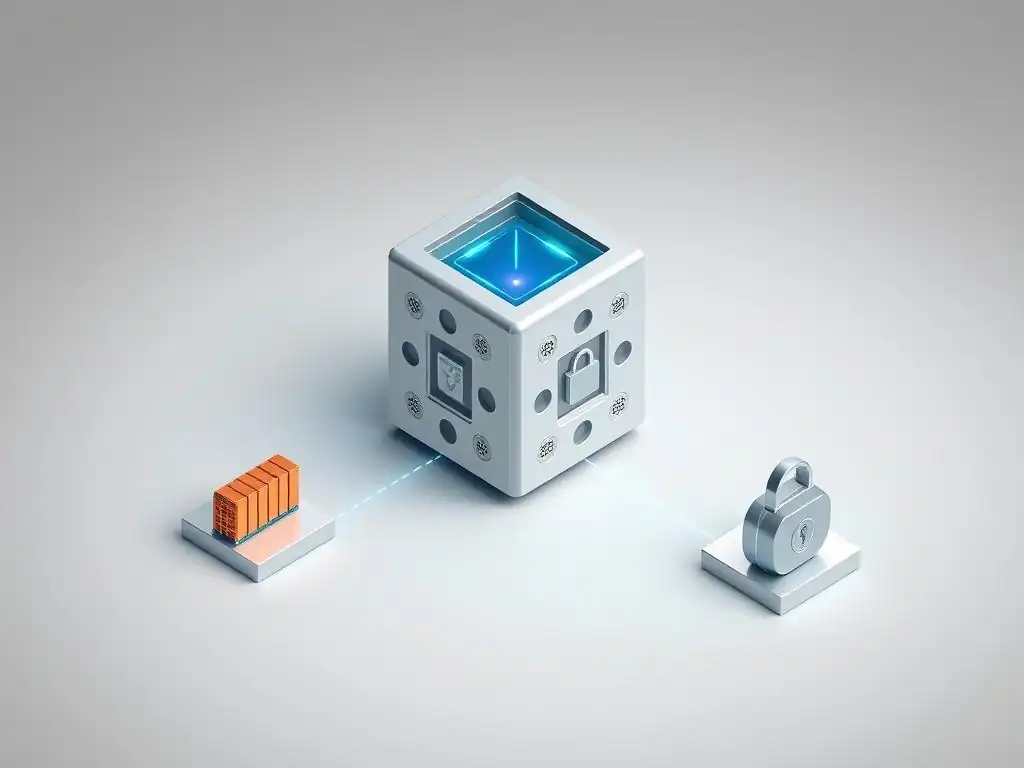
Sidechains in Decentralized Finance (DeFi): Collateralized Lending Platforms on Sidechains
Decentralized Finance (DeFi) is a prime area where blockchain sidechain benefits are being actively explored and implemented. The high transaction volume and speed requirements of many DeFi applications, such as decentralized exchanges and lending platforms, often strain the capacity of main blockchains like Ethereum. Sidechains offer a solution by providing a more scalable and cost-effective environment for DeFi operations. Collateralized lending platforms, for instance, can benefit significantly from sidechains. These platforms require frequent and fast transactions for loan origination, collateral management, and repayment processing.
By deploying a collateralized lending platform on a sidechain, businesses can offer faster loan processing times, lower transaction fees for borrowers and lenders, and a more responsive user experience. This can attract a larger user base and increase the efficiency of the lending platform.
Furthermore, sidechains can be customized to meet the specific regulatory requirements or compliance needs of DeFi platforms, providing a more controlled and compliant environment compared to operating solely on a public and permissionless mainchain. Examples of DeFi projects exploring sidechains include projects building on the Liquid Network for Bitcoin to enable faster and cheaper Bitcoin-backed loans.
Sidechains for Supply Chain Management: Tracking and Tracing Goods on a Dedicated Sidechain
Supply chain management is another sector where blockchain sidechains offer compelling advantages. Tracking and tracing goods across complex global supply chains requires handling a large volume of data and transactions related to product provenance, logistics, and inventory management. Utilizing a dedicated sidechain for supply chain applications can significantly improve efficiency, transparency, and traceability compared to traditional systems or main blockchain solutions. A supply chain sidechain can be designed to handle the specific data formats and transaction types relevant to supply chain operations, optimizing performance and reducing costs.
For example, a company managing a global food supply chain could use a sidechain to track the journey of food products from farm to consumer. Each stage of the supply chain, from harvesting to processing to shipping to retail, can be recorded as a transaction on the sidechain, providing an immutable and transparent record of the product's journey.
This enhanced traceability can improve food safety, reduce counterfeiting, and increase consumer trust. Furthermore, sidechains can be permissioned to allow only authorized participants within the supply chain to access and contribute data, ensuring data privacy and security while still enabling transparency and accountability.
Sidechains for Identity Management: Secure Credential Verification on a Permissioned Sidechain
Identity management is a critical application area where blockchain technology, and sidechains in particular, can offer significant improvements in security, privacy, and efficiency. Verifying digital credentials and managing user identities often involves handling sensitive personal information. Deploying identity management solutions on a permissioned sidechain can provide a secure and privacy-preserving environment for storing and verifying credentials. A permissioned sidechain allows organizations to control access to identity data and ensure compliance with data privacy regulations like GDPR.
For instance, a university could use a permissioned sidechain to issue and verify digital diplomas and academic credentials. Students could securely store their credentials on the sidechain and grant permission to employers or other institutions to verify their authenticity without revealing unnecessary personal information. This reduces the risk of credential fraud and streamlines the verification process.
Sidechains can also be designed to integrate with existing identity management systems, providing a bridge between traditional and decentralized identity solutions. The enhanced security and privacy features of permissioned sidechains make them well-suited for sensitive identity management applications in various sectors, including education, healthcare, and government.
Sidechains in Gaming and NFTs: Scalable NFT Minting and Trading on Game-Specific Sidechains
The gaming industry and the world of Non-Fungible Tokens (NFTs) are experiencing rapid growth, but both face scalability challenges on main blockchains like Ethereum, particularly during peak periods of activity. Sidechains offer a scalable and cost-effective solution for gaming platforms and NFT marketplaces. Game-specific sidechains can be designed to handle the high volume of in-game transactions, NFT minting, and NFT trading associated with online games and virtual worlds. This ensures a smoother and more responsive gaming experience for players and reduces transaction fees for in-game purchases and NFT trading.
For example, a popular online game could launch its own sidechain to manage in-game assets, virtual currencies, and NFT collectibles. This allows for faster and cheaper transactions within the game ecosystem, enhancing the player experience and enabling new types of game mechanics based on blockchain assets.
NFT marketplaces can also benefit from sidechains by offering lower minting fees and faster trading speeds, making NFTs more accessible to a wider audience and facilitating higher trading volumes. Sidechains tailored for gaming and NFTs can be optimized for specific performance requirements and transaction patterns of these applications, unlocking the full potential of blockchain technology in these rapidly evolving sectors.
Challenges and Considerations When Implementing Blockchain Sidechains
Security Risks Associated with Sidechains: Mitigation Strategies
While sidechains offer numerous benefits, it's crucial to acknowledge and address the security risks associated with their implementation. Sidechains, being independent blockchains, may have different security profiles compared to the mainchain. One potential risk is related to the two-way peg mechanism, which, if not properly designed and implemented, could be vulnerable to attacks that could compromise asset transfers between the mainchain and the sidechain. Another concern is the security of the sidechain's consensus mechanism itself. Sidechains with smaller validator sets or less robust consensus algorithms may be more susceptible to attacks like 51% attacks or Sybil attacks.
To mitigate these security risks, businesses need to adopt comprehensive security strategies. This includes carefully selecting and implementing robust two-way peg mechanisms, conducting thorough security audits of sidechain code and infrastructure, and choosing appropriate consensus mechanisms and validator selection processes. Regular monitoring of sidechain activity and proactive threat detection are also essential. Furthermore, businesses should consider implementing insurance or other risk mitigation measures to protect against potential security breaches or vulnerabilities in the sidechain ecosystem. A layered security approach, combining technical safeguards with operational best practices, is crucial for ensuring the secure and reliable operation of blockchain sidechains.
Complexity of Sidechain Development and Deployment
Developing and deploying blockchain sidechains can be a complex undertaking, requiring specialized technical expertise and careful planning. Unlike using existing main blockchain infrastructure, businesses need to design, build, and maintain their own sidechain network, including setting up nodes, implementing consensus mechanisms, and developing smart contracts tailored to their specific use case. This complexity can be a significant barrier to entry, particularly for organizations without in-house blockchain development capabilities. Furthermore, integrating sidechains with existing business systems and workflows can also pose technical challenges.
To overcome this complexity, businesses can consider leveraging blockchain development platforms and tools that simplify sidechain creation and deployment. Working with experienced blockchain development partners can also provide valuable expertise and support throughout the sidechain implementation process. Thorough planning, clear project scope definition, and a phased approach to development and deployment are essential for managing the complexity of sidechain projects. Investing in training and education for internal teams can also help build the necessary expertise to effectively manage and maintain sidechain infrastructure over the long term.
Governance and Decentralization in Sidechain Ecosystems
Governance and decentralization are critical considerations for blockchain sidechains, particularly in ensuring the long-term sustainability and trustworthiness of the sidechain network. While sidechains offer customization, businesses need to carefully define the governance model for their sidechain ecosystem. This includes determining who has control over sidechain parameters, upgrades, and rule changes.
A centralized governance model might offer more control and agility in the short term, but it could also raise concerns about censorship resistance and lack of transparency. Conversely, a more decentralized governance model, involving community participation and on-chain voting mechanisms, can enhance trust and resilience but might be slower to implement changes.
The degree of decentralization in a sidechain also impacts its security and resilience. Sidechains with a smaller number of validators or a concentrated validator set might be more vulnerable to collusion or censorship. Businesses need to carefully consider the trade-offs between control, efficiency, and decentralization when designing the governance and validator model for their sidechain. A balanced approach that promotes transparency, community involvement, and robust security is crucial for building trust and ensuring the long-term viability of sidechain ecosystems.
Regulatory Landscape and Legal Considerations for Businesses Using Sidechains
The regulatory landscape surrounding blockchain technology is still evolving, and businesses implementing sidechains need to be aware of and comply with applicable regulations and legal considerations. The legal status of sidechain assets, particularly pegged assets, may not be clearly defined in all jurisdictions. Businesses need to ensure that their sidechain operations comply with relevant financial regulations, data privacy laws, and other legal requirements in the jurisdictions where they operate and where their users are located. Furthermore, cross-border transactions and data transfers involving sidechains may raise complex legal and regulatory issues.
Engaging with legal counsel with expertise in blockchain and cryptocurrency regulations is essential for businesses considering sidechain implementation. A thorough legal assessment can help identify potential regulatory risks and develop strategies for compliance. Businesses should also monitor the evolving regulatory landscape and adapt their sidechain operations as needed to remain compliant. Proactive engagement with regulators and participation in industry discussions can also help shape a more favorable and clearer regulatory environment for blockchain sidechains and related technologies.
The Future of Sidechains: Trends and Predictions
Sidechains and Interoperability: The Path to a Multi-Chain Future
The future of sidechains is increasingly intertwined with the broader trend of blockchain interoperability. As the blockchain ecosystem matures, the need for seamless communication and interaction between different blockchain networks becomes more critical. Sidechains are playing a key role in realizing this multi-chain future. Advancements in inter-blockchain communication protocols and cross-chain technologies are enabling sidechains to interoperate not only with their parent chains but also with other independent blockchains. This interoperability will unlock new possibilities for cross-chain applications, asset transfers, and data sharing, creating a more interconnected and collaborative blockchain ecosystem.
We can anticipate seeing more sidechain projects focused on interoperability, facilitating the flow of value and information across different blockchain networks. This trend will contribute to breaking down silos between different blockchain ecosystems and fostering a more unified and user-friendly blockchain experience. Businesses will benefit from this interoperability by being able to leverage the unique strengths of different blockchains and sidechains, creating more versatile and powerful blockchain solutions. The future of blockchain is likely to be a multi-chain world, and sidechains are positioned to be a crucial component of this interconnected landscape.
The Evolution of Sidechain Technology: Zero-Knowledge Proof Integration
Sidechain technology is continuously evolving, with ongoing research and development focused on enhancing its capabilities and addressing existing limitations. One significant trend is the integration of zero-knowledge proofs (ZKPs) with sidechains. ZKPs are cryptographic techniques that allow for verifying the validity of a statement without revealing any information beyond the statement itself. Integrating ZKPs into sidechains can enhance privacy, scalability, and security. For example, ZK-rollups, a type of Layer-2 scaling solution, are leveraging ZKPs to achieve highly scalable and privacy-preserving transaction processing.
We can expect to see more sidechain projects incorporating ZKP technology to enhance privacy features, enable confidential transactions, and improve scalability. ZKPs can also be used to enhance the security of two-way peg mechanisms and enable more efficient cross-chain communication. The integration of ZKPs represents a significant advancement in sidechain technology, paving the way for more powerful and versatile blockchain solutions that address key challenges related to privacy, scalability, and security. This evolution will further expand the range of business applications for sidechains and drive broader adoption of blockchain technology.
Sidechains and Enterprise Blockchain Adoption: Driving Innovation
Sidechains are poised to play a crucial role in driving enterprise blockchain adoption. The benefits of sidechains, such as enhanced scalability, customization, and flexibility, directly address many of the concerns and requirements of enterprise businesses considering blockchain implementation. Sidechains provide a practical and cost-effective way for businesses to leverage blockchain technology without disrupting their existing operations or facing the limitations of public mainchains. As businesses become more familiar with blockchain and explore its potential applications, sidechains offer a stepping stone towards broader blockchain integration.
We can anticipate seeing increased adoption of sidechains across various industries, including finance, supply chain management, healthcare, and gaming. Enterprises are likely to leverage sidechains to build customized blockchain solutions tailored to their specific needs, fostering innovation and driving efficiency gains. The ability to experiment with new blockchain applications in a controlled sidechain environment will encourage businesses to explore the full potential of blockchain technology and develop innovative solutions that transform their operations and create new business opportunities. Sidechains are not just a scaling solution; they are an enabler of enterprise blockchain innovation and adoption.
Conclusion: Leveraging Blockchain Sidechain Benefits for Business Growth
The Strategic Importance of Sidechains in the Evolving Blockchain Landscape
Blockchain sidechains represent a strategically important technology for businesses seeking to leverage the benefits of blockchain while addressing scalability and customization challenges. Sidechains offer a powerful tool for expanding blockchain ecosystems and unlocking new possibilities for innovation and business growth. Their ability to enhance transaction throughput, reduce fees, provide customization, and enable experimentation makes them a compelling solution for a wide range of business applications. As the blockchain landscape continues to evolve, sidechains are becoming increasingly crucial for realizing the full potential of decentralized technologies and driving broader adoption across industries.
For businesses navigating the complexities of blockchain adoption, understanding the benefits and implications of sidechains is essential. Sidechains are not just a technical solution; they represent a strategic approach to building flexible, scalable, and future-proof blockchain infrastructure. By carefully considering the opportunities and challenges associated with sidechains, businesses can position themselves to capitalize on the transformative power of blockchain technology and gain a competitive advantage in the evolving digital economy. The strategic importance of sidechains lies in their ability to bridge the gap between the potential of blockchain and the practical requirements of real-world business applications.
Call to Action: Evaluate Sidechain Solutions for Your Organization
Considering the numerous blockchain sidechain benefits for businesses, it is now imperative for organizations to evaluate whether sidechain solutions can address their specific needs and contribute to their strategic goals. Businesses should assess their current operational challenges, identify potential use cases for blockchain technology, and explore how sidechains could provide a viable and effective solution. This evaluation should involve a thorough analysis of the technical requirements, security considerations, regulatory landscape, and potential return on investment associated with sidechain implementation.
We encourage businesses to engage with blockchain experts, conduct pilot projects, and explore available sidechain platforms and development tools to gain a deeper understanding of sidechain technology and its potential applications. By proactively evaluating sidechain solutions, organizations can position themselves to leverage the transformative power of blockchain, enhance their operational efficiency, drive innovation, and unlock new opportunities for growth in the rapidly evolving digital landscape. The time to explore and consider blockchain sidechain benefits for your business is now.
Frequently Asked Questions
What are blockchain sidechains and how do they relate to the main blockchain?
Sidechains are independent blockchains that run parallel to a main blockchain, like Bitcoin or Ethereum. They allow for transfer of assets between the main chain and the sidechain.
What are some of the key Blockchain sidechain benefits for businesses?
Sidechains offer increased scalability by offloading transactions from the main chain. They also allow for customized functionalities and faster transaction speeds, which can be crucial for business applications.
How do sidechains contribute to the expansion of blockchain ecosystems?
Sidechains foster innovation and experimentation by providing a sandbox environment. They enable the development of specialized applications without impacting the main chain's stability.
What role does regulation play in the adoption of blockchain sidechains by businesses?
Regulatory clarity is essential for widespread adoption. Businesses need assurance that sidechain operations comply with existing legal frameworks and are not subject to unexpected changes.
What are some potential future applications of blockchain sidechains beyond current use cases?
Future applications include supply chain management, identity verification, and data storage solutions. Sidechains can enable more efficient and secure business processes across various industries.
Final Reflection: Unlocking Business Potential with Blockchain Sidechains
The exploration of sidechains reveals a powerful truth: blockchain technology is not a monolith, but a dynamic ecosystem capable of immense customization and scalability. The benefits outlined throughout this article, from enhanced transaction speeds to tailored functionalities, are not merely theoretical advantages; they represent tangible opportunities for businesses to revolutionize their operations and gain a competitive edge in an increasingly digital world.
The impact of sidechains extends far beyond simple efficiency gains. They represent a fundamental shift in how businesses can interact with blockchain technology, fostering innovation and unlocking new possibilities. This is particularly crucial as the adoption of blockchain continues to grow, demanding solutions that can adapt to specific industry needs and regulatory environments. The future of blockchain is not about one chain to rule them all, but a constellation of interconnected networks, each serving a unique purpose.
This quote encapsulates the essence of sidechains – a collaborative and decentralized approach to blockchain development.
Now, consider the potential within your own organization. How could the flexibility and scalability of sidechains address your specific challenges? What new opportunities could be unlocked by a more tailored and efficient blockchain solution? The future of your business may very well lie in embracing the power of sidechains and actively participating in the evolution of the blockchain ecosystem.
Okay, I understand. Here's a CTA tailored for an article on "Sidechains: Expanding Blockchain Ecosystems with Independent Networks," designed for "Blockchain Trends" (blockchaintrends.org):
Dive Deeper: Unleash the Power of Sidechains!
Thanks for exploring the exciting world of sidechains with us! We hope you now have a solid understanding of how they’re revolutionizing blockchain scalability and interoperability. Ready to take the next step and contribute to this groundbreaking technology?
Here's how you can get involved:
- Consider launching your own Proof-of-Concept Sidechain: Start small and experiment with the possibilities! This is the best way to truly grasp the intricacies and potential benefits of sidechains.
- Explore existing sidechain projects like Polygon or Rootstock to understand their specific architectures and applications. Familiarize yourself with their governance models.
- Share this article with your network and spark discussions about the future of sidechains and their impact on the broader blockchain ecosystem. Let's get the conversation flowing!
What innovative use case for a sidechain do you envision that could solve a current challenge in the blockchain space? Let us know in the comments below!
Leave a Reply