
Securing IoT Devices with Blockchain Cryptography: Decentralized Security for the Internet of Things


Welcome to Blockchain Trends, your compass in the rapidly evolving world of decentralized technologies. Delve into the transformative power of blockchain, far beyond the realm of cryptocurrencies, as we explore its impact on finance, enterprise, and the future of digital interactions.
Are you ready to discover how blockchain can revolutionize the security of the Internet of Things? Our deep dive into Blockchain IoT security solutions reveals how decentralized cryptography is poised to safeguard the connected world. Intrigued? The future of IoT security starts here.
Securing IoT Devices with Blockchain Cryptography: Decentralized Security for the Internet of Things
- Introduction: The Growing Need for Enhanced IoT Security
- Understanding the Security Challenges of IoT Devices
- Blockchain Cryptography for IoT Security: A Deep Dive
- Blockchain-Based IoT Security Solutions: Practical Applications
- Implementing Blockchain IoT Security Solutions: Key Considerations
- Benefits of Blockchain for IoT Security
- Challenges and Limitations of Blockchain in IoT Security
- Future Trends in Blockchain IoT Security
- Case Studies: Real-World Blockchain IoT Security
- Conclusion: The Future of Secure IoT with Blockchain
-
Frequently Asked Questions
- What specific security vulnerabilities in IoT devices does blockchain technology aim to address?
- How can blockchain enhance the authentication and authorization processes for IoT devices?
- What are some real-world applications of Blockchain IoT security solutions beyond smart homes and wearables?
- What are the regulatory challenges and considerations surrounding the implementation of Blockchain IoT security solutions?
- How does blockchain help improve the scalability and manageability of security for a large network of IoT devices?
- Final Reflection: Embracing Decentralized Trust
- Ignite Your IoT Security Revolution!
Introduction: The Growing Need for Enhanced IoT Security
The Vulnerability of Traditional IoT Security Models
The Internet of Things (IoT) has exploded in recent years, connecting billions of devices ranging from smart home appliances to industrial sensors and critical infrastructure components. This interconnectedness, while offering unprecedented convenience and efficiency, has also created a vast and complex attack surface. Traditional IoT security models, often relying on centralized architectures and perimeter-based defenses, are increasingly proving inadequate against sophisticated cyber threats.
These models often suffer from inherent weaknesses, including single points of failure, lack of transparency, and difficulties in managing security across a massive and diverse network of devices. The centralized nature of these systems means that a single successful breach can compromise a large number of devices and the data they generate, highlighting the urgent need for more robust and resilient security approaches.
Furthermore, many IoT devices are designed with limited processing power and memory, making it challenging to implement complex security protocols traditionally used in IT systems. Manufacturers often prioritize cost-effectiveness and time-to-market, sometimes at the expense of robust security features. This results in devices with weak default passwords, outdated firmware, and vulnerabilities that are easily exploited by malicious actors.
The sheer scale and heterogeneity of the IoT ecosystem further complicate the issue, making it difficult to deploy and manage security updates across all devices, leaving them susceptible to known and emerging threats. This combination of inherent vulnerabilities and limitations in traditional security approaches necessitates a paradigm shift towards more decentralized and resilient security solutions.
Why Decentralized Security Matters for IoT Ecosystems
Decentralized security architectures offer a compelling alternative to traditional centralized models for securing IoT ecosystems. In a decentralized system, security responsibilities and data are distributed across the network, eliminating single points of failure and enhancing overall resilience.
This distribution makes it significantly harder for attackers to compromise the entire system, as they would need to breach multiple nodes rather than a single central authority. This inherent robustness is particularly crucial for IoT environments where devices are often deployed in geographically dispersed locations and may be operating in critical sectors like healthcare, energy, and transportation, where security breaches can have severe consequences.
Moreover, decentralization fosters greater transparency and trust within the IoT ecosystem. Blockchain technology, a key enabler of decentralized security, provides an immutable and auditable record of transactions and device interactions. This transparency is vital for verifying data integrity, tracking device provenance, and ensuring accountability across the network.
For instance, in supply chain applications, a decentralized ledger can track the journey of IoT-enabled sensors monitoring goods, providing verifiable proof of origin and condition. This enhanced transparency and trust are essential for building confidence in IoT deployments and fostering wider adoption, especially in sensitive applications where data security and integrity are paramount. Decentralized security, therefore, offers a more robust, transparent, and trustworthy foundation for the expanding Internet of Things.
Blockchain Technology: A Paradigm Shift in IoT Device Protection
Blockchain technology, with its inherent cryptographic security and decentralized nature, presents a paradigm shift in how we approach IoT device protection. Unlike centralized security models that rely on a single point of control, blockchain leverages a distributed ledger to record and verify transactions across a network of nodes.
This distributed consensus mechanism ensures data integrity and prevents unauthorized modifications, making it exceptionally difficult for malicious actors to tamper with critical IoT data or control devices without detection. The cryptographic foundation of blockchain, utilizing hashing and digital signatures, provides robust authentication and encryption capabilities, essential for securing communication and data exchange between IoT devices and the broader network.
Furthermore, blockchain's decentralized architecture eliminates the single points of failure inherent in traditional IoT security systems. If one node in a blockchain network is compromised, the rest of the network remains secure and operational, ensuring continued functionality and data integrity. This resilience is particularly valuable in dynamic and potentially hostile IoT environments.
The immutability of blockchain records provides an auditable trail of device activities and data transactions, enhancing accountability and facilitating incident response. By leveraging these core features, blockchain offers a fundamentally different and significantly more secure approach to protecting IoT devices and the vast amounts of data they generate, paving the way for a more trustworthy and resilient Internet of Things.
Understanding the Security Challenges of IoT Devices
Limited Resources and Processing Power: An IoT Security Hurdle
A significant security hurdle for IoT devices stems from their inherent limitations in resources and processing power. Many IoT devices, particularly those designed for mass deployment and low-cost applications, are equipped with constrained microcontrollers and limited memory. For example, a typical smart sensor deployed in an agricultural setting might have a processor clocked at a few tens of MHz and a few kilobytes of RAM.
These constraints make it challenging to implement computationally intensive security algorithms and protocols that are common in traditional IT systems. Implementing robust encryption, complex authentication mechanisms, or intrusion detection systems directly on these devices can significantly impact their performance, battery life, and overall cost-effectiveness.
This resource scarcity often leads to security compromises in IoT device design. Manufacturers may opt for weaker encryption algorithms, simplified authentication methods, or even forgo certain security features altogether to minimize costs and power consumption. This "security by obscurity" approach is inherently flawed and leaves devices vulnerable to attacks.
The challenge is further compounded by the long lifespan expected of many IoT devices, often operating for years in the field. Over time, vulnerabilities may be discovered, and the limited processing power may hinder the deployment of necessary security patches and updates, leaving these devices exposed to evolving cyber threats. Therefore, designing effective security solutions for IoT devices requires a careful balance between security robustness and resource efficiency, often necessitating innovative and lightweight cryptographic approaches.
Centralized Architectures: Single Points of Failure in IoT Networks
Centralized architectures, commonly used in traditional IoT deployments, present significant security vulnerabilities due to their inherent single points of failure. In a centralized model, a central server or cloud platform manages and controls a network of IoT devices. This central entity becomes a prime target for attackers, as a successful compromise can grant access to the entire network and all connected devices.
For example, a smart home system relying on a cloud-based hub could be completely disabled if the hub is compromised, rendering all connected devices useless and potentially exposing user data. The concentration of control and data in a single location creates a bottleneck and a critical point of weakness in the entire IoT ecosystem.
Furthermore, centralized systems can be vulnerable to denial-of-service (DoS) attacks. Overloading the central server with malicious traffic can disrupt the entire IoT network, preventing devices from communicating and functioning correctly. This is particularly concerning in critical infrastructure applications where continuous operation is essential.
The reliance on a single entity for authentication and authorization also creates a security risk. If the central server's authentication system is breached, attackers can impersonate legitimate devices or users, gaining unauthorized access to the network and potentially manipulating or controlling devices. The inherent fragility and vulnerability of centralized architectures highlight the need for more distributed and resilient security models for the growing IoT landscape, where the failure of a single component should not compromise the entire system.
Data Integrity and Privacy Concerns in IoT Deployments
Data integrity and privacy are paramount concerns in IoT deployments, especially given the vast amounts of sensitive data collected and transmitted by these devices. IoT devices often gather personal information, location data, health metrics, and operational parameters, which, if compromised or manipulated, can have severe consequences. In healthcare IoT, for instance, compromised medical device data could lead to misdiagnosis or incorrect treatment.
In industrial IoT, manipulated sensor readings could result in equipment malfunction or safety hazards. Ensuring the integrity of this data, meaning it has not been tampered with or altered without authorization, is crucial for maintaining trust and reliability in IoT systems.
Privacy concerns are equally significant. Many IoT devices collect and transmit personal data, raising questions about how this data is stored, processed, and protected. Centralized data storage in traditional IoT systems can create privacy risks, as large datasets become attractive targets for data breaches. Furthermore, the lack of transparency in how IoT data is used and shared can erode user trust.
Concerns about unauthorized access, surveillance, and misuse of personal data are significant barriers to wider IoT adoption. Addressing these data integrity and privacy challenges requires robust security measures that not only protect data from unauthorized access but also ensure its authenticity, provenance, and responsible handling throughout its lifecycle. Decentralized technologies, such as blockchain, offer potential solutions for enhancing both data integrity and privacy in IoT environments through cryptographic verification and distributed data management.
The Expanding Attack Surface of the Internet of Things
The Internet of Things presents an exponentially expanding attack surface, making it increasingly challenging to secure. The sheer number and diversity of connected devices, ranging from simple sensors to complex industrial control systems, create numerous entry points for cyberattacks. Each device, with its unique hardware, software, and communication protocols, can potentially introduce new vulnerabilities. The geographical distribution of IoT devices, often deployed in remote or unattended locations, further complicates security management and physical protection. This vast and heterogeneous landscape significantly expands the opportunities for attackers to exploit weaknesses and gain unauthorized access to IoT networks.
The increasing complexity of IoT ecosystems also contributes to the expanding attack surface. Interconnected devices from different vendors, using various communication protocols and platforms, create a complex web of dependencies and potential interoperability issues that can be exploited by attackers. Furthermore, the lifecycle of IoT devices, often extending for many years, means that vulnerabilities discovered years after deployment can remain unpatched, especially in devices with limited update capabilities.
The lack of standardized security protocols and practices across the IoT industry further exacerbates the problem, leading to inconsistent security implementations and a fragmented security landscape. Securing this expanding attack surface requires a multi-layered approach that combines robust device-level security, secure communication protocols, network segmentation, and proactive threat monitoring, moving beyond traditional perimeter-based security to address the distributed and dynamic nature of the Internet of Things.
Blockchain Cryptography for IoT Security: A Deep Dive
How Blockchain Addresses IoT Security Weaknesses
Blockchain technology directly addresses several key security weaknesses inherent in traditional IoT systems. Its decentralized nature eliminates single points of failure, distributing security responsibilities across the network. This makes it significantly more resilient to attacks compared to centralized architectures where compromising a single server can grant access to the entire system.
The distributed ledger technology ensures data integrity through cryptographic hashing. Every transaction or data entry on the blockchain is cryptographically linked to the previous one, creating an immutable and tamper-proof record. This prevents malicious actors from altering sensor data, device logs, or control commands without detection, a critical feature for maintaining trust and reliability in IoT applications.
Furthermore, blockchain enhances authentication and access control in IoT environments. Using digital signatures and cryptographic keys, blockchain enables secure device identity management and mutual authentication. This ensures that only authorized devices and users can access and interact with the IoT network, mitigating the risk of unauthorized device access and control.
The transparency of the blockchain ledger also provides an auditable trail of all device activities and data transactions. This auditability is invaluable for incident response, forensic analysis, and regulatory compliance, allowing for clear accountability and traceability of actions within the IoT ecosystem. By leveraging these core blockchain features, IoT systems can achieve a significantly higher level of security, resilience, and trustworthiness compared to traditional security approaches.
Cryptographic Hashing and Digital Signatures: Securing IoT Data
Cryptographic hashing and digital signatures are fundamental building blocks of blockchain security and play crucial roles in securing IoT data. Cryptographic hashing functions generate a unique, fixed-size "fingerprint" (hash) of any input data. Even a minor change in the original data results in a drastically different hash, making it computationally infeasible to reverse-engineer the original data from its hash.
In IoT security, hashing is used to ensure data integrity. For instance, sensor readings collected by IoT devices can be hashed before being stored on the blockchain. If the data is tampered with during transmission or storage, recalculating the hash will reveal a mismatch, immediately indicating data corruption or manipulation.
Digital signatures utilize asymmetric cryptography (public and private key pairs) to provide authentication and non-repudiation. A sender uses their private key to create a digital signature for a message, and anyone with the corresponding public key can verify the signature's authenticity and integrity. In IoT, digital signatures are used to authenticate device communications and ensure the origin of data.
For example, an IoT device can digitally sign sensor data before transmitting it to the blockchain. Receiving nodes can then verify the signature using the device's public key, confirming that the data originated from a trusted source and has not been altered in transit. The combination of cryptographic hashing for data integrity and digital signatures for authentication forms a robust foundation for securing IoT data and communications within a blockchain-based framework, ensuring data authenticity, integrity, and non-repudiation.
Decentralized Identity Management for IoT Devices using Blockchain
Decentralized identity management (DID) using blockchain offers a secure and privacy-preserving approach to managing the identities of IoT devices. Traditional identity management systems often rely on centralized authorities, which can be single points of failure and privacy risks. Blockchain-based DID solutions distribute identity control to the device owners or authorized entities, eliminating reliance on central intermediaries. Each IoT device can be assigned a unique decentralized identifier (DID) stored on the blockchain. This DID acts as a verifiable digital identity for the device, enabling secure authentication and authorization without revealing sensitive personal information or relying on a central authority.
Using blockchain for DID in IoT enhances security and privacy in several ways. Firstly, it provides tamper-proof and auditable device identities, preventing identity spoofing and unauthorized device impersonation. Secondly, it empowers device owners with greater control over their device identities and data. They can selectively grant access permissions to other devices or applications based on verifiable credentials linked to their DIDs.
Thirdly, DID solutions can improve interoperability between different IoT ecosystems, allowing devices from different manufacturers to securely communicate and exchange data based on mutually recognized decentralized identities. For example, in a smart city environment, blockchain-based DID can enable secure communication between smart traffic lights, autonomous vehicles, and environmental sensors, all while maintaining device privacy and data integrity through decentralized and verifiable identities. This decentralized approach to identity management is crucial for building secure, scalable, and privacy-respecting IoT ecosystems.
Blockchain-Based IoT Security Solutions: Practical Applications
Supply Chain Management: Ensuring Traceability and Authenticity
Blockchain technology offers transformative solutions for securing IoT-enabled supply chains, particularly in enhancing traceability and authenticity of goods. In complex global supply chains, tracking the provenance and condition of products throughout their journey is critical for combating counterfeiting, ensuring quality control, and improving efficiency. By integrating IoT sensors with blockchain, businesses can create an immutable and transparent record of each product's movement, storage conditions, and ownership changes, from origin to consumer.
For example, temperature-sensitive pharmaceuticals can be tracked with IoT sensors that record temperature readings at various points in the supply chain. This data, recorded on a blockchain, provides verifiable proof of proper storage conditions, ensuring drug efficacy and patient safety.
Blockchain's decentralized and tamper-proof nature makes it ideal for supply chain applications where trust and transparency are paramount. Each stakeholder in the supply chain, from manufacturers to distributors to retailers, can have access to the shared blockchain ledger, providing a single source of truth about product history. This enhanced traceability helps to identify and prevent counterfeit products from entering the market, protecting consumers and brand reputation. Furthermore, blockchain-based supply chain solutions can streamline logistics, reduce paperwork, and improve inventory management.
Real-world examples include companies using blockchain to track diamonds from mine to market, ensuring ethical sourcing and preventing conflict diamonds from entering the supply chain. Similarly, the food industry is exploring blockchain to track food products, enhancing food safety and building consumer confidence by providing verifiable information about origin, processing, and handling. These applications demonstrate the power of blockchain IoT security solutions in transforming supply chain management.
Smart Home Security: Protecting Connected Devices from Cyber Threats
Blockchain technology presents innovative solutions for enhancing smart home security and protecting connected devices from growing cyber threats. Traditional smart home security systems often rely on centralized hubs and cloud platforms, which, as discussed earlier, can be single points of failure. Blockchain can decentralize smart home security, distributing control and security responsibilities across the network of devices. For instance, a blockchain-based smart home system could eliminate the need for a central hub, allowing devices to communicate and authenticate directly with each other in a peer-to-peer manner, secured by cryptographic keys and distributed ledger technology.
This decentralized approach enhances resilience and reduces the risk of a single point of failure compromising the entire smart home network. Blockchain can also improve device authentication and access control within the smart home. Using blockchain-based decentralized identity, each smart home device can have a unique and verifiable digital identity, preventing unauthorized devices from joining the network or impersonating legitimate devices.
Smart contracts on the blockchain can be used to define and enforce access control policies, ensuring that only authorized users or devices can control specific smart home functions. For example, a smart lock could use a blockchain-based smart contract to grant temporary access to guests, with access automatically revoked after a specified period.
The immutability of the blockchain ledger also provides an audit trail of all device activities and security events within the smart home, enhancing accountability and facilitating incident response in case of security breaches. By leveraging blockchain, smart homes can become more secure, private, and resilient against cyber threats.
Industrial IoT (IIoT): Securing Critical Infrastructure with Blockchain
Securing Industrial IoT (IIoT) infrastructure is paramount, as it underpins critical sectors such as manufacturing, energy, and transportation. IIoT devices control and monitor essential industrial processes, making them attractive targets for cyberattacks that could disrupt operations, cause financial losses, or even endanger lives. Blockchain technology offers robust security solutions for IIoT, addressing vulnerabilities in traditional industrial control systems and enhancing the security of critical infrastructure. For example, blockchain can be used to secure communication between industrial sensors, actuators, and control systems, preventing man-in-the-middle attacks and ensuring data integrity in industrial automation processes.
Blockchain's decentralized nature is particularly beneficial for securing distributed IIoT deployments, such as smart grids and oil and gas pipelines, which often span vast geographical areas. A blockchain-based security system can distribute security responsibilities across the network of industrial devices, enhancing resilience and preventing single points of failure from compromising critical infrastructure. Furthermore, blockchain can improve data integrity and provenance in IIoT data streams.
Sensor data from industrial equipment, such as temperature readings, pressure levels, and vibration data, can be recorded on a blockchain, providing an immutable and verifiable record for predictive maintenance, anomaly detection, and process optimization. In the energy sector, blockchain can enhance the security and transparency of smart grids, enabling secure peer-to-peer energy trading and improving grid resilience against cyberattacks. By securing IIoT infrastructure with blockchain, critical industries can enhance operational efficiency, improve safety, and build resilience against evolving cyber threats.
Healthcare IoT: Data Integrity and Patient Privacy using Decentralized Systems
Healthcare IoT (HIoT) devices, ranging from wearable health trackers to sophisticated medical equipment, generate vast amounts of sensitive patient data. Ensuring data integrity and patient privacy is of utmost importance in HIoT deployments, given the highly sensitive nature of healthcare information and stringent regulatory requirements like HIPAA. Blockchain technology offers decentralized security solutions that can enhance data integrity, patient privacy, and security in healthcare IoT ecosystems. For instance, blockchain can be used to create a secure and auditable record of patient health data collected by wearable devices and medical sensors, ensuring data integrity and preventing unauthorized modifications.
Decentralized identity management using blockchain can empower patients with greater control over their health data. Patients can use blockchain-based DIDs to manage access permissions to their health records, granting selective access to healthcare providers, researchers, or family members. This patient-centric approach to data privacy aligns with emerging data privacy regulations and enhances patient trust in HIoT systems.
Furthermore, blockchain can facilitate secure data sharing and interoperability between different healthcare providers and systems. By storing anonymized or pseudonymized health data on a blockchain, researchers can access and analyze large datasets for medical research and public health initiatives while preserving patient privacy.
Real-world examples include projects exploring blockchain to secure electronic health records, manage clinical trial data, and track pharmaceuticals in the supply chain, all with a focus on enhancing data integrity, patient privacy, and security in the healthcare sector. Blockchain-based security solutions are crucial for unlocking the full potential of HIoT while safeguarding sensitive patient information.
Implementing Blockchain IoT Security Solutions: Key Considerations
Choosing the Right Blockchain Platform for IoT Applications
Selecting the appropriate blockchain platform is a critical decision when implementing blockchain IoT security solutions. Different blockchain platforms offer varying characteristics in terms of scalability, security, consensus mechanisms, and smart contract capabilities, each impacting their suitability for different IoT applications. For resource-constrained IoT devices, lightweight blockchain platforms or sidechains might be more appropriate than computationally intensive public blockchains like Ethereum or Bitcoin.
Private or consortium blockchains, where access is permissioned and controlled, may be preferred for enterprise IoT applications requiring data confidentiality and regulatory compliance. For example, in supply chain management, a consortium blockchain involving participating companies might be chosen to ensure data privacy and controlled access.
Considerations for choosing a blockchain platform for IoT include transaction throughput, latency, energy consumption, and development costs. Public blockchains often offer higher security and decentralization but may suffer from scalability limitations and higher transaction fees. Private blockchains can offer faster transaction speeds and lower costs but may sacrifice some degree of decentralization and transparency. The choice of consensus mechanism, such as Proof-of-Work (PoW) or Proof-of-Stake (PoS), also impacts energy consumption and transaction finality.
For battery-powered IoT devices, energy-efficient consensus mechanisms are crucial. Furthermore, the availability of developer tools, smart contract languages, and community support for a particular blockchain platform should be considered to facilitate development and deployment of blockchain IoT security solutions. A thorough evaluation of platform characteristics and application requirements is essential to select the right blockchain platform for a specific IoT use case.
Scalability Challenges and Solutions for Blockchain-Based IoT Networks
Scalability presents a significant challenge for implementing blockchain-based IoT networks, particularly as the number of connected devices and data volume grows exponentially. Traditional blockchain platforms, especially public blockchains, often have limitations in transaction throughput and block size, which can become bottlenecks in large-scale IoT deployments. For example, if millions of IoT devices are generating sensor data continuously, the blockchain network needs to be able to handle a high volume of transactions efficiently without causing delays or increased transaction costs. Scalability solutions are crucial to ensure that blockchain-based IoT security solutions can handle the demands of massive IoT ecosystems.
Several approaches are being explored to address scalability challenges in blockchain IoT. Layer-2 scaling solutions, such as state channels and sidechains, can offload transaction processing from the main blockchain, improving throughput and reducing latency. Sharding, a technique that divides the blockchain network into smaller partitions (shards), can also enhance scalability by parallelizing transaction processing.
Furthermore, lightweight blockchain protocols and data compression techniques can reduce the computational and storage overhead for IoT devices, making blockchain more feasible for resource-constrained devices. Edge computing, where data processing is performed closer to the data source (IoT devices), can also reduce the load on the blockchain network by filtering and aggregating data before recording it on the ledger.
Hybrid blockchain architectures, combining public and private blockchain components, can offer a balance between security, scalability, and data privacy for IoT applications. Addressing scalability challenges is essential for realizing the full potential of blockchain in securing large-scale IoT deployments.
Interoperability: Connecting Different IoT Devices and Blockchain Systems
Interoperability is crucial for seamless integration of different IoT devices and blockchain systems in real-world deployments. The IoT landscape is characterized by a diverse range of devices from various manufacturers, using different communication protocols and data formats. Similarly, various blockchain platforms exist, each with its own standards and APIs. Achieving interoperability between these heterogeneous systems is essential for building cohesive and scalable blockchain IoT security solutions. Lack of interoperability can create silos, hinder data exchange, and limit the effectiveness of security measures across different parts of the IoT ecosystem.
Standardization efforts are vital for promoting interoperability in blockchain IoT. Developing common communication protocols, data formats, and APIs for IoT devices and blockchain platforms can facilitate seamless integration and data exchange. Organizations like the IEEE and the IETF are working on standardization initiatives for IoT and blockchain technologies.
Cross-chain interoperability solutions, such as atomic swaps and cross-chain bridges, can enable communication and data exchange between different blockchain platforms, allowing for a more interconnected and interoperable blockchain IoT ecosystem. Furthermore, middleware solutions and abstraction layers can be developed to bridge the gap between different IoT protocols and blockchain APIs, simplifying integration and development. Addressing interoperability challenges is essential for realizing the vision of a truly interconnected and secure Internet of Things powered by blockchain technology.
Regulatory Compliance in Blockchain-IoT Implementations
Regulatory compliance is a critical consideration for blockchain IoT implementations, particularly in industries subject to stringent regulations, such as healthcare, finance, and data privacy. Different jurisdictions have varying regulations regarding data privacy, security, and the use of blockchain technology.
For example, GDPR (General Data Protection Regulation) in Europe and HIPAA (Health Insurance Portability and Accountability Act) in the United States impose strict requirements on data processing and security, which must be addressed in blockchain IoT solutions. Compliance with these regulations is not only a legal requirement but also essential for building trust and ensuring responsible use of blockchain IoT technology.
Blockchain IoT implementations need to be designed and implemented in a manner that complies with relevant regulations. This includes addressing data privacy concerns by implementing privacy-enhancing technologies, such as data anonymization, pseudonymization, and zero-knowledge proofs. Compliance with data security regulations requires robust security measures, including encryption, access control, and vulnerability management. Blockchain solutions themselves need to be assessed for regulatory compliance, considering aspects like data immutability, transparency, and governance.
Engaging with legal experts and regulatory bodies is crucial to ensure that blockchain IoT solutions meet all applicable regulatory requirements. Furthermore, ongoing monitoring and adaptation to evolving regulatory landscapes are essential for maintaining compliance in the long term. Addressing regulatory compliance proactively is key to fostering responsible innovation and wider adoption of blockchain IoT security solutions.
Benefits of Blockchain for IoT Security
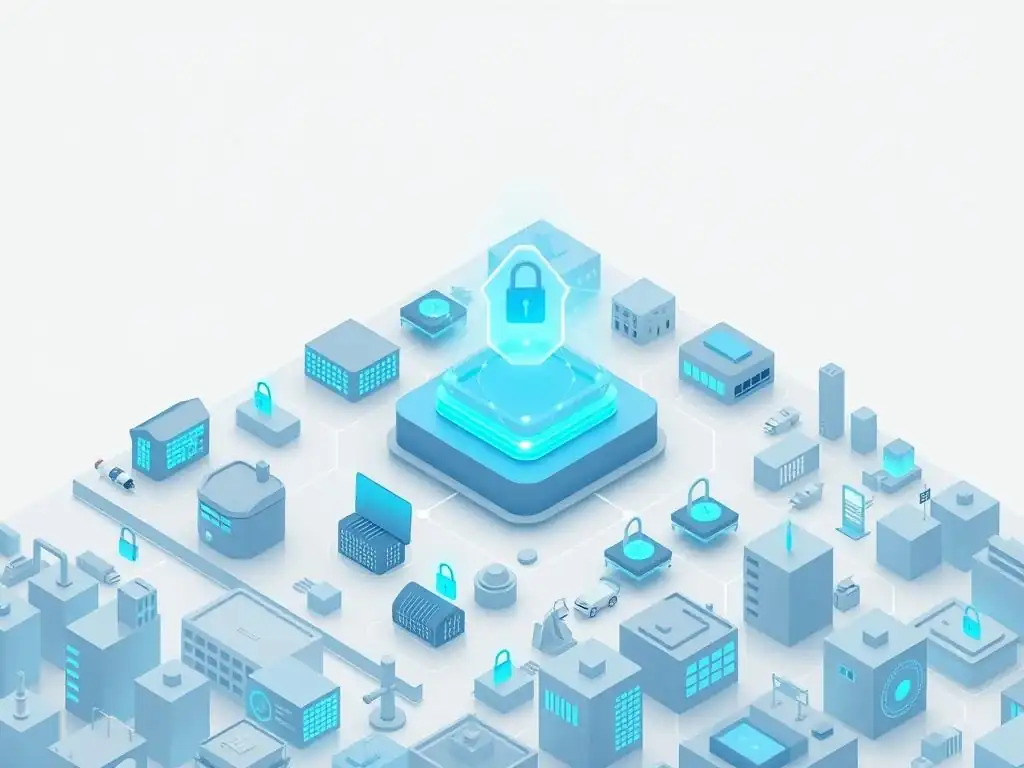
Enhanced Data Integrity and Trustworthiness
Blockchain technology significantly enhances data integrity and trustworthiness in IoT ecosystems. The immutable nature of the blockchain ledger ensures that once data is recorded, it cannot be altered or deleted without detection. This is achieved through cryptographic hashing and distributed consensus mechanisms, which prevent tampering and ensure data authenticity. In IoT applications, this is crucial for ensuring the reliability of sensor data, device logs, and control commands. For example, in supply chain tracking, blockchain ensures that the recorded location and condition of goods are accurate and have not been tampered with, building trust and transparency among supply chain partners.
The distributed nature of blockchain further enhances data integrity by eliminating single points of failure. Data is replicated across multiple nodes in the network, making it highly resilient to data loss or corruption. Even if some nodes are compromised, the integrity of the overall blockchain ledger remains intact. This robustness is particularly valuable in critical IoT applications where data integrity is paramount, such as in healthcare and industrial control systems.
The transparency of the blockchain ledger also contributes to trustworthiness. All participants in the network can have access to the auditable history of data transactions, fostering accountability and reducing the potential for fraud or manipulation. By providing enhanced data integrity and trustworthiness, blockchain builds confidence in IoT systems and enables new levels of data-driven decision-making and automation.
Improved Device Authentication and Access Control
Blockchain technology revolutionizes device authentication and access control in IoT environments, moving away from vulnerable centralized systems to more secure and decentralized approaches. Traditional IoT security often relies on weak password-based authentication or centralized authentication servers, which can be easily compromised. Blockchain-based solutions leverage cryptographic keys and digital signatures for strong device authentication. Each IoT device can have a unique cryptographic identity stored on the blockchain, enabling secure and verifiable authentication without relying on central authorities.
Decentralized identity management (DID) using blockchain empowers device owners and authorized entities to control access to their devices and data. Using blockchain-based DIDs, devices can authenticate each other and exchange data securely in a peer-to-peer manner, without the need for centralized intermediaries. Smart contracts on the blockchain can be used to define and enforce granular access control policies, specifying which devices or users are authorized to perform specific actions.
For example, in a smart building, blockchain-based access control can grant temporary access to authorized personnel based on their verifiable credentials, ensuring secure and controlled access to building systems and resources. By providing improved device authentication and access control, blockchain significantly reduces the risk of unauthorized device access, data breaches, and malicious control of IoT devices.
Reduced Risk of Data Breaches and Cyberattacks
Blockchain technology, by its inherent design, significantly reduces the risk of data breaches and cyberattacks in IoT systems compared to traditional centralized security models. The decentralized architecture of blockchain eliminates single points of failure, making it much harder for attackers to compromise the entire system. Attacking a blockchain network requires compromising a significant portion of the distributed nodes, which is computationally infeasible for most attackers. This distributed resilience is a key advantage for securing large and complex IoT ecosystems.
The cryptographic security of blockchain, including hashing, digital signatures, and encryption, provides robust protection against data breaches and unauthorized access. Data stored on the blockchain is cryptographically secured, making it extremely difficult for attackers to decrypt or tamper with sensitive information. Blockchain-based authentication and access control mechanisms prevent unauthorized devices and users from gaining access to the IoT network, further reducing the attack surface.
The auditability and transparency of the blockchain ledger also enhance security by providing a clear record of all device activities and data transactions, facilitating incident detection and response. By reducing the risk of data breaches and cyberattacks, blockchain enables more secure and trustworthy IoT deployments, fostering wider adoption and innovation in the Internet of Things.
Increased Transparency and Accountability in IoT Ecosystems
Blockchain technology brings increased transparency and accountability to IoT ecosystems, addressing a major challenge in traditional IoT deployments where data flows and device interactions can be opaque and difficult to audit. The immutable and auditable nature of the blockchain ledger provides a transparent record of all transactions, data exchanges, and device activities within the IoT network.
This transparency is valuable for verifying data provenance, tracking device history, and ensuring accountability among different stakeholders in the IoT ecosystem. For example, in supply chain applications, blockchain provides transparency into the movement and condition of goods, enabling consumers and businesses to verify product authenticity and origin.
Smart contracts on the blockchain can automate and enforce agreements between different parties in the IoT ecosystem, enhancing accountability and reducing the need for intermediaries. These self-executing contracts ensure that predefined rules and conditions are automatically executed when triggered, providing verifiable and auditable outcomes. The distributed consensus mechanism of blockchain further enhances accountability by ensuring that all participants in the network agree on the validity of transactions and data entries.
This consensus-based validation process reduces the risk of fraudulent or malicious activities going undetected. By increasing transparency and accountability, blockchain fosters trust and collaboration in IoT ecosystems, enabling more efficient and reliable operations and fostering greater confidence in the data generated and used by IoT devices.
Challenges and Limitations of Blockchain in IoT Security
High Computational Costs and Energy Consumption
A significant challenge in applying blockchain to IoT security is the potentially high computational costs and energy consumption associated with certain blockchain platforms, particularly those using Proof-of-Work (PoW) consensus mechanisms like Bitcoin and Ethereum. PoW requires significant computational resources for mining and transaction validation, which can be impractical for resource-constrained IoT devices. Running full blockchain nodes on low-power IoT devices may be infeasible due to processing limitations and battery life constraints. The energy consumption of PoW blockchains also raises environmental concerns, particularly for large-scale IoT deployments involving millions of devices.
While alternative consensus mechanisms like Proof-of-Stake (PoS) and delegated Proof-of-Stake (dPoS) offer lower energy consumption, they may still impose computational overhead on IoT devices. Lightweight blockchain protocols and sidechain solutions are being developed to address these challenges, aiming to reduce the computational burden and energy footprint of blockchain for IoT applications. Optimizing cryptographic algorithms and data structures for resource-constrained devices is also crucial.
Furthermore, edge computing architectures can help to offload computationally intensive tasks from IoT devices to more powerful edge servers, reducing the processing load on individual devices. Addressing the computational costs and energy consumption limitations is essential for making blockchain a viable security solution for a wide range of IoT devices and applications.
Scalability Limitations of Certain Blockchain Platforms
Scalability limitations of some blockchain platforms pose a challenge for large-scale IoT deployments, where massive numbers of devices generate vast amounts of data and transactions. Traditional blockchain platforms, especially public blockchains, may struggle to handle the high throughput and low latency requirements of certain IoT applications. Transaction processing capacity and block confirmation times can become bottlenecks, especially as the network grows in size. For example, in industrial IoT applications with real-time control requirements, delays in transaction processing can be unacceptable.
While scalability solutions like layer-2 scaling, sharding, and lightweight blockchain protocols are being developed, they are still under development and may not fully address the scalability challenges for all IoT use cases. Private and consortium blockchains, with their permissioned nature and controlled network size, can offer better scalability compared to public blockchains, but they may sacrifice some degree of decentralization and transparency. Hybrid blockchain architectures, combining public and private blockchain components, may offer a compromise between scalability and decentralization.
Choosing the right blockchain platform with appropriate scalability characteristics is crucial for successful blockchain IoT implementations. Continued research and development in blockchain scalability solutions are essential to unlock the full potential of blockchain for securing massive IoT ecosystems.
Complexity of Integrating Blockchain into Existing IoT Systems
Integrating blockchain technology into existing IoT systems can be complex and require significant technical expertise. Many IoT systems are built on legacy architectures and protocols that may not be readily compatible with blockchain technologies. Retrofitting blockchain security into these systems can involve significant modifications to hardware, software, and communication protocols. Developing interfaces and APIs to bridge the gap between existing IoT infrastructure and blockchain platforms requires specialized skills and effort. The complexity of integration can increase development costs and time-to-market for blockchain IoT security solutions.
Furthermore, the learning curve for blockchain technology can be steep for developers and engineers who are not familiar with distributed ledger technologies and cryptography. Developing and deploying blockchain-based IoT applications requires expertise in blockchain programming, smart contract development, and cryptographic security. The lack of readily available skilled blockchain developers can be a barrier to wider adoption of blockchain IoT security solutions. Simplifying integration processes, providing developer-friendly tools and frameworks, and offering training and education programs are crucial to overcome the complexity challenges and facilitate wider adoption of blockchain in IoT security.
Technical Expertise Required for Blockchain-IoT Development
Developing and deploying blockchain-based IoT security solutions requires specialized technical expertise in both blockchain technologies and IoT systems. Blockchain development involves understanding concepts like cryptography, distributed consensus, smart contracts, and decentralized applications (dApps). IoT development requires expertise in embedded systems, sensor technologies, communication protocols, and network security. Combining these two domains requires a multidisciplinary skill set that may not be readily available in many organizations. Finding and hiring professionals with expertise in both blockchain and IoT can be challenging.
Furthermore, the blockchain technology landscape is still evolving rapidly, with new platforms, protocols, and tools emerging constantly. Staying up-to-date with the latest advancements and best practices in blockchain and IoT security requires continuous learning and adaptation. Developing robust and secure blockchain IoT solutions requires a deep understanding of security vulnerabilities and attack vectors in both domains.
Properly securing blockchain-based IoT systems requires expertise in cryptographic security, secure coding practices, and vulnerability testing. Addressing the technical expertise gap through training programs, educational resources, and collaborative development efforts is crucial for fostering wider adoption and successful implementation of blockchain IoT security solutions.
Future Trends in Blockchain IoT Security
Integration with Artificial Intelligence (AI) for Enhanced Threat Detection
A significant future trend in blockchain IoT security is the integration of Artificial Intelligence (AI) for enhanced threat detection and response. AI and Machine Learning (ML) techniques can be used to analyze vast amounts of IoT data collected and secured by blockchain, identifying anomalies, patterns, and potential security threats in real-time. AI-powered intrusion detection systems can learn normal device behavior and detect deviations that may indicate malicious activity or cyberattacks. Combining AI with blockchain's immutability and transparency can create a powerful security framework for IoT, providing both proactive threat detection and verifiable audit trails of security events.
For example, AI algorithms can analyze sensor data streams recorded on a blockchain ledger to identify anomalies that might indicate a compromised sensor or a cyberattack on an industrial control system. AI can also be used to enhance access control and authentication in blockchain IoT systems. AI-powered biometric authentication or behavioral analysis can provide more secure and user-friendly authentication methods compared to traditional passwords.
Furthermore, AI can automate security response actions based on threat detection, triggering automated security protocols or isolating compromised devices to contain security breaches. The synergy between AI and blockchain holds immense potential for creating more intelligent, proactive, and resilient security solutions for the evolving Internet of Things.
Development of Lightweight Blockchain Solutions for Resource-Constrained Devices
The development of lightweight blockchain solutions specifically designed for resource-constrained IoT devices is a crucial future trend. Traditional blockchain platforms are often too computationally intensive and energy-consuming for devices with limited processing power, memory, and battery life. Lightweight blockchain protocols are being developed to address these limitations, focusing on reducing computational overhead, minimizing energy consumption, and optimizing data storage for IoT devices. These lightweight solutions may utilize simplified consensus mechanisms, reduced block sizes, and optimized cryptographic algorithms.
Edge computing architectures can also play a role in enabling lightweight blockchain for IoT. By offloading computationally intensive tasks to edge servers, IoT devices can participate in blockchain networks with reduced processing and energy requirements. Sidechain and layer-2 scaling solutions can also contribute to lightweight blockchain by reducing the burden on the main blockchain network.
Research and development in lightweight cryptography, optimized communication protocols, and energy-efficient consensus mechanisms are essential for making blockchain a viable security solution for the vast majority of IoT devices, including sensors, actuators, and wearables. The emergence of lightweight blockchain solutions will significantly expand the applicability of blockchain in securing the Internet of Things.
Standardization Efforts for Blockchain-Based IoT Security Protocols
Standardization efforts are critical for promoting interoperability, security, and wider adoption of blockchain-based IoT security protocols. The current IoT and blockchain landscapes are fragmented, with various proprietary protocols and platforms hindering interoperability and creating security challenges. Standardization bodies, such as IEEE, IETF, and ISO, are working on developing standards for blockchain and IoT technologies, including security protocols, communication interfaces, and data formats. Standardized blockchain-based security protocols for IoT will facilitate seamless integration between devices from different manufacturers and across different blockchain platforms.
Standardization will also enhance security by establishing common security baselines and best practices for blockchain IoT implementations. Standardized security protocols will make it easier for developers to build secure and interoperable blockchain IoT solutions, reducing the risk of vulnerabilities and security breaches. Furthermore, standardization will foster wider adoption by reducing complexity, promoting trust, and lowering development costs.
Industry collaboration and open-source initiatives are crucial for driving standardization efforts and ensuring that blockchain-based IoT security protocols are widely adopted and implemented across the IoT ecosystem. Standardization is essential for realizing the full potential of blockchain in creating a secure and interoperable Internet of Things.
Zero-Knowledge Proofs in Securing IoT Data on Blockchains
Zero-Knowledge Proofs (ZKPs) are emerging as a promising cryptographic technique for enhancing data privacy and security in blockchain-based IoT systems. ZKPs allow one party (prover) to prove to another party (verifier) that a statement is true without revealing any information beyond the validity of the statement itself.
In the context of IoT, ZKPs can be used to verify the integrity of sensor data or device states without revealing the actual data values on the blockchain. This is particularly valuable for protecting sensitive IoT data, such as personal health information or proprietary industrial data, while still leveraging the security and transparency of blockchain.
For example, in healthcare IoT, ZKPs can enable patients to prove to healthcare providers that their wearable device data meets certain health parameters without revealing the raw data itself. In industrial IoT, ZKPs can be used to verify compliance with operational thresholds or quality control standards without disclosing sensitive production data to unauthorized parties.
Integrating ZKPs with blockchain can create privacy-preserving and secure IoT applications, allowing for data verification and auditability while maintaining data confidentiality. Research and development in ZKP techniques and their application to blockchain IoT security are ongoing, and ZKPs are expected to play an increasingly important role in securing sensitive IoT data on decentralized platforms.
Case Studies: Real-World Blockchain IoT Security
Smart City Infrastructure Security with Blockchain
Several smart city initiatives are exploring blockchain for enhancing the security of critical infrastructure. For example, in Dubai, the government is implementing a blockchain-based platform for various city services, including traffic management, energy grids, and public safety systems. Blockchain is being used to secure communication between smart traffic lights, autonomous vehicles, and transportation infrastructure, enhancing traffic flow and reducing congestion. In energy grids, blockchain is being explored to secure smart meters and distributed energy resources, improving grid resilience and enabling peer-to-peer energy trading.
In Zug, Switzerland, known as "Crypto Valley," blockchain is being used to secure digital identities for citizens and businesses. This digital identity system can be extended to secure smart city infrastructure, enabling secure access control to public services and facilities, such as public transportation and government buildings. These smart city case studies demonstrate the potential of blockchain to enhance the security, efficiency, and resilience of urban infrastructure, creating more secure and sustainable smart cities. While still in early stages of implementation, these projects highlight the growing interest and investment in blockchain for securing critical smart city infrastructure.
Blockchain for Anti-Counterfeiting in the Pharmaceutical Supply Chain
The pharmaceutical industry is actively exploring blockchain to combat the pervasive problem of counterfeit drugs in the supply chain. Counterfeit pharmaceuticals pose a significant threat to public health and safety, and blockchain offers a robust solution for enhancing traceability and authenticity of drugs from manufacturing to patient.
Companies like IBM and pharmaceutical giants are collaborating on blockchain-based platforms to track drugs throughout the supply chain, using IoT sensors to monitor temperature, humidity, and location of drug shipments. Data recorded on the blockchain provides verifiable proof of drug provenance and condition, enabling stakeholders to identify and prevent counterfeit drugs from entering the market.
For example, pharmaceutical companies are using blockchain to track vaccines from manufacturing facilities to vaccination centers, ensuring vaccine integrity and preventing spoilage. Blockchain-based solutions are also being implemented to verify drug authenticity at the point of dispensing, allowing pharmacists and patients to confirm that drugs are genuine and safe.
These initiatives demonstrate the effectiveness of blockchain in enhancing supply chain transparency and combating counterfeiting in the pharmaceutical industry, ultimately improving patient safety and protecting brand reputation. The use of blockchain in pharmaceutical supply chains is expected to expand significantly in the coming years as regulatory requirements for drug traceability become more stringent.
Enhancing Data Privacy in Healthcare IoT with Blockchain
Healthcare organizations are exploring blockchain to enhance data privacy and security in Healthcare IoT (HIoT) deployments, addressing growing concerns about patient data breaches and regulatory compliance. Projects are underway to use blockchain to secure electronic health records (EHRs) and manage patient consent for data sharing. Blockchain-based EHR systems aim to give patients greater control over their health data, allowing them to manage access permissions and track who has accessed their records. Decentralized identity management using blockchain is being implemented to empower patients with verifiable digital identities and control over their health data.
Furthermore, blockchain is being explored to facilitate secure data sharing for medical research while preserving patient privacy. By storing anonymized or pseudonymized health data on a blockchain, researchers can access and analyze large datasets for medical breakthroughs without compromising patient confidentiality. Zero-Knowledge Proofs are also being investigated to enable data verification and analysis without revealing the underlying sensitive data.
These healthcare IoT case studies demonstrate the potential of blockchain to enhance data privacy, security, and patient empowerment in healthcare, paving the way for more secure and patient-centric healthcare systems. The adoption of blockchain in healthcare is expected to accelerate as the industry grapples with increasing cyber threats and stringent data privacy regulations.
Conclusion: The Future of Secure IoT with Blockchain
Blockchain as a Key Enabler for Secure and Trustworthy IoT Ecosystems
Blockchain technology is emerging as a key enabler for creating secure and trustworthy IoT ecosystems. Its decentralized architecture, cryptographic security, and immutable ledger provide a robust foundation for addressing the inherent security challenges of the expanding Internet of Things.
Blockchain's ability to enhance data integrity, improve device authentication, reduce the risk of cyberattacks, and increase transparency makes it a compelling solution for securing a wide range of IoT applications, from smart homes and supply chains to industrial control systems and healthcare. By leveraging blockchain, we can build more resilient, secure, and trustworthy IoT systems that can unlock the full potential of connected devices while mitigating the risks of cyber threats and data breaches.
The decentralized nature of blockchain aligns perfectly with the distributed nature of IoT, providing a scalable and resilient security framework for managing massive networks of interconnected devices. The cryptographic security of blockchain ensures data confidentiality, integrity, and authenticity, building trust and confidence in IoT data and applications.
The transparency and auditability of the blockchain ledger enhance accountability and facilitate incident response, improving the overall security posture of IoT ecosystems. As the Internet of Things continues to grow and become increasingly critical to our daily lives and industries, blockchain technology will play an increasingly vital role in ensuring its security and trustworthiness.
Addressing the Challenges to Unlock the Full Potential of Blockchain IoT Security
While blockchain offers significant security benefits for IoT, addressing the existing challenges and limitations is crucial to unlock its full potential. Scalability limitations, computational costs, integration complexity, and the need for technical expertise are key hurdles that need to be overcome for wider adoption of blockchain IoT security solutions. Ongoing research and development efforts are focused on addressing these challenges through lightweight blockchain protocols, scalability solutions, developer-friendly tools, and standardization initiatives. Collaboration between industry, academia, and standardization bodies is essential to accelerate innovation and overcome these barriers.
Furthermore, addressing regulatory compliance and data privacy concerns is crucial for building trust and fostering responsible adoption of blockchain IoT technology. Implementing privacy-enhancing technologies, ensuring compliance with data protection regulations, and engaging with regulatory bodies are essential steps. Education and training programs are needed to build a skilled workforce capable of developing and deploying secure blockchain IoT solutions. By proactively addressing these challenges and limitations, we can pave the way for wider adoption and realize the transformative potential of blockchain in securing the Internet of Things.
The Ongoing Evolution of Blockchain-Based Security Solutions for the Internet of Things
Blockchain-based security solutions for the Internet of Things are continuously evolving and innovating. The field is witnessing rapid advancements in lightweight blockchain protocols, scalability solutions, AI integration, and privacy-enhancing technologies. New blockchain platforms and tools are emerging that are specifically designed for IoT applications, addressing the unique requirements of resource-constrained devices and massive data volumes. Standardization efforts are gaining momentum, promoting interoperability and security best practices for blockchain IoT.
The future of blockchain IoT security is likely to be characterized by greater integration with AI, edge computing, and other emerging technologies. AI will enhance threat detection and response capabilities, while edge computing will enable more efficient and scalable blockchain deployments. Privacy-enhancing technologies like Zero-Knowledge Proofs will play an increasingly important role in securing sensitive IoT data on blockchains. The ongoing evolution of blockchain-based security solutions for the Internet of Things promises to create a more secure, resilient, and trustworthy digital future, where the benefits of connected devices can be fully realized without compromising security or privacy.
Frequently Asked Questions
What specific security vulnerabilities in IoT devices does blockchain technology aim to address?
Blockchain IoT security solutions primarily focus on mitigating vulnerabilities related to data tampering, single points of failure, and lack of centralized management, providing a more robust and secure framework.
Blockchain provides a decentralized and immutable ledger to verify device identities and manage access permissions, making it significantly harder for unauthorized devices to gain access. This leverages the cryptographic aspects of the blockchain, making it very secure.
What are some real-world applications of Blockchain IoT security solutions beyond smart homes and wearables?
Beyond consumer electronics, blockchain enhances security in sectors like supply chain management, industrial IoT (IIoT), and healthcare, ensuring data integrity and preventing counterfeiting.
What are the regulatory challenges and considerations surrounding the implementation of Blockchain IoT security solutions?
Regulations are still evolving, but key concerns include data privacy, compliance with GDPR, and interoperability standards across different blockchain platforms and IoT devices.
How does blockchain help improve the scalability and manageability of security for a large network of IoT devices?
Blockchain allows for a distributed and decentralized approach to security management, eliminating the reliance on a single centralized server, thus improving scalability and reducing the risk of bottlenecks.
Final Reflection: Embracing Decentralized Trust
The exploration of Blockchain IoT security solutions reveals a critical juncture in technological evolution. As the Internet of Things expands its reach into every facet of our lives, the vulnerabilities inherent in centralized security models become increasingly apparent. The promise of blockchain, with its decentralized and immutable nature, offers a compelling path towards fortifying these interconnected devices against malicious actors and ensuring the integrity of the data they generate.
This paradigm shift towards decentralized trust is not merely a technical advancement; it's a fundamental reimagining of how we interact with technology and each other. The potential for enhanced security, transparency, and accountability within the IoT ecosystem is immense, impacting everything from smart homes to industrial automation. The future of IoT security lies in embracing decentralized solutions that empower users and foster trust in the connected world.
This quote encapsulates the core principle driving the integration of blockchain into the IoT landscape.
As you navigate the increasingly interconnected world, consider the role you can play in advocating for and adopting Blockchain IoT security solutions. Reflect on the power of decentralized technologies to safeguard your data, protect your privacy, and contribute to a more secure and trustworthy future for all. The time to embrace this transformative technology is now, ensuring that the Internet of Things fulfills its potential without compromising our security and well-being.
Ignite Your IoT Security Revolution!
Thank you for exploring the intersection of blockchain and IoT security with us! You've gained valuable insights into how decentralized cryptography can protect our connected devices. Now, let's put that knowledge into action.
Here's how you can contribute to a more secure IoT future:
- Dive Deeper: Start exploring practical blockchain solutions for your IoT projects. Experiment with frameworks like Hyperledger Fabric or Corda. Don't just read about it—build it!
- Share the Knowledge: Spread the word! Share this article on your social media channels to help others understand the importance of blockchain-based IoT security. Let's collectively raise awareness.
- Unearth Hidden Vulnerabilities: Participate in bug bounty programs focused on IoT devices secured with blockchain. Help identify and patch potential security flaws.
Ready to become a champion of decentralized IoT security? What real-world IoT application are you most excited to see secured with blockchain? Share your thoughts in the comments below!
Leave a Reply