
NFT Art 2.0: Intriguing Innovations and Advancements in Digital Collectibles Technology

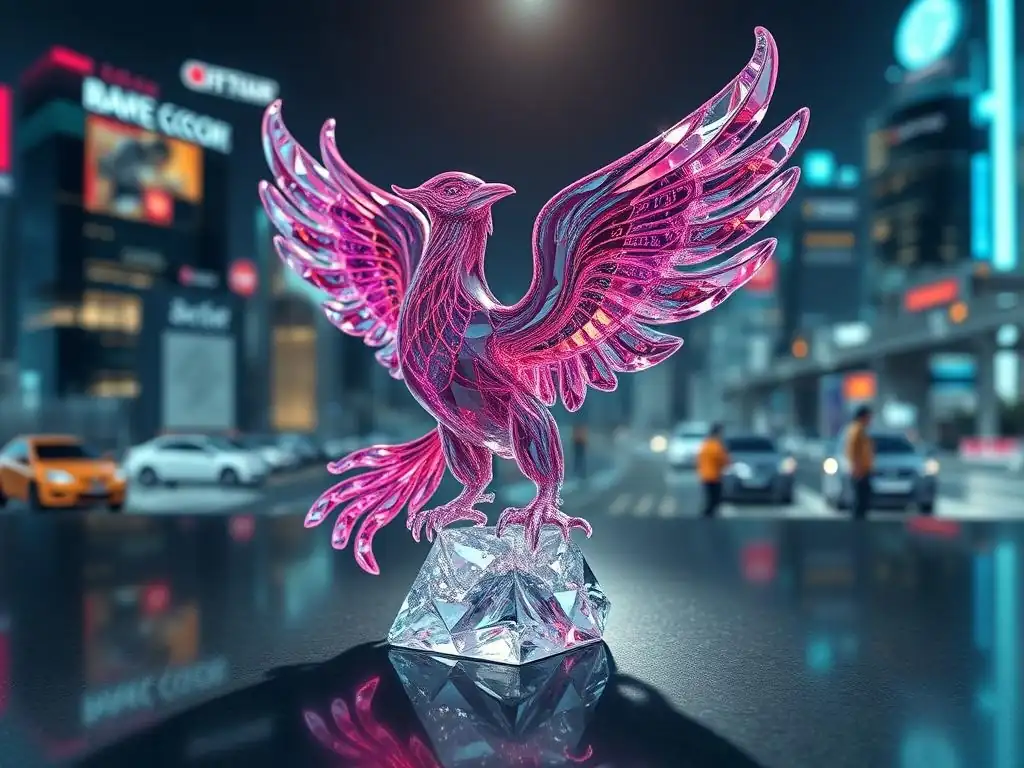
Welcome to Blockchain Trends, your premier source for unraveling the dynamic world of blockchain technology. Beyond the buzz of cryptocurrencies, we delve into its transformative impact across industries. Are you ready to witness the next chapter in digital ownership? Our featured article, "NFT Art 2.0," explores the intriguing innovations and advancements shaping the NFT art evolution trends, revealing how these digital collectibles are pushing the boundaries of art and technology. Discover the groundbreaking shifts and what they mean for creators, collectors, and the future of decentralized art. Dive in to explore the future of digital art!
NFT Art 2.0: Intriguing Innovations and Advancements in Digital Collectibles Technology
- Introduction to the NFT Art Evolution and its Future
- Key NFT Art Evolution Trends Shaping the Future of Digital Collectibles
- Innovations in NFT Art Technology
- The Impact of NFT Art Evolution on the Art World
- Addressing Challenges and Concerns in the NFT Art Space
- The Future of NFT Art: Predictions and Possibilities
- Conclusion: Embracing the NFT Art Evolution
-
Frequently Asked Questions
- What are the most significant NFT art evolution trends discussed in the article?
- How is blockchain technology enabling innovation within the NFT art space?
- Beyond collectibility, what utility are NFTs starting to offer in the art world?
- What are some of the regulatory challenges facing the burgeoning NFT art market?
- How might AI's role in NFT art creation impact artists and the future of digital collectibles?
- Final Reflection: Embracing the NFT Art Evolution
- Unleash Your Inner Collector: Dive Deeper into the NFT Art Revolution!
Introduction to the NFT Art Evolution and its Future
The Rise of NFT Art: A Brief Recap
The initial wave of NFT art, often dubbed NFT Art 1.0, burst onto the scene, capturing global attention with its promise of digital ownership and provenance. It was characterized by JPEGs selling for millions, profile picture (PFP) projects like CryptoPunks and Bored Ape Yacht Club reaching astronomical valuations, and a fervent community forming around this nascent digital art form.
This phase was crucial for establishing the fundamental concepts of NFTs: unique digital assets verifiable on a blockchain, enabling artists to directly monetize their digital creations and collectors to own provably scarce digital art. The early days were marked by experimentation, hype, and a steep learning curve for both creators and the public, yet they laid the groundwork for the sophisticated evolution we are witnessing today.
The initial appeal of NFT art stemmed from several factors: the novelty of digital scarcity, the democratization of art ownership beyond traditional gatekeepers, and the potential for creators to bypass intermediaries and directly connect with their audience. Platforms like OpenSea and SuperRare became bustling marketplaces, facilitating transactions and fostering a sense of community.
While the initial boom experienced fluctuations and market corrections, it undeniably introduced a new paradigm for digital art and collectibles, proving that digital creations could hold significant value and cultural relevance. This foundational period was essential for understanding the technology's potential and limitations, paving the way for the more nuanced and innovative phase now known as NFT Art 2.0.
What is NFT Art 2.0? Defining the Next Generation of Digital Collectibles
NFT Art 2.0 represents a significant leap beyond the initial iterations of digital collectibles. It's characterized by a shift from simple static images towards dynamic, interactive, and utility-rich NFTs. This evolution is driven by technological advancements, increased artist creativity, and a maturing understanding of the potential of blockchain technology. NFT Art 2.0 is not just about owning a digital image; it's about experiencing digital art in new and engaging ways, unlocking additional value beyond mere collectibility. This new era focuses on enhanced functionality, deeper engagement, and integration with broader digital ecosystems like the metaverse and decentralized applications.
Defining NFT Art 2.0 involves recognizing several key advancements. Firstly, it's about programmability: NFTs are no longer static; they can evolve and change based on various triggers, creating dynamic artworks that respond to external data or user interaction. Secondly, utility is paramount: NFTs are increasingly being imbued with real-world benefits, acting as access passes, memberships, or even in-game assets.
Thirdly, interoperability is becoming crucial, with efforts to bridge different blockchains and platforms, creating a more unified and accessible NFT ecosystem. Finally, community and experience are at the heart of NFT Art 2.0, with creators focusing on building engaging experiences around their art, fostering stronger connections with collectors and leveraging the decentralized nature of blockchain to empower their communities. This evolution is not just a technological upgrade; it's a fundamental shift in how we perceive, interact with, and value digital art.
Why NFT Art Evolution Trends Matter for Creators and Collectors
Understanding NFT art evolution trends is crucial for both creators and collectors looking to navigate the rapidly changing landscape of digital collectibles. For creators, staying abreast of these trends is vital for remaining competitive and innovative. Embracing new technologies and functionalities allows artists to push creative boundaries, explore novel forms of artistic expression, and unlock new revenue streams.
For instance, understanding dynamic NFTs opens doors to creating art that evolves over time, offering collectors a continuously engaging experience and potentially increasing the long-term value of their pieces. Ignoring these trends risks being left behind in a market that rewards innovation and adaptability.
For collectors, understanding NFT art evolution trends is equally important for making informed decisions and maximizing the value of their investments and experiences. Recognizing the shift towards utility-based NFTs, for example, allows collectors to identify projects that offer not just aesthetic appeal but also tangible benefits like exclusive access, in-game utility, or real-world experiences. Furthermore, understanding trends like fractionalization can enable collectors to access high-value art pieces that might otherwise be unaffordable, democratizing participation in the high-end NFT art market.
Staying informed about these trends empowers collectors to make strategic acquisitions, engage with projects that align with their interests, and participate actively in the evolving NFT art ecosystem. Ultimately, for both creators and collectors, understanding and embracing NFT art evolution trends is key to thriving in this dynamic and transformative space.
Key NFT Art Evolution Trends Shaping the Future of Digital Collectibles
Dynamic and Evolving NFTs: Beyond Static Images
The evolution of NFT art is rapidly moving beyond static images, ushering in an era of dynamic and evolving NFTs. These next-generation digital collectibles are no longer fixed pieces of art frozen in time; instead, they possess the capacity to change, adapt, and react to various conditions, creating a more engaging and interactive experience for collectors.
This dynamism is achieved through smart contracts that allow for the NFT's metadata and even the visual representation to be updated based on pre-defined triggers. These triggers can range from time-based changes to external data feeds, fundamentally altering how we perceive and interact with digital art ownership.
This shift towards dynamic NFTs opens up a vast realm of creative possibilities. Imagine an NFT artwork that changes its appearance based on the weather in a specific location, the price of a cryptocurrency, or even the collector's engagement with the piece. This constant evolution introduces an element of surprise and ongoing discovery for the collector, transforming digital art from a static acquisition into a living, breathing entity.
Projects like Autoglyphs, while conceptually simple, hinted at this potential early on with their on-chain generative art. Now, we are seeing more sophisticated implementations that leverage external APIs and oracles to bring real-world data into the NFT, making the art itself a responsive and ever-changing entity.
Programmable Art: NFTs that Change Over Time
Programmable art NFTs represent a significant advancement, allowing digital artworks to evolve and transform over time. This is achieved through code embedded within the NFT's smart contract, which dictates how the artwork will change based on specific time intervals or pre-programmed conditions. For example, an NFT artwork could be designed to depict a tree that changes its appearance with the seasons, reflecting the passage of time in a visually engaging way. This temporal dimension adds a layer of depth and intrigue that was simply not possible with static NFTs, making the artwork a dynamic and living entity.
One compelling example of programmable art is the "Living Tree" NFT concept. Imagine owning a digital tree that grows and changes its foliage over the course of a year, mirroring the real-world seasons. Each season could bring unique visual updates to the NFT, rewarding long-term holders with a constantly evolving piece of art.
This concept extends beyond simple visual changes; programmable NFTs can also incorporate elements of rarity and scarcity that evolve over time. For instance, certain visual elements might become rarer as time progresses, adding another layer of collectibility and value to the artwork. This temporal programmability opens up exciting avenues for artists to create narratives that unfold over time, deepening the connection between the collector and the digital artwork.
Interactive NFTs: Collector Engagement and Ownership
Interactive NFTs take collector engagement to a new level, moving beyond passive ownership to active participation in the artwork's evolution. These NFTs are designed to respond to collector actions, creating a dynamic feedback loop between the owner and the digital art piece. This interactivity can manifest in various forms, from simple button clicks that trigger visual changes to more complex interactions involving game mechanics or community participation. The key is to empower collectors to become active participants in the artistic experience, fostering a deeper sense of ownership and connection.
Consider an interactive NFT artwork that changes its color palette based on the collector's mood, detected through sentiment analysis of their connected social media account. Or imagine an NFT that evolves based on collective actions of its community of owners, with each interaction contributing to the artwork's overall development. Projects like Async Art have pioneered this space, allowing artists to create "programmable art" that can be influenced by collectors.
This shift towards interactivity not only enhances the collector experience but also opens up new avenues for artistic expression, blurring the lines between creator and audience and fostering a more collaborative and dynamic art ecosystem. Interactive NFTs are pushing the boundaries of digital art, transforming it from a static object into a participatory experience.
Generative NFT Art: Algorithmically Created Masterpieces
Generative NFT art represents a fascinating intersection of art and technology, where algorithms and code are used to create unique and often complex digital artworks. Artists utilize code as their brush and algorithms as their creative process, defining rules and parameters that the computer then follows to generate a multitude of unique outputs.
Each piece of generative art, while stemming from the same underlying code, is distinct and original, offering collectors the allure of owning a truly unique digital creation within a larger collection. This approach not only streamlines the creation process but also opens up entirely new aesthetic possibilities that might be difficult or impossible to achieve through traditional artistic methods.
The beauty of generative art lies in its inherent unpredictability and the emergent complexity that arises from simple rules. Artists can define parameters related to color palettes, shapes, textures, and spatial arrangements, and then let the algorithm explore the vast possibilities within these constraints. Collections like Art Blocks have become synonymous with high-quality generative NFT art, showcasing a diverse range of styles and approaches.
Generative art democratizes the creation process in some ways, allowing artists with coding skills to explore new artistic frontiers. It also challenges traditional notions of authorship, as the algorithm itself becomes a collaborator in the creative process, leading to thought-provoking questions about the nature of art and creativity in the digital age.
The Power of AI in Generative Art NFTs
Artificial intelligence (AI) is further amplifying the power of generative NFT art, enabling artists to create even more sophisticated and nuanced digital artworks. AI algorithms, particularly those based on machine learning, can be trained on vast datasets of images and artistic styles, allowing them to generate novel and aesthetically compelling artworks that mimic or expand upon existing artistic traditions. This opens up exciting possibilities for artists to explore new styles, create intricate details, and automate complex aspects of the generative process, pushing the boundaries of what's achievable in digital art.
AI-powered generative art can range from stylistic enhancements to completely AI-driven creations. For example, an artist might use AI to refine the color palettes or textures of their generative art, adding a layer of artistic polish that would be time-consuming to achieve manually. Alternatively, artists can leverage AI models like Generative Adversarial Networks (GANs) to create entirely new visual forms and styles, effectively collaborating with the AI as a creative partner.
Projects are emerging that explore AI-generated art NFTs, raising intriguing questions about the role of the artist, the nature of creativity, and the future of art in an age of increasingly sophisticated AI. The integration of AI into generative NFT art is a rapidly evolving field, promising even more innovative and groundbreaking digital art forms in the years to come.
Customization and Personalization in Generative NFT Art
Building upon the foundation of generative art, customization and personalization are emerging as key trends, allowing collectors to influence and personalize their generative NFT artworks. This goes beyond simple interactivity; it empowers collectors to actively shape the aesthetic output of the generative algorithm, creating a truly unique and personal piece of digital art. This level of personalization fosters a deeper connection between the collector and the artwork, blurring the lines between ownership and co-creation.
Customization can take various forms. Collectors might be given the ability to adjust parameters within the generative algorithm, influencing aspects like color palettes, shapes, or patterns. Imagine owning a generative art NFT where you can adjust sliders to alter the artwork's composition or complexity, effectively tailoring it to your personal taste.
Alternatively, personalization can be integrated through external data, allowing the generative art to adapt to the collector's preferences or even their environment. For instance, an NFT could adjust its color scheme to match the collector's home decor, creating a truly personalized digital art experience. This trend towards customization and personalization in generative NFT art signifies a move towards a more user-centric and engaging digital art ecosystem, where collectors are not just passive owners but active participants in the creation and evolution of their digital art.
Fractionalized NFTs: Increased Accessibility and Liquidity
Fractionalized NFTs are revolutionizing the NFT art market by breaking down high-value NFTs into smaller, tradable fractions. This innovative approach addresses two key challenges in the NFT space: accessibility and liquidity. By fractionalizing an NFT, its ownership is divided into multiple ERC-20 tokens, allowing a wider range of collectors to own a piece of even the most expensive and sought-after digital artworks. This democratization of ownership opens up the high-end NFT art market to a broader audience, making it more inclusive and accessible.
Fractionalization also significantly enhances liquidity in the NFT market. Instead of having to find a single buyer willing to purchase an entire high-value NFT, fractional owners can trade their fractions on decentralized exchanges (DEXs) like any other cryptocurrency token.
This increased liquidity makes it easier for owners to buy and sell their pieces, reducing the barrier to entry and fostering a more dynamic and efficient market for NFT art. Platforms like Fractional.art (now Tessera) have pioneered this approach, enabling the fractionalization of iconic NFTs like CryptoPunks and Bored Apes, making them accessible to a wider community of collectors and investors.
How Fractionalization Works in the NFT Art Market
The process of fractionalizing an NFT typically involves locking the original NFT into a smart contract vault. In return, the fractionalization platform mints ERC-20 tokens representing fractional ownership of the locked NFT. The number of fractions can vary, ranging from a few dozen to thousands or even millions, depending on the desired level of granularity. These ERC-20 tokens are then distributed to the original NFT owner or offered for sale to the public, allowing anyone to purchase a fraction of the underlying artwork.
Once fractionalized, the ERC-20 tokens representing ownership can be freely traded on decentralized exchanges. The price of these fractions fluctuates based on market demand and perceived value of the underlying NFT. Owners of fractions typically have governance rights within the fractionalization platform, allowing them to participate in decisions related to the NFT, such as whether to accept offers to sell the entire NFT or to manage its display and utilization.
If a decision is made to sell the entire NFT, the proceeds are distributed proportionally to the fractional token holders based on their ownership stake. This mechanism provides a transparent and decentralized way to manage and trade fractional ownership of high-value NFT assets.
Democratizing Ownership of High-Value NFT Art
Fractionalization is a powerful tool for democratizing ownership of high-value NFT art, effectively lowering the barrier to entry for aspiring collectors. Previously, owning a blue-chip NFT like a CryptoPunk or a rare Bored Ape required a significant upfront investment, often beyond the reach of the average collector. Fractionalization changes this dynamic by allowing individuals to own a piece of these iconic digital artworks for a fraction of the original price. This opens up the high-end NFT market to a broader audience, fostering a more inclusive and diverse community of collectors.
By making high-value NFT art more accessible, fractionalization not only benefits individual collectors but also contributes to the overall growth and maturity of the NFT art market. It allows for wider participation, increased market liquidity, and a more distributed ownership structure, reducing the concentration of ownership in the hands of a few wealthy individuals or institutions.
This democratization of ownership aligns with the core principles of decentralization and community empowerment that underpin the blockchain and NFT movement, fostering a more equitable and accessible digital art ecosystem. Fractionalization represents a significant step towards realizing the vision of NFTs as a truly democratic and inclusive art form.
Utility-Based NFTs: Combining Art with Real-World Benefits
The NFT art evolution is increasingly characterized by the integration of utility, transforming digital collectibles from purely aesthetic assets into functional tools with real-world benefits. Utility-based NFTs go beyond visual appeal and offer owners access to exclusive experiences, memberships, services, or in-game functionalities. This shift adds tangible value to NFT ownership, making them more than just digital art pieces; they become keys to unlocking access, privileges, and real-world utilities, enhancing their desirability and long-term value proposition.
This trend reflects a maturing understanding of NFTs beyond speculative assets. By embedding utility, creators are providing tangible reasons for collectors to hold their NFTs, fostering stronger communities and long-term engagement. Utility can range from simple perks like early access to future drops or exclusive merchandise to more substantial benefits like membership in exclusive clubs, access to events, or in-game assets. The integration of utility is diversifying the NFT art landscape, attracting a wider range of collectors who are not just interested in aesthetics but also in the functional benefits and community access that NFTs can provide.
NFTs as Tickets, Memberships, and Exclusive Access Passes
One of the most prominent forms of utility in NFT art is their use as tickets, memberships, and exclusive access passes. NFTs can act as verifiable proof of ownership, granting holders access to exclusive events, online communities, gated content, or physical spaces. This application leverages the inherent properties of NFTs – uniqueness and provable ownership – to create a secure and efficient system for access control, replacing traditional ticketing or membership systems with a more transparent and decentralized alternative.
Imagine owning an NFT artwork that also serves as a VIP pass to an exclusive art exhibition, a backstage pass to a concert, or a membership card to a private online community. Projects like Friends With Benefits (FWB) have pioneered this concept, using NFTs as membership tokens to access a decentralized autonomous organization (DAO) focused on culture and community.
Similarly, NFTs are being used as tickets for virtual and real-world events, offering a secure and collectible alternative to traditional paper or digital tickets. This utility not only enhances the value proposition of NFT art but also opens up new avenues for creators to engage with their communities and provide exclusive experiences to their loyal collectors.
Integrating NFT Art with the Metaverse and Gaming
The integration of NFT art with the metaverse and gaming represents another significant facet of utility-based NFTs. NFTs are becoming increasingly interoperable with virtual worlds and gaming environments, allowing digital artworks to be displayed, utilized, and even interacted with within these immersive digital spaces. This integration unlocks new dimensions of utility for NFT art, transforming them into functional assets within virtual economies and gaming ecosystems.
In the metaverse, NFT art can be used to decorate virtual homes, personalize avatars, or create immersive digital galleries. Platforms like Decentraland and The Sandbox are actively integrating NFT art, allowing users to showcase their collections and create interactive experiences around them. In gaming, NFTs can represent in-game assets like characters, weapons, or virtual land, providing players with true ownership of their digital possessions and enabling play-to-earn mechanics.
Games like Axie Infinity have demonstrated the potential of NFT-based gaming, where players can earn cryptocurrency by playing and trading NFT assets. This integration of NFT art with the metaverse and gaming not only enhances the utility of digital collectibles but also contributes to the development of richer and more engaging virtual experiences, blurring the lines between the physical and digital worlds.
Innovations in NFT Art Technology
Layered NFTs: Combining Multiple Artworks and Metadata
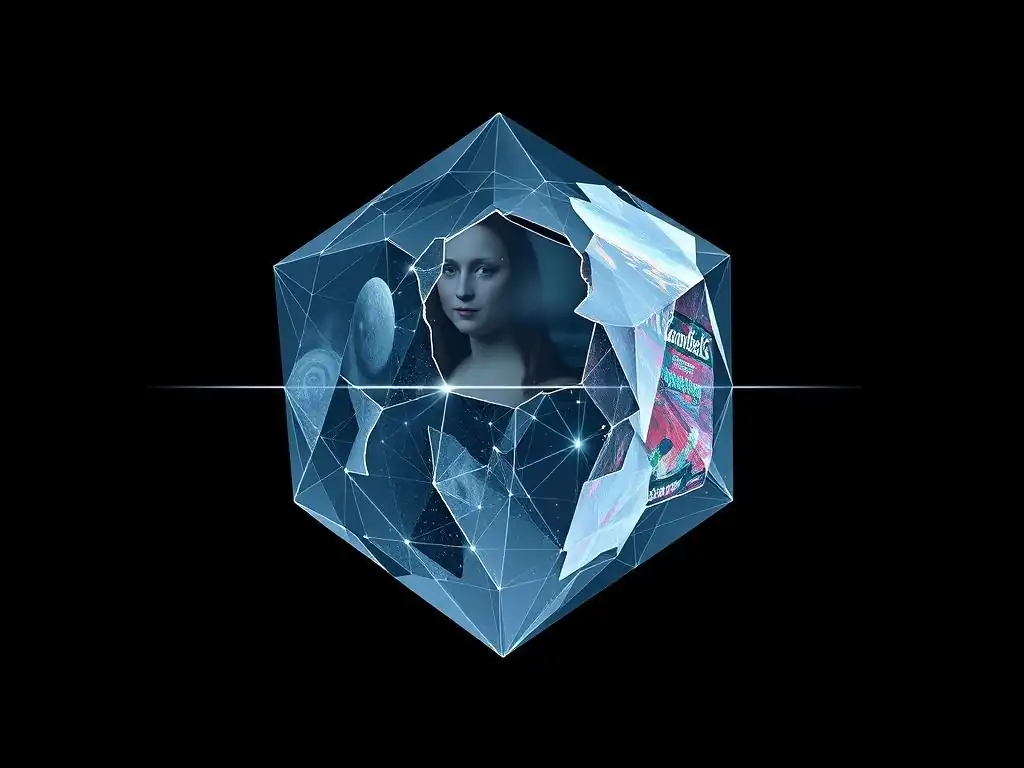
Layered NFTs represent a cutting-edge innovation in NFT art technology, allowing for the combination of multiple artworks and metadata within a single NFT. This approach moves beyond the limitations of single-layer NFTs, enabling artists to create more complex, dynamic, and feature-rich digital collectibles. Layered NFTs can incorporate different visual layers, audio elements, interactive components, and metadata attributes, all bundled together within a single, unified NFT. This technology opens up exciting possibilities for creating richer artistic experiences and enhancing the functionality and value proposition of digital collectibles.
One compelling application of layered NFTs is the creation of "evolving" artworks that can change their appearance or functionality based on different conditions or collector interactions. For example, a layered NFT could contain multiple visual layers that are revealed or combined based on time, weather conditions, or collector actions.
Another application is the creation of customizable NFTs, where collectors can choose to activate or deactivate different layers, personalizing the artwork to their preferences. Projects are exploring the use of layered NFTs to create complex digital art pieces that are not only visually stunning but also interactive and dynamic, pushing the boundaries of what's possible with digital collectibles.
Soulbound Tokens (SBTs) in Art: Provenance and Authenticity
Soulbound Tokens (SBTs) are a novel concept in the blockchain space, and their application to NFT art offers a powerful solution for enhancing provenance and authenticity in the digital art world. SBTs are non-transferable NFTs, meaning once issued to a specific wallet, they cannot be transferred or sold. This non-transferable nature makes SBTs ideal for representing verifiable credentials, achievements, or affiliations, and in the context of art, they can serve as immutable certificates of authenticity and provenance.
Imagine an artist issuing an SBT alongside their NFT artwork, permanently linking the artwork to their verified identity and confirming its authenticity. This SBT would act as a digital certificate of authenticity that cannot be forged or transferred separately from the artwork, providing collectors with unparalleled assurance of the artwork's origin and provenance.
SBTs can also be used to track the history of an artwork, recording each transaction and ownership change in an immutable and transparent manner. This enhanced provenance and authenticity offered by SBTs can significantly increase trust and transparency in the NFT art market, addressing concerns about counterfeiting and ensuring the long-term value and integrity of digital collectibles.
Cross-Chain NFT Interoperability: Bridging Different Blockchains
Cross-chain NFT interoperability is a crucial innovation for the future of NFT art, aiming to break down the silos between different blockchains and create a more unified and accessible NFT ecosystem. Currently, NFTs are typically locked within the blockchain they were minted on, limiting their portability and accessibility across different platforms and marketplaces. Cross-chain interoperability seeks to bridge these gaps, allowing NFTs to be seamlessly transferred and utilized across multiple blockchains, expanding their reach and utility.
Imagine owning an NFT artwork minted on Ethereum and being able to display it in a virtual world built on Solana, or trade it on a marketplace operating on Polygon. Cross-chain interoperability would make this seamless transfer and utilization possible, unlocking the full potential of NFTs and creating a more interconnected and dynamic NFT ecosystem.
Technologies like bridges and cross-chain messaging protocols are being developed to enable this interoperability, allowing NFTs to transcend the boundaries of individual blockchains. This increased interoperability will not only benefit collectors by providing greater flexibility and accessibility but also empower creators by expanding their reach and market potential, fostering a more vibrant and interconnected NFT art world.
The Impact of NFT Art Evolution on the Art World
Empowering Artists and Creators Through Decentralization
The evolution of NFT art is fundamentally empowering artists and creators through decentralization, disrupting traditional art market structures and placing more control in the hands of creators. NFTs enable artists to bypass traditional intermediaries like galleries and auction houses, allowing them to directly connect with their audience, sell their work, and retain a larger share of the revenue. This direct-to-consumer model empowers artists to build their own brands, cultivate communities around their work, and establish more sustainable and equitable business models.
Decentralization through NFTs also fosters greater creative freedom for artists. Without the constraints of traditional gatekeepers, artists are free to experiment with new forms of digital art, explore unconventional themes, and push creative boundaries. NFTs provide a platform for artists to monetize digital creations that were previously difficult to value or sell, opening up new avenues for artistic expression and economic sustainability. This empowerment extends beyond established artists to emerging creators, providing them with a level playing field and the opportunity to reach a global audience without relying on traditional art world hierarchies.
New Revenue Streams and Business Models for Artists
NFT art evolution is unlocking new revenue streams and business models for artists, transforming how they monetize their creativity and build sustainable careers. Beyond the initial sale of an NFT, artists can program in royalty clauses into their smart contracts, ensuring they receive a percentage of secondary sales whenever their artwork is resold on the secondary market. This royalty mechanism provides artists with a passive income stream and rewards them for the long-term value of their work, a significant departure from the traditional art market where artists typically only benefit from the initial sale.
Furthermore, NFTs enable artists to explore innovative business models like fractional ownership, allowing them to sell fractions of high-value artworks to a wider audience and generate revenue from multiple sources. Utility-based NFTs also offer new revenue streams, as artists can provide exclusive access, memberships, or services tied to their digital collectibles, creating ongoing value for collectors and recurring revenue for themselves. These evolving revenue streams and business models are empowering artists to build more sustainable and diversified income sources, reducing their reliance on traditional galleries and auction houses and fostering a more resilient and artist-centric art ecosystem.
Challenging Traditional Art Market Structures
The NFT art evolution is fundamentally challenging traditional art market structures, disrupting established power dynamics and forcing the art world to adapt to the digital age. NFTs undermine the gatekeeping role of traditional galleries and auction houses, democratizing access to the art market for both artists and collectors. The transparency and decentralization inherent in blockchain technology contrast sharply with the often opaque and centralized practices of the traditional art world, forcing a reevaluation of established norms and processes.
The rise of NFT art has prompted traditional art institutions to engage with digital collectibles, albeit cautiously. Some galleries and auction houses are beginning to incorporate NFTs into their offerings, recognizing the growing importance of digital art in the contemporary art landscape. However, the fundamental principles of decentralization and artist empowerment inherent in NFTs pose a direct challenge to the traditional art market's control over valuation, distribution, and curation.
This tension is driving a significant shift in the art world, forcing traditional institutions to adapt and innovate in order to remain relevant in an increasingly digital and decentralized art ecosystem. The NFT art evolution is not just about technology; it's about a fundamental reshaping of the art world itself.
Addressing Challenges and Concerns in the NFT Art Space
Sustainability and Environmental Impact of NFT Art
One of the significant challenges facing the NFT art space is the concern surrounding sustainability and environmental impact, particularly related to the energy consumption of certain blockchain networks. Early NFT platforms, primarily built on Ethereum, utilized a proof-of-work (PoW) consensus mechanism, which required substantial energy to validate transactions, leading to concerns about carbon footprint. While the environmental impact of NFTs is often overstated and sometimes misattributed, the perception of energy inefficiency has been a barrier to wider adoption and a valid concern for environmentally conscious artists and collectors.
However, the NFT landscape is rapidly evolving to address these sustainability concerns. Ethereum has transitioned to a more energy-efficient proof-of-stake (PoS) consensus mechanism, dramatically reducing its energy consumption. Furthermore, numerous NFT platforms are being built on or migrating to more environmentally friendly blockchains like Polygon, Solana, and Tezos, which utilize PoS or other energy-efficient consensus mechanisms from the outset.
The NFT community is also actively exploring and implementing solutions like carbon offsetting and renewable energy initiatives to further mitigate the environmental impact of digital collectibles. As technology advances and awareness grows, the NFT art space is increasingly moving towards more sustainable and environmentally responsible practices.
Copyright and Intellectual Property Issues in the Digital Art World
Copyright and intellectual property issues are critical considerations in the NFT art world, requiring careful attention from both creators and collectors to ensure legal compliance and protect artistic rights. The ease of digital reproduction and distribution raises complex questions about ownership, authorship, and the unauthorized minting and sale of copyrighted material as NFTs. While NFTs themselves do not inherently grant copyright, they represent ownership of a unique digital asset, and understanding the nuances of copyright law in the digital realm is crucial for navigating the NFT art space responsibly.
Artists need to be diligent in protecting their intellectual property by ensuring they own the copyright to the artwork they mint as NFTs. Collectors, in turn, need to be aware that purchasing an NFT typically grants them ownership of the digital asset itself but not necessarily the underlying copyright to the artwork. Platforms and marketplaces are implementing measures to combat copyright infringement, including verification processes and takedown procedures for unauthorized NFTs.
Educating artists and collectors about copyright best practices and fostering a culture of respect for intellectual property are essential for building a sustainable and legally sound NFT art ecosystem. Clear legal frameworks and ongoing dialogue are necessary to address the evolving challenges of copyright in the digital art world.
Security and Fraud Prevention in the NFT Art Market
Security and fraud prevention are paramount concerns in the rapidly evolving NFT art market, requiring robust measures to protect artists, collectors, and the integrity of the ecosystem. The decentralized and often pseudonymous nature of blockchain technology, while offering many benefits, also presents challenges in terms of security and accountability. Scams, rug pulls, and counterfeit NFTs are risks that participants in the NFT art space need to be aware of and proactively mitigate.
Marketplaces and platforms are implementing various security measures, including smart contract audits, verification processes for artists and collections, and enhanced security protocols to protect user accounts and transactions. Collectors can also take steps to protect themselves by conducting due diligence on projects and artists, using secure wallets and hardware devices, and being cautious of phishing scams and fraudulent offers.
Community vigilance and education are crucial in combating fraud in the NFT art space. Ongoing technological advancements in smart contract security, identity verification, and fraud detection are essential for building a safer and more trustworthy environment for NFT art transactions and fostering long-term confidence in the digital collectibles market.
The Future of NFT Art: Predictions and Possibilities
Increased Adoption by Mainstream Artists and Collectors
The future of NFT art points towards increased adoption by mainstream artists and collectors, signaling a broader integration of digital collectibles into the traditional art world and popular culture. As awareness and understanding of NFTs grow, and as the technology becomes more user-friendly and accessible, we are likely to see more established artists and traditional art institutions embracing NFTs as a legitimate and valuable art form. This mainstream adoption will bring increased legitimacy, investment, and innovation to the NFT art space, further driving its evolution and expansion.
Traditional galleries and auction houses are already beginning to explore NFTs, recognizing their potential to reach new audiences and engage with a younger generation of collectors. As the technology matures and security concerns are addressed, we can expect to see a more seamless integration of NFTs into the traditional art market, blurring the lines between physical and digital art. Increased mainstream adoption will also bring greater media attention and public awareness to NFT art, further fueling its growth and solidifying its place in the contemporary art landscape.
Integration with Virtual and Augmented Reality Experiences
The integration of NFT art with virtual reality (VR) and augmented reality (AR) experiences represents a significant and exciting direction for the future of digital collectibles. VR and AR technologies offer immersive and interactive ways to experience and engage with NFT art, moving beyond the limitations of two-dimensional displays and creating new dimensions of artistic expression and collector engagement. Imagine stepping into a virtual gallery to explore NFT artworks in a fully immersive 3D environment, or using AR to project NFT art onto physical walls in your home.
This integration will unlock new creative possibilities for artists, allowing them to create art that transcends the boundaries of physical space and traditional mediums. Collectors will be able to experience their NFT art collections in more engaging and personalized ways, enhancing the sense of ownership and connection to their digital assets. As VR and AR technologies become more accessible and sophisticated, we can expect to see a proliferation of immersive NFT art experiences, blurring the lines between the physical and digital worlds and creating new frontiers for artistic innovation and collector engagement.
The Role of DAOs in Shaping the NFT Art Ecosystem
Decentralized Autonomous Organizations (DAOs) are poised to play an increasingly significant role in shaping the future of the NFT art ecosystem, fostering community governance, collective ownership, and decentralized curation. DAOs are online communities governed by code and smart contracts, allowing members to collectively make decisions, manage resources, and shape the direction of projects or initiatives. In the context of NFT art, DAOs can empower artists and collectors to collaboratively curate collections, fund artistic projects, and govern decentralized marketplaces and platforms.
Art DAOs are emerging as powerful forces in the NFT space, enabling collectors to pool resources, collectively acquire high-value NFTs, and democratize access to art ownership and curation. Artist DAOs are providing creators with new avenues for funding, collaboration, and community building, fostering a more decentralized and artist-centric art ecosystem. As the NFT art space matures, DAOs are likely to become increasingly influential in shaping its governance, funding models, and overall direction, embodying the principles of decentralization and community empowerment that underpin the blockchain movement.
Conclusion: Embracing the NFT Art Evolution
The Transformative Potential of NFT Art 2.0
The transformative potential of NFT Art 2.0 is immense, representing a significant leap forward in the evolution of digital collectibles and their impact on the art world. Moving beyond static images, NFT Art 2.0 is characterized by dynamic, interactive, and utility-rich NFTs that offer enhanced functionality, deeper engagement, and integration with broader digital ecosystems. This evolution is empowering artists, democratizing access to art ownership, and challenging traditional art market structures, fostering a more inclusive, innovative, and artist-centric art ecosystem.
NFT Art 2.0 is not just a technological upgrade; it's a fundamental shift in how we perceive, interact with, and value digital art. It's about creating living, breathing digital artworks that evolve over time, respond to user interaction, and offer tangible utility beyond mere collectibility.
This transformation is unlocking new creative possibilities for artists, enhancing the collector experience, and paving the way for a future where digital art plays an increasingly prominent and integral role in our cultural and economic landscape. Embracing the NFT art evolution is essential for artists, collectors, and anyone interested in the future of art and technology.
Staying Ahead of the Curve in the Evolving Digital Art Landscape
Staying ahead of the curve in the evolving digital art landscape requires continuous learning, adaptation, and a willingness to embrace innovation. The NFT art space is dynamic and fast-paced, with new technologies, trends, and artistic approaches constantly emerging. For artists, this means exploring new creative tools, experimenting with dynamic and interactive NFTs, and engaging with the evolving community. For collectors, it means staying informed about emerging trends, understanding the nuances of utility-based NFTs and fractional ownership, and actively participating in the communities around the projects they support.
The NFT art evolution is an ongoing journey, and those who embrace lifelong learning and adaptability will be best positioned to thrive in this exciting and transformative space. Keeping abreast of technological advancements, engaging with the community, and remaining open to new artistic expressions are key to navigating the evolving digital art landscape and unlocking the full potential of NFT Art 2.0. The future of digital collectibles is bright, and by staying informed and proactive, we can all play a part in shaping its trajectory and realizing its transformative potential.
Frequently Asked Questions
What are the most significant NFT art evolution trends discussed in the article?
The article highlights trends like dynamic NFTs, AI-generated art, and NFTs with utility beyond ownership. These are reshaping the digital collectibles landscape.
How is blockchain technology enabling innovation within the NFT art space?
Blockchain provides verifiable ownership, provenance, and security, fostering trust and enabling new forms of digital art creation and distribution.
Beyond collectibility, what utility are NFTs starting to offer in the art world?
NFTs are increasingly offering access to exclusive events, membership perks, and even fractional ownership of physical artworks, enhancing their value.
What are some of the regulatory challenges facing the burgeoning NFT art market?
Challenges include defining legal ownership, addressing copyright infringement, and combating fraudulent activities within the NFT ecosystem.
How might AI's role in NFT art creation impact artists and the future of digital collectibles?
AI tools could democratize art creation, but also raise questions about authenticity and the role of human artists in a world of AI-generated NFTs.
Final Reflection: Embracing the NFT Art Evolution
The journey through the landscape of NFT art evolution trends reveals a fascinating intersection of technology and creativity, and its current relevance lies in its potential to redefine ownership and artistic expression. The innovations discussed, from dynamic NFTs to fractional ownership, are not mere technological advancements; they represent a paradigm shift in how art is created, consumed, and valued in the digital age.
The ongoing influence of NFT art extends far beyond the digital realm, impacting the cultural and social landscape by empowering artists and fostering new forms of community engagement. Witnessing this evolution firsthand has reinforced the belief that technology, when harnessed creatively, can unlock unprecedented opportunities for artistic innovation and democratized access. The best way to predict the future is to create it.
- Peter Drucker. This quote perfectly encapsulates the spirit of the NFT art community, constantly pushing boundaries and shaping the future of digital collectibles.
As we stand at the cusp of this new era, I invite you to reflect on the transformative power of NFT art and its potential to reshape our understanding of art, ownership, and community. Consider how you can embrace these innovations, whether as an artist, collector, or simply an engaged observer, and contribute to the ongoing evolution of this exciting and dynamic space. The future of NFT art is being written now, and your participation can help shape its narrative.
Unleash Your Inner Collector: Dive Deeper into the NFT Art Revolution!
Thank you for exploring the exciting advancements in NFT art with Blockchain Trends. We hope you've gained a valuable understanding of how digital collectibles are evolving. Now, it's time to take that knowledge and turn it into action.
Here are a few ways you can continue your NFT art journey:
- Start building your digital art collection! Explore platforms like OpenSea or Rarible and find an NFT that resonates with you. This is the best way to understand the NFT landscape firsthand.
- Join the conversation! Share this article with a friend who's curious about NFTs, and discuss your favorite innovative features of modern NFT art.
- Unexpected Action: Download and personalize a royalty-free NFT avatar and use it across your social media profiles to showcase your enthusiasm for digital art!
What innovative NFT application do you find most promising, and how do you envision it shaping the future of art collecting? Share your thoughts in the comments below!
Leave a Reply