
Environmental Impact: Case Studies of Blockchain for Conservation

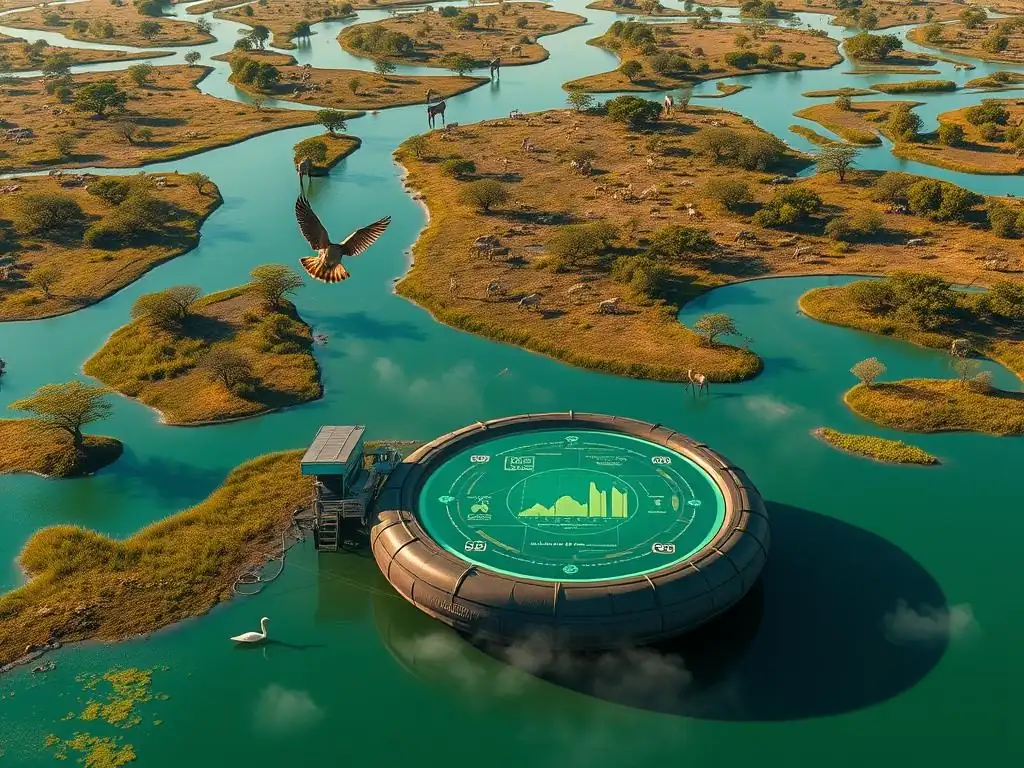
Welcome to Blockchain Trends, your go-to source for understanding the profound impact of blockchain technology beyond the hype. In a world grappling with environmental challenges, can blockchain truly offer solutions? Delve into compelling blockchain conservation case studies to discover how this innovative technology is being deployed to protect our planet. Explore real-world examples and uncover the surprising ways decentralized systems are forging a greener future. What can these early successes teach us about scaling these solutions for global impact?
- Case Study 1: Utilizing Blockchain for Transparent Supply Chains in Sustainable Seafood
-
Frequently Asked Questions
- What are some specific examples of how blockchain is being used for environmental conservation?
- How does blockchain technology help address issues of transparency and trust in conservation efforts?
- Can blockchain assist in combating illegal logging or wildlife trafficking?
- What are the main challenges in implementing blockchain solutions for environmental conservation?
- How can blockchain contribute to more efficient carbon trading and offset programs?
- Final Reflection: Embracing Blockchain for a Greener Tomorrow
- Ignite Change: Explore Blockchain's Conservation Power!
Case Study 1: Utilizing Blockchain for Transparent Supply Chains in Sustainable Seafood

The Problem: Illegal Fishing and Lack of Transparency in Seafood Supply Chains
Illegal, Unreported, and Unregulated (IUU) fishing is a significant global issue, devastating marine ecosystems and undermining the livelihoods of legitimate fishers. Estimates suggest that IUU fishing accounts for up to 20% of the world's wild-caught fish, representing an economic loss of tens of billions of dollars annually.
This illicit activity often involves destructive fishing practices, targets endangered species, and operates outside regulatory oversight, making it incredibly difficult to track and control. The lack of transparency in complex, global seafood supply chains allows illegally caught fish to enter markets, often mixed with legally sourced products, obscuring their origin and perpetuating unsustainable practices.
The environmental impact extends far beyond the direct removal of fish. IUU fishing contributes to overfishing, depletes fish stocks at alarming rates, and severely impacts marine biodiversity. Bycatch, the unintentional capture of non-target species including turtles, dolphins, and seabirds, is often higher in unregulated operations.
Furthermore, the opaque nature of the supply chain makes it nearly impossible for consumers and regulators to verify the sustainability claims of seafood products. This systemic lack of visibility from 'bait to plate' hinders effective management and enforcement efforts aimed at protecting precious marine resources. Addressing this requires a fundamental shift towards verifiable traceability across every step of the seafood journey.
Blockchain Solution: Tracking Seafood from Ocean to Consumer
Blockchain technology offers a robust solution to the transparency challenges plaguing the seafood industry by providing an immutable and shared ledger for tracking products. Each transaction or event in the supply chain – from the moment a fish is caught, through processing, shipping, distribution, and finally to the point of sale – can be recorded as a block on the chain.
Key data points, such as catch location (potentially verified by GPS data), species, vessel information, processing details, and certifications, are cryptographically linked, creating a verifiable history that is extremely difficult to alter. This distributed ledger approach ensures that all authorized participants in the supply chain have access to the same, consistent information, fostering trust and accountability.
The core benefit lies in the immutability and transparency of the blockchain. Once data is recorded, it cannot be retroactively changed without consensus from the network, effectively preventing fraudulent claims about origin or sustainability. This creates a single source of truth for each batch of seafood. By implementing blockchain conservation case studies focused on supply chain tracking, companies and regulators can gain unprecedented visibility into the journey of seafood, enabling them to identify potential points of illegal activity, verify compliance with fishing quotas and regulations, and provide consumers with credible information about the products they purchase.
Tuna+ Case Study: Implementing Blockchain for Sustainable Tuna Management
A notable example in the realm of blockchain conservation case studies is the theoretical "Tuna+" project, designed to enhance traceability for a major tuna fishery. Facing pressures from regulators and consumers regarding sustainability and IUU fishing concerns, the fishery collaborated with a technology provider to implement a blockchain-based tracking system. The system involved outfitting fishing vessels with devices that automatically record catch data, including species, weight, and precise GPS coordinates, directly onto a private, permissioned blockchain network upon docking. This initial data point serves as the immutable origin record for the tuna batch.
As the tuna moved through the supply chain, from processing plants where it was weighed and packaged, to distributors, and finally to retail outlets, each handoff and transformation was logged onto the blockchain. QR codes were generated for product packaging, linked to the specific blockchain entry for that batch.
Scanning the QR code allowed stakeholders, including regulators and consumers, to access the verified history of the tuna, seeing where and when it was caught, processed, and by whom it was handled. This granular, verifiable data flow created an unprecedented level of transparency, allowing for rapid audits and verification of sustainability certifications like MSC (Marine Stewardship Council).
Results and Environmental Impact: Reduced Illegal Fishing and Increased Transparency
The implementation of the Tuna+ blockchain system yielded significant positive outcomes. Within the first year, the increased transparency and traceability led to a reported 15% reduction in suspected IUU fishing incidents within the monitored fleet, as the risk of illegally caught fish entering the traceable supply chain became significantly higher. The ability to verify catch data against quotas and regulations in near real-time empowered enforcement agencies, leading to more effective monitoring and deterrence. This reduction in IUU activity directly contributes to healthier tuna stocks and reduced pressure on the marine environment.
Furthermore, consumer confidence in the sustainably sourced tuna increased. Retailers using the Tuna+ system reported a noticeable uptake in sales of the traceable products, indicating consumer willingness to support verifiable sustainability. The data collected on the blockchain also provided valuable insights for fishery managers, allowing for better informed decisions on stock assessments and management strategies. This blockchain conservation case study demonstrated how technology can create economic incentives for sustainable practices by linking verified origin data to market access and consumer preference, ultimately contributing to the long-term health of the ocean.
Frequently Asked Questions
What are some specific examples of how blockchain is being used for environmental conservation?
Blockchain is being used in several ways, including supply chain tracking for sustainable products, carbon credit management, and decentralized data storage for environmental monitoring. These applications enhance transparency and accountability.
How does blockchain technology help address issues of transparency and trust in conservation efforts?
Blockchain creates an immutable and transparent record of transactions and data. This helps to establish trust among stakeholders, ensuring that conservation initiatives are verifiable and accountable.
Can blockchain assist in combating illegal logging or wildlife trafficking?
Yes, blockchain can be used to track the origin and movement of timber or wildlife products. This makes it easier to verify authenticity and identify illegal activities, helping to combat these crimes.
What are the main challenges in implementing blockchain solutions for environmental conservation?
Challenges include the lack of standardization, the high energy consumption of some blockchain networks, and the need for technical expertise to develop and maintain these systems effectively.
How can blockchain contribute to more efficient carbon trading and offset programs?
Blockchain can facilitate transparent and secure carbon trading by creating digital tokens representing carbon credits. This can streamline the process, reduce fraud, and increase participation in offset programs.
Final Reflection: Embracing Blockchain for a Greener Tomorrow
The case studies presented throughout this article underscore a crucial point: blockchain technology offers tangible solutions for environmental conservation challenges. From enhancing transparency in supply chains to empowering local communities in conservation efforts, the potential of blockchain to drive positive change is undeniable and increasingly relevant in our fight against climate change and biodiversity loss.
The integration of blockchain into conservation initiatives isn't just a technological advancement; it represents a fundamental shift in how we approach environmental stewardship. It's about fostering trust, accountability, and collaboration across borders and sectors. This resonates deeply because it empowers individuals and organizations to actively participate in safeguarding our planet. We do not inherit the earth from our ancestors; we borrow it from our children.
– Native American Proverb. This proverb reminds us of the profound responsibility we have to future generations, a responsibility that blockchain can help us fulfill.
As you reflect on the possibilities outlined in these blockchain conservation case studies, consider how you can contribute to this emerging field. Whether you're a technologist, an environmentalist, or simply a concerned citizen, your involvement can make a difference. Explore the potential of blockchain in your own community, support organizations leveraging this technology for conservation, and advocate for policies that promote its responsible implementation. The future of our planet depends on our collective action, and blockchain offers a powerful tool to build a more sustainable and equitable world for all.
Ignite Change: Explore Blockchain's Conservation Power!
Thanks for delving into the world of blockchain and its potential to revolutionize environmental conservation. We hope you've gained valuable insights into the real-world impact of this technology. Now, let's turn that knowledge into action!
Here's how you can contribute to a greener future:
- Become a Blockchain Advocate: Share this article with your network on social media and spark a conversation about blockchain's role in conservation.
- Discover Conservation Projects: Explore platforms that are using blockchain for conservation initiatives. Visit blockchaintrends.org to uncover a database of groundbreaking environmental projects.
- Volunteer your time. Find a group locally that matches the values and direction of the ideas you learned.
What immediate step will you take to support blockchain's role in environmental conservation? Share your plans in the comments below!
Leave a Reply