
Beyond Video Calls: Exploring Blockchain's Untapped Potential in Telemedicine


Welcome to Blockchain Trends, your guide to understanding the revolutionary impact of blockchain technology!
Imagine a future where your medical records are securely and transparently managed, empowering you with complete control over your healthcare data. Our latest article delves into just that, exploring the exciting possibilities of blockchain telemedicine patient data. Discover how this innovative approach is poised to transform healthcare, enhancing security, privacy, and efficiency. Curious to learn more? Dive in and unlock the future of decentralized healthcare today!
- Beyond Video Calls: Exploring Blockchain's Untapped Potential in Telemedicine
- Blockchain's Core Benefits for Telemedicine Applications
-
Use Cases: Blockchain Transforming Telemedicine
- Secure Storage and Management of Electronic Health Records (EHRs) on Blockchain
- Blockchain-Based Prescription Management and Verification
- Remote Patient Monitoring (RPM) with Blockchain-Secured Data Transmission
- Streamlining Telemedicine Payments and Reimbursements with Blockchain
- Decentralized Clinical Trials and Research Using Blockchain
- Addressing the Challenges of Implementing Blockchain in Telemedicine
- Blockchain Telemedicine Patient Data: Security and Privacy
- The Future of Blockchain in Telemedicine: A Decentralized Healthcare Ecosystem
- Real-World Examples: Companies and Projects Utilizing Blockchain in Telemedicine
- Conclusion: The Transformative Potential of Blockchain for Telemedicine
-
Frequently Asked Questions
- What security advantages does blockchain offer for telemedicine patient data compared to traditional databases?
- How can blockchain improve patient data ownership and control in telemedicine settings?
- What role can blockchain play in ensuring the interoperability of patient data across different telemedicine platforms?
- How does blockchain potentially address regulatory compliance challenges in telemedicine, particularly concerning data privacy?
- What are some of the main obstacles hindering the widespread adoption of blockchain in telemedicine patient data management?
- Final Reflection: Securing Healthcare's Future
- Unveil the Future of Telemedicine: Take Your Next Step!
Beyond Video Calls: Exploring Blockchain's Untapped Potential in Telemedicine
Telemedicine's Rapid Growth and Current Limitations
Telemedicine has experienced explosive growth, particularly catalyzed by global health events. From simple phone consultations, it has evolved into sophisticated platforms enabling remote diagnostics, virtual consultations, and even remote surgery planning. Market forecasts project the global telemedicine market size to reach hundreds of billions of dollars in the coming years, reflecting its increasing adoption by both patients and healthcare providers. This expansion offers unprecedented access to care, especially in underserved areas, and improves convenience for many patients.
Despite this rapid evolution, current telemedicine systems face significant limitations. Centralized databases, while convenient, are vulnerable to data breaches, as seen in numerous high-profile cyberattacks on healthcare providers, compromising millions of patient records annually. Interoperability between disparate systems remains a major hurdle, hindering seamless data exchange between different providers or platforms. Furthermore, ensuring the integrity and immutability of sensitive information like blockchain telemedicine patient data presents ongoing challenges within traditional IT infrastructures.
Why Blockchain is Essential for the Future of Telemedicine
Blockchain technology offers a paradigm shift for addressing the inherent challenges in traditional telemedicine infrastructure. By providing a decentralized, immutable, and transparent ledger, it can fundamentally enhance security, privacy, and efficiency. Instead of relying on single points of failure characteristic of centralized systems, blockchain distributes data across a network, making it significantly harder for malicious actors to compromise patient information. This distributed nature is crucial for building trust in remote healthcare delivery.
The distributed ledger technology inherent in blockchain is particularly well-suited for managing sensitive health information. It allows for cryptographic hashing and timestamping of data, ensuring its integrity and providing a clear audit trail of access. This capability is vital for maintaining patient trust and complying with stringent healthcare regulations. Furthermore, blockchain's potential to facilitate secure, permissioned data sharing can unlock new possibilities for research, public health initiatives, and coordinated care across fragmented healthcare systems, moving beyond simple video calls to a truly integrated digital health experience.
Blockchain's Core Benefits for Telemedicine Applications
Enhanced Security for Patient Data with Blockchain
One of the most compelling benefits of blockchain in telemedicine is its ability to provide enhanced security for patient data. Traditional systems often store sensitive Electronic Health Records (EHRs) in centralized databases, making them prime targets for cyberattacks. Blockchain, through its cryptographic principles and decentralized architecture, mitigates this risk. Data entries on a blockchain are hashed and linked to previous entries, forming an immutable chain. Any attempt to alter data would break the chain, making tampering immediately detectable.
This inherent immutability and cryptographic security make blockchain an ideal foundation for protecting blockchain telemedicine patient data. While the raw patient data itself might not always be stored directly on the public ledger due to privacy and scalability concerns, cryptographic hashes or encrypted pointers to the data can be recorded. This ensures that even if the storage layer is compromised, the integrity of the records and the audit trail of access remain verifiable on the secure, distributed ledger. This approach significantly reduces the attack surface compared to traditional, centralized systems.
Improved Interoperability and Data Sharing in Telemedicine Platforms
Interoperability is a persistent challenge in healthcare, with different providers using incompatible systems that hinder seamless data exchange. Blockchain can act as a secure, common layer that facilitates the exchange of health information between disparate telemedicine platforms, hospitals, labs, and pharmacies. By creating a standardized protocol for recording and accessing data pointers or summaries, blockchain can break down data silos and enable a more connected healthcare ecosystem.
Consider a patient consulting multiple specialists via different telemedicine services. Without interoperability, each specialist might only have access to the data generated within their specific platform. A blockchain-based system could allow the patient, or authorized parties, to grant permission for relevant data segments (like lab results or consultation summaries) to be shared securely across these different providers, improving diagnosis accuracy and care coordination. This secure, permissioned sharing is crucial for leveraging the full potential of blockchain telemedicine patient data across the continuum of care.
Increased Transparency and Auditability in Telemedicine Transactions
Blockchain's distributed ledger provides an unprecedented level of transparency and auditability for transactions and data access within telemedicine platforms. Every interaction recorded on the blockchain – whether it's a patient granting access to their data, a doctor accessing a record, or a payment transaction – is timestamped and permanently recorded. This creates a comprehensive and immutable audit trail that can be easily verified by authorized parties.
This enhanced transparency is invaluable for compliance, dispute resolution, and building trust among stakeholders. Patients can see exactly who has accessed their blockchain telemedicine patient data and when. Healthcare providers have a clear record of consultations and prescriptions. Payers can verify billing information against recorded service events. This level of auditable activity significantly reduces the potential for fraud and errors, fostering a more accountable and transparent telemedicine environment.
Use Cases: Blockchain Transforming Telemedicine
Secure Storage and Management of Electronic Health Records (EHRs) on Blockchain
While storing full EHRs directly on a public blockchain is often impractical due to size and privacy concerns, blockchain is revolutionizing EHR management by providing a secure index and access control layer. Instead of housing patient records in a single, vulnerable server, a blockchain system can store cryptographic hashes or encrypted metadata of EHRs, which are held in secure, off-chain storage. The blockchain then manages the permissions for accessing these records.
This model empowers patients by giving them control over who can access their health information. They can grant and revoke access rights to specific providers or researchers via the blockchain ledger, creating a patient-centric data management system. Companies like Medicalchain are exploring this approach, using blockchain to link patient IDs to their records and manage consent, ensuring that blockchain telemedicine patient data remains private and under patient control while facilitating authorized access when needed.
Blockchain-Based Prescription Management and Verification
Managing prescriptions remotely in telemedicine introduces risks of fraud, errors, and difficulty in tracking medication history across providers. Blockchain can significantly enhance the security and transparency of the prescription lifecycle. A physician can issue a digital prescription recorded on the blockchain, which can then be accessed by authorized pharmacies. This provides an immutable record of the prescription, reducing the risk of tampering or duplicate prescriptions.
Furthermore, blockchain can facilitate the tracking of prescription fulfillment and verification. Pharmacies can update the blockchain upon dispensing medication, creating a verifiable history. This not only improves patient safety by ensuring they receive the correct medication but also aids in preventing prescription drug abuse. The secure, shared ledger ensures that all parties involved – doctors, patients, pharmacists, and potentially insurers – have access to a single, verifiable source of truth regarding the prescription and its fulfillment, enhancing the security of blockchain telemedicine patient data related to medications.
Remote Patient Monitoring (RPM) with Blockchain-Secured Data Transmission
Remote Patient Monitoring (RPM) devices collect vast amounts of sensitive health data, from vital signs to activity levels. Transmitting this data securely from the patient's device to healthcare providers is paramount. Blockchain can provide a robust layer of security for this data transmission and storage. Data from RPM devices can be encrypted and then hashed before being anchored on the blockchain, ensuring the integrity and authenticity of the transmitted information.
Using blockchain for RPM data ensures that the collected health metrics are accurate and haven't been tampered with during transmission or storage. This is critical for reliable diagnosis and treatment based on remote data. Furthermore, smart contracts could potentially automate alerts or actions based on specific data thresholds recorded on the blockchain, streamlining the RPM process and improving patient outcomes while maintaining the security and privacy of their blockchain telemedicine patient data.
Streamlining Telemedicine Payments and Reimbursements with Blockchain
Billing and reimbursement in telemedicine can be complex, involving multiple parties like patients, providers, and insurance companies. Blockchain, particularly with the use of cryptocurrencies or stablecoins, can streamline these financial transactions. Smart contracts can automate the payment and reimbursement process based on verifiable events recorded on the blockchain, such as the completion of a telemedicine consultation documented on the ledger.
This automation reduces administrative overhead, speeds up payment cycles, and minimizes the potential for billing disputes. The transparent and immutable nature of blockchain transactions provides a clear audit trail for all financial flows, benefiting both providers and payers. While widespread adoption of cryptocurrency for healthcare payments is still nascent, the potential for using blockchain's underlying technology to create efficient, secure, and transparent payment rails for telemedicine is significant, impacting the financial aspects linked to blockchain telemedicine patient data interactions.
Decentralized Clinical Trials and Research Using Blockchain
Clinical trials are essential for developing new treatments, but they are often plagued by issues of data integrity, transparency, and patient recruitment. Blockchain can revolutionize clinical trials by creating a decentralized, secure, and transparent platform for managing trial data and processes. Patient consent can be managed on the blockchain, providing an immutable record. Data collected during the trial can be timestamped and hashed on the ledger, ensuring its integrity and preventing falsification.
Furthermore, blockchain can facilitate secure, permissioned sharing of anonymized or pseudonymized trial data among researchers globally, accelerating discovery while protecting patient privacy. Smart contracts can automate milestone payments to trial participants or research sites upon verifiable completion of study phases recorded on the blockchain. This decentralized approach enhances trust, improves data quality, and potentially speeds up the development of new therapies, leveraging secure blockchain telemedicine patient data for scientific advancement.
Addressing the Challenges of Implementing Blockchain in Telemedicine
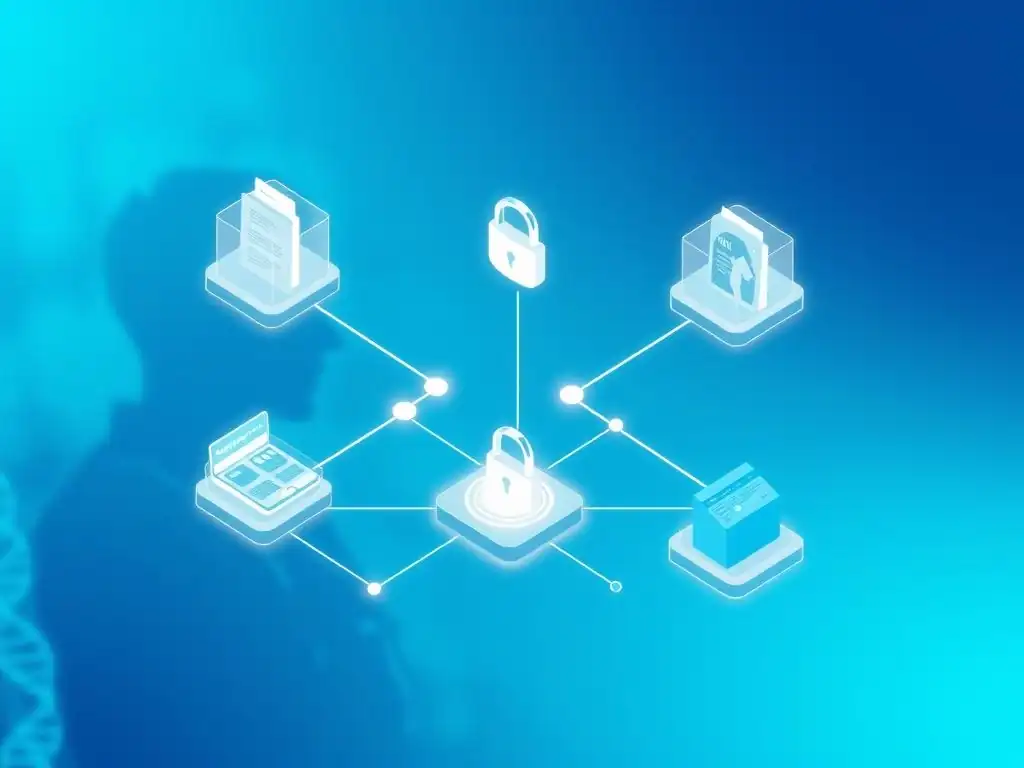
Scalability Concerns and Solutions for Blockchain Telemedicine Platforms
One of the primary technical challenges for implementing blockchain in telemedicine is scalability. Public blockchains, like Bitcoin or Ethereum (before certain upgrades), can process a limited number of transactions per second, which might not be sufficient for the high volume of data generated in a large-scale telemedicine system involving millions of patients and devices. Storing large amounts of blockchain telemedicine patient data directly on the chain also poses storage and cost issues.
Solutions to address scalability include utilizing private or permissioned blockchains specifically designed for enterprise use cases, which can handle significantly higher transaction throughput. Layer 2 scaling solutions, such as state channels or sidechains, can process transactions off the main chain while periodically settling on it. Furthermore, employing hybrid models where sensitive data is stored off-chain in secure databases, with only hashes or encrypted pointers on the blockchain, is a common and effective strategy to balance security, privacy, and scalability.
Regulatory Hurdles and Compliance Considerations for Blockchain in Healthcare
Implementing blockchain in healthcare, including telemedicine, must navigate a complex landscape of regulations designed to protect patient privacy and data security. In the United States, the Health Insurance Portability and Accountability Act (HIPAA) sets strict standards for handling Protected Health Information (PHI). Implementing blockchain solutions requires careful consideration of how to ensure compliance with HIPAA's Privacy, Security, and Breach Notification Rules.
While blockchain's immutability is a strength, it also presents challenges regarding the "right to be forgotten" or data deletion requirements in regulations like GDPR in Europe. Solutions involve designing systems where PHI is not permanently stored on the immutable ledger but rather managed off-chain with access control and audit trails on the blockchain. Legal and technical expertise is crucial to design blockchain telemedicine systems that are both innovative and fully compliant with existing and evolving healthcare data regulations, ensuring the proper handling of blockchain telemedicine patient data.
Interoperability Challenges with Existing Healthcare Systems
Integrating new blockchain-based telemedicine platforms with legacy healthcare IT systems is a significant challenge. Hospitals, clinics, and laboratories often rely on decades-old software that uses proprietary data formats and communication protocols. Simply deploying a blockchain solution does not automatically solve the problem of connecting these disparate systems.
Addressing this requires developing robust integration layers and APIs that can translate data between existing systems and the blockchain platform. Industry-wide standards for health data exchange (like FHIR - Fast Healthcare Interoperability Resources) can play a crucial role in facilitating this integration. While challenging, achieving interoperability is essential for blockchain telemedicine solutions to gain widespread adoption and deliver value by enabling seamless data flow, including blockchain telemedicine patient data, across the entire healthcare ecosystem.
Data Privacy and Security Best Practices for Blockchain Telemedicine
Ensuring robust data privacy and security is paramount when developing blockchain telemedicine solutions. While blockchain offers inherent security features, it is not a panacea. Developers must adhere to best practices to prevent vulnerabilities. This includes strong encryption for data stored off-chain, secure key management practices, and rigorous smart contract auditing to prevent bugs or exploits.
Furthermore, careful consideration must be given to the type of blockchain used (public, private, or permissioned) and the data architecture (on-chain vs. off-chain storage). Implementing granular access controls managed via the blockchain ensures that only authorized individuals or entities can access specific types of blockchain telemedicine patient data. Regular security audits and penetration testing are also vital to identify and mitigate potential risks in the evolving threat landscape.
Blockchain Telemedicine Patient Data: Security and Privacy
Protecting Patient Privacy in Decentralized Telemedicine Systems
Protecting patient privacy is a core concern in telemedicine, and blockchain offers novel approaches to enhance it within decentralized systems. Instead of centralizing sensitive patient records where they are vulnerable to mass breaches, blockchain architectures can distribute control and access. Patients can potentially own and manage their private keys, controlling who can view their data on a granular level.
Techniques such as pseudonymization or anonymization are critical. Sensitive identifying information can be kept off-chain, while the blockchain records transactions and permissions using pseudonyms or unique identifiers that are not directly linked to the individual without the patient's explicit consent and cryptographic key. This approach minimizes the risk of exposing identifying blockchain telemedicine patient data while still leveraging the ledger for integrity and auditability. Zero-knowledge proofs are another advanced cryptographic technique being explored to allow verification of data properties without revealing the underlying sensitive information itself.
Managing Data Access and Consent on the Blockchain
Blockchain is particularly powerful for managing patient consent and data access permissions in a transparent and immutable way. Patients can use the blockchain to grant or revoke access rights to their health records for specific healthcare providers, researchers, or family members. This consent is recorded as a transaction on the ledger, providing a verifiable and tamper-proof history of who was given access and when.
Smart contracts can automate the enforcement of these consent rules. For example, a smart contract could be programmed to only release specific lab results to a designated specialist after the patient has explicitly granted permission via a signed transaction on the blockchain. This level of granular control and transparency empowers patients and builds trust in how their sensitive blockchain telemedicine patient data is being shared and utilized across different telemedicine or healthcare services.
Ensuring HIPAA Compliance in Blockchain-Based Telemedicine Solutions
Achieving and demonstrating HIPAA compliance is non-negotiable for any healthcare technology operating in the United States, including blockchain telemedicine platforms. While blockchain's immutability aligns well with HIPAA's requirement for data integrity, its distributed nature and challenges around data deletion require careful design. PHI should typically not be stored directly on immutable public blockchains.
Instead, compliant solutions store PHI in secure, encrypted, HIPAA-compliant off-chain databases (like cloud storage specifically designed for healthcare). The blockchain is then used to store encrypted hashes of this data, metadata, or access control permissions.
This allows for verifying data integrity and managing access via the blockchain while keeping the sensitive PHI in an environment where it can be managed, updated, or potentially deleted as required by regulations, ensuring that blockchain telemedicine patient data handled in this manner meets legal standards. Furthermore, robust access controls, audit trails, and security measures must be implemented at all layers of the system, not just the blockchain.
The Future of Blockchain in Telemedicine: A Decentralized Healthcare Ecosystem
The Convergence of Blockchain, AI, and IoT in Telemedicine
The true transformative potential of blockchain in telemedicine emerges when it converges with other cutting-edge technologies like Artificial Intelligence (AI) and the Internet of Medical Things (IoMT). IoMT devices (wearables, remote sensors) generate vast amounts of real-time health data. Blockchain can provide a secure and reliable backbone for collecting, transmitting, and storing this data, ensuring its integrity from source to destination.
AI algorithms can then analyze this secure, immutable blockchain telemedicine patient data to provide predictive insights, personalize treatment plans, and identify potential health risks. Blockchain can also ensure the transparency and auditability of the AI models themselves, addressing concerns about algorithmic bias. This convergence promises a future of proactive, data-driven, and highly personalized remote healthcare delivery, where secure data flow is fundamental.
The Role of Blockchain in Personalized and Preventative Healthcare
Blockchain's ability to create secure, patient-controlled health data repositories is a cornerstone for advancing personalized and preventative healthcare. By aggregating a patient's complete health history – including data from various providers, RPM devices, and even genomic information – in a secure, blockchain-indexed system, healthcare professionals can gain a holistic view of an individual's health.
This comprehensive, secure dataset enables more accurate risk assessments and tailored preventative strategies. Patients can choose to share anonymized data with researchers, contributing to studies on disease prevention and treatment efficacy. The secure management of diverse blockchain telemedicine patient data allows for the development of highly personalized health plans and interventions, moving healthcare from a reactive model focused on treating illness to a proactive model focused on maintaining wellness.
Potential for Smart Contracts in Telemedicine Agreements
Smart contracts, self-executing contracts with the terms of the agreement directly written into code on the blockchain, have significant potential in telemedicine. They can automate various processes based on predefined conditions being met and verified on the ledger. For instance, a smart contract could automatically release payment to a telemedicine provider upon verifiable completion of a consultation session, as recorded on the blockchain.
Beyond payments, smart contracts could manage service level agreements between telemedicine platforms and patients, automate the release of test results to a patient's record once validated by a lab, or even manage insurance pre-authorizations based on diagnostic codes entered and verified. This automation reduces administrative friction, increases efficiency, and ensures that agreements related to telemedicine services and access to blockchain telemedicine patient data are executed transparently and reliably.
Real-World Examples: Companies and Projects Utilizing Blockchain in Telemedicine
Medicalchain: Description and Blockchain Use Case
Medicalchain is a notable project leveraging blockchain to transform healthcare, with significant implications for telemedicine. The company aims to put patients at the center of their healthcare by providing them with control over their health data. Their platform uses blockchain to create a secure, immutable record of interactions with health data, linking a patient's unique ID to their Electronic Health Records (EHRs) which are stored securely off-chain.
Medicalchain's blockchain allows patients to grant access to their records to healthcare professionals, researchers, or family members via a permission layer managed on the distributed ledger. This enables secure data sharing for telemedicine consultations, second opinions, or clinical trials. Their MyClinic.com platform is an example of a telemedicine service integrated with their blockchain, allowing patients to consult doctors online while managing access to their blockchain telemedicine patient data securely and transparently through the Medicalchain ecosystem.
BurstIQ: Description and Blockchain Use Case
BurstIQ is another company focused on using blockchain for healthcare data management, with applications extending to telemedicine and remote care. BurstIQ provides a secure, compliant platform built on blockchain technology specifically designed for managing sensitive health data, including complex relationships between different types of data points (patient records, genomics, IoT device data).
Their platform uses blockchain to create "LifeGraphs" – comprehensive, longitudinal health profiles for individuals or populations. The blockchain ensures the security, privacy, and auditability of the data within these LifeGraphs. This allows telemedicine providers and researchers to access rich, permissioned datasets for personalized care, remote monitoring analysis, and health analytics, all while maintaining patient privacy and compliance. BurstIQ's focus on secure data marketplaces also highlights the potential for patients to monetize or share their blockchain telemedicine patient data under their own terms for research or other purposes, secured by the blockchain.
Conclusion: The Transformative Potential of Blockchain for Telemedicine
Blockchain's Role in Empowering Patients and Improving Healthcare Delivery
Blockchain technology holds immense transformative potential for telemedicine, moving it beyond simple video consultations to a secure, efficient, and patient-centric model of healthcare delivery. By providing a decentralized, immutable, and transparent ledger, blockchain enhances the security and privacy of sensitive health information, directly addressing major concerns in remote care. It empowers patients by giving them control over their health data, allowing them to manage access and share information securely with providers of their choice.
Furthermore, blockchain improves the efficiency and reliability of telemedicine operations through enhanced interoperability, streamlined payments, and verifiable audit trails. From secure EHR management and prescription tracking to reliable remote patient monitoring and decentralized clinical trials, blockchain is poised to underpin the next generation of digital health services. The secure handling of blockchain telemedicine patient data is central to realizing these advancements, building trust among patients and providers alike.
Overcoming Challenges to Unlock the Full Potential of Blockchain in Telemedicine
While the potential is vast, realizing the full benefits of blockchain in telemedicine requires overcoming significant challenges. Scalability issues, regulatory complexities (like ensuring HIPAA compliance for blockchain telemedicine patient data), and the difficulty of integrating with existing legacy healthcare systems are substantial hurdles. These challenges require careful planning, innovative technical solutions (like hybrid architectures and Layer 2 scaling), and close collaboration between technology developers, healthcare providers, regulators, and patients.
Despite these challenges, the trajectory towards a more decentralized, secure, and patient-controlled healthcare ecosystem is clear. As blockchain technology matures and integration strategies become more sophisticated, its role in securing and managing blockchain telemedicine patient data will become increasingly vital. By addressing the implementation hurdles proactively, the healthcare industry can unlock blockchain's power to deliver more accessible, efficient, and trustworthy telemedicine services for everyone.
Frequently Asked Questions
What security advantages does blockchain offer for telemedicine patient data compared to traditional databases?
Blockchain provides enhanced security through immutable records and decentralized storage. This makes it significantly harder for hackers to tamper with or steal sensitive patient information compared to centralized databases.
How can blockchain improve patient data ownership and control in telemedicine settings?
Blockchain allows patients to have greater control over their medical records. They can grant or revoke access permissions, ensuring only authorized individuals or systems can view their personal health information.
What role can blockchain play in ensuring the interoperability of patient data across different telemedicine platforms?
Blockchain can facilitate seamless data sharing between different healthcare providers and platforms. A standardized blockchain-based system can ensure that patient data is easily accessible and compatible across various telemedicine applications.
How does blockchain potentially address regulatory compliance challenges in telemedicine, particularly concerning data privacy?
Blockchain can help meet regulatory requirements like HIPAA by providing audit trails and ensuring data integrity. The transparent and verifiable nature of blockchain transactions can simplify compliance reporting and demonstrate data protection efforts.
What are some of the main obstacles hindering the widespread adoption of blockchain in telemedicine patient data management?
Challenges include scalability concerns, the need for standardized protocols, and the lack of widespread awareness and understanding of blockchain technology among healthcare professionals and patients.
Final Reflection: Securing Healthcare's Future
The exploration of blockchain's potential in telemedicine, particularly in securing patient data, is no longer a futuristic concept but a critical imperative for the present. As we've seen, the vulnerabilities of traditional systems are increasingly exposed, making the immutable and transparent nature of blockchain a compelling solution for safeguarding sensitive health information and fostering trust in remote healthcare.
The promise of blockchain in revolutionizing telemedicine extends far beyond mere data security. It touches upon the very core of patient empowerment and data ownership. The ability for individuals to control their health records, grant access permissions, and participate in a secure and transparent ecosystem is a paradigm shift that could reshape the doctor-patient relationship. The future of healthcare is participatory, predictive, and personalized, and blockchain has the potential to be a key enabler of this transformation.
- Dr. John Halamka, President of Mayo Clinic Platform.
Now, as we stand at the cusp of this technological evolution, it's time to consider your role in shaping the future of healthcare. How can you advocate for the adoption of secure and transparent technologies like blockchain in telemedicine? How can you empower yourself and others to take control of your health data?
The answers lie in embracing innovation, demanding accountability, and actively participating in the conversation surrounding the ethical and responsible implementation of blockchain in healthcare. Let us work together to build a future where patient data is not just protected, but truly owned and utilized for the betterment of individual and collective well-being.
Unveil the Future of Telemedicine: Take Your Next Step!
Thank you for exploring the groundbreaking potential of blockchain in revolutionizing telemedicine. We hope you’ve gained a deeper understanding of how this technology can transform healthcare accessibility and security. Now, let’s put that knowledge into action!
Here are some ways you can contribute to this exciting evolution:
- Become a champion for blockchain in healthcare by sharing this article with your network! Help spread awareness about its potential to improve patient care.
- Explore emerging blockchain-based healthcare startups! Research companies listed on professional platforms to discover innovators in the field.
- Surprise yourself by attending a webinar on decentralized healthcare! You might be surprised by the innovative solutions being developed.
What specific blockchain application excites you most when it comes to improving healthcare access for underserved communities? Share your thoughts in the comments below!
Leave a Reply