
Socializing in the Metaverse: Building BlockchainBased Communities in Virtual Spaces


Welcome to Blockchain Trends, your guide to understanding the revolutionary impact of blockchain technology. Are you ready to discover how blockchain is evolving beyond cryptocurrencies? This week, we delve into an exciting frontier: Blockchain communities metaverse virtual spaces. How are these decentralized technologies converging to create new social landscapes and opportunities? Explore the future of connection and collaboration – the possibilities might surprise you!
- The Rise of Virtual Communities
- Benefits of Metaverse Communities
- Challenges and Considerations for Building Communities in the Metaverse
- Examples of Successful Metaverse Communities
- The Future of Social Interaction in the Metaverse
- Building Your Own Community in the Metaverse: A Step-by-Step Guide
- Conclusion: Embracing the Potential of the Metaverse for Socializing
-
Frequently Asked Questions
- What are the benefits of building blockchain-based communities in metaverse virtual spaces?
- How does blockchain technology enhance security and trust in metaverse social interactions?
- What are some examples of successful blockchain-based communities in the metaverse?
- What are the key challenges in establishing and managing blockchain communities in metaverse virtual spaces?
- How might "Blockchain communities metaverse virtual spaces" evolve in the future?
- Final Reflection: Forging Connections in the Digital Frontier
- Embrace the Metaverse: Craft Your Digital Community!
The Rise of Virtual Communities
The term "metaverse" has rapidly moved from science fiction to a burgeoning reality, describing persistent, shared, 3D virtual worlds. At its core, the metaverse represents a convergence of physical and digital life, offering immersive experiences beyond the limitations of traditional 2D internet platforms. Social interaction lies at the heart of this concept.
Imagine attending a concert with friends from across the globe, collaborating on a design project in a shared virtual workspace, or simply meeting new people with similar interests in a virtual café – all within the metaverse. This potential for shared experiences, coupled with a sense of presence and digital identity, makes the metaverse an incredibly fertile ground for cultivating social interaction and building vibrant online communities. The allure of the metaverse lies in its capacity to transcend geographical boundaries and offer richer, more engaging forms of communication than previously possible through text-based forums or video calls.
The metaverse's social potential is further amplified by its inherent characteristics. Unlike passive consumption of content, the metaverse encourages active participation and creation. Users are not merely observers but become inhabitants, capable of shaping their environment and interacting with others in meaningful ways. This sense of agency and shared presence fosters a deeper level of engagement and belonging.
Moreover, the metaverse is not a singular entity but rather a constellation of interconnected virtual worlds, each with its unique atmosphere, purpose, and community norms. This diversity allows individuals to find spaces that resonate with their interests and values, fostering niche blockchain communities metaverse virtual spaces tailored to specific passions, hobbies, or professional fields. The transformative nature of the metaverse lies in its ability to redefine social interaction and community building in the digital age.
The Role of Community in Virtual Worlds
Community is not just an added feature of virtual worlds; it is the lifeblood that sustains them and unlocks their true potential. In the metaverse, communities provide a crucial sense of belonging and shared identity, mitigating the potential for isolation that can sometimes accompany extensive digital engagement. Just as physical communities offer support networks, shared experiences, and cultural anchors, metaverse communities fulfill similar roles in the digital realm.
They become spaces where individuals can connect over shared interests, find support, collaborate on projects, and forge lasting relationships, regardless of their physical location. For instance, within gaming metaverses, guilds and clans form strong bonds as players cooperate towards common goals, creating intricate social structures and hierarchies.
Furthermore, communities are essential for the organic growth and evolution of virtual worlds. User-generated content, a hallmark of many successful metaverse platforms, is often a product of community collaboration and creativity. Think of platforms like Roblox or Minecraft, where vast libraries of user-created worlds and experiences are driven by community initiatives. These virtual spaces thrive because of the active participation and contributions of their members.
Beyond content creation, communities also play a vital role in shaping the culture and norms of metaverse environments. They establish guidelines, moderate interactions, and contribute to the overall atmosphere of the space. A strong and engaged community is not only a draw for new users but also a key factor in ensuring the long-term viability and vibrancy of any metaverse platform. The symbiotic relationship between virtual worlds and their communities is undeniable; one cannot flourish without the other.
Several key features distinguish successful metaverse social platforms and contribute to the flourishing of their blockchain communities metaverse virtual spaces. Firstly, a user-friendly and intuitive interface is paramount. Navigating virtual environments should be seamless and accessible, even for those new to the metaverse concept. Platforms that prioritize ease of use and onboarding are more likely to attract and retain a diverse user base.
Secondly, robust avatar customization options are crucial for self-expression and digital identity. Users should be able to create avatars that reflect their personality and preferences, fostering a sense of ownership and presence within the virtual world. Platforms like Ready Player Me, which offer interoperable avatars across multiple metaverses, are gaining traction as they empower users to maintain a consistent digital identity.
Beyond aesthetics, effective moderation and safety tools are indispensable for fostering positive and inclusive communities. Platforms must implement systems to address harassment, inappropriate content, and ensure a safe environment for all users. This includes proactive moderation strategies, clear community guidelines, and accessible reporting mechanisms. Furthermore, successful platforms often integrate features that facilitate interaction and community building.
This can include spatial audio for more natural conversations, shared virtual spaces for events and gatherings, and tools for forming groups and organizing activities. Finally, and increasingly importantly, the integration of blockchain technology is emerging as a key differentiator. Blockchain can enable decentralized governance, digital asset ownership through NFTs, and new economic models within virtual spaces, empowering communities and fostering a sense of shared ownership and control over their digital environments. Platforms that embrace these features are better positioned to cultivate thriving and sustainable metaverse communities.
Benefits of Metaverse Communities
Metaverse communities offer a unique potential to enhance social connection and foster a deep sense of belonging, often surpassing the limitations of traditional online platforms. Unlike text-based forums or social media feeds, the immersive nature of virtual spaces allows for more nuanced and engaging interactions. The feeling of "presence" – the sense of actually being in a shared space with others – is a crucial element.
This presence, facilitated by avatars and spatial audio, creates a stronger sense of social connection. Imagine participating in a virtual yoga class in the metaverse, interacting with instructors and classmates in real-time, feeling a shared energy and motivation that is difficult to replicate through a pre-recorded video. This shared presence cultivates a stronger sense of community and belonging compared to passive online consumption.
Moreover, metaverse communities transcend geographical limitations, connecting individuals from diverse backgrounds and locations who share common interests. This global reach expands opportunities for social interaction and allows individuals to find niche communities tailored to their specific passions. For instance, someone interested in a highly specialized hobby, like vintage synthesizer repair, might find a thriving online community in a metaverse dedicated to music production, connecting with experts and enthusiasts from around the world.
This ability to connect with like-minded individuals, regardless of location, combats feelings of isolation and fosters a sense of belonging that is particularly valuable in an increasingly interconnected yet potentially isolating world. The enhanced social connection fostered within blockchain communities metaverse virtual spaces is a significant benefit, contributing to personal well-being and enriching social lives.
Community-Driven Content Creation and Collaboration
One of the most compelling benefits of metaverse communities is their capacity to foster community-driven content creation and collaboration. Unlike traditional platforms where content is often centrally controlled or driven by a small group of creators, metaverse communities empower users to actively participate in shaping the virtual environment and experiences. This participatory nature leads to a more diverse, dynamic, and engaging ecosystem.
Consider platforms like Decentraland or The Sandbox, where users can create, own, and monetize virtual land and assets. These platforms thrive on user-generated content, from virtual art galleries and interactive games to educational experiences and social hubs. The community becomes the engine of content creation, driving innovation and enriching the overall metaverse experience.
Furthermore, metaverse communities facilitate collaborative projects and initiatives in ways that are often difficult to achieve in traditional online settings. Shared virtual workspaces, collaborative design tools, and in-world communication channels enable community members to work together on projects, from building virtual structures and creating interactive experiences to organizing virtual events and developing community resources. Blockchain communities metaverse virtual spaces can leverage blockchain technology to further incentivize and reward community contributions.
For example, decentralized autonomous organizations (DAOs) can be used to govern metaverse communities and distribute rewards to contributors through tokens or NFTs, fostering a sense of shared ownership and incentivizing active participation. This community-driven approach to content creation and collaboration not only enriches the metaverse experience but also empowers users and fosters a vibrant and sustainable ecosystem.
Creating Engaging and Immersive Virtual Experiences
Metaverse communities are uniquely positioned to create engaging and immersive virtual experiences that go beyond the limitations of traditional online interactions. The immersive nature of virtual spaces, combined with the power of community, allows for the design and delivery of experiences that are both captivating and deeply social. Imagine attending a live music concert in the metaverse, surrounded by thousands of other fans from around the world, experiencing the energy of the performance and interacting with fellow attendees in real-time.
Or consider participating in a virtual historical reenactment, exploring ancient civilizations and interacting with historical figures in an interactive and immersive environment. These types of experiences, enhanced by the shared presence and interaction within a community, offer a level of engagement that is simply not possible through passive media consumption.
Moreover, metaverse communities can leverage the creativity and collective intelligence of their members to design unique and innovative virtual experiences. Community-led events, games, and activities can be tailored to the specific interests and preferences of the community, fostering a sense of ownership and participation. For example, a blockchain community metaverse virtual space focused on art might organize virtual art exhibitions, workshops, and collaborative art projects, leveraging the skills and talents of its members to create unique and engaging experiences.
The possibilities are vast, ranging from virtual escape rooms and collaborative storytelling events to educational simulations and interactive performances. By harnessing the power of community and the immersive capabilities of the metaverse, creators can craft virtual experiences that are not only entertaining but also deeply enriching and socially meaningful.
Opportunities for Learning and Skill Development
Metaverse communities are emerging as powerful platforms for learning and skill development, offering unique opportunities that transcend traditional educational settings. The immersive and interactive nature of virtual spaces creates an engaging environment for acquiring new knowledge and skills, fostering a sense of active participation and collaboration. Imagine learning a new language in a virtual language exchange program, practicing conversations with native speakers in immersive virtual environments that simulate real-life scenarios.
Or consider attending a virtual workshop on 3D modeling, collaborating with fellow learners on projects in a shared virtual workspace, receiving real-time feedback from instructors and peers. These types of immersive learning experiences can be significantly more effective and engaging than traditional online courses or textbooks.
Furthermore, metaverse communities often attract individuals with diverse skill sets and expertise, creating a rich environment for peer-to-peer learning and mentorship. Within blockchain communities metaverse virtual spaces, experienced members can share their knowledge and skills with newcomers, fostering a culture of continuous learning and development. For instance, a community focused on blockchain development might host virtual coding workshops, hackathons, and mentorship programs, providing opportunities for members to learn from each other and advance their careers.
The accessibility and global reach of metaverse communities also democratize access to education and skill development, breaking down geographical barriers and making learning opportunities available to individuals regardless of their location or background. The potential of metaverse communities as hubs for learning and skill development is vast, offering transformative opportunities for personal and professional growth.
Challenges and Considerations for Building Communities in the Metaverse
Moderation and Safety in Virtual Environments
Building thriving blockchain communities metaverse virtual spaces presents significant challenges in moderation and safety. The immersive and interactive nature of these environments, while offering immense social potential, also amplifies the complexities of online content moderation and user safety. Traditional moderation techniques, often reliant on text-based filtering and reporting, may be inadequate in the metaverse where interactions are more embodied and nuanced.
For example, harassment in virtual environments can take various forms, including avatar stalking, spatial audio abuse, and the creation of offensive virtual environments. These forms of harassment can be deeply impactful and require more sophisticated moderation strategies than those used in traditional online forums.
Furthermore, the sheer scale and dynamism of metaverse environments pose a significant moderation challenge. Large, open-world metaverses can be incredibly difficult to monitor comprehensively, requiring innovative solutions that go beyond human moderation alone. AI-powered moderation tools, capable of detecting and responding to harmful behavior in real-time, are becoming increasingly crucial.
However, these tools are still under development and face challenges in accurately interpreting the nuances of social interactions in virtual spaces. Effective moderation strategies in the metaverse require a multi-faceted approach, combining human moderation, AI-powered tools, clear community guidelines, and robust reporting mechanisms. Prioritizing user safety and fostering a respectful and inclusive environment is paramount for the long-term success and sustainability of metaverse communities.
Ensuring Inclusivity and Accessibility for Diverse Users
Creating truly thriving blockchain communities metaverse virtual spaces necessitates a strong commitment to inclusivity and accessibility for diverse users. The metaverse, if not designed thoughtfully, risks replicating and even amplifying existing societal inequalities. Accessibility for users with disabilities is a critical consideration.
Virtual environments must be designed to be navigable and usable by individuals with visual, auditory, motor, and cognitive impairments. This includes features such as customizable interfaces, alternative input methods, and support for assistive technologies. For instance, providing options for text-based communication alongside spatial audio, offering customizable avatar appearances, and ensuring compatibility with screen readers are crucial accessibility considerations.
Beyond physical accessibility, inclusivity also encompasses cultural, linguistic, and socioeconomic diversity. Metaverse platforms should strive to be welcoming and inclusive of users from diverse cultural backgrounds, providing multilingual support and fostering a global community. Furthermore, the cost of entry into the metaverse, including hardware requirements and potential platform fees, can create socioeconomic barriers to access.
Efforts to address digital divides and ensure equitable access to metaverse technologies are essential for creating truly inclusive virtual spaces. Building diverse and representative metaverse communities requires proactive efforts to design for inclusivity, address accessibility barriers, and foster a welcoming environment for all users, regardless of their background or abilities.
Addressing Digital Identity and Representation
Digital identity and representation are fundamental considerations for building meaningful blockchain communities metaverse virtual spaces. In the metaverse, avatars serve as our digital representations, shaping how we interact with others and how we are perceived within these virtual environments. The ability to customize and control our avatars is crucial for self-expression and establishing a sense of digital identity.
Platforms that offer robust avatar customization options, allowing users to express their personality, style, and preferences, empower users to authentically represent themselves in the metaverse. However, the freedom of avatar customization also raises questions about authenticity and representation. Users may choose to present idealized or even fictionalized versions of themselves, blurring the lines between online and offline identities.
Furthermore, issues of privacy and data security are paramount in the context of digital identity. Metaverse platforms collect vast amounts of user data, including avatar appearance, social interactions, and virtual activities. Protecting user privacy and ensuring control over personal data is crucial for building trust and fostering responsible digital identity management.
Blockchain communities metaverse virtual spaces can leverage blockchain-based identity solutions to empower users with greater control over their digital identities and data. Self-sovereign identity (SSI) technologies, for example, can allow users to own and manage their digital identities, granting them greater autonomy and privacy within the metaverse. Addressing the complexities of digital identity and representation, while prioritizing user privacy and control, is essential for building ethical and sustainable metaverse communities.
Fostering Meaningful Interactions and Relationships
While the immersive nature of the metaverse holds immense potential for social connection, fostering truly meaningful interactions and relationships within blockchain communities metaverse virtual spaces remains a significant challenge. The novelty and excitement of virtual environments can sometimes overshadow the development of genuine connections. Superficial interactions and fleeting encounters can be common, particularly in large, open-world metaverses. Creating environments that encourage deeper engagement, empathy, and meaningful relationships requires deliberate design and community-building strategies. Platforms need to move beyond simply providing spaces for interaction and actively facilitate the development of stronger social bonds.
This can involve implementing features that encourage shared experiences, collaborative activities, and structured interactions. Virtual events, community-led initiatives, and role-playing scenarios can provide opportunities for users to connect on a deeper level and build relationships based on shared interests and experiences. Furthermore, fostering a culture of respect, empathy, and inclusivity within virtual spaces is crucial for creating environments where meaningful interactions can flourish.
Community guidelines that promote positive communication, discourage harassment, and encourage active listening are essential. Moderation strategies should not only focus on removing harmful content but also on fostering a positive and supportive community atmosphere. Cultivating meaningful interactions and relationships in the metaverse requires a conscious and ongoing effort to design for social connection and foster a culture of empathy and respect within blockchain communities metaverse virtual spaces.
Examples of Successful Metaverse Communities
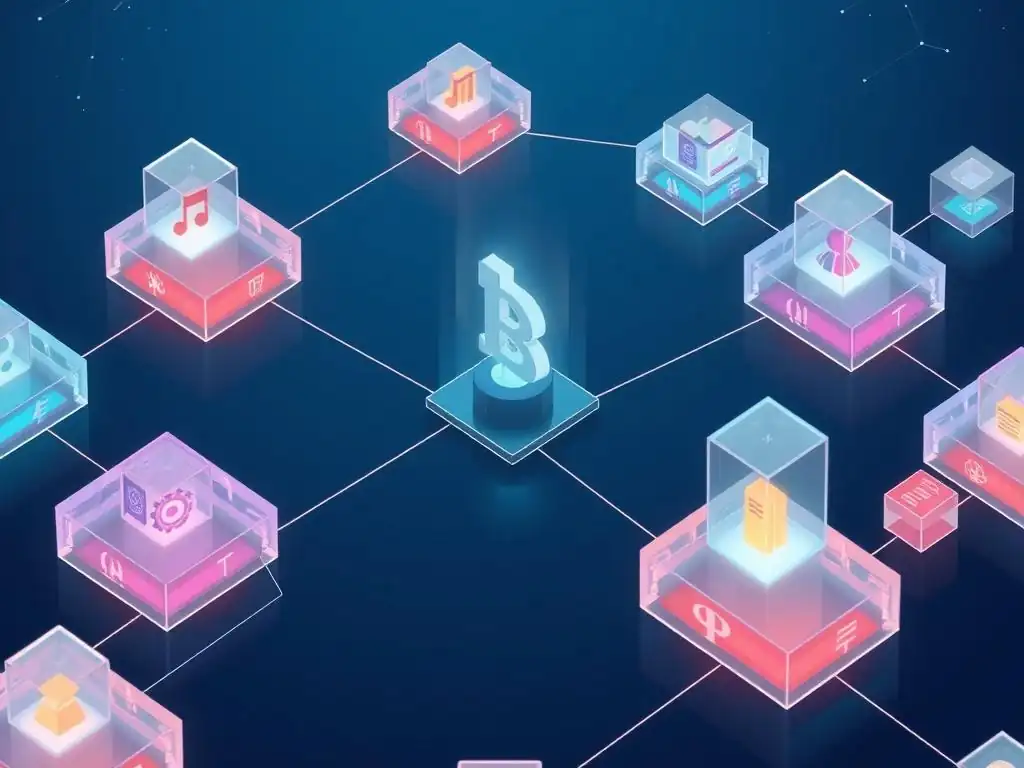
Case Study: VRChat Community
VRChat stands out as a prime example of a successful metaverse community, demonstrating the power of user-generated content and social interaction in virtual spaces. Launched in 2017, VRChat is a free-to-play massively multiplayer online virtual reality platform that allows users to interact with others as 3D avatars in user-created virtual worlds. What distinguishes VRChat is its emphasis on user creation and social interaction.
The platform provides robust tools for users to create their own avatars and virtual worlds, fostering a vibrant ecosystem of user-generated content. This user-generated content is the lifeblood of the VRChat community, providing a constantly evolving and diverse range of experiences for users to explore.
The VRChat community is incredibly diverse, encompassing a wide range of interests, demographics, and creative talents. Users gather in VRChat to socialize, play games, attend virtual events, perform music, create art, and simply explore the vast landscape of user-created worlds. The platform’s success can be attributed to several factors, including its low barrier to entry (it is free to play and accessible on both VR and non-VR platforms), its powerful avatar customization system, and its robust world-building tools.
VRChat has fostered a strong sense of community through user-led events, community moderation initiatives, and a culture of creativity and collaboration. The platform serves as a compelling case study of how user-generated content and a focus on social interaction can drive the growth and success of blockchain communities metaverse virtual spaces.
Examining Community Engagement and Growth Strategies
Examining the engagement and growth strategies of successful metaverse communities like VRChat reveals key insights into effective community building in virtual spaces. One crucial strategy is empowering users through user-generated content tools and opportunities. Platforms that provide users with the tools to create, customize, and contribute to the metaverse environment foster a sense of ownership and investment, driving engagement and participation.
VRChat's robust world-building tools and avatar customization system are prime examples of this strategy in action. Another effective strategy is fostering a strong sense of community identity and belonging. This can be achieved through clear community guidelines, active moderation, and the promotion of positive social norms.
Community events and initiatives play a vital role in fostering engagement and growth. Regularly scheduled virtual events, such as concerts, games, workshops, and community meetups, provide opportunities for users to connect, interact, and build relationships. These events can be organized by platform developers or, even more effectively, by community members themselves, fostering a sense of ownership and participation.
Furthermore, platforms that actively solicit and respond to community feedback are more likely to foster a loyal and engaged user base. Implementing feedback mechanisms, such as forums, surveys, and in-world feedback channels, and demonstrating a commitment to acting on community input are crucial for building trust and fostering a collaborative community environment. Successful blockchain communities metaverse virtual spaces prioritize user empowerment, community identity, engagement-driven events, and responsive feedback mechanisms to foster sustainable growth and vibrancy.
Analyzing existing metaverse social initiatives, both successes and failures, provides valuable lessons for building future blockchain communities metaverse virtual spaces. One key lesson is the importance of prioritizing user experience and accessibility. Platforms that are clunky, difficult to navigate, or inaccessible to certain user groups are unlikely to achieve widespread adoption or build thriving communities. Intuitive interfaces, robust onboarding processes, and accessibility features are crucial for lowering the barrier to entry and ensuring a positive user experience for all.
Another crucial lesson is the need for effective moderation and safety measures. As discussed earlier, moderation in the metaverse is complex, but neglecting user safety can quickly erode trust and drive users away. Platforms must invest in robust moderation tools, clear community guidelines, and proactive moderation strategies to ensure a safe and inclusive environment.
Furthermore, successful initiatives often demonstrate a clear understanding of their target audience and community purpose. Platforms that cater to specific interests, demographics, or activities are more likely to attract and retain a dedicated user base. Defining a clear community purpose and tailoring platform features and content to that purpose is crucial for building focused and engaged communities.
Finally, the importance of community governance and decentralization is increasingly evident. Blockchain communities metaverse virtual spaces that empower users through decentralized governance models, such as DAOs, and offer ownership of digital assets through NFTs, are gaining traction as they foster a greater sense of shared ownership and control. Learning from the successes and failures of existing metaverse social initiatives underscores the importance of user experience, safety, community purpose, and decentralized governance in building thriving and sustainable virtual spaces.
Emerging Trends in Metaverse Community Building
Several emerging trends are shaping the future of metaverse community building and are poised to further enhance social interaction in virtual spaces. One prominent trend is the increasing integration of blockchain technology. As discussed throughout this article, blockchain enables decentralized governance, digital asset ownership through NFTs, and new economic models within metaverses. These features empower communities, foster a sense of shared ownership, and unlock new possibilities for community-driven economies and governance structures. We are seeing the rise of DAOs governing metaverse communities, allowing members to collectively make decisions and control the direction of their blockchain communities metaverse virtual spaces.
Another emerging trend is the development of more sophisticated and immersive virtual reality (VR) and augmented reality (AR) technologies. As VR/AR headsets become more affordable and user-friendly, and as visual fidelity and haptic feedback improve, the sense of presence and immersion in the metaverse will deepen. This enhanced immersion will likely lead to even richer and more nuanced social interactions in virtual spaces, blurring the lines further between online and offline experiences.
Furthermore, we are seeing the emergence of more specialized and niche metaverse platforms catering to specific interests and communities. From metaverses dedicated to art and music to those focused on education and professional collaboration, the metaverse landscape is becoming increasingly diverse and tailored to specific community needs. These emerging trends, including blockchain integration, VR/AR advancements, and niche metaverse platforms, are shaping a future where social interaction in the metaverse is even more immersive, engaging, and community-driven.
Virtual Reality (VR) is poised to have a profound impact on social connection within the metaverse, potentially revolutionizing how we interact and build relationships in virtual spaces. The immersive nature of VR, particularly its ability to create a strong sense of presence, has the potential to deepen social connections and foster a greater sense of empathy and understanding between users.
Unlike traditional 2D interfaces, VR allows for non-verbal communication cues, such as body language and spatial proximity, to play a more significant role in social interactions. These non-verbal cues are crucial for nuanced communication and emotional understanding, contributing to richer and more meaningful social exchanges.
Imagine having a conversation with a friend in VR, being able to see their facial expressions, react to their body language, and feel a stronger sense of shared presence – these elements can significantly enhance the quality of social connection compared to text-based or video-call interactions.
However, the impact of VR on social connection is not without potential challenges. Concerns exist about the potential for social isolation and escapism if individuals spend excessive amounts of time in VR environments and neglect real-world social interactions. Furthermore, the digital divide and accessibility issues related to VR technology could exacerbate existing inequalities in access to social connection.
Addressing these challenges will require careful consideration of the ethical and societal implications of VR and proactive efforts to promote responsible and balanced VR usage. Despite these challenges, the potential of VR to enhance social connection in the metaverse is undeniable. As VR technology matures and becomes more accessible, it is likely to play an increasingly significant role in shaping the future of blockchain communities metaverse virtual spaces and the nature of social interaction within them.
Predicting the future evolution of metaverse social experiences is an exercise in imagining the convergence of technology, social trends, and human creativity within virtual spaces. One likely evolution is the increasing personalization and customization of metaverse social experiences. AI-powered avatars, personalized virtual environments, and customized social feeds are likely to become more prevalent, tailoring the metaverse experience to individual preferences and needs.
Imagine a metaverse where your avatar adapts to your communication style, your virtual environment reflects your personal aesthetic, and your social feed prioritizes content and interactions relevant to your interests. This level of personalization has the potential to enhance engagement and create more deeply resonant social experiences.
Another prediction is the blurring of lines between the metaverse and the physical world. Augmented reality (AR) technologies are likely to play an increasingly significant role in bridging the gap between virtual and physical experiences. AR overlays could integrate metaverse social interactions into our real-world environments, creating hybrid social experiences that blend the digital and physical realms.
Imagine using AR glasses to see your metaverse friends overlaid onto your physical surroundings, allowing for seamless social interactions that transcend the boundaries of virtual spaces. Furthermore, the integration of metaverse social experiences with real-world activities, such as attending virtual concerts that are synchronized with live physical events, is likely to become more common. The future evolution of metaverse social experiences points towards increased personalization, a blurring of virtual and physical boundaries, and a deeper integration of metaverse interactions into our daily lives, shaping the future of blockchain communities metaverse virtual spaces.
Building Your Own Community in the Metaverse: A Step-by-Step Guide
Defining Your Community's Purpose and Values
Building a successful blockchain community metaverse virtual space begins with clearly defining your community's purpose and core values. Before launching into platform selection or event planning, take the time to articulate what your community will be about and what principles will guide its interactions. What is the unifying interest or passion that will bring your community members together?
Is it a shared hobby, a professional field, a social cause, or a creative pursuit? Clearly defining your community's purpose will help you attract like-minded individuals and create a focused and engaged membership base. For example, if you aim to build a community around blockchain gaming, your purpose is to connect players, developers, and enthusiasts interested in this specific niche.
Once you have defined your community's purpose, establish its core values. What kind of culture do you want to cultivate? Do you prioritize inclusivity, creativity, collaboration, learning, or something else? Clearly articulated values will serve as guiding principles for community behavior and moderation policies.
For instance, if inclusivity is a core value, you will need to implement moderation strategies that actively combat harassment and promote a welcoming environment for diverse users. Your community's purpose and values should be clearly communicated to potential members, setting expectations and attracting individuals who resonate with your community's mission and culture. This foundational step of defining purpose and values is crucial for building a strong and sustainable virtual space community.
Choosing the Right Platform and Environment
Selecting the right platform and virtual environment is a critical step in building your blockchain community metaverse virtual space. The platform you choose will significantly impact your community's functionality, accessibility, and overall experience. Consider your community's purpose and target audience when evaluating different metaverse platforms. Are you aiming for a highly immersive VR experience, or is accessibility across multiple devices (including non-VR platforms) a priority? Do you need robust user-generated content tools, blockchain integration, or specific features for events and gatherings? Research different metaverse platforms, comparing their features, user base, cost, and technical requirements.
Consider established platforms like VRChat, Decentraland, The Sandbox, or newer, blockchain-focused metaverses. Each platform has its strengths and weaknesses. VRChat excels in user-generated content and social interaction but has limited blockchain integration. Decentraland and The Sandbox are built on blockchain and offer digital asset ownership but may have different levels of user-friendliness or community focus. Evaluate the platform's community guidelines, moderation policies, and developer support. Choose a platform that aligns with your community's purpose, values, and technical capabilities. The right platform will provide the foundation for a thriving and engaging blockchain community metaverse virtual space.
Implementing Effective Communication Channels
Establishing effective communication channels is essential for fostering interaction, engagement, and a sense of community within your blockchain community metaverse virtual space. Communication is the lifeblood of any community, and in the metaverse, it takes various forms, from in-world spatial audio and text chat to out-of-world platforms like Discord or forums. Implement a multi-channel communication strategy to cater to different needs and preferences. In-world communication tools, such as spatial audio and text chat, are crucial for real-time interaction within the metaverse environment itself. Ensure these tools are user-friendly and accessible.
Complement in-world communication with out-of-world platforms like Discord, Telegram, or dedicated community forums. These platforms are valuable for asynchronous communication, announcements, discussions, and community organization. Discord, in particular, is widely used by online communities and offers features like text and voice channels, roles, and bots that can enhance community management and engagement. Establish clear communication guidelines and etiquette for all channels, promoting respectful and constructive interactions. Regularly monitor communication channels, respond to user inquiries, and facilitate discussions. Effective communication channels are crucial for keeping your virtual space community connected, informed, and engaged.
Fostering Engagement and Growth Through Community Events and Initiatives
To ensure the long-term vibrancy and growth of your blockchain community metaverse virtual space, actively foster engagement and growth through community events and initiatives. Passive community building is rarely successful; proactive efforts to create engaging experiences and attract new members are essential. Plan and host regular virtual events that align with your community's purpose and interests.
These events can range from casual meetups and social gatherings to structured workshops, games, concerts, or virtual conferences. Vary the types of events to cater to diverse interests and engagement levels. For example, you could host weekly casual social hours, monthly themed events, and occasional larger-scale virtual festivals or conferences.
Encourage community participation in event planning and organization. Empowering community members to contribute to event creation fosters a sense of ownership and investment. Promote your community and events through social media, online forums, and other relevant channels to attract new members. Collaborate with other metaverse communities or organizations to cross-promote events and expand your reach. Implement community-building initiatives, such as mentorship programs, welcome committees, or member spotlights, to foster a welcoming and inclusive environment for new members. Regular community events and proactive growth initiatives are vital for keeping your blockchain community metaverse virtual space dynamic, engaging, and continuously growing.
The metaverse represents a paradigm shift in how we socialize and build communities in the digital age. By embracing the immersive capabilities of virtual spaces and leveraging the transformative potential of blockchain technology, we are witnessing the emergence of vibrant and engaging blockchain communities metaverse virtual spaces. These communities offer enhanced social connection, foster community-driven content creation, provide immersive virtual experiences, and create new opportunities for learning and skill development. While challenges related to moderation, inclusivity, digital identity, and fostering meaningful interactions must be addressed thoughtfully, the benefits and potential of metaverse communities are undeniable.
As the metaverse continues to evolve and mature, and as VR/AR technologies become more accessible, we can expect to see even more innovative and impactful social experiences emerge within these virtual spaces. Building thriving metaverse communities requires a deliberate and community-centric approach, focusing on defining purpose and values, choosing the right platform, implementing effective communication channels, and fostering engagement through community events and initiatives. By embracing the potential of the metaverse for socializing, we can unlock new frontiers in digital interaction and build richer, more connected, and more meaningful online communities for the future.
Frequently Asked Questions
What are the benefits of building blockchain-based communities in metaverse virtual spaces?
Blockchain integration offers decentralized governance and tokenized incentives, fostering greater member participation and ownership. This can lead to more engaged and resilient communities within the metaverse.
Blockchain provides immutable records of transactions and interactions, reducing the risk of fraud and ensuring transparency. This increases trust among users within the virtual space.
What are some examples of successful blockchain-based communities in the metaverse?
Early examples include communities focused on NFT art and virtual land ownership, using blockchain for verifiable scarcity and provenance. These communities demonstrate the potential for digital asset-backed social spaces.
What are the key challenges in establishing and managing blockchain communities in metaverse virtual spaces?
Challenges include scalability issues on certain blockchains and the complexity of user onboarding for those unfamiliar with crypto. Additionally, regulatory uncertainty remains a concern.
How might "Blockchain communities metaverse virtual spaces" evolve in the future?
Future developments could involve more sophisticated decentralized autonomous organizations (DAOs) managing virtual worlds, and increased interoperability between different metaverses through blockchain standards. This will unlock greater collaborative potential.
Final Reflection: Forging Connections in the Digital Frontier
The exploration of socializing in the metaverse, particularly through blockchain-based communities, reveals a profound shift in how we connect and interact. The convergence of virtual spaces, blockchain technology, and community building is not just a futuristic concept, but a tangible reality shaping the social landscape today. As we've seen, these digital realms offer unprecedented opportunities for shared experiences, collaborative creation, and the formation of meaningful relationships, all underpinned by the principles of decentralization and user empowerment.
The potential of blockchain communities within the metaverse to redefine social interaction is immense, and it's an evolution I find deeply compelling. Witnessing the emergence of these decentralized social structures underscores the human need for connection, even in the digital realm, and highlights the power of technology to facilitate that connection in novel and empowering ways. The metaverse is coming, and it will affect every product, company, and person that we touch.
- Matthew Ball. This quote encapsulates the pervasive influence the metaverse will have, and the blockchain communities within it will be instrumental in shaping its culture and values.
As we stand on the cusp of this digital revolution, I invite you to consider your own role in shaping the future of social interaction. How can you contribute to building inclusive, vibrant, and meaningful communities within the metaverse? Embrace the potential of blockchain technology to empower individuals and foster genuine connection. The future of socializing is being written now, and your participation can help ensure it's a future where connection, creativity, and community thrive.
Embrace the Metaverse: Craft Your Digital Community!
Thank you for exploring the exciting potential of building blockchain-based communities in the metaverse! Now that you've seen how virtual spaces are evolving, it's time to take your first steps into this immersive world.
Here's how you can get started:
- Dive into your chosen Metaverse platform: Actively participate in existing communities within platforms like Decentraland or The Sandbox to understand the nuances of building engagement and connection within these spaces.
- Research and document existing Metaverse communities to understand their culture and practices; consider contributing meaningfully, but not immediately building a competitor.
- Share this article with friends and colleagues on social media. Help spread the word about the power of blockchain-based community building!
What unique experience or community are you most excited to create in the metaverse?
Leave a Reply