
Enhancing Patient Recruitment in Clinical Trials with BlockchainBased Platforms


Welcome to Blockchain Trends, your compass in the rapidly evolving world of decentralized technologies!
Imagine a future where clinical trials are more efficient, transparent, and accessible for patients. Our latest article delves into precisely that, exploring how blockchain patient recruitment clinical trials are poised to revolutionize the healthcare industry. Discover how this innovative approach is streamlining the process, improving data integrity, and ultimately, bringing life-saving treatments to patients faster. Intrigued? Read on to uncover the transformative potential of blockchain in healthcare and the groundbreaking impact it's having on clinical trials.
Enhancing Patient Recruitment in Clinical Trials with Blockchain-Based Platforms
- The Challenge of Patient Recruitment in Clinical Trials
- Blockchain Technology: A Solution for Clinical Trial Patient Recruitment
- Blockchain-Based Platforms for Patient Recruitment: A Detailed Look
- Benefits of Using Blockchain for Patient Recruitment in Clinical Trials
- Use Cases: Blockchain in Action for Clinical Trial Recruitment
- Overcoming Barriers to Blockchain Adoption in Clinical Trial Recruitment
- The Future of Blockchain and Patient Recruitment in Clinical Trials
- Conclusion: Blockchain's Transformative Potential for Clinical Trial Patient Recruitment
-
Frequently Asked Questions
- What specific challenges in traditional clinical trials can blockchain technology help overcome regarding patient recruitment?
- How does blockchain ensure patient privacy and data security within a clinical trial setting?
- Beyond data security, what other benefits does a blockchain-based platform offer to clinical trial sponsors and researchers?
- What role does the "Blockchain Trends" website play in educating stakeholders about the potential of blockchain in clinical trials?
- What are the current regulatory hurdles or uncertainties surrounding the use of blockchain in clinical trials?
- Final Reflection: Empowering Patients, Transforming Trials
- Unleash the Power of Blockchain for Faster Patient Recruitment!
The Challenge of Patient Recruitment in Clinical Trials
Traditional Patient Recruitment Methods: Limitations and Inefficiencies
Traditional methods for patient recruitment in clinical trials often rely on fragmented processes and outdated technologies, leading to significant limitations and inefficiencies. These methods typically include physician referrals, advertising through various media, online patient portals, and leveraging existing patient databases. However, these approaches frequently suffer from poor data silos, making it difficult to identify eligible patients across different healthcare providers and systems. The manual nature of screening and consent processes also adds considerable time and administrative burden.
Moreover, relying heavily on site-specific recruitment limits the pool of potential participants to those geographically close to trial sites. This can exclude diverse populations and delay enrollment, particularly for rare diseases or highly specific trial criteria.
The lack of standardized data formats and the challenges of securely sharing sensitive patient information between different stakeholders further compound these issues, resulting in slow progress and high dropout rates before enrollment even begins. It is estimated that a substantial percentage, potentially over 80%, of clinical trials face delays due to patient recruitment challenges, with a significant number failing to meet enrollment targets entirely.
The Impact of Slow Enrollment on Clinical Trial Timelines and Costs
Slow patient enrollment has a cascading negative impact on clinical trial timelines and overall costs. Delays in recruiting the required number of eligible patients can push back trial completion dates by months or even years. Each day of delay can translate into substantial financial losses, not only from extended operational costs at trial sites but also from the delayed market entry of potentially life-saving treatments. The pharmaceutical industry invests billions annually in research and development, and clinical trials represent a significant portion of this investment.
Beyond the direct financial implications of extended timelines, slow enrollment necessitates increased spending on recruitment efforts, such as additional advertising, engaging more sites, or employing recruitment agencies. These efforts often yield diminishing returns and further inflate trial budgets. It's estimated that patient recruitment can account for 15% to 30% or more of the total clinical trial budget. When recruitment is slow, these costs escalate, potentially jeopardizing the financial viability of developing new therapies and ultimately impacting patient access to innovative treatments. Enhancing blockchain patient recruitment clinical trials processes is therefore critical for efficiency.
Blockchain Technology: A Solution for Clinical Trial Patient Recruitment
Understanding Blockchain's Core Principles: Decentralization, Transparency, and Security
Blockchain technology operates on a decentralized, distributed ledger system where records (blocks) are linked together chronologically and cryptographically secured. This structure inherently promotes transparency, as validated transactions or data entries are visible to network participants (though data privacy layers are crucial in healthcare). The decentralized nature means no single entity controls the entire database, making it resistant to tampering and single points of failure, unlike traditional centralized systems.
Security is a fundamental principle of blockchain. Each block contains a cryptographic hash of the previous block, creating an immutable chain. Any attempt to alter data in a past block would change its hash, invalidating the subsequent blocks and making the tampering immediately detectable. This cryptographic security, combined with the consensus mechanisms required to add new blocks, ensures the integrity and authenticity of the data recorded on the ledger. These core principles provide a robust foundation for addressing the critical issues of trust, data integrity, and security in sensitive applications like blockchain patient recruitment clinical trials.
How Blockchain Addresses the Challenges of Traditional Recruitment
Blockchain technology directly addresses many of the challenges inherent in traditional patient recruitment. By creating a secure, shared, and immutable ledger, blockchain can facilitate the creation of patient registries where individuals can control access to their own health data and consent preferences. This empowers patients and allows researchers to securely search for potential candidates based on specific criteria, with patient permission, breaking down data silos.
The transparency and traceability offered by blockchain mean that every step in the recruitment process, from initial contact and consent to screening and enrollment, can be recorded and verified on the ledger. This provides an auditable trail for regulatory compliance and increases trust among all stakeholders – patients, researchers, sponsors, and regulators. Furthermore, blockchain's security features protect sensitive patient information through encryption and decentralized storage, mitigating risks associated with data breaches that are common in centralized systems. This secure and transparent approach is vital for effective blockchain patient recruitment clinical trials.
Blockchain-Based Platforms for Patient Recruitment: A Detailed Look
Key Features and Functionalities of Blockchain Recruitment Platforms
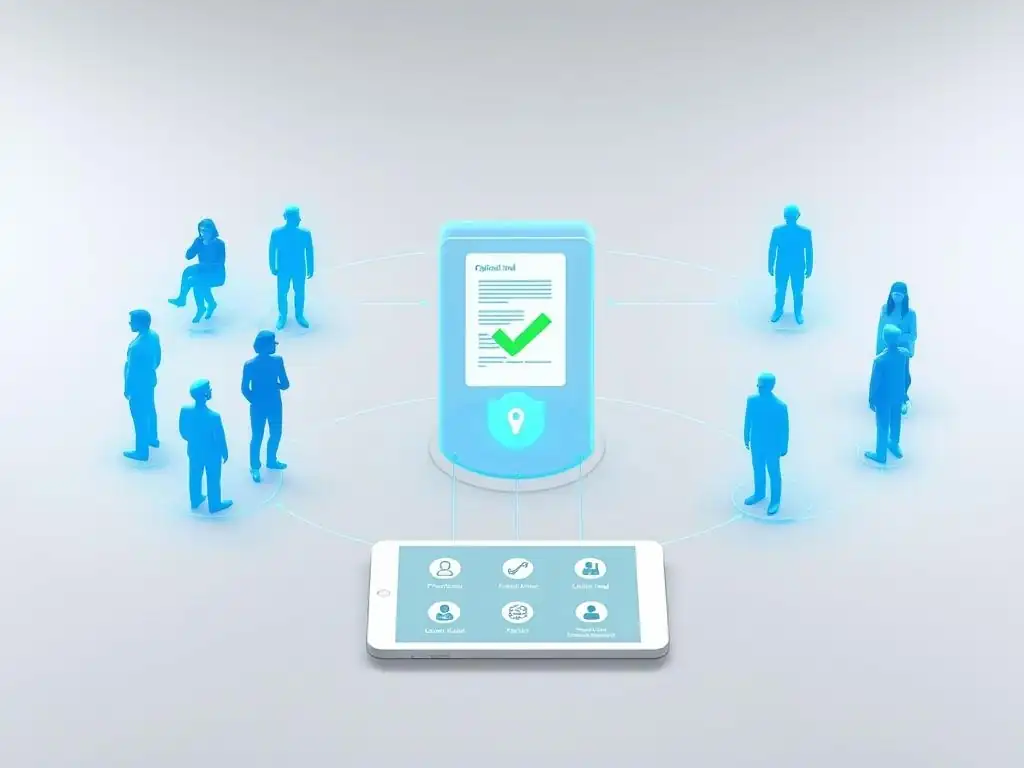
Blockchain-based platforms designed for patient recruitment in clinical trials offer a suite of features aimed at streamlining the process. A core functionality is the creation of a patient-centric data repository where individuals can store relevant health information (potentially linked or hashed) and manage their consent for participating in research. These platforms often incorporate smart contracts, self-executing contracts with the terms of the agreement directly written into code, to automate aspects of the consent process and trigger actions like notifications or data sharing requests based on predefined conditions.
Other key features include identity verification mechanisms to ensure the authenticity of participants, tools for secure communication between patients and research sites, and dashboards that provide researchers with real-time, aggregated insights into potential patient pools (while respecting individual privacy). Some platforms also explore tokenization, where patients might receive tokens as incentives for sharing data or participating in certain steps, although ethical considerations around such incentives in clinical trials are paramount. These functionalities collectively aim to improve the efficiency and trustworthiness of blockchain patient recruitment clinical trials.
Improved Data Security and Patient Privacy with Blockchain
One of the most significant benefits of using blockchain in patient recruitment is the enhanced data security and patient privacy it provides compared to traditional systems. Instead of storing sensitive patient data in vulnerable centralized databases, blockchain platforms can employ various methods, such as storing only encrypted hashes of data on the chain, with the actual data remaining off-chain in secure, distributed storage controlled by the patient or trusted entities.
Access to this off-chain data is then governed by cryptographic keys and smart contracts managed on the blockchain, ensuring that only authorized parties with explicit patient consent can view specific information.
This approach drastically reduces the risk of large-scale data breaches from a single point of attack. Furthermore, the immutability of the blockchain ledger ensures that consent records and data access logs cannot be altered retroactively, providing a transparent and verifiable history of how patient data has been used. Patients gain greater control over their information, deciding who can access it and for what purpose, which builds trust and encourages participation in blockchain patient recruitment clinical trials.
Enhanced Transparency and Traceability in the Recruitment Process
Blockchain technology inherently provides enhanced transparency and traceability, which are invaluable in the complex process of clinical trial patient recruitment. Every significant event in the recruitment workflow – from a patient expressing interest and granting initial consent, to eligibility screening results, and final enrollment confirmation – can be recorded as a transaction on the blockchain ledger. This creates a clear, immutable, and auditable trail accessible to authorized parties.
This level of traceability allows researchers and sponsors to monitor the recruitment progress in real-time across multiple sites, identify bottlenecks, and ensure compliance with trial protocols and regulatory requirements. Regulators can also gain access to this verifiable log to oversee the process, ensuring fairness and adherence to ethical guidelines. For patients, this transparency means they can see how their data is being used and track their own journey through the recruitment steps, fostering greater trust in the clinical trial process and the use of blockchain patient recruitment clinical trials platforms.
Benefits of Using Blockchain for Patient Recruitment in Clinical Trials
Accelerating Patient Enrollment and Reducing Trial Timelines
Accelerating patient enrollment is a primary benefit promised by blockchain integration in clinical trials. By enabling more efficient identification and screening of potential candidates from broader, consented data pools, blockchain platforms can significantly reduce the time it takes to find eligible participants. The ability to securely share relevant, de-identified, or consented patient data across research networks, coupled with streamlined digital consent processes managed via smart contracts, removes many of the manual and time-consuming steps inherent in traditional methods.
This acceleration can potentially shave months off the patient recruitment phase. Given that recruitment is often the longest and most unpredictable part of a trial, speeding it up directly impacts the overall trial timeline. Reducing the time a drug or therapy spends in clinical development not only lowers costs but also brings potential treatments to patients faster. This makes blockchain patient recruitment clinical trials a critical area for innovation.
Lowering Recruitment Costs and Improving Efficiency
Implementing blockchain for patient recruitment also holds significant potential for lowering costs and improving overall efficiency. Traditional recruitment methods are expensive, involving substantial spending on advertising, site visits, and administrative overhead. By creating a more direct and efficient connection between researchers and potential patients through secure, consent-based data access, blockchain can reduce the need for extensive and often ineffective broad-reach advertising campaigns.
Automating processes like consent management and eligibility pre-screening using smart contracts further reduces administrative burden and associated costs. Furthermore, faster enrollment means shorter trial durations, leading to reduced operational expenses at clinical sites. While initial investment in new technology is required, the long-term cost savings achieved through improved efficiency and accelerated timelines are expected to be substantial, making the case for blockchain patient recruitment clinical trials economically compelling.
Expanding Patient Reach and Access to Clinical Trials
Blockchain technology has the capacity to significantly expand patient reach and improve access to clinical trials, particularly for individuals who might otherwise be excluded due to geographical location or lack of awareness. By creating decentralized networks and patient registries, individuals from diverse locations can potentially be identified and contacted about relevant trials, regardless of their proximity to a physical trial site. This is particularly important for increasing diversity in clinical trial populations, which is crucial for ensuring that study results are generalizable to the broader patient population.
Platforms built on blockchain can facilitate secure remote interactions, including initial consultations and electronic consent, making participation more feasible for patients with mobility issues or those living far from research centers. This broader reach not only helps trials meet enrollment targets faster but also provides more patients with opportunities to access cutting-edge treatments and contribute to medical research through blockchain patient recruitment clinical trials.
Enhancing Data Integrity and Trust in Clinical Trial Results
The immutable and transparent nature of blockchain profoundly enhances data integrity throughout the patient recruitment process. Every interaction, data point shared (with consent), and decision made regarding a patient's eligibility and enrollment can be recorded on the ledger, creating a tamper-proof record. This ensures that the recruitment data used to justify the trial population is accurate and has not been retrospectively altered.
High data integrity in the recruitment phase builds trust in the validity of the entire clinical trial process and its results. Regulatory bodies require rigorous documentation and verification of patient recruitment and consent. Blockchain provides an unprecedented level of auditability and trustworthiness for this data, simplifying compliance and increasing confidence in the trial outcomes, ultimately benefiting future patients who will rely on the approved therapies. This makes blockchain patient recruitment clinical trials a key driver for reliable research outcomes.
Use Cases: Blockchain in Action for Clinical Trial Recruitment
Melanoma Research Alliance (MRA) and Patientory: Secure Data Sharing for Targeted Therapies
A notable example of blockchain's application in healthcare data management, relevant to recruitment, involves initiatives focused on secure data sharing. While specific public data on direct blockchain patient recruitment clinical trials partnerships for MRA and Patientory focused purely on recruitment is limited, the general collaboration between Patientory (a blockchain-based healthcare data platform) and research organizations like MRA highlights the potential for secure patient data exchange.
Patientory's platform allows patients to control and share their health data securely using blockchain. For researchers, this offers a potential avenue to access aggregated, consented patient data profiles (while maintaining individual privacy) to identify candidates who meet specific criteria for targeted therapy trials in areas like melanoma. This secure, patient-permissioned access to richer datasets can accelerate the identification of suitable candidates compared to relying solely on fragmented institutional records, illustrating the underlying principle needed for efficient blockchain patient recruitment clinical trials.
Parkinson's Disease Foundation (PDF) and IBM: Decentralized Clinical Trial Network for Increased Participation
An early and significant example of blockchain exploring decentralized clinical trial approaches, relevant to recruitment, involved the Parkinson's Disease Foundation (now part of the Parkinson's Foundation) working with IBM. This initiative aimed to create a blockchain-based platform to collect and manage patient data directly from individuals, including sensor data and patient-reported outcomes. While not solely focused on recruitment, the underlying infrastructure demonstrated the feasibility of building a decentralized network where patients could participate more actively and share data securely.
This model inherently supports broader and potentially faster recruitment by creating a direct channel between researchers and a large, engaged patient community willing to share data for research. Patients could potentially be notified of relevant trials based on their shared profile data and consent preferences, facilitating a more direct and efficient recruitment pipeline than traditional site-based methods. Such initiatives pave the way for truly decentralized and more inclusive blockchain patient recruitment clinical trials.
Overcoming Barriers to Blockchain Adoption in Clinical Trial Recruitment
Regulatory Considerations and Compliance Requirements
Adopting blockchain for patient recruitment in clinical trials faces significant regulatory hurdles. Clinical trials are heavily regulated by bodies like the FDA in the US and the EMA in Europe, with stringent requirements for data integrity, security, patient consent, and audit trails. While blockchain offers robust features in these areas, demonstrating compliance within existing regulatory frameworks designed for traditional systems requires careful consideration and validation.
Ensuring that blockchain implementations meet requirements like 21 CFR Part 11 (electronic records and signatures) and HIPAA (patient privacy) is crucial. The decentralized and immutable nature of blockchain, while beneficial, also presents challenges in areas like data deletion or modification, which may be required under regulations like GDPR's "right to be forgotten." Developing solutions that balance blockchain's core principles with regulatory mandates is essential for widespread adoption in blockchain patient recruitment clinical trials.
Interoperability and Integration with Existing Systems
Integrating blockchain platforms with existing legacy systems used in clinical trials, such as Electronic Health Records (EHRs), Clinical Data Management Systems (CDMS), and Electronic Data Capture (EDC) systems, presents a significant technical barrier. These systems often use proprietary formats and lack standardized APIs, making seamless data exchange challenging. For blockchain recruitment platforms to be effective, they must be able to securely and efficiently interact with these diverse systems to access and verify patient data.
Developing robust interoperability standards and middleware layers that can translate data between blockchain networks and traditional systems is critical. This requires collaboration between blockchain developers, healthcare IT vendors, and clinical trial technology providers. Overcoming these integration challenges is necessary to realize the full potential of blockchain patient recruitment clinical trials.
Addressing Concerns about Data Privacy and Security
Despite blockchain's inherent security features, concerns about data privacy and security remain a significant barrier to adoption in healthcare, particularly regarding sensitive patient information. While public blockchains offer transparency, healthcare applications typically require privacy-preserving solutions like permissioned blockchains, zero-knowledge proofs, or storing sensitive data off-chain with access controlled by cryptographic keys on the chain.
Educating patients, researchers, and institutions about how blockchain is being used to enhance privacy, not compromise it, is vital. Demonstrating that patients retain control over their data through consent mechanisms and that data is secured through advanced cryptography is necessary to build trust. Addressing these concerns proactively is paramount for successful implementation of blockchain patient recruitment clinical trials.
Educating Stakeholders on the Benefits of Blockchain
A fundamental barrier to adopting blockchain in clinical trial recruitment is the lack of understanding and education among key stakeholders, including researchers, clinical site staff, sponsors, and even patients. Many in the industry may be unfamiliar with blockchain technology or hold misconceptions about its complexity and applicability beyond cryptocurrencies.
Providing clear, accessible education on how blockchain works, its specific benefits for recruitment (like enhanced security, transparency, and efficiency), and how it complies with regulations is essential. Demonstrating successful pilot programs and use cases can help build confidence and encourage adoption. Overcoming this knowledge gap through targeted training and outreach is crucial for accelerating the use of blockchain patient recruitment clinical trials.
The Future of Blockchain and Patient Recruitment in Clinical Trials
Emerging Trends and Innovations in Blockchain Technology
Emerging trends in blockchain technology are poised to further enhance its application in patient recruitment. Advancements in privacy-preserving technologies like zero-knowledge proofs (ZKPs) will allow verification of data eligibility without revealing the underlying sensitive information, significantly boosting patient privacy. Interoperability solutions, such as cross-chain protocols, are also maturing, promising better integration between different blockchain networks and legacy systems.
Furthermore, the development of more scalable and energy-efficient blockchain consensus mechanisms will make platforms more viable for handling the potentially large volumes of data associated with clinical trials. The exploration of decentralized identity solutions on the blockchain could also streamline patient verification processes. These technological advancements are continuously expanding the capabilities and feasibility of blockchain patient recruitment clinical trials.
Potential for Personalized Medicine and Patient-Centric Trials
Blockchain is uniquely positioned to support the shift towards personalized medicine and more patient-centric clinical trials. By enabling secure, patient-controlled sharing of comprehensive health data – including genomic data, wearable device data, and electronic health records – blockchain platforms can facilitate the identification of patients for highly specific, targeted therapies. This level of data access, governed by patient consent, is crucial for personalized medicine trials that require detailed patient profiles.
Moreover, blockchain can empower patients by giving them direct control over their health data and participation preferences, fostering a more collaborative relationship between patients and researchers. Future blockchain patient recruitment clinical trials could see patients actively managing their data access rights and receiving personalized notifications about trials that match their specific condition and profile, making the process truly patient-centric.
The Role of Blockchain in Streamlining Clinical Trial Processes
Beyond recruitment, blockchain has the potential to streamline numerous other aspects of the clinical trial lifecycle, creating a more integrated and efficient ecosystem. This includes managing consent throughout the trial, ensuring data integrity from collection to analysis, tracking the drug supply chain, and securely sharing results. By creating an immutable and transparent record of all trial activities, blockchain can improve oversight, reduce monitoring costs, and enhance the overall trustworthiness of trial data.
A blockchain foundation for recruitment can seamlessly integrate with blockchain applications for other trial processes, creating an end-to-end decentralized platform. This holistic approach promises to reduce administrative burden, minimize errors, and accelerate the delivery of new treatments to patients. The future envisions blockchain patient recruitment clinical trials as the entry point to a fully decentralized and highly efficient clinical research paradigm.
Conclusion: Blockchain's Transformative Potential for Clinical Trial Patient Recruitment
Summary of Key Benefits and Future Outlook
The integration of blockchain technology into clinical trial patient recruitment offers transformative potential. It directly addresses critical challenges of traditional methods, such as data fragmentation, lack of transparency, and security concerns. By leveraging blockchain's core principles of decentralization, immutability, and cryptographic security, platforms can enhance data integrity, improve patient privacy through consent management, and create a more transparent and auditable recruitment process.
The key benefits include significantly accelerating patient enrollment, reducing costly delays and operational expenses, expanding the reach to a more diverse pool of potential participants, and ultimately enhancing the trustworthiness of clinical trial data. While challenges related to regulation, interoperability, and stakeholder education must be overcome, the ongoing advancements in blockchain technology and increasing industry interest point towards a future where blockchain patient recruitment clinical trials become a standard practice, paving the way for more efficient, ethical, and patient-centric research.
Call to Action: Embracing Blockchain for More Efficient and Ethical Clinical Trials
The clinical trial industry stands at a crucial juncture, facing persistent challenges in patient recruitment that hinder the progress of medical science. Embracing innovative technologies like blockchain is no longer just an option but a necessity to build a more efficient, secure, and patient-centric research ecosystem. Sponsors, researchers, technology providers, and regulatory bodies must collaborate to explore, pilot, and scale blockchain-based solutions for patient recruitment.
Investing in the necessary infrastructure, developing standardized approaches, and educating all stakeholders are essential steps towards realizing the full potential of this technology. By adopting blockchain patient recruitment clinical trials platforms, the industry can overcome long-standing inefficiencies, accelerate the development of new therapies, and build greater trust with patients, ultimately benefiting global health. The time to act and embrace this transformative technology is now.
Frequently Asked Questions
What specific challenges in traditional clinical trials can blockchain technology help overcome regarding patient recruitment?
Blockchain addresses challenges like data silos and lack of trust by providing a secure and transparent platform for sharing patient data while maintaining privacy. This can significantly improve patient recruitment efficiency.
How does blockchain ensure patient privacy and data security within a clinical trial setting?
Blockchain utilizes encryption and decentralized storage to protect sensitive patient data. Smart contracts can automate data access and usage permissions, ensuring compliance with regulations like HIPAA.
Beyond data security, what other benefits does a blockchain-based platform offer to clinical trial sponsors and researchers?
Blockchain offers enhanced data integrity and auditability, making it easier to verify trial results and comply with regulatory requirements. It can also streamline patient enrollment processes and reduce administrative overhead.
What role does the "Blockchain Trends" website play in educating stakeholders about the potential of blockchain in clinical trials?
"Blockchain Trends" provides in-depth analysis and expert insights on the application of blockchain technology in healthcare, including patient recruitment in clinical trials. We aim to demystify the technology and highlight its transformative potential.
What are the current regulatory hurdles or uncertainties surrounding the use of blockchain in clinical trials?
Regulatory bodies are still developing specific guidelines for blockchain in healthcare. Clarity on data governance and interoperability standards are crucial for widespread adoption and navigating existing regulations.
Final Reflection: Empowering Patients, Transforming Trials
The promise of blockchain-based patient recruitment is no longer a futuristic fantasy, but a tangible solution poised to revolutionize clinical trials. The inefficiencies and inequities that have long plagued the traditional recruitment process are now being challenged by the transparency, security, and patient-centricity that blockchain offers. This shift represents a fundamental change in how we approach medical research, moving towards a more inclusive and efficient system.
This technology's potential to empower patients and accelerate medical breakthroughs is profound. The ability for individuals to control their own data and directly participate in research opportunities is not just a technological advancement, but a moral imperative. The future of healthcare is participatory, predictive, and personalized, and blockchain is a key enabler of this vision.
- Dr. John Halamka. The ongoing development and adoption of these platforms will undoubtedly reshape the landscape of clinical research for years to come.
As we stand on the cusp of this transformative era, let us all consider the role we can play in fostering its growth. Whether you are a researcher, a patient advocate, or simply an individual interested in the future of medicine, embrace the potential of blockchain to create a more equitable and effective clinical trial ecosystem. Let us work together to ensure that the benefits of medical innovation are accessible to all, and that every patient has the opportunity to contribute to the advancement of human health.
Unleash the Power of Blockchain for Faster Patient Recruitment!
Thank you for exploring how blockchain is transforming patient recruitment. You now have valuable insights into its potential to streamline processes and build trust. Are you ready to take the next step and help shape the future of clinical trials?
Here's how you can get started:
- Learn More: Reach out to a leading provider of blockchain solutions to discover how their technology can address specific challenges in your organization’s patient recruitment efforts.
- Share Knowledge: Distribute this article among colleagues in the pharmaceutical or healthcare sectors who could benefit from these innovative methods.
- Become an Advocate: Investigate ongoing studies utilizing blockchain for patient recruitment and promote them within your professional network.
What particular obstacle in patient recruitment do you believe blockchain is most capable of solving, and what initial actions would you suggest to implement it effectively?
Leave a Reply