
NFTs for Artists: Transforming the Art Market and Empowering Digital Creators

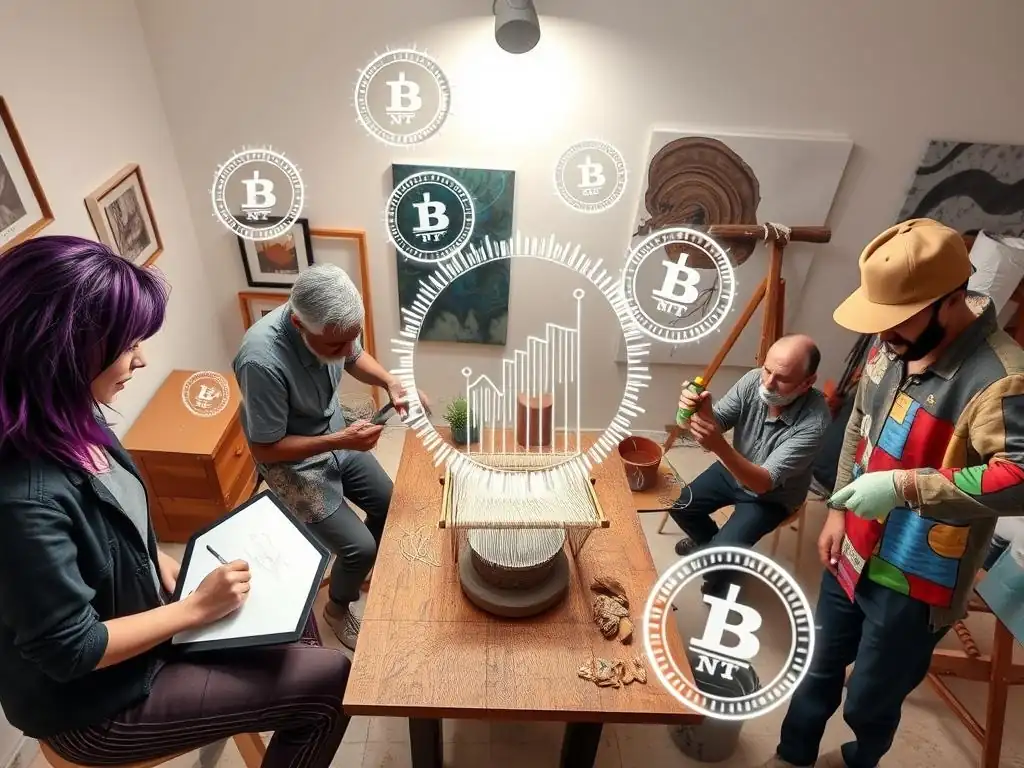
Welcome to Blockchain Trends, your compass in the ever-evolving world of decentralized technology. Beyond the headlines, we delve into the real-world applications and transformative potential of blockchain. Ever wondered how blockchain is reshaping the art world?
This week, we're exploring the revolutionary impact of NFTs for artists revenue. Discover how Non-Fungible Tokens are empowering digital creators, disrupting traditional art market structures, and unlocking new avenues for artistic expression and financial independence. Ready to see how artists are building their own economies? Read on to find out!
- Introduction: The NFT Revolution and Its Impact on Artists
-
Frequently Asked Questions
- How can NFTs help artists generate revenue?
- What are the key benefits of using NFTs for artists compared to traditional art sales?
- How are NFTs transforming the art market beyond just selling digital images?
- What are some of the regulatory challenges facing the NFT art market?
- What does the future hold for NFTs and their impact on artist revenue streams?
- Final Reflection: Reimagining Artistic Value
- Ignite Your Artistic Revolution!
Introduction: The NFT Revolution and Its Impact on Artists
Understanding NFTs: A New Paradigm for Digital Art Ownership
Non-Fungible Tokens, or NFTs, represent a groundbreaking evolution in how digital assets are owned and traded. Unlike fungible assets such as Bitcoin or traditional currency, where each unit is interchangeable with another, an NFT is unique and cannot be replicated or substituted on a one-to-one basis. Built on blockchain technology, typically Ethereum though other networks are gaining traction, each NFT contains distinct identifying information recorded in its smart contract.
This inherent uniqueness makes NFTs ideal for representing ownership of digital items, including art, music, videos, and collectibles. For artists, this translates into the ability to create verifiable scarcity and authenticity for their digital creations, something previously challenging in a world where digital files can be infinitely copied.
This new paradigm fundamentally alters the relationship between artists and their digital work. Before NFTs, a digital painting or animation could be viewed and downloaded by anyone, making it difficult for the creator to sell an "original" or prove ownership in a way comparable to physical art. NFTs solve this by linking a unique token on the blockchain to a specific digital file.
While the digital file itself can still be copied, the ownership of the token tied to that specific, canonical version is indisputable and publicly verifiable on the blockchain ledger. This proof of ownership allows NFTs for artists to function much like a certificate of authenticity and title deed combined, establishing a clear path for artists to monetize their digital creations directly by selling these unique tokens.
How NFTs are Shaking Up the Traditional Art World
The emergence of NFTs has sent ripples through the centuries-old traditional art market, challenging established norms and gatekeepers. Historically, artists often relied on galleries, agents, and auction houses to exhibit, market, and sell their work, particularly for high-value pieces. This system could be opaque, exclusive, and often left artists with a relatively small percentage of the final sale price after various intermediaries took their cuts.
Digital artists faced even steeper challenges, as their medium wasn't easily accommodated by traditional physical gallery spaces or auction formats designed for tangible objects. The lack of a clear mechanism for digital ownership hampered valuation and collection.
NFTs have disrupted this structure by enabling artists to sell their digital creations directly to collectors worldwide, bypassing traditional intermediaries entirely. Online NFT marketplaces allow artists to list their work, set prices, and conduct transactions with unprecedented speed and global reach. This direct connection empowers artists, giving them greater control over their distribution, pricing, and relationship with their audience.
The record-breaking sale of Beeple's "Everydays: The First 5000 Days" for $69.3 million at Christie's in March 2021 served as a watershed moment, proving the significant value that collectors were willing to place on NFT-backed digital art and highlighting the potential for substantial NFTs for artists revenue outside the conventional gallery circuit. This event, alongside countless other successful sales on various platforms, signaled a fundamental shift in how art is created, collected, and valued in the digital age.
Frequently Asked Questions
How can NFTs help artists generate revenue?
NFTs allow artists to tokenize their digital artwork, creating a unique, verifiable ownership record. This enables them to sell directly to collectors, bypassing traditional intermediaries and retaining a larger portion of the profits.
What are the key benefits of using NFTs for artists compared to traditional art sales?
NFTs offer greater control over pricing and distribution, reduced reliance on galleries, and the potential for ongoing royalties on secondary sales. This provides artists with more financial independence.
How are NFTs transforming the art market beyond just selling digital images?
NFTs are fostering new forms of artistic expression, enabling collaborative projects, and creating interactive experiences. They are also allowing for the fractional ownership of high-value art pieces.
What are some of the regulatory challenges facing the NFT art market?
The lack of clear regulatory frameworks regarding NFT ownership, intellectual property rights, and taxation creates uncertainty. This can hinder mainstream adoption and expose artists to legal risks.
What does the future hold for NFTs and their impact on artist revenue streams?
The future likely involves greater integration of NFTs into the traditional art world, increased adoption by mainstream artists, and the development of more sophisticated NFT platforms. This will potentially lead to more sustainable revenue models for artists.
Final Reflection: Reimagining Artistic Value
The rise of NFTs has undeniably reshaped the landscape of artistic creation and ownership, moving beyond mere digital tokens to become a powerful tool for artists seeking greater autonomy and financial independence. The potential for NFTs to generate revenue for artists, as explored throughout this article, is not just a fleeting trend, but a fundamental shift in how art is valued and distributed in the digital age.
This transformative power continues to ripple through the cultural landscape, challenging traditional gatekeepers and fostering a more direct relationship between artists and their audiences. Witnessing this evolution firsthand has been inspiring, highlighting the resilience and adaptability of the artistic spirit. The purpose of art is washing the dust of daily life off our souls.
- Pablo Picasso. This quote resonates deeply, as NFTs offer a new canvas for artists to express themselves and connect with collectors in ways previously unimaginable, potentially generating significant revenue in the process.
As we stand at the cusp of this digital renaissance, let us embrace the possibilities that NFTs offer to empower artists and democratize the art market. Consider how you can support artists embracing this technology, whether through collecting their work, sharing their stories, or simply engaging with their creations. The future of art is being written now, and your participation can help shape a more equitable and vibrant ecosystem for artists worldwide, boosting their potential for NFT-driven revenue.
Ignite Your Artistic Revolution!
Thank you for exploring how NFTs are empowering artists and reshaping the digital art landscape. Now that you’re equipped with this knowledge, it’s time to take action!
- Mint your first NFT collection! Dive into platforms like OpenSea or Rarible to showcase your artwork on the blockchain.
- Share this article with fellow artists who could benefit from learning about NFTs. Collaboration and shared knowledge are essential for growth.
- Join the community forum to discuss your NFT journey and connect with other creators and collectors.
What is the first piece of art you would immortalize as an NFT, and why? Share your vision in the comments below!
Leave a Reply