
Decentralized Voting Explained: How Blockchain Enhances Electoral Processes

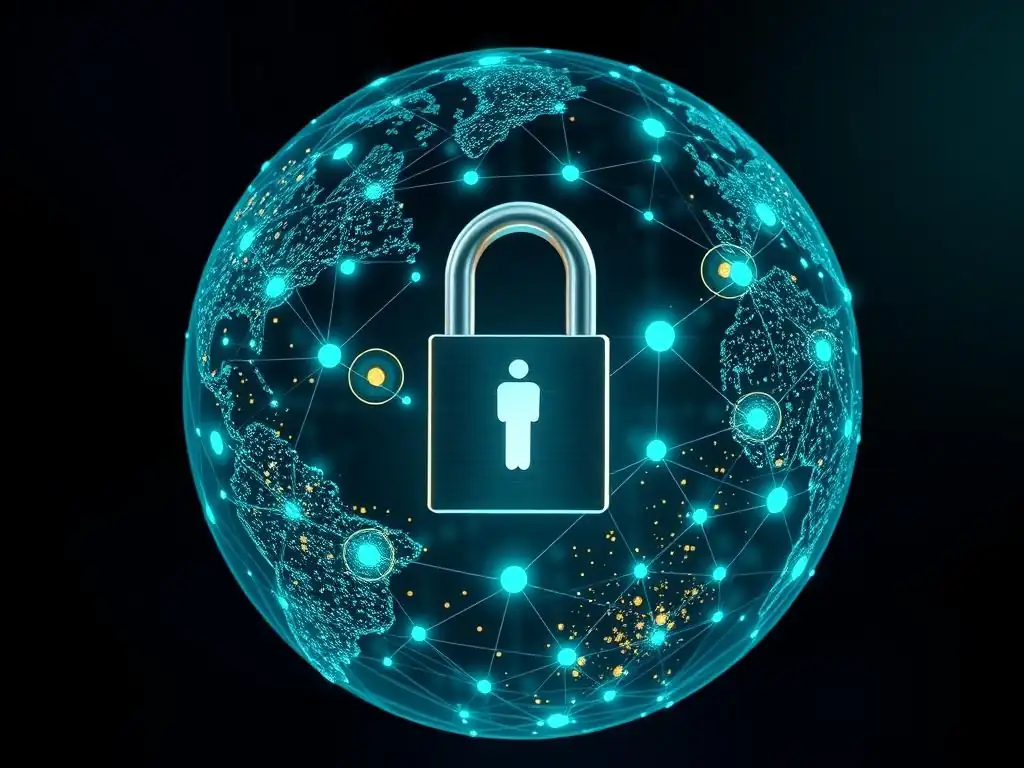
Welcome to Blockchain Trends, your guide to understanding the revolutionary impact of blockchain beyond the hype.
Dive into how this technology is reshaping industries and governance models. Are you ready to explore the future of secure and transparent elections? This article delves into the blockchain voting security benefits, uncovering how decentralized systems are poised to revolutionize electoral processes. Discover how blockchain can safeguard democracy and build trust in our voting systems… Read on to find out more!
Decentralized Voting Explained: How Blockchain Enhances Electoral Processes
- Introduction to Blockchain Voting and its Transformative Potential
- What is Decentralized Voting? A Deep Dive
- Blockchain Voting Security Benefits: A Comprehensive Analysis
- Use Cases of Blockchain Voting: Real-World Examples
- Comparing Blockchain Voting to Traditional and Electronic Voting Systems
- Blockchain Voting Security: Addressing Potential Vulnerabilities
- The Future of Decentralized Voting: Trends and Predictions
- Conclusion: Embracing Blockchain for a More Secure and Transparent Future of Voting
-
Frequently Asked Questions
- How does blockchain technology improve voting security?
- What are the key Blockchain voting security benefits compared to traditional voting systems?
- Can blockchain voting systems prevent voter fraud and manipulation?
- How does DeFi relate to blockchain voting systems and the Blockchain voting security benefits?
- What are the potential challenges in implementing blockchain voting systems for large-scale elections?
- Final Reflection: Embracing the Future of Democratic Trust
- Unleash the Power of Secure Voting: Take Control Now!
Introduction to Blockchain Voting and its Transformative Potential
The Growing Need for Secure and Transparent Voting Systems
In an era where digital technologies permeate almost every aspect of our lives, the integrity and security of electoral processes are paramount. Public trust in democratic institutions hinges on the assurance that elections are fair, transparent, and free from manipulation. However, traditional voting systems are increasingly facing scrutiny due to concerns about potential vulnerabilities to fraud, errors, and lack of transparency.
Recent global events, including allegations of election interference and disputes over vote counts, have amplified the urgency for more robust and verifiable voting mechanisms. The rise of misinformation and disinformation campaigns further underscores the need for systems that can demonstrably prove the integrity of each vote cast and tallied.
The demand for enhanced security and transparency in voting is not merely a theoretical concern but a practical necessity in maintaining democratic legitimacy. Citizens across the globe are demanding greater accountability from their electoral bodies and seeking assurances that their voices are accurately reflected in election outcomes.
This growing demand is fueled by increased awareness of cybersecurity threats and a deeper understanding of the potential for both human error and malicious intent to compromise the integrity of traditional voting processes. Consequently, the exploration of innovative solutions, like blockchain-based voting, is becoming increasingly critical to safeguard democratic principles and restore public confidence in electoral systems.
Understanding the Limitations of Traditional Voting Methods
Traditional voting methods, predominantly paper-based systems, have served as the cornerstone of democratic elections for centuries. Despite their long history, these systems are not without inherent limitations in the modern digital age. Paper-based voting is often criticized for being labor-intensive, expensive to administer, and prone to human error at various stages, from ballot printing and distribution to manual counting and tabulation. The process can be slow, especially in large elections, delaying results and potentially fostering uncertainty and mistrust.
Moreover, paper-based systems can be vulnerable to various forms of fraud, including ballot stuffing, voter impersonation, and manipulation of paper ballots. While safeguards exist, the physical nature of paper ballots makes them susceptible to tampering and loss. Even electronic voting machines (EVMs), while intended to streamline the process, have raised concerns regarding their security and auditability. Many EVMs lack a verifiable paper trail, making independent audits challenging and increasing the risk of undetected manipulation. These limitations highlight the need for exploring alternative voting technologies that can address these vulnerabilities and enhance the overall security and transparency of electoral processes.
How Blockchain Technology Addresses Voting Challenges
Blockchain technology, initially recognized for its role in cryptocurrencies, offers a compelling solution to many of the challenges inherent in traditional voting systems. Its core features, including decentralization, immutability, and transparency, align directly with the requirements for a secure and trustworthy voting process. By leveraging a distributed ledger, blockchain eliminates the single point of failure present in centralized systems, making it significantly more resistant to manipulation and fraud. Every vote recorded on a blockchain is cryptographically secured and timestamped, creating an immutable and auditable record that is virtually impossible to alter retroactively.
Furthermore, the transparency inherent in blockchain technology allows for public verification of the voting process without compromising voter privacy. While individual votes remain anonymous, the aggregate data and the integrity of the vote count can be independently verified by anyone, enhancing trust and accountability. This combination of security, transparency, and immutability makes blockchain a promising technology for revolutionizing electoral processes and addressing the growing need for more secure and reliable voting systems globally.
What is Decentralized Voting? A Deep Dive
Defining Decentralized Voting: Key Principles and Characteristics
Decentralized voting, at its core, is a voting system that leverages distributed technologies, often blockchain, to move away from centralized control and management of electoral processes. Unlike traditional systems where a central authority, such as an election commission, holds sole responsibility and control over all aspects of voting, decentralized voting distributes control and verification across a network of participants. This distribution is a key principle, aiming to reduce the risk of single points of failure and manipulation, and enhance overall system resilience.
Key characteristics of decentralized voting include increased transparency, enhanced security through cryptographic methods, and improved auditability. Transparency is achieved by making the voting process and vote records publicly verifiable, often through a distributed ledger. Security is bolstered by cryptographic techniques that ensure vote integrity and prevent unauthorized alterations. Auditability is enhanced by the immutable nature of the vote records, allowing for independent verification of election results. Decentralized voting systems strive to create a more trustless environment where reliance on central authorities is minimized, and trust is instead placed in the cryptographic and distributed nature of the technology itself.
Exploring the Core Concepts of Blockchain Technology for Voting
Blockchain technology serves as the foundational infrastructure for many decentralized voting systems. Understanding its core concepts is crucial to grasping how it can enhance electoral processes. At its heart, a blockchain is a distributed, immutable ledger that records transactions in blocks, which are cryptographically linked together in a chain.
For voting, each vote can be considered a transaction recorded on the blockchain. The decentralized nature means that the ledger is not stored in a single location but distributed across multiple computers (nodes) in a network. This distribution makes it incredibly difficult for any single entity to tamper with the data.
Immutability is another crucial aspect. Once a block of transactions (votes) is added to the blockchain, it cannot be altered or deleted. This is ensured through cryptographic hash functions, which create a unique digital fingerprint of each block.
Any attempt to change a block would alter its hash, and consequently, the hashes of all subsequent blocks, immediately making the tampering evident to the network. This inherent immutability provides a powerful mechanism for ensuring the integrity of vote records. Furthermore, consensus mechanisms, such as Proof-of-Stake or Proof-of-Work, ensure that all nodes in the network agree on the validity of new blocks before they are added to the chain, further strengthening the security and reliability of the system.
Key Components of a Blockchain-Based Voting System: Smart Contracts, Distributed Ledger, Cryptographic Hash Functions
A fully functional blockchain-based voting system relies on several key components working in concert. Smart contracts are self-executing contracts with the terms of the agreement directly written into code. In voting, smart contracts can automate various aspects of the electoral process, such as voter registration verification, vote tallying, and result dissemination.
They ensure that predefined rules are automatically enforced, reducing the need for manual intervention and minimizing the potential for human error or manipulation. For instance, a smart contract could be programmed to only count votes from verified, registered voters, and to automatically tally votes once the voting period concludes.
The distributed ledger, as discussed earlier, forms the backbone of the system. It provides a transparent and immutable record of all votes cast. Each vote is recorded as a transaction on the ledger, distributed across a network of nodes, ensuring data redundancy and resilience. Cryptographic hash functions are essential for maintaining the integrity and security of the blockchain.
They create unique and irreversible digital fingerprints of each block of transactions. These hashes link blocks together, forming the chain, and any alteration to a block would change its hash and break the chain, immediately signaling tampering. Together, these components – smart contracts, distributed ledger, and cryptographic hash functions – create a robust and secure framework for decentralized voting systems, offering significant blockchain voting security benefits.
Blockchain Voting Security Benefits: A Comprehensive Analysis
Enhanced Security Against Voter Fraud and Tampering
One of the most significant blockchain voting security benefits is the enhanced protection against voter fraud and tampering. Traditional voting systems, both paper-based and electronic, are susceptible to various forms of manipulation, including ballot box stuffing, voter impersonation, and electronic hacking. Blockchain's decentralized and immutable nature significantly mitigates these risks. The distributed ledger makes it extremely difficult for malicious actors to alter vote records undetected, as they would need to compromise a majority of the network nodes simultaneously, which is computationally infeasible in a well-established blockchain network.
Furthermore, cryptographic techniques used in blockchain, such as digital signatures, ensure the authenticity and integrity of each vote. Each voter can be assigned a unique digital identity, verified through cryptographic keys, ensuring that only legitimate voters can cast ballots and preventing voter impersonation. The immutability of the blockchain record means that once a vote is cast and recorded, it cannot be altered or deleted, eliminating the risk of ballot tampering or vote manipulation after the fact. This inherent security significantly strengthens the integrity of the electoral process and increases public trust in the fairness of election outcomes.
Immutability and Auditability of Blockchain Voting Records
Immutability and auditability are cornerstones of blockchain voting security benefits. Once a vote is recorded on a blockchain, it becomes a permanent and unalterable part of the ledger. This immutability is achieved through the cryptographic hashing and distributed consensus mechanisms inherent in blockchain technology. This ensures that vote records cannot be retrospectively changed, deleted, or manipulated by any single entity, including election officials or malicious actors.
The auditability of blockchain voting systems is equally crucial. The transparent nature of the distributed ledger allows for independent verification of the entire voting process and the final vote count. Anyone with access to the blockchain can examine the record of votes cast, ensuring that each vote was properly recorded and tallied.
While voter anonymity is preserved through cryptographic techniques, the aggregate data and the integrity of the vote count are publicly verifiable. This level of auditability significantly enhances transparency and accountability in elections, fostering greater public trust and confidence in the results. Independent audits can be conducted easily and efficiently, providing an additional layer of security and verification.
Reduced Risks of Cyberattacks and Data Breaches in Elections
Traditional and even centralized electronic voting systems are vulnerable to cyberattacks and data breaches. A successful attack on a central election server could potentially compromise vast amounts of voter data or manipulate vote tallies. Blockchain's decentralized architecture inherently reduces these risks. By distributing the voting ledger across a network of nodes, there is no single point of failure that can be targeted by cyberattacks. Compromising a significant portion of the network to manipulate votes is computationally and practically extremely difficult.
Moreover, blockchain's cryptographic security measures, including encryption and hashing, protect voter data and vote records from unauthorized access and breaches. Sensitive voter information can be encrypted and stored securely on the blockchain, while cryptographic hashes ensure the integrity of the data. The distributed nature also means that even if some nodes are compromised, the rest of the network remains operational and maintains the integrity of the voting record. This inherent resilience to cyberattacks and data breaches is a significant blockchain voting security benefit, particularly in an increasingly interconnected and digitally dependent world where cyber threats are constantly evolving.
Use Cases of Blockchain Voting: Real-World Examples
Pilot Programs and Implementations of Blockchain Voting Around the World: Voatz in West Virginia, Follow My Vote in Utah, Agora in Sierra Leone
Despite being a relatively nascent technology in the electoral sphere, blockchain voting has seen several pilot programs and real-world implementations around the globe. One notable example is Voatz, a mobile blockchain voting platform that was used in West Virginia for military personnel stationed overseas in the 2018 and 2020 elections. While Voatz faced scrutiny regarding its security, its use in West Virginia demonstrated a real-world application of blockchain for increasing accessibility for specific voter groups.
Follow My Vote, based in Utah, has been developing open-source blockchain voting software aimed at enhancing transparency and verifiability in elections. While not as widely implemented as Voatz, Follow My Vote represents a push towards open-source and auditable blockchain voting solutions. Agora, another blockchain voting platform, was used in Sierra Leone's 2018 presidential election.
Although the extent of its use and impact is debated, it marked one of the earliest instances of blockchain technology being utilized in a national election context in Africa. These examples, despite varying scales and levels of success, illustrate the growing interest in and exploration of blockchain voting in diverse geographical and political settings.
Addressing Challenges and Overcoming Obstacles in Blockchain Voting Adoption
While the potential blockchain voting security benefits are compelling, the widespread adoption of blockchain voting faces several challenges and obstacles. One significant hurdle is public perception and trust. Many people are still unfamiliar with blockchain technology, and there can be skepticism and apprehension towards using it for something as critical as voting. Education and clear communication about how blockchain voting works and its security features are crucial to building public trust.
Another challenge is regulatory frameworks. Existing election laws and regulations are largely designed for traditional voting systems and may not readily accommodate blockchain-based solutions. Developing appropriate legal frameworks and standards for blockchain voting is essential for its broader adoption. Accessibility and digital literacy are also important considerations.
Ensuring that blockchain voting systems are user-friendly and accessible to all voters, regardless of their technological proficiency or access to technology, is paramount to avoid disenfranchisement. Furthermore, scalability and performance are critical factors for handling large-scale national elections. Blockchain systems need to be capable of processing millions of votes efficiently and reliably. Addressing these challenges through technological innovation, regulatory adaptation, and public education is crucial for realizing the full potential of blockchain voting.
The Impact of Blockchain Voting on Voter Turnout and Engagement
Proponents of blockchain voting suggest it could positively impact voter turnout and engagement, particularly among younger and digitally native demographics. The convenience of online voting, enabled by blockchain technology, could remove barriers to participation for voters who find it difficult to physically go to polling stations, such as those with disabilities, overseas voters, or individuals with mobility limitations. Mobile blockchain voting applications, in particular, could make voting more accessible and convenient, potentially leading to increased voter turnout.
Furthermore, the enhanced transparency and security offered by blockchain voting may increase voter confidence in the electoral process. Knowing that their votes are securely recorded and auditable could encourage greater participation and engagement. Blockchain-based systems could also potentially facilitate more interactive and engaging civic participation beyond just elections, such as online petitions, participatory budgeting, and direct democracy initiatives.
However, it is important to note that the impact of blockchain voting on voter turnout and engagement is still largely theoretical and requires further empirical research and real-world implementation to fully assess its effects. Addressing concerns about accessibility and digital literacy is crucial to ensure that blockchain voting benefits all segments of the population and does not inadvertently create new barriers to participation for some groups.
Comparing Blockchain Voting to Traditional and Electronic Voting Systems

Advantages of Blockchain Voting Over Paper-Based Systems
Compared to traditional paper-based voting systems, blockchain voting offers several distinct advantages. Paper-based systems are inherently labor-intensive, requiring significant manual effort for printing, distributing, collecting, and counting ballots. This process is time-consuming, costly, and prone to human error. Blockchain voting, being a digital system, can automate many of these processes, potentially reducing administrative costs and speeding up vote counting and result dissemination.
Another key advantage is enhanced security and reduced risk of fraud. Paper ballots are susceptible to physical tampering, loss, and destruction. Blockchain's immutability and cryptographic security provide a far more robust defense against fraud and manipulation. Auditability is also significantly improved with blockchain voting.
While auditing paper ballots is a complex and often manual process, blockchain systems offer transparent and easily auditable vote records. Furthermore, blockchain voting can improve accessibility for voters who may face challenges with paper-based systems, such as voters with disabilities or those living abroad. While paper-based systems have the advantage of familiarity and tangibility, blockchain voting offers significant improvements in efficiency, security, and auditability for modern elections.
Blockchain Voting vs. Existing Electronic Voting Machines: A Feature Comparison
When comparing blockchain voting to existing Electronic Voting Machines (EVMs), several key distinctions emerge, highlighting blockchain voting security benefits. Many traditional EVMs are centralized systems, often proprietary, and lack transparency and auditability. Concerns about the security and verifiability of EVMs have been raised in various countries. Blockchain voting, in contrast, is inherently decentralized and transparent, offering greater public verifiability of the voting process.
EVMs often lack a verifiable paper trail, making independent audits challenging. Blockchain systems, while digital, provide an immutable and auditable record of every vote cast, enhancing transparency and trust. Furthermore, traditional EVMs can be vulnerable to hacking and manipulation if their central systems are compromised. Blockchain's distributed architecture reduces the risk of cyberattacks by eliminating single points of failure. While EVMs were initially introduced to improve efficiency and reduce paper usage, blockchain voting aims to address the security and transparency limitations of existing electronic voting methods, offering a more robust and verifiable alternative for the digital age.
Addressing Concerns about Accessibility and Digital Literacy in Blockchain Voting
Concerns about accessibility and digital literacy are legitimate and crucial considerations for the successful implementation of blockchain voting. If not addressed properly, blockchain voting could inadvertently disenfranchise segments of the population who lack access to technology or possess limited digital literacy skills. Ensuring universal access to the internet and necessary devices, such as smartphones or computers, is paramount. Publicly funded internet access points and device loan programs could help bridge the digital divide.
Furthermore, blockchain voting systems must be designed with user-friendliness and intuitive interfaces in mind. Voting applications should be simple to use, even for individuals with limited technological experience. Providing comprehensive voter education and support programs is essential.
This includes clear instructions, multilingual support, and accessible helpdesks to assist voters throughout the voting process. Offline voting options, potentially integrated with blockchain verification, could also be considered to accommodate voters who are unable or unwilling to use online systems. Addressing accessibility and digital literacy concerns proactively is crucial to ensure that blockchain voting is inclusive and benefits all citizens, not just those who are digitally proficient.
Blockchain Voting Security: Addressing Potential Vulnerabilities
Potential Security Threats and Mitigation Strategies for Blockchain Voting
While blockchain technology offers significant blockchain voting security benefits, it is not entirely immune to potential security threats. One potential vulnerability is a 51% attack, where a malicious actor gains control of more than half of the network's computing power and could theoretically manipulate the blockchain. However, for established and large blockchain networks, such an attack is computationally extremely expensive and practically very difficult to execute. Mitigation strategies include using robust consensus mechanisms, such as Proof-of-Stake, which make 51% attacks even more challenging, and continuously monitoring network activity for suspicious patterns.
Another potential threat is related to smart contract vulnerabilities. If smart contracts used in the voting system are poorly coded or contain bugs, they could be exploited to manipulate the voting process. Rigorous auditing and testing of smart contracts by independent security experts are crucial to identify and fix vulnerabilities before deployment.
Furthermore, ensuring the security of voter identity management and key management systems is paramount. Protecting voter credentials and private keys from theft or compromise is essential to prevent unauthorized voting or vote manipulation. Implementing robust cybersecurity measures, multi-factor authentication, and secure key storage practices are critical mitigation strategies.
The Role of Cryptography in Ensuring Secure Blockchain Voting Processes
Cryptography is the bedrock of blockchain voting security. Cryptographic hash functions, digital signatures, and encryption algorithms are fundamental to ensuring the integrity, authenticity, and confidentiality of votes. Cryptographic hash functions create unique and irreversible digital fingerprints of vote data and blocks, ensuring immutability and tamper-evidence. Digital signatures use public-key cryptography to authenticate voters and verify the integrity of votes. Each voter's vote can be digitally signed using their private key, and this signature can be verified by anyone using the voter's public key, ensuring that the vote originated from a legitimate voter and has not been altered.
Encryption algorithms can be used to protect the confidentiality of votes, ensuring voter privacy. Votes can be encrypted before being recorded on the blockchain, and only authorized parties with decryption keys can access the vote details, while still allowing for public verification of the vote count. The strength and robustness of the cryptographic algorithms used are critical for the overall security of the blockchain voting system. Regularly updating cryptographic protocols and adopting best practices in cryptographic implementation are essential to stay ahead of potential vulnerabilities and maintain a high level of security.
Best Practices for Implementing Secure and Reliable Blockchain Voting Systems
Implementing secure and reliable blockchain voting systems requires adherence to best practices across various aspects of system design, development, and deployment. Firstly, security should be a primary consideration from the outset. "Security by design" principles should be adopted, integrating security measures into every stage of the development lifecycle. This includes threat modeling, vulnerability assessments, and penetration testing to identify and mitigate potential security risks proactively. Utilizing open-source and peer-reviewed blockchain platforms and cryptographic libraries can enhance transparency and allow for community scrutiny, leading to more robust and secure systems.
Rigorous testing and auditing are crucial. Smart contracts and the entire voting system should undergo thorough testing, including functional testing, performance testing, and security audits by independent experts. Regular security audits and vulnerability assessments should be conducted throughout the system's lifecycle. Voter education and training are also essential. Voters need to be educated about how the blockchain voting system works, its security features, and how to cast their votes securely.
Clear and accessible instructions, user-friendly interfaces, and readily available support are crucial for ensuring voter confidence and participation. Finally, continuous monitoring and improvement are vital. Blockchain voting systems should be continuously monitored for security threats and performance issues. Regular updates, security patches, and system improvements should be implemented to address emerging threats and enhance the overall security and reliability of the system.
The Future of Decentralized Voting: Trends and Predictions
The Evolution of Blockchain Voting Technology and its Applications
The evolution of blockchain voting technology is ongoing, with continuous advancements in scalability, security, and usability. Current research and development efforts are focused on improving the efficiency and throughput of blockchain networks to handle large-scale elections. Layer-2 scaling solutions and sharding techniques are being explored to enhance transaction processing speeds and reduce transaction costs. Furthermore, advancements in cryptographic techniques, such as zero-knowledge proofs and homomorphic encryption, are being investigated to enhance voter privacy and data security in blockchain voting systems.
Beyond traditional elections, blockchain voting technology is finding potential applications in various other governance and decision-making processes. These include corporate shareholder voting, online petitions, community governance, and decentralized autonomous organizations (DAOs). The transparency and security features of blockchain can enhance the integrity and accountability of these processes, fostering greater participation and trust. As blockchain technology matures and becomes more widely understood, its applications in voting and governance are expected to expand significantly.
Regulatory Landscape and Policy Considerations for Blockchain Voting
The regulatory landscape for blockchain voting is still evolving and varies significantly across jurisdictions. Currently, there are no specific international standards or universally adopted regulations for blockchain voting. However, governments and regulatory bodies are increasingly paying attention to the potential of blockchain for elections and are beginning to explore policy and legal frameworks. Some jurisdictions are conducting pilot programs and exploring legislative changes to accommodate blockchain voting, while others are taking a more cautious approach, focusing on addressing security and accessibility concerns before widespread adoption.
Policy considerations for blockchain voting include defining legal frameworks for online voting and digital identities, establishing standards for security and auditability, and addressing voter privacy and data protection concerns. Interoperability and standardization are also important to ensure that different blockchain voting systems can communicate and function together. International collaboration and knowledge sharing among governments, technology developers, and election experts are crucial to developing effective and harmonized regulatory frameworks that promote the responsible and secure adoption of blockchain voting.
The Long-Term Impact of Blockchain Voting on Democratic Processes and Governance
The long-term impact of blockchain voting on democratic processes and governance could be transformative. By enhancing security, transparency, and accessibility, blockchain voting has the potential to strengthen democratic institutions and increase public trust in elections. Reduced voter fraud and increased auditability could lead to greater confidence in election outcomes and reduce post-election disputes and social unrest. Increased voter turnout, facilitated by online and mobile voting, could lead to more representative and legitimate electoral mandates.
Furthermore, blockchain voting could pave the way for more direct and participatory forms of democracy. Beyond periodic elections, blockchain-based platforms could enable citizens to participate more actively in decision-making processes through online consultations, participatory budgeting, and direct democracy initiatives. This could lead to more responsive and accountable governance and empower citizens to have a greater say in shaping their societies. However, realizing this transformative potential requires careful planning, addressing challenges related to accessibility, digital literacy, and security, and fostering public trust and acceptance of blockchain voting technology.
Conclusion: Embracing Blockchain for a More Secure and Transparent Future of Voting
Summarizing the Key Advantages of Blockchain Voting
Blockchain voting offers a compelling array of advantages that address critical challenges facing traditional electoral processes. The key blockchain voting security benefits include enhanced security against voter fraud and tampering through decentralization and cryptographic protection, immutability and auditability of vote records ensuring transparency and verifiability, and reduced risks of cyberattacks and data breaches due to its distributed architecture. These benefits collectively contribute to a more secure, transparent, and trustworthy voting system.
Blockchain voting also promises to improve efficiency by automating processes and reducing administrative burdens, potentially increasing voter turnout through enhanced accessibility and convenience, and fostering greater public trust in elections through increased transparency and verifiability. While challenges related to accessibility, digital literacy, and regulatory frameworks remain, the potential of blockchain to revolutionize voting and governance is undeniable.
Call to Action: Promoting the Adoption of Secure and Decentralized Voting Solutions
To realize the transformative potential of blockchain voting, a concerted effort is needed from governments, technology developers, election administrators, and civil society organizations. Promoting research and development in blockchain voting technology, focusing on scalability, security, and usability, is crucial. Pilot programs and real-world implementations should be encouraged to test and refine blockchain voting systems in diverse contexts and gather empirical data on their effectiveness and impact.
Developing appropriate regulatory frameworks and standards for blockchain voting is essential to ensure security, transparency, and voter protection. Public education and awareness campaigns are needed to build public trust in blockchain technology and address concerns about its adoption in voting. Collaboration and knowledge sharing among stakeholders are vital to foster innovation, address challenges, and promote the responsible and secure adoption of decentralized voting solutions. Embracing blockchain for voting is not merely about technological advancement; it is about strengthening democratic processes, enhancing citizen participation, and building a more secure and transparent future for governance worldwide.
Frequently Asked Questions
How does blockchain technology improve voting security?
Blockchain ensures voting security through its immutable ledger, making votes tamper-proof. Each vote is recorded as a block, linked to previous ones, creating a transparent and auditable trail.
What are the key Blockchain voting security benefits compared to traditional voting systems?
Blockchain voting provides enhanced transparency, security, and auditability compared to traditional systems. It reduces the risk of fraudulent activities and increases voter trust.
Can blockchain voting systems prevent voter fraud and manipulation?
Yes, by leveraging cryptographic techniques and a distributed ledger, blockchain voting systems significantly reduce the risk of voter fraud and manipulation. The decentralized nature makes it harder to alter votes.
How does DeFi relate to blockchain voting systems and the Blockchain voting security benefits?
While DeFi focuses on decentralized finance, the underlying blockchain principles used in DeFi, like smart contracts and secure transactions, are applicable to building robust and secure voting systems. This enhances the Blockchain voting security benefits.
What are the potential challenges in implementing blockchain voting systems for large-scale elections?
Challenges include ensuring scalability to handle large voter volumes, addressing accessibility concerns for all citizens, and navigating regulatory hurdles and public perception regarding technology adoption.
Final Reflection: Embracing the Future of Democratic Trust
The exploration of decentralized voting systems, particularly through the lens of blockchain technology, reveals a compelling vision for the future of elections. The promise of enhanced transparency, security, and accessibility is no longer a distant dream but a tangible possibility, poised to reshape how we engage with democratic processes and rebuild trust in electoral outcomes. The potential for blockchain voting security benefits is immense, offering a robust defense against manipulation and fraud.
This technology's influence extends far beyond mere technical upgrades; it touches the very core of civic engagement. The ability to verify one's vote and witness the immutable record of the election fosters a sense of ownership and accountability that is sorely needed in our current climate of political polarization. Democracy dies in darkness,
a sentiment that underscores the critical need for transparent and verifiable systems, a need that blockchain voting is uniquely positioned to address.
As we conclude this journey into the realm of decentralized voting, I invite you to consider the profound implications of this technology. How can we, as individuals and communities, advocate for the responsible implementation of blockchain voting systems? How can we ensure that these systems are accessible to all, regardless of technological literacy or socioeconomic status? Let us embrace the potential of blockchain to fortify our democracies and build a future where every voice is heard, and every vote is counted, with unwavering certainty.
Unleash the Power of Secure Voting: Take Control Now!
Thank you for exploring the world of blockchain and decentralized voting. We hope this article has shed light on how blockchain can enhance transparency and security in our electoral systems. Now, it's time to turn that knowledge into action.
Are you ready to help build a more secure and transparent voting future? Here are some steps you can take today:
- Research local efforts advocating for electoral reform and find ways to get involved. Your participation can make a real difference in shaping the future of voting in your community.
- Share this article with friends and colleagues to encourage discussions about the advantages of blockchain-based voting. Education is essential for widespread adoption!
- Continue exploring related topics to deepen your understanding of blockchain technology and its many applications.
What voting challenge in your community could blockchain help solve? How can you contribute toward making that solution a reality? Share your thoughts in the comments below!
Leave a Reply