
Decentralized Metaverses and the Future of Digital Experiences: Immersive and Personalized

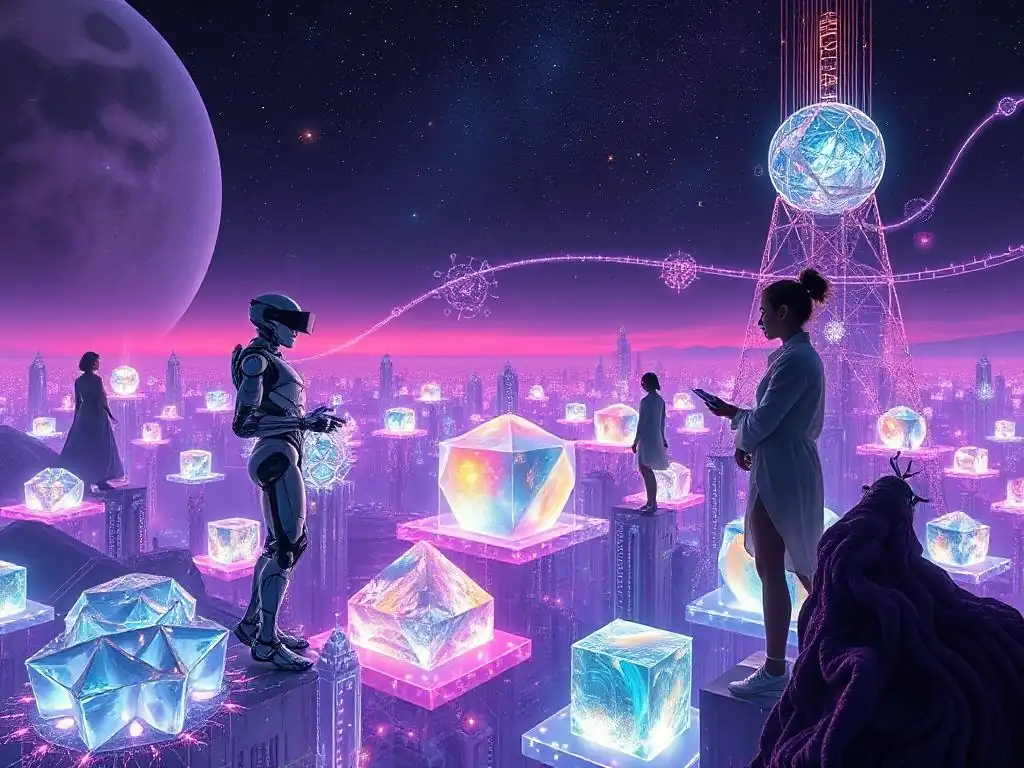
Welcome to Blockchain Trends, your compass in navigating the ever-evolving world of decentralized technologies. Prepare to delve deeper than just the headlines. Ever wondered how blockchain is revolutionizing the metaverse, creating truly immersive and personalized digital experiences? Our latest article, "Decentralized Metaverses and the Future of Digital Experiences: Immersive and Personalized," explores this very question, uncovering the exciting possibilities that lie ahead. Discover how blockchain is shaping the future – and what it means for you. Intrigued? Let's explore the blockchain metaverse together...
Decentralized Metaverses and the Future of Digital Experiences: Immersive and Personalized
- Introduction: The Rise of Decentralized Metaverses and Immersive Experiences
- Understanding Blockchain Technology and its Applications in the Metaverse
- Key Features of Decentralized Metaverse Platforms
- Immersive Experiences in the Blockchain Metaverse: A Deep Dive
- The Future of Personalized Experiences in Decentralized Metaverses
- Use Cases: Blockchain Metaverse Immersive Experiences in Action
- Challenges and Opportunities in the Decentralized Metaverse Landscape
- Comparing Centralized vs. Decentralized Metaverse Platforms
- The Impact of Blockchain Metaverses on the Future of Digital Interaction
- Conclusion: Embracing the Potential of Blockchain Metaverses for Immersive and Personalized Digital Experiences
-
Frequently Asked Questions
- What are the key benefits of a decentralized metaverse compared to traditional centralized platforms?
- How can blockchain technology enhance the immersive nature of metaverse experiences?
- What role does DeFi (Decentralized Finance) play in the development of blockchain-based metaverses?
- What are some of the regulatory challenges facing the development and adoption of blockchain metaverses?
- How will blockchain metaverse immersive experiences shape the future of digital interaction and social connection?
- Final Reflection: Embracing the Decentralized Metaverse
- Dive Deeper: Shape Your Metaverse Future!
Introduction: The Rise of Decentralized Metaverses and Immersive Experiences
Defining the Decentralized Metaverse: A User-Owned Digital Realm
The concept of a metaverse, a persistent, shared, 3D virtual world, is rapidly evolving. While early iterations often resided within centralized platforms controlled by corporations, a paradigm shift is underway towards decentralized metaverses. A decentralized metaverse, fundamentally, is a digital realm where users, rather than corporations, hold significant ownership and control.
This is achieved through the integration of blockchain technology, which underpins the infrastructure and governance of these virtual worlds. Unlike centralized platforms where user data and digital assets are controlled by a single entity, decentralized metaverses leverage blockchain to distribute power and ownership across the network participants, fostering a more democratic and user-centric digital experience.
This shift towards decentralization is not merely a technical distinction; it represents a philosophical divergence from the traditional internet landscape. Imagine a digital world where your avatar, your virtual land, and your creations are truly yours, secured by blockchain and not subject to the terms of service of a single company.
This is the promise of the decentralized metaverse – a digital frontier where individuals have greater agency, economic empowerment, and creative freedom. The underlying principle is that by distributing control and ownership, decentralized metaverses can unlock new forms of digital interaction and economic opportunities, paving the way for a more equitable and immersive digital future.
The Growing Demand for Personalized and Immersive Digital Experiences
Contemporary users are no longer satisfied with passive digital consumption. There's a burgeoning demand for personalized and immersive digital experiences that go beyond flat screens and static content. This desire is fueled by advancements in technologies like Virtual Reality (VR), Augmented Reality (AR), and Artificial Intelligence (AI), which are converging to create richer, more engaging digital environments. People are seeking experiences that are not only visually captivating but also deeply interactive, personalized to their preferences, and capable of fostering a sense of presence and belonging.
This demand is evident in the explosive growth of the gaming industry, the increasing popularity of social VR platforms, and the burgeoning interest in virtual events and concerts. Consider the music industry, for example. Artists like Ariana Grande and Travis Scott have hosted virtual concerts within platforms like Fortnite and Roblox, attracting millions of attendees globally.
These events showcase the appetite for immersive digital experiences that transcend geographical limitations and offer unique forms of entertainment. Furthermore, the rise of personalized content feeds on social media and streaming services demonstrates the expectation for digital experiences tailored to individual tastes and needs. The decentralized metaverse is poised to capitalize on this trend, offering unprecedented levels of personalization and immersion within user-owned and controlled digital spaces.
Blockchain's Role in Shaping the Future of Metaverses
Blockchain technology is not just a buzzword in the context of metaverses; it is the foundational layer that enables the creation of decentralized, user-owned, and truly immersive digital worlds. Its inherent characteristics – decentralization, transparency, security, and immutability – are perfectly aligned with the core principles of a next-generation metaverse. Blockchain provides the infrastructure for secure digital ownership through NFTs, facilitates decentralized governance through DAOs, and enables interoperability between different virtual worlds via open standards and smart contracts.
Specifically, blockchain addresses critical limitations of centralized metaverse platforms. In centralized systems, users are essentially renters in a digital space controlled by a corporation. Blockchain flips this paradigm, allowing users to own their digital assets, participate in governance decisions, and benefit directly from the value they create within the metaverse ecosystem. This shift towards user empowerment is crucial for fostering a vibrant and sustainable metaverse economy. Moreover, the transparency and immutability of blockchain enhance trust and security within these virtual environments, crucial factors for widespread adoption and long-term growth of blockchain-based immersive experiences.
Understanding Blockchain Technology and its Applications in the Metaverse
How Blockchain Enables Decentralization in Virtual Worlds
Blockchain technology is the cornerstone of decentralization in virtual worlds, fundamentally altering how metaverses are structured and operated. At its core, a blockchain is a distributed ledger, meaning data is not stored in a single, central location but rather across a network of computers. This distributed nature inherently makes the system more resilient to censorship, single points of failure, and manipulation. In the context of a metaverse, this means that no single entity controls the entire virtual world; instead, control is distributed among participants in the network.
Consider the analogy of a public record book that is shared across many people. Every transaction and piece of information added to this book is verified by multiple participants, ensuring its accuracy and preventing tampering. This is similar to how blockchain operates.
In a decentralized metaverse, this distributed ledger can track ownership of digital assets, govern in-world economies, and manage user identities, all without relying on a central authority. Platforms like Decentraland and The Sandbox exemplify this, where land ownership and in-world items are recorded on a blockchain, giving users verifiable and immutable ownership of their digital assets within these immersive experiences. This decentralization is key to fostering trust and user agency within the blockchain metaverse.
Smart Contracts: Powering Automation and Interoperability in the Metaverse
Smart contracts are self-executing agreements written in code and stored on a blockchain. They automatically enforce the terms of a contract when predetermined conditions are met, without the need for intermediaries. In the metaverse, smart contracts are powerful tools for automating various processes and enabling interoperability between different virtual worlds and applications, leading to more dynamic and seamless immersive experiences.
Imagine buying a piece of virtual land in a decentralized metaverse. Instead of relying on a central marketplace and manual transaction processes, a smart contract can automatically execute the land transfer and payment once the buyer and seller agree on the terms. This automation streamlines transactions, reduces fees, and enhances security. Furthermore, smart contracts are crucial for interoperability.
They can facilitate the transfer of digital assets, such as avatars or in-game items, between different blockchain-based metaverses. For example, a smart contract could enable a user to use the same digital avatar across multiple virtual worlds, creating a more unified and portable digital identity within the blockchain metaverse and enhancing the immersive experience. Platforms like Ethereum and Solana provide robust infrastructures for deploying and executing these metaverse-enabling smart contracts.
NFTs (Non-Fungible Tokens) and Digital Ownership in Decentralized Metaverses
Non-Fungible Tokens (NFTs) are unique digital assets that represent ownership of a specific item or piece of content on a blockchain. Unlike cryptocurrencies, which are fungible (interchangeable), each NFT is distinct and verifiable, making them ideal for representing digital ownership in the metaverse. NFTs are revolutionizing digital ownership by providing provable scarcity and authenticity to digital assets, from virtual land and avatars to in-game items and digital art within immersive experiences.
Consider a piece of digital art created within a metaverse. By tokenizing it as an NFT, the creator can prove its authenticity and scarcity. Buyers who purchase this NFT gain verifiable ownership of the artwork, which is recorded on the blockchain and cannot be duplicated or counterfeited. This digital scarcity and ownership are fundamental to creating robust metaverse economies.
NFTs empower creators by giving them control over their digital creations and enabling them to monetize their work directly. Furthermore, NFTs allow users to truly own their digital assets within the metaverse, fostering a sense of investment and agency in their virtual identities and possessions, contributing significantly to the immersive nature of these experiences. Marketplaces like OpenSea and Rarible are prominent platforms for trading metaverse-related NFTs.
Blockchain-Based Identity Management for Metaverse Avatars
Managing digital identities in the metaverse is crucial for personalization and seamless user experiences. Blockchain technology offers secure and decentralized solutions for identity management, empowering users with greater control over their avatars and personal data within immersive experiences. Instead of relying on centralized platforms that control user data, blockchain-based identity systems allow users to own and manage their digital identities, enhancing privacy and security.
Imagine using the same avatar and digital identity across multiple decentralized metaverse platforms without needing to create separate accounts and profiles for each. Blockchain-based identity solutions, often leveraging Self-Sovereign Identity (SSI) principles, make this possible. Users can control their digital credentials and selectively share information with different metaverse applications as needed.
This not only simplifies user experience but also enhances privacy, as users are not constantly surrendering their data to centralized platforms. Projects like Metamask and Civic are exploring blockchain-based identity solutions that can be integrated into metaverses, enabling users to create persistent and portable digital identities that enhance personalization and control within their immersive experiences.
Key Features of Decentralized Metaverse Platforms
User-Generated Content and Creative Freedom
Decentralized metaverse platforms are characterized by a strong emphasis on user-generated content (UGC) and creative freedom. Unlike centralized platforms where content creation is often restricted or curated by the platform owner, decentralized metaverses empower users to build, create, and share their own experiences and assets. This fosters a vibrant and diverse ecosystem driven by community creativity, leading to richer and more personalized immersive experiences.
Consider platforms like Roblox or Minecraft, which have thrived on UGC. Decentralized metaverses take this concept further by combining it with blockchain-based ownership. Users not only create content but also own it as NFTs, enabling them to monetize their creations and participate in the metaverse economy.
For example, in The Sandbox, users can create voxel-based assets and games, tokenize them as NFTs, and sell them to other users. This economic incentive and creative freedom unlock a vast potential for innovation and diversity within the metaverse. This user-centric approach to content creation is a defining feature of decentralized metaverses, fostering a sense of ownership and community that is crucial for long-term engagement and immersive experiences.
Digital Land Ownership and Virtual Real Estate
Digital land ownership is a core concept in many decentralized metaverses, transforming the idea of virtual real estate. In these platforms, virtual land is represented as NFTs on a blockchain, granting users verifiable and immutable ownership of specific parcels of digital space. This ownership model mirrors real-world property rights, allowing users to buy, sell, rent, and develop their virtual land, creating new economic opportunities and enhancing the sense of ownership within immersive experiences.
Platforms like Decentraland and CryptoVoxels are prime examples of metaverses built around digital land ownership. Users can purchase land parcels as NFTs and build upon them, creating virtual stores, galleries, event spaces, or personal homes. The scarcity of land, often programmed into the metaverse's design, can drive value and create a virtual real estate market.
For instance, virtual land parcels in popular decentralized metaverses have been sold for significant sums, reflecting the growing demand and perceived value of digital real estate. This concept of digital land ownership not only creates economic opportunities but also fosters a deeper sense of presence and belonging within the metaverse, as users can establish a permanent digital footprint and contribute to the evolving landscape of these immersive virtual worlds.
Decentralized Governance and Community Participation
Decentralized governance is a key feature distinguishing blockchain metaverses from their centralized counterparts. Many decentralized platforms implement Decentralized Autonomous Organizations (DAOs) to enable community-driven governance. DAOs are organizations governed by rules encoded in smart contracts and decisions are made through voting by token holders, ensuring that the metaverse evolves according to the collective will of its users, fostering a more democratic and participatory immersive experience.
Imagine a metaverse where users can vote on proposed changes to the platform's rules, features, or economic models. This is the reality of DAO-based governance. Token holders, who often represent landowners or active participants in the metaverse, can submit proposals and vote using their tokens.
This decentralized decision-making process ensures that the metaverse is not controlled by a single entity but rather by its community. Platforms like Decentraland utilize a DAO to govern aspects of the metaverse, allowing LAND owners to vote on key decisions. This participatory governance model fosters a sense of ownership and responsibility among users, making them active stakeholders in the metaverse's development and contributing to a more engaging and community-driven immersive experience.
Interoperability and Cross-Platform Compatibility
Interoperability and cross-platform compatibility are crucial for the long-term vision of a truly open and interconnected metaverse. Decentralized metaverses are increasingly focused on enabling users to seamlessly move their avatars, digital assets, and experiences between different virtual worlds and platforms. This vision of a connected metaverse ecosystem, where users are not locked into a single platform, is essential for creating a richer and more versatile immersive experience.
Currently, the metaverse landscape is largely fragmented, with different platforms operating in silos. However, the push for interoperability is gaining momentum. Standardized protocols and technologies are being developed to facilitate the transfer of digital assets and identities across different blockchain networks and metaverse platforms.
For example, projects are exploring ways to allow users to use the same avatar and digital items across different virtual worlds that support interoperability standards. This seamless integration would unlock new possibilities for users to explore diverse metaverse experiences without losing their digital identity or accumulated assets, creating a more unified and immersive digital landscape. The adoption of open standards and collaborative efforts are key to realizing this vision of a truly interoperable and interconnected blockchain metaverse.
Immersive Experiences in the Blockchain Metaverse: A Deep Dive
Virtual Reality (VR) and Augmented Reality (AR) Integration
Virtual Reality (VR) and Augmented Reality (AR) technologies are pivotal in enhancing immersion within blockchain metaverses. VR provides fully immersive digital environments that transport users into virtual worlds, while AR overlays digital content onto the real world. Integrating VR and AR with decentralized metaverse platforms amplifies the sense of presence and engagement, creating truly captivating and personalized immersive experiences.
VR headsets like Oculus Quest and HTC Vive enable users to fully immerse themselves in virtual worlds, interacting with environments and other avatars in a highly realistic manner. Many decentralized metaverse platforms are designed to be compatible with VR, offering users a heightened sense of presence and embodiment within these virtual spaces. AR, on the other hand, can bridge the gap between the physical and digital worlds, allowing users to interact with metaverse content overlaid onto their real-world surroundings.
Imagine using AR glasses to view virtual art NFTs displayed in your living room or participating in a metaverse event that appears to be happening in your physical space. The convergence of VR and AR with blockchain metaverses is paving the way for increasingly sophisticated and seamlessly integrated immersive experiences, blurring the lines between the physical and digital realms.
Spatial Audio and Haptic Feedback for Enhanced Immersion
Beyond visual immersion, spatial audio and haptic feedback are crucial for creating truly believable and engaging metaverse experiences. Spatial audio simulates realistic sound environments, allowing users to perceive sounds as originating from specific locations within the virtual world, enhancing the sense of presence and realism. Haptic feedback provides tactile sensations, allowing users to "feel" interactions within the metaverse, further deepening immersion and engagement in these personalized experiences.
Spatial audio technology allows sounds in the metaverse to react dynamically to the user's position and orientation, creating a more realistic and believable auditory environment. For example, in a virtual concert, spatial audio can make it sound like music is coming from the stage in front of you, and conversations with other avatars sound like they are happening from their actual location in the virtual space. Haptic feedback devices, such as haptic suits or gloves, provide tactile sensations that correspond to virtual interactions.
Imagine feeling the recoil of a virtual weapon or the texture of a virtual object. Integrating spatial audio and haptic feedback into blockchain metaverses significantly enhances sensory immersion, making virtual experiences more realistic, engaging, and personalized.
Personalized Avatars and Digital Identities
Personalized avatars are central to the immersive experience of blockchain metaverses, serving as users' digital representations and embodiments within these virtual worlds. Decentralized metaverses often offer extensive customization options, allowing users to create unique avatars that reflect their identity and personality. Furthermore, linking avatars to blockchain-based digital identities ensures ownership and portability across different platforms, enhancing personalization and user agency within immersive experiences.
Users can customize various aspects of their avatars, including appearance, clothing, accessories, and even animations, to create a digital representation that resonates with their personal style and preferences. NFT technology can be used to represent unique avatar components, such as clothing or accessories, allowing users to collect and trade rare and personalized items.
Moreover, blockchain-based identity management allows users to link their avatars to their digital identities, ensuring ownership and control over their virtual representation. This personalization and ownership of avatars are crucial for fostering a sense of self and presence within the metaverse, making immersive experiences more meaningful and engaging.
Gamification and Interactive Storytelling in Virtual Worlds
Gamification and interactive storytelling are powerful tools for enhancing engagement and immersion in blockchain metaverses. Integrating game mechanics, such as quests, challenges, rewards, and social interactions, can make virtual experiences more dynamic and captivating. Interactive storytelling allows users to actively participate in narratives and shape the metaverse's evolving story, further personalizing and enriching their immersive experiences.
Many decentralized metaverse platforms incorporate gamified elements to encourage user participation and exploration. For example, users might earn rewards for completing tasks, exploring new areas, or interacting with other users. Interactive storytelling can take various forms, from user-driven narratives where users contribute to the metaverse's lore, to immersive experiences with branching storylines where user choices impact the outcome. Platforms like Somnium Space are exploring interactive storytelling and gamified experiences within their metaverse. By blending gamification and interactive narratives, blockchain metaverses can create more engaging, rewarding, and personalized immersive experiences that captivate users and foster long-term participation.
The Future of Personalized Experiences in Decentralized Metaverses
AI-Powered Customization and Adaptive Environments
Artificial Intelligence (AI) is poised to revolutionize personalization within decentralized metaverses. AI algorithms can analyze user data, preferences, and behaviors to dynamically customize metaverse environments, content, and experiences in real-time. This adaptive personalization will lead to more engaging, relevant, and uniquely tailored immersive experiences for each user.
Imagine a metaverse environment that adapts to your mood or interests. AI could analyze your activity patterns, preferences, and even biometric data (with user consent) to adjust the metaverse's visual aesthetics, soundscapes, and content recommendations. For example, if you are interested in art, the metaverse might automatically curate virtual art galleries based on your taste.
AI can also power personalized NPCs (Non-Player Characters) that interact with users in a more meaningful and context-aware way. This level of AI-powered customization will create highly personalized and adaptive metaverse experiences that cater to individual needs and preferences, significantly enhancing immersion and engagement in the future of blockchain metaverses.
Data Privacy and User Control in Personalized Experiences
While personalization is key to immersive experiences, data privacy and user control are paramount in decentralized metaverses. Blockchain technology itself offers inherent privacy features, and decentralized platforms are designed to prioritize user data ownership and control. The future of personalized experiences in the blockchain metaverse must balance customization with robust privacy safeguards, empowering users to control their data and how it is used for personalization.
Decentralized identity solutions, as discussed earlier, are crucial for giving users control over their personal data. Users should be able to selectively share data with metaverse applications and services, granting permissions only for specific purposes and revoking access as needed.
Privacy-enhancing technologies, such as zero-knowledge proofs and homomorphic encryption, can further enhance data privacy within metaverses by allowing for data processing and personalization without revealing sensitive user information. The focus on data privacy and user control is a defining characteristic of decentralized metaverses, ensuring that personalized experiences are delivered responsibly and ethically, respecting user autonomy and fostering trust in these immersive environments.
The Role of DAOs (Decentralized Autonomous Organizations) in Metaverse Governance
Decentralized Autonomous Organizations (DAOs) will play an increasingly crucial role in governing personalized experiences within blockchain metaverses. DAOs can be used to manage user data, define personalization algorithms, and establish ethical guidelines for data usage within the metaverse ecosystem. This community-driven governance approach ensures that personalization is implemented transparently and responsibly, aligning with the values of decentralization and user empowerment.
DAOs can be used to create and enforce data privacy policies within the metaverse. Token holders can vote on proposals related to data collection, usage, and security, ensuring that user data is handled according to community-defined standards. DAOs can also oversee the development and deployment of AI-powered personalization algorithms, ensuring that these algorithms are fair, unbiased, and aligned with user preferences. This decentralized governance model for personalization is essential for building trust and ensuring that personalized experiences within blockchain metaverses are ethical, transparent, and user-centric.
Personalized Learning Environments in the Metaverse
The metaverse holds immense potential for creating personalized learning environments that cater to individual learning styles and needs. Decentralized metaverses can leverage AI and interactive technologies to deliver customized educational experiences, making learning more engaging, effective, and accessible. Personalized learning environments in the metaverse can transform education and training across various fields, offering immersive and adaptive learning journeys.
Imagine a virtual classroom that adapts to each student's pace and learning style. AI-powered tutors can provide personalized feedback and guidance, while interactive simulations and gamified lessons can make learning more engaging and hands-on. Decentralized metaverses can also facilitate peer-to-peer learning and collaboration, connecting learners from around the world in immersive virtual environments.
For example, medical students could practice surgical procedures in a virtual operating room, or language learners could immerse themselves in virtual cultural environments to practice their language skills. Personalized learning environments in the metaverse represent a significant opportunity to revolutionize education and training, creating more effective, accessible, and engaging learning experiences for individuals worldwide.
Use Cases: Blockchain Metaverse Immersive Experiences in Action

Virtual Events and Concerts
Virtual events and concerts in blockchain metaverses are rapidly gaining popularity, offering immersive and interactive experiences that transcend geographical limitations. These virtual gatherings leverage the immersive capabilities of metaverses to create engaging events that can reach global audiences, offering personalized and interactive alternatives to traditional physical events.
Artists like Justin Bieber and Deadmau5 have hosted concerts within metaverse platforms like Wave and Decentraland, attracting millions of virtual attendees. These events often feature interactive elements, such as virtual meet-and-greets, digital merchandise, and customizable avatars, enhancing the fan experience. Virtual events in metaverses are not limited to music; they also include conferences, product launches, and social gatherings.
For example, companies are using metaverses to host virtual product demonstrations and corporate events, reaching a wider audience and creating more engaging brand experiences. Blockchain technology can further enhance these events through NFT ticketing, digital collectibles, and decentralized event management, making virtual events in the metaverse a compelling and personalized alternative to physical gatherings.
Online Education and Training
Online education and training are being transformed by the immersive capabilities of blockchain metaverses. Virtual learning environments in metaverses offer more engaging and interactive alternatives to traditional online learning platforms, providing personalized and experiential learning opportunities across diverse fields.
Medical schools are using VR-integrated metaverses to train surgeons in virtual operating rooms, allowing them to practice complex procedures in a safe and realistic environment. Corporate training programs are leveraging metaverses to create immersive simulations for employee onboarding and skill development. Language learning in the metaverse can involve immersive cultural experiences and interactive conversations with virtual language partners.
Platforms like Engage and Virbela are examples of metaverses being used for educational and training purposes. The personalized and interactive nature of metaverse-based learning environments has the potential to significantly improve learning outcomes and make education more accessible and engaging for learners of all ages and backgrounds.
Digital Art and Collectibles Marketplaces
Blockchain metaverses are becoming vibrant marketplaces for digital art and collectibles, leveraging NFTs to establish ownership and authenticity. Virtual art galleries and marketplaces within metaverses provide immersive spaces for artists to showcase and sell their digital creations, and for collectors to discover and acquire unique digital assets, fostering a thriving creator economy and personalized collecting experiences.
Platforms like CryptoVoxels and Decentraland have dedicated districts for virtual art galleries and NFT marketplaces. Artists can create virtual galleries to display their NFT artwork, attracting visitors and potential buyers within the metaverse. Collectors can browse virtual galleries, interact with digital art in immersive 3D environments, and purchase NFTs directly through integrated marketplaces.
The immersive nature of metaverses enhances the experience of discovering and appreciating digital art, creating a more engaging and personalized way to interact with digital collectibles. Blockchain technology ensures the authenticity and scarcity of these digital assets, making metaverse marketplaces a secure and compelling platform for the digital art and collectibles market.
Remote Collaboration and Virtual Workspaces
Remote collaboration and virtual workspaces in blockchain metaverses offer immersive and interactive alternatives to traditional video conferencing and remote work tools. Virtual offices and meeting spaces in metaverses provide a greater sense of presence and social interaction for remote teams, enhancing communication, collaboration, and team cohesion, leading to more personalized and engaging virtual work experiences.
Companies are exploring the use of metaverses to create persistent virtual workspaces where remote teams can collaborate, meet, and socialize. Virtual offices can be customized to reflect company culture and provide employees with personalized virtual environments. Immersive meeting spaces in metaverses can facilitate more engaging and interactive meetings compared to traditional video calls. Platforms like Horizon Workrooms and Spatial are examples of metaverses designed for virtual collaboration. The enhanced sense of presence and social interaction in metaverse-based workspaces can improve remote team dynamics, communication, and overall productivity, making remote work more engaging, collaborative, and personalized.
Challenges and Opportunities in the Decentralized Metaverse Landscape
Scalability and Performance Limitations
Scalability and performance limitations are significant challenges facing the widespread adoption of decentralized metaverses. Blockchain networks, particularly those supporting complex metaverse environments, can face limitations in transaction throughput and processing speed, potentially leading to congestion and performance bottlenecks during peak usage. Addressing these scalability challenges is crucial for ensuring smooth and responsive immersive experiences in the blockchain metaverse.
Current blockchain technologies, while constantly evolving, still face inherent scalability limitations. Transaction processing speeds on some blockchains can be slower compared to centralized systems, which can impact the responsiveness of real-time interactions within a metaverse. High transaction volumes, especially during popular events or activities, can lead to network congestion and increased transaction fees.
Solutions like layer-2 scaling solutions, sharding, and blockchain interoperability are being actively developed to address these scalability challenges and improve the performance of blockchain metaverses. Overcoming these limitations is essential for creating truly seamless and scalable immersive experiences that can accommodate a large number of users and complex virtual environments.
Security and Privacy Concerns
Security and privacy concerns are paramount in the decentralized metaverse landscape. While blockchain offers inherent security features, metaverses are complex systems that present new attack vectors and privacy challenges. Ensuring the security of user accounts, digital assets, and personal data, and safeguarding user privacy within immersive metaverse environments are critical for building trust and fostering widespread adoption.
Smart contract vulnerabilities, phishing attacks, and social engineering are potential security risks in the metaverse. Protecting user accounts and digital assets, particularly NFTs, from theft and fraud is crucial. Data privacy is also a major concern, especially as metaverses collect user data to personalize experiences.
Robust security measures, including multi-factor authentication, encryption, and regular security audits, are essential for mitigating these risks. Furthermore, privacy-preserving technologies and user-centric data management practices are necessary to ensure user privacy and build trust in decentralized metaverse platforms. Addressing these security and privacy concerns is fundamental for creating a safe and trustworthy immersive metaverse environment.
Regulatory Uncertainty
Regulatory uncertainty is a significant challenge facing the blockchain metaverse. The legal and regulatory landscape surrounding virtual assets, digital ownership, and metaverse activities is still evolving, creating uncertainty for developers, businesses, and users. Clear and consistent regulatory frameworks are needed to foster innovation, protect users, and enable the responsible growth of the decentralized metaverse.
The lack of clear regulations around NFTs, virtual land, and metaverse economies creates ambiguity and potential risks. Jurisdictional issues, taxation of virtual assets, and consumer protection in virtual environments are areas that require regulatory clarity. Governments and regulatory bodies are beginning to address these issues, but the regulatory landscape is still fragmented and evolving.
Industry collaboration, proactive engagement with regulators, and the development of self-regulatory frameworks are important steps in navigating this regulatory uncertainty and fostering a stable and predictable environment for the growth of the decentralized metaverse. Clear and well-defined regulations will be crucial for attracting mainstream adoption and ensuring the long-term sustainability of blockchain metaverse immersive experiences.
The Potential for Mass Adoption and Mainstream Integration
Despite the challenges, the decentralized metaverse holds immense potential for mass adoption and mainstream integration. As technology matures, scalability improves, and user experiences become more seamless and compelling, the metaverse is poised to become a significant part of the digital landscape. The potential for immersive entertainment, social interaction, commerce, education, and work within the metaverse is vast, offering numerous opportunities for innovation and transformative digital experiences.
The increasing affordability and accessibility of VR/AR hardware, coupled with advancements in blockchain technology and metaverse platforms, are driving adoption. Major brands and companies are already exploring metaverse opportunities, indicating growing mainstream interest. The potential for personalized and immersive experiences in entertainment, social interaction, commerce, education, and work is attracting a diverse range of users to the metaverse. As the metaverse ecosystem matures and addresses current challenges, its potential for mass adoption and mainstream integration is substantial, promising to reshape digital interactions and create a new era of immersive and personalized digital experiences.
Comparing Centralized vs. Decentralized Metaverse Platforms
Control and Ownership: User Empowerment vs. Corporate Dominance
A fundamental distinction between centralized and decentralized metaverse platforms lies in control and ownership. Centralized metaverses are controlled by corporations, which dictate the rules, manage user data, and own the platform infrastructure. Decentralized metaverses, on the other hand, aim to empower users with greater control and ownership through blockchain technology, distributing power and fostering a more user-centric immersive experience.
In centralized platforms like Meta's Horizon Worlds or Roblox, users are essentially renters in a digital space owned and operated by a corporation. The platform provider controls user data, content moderation, and platform governance. Decentralized platforms like Decentraland or The Sandbox, in contrast, utilize blockchain to distribute ownership and control. Users can own digital assets as NFTs, participate in governance through DAOs, and have a greater say in the metaverse's evolution. This shift from corporate dominance to user empowerment is a core value proposition of decentralized metaverses, promising a more equitable and user-driven digital future.
Data Privacy and Security: Transparency vs. Opaque Systems
Data privacy and security differ significantly between centralized and decentralized metaverse platforms. Centralized platforms often operate opaque data systems, with users having limited visibility into how their data is collected, used, and secured. Decentralized platforms, leveraging blockchain's transparency and user-centric data management, offer the potential for greater data privacy and security, empowering users with more control over their personal information within immersive experiences.
Centralized platforms typically collect vast amounts of user data, which is often stored and processed in opaque systems, raising privacy concerns. Users have limited control over their data and may not be fully aware of how it is being used. Decentralized platforms, with their emphasis on user data ownership and blockchain's transparency, offer a more privacy-focused approach.
Blockchain's immutable ledger provides transparency and auditability, while decentralized identity solutions empower users to control their data. While security risks exist in both types of platforms, decentralized metaverses have the potential to offer greater data privacy and security through their transparent and user-centric architectures.
Interoperability and Open Standards: Seamless Integration vs. Walled Gardens
Interoperability and open standards are key differentiators when comparing centralized and decentralized metaverse platforms. Centralized platforms often operate as "walled gardens," with limited interoperability and data sharing with other platforms. Decentralized metaverses, driven by a community-driven ethos and open-source principles, are actively pursuing interoperability and open standards to create a more connected and seamless metaverse ecosystem, enhancing user experience and choice.
Centralized platforms tend to prioritize platform lock-in, limiting interoperability to maintain control and user engagement within their own ecosystem. This can create fragmented user experiences and limit user choice. Decentralized metaverses, often built on open-source technologies and driven by a community-driven vision, are actively working towards interoperability and open standards. This includes efforts to standardize avatar formats, asset transfer protocols, and metaverse communication protocols. The goal is to create a more open and interconnected metaverse where users can seamlessly move their identities and assets between different platforms, fostering a richer and more versatile immersive digital landscape.
Innovation and Creativity: Community-Driven vs. Top-Down Development
Innovation and creativity are fostered differently in centralized and decentralized metaverse platforms. Centralized platforms often follow a top-down development approach, with innovation driven by the platform company's roadmap and priorities. Decentralized metaverses, with their emphasis on user-generated content, open-source development, and community governance, foster a more bottom-up, community-driven approach to innovation and creativity, potentially leading to more diverse and emergent immersive experiences.
Centralized platforms, while capable of rapid development and polished user experiences, can be limited by their centralized decision-making and control. Innovation is often driven by the company's strategic goals and may not always align with user needs or community desires. Decentralized metaverses, with their open-source nature, user-generated content, and community governance, foster a more distributed and emergent form of innovation. Users are empowered to contribute to the metaverse's development, create their own experiences, and drive innovation from the ground up. This community-driven approach can lead to greater diversity, creativity, and responsiveness to user needs within decentralized immersive metaverse experiences.
The Impact of Blockchain Metaverses on the Future of Digital Interaction
Blockchain metaverses are poised to transform social interactions and community building in the digital age. Immersive virtual environments, coupled with blockchain-enabled ownership and governance, can foster stronger senses of presence, belonging, and community than traditional social media platforms. Metaverses offer new ways for people to connect, interact, and build relationships in digital spaces, creating more engaging and meaningful social experiences.
Virtual events, concerts, and social gatherings in metaverses create shared experiences that transcend geographical boundaries. Personalized avatars and immersive environments allow users to express themselves and interact with others in more nuanced and engaging ways. Blockchain-based communities within metaverses can be more self-governing and user-centric, fostering stronger senses of ownership and participation. The metaverse has the potential to redefine online social interaction, moving beyond passive consumption to active participation and community building within immersive and user-owned digital spaces.
Redefining Digital Commerce and Economic Models
Blockchain metaverses are redefining digital commerce and economic models, creating new opportunities for creators, businesses, and users. NFTs enable digital ownership and scarcity, creating new markets for digital assets and collectibles. Metaverse economies can be more user-driven and decentralized, empowering creators to monetize their work directly and users to participate in virtual economies and personalized commerce experiences.
Virtual land ownership, digital asset marketplaces, and metaverse-native businesses are creating new economic opportunities within blockchain metaverses. Creators can sell their digital art, virtual goods, and metaverse experiences directly to users through NFT marketplaces. Users can earn cryptocurrency or metaverse tokens by participating in virtual economies, creating content, or providing services. The decentralized and user-centric nature of metaverse economies has the potential to create more equitable and rewarding economic models for digital creators and participants, transforming digital commerce and fostering new forms of economic activity within immersive experiences.
Empowering Creators and Fostering Innovation
Blockchain metaverses are empowering creators and fostering innovation in the digital realm. NFTs and decentralized platforms give creators greater control over their digital creations, enabling them to monetize their work directly and build direct relationships with their audiences. The open and community-driven nature of decentralized metaverses encourages experimentation, collaboration, and innovation, leading to new forms of digital art, entertainment, and immersive experiences.
Creators in the metaverse can bypass traditional gatekeepers and intermediaries, connecting directly with their fans and communities. NFTs provide verifiable ownership and provenance for digital creations, empowering creators to protect their intellectual property and monetize their work. The open-source and community-driven ethos of many decentralized metaverse projects fosters collaboration and innovation, encouraging developers, artists, and creators to build upon existing platforms and create new and exciting metaverse experiences. This creator-centric and innovation-driven environment is a key strength of blockchain metaverses, promising a vibrant and evolving digital future.
The Long-Term Vision for a Decentralized and Open Metaverse
The long-term vision for blockchain metaverses is a decentralized and open metaverse – a network of interconnected virtual worlds that are user-owned, interoperable, and accessible to all. This vision emphasizes user empowerment, data privacy, open standards, and community-driven governance, creating a more equitable, innovative, and immersive digital future.
The decentralized and open metaverse envisions a digital landscape where users have agency, ownership, and control over their digital identities, assets, and experiences. Interoperability and open standards are crucial for creating a seamless and interconnected metaverse ecosystem, where users are not locked into walled gardens but can freely move between different virtual worlds.
Community governance and decentralized decision-making ensure that the metaverse evolves in a user-centric and democratic manner. This long-term vision for a decentralized and open metaverse represents a fundamental shift towards a more equitable, user-empowering, and immersive digital future, built on the principles of blockchain technology and community collaboration.
Conclusion: Embracing the Potential of Blockchain Metaverses for Immersive and Personalized Digital Experiences
Key Takeaways: The Benefits of Decentralized Metaverses
Decentralized metaverses offer numerous benefits over centralized platforms, primarily centered around user empowerment, ownership, and control. They foster greater creative freedom through user-generated content, establish true digital ownership via NFTs, and promote community-driven governance via DAOs. These key features combine to create more immersive, personalized, and ultimately, user-centric digital experiences compared to their centralized counterparts. The shift towards decentralization represents a fundamental change in how we interact with digital worlds, moving towards a more equitable and open internet.
Furthermore, decentralized metaverses prioritize data privacy and security through blockchain's transparent and secure infrastructure. Interoperability and open standards are actively pursued, aiming to create a more connected and versatile metaverse ecosystem. The community-driven nature of these platforms fosters innovation and creativity, leading to diverse and emergent immersive experiences. These benefits collectively position decentralized metaverses as a transformative force in the future of digital interaction, offering a compelling alternative to the centralized internet paradigm.
The Importance of Continued Innovation and Collaboration
Continued innovation and collaboration are crucial for realizing the full potential of blockchain metaverses. Addressing scalability and performance limitations, enhancing security and privacy, and navigating regulatory uncertainty require ongoing technological advancements and collaborative efforts across the blockchain and metaverse industries. Open-source development, standardization initiatives, and cross-platform partnerships are essential for building a robust, interoperable, and user-friendly decentralized metaverse ecosystem.
Innovation in areas like blockchain scaling solutions, VR/AR technologies, AI-powered personalization, and user-friendly metaverse interfaces is vital for driving mass adoption. Collaboration between developers, artists, creators, and users is essential for building diverse and engaging metaverse experiences. Industry-wide collaboration on open standards and interoperability protocols is crucial for creating a truly interconnected and seamless metaverse. Continued innovation and collaboration are the driving forces that will shape the future of blockchain metaverses and unlock their transformative potential for immersive and personalized digital experiences.
Looking Ahead: The Future of Blockchain Metaverse Immersive Experiences
The future of blockchain metaverse immersive experiences is bright and full of potential. As technology continues to evolve and adoption grows, we can expect to see increasingly sophisticated and personalized virtual worlds that seamlessly blend the physical and digital realms. The decentralized metaverse promises to transform how we interact socially, engage economically, learn, work, and experience entertainment, ushering in a new era of immersive and user-centric digital experiences.
Advancements in VR/AR technology will create even more realistic and immersive metaverse environments. AI-powered personalization will deliver highly tailored and adaptive experiences to individual users. Interoperability will enable seamless movement and interaction across different metaverse platforms. The decentralized and user-owned nature of blockchain metaverses will foster a more equitable and innovative digital landscape. Looking ahead, the blockchain metaverse is poised to become a significant part of our lives, offering a vast array of immersive and personalized digital experiences that will reshape the future of digital interaction and human connection.
Frequently Asked Questions
What are the key benefits of a decentralized metaverse compared to traditional centralized platforms?
Decentralized metaverses offer greater user ownership of digital assets, enhanced data privacy through blockchain technology, and increased transparency in governance and development.
How can blockchain technology enhance the immersive nature of metaverse experiences?
Blockchain ensures verifiable ownership of unique digital assets (NFTs) that can be used within the metaverse, creating more authentic and personalized experiences. It also enables secure and transparent digital economies.
What role does DeFi (Decentralized Finance) play in the development of blockchain-based metaverses?
DeFi protocols allow for novel economic models within metaverses, enabling users to earn, lend, and trade digital assets directly, fostering a self-sustaining ecosystem. This creates new revenue streams for creators and users.
What are some of the regulatory challenges facing the development and adoption of blockchain metaverses?
Challenges include the lack of clear legal frameworks regarding digital asset ownership, concerns about data security and privacy, and the potential for fraud and illicit activities.
They will create more personalized and engaging digital environments, blurring the lines between the physical and virtual worlds, and fostering new forms of community and collaboration. This future involves enhanced digital identities.
Final Reflection: Embracing the Decentralized Metaverse
The journey through decentralized metaverses reveals a landscape brimming with potential, and its relevance today is undeniable. The promise of truly immersive and personalized digital experiences, powered by blockchain technology, is no longer a distant dream, but a rapidly approaching reality. The shift towards decentralized control and user ownership signifies a fundamental change in how we interact with the digital world, offering a compelling alternative to centralized platforms that have long dictated our online experiences.
This burgeoning ecosystem is already shaping the cultural and social landscape, fostering new forms of creativity, community, and economic opportunity. Witnessing the emergence of user-generated content, decentralized governance models, and blockchain-based economies within these metaverses underscores the profound impact this technology will have on our future. The metaverse is coming, and it will affect every product, company and person that we touch.
- Matthew Ball. This quote perfectly encapsulates the transformative power of the metaverse and its potential to reshape our lives in profound ways.
As we stand on the cusp of this new era, I invite you to reflect on the implications of a decentralized metaverse for your own life. Consider how you might leverage these immersive experiences to connect with others, explore new creative outlets, and participate in a more equitable digital economy. The future of the metaverse is not predetermined; it is being shaped by the choices we make today. Embrace the possibilities, engage with the community, and contribute to building a decentralized metaverse that empowers individuals and fosters a more inclusive and vibrant digital world for all.
Dive Deeper: Shape Your Metaverse Future!
Thank you for exploring the exciting potential of decentralized metaverses with us! We hope you're now energized to be a part of this evolving digital frontier. Now, let's transform this knowledge into action and build the future together.
Here's how you can get started today:
- Begin exploring a decentralized metaverse platform today. Choose one mentioned earlier, or research a new one. Experiment with its features and see how its decentralization empowers its users. Immerse yourself in the experience!
- Share this article with three friends or colleagues who are interested in blockchain, virtual reality, or the future of the internet. Help spread awareness and spark conversations!
- Consider creating a simple digital asset or experience within a decentralized metaverse. Contribute to the ecosystem and leave your mark!
What will you create in the decentralized metaverse to make it truly yours? Share your ideas in the comments below!
Leave a Reply