
Threat Modeling for Blockchain Security: Best Practices for Identifying Potential Risks


Welcome to Blockchain Trends, your compass in the ever-evolving landscape of decentralized technologies. Beyond the hype, blockchain is reshaping industries, but with innovation comes risk. In this article, we delve into a crucial aspect often overlooked: blockchain security threat modeling. Are you truly prepared to identify and mitigate the vulnerabilities lurking within your blockchain applications? Discover the best practices to safeguard your decentralized future.
- Introduction: Understanding the Importance of Threat Modeling in Blockchain Security
-
Frequently Asked Questions
- How does threat modeling specifically benefit blockchain security?
- What are some common blockchain security threats that threat modeling helps uncover?
- What are some best practices to follow when conducting threat modeling for blockchain applications?
- Is threat modeling a one-time process, or should it be performed regularly?
- How does threat modeling contribute to regulatory compliance in the blockchain space?
- Final Reflection: Securing the Future of Decentralization
- Uncover Hidden Vulnerabilities: Secure Your Blockchain Future!
Introduction: Understanding the Importance of Threat Modeling in Blockchain Security
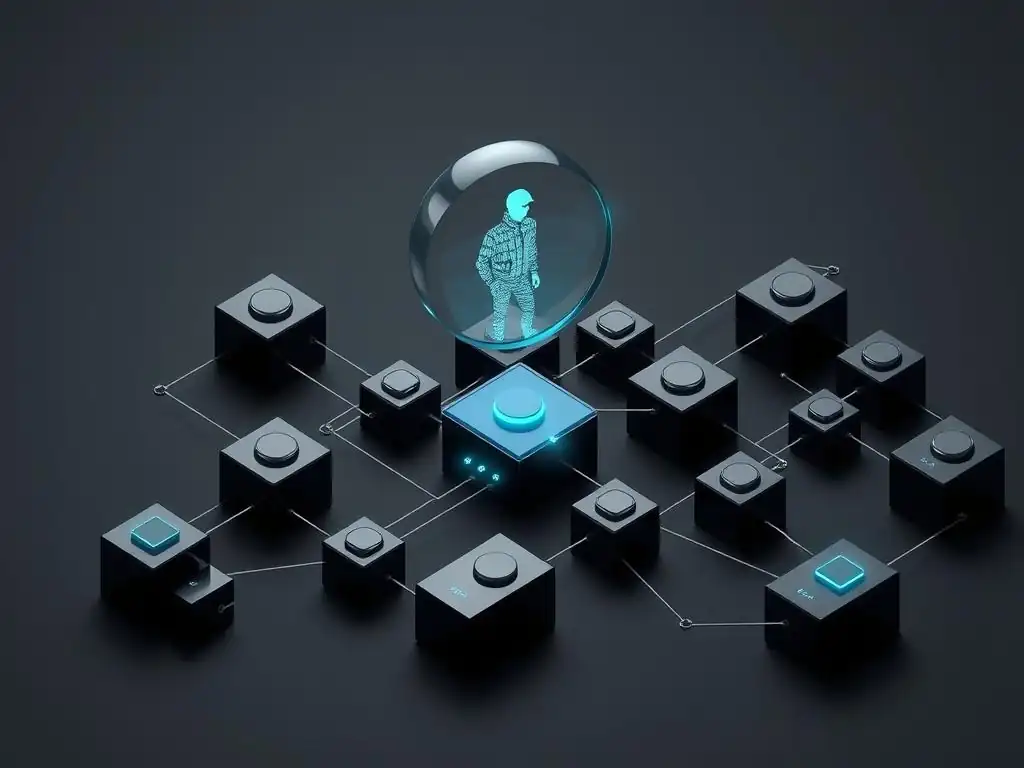
Why Blockchain Security Threat Modeling is Crucial for Decentralized Applications (dApps)
In the burgeoning world of decentralized applications (dApps), security is paramount. Unlike traditional centralized applications, dApps operate on blockchain networks, inheriting some inherent security features from the underlying distributed ledger. However, this does not make them immune to vulnerabilities.
Blockchain security threat modeling is an indispensable process for dApp developers and security professionals. It provides a structured approach to proactively identify potential security weaknesses and risks specific to the decentralized nature of these applications. By understanding the attack surface and potential threat vectors, developers can build more resilient and secure dApps, safeguarding user assets and maintaining the integrity of the decentralized ecosystem.
The complexity of dApps, often involving intricate smart contracts, decentralized protocols, and interactions with various blockchain networks, introduces a unique set of security challenges. Traditional security approaches might not fully address the nuances of decentralized environments. Blockchain security threat modeling focuses on the specific characteristics of blockchain technology, such as immutability, consensus mechanisms, and cryptographic dependencies.
This targeted approach allows for the identification of threats that are particularly relevant to dApps, ranging from smart contract vulnerabilities like reentrancy attacks to consensus layer manipulation and vulnerabilities in off-chain components interacting with the blockchain. Ultimately, incorporating threat modeling early in the dApp development lifecycle is crucial for preventing costly security breaches and fostering trust in decentralized technologies.
The Growing Landscape of Blockchain Security Threats: An Overview
The blockchain space, while revolutionary, is not immune to malicious actors. In fact, as the value locked in blockchain systems and dApps continues to escalate, so does the incentive for cybercriminals to exploit vulnerabilities. The landscape of blockchain security threats is constantly evolving, encompassing a wide range of attack vectors that target different layers of the blockchain ecosystem. From sophisticated attacks on smart contracts, which are the backbone of many dApps, to exploits targeting the consensus mechanisms that secure blockchain networks, the potential risks are diverse and significant.
Recent years have witnessed numerous high-profile incidents that underscore the growing threat landscape in blockchain security. For example, the Poly Network hack in 2021 resulted in the theft of over $600 million in cryptocurrency due to a vulnerability in their smart contract logic. Similarly, various DeFi protocols have suffered from flash loan attacks, where attackers manipulate market prices within a single transaction to drain funds.
These incidents highlight the financial repercussions of inadequate blockchain security measures. Beyond direct financial losses, security breaches can erode user trust, damage the reputation of projects, and hinder the broader adoption of blockchain technology. Therefore, a proactive and comprehensive approach to blockchain security, starting with robust threat modeling, is more critical than ever to mitigate these escalating risks.
Frequently Asked Questions
How does threat modeling specifically benefit blockchain security?
Threat modeling helps to proactively identify potential security vulnerabilities in blockchain systems. This allows developers to address them before deployment, minimizing the risk of exploits and data breaches.
What are some common blockchain security threats that threat modeling helps uncover?
Threat modeling can reveal threats like smart contract vulnerabilities, consensus mechanism attacks, and key management issues. It also helps in understanding the impact of third-party integrations.
What are some best practices to follow when conducting threat modeling for blockchain applications?
Begin with a clear understanding of the system architecture and data flow. Involve diverse stakeholders and use established frameworks like STRIDE or PASTA for structured analysis.
Is threat modeling a one-time process, or should it be performed regularly?
Threat modeling should be an ongoing process, especially as blockchain systems evolve. Regular reviews are crucial to address new threats and the impact of system updates.
How does threat modeling contribute to regulatory compliance in the blockchain space?
By identifying and mitigating potential risks, threat modeling helps organizations demonstrate due diligence and meet regulatory requirements. This is increasingly important as regulations around blockchain technology become more defined.
Final Reflection: Securing the Future of Decentralization
The exploration of blockchain security threat modeling, as presented in this article, isn't merely an academic exercise; it's a critical imperative in today's rapidly evolving digital landscape. As blockchain technology permeates more aspects of our lives, from finance to healthcare, the potential consequences of security breaches become increasingly severe, demanding a proactive and rigorous approach to identifying and mitigating vulnerabilities.
The ongoing influence of blockchain technology is undeniable, shaping the future of trust and transparency in countless industries. Understanding and implementing robust threat modeling practices is not just a technical necessity, but a moral one, ensuring the integrity and reliability of these systems for all users. Security is not a product, but a process.
- Bruce Schneier. This quote underscores the continuous and evolving nature of security, highlighting the need for constant vigilance and adaptation in the face of emerging threats.
Now, as you reflect on the best practices outlined in this article, consider how you can apply these principles to your own projects and organizations. The future of blockchain security rests on our collective commitment to proactive threat modeling and a relentless pursuit of secure, decentralized systems. Let us all strive to build a more secure and trustworthy future, one threat model at a time.
Thank you for exploring the importance of threat modeling in blockchain security. You've gained valuable insights into identifying potential risks and strengthening your projects against attacks. Now, it's time to put that knowledge into action.
Consider taking these steps to improve your blockchain security practices:
- Schedule a dedicated threat modeling session for your current or upcoming blockchain project. Don't wait until vulnerabilities are exploited.
- Explore less common attack vectors specific to your chosen blockchain platform. Gaining this knowledge enhances your security measures.
- Share this article with your development team and promote a collaborative approach to threat modeling within your organization.
What unexpected threat did your last threat modeling session uncover, and how did you address it? Share your experience in the comments below!
Leave a Reply