
The Evolution of Multiplayer Games through Blockchain Technology

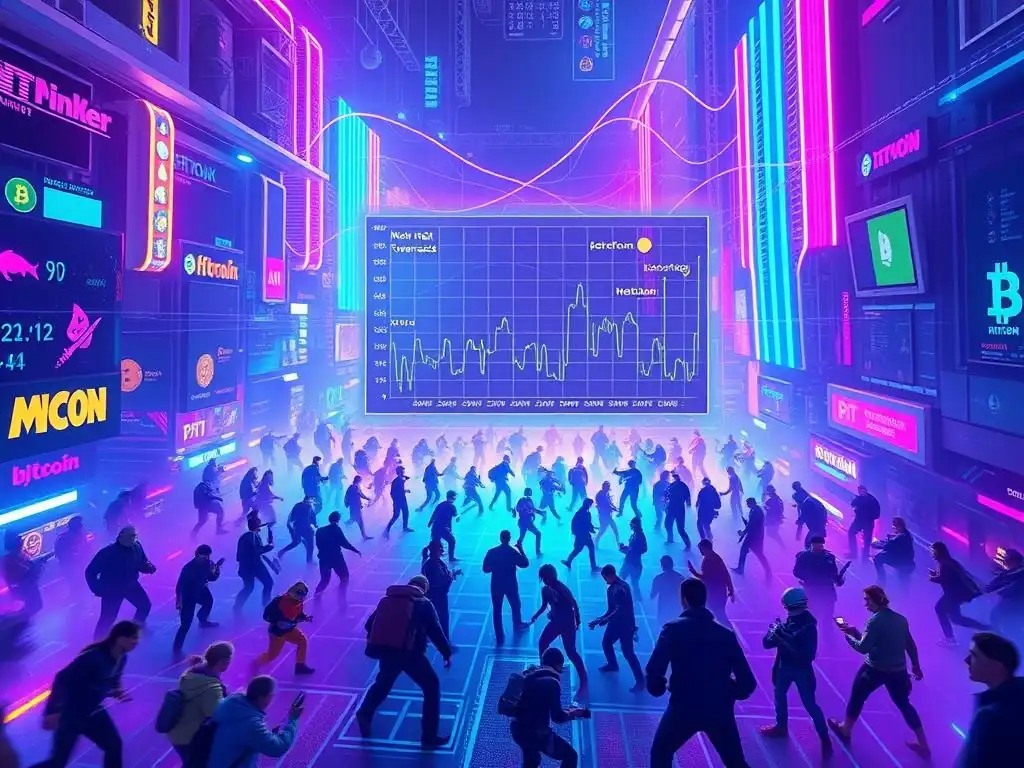
Welcome to Blockchain Trends, your guide to understanding the revolutionary power of blockchain technology.
Dive into the exciting world of decentralized applications and discover how blockchain is reshaping industries far beyond just cryptocurrencies. Are you ready to unlock the secrets of blockchain gaming monetization strategies? Explore how developers are innovating new revenue models and enhancing player experiences in the decentralized realm. Continue reading to uncover the latest trends and insights transforming the gaming landscape and discover how you can benefit from the evolution of multiplayer games through blockchain technology.
The Evolution of Multiplayer Games Through Blockchain Technology
- Introduction: The Dawn of Blockchain in Multiplayer Gaming
- From Centralized Servers to Decentralized Worlds: A Paradigm Shift
- Blockchain Gaming Monetization Strategies: Transforming Game Economies
- The Rise of Play-to-Earn (P2E) and its Impact on Multiplayer Games
- Security and Transparency: The Blockchain Advantage in Multiplayer Games
- Integrating NFTs into Multiplayer Games: Ownership and Interoperability
- The Future of Blockchain-Based Multiplayer Games
- Conclusion: Blockchain's Lasting Impact on Multiplayer Gaming
-
Frequently Asked Questions
- How does blockchain technology enable new monetization strategies in multiplayer games?
- What are some examples of blockchain gaming monetization models beyond traditional microtransactions?
- How does blockchain affect the player experience in multiplayer games in relation to monetization?
- What are the regulatory challenges surrounding blockchain gaming and its monetization methods?
- What is the future potential of blockchain technology in revolutionizing multiplayer game monetization?
- Final Reflection: Embracing the Decentralized Future of Play
- Unveil the Future of Gaming: Your Blockchain Adventure Starts Now!
Introduction: The Dawn of Blockchain in Multiplayer Gaming
Redefining Multiplayer Experiences with Blockchain Technology
Blockchain technology, initially recognized for its role in cryptocurrencies, is now extending its transformative influence to the gaming industry, particularly in the realm of multiplayer games. This disruptive technology is not merely about integrating cryptocurrency payments; it's about fundamentally altering the core mechanics and economies of virtual worlds. By introducing decentralization, enhanced security, and verifiable digital ownership, blockchain is paving the way for richer, more engaging, and ultimately more rewarding multiplayer experiences for players worldwide. This shift is moving beyond simple cosmetic integrations to create games where players have true agency and ownership over their in-game assets and experiences.
The integration of blockchain is fostering a new paradigm where players are not just consumers of entertainment but active participants in the game's ecosystem. This evolution is characterized by features like player-owned economies, where in-game assets hold real-world value and can be traded freely. Moreover, blockchain enables new forms of governance, allowing players to have a say in the game's development and direction.
This represents a significant departure from traditional gaming models, where power and control are centralized in the hands of game developers and publishers. The potential for blockchain to revolutionize multiplayer gaming is vast, promising a future where games are more immersive, equitable, and player-centric.
Exploring the Intersection of Blockchain and Gaming: A New Era
The intersection of blockchain and gaming marks a pivotal moment in the evolution of digital entertainment. For decades, multiplayer games have captivated audiences with their immersive worlds and competitive gameplay. However, these experiences have often been constrained by centralized architectures and closed economies. Blockchain technology offers a compelling alternative, promising to unlock new levels of player engagement and economic opportunities within these virtual environments. This new era is characterized by a move towards decentralized gaming ecosystems, where players can truly own their digital assets and participate in open and transparent economies.
This new era is also driving innovation in game design and monetization strategies. Developers are now exploring novel ways to integrate blockchain to create more engaging and rewarding gameplay loops. Concepts like Play-to-Earn (P2E) are emerging, where players can earn cryptocurrency or valuable NFTs by playing games.
This model is not just about financial incentives; it's about recognizing and rewarding players for their time, skill, and contributions to the game world. The convergence of blockchain and gaming is not just a technological upgrade; it's a cultural shift that is reshaping the relationship between players and games, creating a more collaborative and economically viable ecosystem for all participants.
From Centralized Servers to Decentralized Worlds: A Paradigm Shift
The Limitations of Traditional Multiplayer Architectures
Traditional multiplayer games, while offering captivating experiences, are built upon centralized architectures. This model relies on game developers and publishers to maintain servers, manage game economies, and control in-game assets. This centralized control, while necessary for operational stability, presents several limitations. Firstly, players have no real ownership of their in-game assets.
Items, characters, and progress are tied to the game's servers and can be lost if the game shuts down or if accounts are banned. Secondly, centralized economies are often opaque and prone to manipulation. Players have limited visibility into the game's economy and little control over its mechanics. Thirdly, these systems are vulnerable to security breaches and data loss, as all critical data is stored in centralized databases.
Furthermore, traditional multiplayer games often operate as walled gardens, limiting interoperability and player agency. In-game assets are typically confined to a single game and cannot be transferred or traded outside of the game's ecosystem. This lack of interoperability restricts the potential value of in-game assets and limits player freedom.
Centralized control also extends to game governance, with developers holding sole authority over game rules and updates. Players have limited avenues for input or influence over the game's direction. These limitations, inherent in traditional multiplayer architectures, are being addressed by the advent of blockchain technology, paving the way for a more decentralized and player-centric gaming future.
Blockchain's Solution: Decentralization and Player Empowerment
Blockchain technology offers a compelling solution to the limitations of traditional multiplayer architectures by introducing decentralization and player empowerment. Decentralization, at its core, means distributing control and data across a network of computers rather than relying on a single central authority. In the context of gaming, this translates to distributing game logic, asset ownership, and even game governance across a blockchain network. This fundamentally shifts power from game publishers to players, creating a more equitable and transparent gaming ecosystem.
Player empowerment is a direct consequence of decentralization. Blockchain enables true digital ownership through Non-Fungible Tokens (NFTs). NFTs represent unique digital assets on the blockchain, proving ownership and scarcity. In games, NFTs can represent in-game items, characters, land, and more.
Players truly own these assets, meaning they can trade them freely on open marketplaces, use them across different games (in some cases), and even retain ownership if the game itself were to shut down. This shift towards player ownership is revolutionary, transforming players from mere consumers to stakeholders in the games they play. Moreover, decentralized governance mechanisms, such as Decentralized Autonomous Organizations (DAOs), are emerging in blockchain gaming, allowing players to collectively make decisions about game development and direction, further amplifying player empowerment.
Blockchain Gaming Monetization Strategies: Transforming Game Economies
Traditional Gaming Monetization Models: Challenges and Drawbacks
Traditional gaming monetization models have evolved over time, but many share common challenges and drawbacks. Initially, the primary model was premium sales, where players purchased a game for a one-time fee. This model, while straightforward, limits recurring revenue streams for developers. Subsequently, subscription models emerged, requiring players to pay a recurring fee for access. While providing steady revenue, subscriptions can create barriers to entry and limit player growth. More recently, the free-to-play (F2P) model has become dominant, particularly in multiplayer games. F2P games are accessible to a wider audience but rely on in-app purchases and microtransactions for revenue.
However, F2P monetization often relies on aggressive tactics, such as "pay-to-win" mechanics, where players who spend more money gain a significant competitive advantage. This can create an uneven playing field and alienate players who are unwilling or unable to spend heavily. Loot boxes, another common F2P monetization strategy, have faced criticism for their gambling-like nature and regulatory scrutiny.
Furthermore, traditional in-game economies are often closed and controlled by game publishers, limiting player agency and economic opportunities. Players invest time and money into these games but have limited ability to extract value or truly own their in-game assets. These challenges and drawbacks of traditional gaming monetization models are driving the exploration of new strategies leveraging blockchain technology.
Blockchain Gaming Monetization Strategies: A Detailed Overview
Blockchain technology is introducing a paradigm shift in gaming monetization strategies, moving away from centralized, publisher-controlled models towards more player-centric and economically sustainable approaches. These new strategies leverage the unique properties of blockchain, such as decentralization, digital ownership, and transparent economies, to create more engaging and rewarding experiences for players while providing new revenue streams for developers. Key blockchain gaming monetization strategies include Play-to-Earn (P2E) mechanics, in-game asset ownership and trading through NFTs, Decentralized Autonomous Organizations (DAOs) for community governance, and the creation of scarce and valuable in-game assets via NFT integration.
These strategies are not mutually exclusive and are often combined to create complex and dynamic game economies. For example, a game might utilize P2E mechanics to reward player participation, while also allowing players to own and trade in-game assets as NFTs, governed by a DAO. This holistic approach to blockchain gaming monetization aims to create a virtuous cycle where player engagement and economic participation are mutually reinforcing, leading to more sustainable and thriving game ecosystems. The following sections will delve deeper into each of these key blockchain gaming monetization strategies.
Play-to-Earn (P2E) Mechanics: Earning While Playing
Play-to-Earn (P2E) mechanics represent a revolutionary shift in gaming monetization, allowing players to earn real-world value by playing games. Unlike traditional models where players primarily spend money on games, P2E introduces opportunities for players to generate income through their gameplay. This is typically achieved by rewarding players with cryptocurrency or NFTs for various in-game activities, such as completing quests, winning battles, participating in tournaments, or contributing to the game's ecosystem. These earned assets can then be traded on cryptocurrency exchanges or NFT marketplaces, allowing players to convert their in-game efforts into tangible financial rewards.
The P2E model is particularly transformative in regions where traditional income opportunities are limited, offering a new avenue for economic empowerment through gaming. Games like Axie Infinity, for example, have demonstrated the potential of P2E to create significant earning opportunities for players in developing countries.
While the sustainability of P2E models is still under debate and requires careful economic design, the concept of rewarding players for their time and skill is fundamentally changing the relationship between players and games, transforming gaming from a purely leisure activity into a potential source of income. The long-term success of P2E hinges on creating balanced game economies that are both engaging for players and sustainable for developers.
In-Game Asset Ownership and Trading: True Digital Ownership
Blockchain enables true digital ownership of in-game assets through the use of Non-Fungible Tokens (NFTs). In traditional games, in-game items and currencies are typically controlled by the game publisher and have no value outside of the game itself. NFTs change this paradigm by representing unique digital assets on a blockchain, providing verifiable ownership and scarcity.
When in-game assets are tokenized as NFTs, players truly own these assets and can control them independently of the game publisher. This ownership extends beyond mere usage within the game; it encompasses the ability to trade, sell, or transfer these assets freely on open NFT marketplaces.
This concept of true digital ownership has profound implications for game economies and player engagement. Players are more invested in games where their time and effort can translate into valuable, tradable assets. The ability to trade in-game assets on open marketplaces creates player-driven economies, where the value of assets is determined by supply and demand, rather than being dictated by the game publisher.
This fosters a more dynamic and potentially lucrative environment for players, as they can profit from their in-game achievements and strategic asset management. Games like Decentraland and The Sandbox exemplify this model, allowing players to own virtual land and other in-game assets as NFTs, creating thriving player-driven economies.
Decentralized Autonomous Organizations (DAOs) in Gaming: Community Governance
Decentralized Autonomous Organizations (DAOs) are emerging as a novel approach to game governance in the blockchain gaming space. DAOs are community-led entities that operate based on rules encoded on a blockchain, eliminating the need for central intermediaries. In gaming, DAOs can be used to empower players with a greater voice in game development, rule changes, and economic policies. Instead of decisions being solely made by game developers, a DAO allows token holders (often players themselves) to vote on proposals and shape the future of the game. This transition towards community governance fosters a more democratic and player-centric gaming ecosystem.
The use of DAOs in gaming aligns with the broader ethos of decentralization and player empowerment that underpins blockchain technology. By distributing governance power to the community, DAOs can enhance transparency, accountability, and player engagement. Players feel more invested in a game when they have a direct say in its direction and development.
DAOs can also be used to manage community treasuries, allocate resources, and even oversee game development tasks, creating a more collaborative and participatory gaming environment. While still in its early stages, the adoption of DAOs in gaming represents a significant step towards truly decentralized and player-owned game worlds.
NFT Integration and Scarcity: Creating Unique and Valuable Assets
NFT (Non-Fungible Token) integration is fundamental to many blockchain gaming monetization strategies, primarily because NFTs enable the creation of unique and scarce in-game assets. Unlike fungible tokens (like cryptocurrencies), each NFT is unique and represents a distinct digital item. This uniqueness is crucial for creating valuable in-game assets that players can truly own and trade. In traditional games, in-game items are often easily duplicated or controlled by the game publisher, diminishing their perceived value and scarcity. NFTs solve this problem by providing verifiable scarcity and provenance for digital assets.
The scarcity created by NFTs drives demand and value in blockchain game economies. Limited edition NFTs, representing rare weapons, characters, or virtual land, can become highly sought after by players and collectors. This scarcity, combined with the ability to trade NFTs on open marketplaces, creates a powerful economic incentive for players to acquire and engage with these assets.
Furthermore, the transparency and immutability of blockchain ensure that the scarcity of NFTs is verifiable and cannot be manipulated by the game publisher. This trust in scarcity is essential for building robust and sustainable blockchain game economies where players are confident in the value and ownership of their digital assets.
The Rise of Play-to-Earn (P2E) and its Impact on Multiplayer Games
The P2E Revolution: Empowering Players and Rewarding Participation
The Play-to-Earn (P2E) model has ignited a revolution in multiplayer gaming, fundamentally altering the relationship between players and games. This model moves beyond traditional gaming paradigms where players primarily consume entertainment, transforming games into platforms for economic opportunity and player empowerment. P2E games reward players for their time, skill, and contributions to the game ecosystem with cryptocurrency or valuable NFTs. This shift acknowledges the value that players bring to virtual worlds and provides them with a tangible stake in the game's success.
The P2E revolution is driven by the desire for greater player agency and economic participation in the games they love. It empowers players, particularly in developing economies, to earn income through gameplay, blurring the lines between entertainment and work. This model is not just about financial incentives; it's about recognizing and valuing player contributions, fostering a sense of ownership and community within game worlds. The P2E revolution is reshaping the gaming landscape, pushing developers to create more engaging, rewarding, and economically sustainable multiplayer experiences.
Case Studies: Successful P2E Multiplayer Games and their Monetization Models
Several successful Play-to-Earn (P2E) multiplayer games have emerged, showcasing the potential of this model and its diverse implementation strategies. Axie Infinity, a monster-battling game, is a prominent example. It utilizes NFTs to represent in-game creatures ("Axies") that players can breed, battle, and trade. Players earn Smooth Love Potion (SLP) tokens by playing the game, which can be exchanged for cryptocurrency. Axie Infinity's P2E model generated significant income for players, particularly in Southeast Asia, demonstrating the real-world economic impact of P2E.
Splinterlands, a collectible card game, is another successful P2E example. Players earn Dark Energy Crystals (DEC) tokens and NFT cards by participating in battles and tournaments. These NFTs can be traded on marketplaces, and the DEC token has utility within the game ecosystem. The Sandbox, a metaverse platform, allows players to own virtual land as NFTs and create and monetize experiences within their land.
Players can earn SAND tokens through gameplay and by creating and selling in-game assets. These case studies illustrate the diverse approaches to P2E monetization and the growing success of blockchain-based multiplayer games in creating player-driven economies. The specific mechanics and tokenomics vary, but the underlying principle of rewarding player participation remains consistent across these successful P2E games.
Challenges and Criticisms of P2E: Addressing Sustainability and Accessibility
While the Play-to-Earn (P2E) model holds immense promise, it also faces challenges and criticisms that need to be addressed for its long-term sustainability and broader adoption. One primary concern is the sustainability of P2E economies. Many early P2E games relied heavily on new player influx to sustain token prices and reward early adopters. If player growth slows or declines, token prices can crash, jeopardizing the earning potential for players and the overall game economy. Designing robust and balanced tokenomics that are not solely reliant on new player growth is crucial for long-term P2E sustainability.
Another criticism revolves around accessibility and the "pay-to-play" aspect. Some P2E games require players to purchase NFTs upfront to participate, creating a financial barrier to entry. This can exclude players who cannot afford the initial investment, undermining the goal of broader accessibility and economic empowerment. Addressing this requires exploring alternative entry models, such as scholarship programs or free-to-play options with P2E elements. Furthermore, regulatory uncertainty surrounding cryptocurrencies and NFTs poses a challenge to the P2E model.
Clear and consistent regulations are needed to foster innovation and protect players while mitigating potential risks. Finally, gameplay quality is paramount. P2E mechanics should not overshadow engaging and enjoyable gameplay. Games must be fun and rewarding to play, regardless of the earning potential, to attract and retain a broad player base. Addressing these challenges is critical for the P2E model to mature and realize its full potential in the multiplayer gaming landscape.
Security and Transparency: The Blockchain Advantage in Multiplayer Games
Enhanced Security: Protecting Player Data and Assets
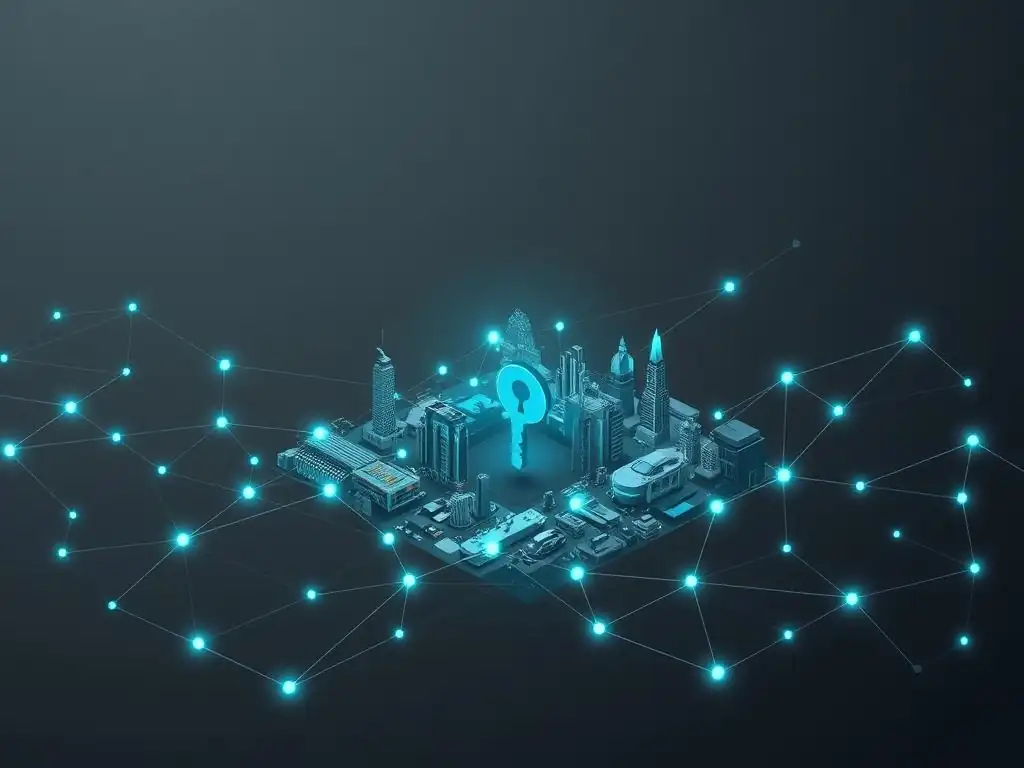
Blockchain technology offers significant advantages in enhancing security for multiplayer games, particularly in protecting player data and digital assets. Traditional centralized game servers are vulnerable to hacks and data breaches, potentially exposing sensitive player information and compromising in-game assets. Blockchain's decentralized and cryptographic nature provides a more robust security framework. Player data and asset ownership records stored on a blockchain are inherently more secure due to the distributed and immutable nature of the technology.
The cryptographic hashing and consensus mechanisms employed by blockchains make it extremely difficult for malicious actors to tamper with or alter game data. Furthermore, the decentralized nature of blockchain reduces the single point of failure risk associated with centralized servers. Even if some nodes in the network are compromised, the blockchain as a whole remains secure and operational.
For players, this enhanced security translates to greater confidence in the safety of their accounts, personal information, and valuable in-game assets. Blockchain's security features are crucial for building trust and fostering a secure gaming environment, especially in the context of player-owned economies and valuable digital assets.
Transparent Game Mechanics and Fair Play: Ensuring Trust and Integrity
Transparency is a core principle of blockchain technology, and it offers significant benefits for ensuring fair play and trust in multiplayer games. In traditional games, game mechanics and algorithms are often opaque, leading to suspicions of unfairness or manipulation. Blockchain can introduce transparency by recording game actions and outcomes on a publicly auditable ledger. This transparency allows players to verify the fairness of game mechanics, random number generation, and reward distribution, fostering trust and integrity in the game environment.
For example, verifiable randomness, a feature enabled by blockchain, can be used to ensure the fairness of loot box mechanics or in-game events that rely on chance. Players can cryptographically verify that the outcomes are truly random and not manipulated by the game developer. Smart contracts, self-executing contracts coded on the blockchain, can automate game rules and reward distribution in a transparent and verifiable manner.
This reduces the potential for human error or bias and ensures that game mechanics are implemented fairly and consistently. Transparency in game mechanics and fair play are essential for building player confidence and fostering a positive and trustworthy gaming community.
Combating Cheating and Fraud: Blockchain's Role in Maintaining Fair Play
Cheating and fraud are persistent problems in multiplayer games, undermining fair play and damaging the gaming experience for legitimate players. Blockchain technology offers tools and mechanisms to combat cheating and fraud and maintain a more equitable gaming environment. The immutability of blockchain records makes it difficult for cheaters to alter game data or falsify results. Any attempt to cheat or manipulate game outcomes would be recorded on the blockchain and easily detectable.
Furthermore, blockchain can be used to implement robust anti-cheat systems. By recording player actions and game events on the blockchain, developers can create auditable logs that can be used to identify and penalize cheaters. Decentralized identification systems, built on blockchain, can help prevent account farming and botting, common forms of cheating in multiplayer games.
NFT-based asset ownership can also deter cheating by making in-game assets more valuable and traceable. Cheaters risk losing valuable NFTs if they are caught cheating, creating a stronger deterrent. While blockchain is not a silver bullet for eliminating cheating entirely, it provides powerful tools and mechanisms to significantly reduce cheating and fraud in multiplayer games and create a fairer and more enjoyable experience for all players.
Integrating NFTs into Multiplayer Games: Ownership and Interoperability
NFTs as In-Game Assets: Defining Ownership and Value
Non-Fungible Tokens (NFTs) are revolutionizing the concept of in-game assets in multiplayer games by establishing true digital ownership and defining their value in new ways. Traditionally, in-game items are controlled by game publishers and players have limited rights over them. NFTs change this by representing unique digital assets on a blockchain, giving players verifiable ownership and control. When in-game assets are tokenized as NFTs, players are not just renting or licensing these items; they truly own them. This ownership is recorded on the blockchain and is independent of the game publisher.
This shift to NFT-based in-game assets has profound implications for player investment and engagement. Players are more likely to invest time and resources into acquiring and developing in-game assets when they know they truly own them and can potentially trade or sell them outside of the game. NFTs also introduce scarcity and provenance to digital assets, factors that contribute to their perceived value.
Limited edition NFTs, representing rare items or characters, can become highly sought after and valuable within game communities. The integration of NFTs as in-game assets is transforming the relationship between players and games, creating a more player-centric and economically vibrant gaming ecosystem.
Cross-Game Interoperability: Using NFTs Across Different Games
One of the most exciting potential applications of NFTs in multiplayer games is cross-game interoperability. Currently, in-game assets are typically confined to a single game and cannot be used or transferred to other games. NFTs, however, have the potential to break down these walled gardens and enable cross-game asset interoperability. If different game developers adopt common NFT standards, players could potentially use their NFT-based in-game assets across multiple games and virtual worlds. This vision of a more interconnected and interoperable metaverse is a key driver of innovation in blockchain gaming.
Imagine owning a unique sword as an NFT that can be used in multiple different RPGs, or a character skin that can be used across various metaverse platforms. Cross-game interoperability would significantly enhance the value and utility of in-game assets. Players could build up a collection of valuable NFTs that are not tied to a single game but can be used and enjoyed across a wider range of virtual experiences. While technical and standardization challenges remain, the potential for cross-game interoperability is a compelling vision that could reshape the future of gaming and the metaverse.
The Metaverse and Multiplayer Gaming: NFTs as Avatars and Identities
The convergence of the metaverse and multiplayer gaming is further amplified by the role of NFTs as avatars and digital identities. In the emerging metaverse, users will need persistent digital identities and avatars to represent themselves across different virtual worlds and experiences. NFTs are ideally suited for representing these digital identities. NFT-based avatars can be unique, customizable, and owned by the user, providing a sense of digital self-sovereignty in the metaverse.
In multiplayer games within the metaverse, NFT avatars can serve as players' representations, carrying their identity and reputation across different game worlds. NFT-based avatars can also be interoperable, allowing players to use the same avatar across multiple metaverse platforms and games that support common NFT standards. This creates a more seamless and consistent user experience in the metaverse.
Furthermore, NFT avatars can be personalized and customized with NFT-based wearables and accessories, creating a thriving market for digital fashion and self-expression within the metaverse. The integration of NFTs as avatars and digital identities is crucial for building a truly open, interoperable, and player-centric metaverse gaming ecosystem.
The Future of Blockchain-Based Multiplayer Games
Potential Growth and Adoption: Forecasting the Future of Blockchain Gaming
The future of blockchain-based multiplayer games appears bright, with significant potential for growth and wider adoption. The market for blockchain gaming is projected to expand rapidly in the coming years, driven by increasing awareness of blockchain technology, the growing popularity of NFTs, and the demand for more player-centric gaming experiences. Industry analysts predict substantial growth in the blockchain gaming market, with estimates reaching billions of dollars in the next few years. This growth will be fueled by both established game developers entering the blockchain space and new blockchain-native game studios emerging.
Adoption will be driven by several factors. Firstly, the economic incentives of Play-to-Earn models are attractive to players, particularly in developing economies. Secondly, the promise of true digital ownership and interoperability resonates with players seeking greater control over their in-game assets.
Thirdly, the enhanced security and transparency offered by blockchain address key concerns in traditional multiplayer gaming. As blockchain technology matures and user experience improves, wider adoption of blockchain gaming is expected across different gaming genres and player demographics. The future of gaming is increasingly decentralized, player-owned, and economically empowered, with blockchain technology playing a central role in this transformation.
Emerging Trends: Account Abstraction and Modular Blockchains
Several emerging trends are shaping the future of blockchain-based multiplayer games and addressing some of the current limitations of the technology. Account Abstraction is a key trend aimed at improving user experience and onboarding in blockchain gaming. Account abstraction seeks to simplify the user experience by abstracting away the complexities of managing private keys and interacting with blockchain wallets. This can involve features like social logins, gasless transactions, and easier account recovery mechanisms, making blockchain gaming more accessible to mainstream players who may not be familiar with crypto concepts.
Modular Blockchains represent another significant trend. Modular blockchains are designed to be more scalable and customizable than monolithic blockchains. They allow game developers to choose specific modules or components that best suit their game's needs, optimizing performance and cost. Modular blockchains can also facilitate the creation of game-specific blockchains or sidechains, further enhancing scalability and customization. These emerging trends, account abstraction and modular blockchains, are crucial for addressing scalability and user experience challenges in blockchain gaming and paving the way for wider adoption and more sophisticated game designs.
Overcoming Challenges: Scalability, User Experience, and Regulatory Uncertainty
Despite the promising future, blockchain-based multiplayer games still face challenges that need to be overcome for mainstream adoption. Scalability remains a significant hurdle. Many existing blockchains struggle to handle the high transaction volumes and low latency requirements of large-scale multiplayer games. Solutions like layer-2 scaling solutions (e.g., sidechains, rollups) and modular blockchains are being developed to address scalability limitations, but further advancements are needed.
User experience (UX) is another critical area. The current UX of blockchain games can be complex and cumbersome for non-crypto native players. Simplifying wallet management, transaction processes, and onboarding flows is essential for attracting a wider audience.
Regulatory uncertainty surrounding cryptocurrencies and NFTs poses a significant challenge to the blockchain gaming industry. Clear and consistent regulations are needed to provide legal clarity and foster innovation while protecting players and mitigating risks. Industry collaboration and proactive engagement with regulators are crucial for navigating the evolving regulatory landscape. Finally, gameplay quality must remain a priority.
Blockchain mechanics should enhance, not detract from, the core gameplay experience. Developing fun, engaging, and high-quality blockchain games is essential for long-term success and attracting a broad player base. Addressing these challenges – scalability, user experience, regulatory uncertainty, and gameplay quality – is crucial for unlocking the full potential of blockchain in multiplayer gaming and achieving mainstream adoption.
Conclusion: Blockchain's Lasting Impact on Multiplayer Gaming
Summarizing the Key Benefits of Blockchain in Multiplayer Games
Blockchain technology is poised to have a lasting and transformative impact on multiplayer gaming, bringing a multitude of key benefits that reshape the gaming landscape. Decentralization empowers players and shifts control away from centralized publishers, creating more equitable and player-centric ecosystems. True digital ownership through NFTs gives players verifiable ownership of in-game assets, fostering greater investment and engagement. Play-to-Earn mechanics create new economic opportunities for players, blurring the lines between entertainment and work and rewarding player participation. Enhanced security and transparency build trust and fairness in game environments, protecting player data and assets and combating cheating.
Cross-game interoperability promises to break down walled gardens and create a more interconnected and valuable metaverse for gamers. These key benefits collectively represent a paradigm shift in multiplayer gaming, moving towards a more player-centric, economically vibrant, and secure future. Blockchain is not just a technological upgrade; it's a fundamental reimagining of the relationship between players and games, empowering players and creating new possibilities for innovation and engagement.
The Future of Gaming: A Decentralized and Player-Centric Vision
The future of gaming, particularly multiplayer gaming, is increasingly envisioned as decentralized and player-centric, with blockchain technology as a key enabler. This vision moves away from centralized, publisher-controlled models towards open, player-owned, and community-driven game worlds. Players are no longer just consumers of entertainment but active participants in game economies and governance. They have true ownership of their digital assets, can earn real-world value through gameplay, and have a voice in shaping the future of their favorite games.
This decentralized and player-centric vision promises a more equitable, engaging, and rewarding gaming experience for all participants. It fosters a stronger sense of community, empowers players economically, and unlocks new levels of creativity and innovation in game design. While challenges remain in terms of scalability, user experience, and regulatory clarity, the trajectory is clear: blockchain technology is driving a fundamental shift towards a decentralized and player-centric future for multiplayer gaming, promising a more vibrant and rewarding gaming ecosystem for generations to come.
Frequently Asked Questions
How does blockchain technology enable new monetization strategies in multiplayer games?
Blockchain facilitates in-game asset ownership, allowing players to truly own and trade their items. This leads to new revenue streams through NFT sales and marketplace commissions.
What are some examples of blockchain gaming monetization models beyond traditional microtransactions?
Examples include play-to-earn (P2E) models where players earn cryptocurrency or NFTs, as well as decentralized autonomous organizations (DAOs) governing game economies and development.
How does blockchain affect the player experience in multiplayer games in relation to monetization?
Blockchain can enhance player experience by providing greater control and value over in-game assets. It can also foster a more engaged and incentivized community through P2E and DAO participation.
What are the regulatory challenges surrounding blockchain gaming and its monetization methods?
Regulatory uncertainty around NFTs and cryptocurrencies poses challenges. Clarification is needed on issues like taxation and securities laws to ensure sustainable growth.
What is the future potential of blockchain technology in revolutionizing multiplayer game monetization?
The future involves more sophisticated P2E models, interoperable game assets across different platforms, and greater player empowerment through decentralized governance, moving beyond just cryptocurrencies.
Final Reflection: Embracing the Decentralized Future of Play
The journey through the evolution of multiplayer games, interwoven with the transformative potential of blockchain technology, reveals a landscape ripe with opportunity. The promise of truly decentralized gaming economies, where players are empowered through ownership and innovative monetization strategies, is no longer a distant dream, but a rapidly approaching reality. This shift has profound implications for developers, players, and the very fabric of the gaming industry.
The impact of blockchain on gaming extends far beyond mere financial transactions; it's about fostering a deeper sense of community and ownership. The ability to earn, trade, and truly own in-game assets fundamentally alters the player experience, creating a more engaging and rewarding ecosystem. This paradigm shift is beautifully captured in the words of Chris Dixon: The next big thing will start out looking like a toy.
Blockchain gaming, initially perceived as niche, is poised to become a dominant force, reshaping how we interact with and value digital worlds.
As we stand on the cusp of this decentralized future, I invite you to consider the role you will play. Will you be a pioneer, exploring the uncharted territories of blockchain gaming? Will you be a developer, crafting innovative experiences that empower players?
Or will you simply be an observer, witnessing the evolution unfold? Regardless of your path, remember that the future of play is being written now, and your engagement, your curiosity, and your willingness to embrace change will shape the narrative. Let us all strive to build a gaming landscape that is more equitable, more engaging, and more rewarding for everyone.
Unveil the Future of Gaming: Your Blockchain Adventure Starts Now!
Thank you for exploring the exciting evolution of multiplayer games through blockchain! We hope you've gained valuable insights into how this technology is revolutionizing the gaming landscape. Now, let's translate that knowledge into action!
Here's how you can dive deeper:
- Start playing! Explore a blockchain-integrated game like Axie Infinity or Gods Unchained to experience the future of gaming firsthand. You might be surprised by the possibilities!
- Join the conversation! Share your thoughts and favorite blockchain games with fellow enthusiasts on the Blockchain Trends forum. Your experiences can help shape the future of gaming.
- Research the pioneers! Delve into the profiles of the leading developers and studios pushing the boundaries of blockchain gaming. Who knows, you might find your next favorite game or even inspiration for your own project!
What innovative blockchain game concept are you most excited to see become a reality? Share your ideas in the comments below!
Leave a Reply