
The End of Fraudulent Deeds? Blockchain's Promise for Secure Property Ownership


Welcome to Blockchain Trends, where we delve into the revolutionary world of blockchain technology and its potential to reshape industries beyond cryptocurrencies. Today, we invite you to explore a pivotal topic: "Secure property blockchain transactions." As we unravel the promise of blockchain in real estate, discover how this innovative technology is poised to eliminate fraudulent deeds and ensure secure property ownership. Join us on this journey to uncover the transformative power of decentralized systems and what the future holds for the real estate market!
Blockchain for Secure Property Ownership: A New Era of Transparency
- Introduction: Transforming Property Ownership with Blockchain
- Understanding Blockchain and its Application to Property
- Enhancing Security in Property Transactions with Blockchain
- Benefits of Blockchain for Property Management
- Real-World Applications of Blockchain in Real Estate
- Challenges and Considerations for Blockchain Implementation
- The Future of Property Ownership with Blockchain
- Conclusion: A Secure and Transparent Future for Property
-
Frequently Asked Questions
- How can blockchain technology make property transactions more secure?
- What are the key benefits of using blockchain for property registration?
- How does blockchain address the issue of deed fraud in real estate?
- What are some potential challenges in adopting blockchain for property transactions?
- Is blockchain a guaranteed solution to all property fraud?
- Final Reflection: Securing Our Future, One Block at a Time
- Unveil Your Secure Future: Take Control of Your Property's Security Now!
Introduction: Transforming Property Ownership with Blockchain
Current Challenges in Property Transactions: Inefficiency and Fraud
Traditional property transactions are notoriously complex, involving multiple intermediaries such as lawyers, banks, title companies, and government agencies. This multi-step process often leads to significant delays, with transactions taking weeks or even months to complete. The reliance on paper-based records or disparate digital databases creates vulnerabilities, making the system prone to errors, inconsistencies, and outright fraud. For instance, cases of deed fraud, where properties are illegally transferred using forged documents, highlight the inherent insecurity of current centralized systems. The lack of a single, universally verifiable, and tamper-proof record of ownership makes verifying title history cumbersome and susceptible to manipulation.
Beyond the risk of fraud, the opacity of the current system contributes to inefficiency. Tracking the progress of a transaction is difficult, and verifying the legitimacy of each step adds considerable time and cost. The average time to complete a real estate transaction in some traditional markets can range from 30 to 60 days, sometimes longer depending on financing and title issues.
This protracted timeline adds uncertainty and creates opportunities for disputes. Furthermore, the cost of these inefficiencies is passed on to buyers and sellers through various fees, including title insurance, escrow fees, and legal costs, which can amount to a significant percentage of the property's value. Addressing these challenges is crucial for creating a more accessible and trustworthy real estate market.
Blockchain's Potential: Secure and Transparent Real Estate Records
Blockchain technology offers a revolutionary approach to managing property records by providing a decentralized, immutable, and transparent ledger. Unlike traditional databases that are controlled by a single entity and can be altered, a blockchain distributes the ledger across a network of computers. Any transaction or record added to the blockchain is time-stamped and cryptographically linked to the previous block, creating a chain that is incredibly difficult to tamper with. This inherent security feature makes it a powerful tool for preventing fraudulent deeds and ensuring the integrity of secure property blockchain transactions.
By recording property ownership and transaction history on a blockchain, a single, verifiable source of truth can be established. This transparency allows all parties involved in a secure property blockchain transaction – buyers, sellers, lenders, and regulators – to view the complete history of a property's ownership and associated encumbrances.
The public or permissioned nature of the ledger reduces the need for intermediaries solely focused on verification, potentially speeding up the process and reducing costs. The promise lies in creating a system where the legitimacy of a property deed can be instantly verified by checking the blockchain record, significantly mitigating the risk of fraud and enhancing trust in secure property blockchain transactions.
Understanding Blockchain and its Application to Property
Blockchain Explained: A Decentralized and Immutable Ledger
At its core, blockchain is a distributed ledger technology (DLT) that records transactions across many computers. Instead of storing all data in a central server, copies of the ledger are spread across a network of nodes. When a new transaction occurs, it is grouped with other transactions into a "block."
This block is then validated by the network participants through a consensus mechanism (like Proof-of-Work or Proof-of-Stake). Once validated, the block is added to the end of the chain of previous blocks, becoming a permanent part of the ledger. This decentralized structure means there is no single point of failure or control, making it highly resilient and resistant to censorship or unauthorized changes.
The key characteristic relevant to secure property blockchain transactions is immutability. Once a block is added to the chain, it cannot be altered or deleted without re-validating every subsequent block in the chain, which is computationally infeasible for a widely distributed network.
This makes the history of transactions, including property ownership transfers, permanently recorded and verifiable by anyone with access to the network. For secure property blockchain transactions, this means that once a deed transfer is recorded on the blockchain, that record serves as indisputable proof of ownership at that specific time, drastically reducing the possibility of disputes arising from conflicting or altered records.
Immutability and Transparency: Core Principles of Blockchain Security
The security of blockchain stems largely from its immutability and transparency. Immutability, as discussed, ensures that historical data cannot be retroactively altered. This is critical for establishing a reliable chain of title for properties. If every transfer of ownership, mortgage, lien, or easement is recorded on the blockchain, the entire history is preserved in an unchangeable format. Any attempt to falsify a record would be immediately apparent, as it would break the cryptographic links in the chain. This makes blockchain an ideal technology for creating secure property blockchain transactions that are resistant to tampering and fraud.
Transparency, while sometimes permissioned in enterprise blockchain solutions, allows authorized parties to view the transaction history on the ledger. In the context of secure property blockchain transactions, this means regulators, potential buyers, or lenders could verify the current owner and check for any outstanding claims against a property simply by accessing the blockchain record.
This level of transparency reduces the need for extensive, time-consuming, and often costly title searches conducted by intermediaries. By making ownership information readily verifiable and tamper-proof, blockchain builds a foundation of trust that is currently lacking in many traditional property management systems, paving the way for more secure and efficient property transactions.
Smart Contracts: Automating Agreements in Real Estate
Smart contracts are self-executing contracts with the terms of the agreement directly written into code. They run on the blockchain, automatically executing predefined actions when specific conditions are met.
In real estate, smart contracts can automate various parts of a secure property blockchain transaction, such as the transfer of funds upon verification of ownership or the release of a digital deed. For example, a smart contract could be programmed to release the buyer's payment from escrow to the seller only after the blockchain record is updated to reflect the new ownership and all agreed-upon conditions (like inspections) are verified via oracles (data feeds connected to the blockchain).
The use of smart contracts in secure property blockchain transactions removes the need for intermediaries to manually manage escrow and document exchange. This automation reduces the potential for human error, speeds up the transaction process, and increases efficiency. Furthermore, because the terms are coded and executed on the blockchain, the process is transparent and auditable by all parties involved. This adds another layer of security and trust to secure property blockchain transactions, ensuring that agreements are executed exactly as intended without delay or dispute over terms. Smart contracts are a key enabler for truly digital and automated property transfers.
Enhancing Security in Property Transactions with Blockchain
Preventing Deed Fraud: Leveraging Blockchain's Decentralized Nature
Deed fraud is a significant issue where criminals forge documents to transfer property ownership illegally. The decentralized nature of blockchain technology provides a robust defense against this type of fraud. In traditional systems, forging a deed and filing it with a single, centralized registry might be possible if security protocols are breached or human error occurs. However, with property ownership recorded on a blockchain, the legitimate owner's identity and the history of secure property blockchain transactions are distributed across numerous nodes. A fraudulent deed would not align with the historical record on the distributed ledger.
To successfully perpetrate deed fraud on a blockchain system, an attacker would need to alter the record on a majority of the network's nodes simultaneously, which is practically impossible due to the cryptographic security and consensus mechanisms. When a legitimate secure property blockchain transaction occurs, it requires validation from the network, ensuring the parties involved have the right to transfer ownership based on the existing blockchain record.
Any attempt to record a transfer using a forged deed would be rejected by the network as it wouldn't match the validated history, effectively preventing the fraudulent transfer from being recorded and recognized as legitimate.
Transparent Ownership History: Building Trust and Reducing Disputes
One of the most powerful aspects of blockchain for secure property blockchain transactions is the creation of a transparent and immutable history of ownership. Every transfer, lien, mortgage, or easement associated with a property, once recorded on the blockchain, becomes a permanent part of that property's digital history. This historical record is accessible to authorized parties, providing a clear and verifiable chain of title from the property's first registration on the blockchain to the present day.
This transparency significantly reduces the potential for ownership disputes. Ambiguities about past transfers, forgotten liens, or conflicting claims become easily resolvable by referencing the immutable blockchain record. For example, potential buyers or lenders can quickly verify the legitimacy of the seller's claim to ownership and identify any encumbrances before committing to a secure property blockchain transaction. This eliminates much of the uncertainty and risk associated with traditional title searches, building greater trust among participants and facilitating smoother, less contentious property transactions.
Streamlining Land Registry: Minimizing Errors and Enhancing Accuracy
Land registries are the cornerstone of property ownership systems, but they are often burdened by outdated technology, manual processes, and siloed data, leading to errors and inefficiencies. Implementing blockchain for land registry can dramatically improve accuracy and streamline operations. By migrating property records onto a blockchain, governments can create a single, authoritative, and tamper-proof digital database of land ownership. Each property can be assigned a unique digital token or identifier linked to its blockchain record, detailing its legal description, ownership history, and any associated rights or restrictions.
This transition minimizes the potential for human error in data entry and management that plague traditional systems. Updates to the registry, representing secure property blockchain transactions like sales or mortgages, are validated by the network and immutably recorded. This ensures that the registry is always up-to-date and accurate. Furthermore, authorized government officials, surveyors, and other stakeholders can access the same, consistent data, reducing discrepancies and improving coordination. A streamlined, accurate land registry is fundamental to enabling efficient and secure property blockchain transactions on a larger scale.
Benefits of Blockchain for Property Management
Streamlined Property Transfers: Faster and More Efficient Transactions
The implementation of blockchain technology has the potential to significantly accelerate the property transfer process. By replacing manual, paper-based workflows and disparate systems with a single, shared, and automated blockchain ledger, many steps in the traditional transaction lifecycle can be expedited or eliminated entirely. For instance, title searches, which can take days or weeks, could potentially be reduced to minutes or hours by querying the transparent blockchain history.
Furthermore, the use of smart contracts can automate the execution of critical transaction steps, such as releasing funds from escrow only when the property title is confirmed as transferred on the blockchain. This automation reduces reliance on manual coordination between parties and intermediaries. While widespread adoption is still nascent, pilot programs and platforms are demonstrating the potential for secure property blockchain transactions to close significantly faster than traditional methods, potentially cutting transaction times by 50% or more once integrated into regulatory frameworks.
Reduced Costs: Lowering Expenses Associated with Traditional Processes
The complex and multi-party nature of traditional real estate transactions results in substantial costs passed on to consumers. Fees for title insurance, escrow services, legal reviews, and administrative processing can add up to a considerable percentage of the property's value. Blockchain technology offers opportunities to reduce these costs by increasing efficiency and potentially disintermediating some traditional service providers.
By providing a secure, transparent, and immutable record, blockchain can reduce the need for certain types of title insurance or lower their premiums, as the risk of title defects is significantly reduced. Automating processes via smart contracts can decrease escrow fees and legal costs associated with manual document handling and verification. While upfront investment in blockchain infrastructure and legal frameworks is required, the long-term potential for cost savings in secure property blockchain transactions is substantial, benefiting both buyers and sellers.
Efficient Title Searches: Simplifying Due Diligence and Insurance
Conducting a thorough title search is a critical but often time-consuming step in traditional property transactions. It involves examining historical records, which may be scattered across various databases or even paper archives, to verify ownership and identify any liens, encumbrances, or disputes affecting the property. This process is essential for title insurance companies to underwrite policies and for lenders to approve mortgages.
With property ownership recorded on a blockchain, the entire history of a property's transfers and associated legal claims is stored in a single, easily accessible, and immutable ledger. Performing a title search becomes a matter of querying the blockchain, which can be done almost instantly. This efficiency not only speeds up the due diligence process for secure property blockchain transactions but also enhances its accuracy, as the risk of missing information stored in disparate systems is eliminated. This streamlined process can lead to faster loan approvals and potentially lower costs for title insurance.
Enhanced Data Security: Protecting Against Cyber Threats
Traditional property databases, often centralized and managed by various entities, are vulnerable to cyberattacks, data breaches, and unauthorized alterations. A successful hack could compromise sensitive personal information and potentially lead to fraudulent property transfers or loss of ownership records. The security architecture of blockchain technology provides a robust defense against these threats.
By distributing the ledger across a network of nodes, blockchain eliminates a single point of failure that hackers could target. The cryptographic hashing used to link blocks makes it virtually impossible to alter data in a block without detection. Furthermore, access to sensitive personal data stored or linked to the blockchain can be managed through permissioned access or data encryption, balancing transparency of ownership history with privacy concerns. This inherent security makes blockchain a highly resilient platform for managing secure property blockchain transactions and protecting valuable ownership data from cyber threats.
Real-World Applications of Blockchain in Real Estate
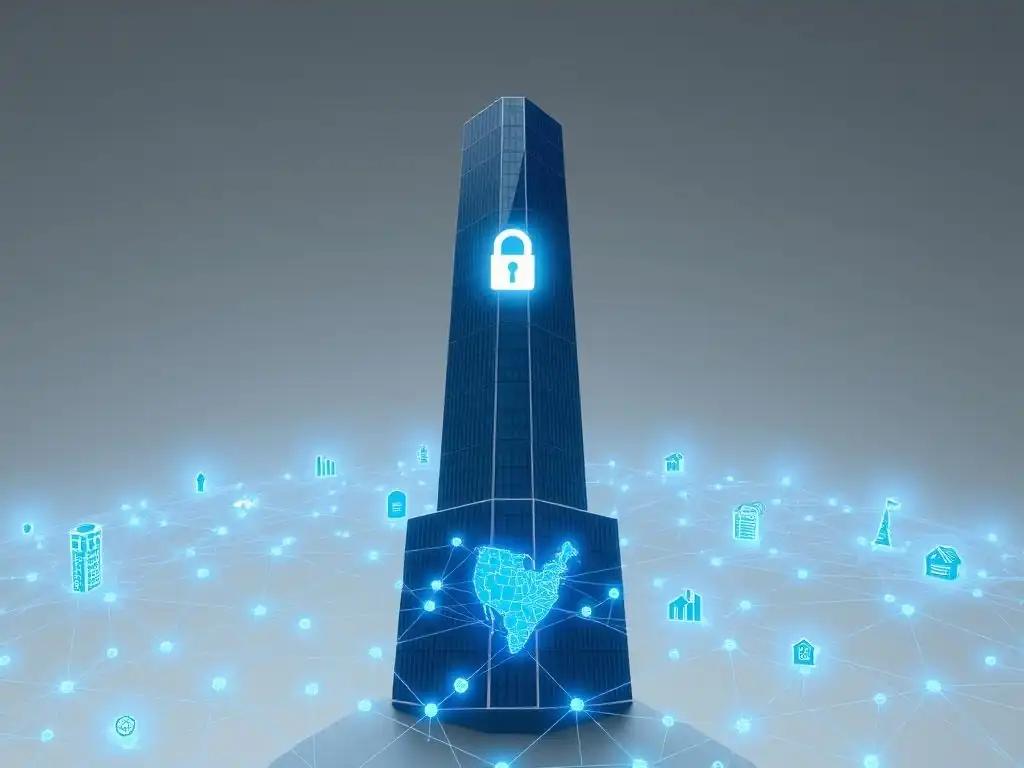
Georgia's Pilot Program: Exploring Blockchain for Land Registry
One of the most notable early examples of a government exploring blockchain for property management is the pilot program launched in the Republic of Georgia. In partnership with Bitfury Group, Georgia began experimenting with putting land titles on the blockchain in 2016. The goal was to create a more secure, transparent, and efficient system for registering and verifying land ownership, directly addressing issues of corruption and inefficiency in their traditional system.
The pilot successfully demonstrated the technical feasibility of recording land titles and other property-related documents, such as liens and mortgages, on a blockchain. While not replacing the existing registry entirely initially, it created a parallel, verifiable record. This initiative showcased the potential for blockchain to enhance the integrity of land records and streamline government services related to secure property blockchain transactions, providing a blueprint for other nations considering similar implementations.
Tokenized Real Estate: Democratizing Investment Opportunities
Blockchain technology enables the concept of tokenized real estate, where ownership of a property is divided into digital tokens on a blockchain. Each token represents a fractional share of the property's value. This process allows investors to buy and sell portions of properties, much like buying shares in a stock. Tokenization lowers the barrier to entry for real estate investment, which traditionally requires significant capital, making it more accessible to a wider range of investors.
Platforms facilitating tokenized real estate allow for fractional ownership of properties ranging from individual homes to large commercial buildings. Investors can participate in secure property blockchain transactions to buy and sell these tokens, benefiting from potential property appreciation and rental income based on their fractional ownership. This model increases liquidity in the real estate market, as tokens can be traded more easily and quickly than traditional property shares, opening up new avenues for investment and secure property blockchain transactions.
Smart Contract-Based Leases: Automating Rental Agreements
Beyond ownership transfers, blockchain and smart contracts are being applied to rental property management. Smart contract-based leases automate key aspects of the rental agreement between landlords and tenants. For example, a smart contract can be programmed to automatically release monthly rent payments from the tenant's digital wallet to the landlord's upon a specific date, provided certain conditions (like property condition verification via IoT sensors) are met.
These smart leases can also automate the return of security deposits based on predefined conditions for property inspection upon lease termination. By automating these processes, smart contracts reduce administrative overhead for landlords and provide tenants with transparency and assurance that the terms of the lease will be executed precisely as agreed. This application of blockchain technology streamlines property management workflows and introduces automation to secure property blockchain transactions within the rental market.
Propy: Facilitating International Real Estate Transactions with Blockchain
Propy is a real-world example of a company using blockchain technology to facilitate secure property blockchain transactions, particularly focusing on international deals. Propy's platform utilizes blockchain to manage the escrow process and record transaction details, aiming to make cross-border real estate purchases more efficient, transparent, and secure. They have publicly reported facilitating several real estate transactions, including the sale of properties in the United States, leveraging blockchain for parts of the process.
The platform integrates various participants in the transaction, from buyers and sellers to agents, notaries, and title companies, onto a single digital workflow. By using blockchain for recording key steps and smart contracts for automating escrow, Propy aims to reduce the complexity, time, and cost associated with international real estate transfers. Their work demonstrates the practical application of blockchain in executing secure property blockchain transactions in complex, multi-jurisdictional environments.
Challenges and Considerations for Blockchain Implementation
One of the most significant hurdles to the widespread adoption of blockchain for secure property blockchain transactions is the lack of clear and consistent regulatory frameworks. Property law is deeply rooted in centuries of tradition and varies significantly between jurisdictions. Integrating a novel technology like blockchain requires legal recognition of blockchain-based records as valid proof of ownership and transactions.
Governments and legal bodies are still grappling with how to classify and regulate blockchain-based property rights, digital tokens representing ownership, and smart contracts used in real estate deals. Until clear laws are established regarding the legal standing of blockchain records in courts, the enforceability of smart contracts, and the regulatory responsibilities of blockchain platforms facilitating secure property blockchain transactions, widespread adoption will remain challenging. Collaboration between technologists, legal experts, and policymakers is essential to build the necessary legal infrastructure.
Scalability Limitations: Addressing Transaction Costs and Network Capacity
Current blockchain networks, particularly public ones like Ethereum (though improving), have faced challenges related to scalability, including limited transaction throughput and high transaction costs (gas fees) during periods of high network activity. For a system handling the sheer volume of property transactions that occur globally, scalability is a critical concern. A blockchain solution for secure property blockchain transactions must be able to process a large number of transactions quickly and affordably.
While enterprise-focused or private/permissioned blockchains can offer higher throughput and lower costs than public chains, they may sacrifice some degree of decentralization or transparency. As blockchain technology evolves, solutions like layer-2 scaling, sharding, and more efficient consensus mechanisms are being developed to address these limitations. The viability of blockchain for mainstream secure property blockchain transactions depends heavily on these technological advancements ensuring the network can handle the demand efficiently.
Data Privacy: Balancing Transparency with Confidentiality
While transparency is a key benefit of blockchain for secure property blockchain transactions, property ownership data can be highly sensitive. Balancing the need for a transparent, verifiable history of ownership with the need to protect individuals' privacy is a complex challenge. Public blockchains, where all transaction data is visible to anyone, may not be suitable for all types of property information.
Solutions involve using permissioned blockchains where access to detailed data is restricted to authorized parties, or employing cryptographic techniques like zero-knowledge proofs to verify information without revealing the underlying data. Governments and platform providers must carefully design systems for secure property blockchain transactions that comply with data protection regulations (like GDPR) while still leveraging blockchain's benefits. Determining what information should be public, what should be permissioned, and how sensitive data is securely stored off-chain but linked to the blockchain record is crucial.
Integration with Existing Systems: Ensuring Compatibility and Interoperability
Implementing blockchain for secure property blockchain transactions requires integrating with a vast ecosystem of existing systems used by various stakeholders: government land registries, banks, title companies, real estate agencies, and legal firms. These systems often use legacy technology and different data formats, making interoperability a significant challenge.
A blockchain solution must be able to communicate and exchange data reliably with these diverse systems. This requires developing standards for data exchange, building APIs (Application Programming Interfaces), and potentially using middleware to bridge different technological environments. The complexity and cost of integrating blockchain with existing infrastructure are considerable factors that slow down adoption. Successful implementation requires careful planning and investment in developing robust integration solutions to ensure seamless secure property blockchain transactions.
The Future of Property Ownership with Blockchain
Increased Adoption: Predictions for Blockchain in Real Estate
While still in early stages, the trajectory for blockchain adoption in real estate points towards increasing integration over the next decade. Industry analysts predict significant growth in the use of blockchain for secure property blockchain transactions, land registries, and fractional ownership platforms. Reports suggest the global blockchain in real estate market is expected to grow substantially, potentially reaching billions of dollars in value within the next few years, driven by the technology's promise of increased efficiency, security, and liquidity.
Initial adoption is likely to continue in niche areas like tokenization and international transactions, as well as in jurisdictions willing to pilot and develop clear regulatory frameworks. As the technology matures, scalability improves, and legal clarity emerges, blockchain is poised to become a more mainstream tool for managing secure property blockchain transactions, potentially underpinning national land registries and facilitating a new era of digital property ownership.
Accessible and Equitable Markets: Promoting Financial Inclusion
Blockchain technology has the potential to make property markets more accessible and equitable. By lowering transaction costs and reducing reliance on expensive intermediaries, secure property blockchain transactions can become more affordable. Tokenization, in particular, democratizes real estate investment by allowing individuals to invest small amounts in high-value properties, previously only accessible to wealthy investors.
This fractional ownership model can open up investment opportunities to a broader population, promoting financial inclusion. Furthermore, in regions with weak traditional property rights systems, blockchain can provide a secure and transparent way to establish and verify ownership, potentially empowering individuals and communities who previously lacked formal title to their land. This could unlock economic potential and reduce disputes in underserved areas through secure property blockchain transactions.
Integration with IoT: Smart Buildings and Automated Property Management
The future of property ownership with blockchain also involves integration with the Internet of Things (IoT). Smart buildings equipped with IoT sensors can generate data about property condition, energy usage, and access. This data can be recorded on a blockchain, creating an immutable log that can be used for automated property management tasks via smart contracts.
For example, a smart contract could automatically release a maintenance payment to a service provider upon verification (via IoT data recorded on blockchain) that a repair has been completed. Access control could be managed via blockchain-based digital keys. This integration creates a seamless, automated ecosystem for managing properties, from secure property blockchain transactions for ownership transfer to daily operational management, enhancing efficiency and security throughout the property lifecycle.
Conclusion: A Secure and Transparent Future for Property
Key Takeaways: Blockchain's Transformative Impact on Real Estate
Blockchain technology holds immense potential to transform the real estate industry, particularly in enhancing the security and efficiency of property transactions. By providing a decentralized, immutable, and transparent ledger, blockchain addresses fundamental weaknesses in traditional systems, such as the risk of deed fraud, opaque ownership histories, and inefficient processes. The core principles of immutability and transparency, combined with the automation capabilities of smart contracts, pave the way for secure property blockchain transactions that are faster, cheaper, and more reliable.
Real-world examples, from government land registry pilots to platforms facilitating international tokenized sales, demonstrate that the application of blockchain in real estate is moving beyond theoretical discussion. While significant challenges remain, including regulatory uncertainty, scalability, data privacy, and integration hurdles, ongoing technological development and increasing industry interest suggest that these obstacles can be overcome. The shift towards secure property blockchain transactions is not just a technological upgrade but a fundamental change in how property ownership is recorded, verified, and transferred.
Call to Action: Embracing Blockchain for a More Secure Property Landscape
The promise of blockchain to deliver truly secure property blockchain transactions represents a significant opportunity for governments, businesses, and individuals. Embracing this technology requires proactive engagement from all stakeholders. Policymakers must work towards developing clear legal and regulatory frameworks that recognize and support blockchain-based property systems. The real estate industry needs to invest in understanding and piloting blockchain solutions, exploring how they can be integrated into existing workflows and business models.
For potential buyers and sellers, staying informed about developments in secure property blockchain transactions is key to understanding the future of the market. As the technology matures and adoption grows, the vision of a property landscape free from fraudulent deeds, characterized by instant verification of ownership, and offering liquid, accessible investment opportunities moves closer to reality. The path forward involves continued innovation, collaboration, and a willingness to adopt decentralized solutions for a more secure and transparent future for property ownership.
Frequently Asked Questions
How can blockchain technology make property transactions more secure?
Blockchain provides a decentralized and immutable ledger, making it extremely difficult to alter or forge property records. This enhanced transparency and security significantly reduces the risk of fraudulent deeds and ownership disputes.
What are the key benefits of using blockchain for property registration?
The primary benefits include increased efficiency in the transfer process, reduced costs associated with traditional intermediaries (like title companies), and improved trust in the accuracy of property records.
How does blockchain address the issue of deed fraud in real estate?
By creating a permanent, tamper-proof record of ownership on the blockchain, it becomes virtually impossible for fraudsters to create or alter deeds without detection. This inherent security minimizes the opportunity for fraud.
What are some potential challenges in adopting blockchain for property transactions?
Challenges include regulatory uncertainty, the need for industry-wide adoption and standardization, and the initial investment in infrastructure and education to implement blockchain solutions.
Is blockchain a guaranteed solution to all property fraud?
While blockchain significantly reduces the risk, it's not a foolproof solution. The security relies on the integrity of the initial data entry and the security of the blockchain network itself.
Final Reflection: Securing Our Future, One Block at a Time
The journey through the potential of blockchain to revolutionize property ownership reveals a powerful truth: the promise of secure property blockchain transactions is no longer a futuristic fantasy, but a tangible possibility within our grasp. The vulnerabilities of traditional systems, rife with opportunities for fraud and manipulation, stand in stark contrast to the transparent and immutable nature of blockchain technology. This shift represents not just a technological upgrade, but a fundamental reimagining of trust and security in one of life's most significant investments.
The implications of this technology extend far beyond simple efficiency. Imagine a world where property ownership is unequivocally verifiable, where disputes are minimized, and where the barriers to entry for homeownership are significantly lowered. This is the potential that blockchain unlocks, and it's a potential that resonates deeply with the desire for fairness and equity in our society. The beauty of blockchain is not just that it's a database, but that it's a database that no one controls.
This quote underscores the transformative power of decentralization, empowering individuals and communities in ways previously unimaginable.
As we stand on the cusp of this new era, I invite you to consider the role you can play in shaping its future. Reflect on the implications of secure property ownership for your own life, for your community, and for the world at large. Embrace the potential of blockchain to build a more transparent, equitable, and secure future for all. The power to create that future lies, in part, within each of us.
Unveil Your Secure Future: Take Control of Your Property's Security Now!
Thank you for exploring how blockchain technology can revolutionize property ownership. You now see how this innovation can protect your assets and make real estate transactions more straightforward. It's time to take action and be part of this transformative movement.
Here are some steps you can take to move forward:
- Explore local blockchain-based land registry projects to understand their progress and potential benefits. This is your first step toward understanding its impact in your community.
- Share this article with friends or family members who own property. Raising awareness is essential to encouraging wider adoption.
- Join discussions on our blockchain-focused forum to explore the implications of blockchain for property rights and connect with others interested in this area.
What actions will you take today to support the adoption of blockchain technology for securing property ownership? Share your thoughts and plans in the comments below!
Leave a Reply