
Somnium Space and Cryptovoxels: Exploring Alternative Decentralized Metaverses

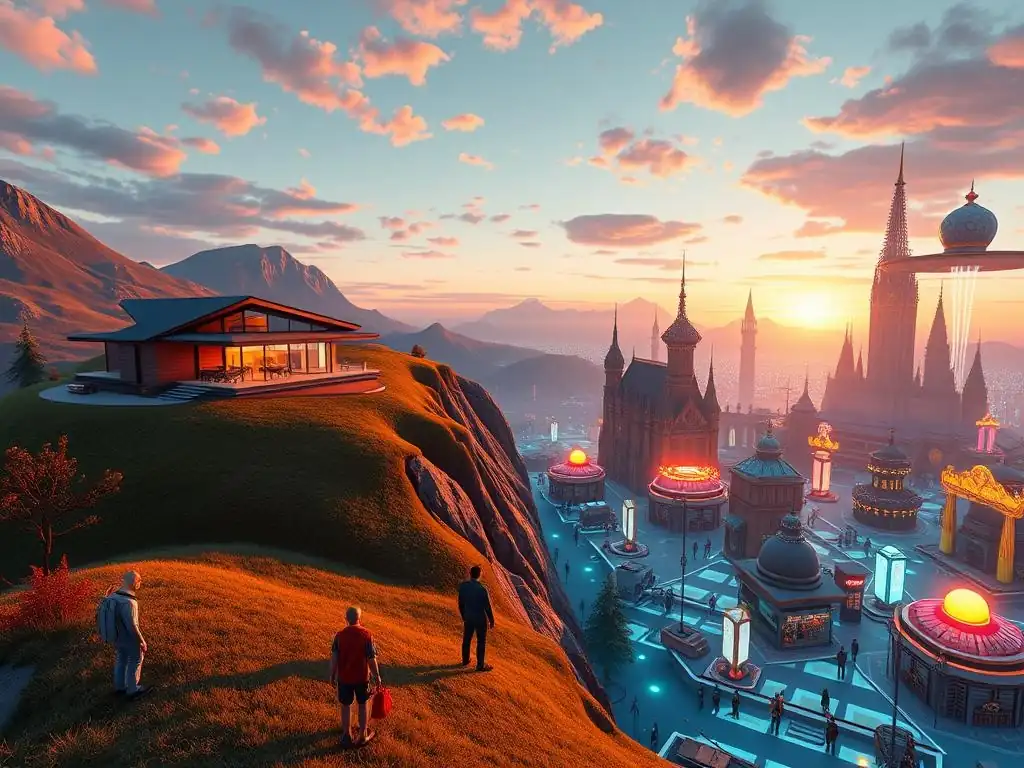
Welcome to Blockchain Trends, your guide to understanding the revolutionary power of blockchain beyond the headlines.
Dive into a world where blockchain's potential extends far beyond cryptocurrencies, reshaping industries and redefining how we interact. Intrigued by the possibilities of a decentralized future? Our latest deep dive explores Decentralized Metaverse Development Opportunities, focusing on alternative platforms like Somnium Space and Cryptovoxels. Discover the unique advantages and challenges of building in truly decentralized metaverses and unlock the potential for innovation. Read on to learn more and explore the future of virtual worlds, powered by blockchain.
- Somnium Space and Cryptovoxels: Exploring Decentralized Metaverse Platforms
- Somnium Space: Features, Functionality, and Development
- Cryptovoxels: Building and Exploring a Voxel-Based World
- Somnium Space vs. Cryptovoxels: A Comparative Analysis
- Development Opportunities: Building the Future in Somnium Space and Cryptovoxels
- Use Cases and Examples of Projects in Somnium Space and Cryptovoxels
- The Future of Decentralized Metaverses: Trends and Predictions
- Conclusion: Embracing Decentralized Platforms for Innovation
-
Frequently Asked Questions
- What are Somnium Space and Cryptovoxels, and how do they relate to the decentralized metaverse?
- How does blockchain technology enable decentralized metaverse development opportunities within platforms like Somnium Space and Cryptovoxels?
- What are some key differences between Somnium Space and Cryptovoxels in terms of their design, features, or target audience?
- What are the regulatory challenges and considerations surrounding decentralized metaverses, particularly when it comes to virtual land ownership and digital assets?
- Beyond land ownership, what other decentralized metaverse development opportunities exist within Somnium Space, Cryptovoxels, and similar platforms?
- Final Reflection: Embracing the Decentralized Metaverse
- Unleash Your Metaverse Pioneer Spirit!
Somnium Space and Cryptovoxels: Exploring Decentralized Metaverse Platforms
The Rise of Decentralized Metaverses: Digital Ownership and User Empowerment
The metaverse concept has rapidly evolved from science fiction to tangible digital spaces, with centralized platforms like Meta's Horizon Worlds and Roblox leading the initial charge. However, a counter-movement is gaining momentum: the rise of decentralized metaverses. These platforms leverage blockchain technology to shift power dynamics, granting users genuine digital ownership and unprecedented control over their virtual assets and experiences. This paradigm shift is attracting creators, developers, and users who seek alternatives to the limitations and centralized control inherent in Web2 metaverse platforms.
Decentralized metaverses are built upon the principles of Web3, emphasizing transparency, immutability, and user autonomy. Unlike centralized platforms where virtual assets and identities are ultimately controlled by a single entity, decentralized metaverses utilize blockchain to establish verifiable digital scarcity and ownership. Non-Fungible Tokens (NFTs) play a crucial role, representing ownership of virtual land, avatars, in-world items, and even digital identities. This fundamental difference empowers users, fostering a more equitable and creator-centric digital landscape and opening up unique decentralized metaverse development opportunities.
Why Explore Alternative Decentralized Metaverse Platforms?
While centralized metaverse platforms offer streamlined experiences and large user bases, they often come with significant drawbacks. These include platform-dependent economies, stringent content moderation policies, and the risk of centralized control over user-generated content and digital assets. Users are essentially renting space and experiences within these platforms, with limited real ownership or say in platform governance. Exploring alternative decentralized metaverse platforms becomes crucial for those seeking greater autonomy, creative freedom, and the potential for genuine digital asset ownership.
Decentralized metaverses offer a compelling alternative by addressing these limitations. They provide users with true digital ownership through NFTs, allowing them to buy, sell, and trade virtual assets on open marketplaces, independent of platform restrictions. Furthermore, many decentralized platforms are governed by Decentralized Autonomous Organizations (DAOs), giving users a voice in platform development and policy decisions. This decentralized approach fosters innovation, encourages user participation, and creates a more resilient and user-centric metaverse ecosystem, presenting unique decentralized metaverse development opportunities focused on community and user empowerment.
Somnium Space: Features, Functionality, and Development
Virtual Land Ownership and the Somnium Space Economy
Somnium Space stands out as a blockchain-based open-world metaverse built on Ethereum and Solana. A core feature of Somnium Space is its emphasis on virtual land ownership. Land parcels are represented as NFTs, specifically ERC-721 tokens on the Ethereum blockchain, ensuring verifiable scarcity and ownership. These parcels are finite in number and vary in size and location, creating a digital real estate market within the metaverse. Users can purchase, sell, rent, and develop their land parcels, fostering a dynamic and user-driven economy.
The Somnium Space economy is deeply integrated with its land ownership model. Landowners can build structures, create experiences, and host events on their parcels, effectively monetizing their digital real estate. The platform supports various forms of economic activity, including virtual businesses, in-world marketplaces, and play-to-earn mechanics. Transactions within Somnium Space often utilize its native cryptocurrency, $CUBE, further embedding the platform within the broader crypto-economic ecosystem. The limited land supply and user-driven development contribute to the appreciation of land value and create significant decentralized metaverse development opportunities focused on virtual real estate and digital economies.
Avatars and Customization in Somnium Space
Somnium Space provides users with a range of avatar options and extensive customization possibilities, allowing for personalized digital identities. Users can choose from pre-designed avatars or create custom avatars using third-party tools and import them into the metaverse. This flexibility allows for a diverse and expressive user population, reflecting individual styles and preferences within the digital realm.
Beyond basic customization, Somnium Space avatars can be further enhanced with wearable NFTs. These can range from clothing and accessories to unique digital items that represent status or achievements within the metaverse. The integration of NFTs into avatar customization reinforces digital ownership and allows users to express their identity through provably unique and scarce digital assets. This focus on avatar customization and digital identity opens up decentralized metaverse development opportunities in areas like avatar creation tools, wearable NFT marketplaces, and personalized metaverse experiences.
Interactive Environments and Experiences in Somnium Space
Somnium Space is designed to be a highly interactive and immersive metaverse environment. Users can explore diverse landscapes, ranging from urban centers to natural environments, all rendered in a visually appealing style. The platform supports spatial audio and VR integration, enhancing the sense of presence and immersion within the virtual world. Interactions with the environment and other users are central to the Somnium Space experience.
The platform encourages the creation of a wide range of interactive experiences. Landowners and developers can build everything from virtual homes and businesses to interactive games and social hubs. Somnium Space supports scripting and SDK integration, allowing for the development of complex and engaging experiences. The platform's openness to user-generated content ensures a constantly evolving and diverse metaverse environment, presenting decentralized metaverse development opportunities in creating interactive experiences, virtual events, and community-driven spaces.
Somnium Space SDK: Tools for Decentralized Metaverse Development
Somnium Space provides a Software Development Kit (SDK) that empowers creators and developers to build custom experiences and applications within the metaverse. The SDK offers a range of tools and resources for creating 3D assets, scripting interactive behaviors, and integrating external APIs. It is designed to be accessible to both experienced developers and those new to metaverse development.
The Somnium Space SDK supports the creation of a wide variety of content, from simple 3D objects to complex interactive scenes and decentralized applications (dApps). Developers can use the SDK to build custom avatars, interactive games, virtual businesses, and educational experiences within Somnium Space. The SDK's flexibility and comprehensive feature set make it a powerful tool for decentralized metaverse development, fostering innovation and user-generated content creation within the platform. This robust SDK is key to unlocking decentralized metaverse development opportunities within Somnium Space, enabling users to actively shape and expand the metaverse.
Cryptovoxels: Building and Exploring a Voxel-Based World
Parcel Ownership and NFT Integration in Cryptovoxels
Cryptovoxels distinguishes itself with its voxel-based aesthetic and its strong emphasis on user-owned land parcels. Similar to Somnium Space, land in Cryptovoxels is represented by NFTs, specifically ERC-721 tokens on the Ethereum blockchain. Parcels are finite and located within a growing grid-based world, known as Origin City and expanding islands. This NFT-based ownership model ensures users have verifiable control and ownership of their digital land.
NFT integration extends beyond land ownership in Cryptovoxels. Users can display and sell NFTs on their land parcels, creating virtual art galleries, marketplaces, and showrooms. This deep integration of NFTs into the platform's fabric fosters a vibrant creator economy and enables users to showcase and monetize their digital assets directly within the metaverse. The focus on NFT integration and land ownership in Cryptovoxels creates decentralized metaverse development opportunities centered around digital art, virtual commerce, and NFT-based experiences.
Building Tools and Creative Expression in Cryptovoxels
Cryptovoxels provides intuitive in-world building tools that empower users to create and customize their land parcels. The voxel-based system is designed to be accessible and user-friendly, allowing individuals with varying levels of technical skill to contribute to the metaverse's visual landscape. Users can build structures, create environments, and arrange objects using a simple and direct interface.
The platform encourages creative expression through its building tools. Users can design virtual homes, art galleries, shops, and interactive installations using voxels. The limitations of the voxel-based system can also be a source of creative inspiration, leading to unique and stylized architectural designs within Cryptovoxels. The accessible building tools and focus on creative expression in Cryptovoxels unlock decentralized metaverse development opportunities for artists, creators, and individuals who want to build and shape their own corner of the metaverse.
Art Galleries, Events, and Community Spaces in Cryptovoxels
Cryptovoxels has become a popular destination for digital art galleries, virtual events, and community gatherings. The platform's ease of use and accessibility have attracted a diverse community of artists, collectors, and enthusiasts who use Cryptovoxels to showcase digital art, host virtual events, and connect with like-minded individuals. The grid-based layout facilitates the creation of interconnected neighborhoods and community spaces.
The platform regularly hosts art exhibitions, live music performances, virtual conferences, and social gatherings within user-owned parcels. These events contribute to the vibrant and dynamic atmosphere of Cryptovoxels, fostering a sense of community and shared experiences. The platform's suitability for art galleries, events, and community spaces opens up decentralized metaverse development opportunities in virtual event management, digital art curation, and community building within a metaverse context.
Accessibility and Ease of Use in Cryptovoxels
Cryptovoxels is designed with accessibility and ease of use in mind. The platform is browser-based, requiring no downloads or installations, making it easily accessible to users with a wide range of devices and technical skills. The intuitive building tools and user-friendly interface contribute to a smooth onboarding experience for new users.
The platform's accessibility extends to its performance. Cryptovoxels is optimized to run smoothly even on lower-end computers and internet connections, ensuring a broader reach compared to more graphically demanding metaverse platforms. This focus on accessibility and ease of use has contributed to Cryptovoxels' growing popularity and makes it a welcoming platform for a diverse user base. This accessibility creates decentralized metaverse development opportunities focused on creating user-friendly experiences and reaching a wider audience within the decentralized metaverse space.
Somnium Space vs. Cryptovoxels: A Comparative Analysis

Land Ownership and Decentralization Models: A Comparison
Both Somnium Space and Cryptovoxels prioritize decentralized land ownership through NFTs. However, their approaches differ slightly. Somnium Space offers a finite number of land parcels of varying sizes within a contiguous world, emphasizing a more realistic and geographically diverse virtual environment. Land parcels are sold in auctions and on secondary marketplaces, with a focus on scarcity and strategic location.
Cryptovoxels, on the other hand, utilizes a grid-based system of parcels that expands over time. New islands and parcels are periodically released, offering a more controlled expansion of the metaverse land supply. While both platforms use ERC-721 NFTs for land ownership, their land distribution and expansion models reflect different philosophies regarding scarcity and metaverse growth. Both models, however, create decentralized metaverse development opportunities tied to virtual real estate and land management within their respective ecosystems.
Development Tools and Customization Capabilities
Somnium Space offers a more powerful and versatile SDK, allowing for complex scripting, custom avatar integration, and the creation of sophisticated interactive experiences. The SDK caters to developers seeking to build advanced applications and immersive environments within the metaverse. This robust SDK enables a wider range of decentralized metaverse development opportunities focused on complex interactive experiences and dApp integrations.
Cryptovoxels prioritizes simplicity and accessibility with its in-world voxel-based building tools. While less technically demanding than the Somnium Space SDK, these tools empower a broader range of users to create and customize their parcels directly within the browser. Cryptovoxels' approach fosters user-generated content and creative expression, offering decentralized metaverse development opportunities centered around user-friendly building tools and voxel-based art and design.
User Experience and Accessibility: A Platform Comparison
Somnium Space aims for a visually immersive and high-fidelity user experience, particularly with its VR integration. The platform is designed to be explored in detail, with a focus on realism and environmental immersion. However, this visual fidelity can require more powerful hardware and internet connections for optimal performance.
Cryptovoxels prioritizes accessibility and browser-based simplicity. Its voxel-based graphics are less demanding, allowing for smoother performance on a wider range of devices. The browser-based access makes Cryptovoxels easily accessible to a broader audience without requiring downloads or installations. This difference in user experience reflects their target audiences and the types of decentralized metaverse development opportunities each platform caters to.
Economic Opportunities and Monetization Strategies
Both platforms offer diverse economic opportunities centered around virtual land ownership and user-generated content. Somnium Space's economy is driven by land sales, virtual real estate development, and in-world businesses, with $CUBE as its native cryptocurrency. The platform's SDK enables developers to create play-to-earn games and complex economic systems within the metaverse, leading to decentralized metaverse development opportunities in virtual economies and game development.
Cryptovoxels' economy is heavily influenced by its strong NFT integration and art community. Users can monetize their land by showcasing and selling NFTs, hosting virtual events, and creating virtual shops. The platform's accessibility and ease of use make it attractive for artists and creators seeking to monetize their digital work. This focus creates decentralized metaverse development opportunities in digital art, virtual commerce, and NFT-based marketplaces within the metaverse.
Development Opportunities: Building the Future in Somnium Space and Cryptovoxels
Creating and Selling Virtual Land and Assets as NFTs
One of the most direct decentralized metaverse development opportunities in both Somnium Space and Cryptovoxels lies in the creation and trading of virtual land and assets as NFTs. Within Somnium Space, developers can acquire land parcels, develop them with unique structures and experiences, and then resell these developed parcels at a premium on secondary marketplaces like OpenSea. The finite nature of land and the potential for increased value based on development and location make this a potentially lucrative avenue.
Similarly, in Cryptovoxels, users can purchase parcels and enhance them with voxel art, interactive installations, or virtual storefronts. These customized parcels can then be resold as NFTs, capitalizing on the demand for prime locations and creatively designed spaces within the metaverse. Furthermore, developers can create and sell in-world assets like avatars, wearables, and decorative items as NFTs, contributing to the platform's ecosystem and generating revenue. The NFT-based nature of these platforms ensures verifiable ownership and facilitates a robust secondary market for virtual assets, driving decentralized metaverse development opportunities in digital asset creation and trading.
Developing Interactive Experiences and Games
Both Somnium Space and Cryptovoxels offer platforms for developers to create interactive experiences and games, presenting significant decentralized metaverse development opportunities. Somnium Space, with its powerful SDK, is particularly well-suited for developing complex and immersive games. Developers can leverage the SDK to create custom game mechanics, integrate external APIs, and design engaging gameplay loops within the metaverse environment. Examples could range from treasure hunts and puzzle games to role-playing experiences and virtual simulations.
Cryptovoxels, while voxel-based, also supports interactive elements and game development. Developers can utilize scripting and in-world building tools to create simple games, interactive art installations, and educational experiences. The platform's accessibility and ease of use make it suitable for creating casual games and community-driven interactive content. Both platforms offer pathways for developers to monetize their interactive creations through in-world economies, play-to-earn mechanics, or by selling access to premium experiences, fostering decentralized metaverse development opportunities in interactive content creation and game design.
Building Decentralized Applications (dApps)
The decentralized nature of Somnium Space and Cryptovoxels provides a fertile ground for building Decentralized Applications (dApps) directly within the metaverse environments. Somnium Space's SDK, in particular, allows for seamless integration with blockchain technologies and external APIs, making it ideal for developing dApps that leverage metaverse functionalities. Examples include decentralized marketplaces for virtual goods, DeFi applications integrated into metaverse experiences, and decentralized governance systems for virtual communities within Somnium Space.
While Cryptovoxels' capabilities for complex dApp development are more limited, its NFT integration and open API allow for certain types of dApp integration. For example, developers could build applications that verify NFT ownership for access to exclusive areas within Cryptovoxels or create decentralized art marketplaces directly within the platform. The potential for dApp integration within both platforms represents significant decentralized metaverse development opportunities, bridging the gap between blockchain technology and immersive metaverse experiences.
Advertising and Marketing Opportunities
The growing user bases and vibrant communities within Somnium Space and Cryptovoxels are attracting attention from brands and businesses seeking innovative advertising and marketing opportunities. Virtual land parcels within these metaverses can be used as prime advertising space, allowing brands to reach a highly engaged and digitally native audience. Companies can build virtual showrooms, host product launches, and create interactive brand experiences within these platforms.
Furthermore, metaverse events and community gatherings within Somnium Space and Cryptovoxels offer unique marketing avenues. Brands can sponsor virtual events, partner with metaverse influencers, and create immersive brand activations to connect with users in a novel and engaging way. The decentralized nature of these platforms allows for more direct and transparent advertising models compared to traditional centralized platforms, presenting decentralized metaverse development opportunities in metaverse advertising and marketing solutions.
Use Cases and Examples of Projects in Somnium Space and Cryptovoxels
Somnium Space Project Examples
Somnium Space hosts a variety of interesting projects developed by its community. One notable example is the "Gemini Space Station," a user-built replica of a space station offering educational experiences about space exploration. This project showcases the potential for creating immersive learning environments within Somnium Space. Another example is "Art Gate," a virtual art gallery showcasing digital art NFTs, demonstrating the platform's use for art display and commerce.
Furthermore, various users have developed virtual businesses within Somnium Space, ranging from virtual nightclubs and entertainment venues to virtual real estate agencies and NFT marketplaces. These projects demonstrate the diverse range of decentralized metaverse development opportunities being explored within Somnium Space, encompassing education, art, entertainment, and commerce. The platform's openness and SDK empower creators to realize diverse and innovative projects.
Cryptovoxels Project Examples
Cryptovoxels is renowned for its vibrant digital art scene. Numerous virtual art galleries exist within Cryptovoxels, showcasing and selling NFTs from various artists. "KnownOrigin HQ" is a prominent example, serving as a virtual gallery for the KnownOrigin NFT art platform. This project exemplifies the platform's strong connection to the digital art world and its role as a virtual art hub.
Beyond art, Cryptovoxels hosts virtual events and community spaces. "Parcel 47," for instance, is a popular community hub hosting regular events and gatherings. Various brands and organizations have also established a presence in Cryptovoxels, creating virtual showrooms and interactive experiences. These examples illustrate the platform's versatility for art, community building, events, and brand engagement, highlighting decentralized metaverse development opportunities across diverse sectors.
Lessons Learned from Developers
Developers working in Somnium Space and Cryptovoxels emphasize the importance of community engagement and understanding the unique characteristics of each platform. In Somnium Space, developers often highlight the power and flexibility of the SDK for creating complex experiences but also note the steeper learning curve compared to Cryptovoxels. They stress the importance of optimizing content for performance, especially for VR users.
Cryptovoxels developers often praise the platform's ease of use and accessibility, making it ideal for rapid prototyping and community-driven projects. However, they also acknowledge the limitations of the voxel-based system for highly detailed or realistic experiences. Developers on both platforms emphasize the need to understand the platform's economy and user base to effectively monetize their creations and contribute to the decentralized metaverse ecosystem. These lessons learned offer valuable insights for those pursuing decentralized metaverse development opportunities on these platforms.
The Future of Decentralized Metaverses: Trends and Predictions
Interoperability Between Metaverses
A key trend in the future of decentralized metaverses is interoperability. Currently, metaverses like Somnium Space and Cryptovoxels operate as largely independent silos. However, the vision of a truly open and interconnected metaverse ecosystem requires interoperability – the ability for users, assets, and experiences to seamlessly move between different platforms. This would involve standardized protocols for avatars, NFTs, and data exchange between metaverses.
While still in its early stages, projects focused on metaverse interoperability are emerging. Solutions like cross-chain NFT bridges and universal avatar standards are being developed to enable greater connectivity between different decentralized metaverse platforms. Achieving true interoperability would unlock significant decentralized metaverse development opportunities, creating a more unified and user-centric metaverse experience and fostering a more robust and interconnected digital economy.
The Role of DAOs in Metaverse Governance
Decentralized Autonomous Organizations (DAOs) are poised to play an increasingly important role in the governance of decentralized metaverses. DAOs offer a mechanism for community-driven decision-making, allowing users to participate in shaping the future development and policies of metaverse platforms. Some decentralized metaverses, like Decentraland, already utilize DAOs for governance, and this trend is likely to expand.
DAOs can be used to manage land allocation, platform upgrades, content moderation policies, and treasury management within metaverses. This decentralized governance model empowers users and reduces reliance on centralized control, aligning with the core principles of Web3. The increasing adoption of DAOs in metaverse governance will create decentralized metaverse development opportunities in DAO tooling, governance mechanisms, and community engagement strategies within decentralized virtual worlds.
Blockchain Technology's Impact on Metaverse Development
Blockchain technology will continue to be a foundational element driving the development of decentralized metaverses. Beyond NFT-based ownership, blockchain can enable secure and transparent in-world economies, decentralized identity management, and verifiable digital scarcity for virtual assets. Advancements in blockchain scalability and interoperability will further enhance the capabilities of decentralized metaverses.
Layer-2 scaling solutions and cross-chain technologies will address current limitations of blockchain, making decentralized metaverses more efficient and user-friendly. Innovations in blockchain-based identity solutions can improve user privacy and control over their digital identities within metaverses. The ongoing evolution of blockchain technology will unlock new decentralized metaverse development opportunities, pushing the boundaries of what's possible in decentralized virtual worlds and their economies.
Conclusion: Embracing Decentralized Platforms for Innovation
Capitalizing on Decentralized Metaverse Development
Somnium Space and Cryptovoxels represent compelling examples of decentralized metaverse platforms that are pioneering new forms of digital ownership, user empowerment, and creative expression. These platforms offer a stark contrast to centralized metaverse initiatives, providing users with greater control and agency within virtual worlds. For developers, creators, and businesses, these decentralized platforms present significant decentralized metaverse development opportunities to build innovative experiences, monetize digital assets, and contribute to the evolution of the open metaverse.
By embracing decentralized principles, these platforms are fostering a more equitable and user-centric metaverse ecosystem. The emphasis on NFT-based ownership, community governance, and open development tools empowers individuals and creators to actively shape the future of the metaverse. Capitalizing on decentralized metaverse development opportunities within platforms like Somnium Space and Cryptovoxels means participating in the creation of a more open, transparent, and user-owned digital future.
Shaping the Future of the Metaverse with Somnium Space and Cryptovoxels
Somnium Space and Cryptovoxels are not just alternative metaverse platforms; they are actively shaping the future of the metaverse itself. By demonstrating the viability of decentralized models, they are influencing the direction of metaverse development and challenging the dominance of centralized platforms. Their focus on user ownership, creative freedom, and community governance sets a precedent for a more open and democratic metaverse ecosystem.
As decentralized metaverses continue to evolve and mature, platforms like Somnium Space and Cryptovoxels will play a crucial role in defining the standards, norms, and possibilities of the metaverse. By engaging with these platforms, developers, creators, and users are not only exploring decentralized metaverse development opportunities but are also actively participating in building a more open, inclusive, and user-owned metaverse future.
Frequently Asked Questions
What are Somnium Space and Cryptovoxels, and how do they relate to the decentralized metaverse?
Somnium Space and Cryptovoxels are blockchain-based virtual worlds, often considered alternative decentralized metaverses. They offer users ownership of virtual land and assets, distinguishing them from centralized platforms.
How does blockchain technology enable decentralized metaverse development opportunities within platforms like Somnium Space and Cryptovoxels?
Blockchain provides secure ownership and verifiable scarcity of in-world assets, typically using NFTs. This creates new economic models and incentivizes user participation and development.
What are some key differences between Somnium Space and Cryptovoxels in terms of their design, features, or target audience?
Somnium Space emphasizes realistic graphics and immersive experiences, while Cryptovoxels focuses on voxel-based art and simpler design. Their target audiences differ somewhat in terms of aesthetic preferences.
What are the regulatory challenges and considerations surrounding decentralized metaverses, particularly when it comes to virtual land ownership and digital assets?
Regulatory landscapes are still evolving, with issues around digital asset classification, taxation, and protection against fraud needing clarification. This impacts user rights and platform responsibilities.
Beyond land ownership, what other decentralized metaverse development opportunities exist within Somnium Space, Cryptovoxels, and similar platforms?
Opportunities include creating interactive experiences, building NFT-based games, developing virtual businesses, and designing unique avatars and wearables. The possibilities are constantly expanding.
Final Reflection: Embracing the Decentralized Metaverse
The exploration of Somnium Space and Cryptovoxels reveals more than just alternative virtual worlds; it highlights the burgeoning potential of decentralized metaverse development opportunities that are reshaping our understanding of digital ownership and community. As centralized platforms face increasing scrutiny, the promise of user-governed, blockchain-backed metaverses offers a compelling vision for the future of online interaction and creative expression.
The allure of these decentralized spaces lies in their ability to empower creators and users alike. This shift towards decentralization is not merely a technological trend, but a fundamental realignment of power within the digital realm. It's a movement that resonates deeply with the desire for greater autonomy and control over our digital identities and creations. The future is already here – it's just not evenly distributed.
- William Gibson. This quote perfectly encapsulates the current state of the decentralized metaverse; the technology exists, the potential is immense, but widespread adoption and understanding are still on the horizon.
As we conclude this exploration, consider the implications of this emerging landscape. What role will you play in shaping the decentralized metaverse? Will you be a creator, a developer, an investor, or simply an explorer? The opportunities are vast and varied, but the key lies in embracing the spirit of innovation and collaboration that defines these nascent worlds. Let us all strive to build a future where digital ownership is truly decentralized, and the metaverse becomes a space for genuine connection and boundless creativity.
Unleash Your Metaverse Pioneer Spirit!
Thank you for exploring the world of decentralized metaverses! We hope this article expanded your understanding of the diverse possibilities within virtual worlds. Now, it's time to turn that knowledge into action.
Eager to get started? Here are some ways to dive deeper:
- Claim a free parcel in the virtual world and begin building your own digital space. It's the perfect opportunity to experience creative freedom firsthand.
- Join the community Discord server to connect with fellow enthusiasts and stay updated on upcoming events and land sales.
- Challenge yourself: create a piece of digital art and showcase it in your new virtual environment. You might discover a hidden talent.
Which metaverse are you most excited to explore first, and what will you create? Share your thoughts in the comments below!
Leave a Reply