
The Social Side of Blockchain: Building Relationships in Online Communities

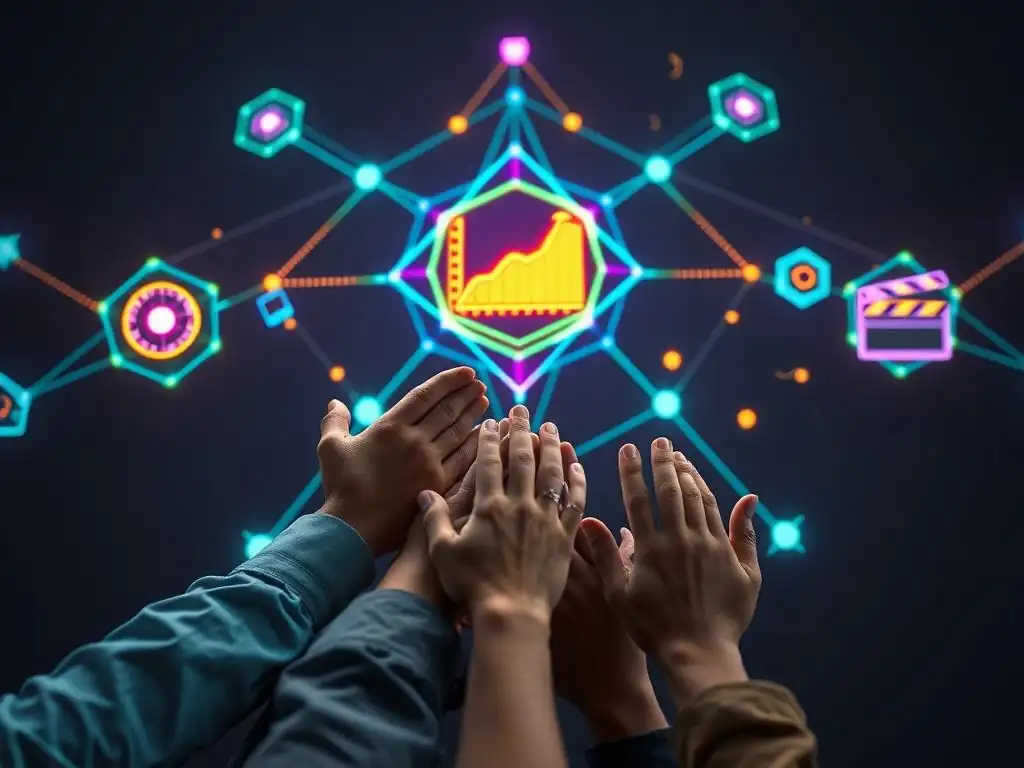
Welcome to Blockchain Trends, your guide to navigating the revolutionary world of blockchain beyond cryptocurrencies. This week, we delve into a vital, often overlooked aspect of this technology: the human element. Intrigued by how thriving, engaged communities are fueling innovation and adoption? Discover essential blockchain community building strategies and unlock the secrets to fostering collaboration and growth in the decentralized age. Read on to explore the power of connection in the blockchain space and learn how you can be a part of it!
The Social Side of Blockchain: Building Relationships in Online Communities
- Introduction: Why Blockchain Community Building Matters
- Understanding Blockchain Communities: A Deeper Dive
-
Blockchain Community Building Strategies: Key Approaches
- Fostering Engagement: Creating Active and Vibrant Forums
- Content Creation: Providing Valuable Information and Insights
- Encouraging Collaboration: Facilitating Projects and Discussions
- The Power of Education: Workshops, Tutorials, and Knowledge Sharing
- Decentralized Autonomous Organization (DAO) Onboarding Program
- Effective Communication in Blockchain Communities
- Tools and Platforms for Blockchain Community Engagement
- Measuring Success: Tracking Blockchain Community Growth and Engagement
- Challenges in Blockchain Community Building
- The Future of Blockchain Communities
- Conclusion: Strengthening the Social Fabric of Blockchain
-
Frequently Asked Questions
- How can I effectively engage new members in a blockchain community?
- What are some proven strategies for increasing member retention within a blockchain community?
- How can I leverage social media to attract new members to my blockchain community?
- How important is clear and consistent communication in maintaining a thriving blockchain community?
- What are some common challenges in building a successful blockchain community, and how can they be overcome?
- Final Reflection: Forging Bonds in the Digital Ledger
- Ignite Your Blockchain Connections!
Introduction: Why Blockchain Community Building Matters
The Growing Importance of Blockchain Communities
Blockchain technology, while revolutionary in its technical capabilities, thrives on the strength of its communities. In a space characterized by rapid innovation and decentralization, communities serve as vital hubs for knowledge dissemination, collaboration, and collective progress. Consider the Ethereum community, one of the largest in the blockchain space.
Estimates suggest that the Ethereum developer community alone comprises hundreds of thousands of individuals globally, contributing to core protocol development, building decentralized applications (dApps), and fostering educational initiatives. This massive scale demonstrates the network effect at play; a larger, more engaged community translates directly into a more robust and innovative ecosystem. These communities are not merely gatherings of enthusiasts; they are the engines driving blockchain adoption and evolution.
The open-source nature of most blockchain projects inherently necessitates community involvement. Unlike traditional centralized technologies developed behind closed doors, blockchain projects are often built and improved upon by distributed teams and individuals across the globe. This collaborative model relies heavily on effective communication and shared understanding, making community building not just beneficial, but crucial for project success.
For example, projects like Bitcoin and Linux, both open-source and community-driven, have demonstrated remarkable resilience and longevity, largely attributed to their strong and decentralized communities. These examples highlight that in the blockchain realm, the strength of the community is often directly proportional to the project's impact and sustainability.
Beyond Technology: The Human Element in Blockchain Adoption
While blockchain technology is undeniably complex and technically demanding, its ultimate success hinges on human adoption and understanding. Blockchain community building strategies recognize this crucial human element, focusing on fostering trust, education, and engagement among individuals with varying levels of technical expertise. The early days of Bitcoin adoption were largely driven by online forums and communities where users shared knowledge, troubleshooted issues, and evangelized the technology.
This grassroots movement, fueled by passionate individuals, laid the foundation for wider acceptance and growth. The human element is critical because blockchain, at its core, is about changing paradigms – how we transact, organize, and interact online.
Building strong blockchain communities is therefore about more than just technical discussions; it's about creating inclusive spaces where individuals can learn, contribute, and feel a sense of belonging. Successful blockchain adoption requires bridging the knowledge gap between technical experts and the general public. Communities play a vital role in simplifying complex concepts, providing accessible educational resources, and fostering dialogue that demystifies blockchain technology for newcomers.
Consider the rise of educational platforms and online courses dedicated to blockchain, many of which are driven by community contributions and peer-to-peer learning. This emphasis on the human element is what will ultimately drive mainstream blockchain adoption beyond niche tech circles.
Understanding the social dynamics within blockchain communities is essential for effective community building. These dynamics encompass a wide range of factors, from communication styles and governance models to conflict resolution and shared values. Blockchain communities are diverse, ranging from highly technical developer groups to investor networks and general enthusiast forums. Each type of community exhibits unique social patterns and requires tailored blockchain community building strategies. For instance, a developer community might prioritize technical discussions and code collaboration, while an investor community may focus on market analysis and investment opportunities.
This article will delve into the multifaceted nature of blockchain communities, exploring various blockchain community building strategies designed to foster engagement, collaboration, and growth. We will examine the different types of communities, the tools and platforms they utilize, effective communication techniques, and methods for measuring community success. Furthermore, we will address the inherent challenges in building and maintaining thriving blockchain communities, such as combating misinformation and ensuring inclusivity. By understanding these social dynamics and implementing effective strategies, we can strengthen the social fabric of the blockchain ecosystem and unlock its full transformative potential.
Understanding Blockchain Communities: A Deeper Dive
At its core, a blockchain community is a group of individuals who coalesce around shared values and goals related to blockchain technology. These shared values often include decentralization, transparency, innovation, and the potential for blockchain to disrupt traditional systems. Goals can be diverse, ranging from supporting a specific blockchain project to advocating for wider blockchain adoption or contributing to the overall growth of the ecosystem. For example, the Bitcoin community shares a fundamental belief in decentralized, censorship-resistant digital currency and works towards its continued development and adoption as a store of value and medium of exchange.
The sense of shared purpose is what distinguishes a true community from a mere collection of individuals interested in blockchain. Members of a blockchain community actively participate, contribute, and engage with each other based on these common values and goals. This participation can take many forms, from contributing code to open-source projects and participating in online forums to organizing meetups and educating newcomers.
The strength and cohesion of a blockchain community are directly related to the clarity and resonance of its shared values and the collective commitment to achieving its goals. Without this unifying force, a group may lack the necessary drive and collaboration to thrive and contribute meaningfully to the blockchain space.
Types of Blockchain Communities: From Developers to Enthusiasts
Blockchain communities are far from monolithic; they encompass a wide spectrum of groups with varying focuses and expertise. One key type is the developer community, which forms the backbone of any blockchain project. These communities are composed of software engineers, cryptographers, and other technical experts who contribute to the core protocol development, build dApps, and create developer tools. The Ethereum developer community, for example, is renowned for its size and activity, driving continuous innovation within the Ethereum ecosystem.
Another significant type is the investor community, which focuses on the financial aspects of blockchain. This includes investors, traders, and analysts who are interested in cryptocurrency markets, tokenomics, and blockchain-based investment opportunities. These communities often congregate around specific projects or broader investment themes, sharing market insights and investment strategies.
Beyond these technical and financially oriented groups, there are enthusiast communities, comprised of individuals who are passionate about blockchain technology and its potential impact on society. These communities are often more broadly focused, encompassing individuals with varying levels of technical knowledge, and serve as crucial entry points for newcomers to the space. Finally, project-specific communities form around individual blockchain projects or platforms.
These communities are deeply invested in the success of a particular project, contributing to its growth, adoption, and governance. Understanding these different types of blockchain communities is crucial for tailoring effective blockchain community building strategies to each group's specific needs and interests.
Online forums and social platforms are the lifeblood of blockchain communities, serving as the primary spaces for communication, collaboration, and information sharing in a geographically dispersed ecosystem. Platforms like Reddit, with subreddits dedicated to specific cryptocurrencies and blockchain topics, have been instrumental in fostering early blockchain communities. For example, r/Bitcoin and r/ethereum are massive online forums where users discuss everything from technical developments to price predictions and community events. These forums provide a readily accessible space for newcomers to ask questions, learn from experienced members, and engage in discussions.
Discord servers have become increasingly popular for blockchain communities, offering real-time chat, voice channels, and community-specific features. Many blockchain projects host their official communities on Discord, providing direct access to project teams and fostering a more immediate and interactive environment. Social media platforms like Twitter and Telegram also play a vital role in disseminating information, building brand awareness, and facilitating quick communication within blockchain communities.
Twitter is often used for sharing news updates, announcements, and engaging in public discussions, while Telegram is popular for community-run chat groups and project announcements. These online platforms are not just tools; they are the virtual town squares where blockchain communities are built, nurtured, and sustained.
Blockchain Community Building Strategies: Key Approaches
Fostering Engagement: Creating Active and Vibrant Forums
Fostering engagement is paramount for building active and vibrant blockchain communities. One key strategy is to create welcoming and inclusive forums where new members feel comfortable participating. This can involve implementing clear community guidelines, actively moderating discussions to ensure a positive and respectful environment, and proactively welcoming new members. For example, many successful blockchain communities utilize welcome bots that automatically greet new users and provide them with essential resources and community guidelines.
Another crucial aspect is initiating and sustaining engaging discussions. This can be achieved by regularly posting thought-provoking questions, sharing relevant news and articles, and hosting interactive events like AMAs (Ask Me Anything) with project leaders or industry experts. Consider the example of the Algorand community, which regularly hosts online town hall meetings and developer office hours, fostering direct interaction between the community and the core team.
Gamification and reward systems can also be effective engagement boosters. Some blockchain communities implement systems that reward active participation, such as awarding badges or tokens for contributing valuable content or helping other members. By consistently implementing these engagement-focused strategies, blockchain projects can cultivate thriving communities that are actively contributing to the ecosystem's growth.
Content Creation: Providing Valuable Information and Insights
High-quality content is the fuel that powers thriving blockchain communities. Providing valuable information and insights attracts new members, keeps existing members engaged, and establishes the community as a trusted source of knowledge. Content can take many forms, including educational articles, blog posts, tutorials, videos, infographics, and podcasts. For example, the Binance Academy is a widely recognized resource that provides free educational content on various blockchain and cryptocurrency topics, attracting a large and engaged community around the Binance ecosystem.
Content should be tailored to the needs and interests of the target community. For developer communities, technical documentation, code examples, and tutorials are highly valuable. For enthusiast communities, content that explains complex concepts in simple terms, highlights use cases, and provides news updates is more relevant. Consistency is key in content creation.
Regularly publishing fresh and relevant content keeps the community engaged and coming back for more. Many successful blockchain projects maintain active blogs and knowledge bases that are consistently updated with new information and insights. By prioritizing content creation, blockchain projects can build knowledgeable and engaged communities that contribute meaningfully to the ecosystem.
Encouraging Collaboration: Facilitating Projects and Discussions
Encouraging collaboration is essential for unlocking the collective potential of blockchain communities. Facilitating projects and discussions that promote teamwork and shared goals can significantly enhance community engagement and innovation. Organizing hackathons and coding competitions is a proven method for fostering collaboration among developer communities. These events provide a platform for developers to team up, build innovative solutions, and showcase their skills. For instance, ETHGlobal hosts regular Ethereum hackathons that attract thousands of developers worldwide, leading to the creation of numerous innovative dApps and tools.
Beyond hackathons, facilitating collaborative discussions around specific topics or challenges can also be highly effective. This can involve creating dedicated forum channels for project proposals, bug bounties, or feature requests, encouraging community members to contribute their ideas and expertise. Open-source projects inherently rely on community collaboration for code contributions, testing, and documentation. Platforms like GitHub serve as central hubs for these collaborations, enabling developers worldwide to contribute to blockchain projects. By actively facilitating collaboration, blockchain projects can tap into the collective intelligence of their communities and drive innovation at a faster pace.
The Power of Education: Workshops, Tutorials, and Knowledge Sharing
Education is a cornerstone of effective blockchain community building strategies. Workshops, tutorials, and knowledge-sharing initiatives are crucial for onboarding new members, upskilling existing members, and fostering a more knowledgeable and engaged community. Beginner-friendly tutorials and introductory workshops are essential for demystifying blockchain technology and making it accessible to a wider audience. Many blockchain projects offer free online courses and learning resources that guide newcomers through the fundamentals of blockchain and cryptocurrencies. For example, platforms like Coursera and edX host numerous blockchain courses developed by universities and industry experts.
More advanced workshops and tutorials can cater to specific skill sets or areas of interest within the community, such as smart contract development, DeFi protocols, or blockchain governance. Peer-to-peer knowledge sharing is also a powerful educational tool. Encouraging experienced community members to mentor newcomers, answer questions in forums, and create user-generated tutorials fosters a collaborative learning environment. By prioritizing education and knowledge sharing, blockchain projects can empower their communities, increase participation, and drive wider blockchain adoption.
Decentralized Autonomous Organization (DAO) Onboarding Program
For blockchain projects utilizing Decentralized Autonomous Organizations (DAOs) for governance, a structured onboarding program is crucial for effectively integrating new members into the decentralized decision-making process. DAOs empower community members to participate in governance through token-based voting, but understanding the mechanisms and protocols can be complex for newcomers. A DAO onboarding program should aim to educate new members about the DAO's governance structure, voting procedures, proposal processes, and community norms. This can involve creating dedicated onboarding documentation, video tutorials, and interactive walkthroughs.
Mentorship programs can also be highly effective in DAO onboarding, pairing experienced DAO members with newcomers to guide them through the participation process and answer their questions. Community-led workshops and onboarding sessions can provide a more interactive and engaging learning experience. Furthermore, gamified onboarding processes can incentivize participation and make learning more enjoyable.
For example, some DAOs utilize quizzes or challenges to test new members' understanding of governance protocols and reward successful completion with access to voting rights or other community benefits. A well-designed DAO onboarding program ensures that new members are equipped to actively and effectively participate in decentralized governance, strengthening the DAO and fostering a more engaged and empowered community.
Effective Communication in Blockchain Communities
Transparency and Openness: Building Trust with Members
Transparency and openness are fundamental principles for building trust within blockchain communities. In an ecosystem often characterized by skepticism and misinformation, open and honest communication is crucial for establishing credibility and fostering strong community relationships. Blockchain projects should strive to be transparent about their development progress, roadmap, financial status (where applicable and compliant with regulations), and decision-making processes. Regularly publishing updates, progress reports, and financial disclosures (when appropriate and legally compliant) demonstrates a commitment to transparency.
Open communication channels, such as public forums, Discord servers, and open-source repositories, are essential for fostering transparency. Encouraging open discussions, actively soliciting community feedback, and promptly addressing concerns builds trust and demonstrates that the project values community input. For example, projects that openly engage with their communities on platforms like GitHub, responding to issues and pull requests in a timely manner, foster a culture of transparency and collaboration. Transparency also extends to acknowledging mistakes and addressing challenges openly and honestly. By prioritizing transparency and openness, blockchain projects can cultivate trust and build stronger, more resilient communities.
Active Listening: Understanding Community Needs and Concerns
Active listening is a critical communication skill for effectively managing and nurturing blockchain communities. It involves going beyond simply hearing what community members are saying and truly understanding their needs, concerns, and perspectives. This requires actively monitoring community channels, paying attention to feedback, and engaging in thoughtful dialogue. Community managers should proactively seek out and solicit feedback through surveys, polls, and open forums.
Analyzing community sentiment and identifying recurring themes or concerns is essential for addressing underlying issues and improving community satisfaction. For example, if community members consistently express concerns about a particular aspect of the project or platform, actively listening and addressing these concerns directly demonstrates that their voices are heard and valued. Active listening also involves empathizing with community members and understanding their perspectives, even when they differ from the project's viewpoint. By prioritizing active listening, blockchain projects can gain valuable insights into community needs, improve communication, and build stronger relationships with their members.
Conflict Resolution: Addressing Issues Fairly and Effectively
Conflict is inevitable in any community, including blockchain communities. Having clear and effective conflict resolution mechanisms in place is crucial for maintaining a positive and harmonious community environment. Establishing clear community guidelines and moderation policies that outline acceptable behavior and consequences for violations is the first step in proactive conflict resolution. These guidelines should be easily accessible and consistently enforced.
When conflicts arise, addressing them promptly, fairly, and effectively is essential. This often involves a multi-step approach, starting with private mediation or dialogue between the parties involved. Community moderators or designated conflict resolution personnel should act as neutral mediators, facilitating communication and helping to find mutually agreeable solutions.
Escalation procedures should be in place for situations where mediation is unsuccessful, outlining the steps for further review and resolution, potentially involving community votes or project leadership decisions in decentralized contexts. Transparency in the conflict resolution process is also important, ensuring that decisions are made fairly and are clearly communicated to the community. By proactively addressing conflict and implementing effective resolution mechanisms, blockchain projects can maintain a positive and respectful community environment.
The Importance of Clear and Concise Communication
In the fast-paced and often technically complex world of blockchain, clear and concise communication is paramount. Ambiguous or convoluted communication can lead to misunderstandings, frustration, and disengagement within the community. Blockchain projects should strive for clarity and conciseness in all forms of communication, from project announcements and technical documentation to forum posts and social media updates. Using plain language, avoiding jargon where possible, and structuring information logically enhances clarity.
Regularly summarizing key information and providing clear calls to action ensures that community members understand the main points and know what is expected of them. Visual aids, such as infographics and videos, can also be effective tools for simplifying complex concepts and improving communication clarity. Furthermore, tailoring communication styles to different community segments is important. Technical audiences may appreciate more detailed and technical communication, while general audiences may require simpler and more accessible explanations. By prioritizing clear and concise communication, blockchain projects can ensure that information is easily understood, reducing confusion and fostering a more engaged and informed community.
Tools and Platforms for Blockchain Community Engagement
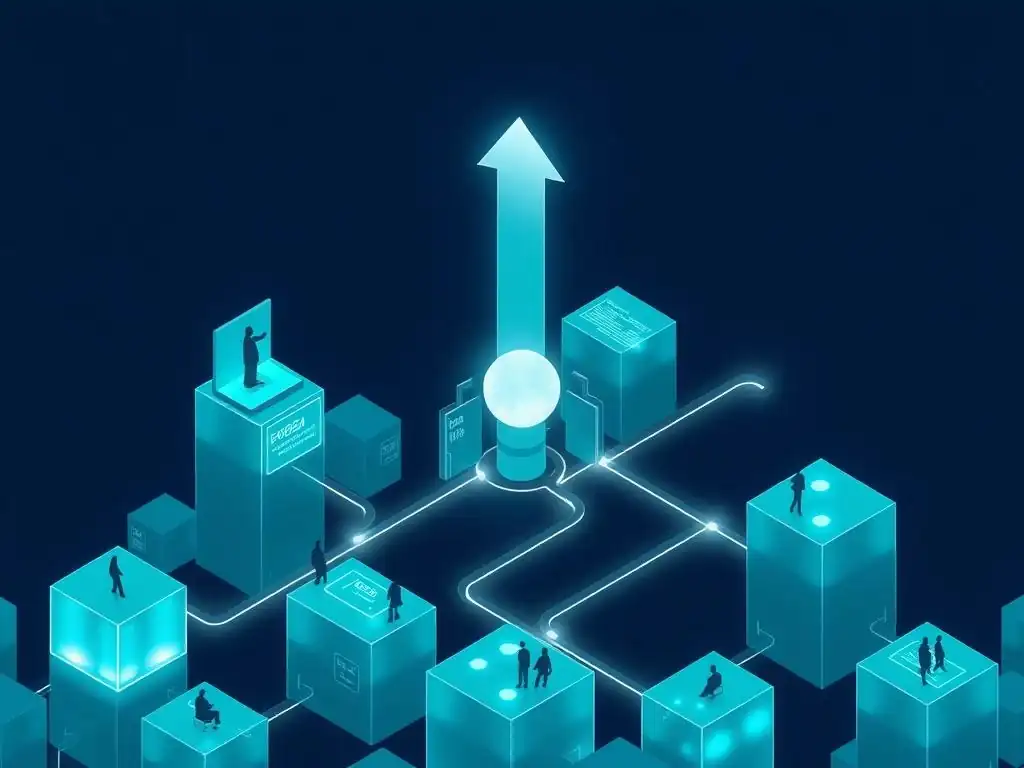
Online Forums: Reddit, Discord, and Beyond
Online forums remain a foundational tool for blockchain community engagement, providing structured spaces for discussions, information sharing, and community building. Reddit, with its subreddit structure, has long been a popular platform for blockchain communities. Subreddits like r/Bitcoin, r/ethereum, and r/cryptocurrency host millions of users and facilitate diverse discussions on everything from technical analysis to industry news. Reddit's upvoting and downvoting system helps surface valuable content and moderate discussions organically.
Discord has emerged as a dominant platform for real-time blockchain community engagement. Its server-based structure allows for the creation of dedicated channels for different topics, fostering focused discussions and real-time interaction. Many blockchain projects host their official communities on Discord, providing direct access to project teams and enabling instant communication.
Beyond Reddit and Discord, other forum platforms like Discourse and dedicated community platforms offer more customizable and feature-rich environments for blockchain community building. Choosing the right online forum platform depends on the specific needs and preferences of the community, but these platforms are essential for providing structured and accessible spaces for online interaction.
Social media platforms are indispensable tools for broader blockchain community engagement, extending reach beyond dedicated forum platforms and facilitating wider communication and awareness. Twitter is a crucial platform for disseminating news, announcements, and engaging in public discussions within the blockchain space. Blockchain projects and community leaders utilize Twitter to share updates, participate in industry conversations, and build brand awareness. Hashtags like #blockchain, #crypto, and #[projectname] help aggregate conversations and increase visibility.
Telegram is widely used for community chat groups, offering real-time messaging and group communication features. Many blockchain projects maintain official Telegram channels for announcements and community discussions. Telegram's ease of use and mobile accessibility make it a popular platform for quick communication and community updates. LinkedIn, while more professionally oriented, is also valuable for blockchain community engagement, particularly for connecting with professionals in the industry, sharing career opportunities, and building professional networks within the blockchain space. Leveraging these diverse social media platforms strategically allows blockchain projects to reach wider audiences, engage with different community segments, and amplify their message.
Community Management Platforms: Discourse, Guild, CommonGround
Beyond general forum and social media platforms, specialized community management platforms offer enhanced features and tools specifically designed for building and managing online communities. Discourse is an open-source forum platform known for its user-friendly interface, advanced moderation tools, and customizable features. Discourse is often favored by blockchain projects seeking a more sophisticated and customizable forum solution than Reddit or basic forum software.
Guild is a platform focused on building private and professional communities, offering features like gated access, role-based permissions, and integrated communication tools. Guild is particularly suitable for blockchain communities that require a more controlled and professional environment, such as DAOs or enterprise blockchain initiatives. CommonGround is a platform designed for building decentralized communities, leveraging blockchain technology for community governance and member ownership. CommonGround provides tools for token-based access, voting, and community-led decision-making, aligning with the decentralized ethos of blockchain. Utilizing these specialized community management platforms can significantly enhance the efficiency, functionality, and governance capabilities of blockchain communities.
Utilizing Blockchain Technology for Community Governance: DAOs and Voting Mechanisms
Embracing blockchain technology itself for community governance is a powerful approach that aligns with the decentralized principles of the ecosystem. Decentralized Autonomous Organizations (DAOs) are a prime example of utilizing blockchain for community governance. DAOs empower community members to participate in decision-making through token-based voting, creating a more transparent and democratic governance structure. DAO tooling platforms provide frameworks and tools for creating and managing DAOs, including voting mechanisms, proposal systems, and treasury management.
Voting mechanisms on the blockchain ensure transparency and immutability of governance decisions. Smart contracts can be used to automate voting processes and enforce governance rules, reducing the need for centralized intermediaries and increasing community trust. Projects like Aragon and Snapshot provide platforms for creating and managing DAOs and implementing on-chain voting. Utilizing blockchain technology for community governance not only aligns with the decentralized ethos but also empowers community members, increases transparency, and fosters a more engaged and participatory community.
Measuring Success: Tracking Blockchain Community Growth and Engagement
Key Metrics: Active Users, Engagement Rate, and Sentiment Analysis
Measuring the success of blockchain community building strategies requires tracking key metrics that reflect community growth, engagement, and overall health. Active users is a fundamental metric, indicating the size and activity level of the community. This can be tracked across various platforms, such as forum logins, Discord active members, and social media engagement. Monitoring the growth of active users over time provides insights into community expansion and reach. However, simply tracking user numbers is insufficient; engagement rate is a crucial metric that reflects the level of interaction and participation within the community.
Engagement rate can be measured by tracking metrics such as forum post frequency, comment volume, social media interactions (likes, shares, comments), and participation in community events. A high engagement rate indicates a vibrant and active community, while a low rate may signal a need for improved engagement strategies. Sentiment analysis provides qualitative insights into community perception and overall sentiment towards the project or topic.
Sentiment analysis tools can analyze text data from forums, social media, and community feedback to gauge whether the prevailing sentiment is positive, negative, or neutral. Tracking sentiment over time can help identify potential issues, measure the impact of community initiatives, and understand the overall health of the community.
Tools for Tracking Community Performance: LunarCrush, Sentiment Analysis APIs
Several tools are available to assist in tracking blockchain community performance and gathering data on key metrics. LunarCrush is a platform specifically designed for cryptocurrency and blockchain community analysis. LunarCrush aggregates data from various social media platforms, news sources, and community forums, providing insights into social sentiment, influencer activity, and community engagement for specific cryptocurrencies and blockchain projects. LunarCrush provides metrics like social volume, social sentiment, and influencer scores, offering a comprehensive overview of community performance.
Sentiment analysis APIs (Application Programming Interfaces) provide programmatic access to sentiment analysis capabilities. These APIs can be integrated into community management platforms or custom dashboards to automatically analyze text data from community channels and track sentiment in real-time. Platforms like Brandwatch and Talkwalker offer sentiment analysis APIs that can be used to monitor blockchain community sentiment across various online sources.
For tracking website traffic and forum activity, standard web analytics tools like Google Analytics and forum analytics dashboards can be used to monitor active users, page views, and engagement metrics. Utilizing these tools enables data-driven community management and provides valuable insights for optimizing blockchain community building strategies.
Interpreting Data: Understanding Community Trends and Needs
Collecting community data is only the first step; interpreting the data effectively is crucial for understanding community trends, needs, and areas for improvement. Analyzing trends in active user growth can reveal the effectiveness of community outreach and onboarding efforts. A sudden surge in active users may indicate successful marketing campaigns or positive media coverage, while stagnant growth may signal a need for renewed outreach strategies. Monitoring engagement rate trends can highlight the effectiveness of community engagement initiatives. A declining engagement rate may indicate a need for more engaging content, interactive events, or improved community moderation.
Analyzing sentiment data over time can reveal shifts in community perception and identify potential issues or concerns. A sudden drop in positive sentiment or a rise in negative sentiment may signal a need to address community concerns or improve communication. Combining quantitative data (e.g., active users, engagement rate) with qualitative data (e.g., sentiment analysis, community feedback) provides a holistic understanding of community dynamics. Regularly reviewing and interpreting community data allows blockchain projects to identify trends, understand community needs, and adapt their blockchain community building strategies to maximize effectiveness and foster a thriving community.
Challenges in Blockchain Community Building
Maintaining Authenticity: Combating Spam and Bots
Maintaining authenticity is a significant challenge in blockchain community building, particularly in combating spam and bots that can undermine genuine engagement and erode community trust. The pseudonymous nature of blockchain and cryptocurrency can make it challenging to distinguish between authentic users and automated bots or malicious actors. Spam bots can flood community channels with irrelevant or promotional content, disrupting discussions and diluting valuable information. Bot networks can also be used to artificially inflate community metrics, creating a false impression of engagement and activity.
Implementing robust moderation tools and strategies is crucial for combating spam and bots. This includes utilizing anti-spam filters, CAPTCHA verification, and proactive community moderation to identify and remove spam accounts and content. Community reporting mechanisms empower community members to flag suspicious activity and assist in moderation efforts.
Educating community members about identifying spam and bots helps foster a more resilient and self-policing community. Employing advanced bot detection tools and algorithms can further enhance spam and bot prevention efforts. Maintaining authenticity is an ongoing challenge that requires vigilance, proactive moderation, and community education to ensure a genuine and trustworthy community environment.
Moderating Content: Ensuring a Positive and Respectful Environment
Moderating content effectively is essential for ensuring a positive and respectful environment within blockchain communities. Blockchain discussions can often be passionate and sometimes contentious, particularly around topics like price volatility, project competition, or differing ideologies. Without effective moderation, discussions can devolve into negativity, personal attacks, and unproductive arguments, damaging community morale and discouraging participation. Establishing clear community guidelines that outline acceptable behavior, prohibited content, and consequences for violations is the foundation of effective content moderation.
Consistent and fair enforcement of community guidelines is crucial. Community moderators should be trained to identify and address guideline violations promptly and impartially. Utilizing moderation tools, such as keyword filters, content flagging systems, and user muting or banning capabilities, can enhance moderation efficiency. Transparency in moderation decisions is also important. Communicating moderation actions clearly and consistently helps build trust and ensures that community members understand the rationale behind moderation decisions. Striking a balance between free expression and maintaining a respectful environment is a delicate but crucial aspect of successful blockchain community building.
Addressing Misinformation: Providing Accurate and Reliable Information
The blockchain space is rife with misinformation and hype, making it a significant challenge to ensure that blockchain communities are provided with accurate and reliable information. Misinformation can range from exaggerated claims about project capabilities to outright scams and fraudulent schemes. Combating misinformation is crucial for protecting community members, fostering informed decision-making, and maintaining the credibility of the blockchain ecosystem. Providing readily accessible and reliable sources of information is a key strategy for addressing misinformation. This includes creating comprehensive knowledge bases, FAQs, and educational resources that explain blockchain concepts and project details accurately and transparently.
Actively debunking misinformation and addressing false claims within community channels is essential. Community moderators and project leaders should be proactive in correcting misinformation and providing evidence-based information. Encouraging critical thinking and media literacy within the community empowers members to evaluate information critically and identify potential misinformation. Collaborating with reputable media outlets and fact-checking organizations can further enhance efforts to combat misinformation and promote accurate and reliable information within blockchain communities.
Combating Sybil Attacks in DAO Governance
In the context of Decentralized Autonomous Organizations (DAOs), Sybil attacks pose a specific and significant challenge to community governance. Sybil attacks occur when a single malicious actor creates multiple fake identities (Sybil identities) to gain disproportionate influence in DAO voting and governance processes. By controlling a large number of Sybil identities, an attacker can manipulate voting outcomes, control treasury funds, or disrupt DAO operations. Combating Sybil attacks is crucial for ensuring the integrity and fairness of DAO governance.
Implementing robust identity verification and anti-Sybil mechanisms is essential. This can include using decentralized identity solutions, social graph analysis, and proof-of-personhood protocols to verify the uniqueness and authenticity of DAO members. Token-based voting mechanisms can be designed to mitigate Sybil attacks by requiring token holders to stake or lock their tokens for voting, making it more costly and difficult for attackers to acquire a large number of voting identities.
Community-based reputation systems can also help identify and flag suspicious accounts or voting patterns. Continuous monitoring and analysis of voting patterns are necessary to detect and respond to potential Sybil attacks. Combating Sybil attacks is an ongoing technical and governance challenge for DAOs, requiring a multi-faceted approach and continuous innovation.
The Future of Blockchain Communities
The future of blockchain communities is being shaped by exciting emerging trends, particularly the rise of decentralized social networks and the increasing prominence of DAOs. Decentralized social networks built on blockchain technology offer an alternative to centralized social media platforms, empowering users with greater control over their data, content, and online identities. Projects like Mastodon, Lens Protocol, and Farcaster are pioneering decentralized social networking, fostering communities around user-owned platforms and censorship-resistant communication. These platforms promise to reshape online community building by prioritizing user autonomy and decentralization.
DAOs are evolving beyond simple governance mechanisms to become more sophisticated and versatile organizational structures for blockchain communities. DAOs are increasingly being used to manage decentralized projects, allocate resources, and coordinate community efforts in a transparent and democratic manner. The evolution of DAO tooling and infrastructure is making it easier for blockchain communities to adopt and utilize DAOs for governance, fundraising, and community management. The convergence of decentralized social networks and DAOs points towards a future where blockchain communities are increasingly self-governed, user-owned, and deeply integrated with blockchain technology.
The Role of Blockchain in Fostering Trust and Collaboration
Blockchain technology itself plays a pivotal role in fostering trust and collaboration within online communities. The transparency and immutability of blockchain enable verifiable and auditable community interactions, building trust and accountability among members. Smart contracts can automate community processes, enforce governance rules, and facilitate transparent resource allocation, reducing the need for centralized intermediaries and enhancing community trust. Decentralized identity solutions built on blockchain can empower users with self-sovereign identities, enhancing privacy and security within online communities.
Blockchain-based voting mechanisms enable transparent and tamper-proof community decision-making, fostering democratic governance and increasing community participation. Tokenization can incentivize community contributions and participation, aligning incentives and fostering collaborative efforts towards shared goals. The inherent properties of blockchain technology – transparency, immutability, decentralization, and tokenization – provide a powerful foundation for building more trustworthy, collaborative, and resilient online communities. As blockchain technology matures, its role in fostering trust and collaboration within communities will only become more pronounced.
Building a More Inclusive and Diverse Blockchain Ecosystem
Building a more inclusive and diverse blockchain ecosystem is a crucial imperative for the future of blockchain communities. The blockchain space has historically been dominated by certain demographics, lacking representation from diverse backgrounds, genders, ethnicities, and perspectives. Creating more inclusive communities requires conscious efforts to address systemic biases, promote diversity, and foster welcoming environments for individuals from all backgrounds. Actively promoting diversity in leadership positions, speaker lineups, and community events is essential for demonstrating a commitment to inclusivity.
Implementing inclusive language guidelines and moderation policies helps create a more welcoming and respectful environment for all community members. Providing accessible educational resources and onboarding programs tailored to diverse backgrounds can help bridge the knowledge gap and encourage wider participation. Creating mentorship programs and support networks specifically for underrepresented groups can foster a more inclusive and equitable community. Building a more inclusive and diverse blockchain ecosystem not only aligns with ethical principles but also enhances innovation, creativity, and the overall resilience of the community.
Increased Focus on Decentralized Identity and Reputation Systems
Decentralized identity and reputation systems are poised to play an increasingly important role in shaping the future of blockchain communities. Decentralized identity solutions empower users with self-sovereign identities, giving them greater control over their personal data and online interactions within communities. This can enhance privacy, security, and user autonomy within blockchain communities. Reputation systems built on blockchain can provide transparent and verifiable mechanisms for assessing user contributions, trustworthiness, and expertise within communities.
Decentralized reputation can be used to reward valuable contributions, filter out spam and misinformation, and enhance community governance. Projects like BrightID and Gitcoin Passport are pioneering decentralized identity and reputation systems for online communities. As decentralized identity and reputation technologies mature, they are expected to become increasingly integrated into blockchain communities, shaping user interactions, governance processes, and overall community dynamics. The focus on decentralized identity and reputation reflects a growing emphasis on user empowerment, trust, and verifiable interactions within the future of blockchain communities.
Recap of Key Blockchain Community Building Strategies
Throughout this article, we have explored various blockchain community building strategies essential for fostering thriving and engaged communities. Key strategies include fostering engagement through active forums and interactive events, content creation to provide valuable information and insights, encouraging collaboration through projects and discussions, leveraging the power of education with workshops and tutorials, and implementing robust DAO onboarding programs for decentralized governance. Effective communication is paramount, emphasizing transparency, active listening, conflict resolution, and clear messaging.
Utilizing appropriate tools and platforms, from online forums and social media to specialized community management platforms and blockchain-based governance mechanisms, is crucial for operational efficiency and community engagement. Finally, measuring success through key metrics like active users, engagement rate, and sentiment analysis, coupled with data interpretation, allows for continuous improvement and adaptation of community building efforts.
The Long-Term Benefits of a Strong Blockchain Community
The long-term benefits of cultivating a strong blockchain community are multifaceted and extend beyond individual project success to the overall health and growth of the blockchain ecosystem. A strong community fosters innovation through collaborative development and idea sharing. It drives adoption by evangelizing blockchain technology and educating new users. It enhances resilience by decentralizing knowledge and support networks. It promotes trust through transparent communication and community governance. It contributes to sustainability by creating a vibrant and self-sustaining ecosystem. Ultimately, a strong blockchain community is a valuable asset that underpins the long-term success and transformative potential of blockchain technology.
Call to Action: Get Involved and Contribute to the Blockchain Ecosystem
Building a robust and thriving blockchain ecosystem is a collective endeavor that requires the active participation of individuals from diverse backgrounds and skill sets. We encourage you to get involved in blockchain communities, whether by joining online forums, contributing to open-source projects, participating in community events, or simply sharing your knowledge and passion with others. Contribute your skills, ideas, and perspectives to the blockchain ecosystem.
Whether you are a developer, designer, writer, marketer, or simply an enthusiast, your contributions are valuable and can help shape the future of blockchain. By actively participating and contributing, you can help strengthen the social fabric of blockchain and unlock its full potential to transform industries and empower individuals worldwide.
Frequently Asked Questions
How can I effectively engage new members in a blockchain community?
Engage new members by creating a welcoming and inclusive environment. Encourage active participation through beginner-friendly content and offer opportunities for collaboration. Regularly acknowledge and reward contributions to foster a sense of belonging.
What are some proven strategies for increasing member retention within a blockchain community?
Focus on providing ongoing value through educational resources and exclusive content. Facilitate meaningful interactions by organizing online events and workshops. Cultivate a strong sense of community identity and shared purpose.
Utilize social media platforms to share engaging content related to blockchain and the community. Actively participate in relevant discussions and promote community events. Run targeted advertising campaigns to reach potential members interested in blockchain.
How important is clear and consistent communication in maintaining a thriving blockchain community?
Clear and consistent communication is crucial for building trust and transparency. Regularly update members on community developments and address concerns promptly. Establish clear guidelines and expectations for communication etiquette.
What are some common challenges in building a successful blockchain community, and how can they be overcome?
Common challenges include managing misinformation and dealing with toxic behavior. Implementing robust moderation policies and educating members on responsible participation can help. Focusing on building a positive and inclusive culture is key.
Final Reflection: Forging Bonds in the Digital Ledger
The exploration of blockchain community building strategies reveals more than just technical implementations; it highlights the fundamental human need for connection, even within decentralized systems. The success of any blockchain project hinges not solely on its code, but on the strength and engagement of its community. This understanding is crucial in today's increasingly digital world, where online interactions often replace face-to-face encounters.
The impact of fostering genuine relationships within blockchain communities extends far beyond mere project adoption. It shapes the very ethos of the technology, influencing its development and ensuring its ethical application. Witnessing the power of collaborative problem-solving and shared vision within these communities has been profoundly inspiring, reinforcing the belief that technology should serve to unite, not divide. Coming together is a beginning, staying together is progress, and working together is success.
- Henry Ford. This quote perfectly encapsulates the journey of building a thriving blockchain community.
As we conclude this exploration, I invite you to consider how you can contribute to building stronger, more inclusive online communities, whether within the blockchain space or beyond. Embrace the principles of transparency, collaboration, and empathy. Let us strive to create digital spaces where genuine connections flourish and where technology empowers us to build a better, more connected future, one block at a time.
Ignite Your Blockchain Connections!
Thank you for exploring the social side of blockchain with us! We hope this article has inspired you to build meaningful connections within the crypto community. Ready to take the next step and dive deeper?
Here's how you can get started:
- Join active blockchain groups on platforms like Discord or Telegram and participate in discussions. This is your first step toward forming relationships.
- Follow influential blockchain leaders and thinkers on social media, and engage thoughtfully with their content.
- Share this article with your network to encourage others to explore the social aspects of blockchain and help foster a more connected community.
Are there any blockchain communities you're eager to explore and contribute to? Let us know in the comments below!
Leave a Reply