
Intellectual Property Tokenization: Protecting and Monetizing Innovation on the Blockchain


Welcome to Blockchain Trends, your premier resource for navigating the evolving landscape of blockchain technology. Beyond the buzz of cryptocurrencies, discover how this revolutionary technology is reshaping industries. Intrigued by the prospect of securing and leveraging your creative assets in innovative ways? Dive into our latest article to explore cutting-edge Blockchain IP tokenization strategies. Uncover how these methods are transforming intellectual property management and unlocking new monetization possibilities. Keep reading to learn how you can leverage this technology to protect and grow your innovation.
Intellectual Property Tokenization: Protecting and Monetizing Innovation on the Blockchain
- Introduction: Unlocking Value with Blockchain IP Tokenization
- Understanding Intellectual Property Tokenization
- Benefits of Blockchain IP Tokenization Strategies
- Challenges and Considerations for IP Tokenization
- Blockchain IP Tokenization Strategies: A Detailed Look
- Real-World Examples of Intellectual Property Tokenization
- Choosing the Right Blockchain Platform for IP Tokenization
- The Future of Intellectual Property Management with Blockchain
- Conclusion: Embracing the Potential of Blockchain for IP
-
Frequently Asked Questions
- How does blockchain help protect intellectual property (IP)?
- What are some potential benefits of tokenizing intellectual property?
- What are some of the challenges involved in implementing Blockchain IP tokenization strategies?
- What types of IP can be effectively tokenized using blockchain technology?
- How can Blockchain IP tokenization strategies contribute to the future of decentralized systems?
- Final Reflection: Embracing the Tokenized Future of Innovation
- Unleash Your IP Potential: Start Tokenizing Today!
Introduction: Unlocking Value with Blockchain IP Tokenization
The Intersection of Intellectual Property and Blockchain Technology
Intellectual property (IP) represents creations of the mind, such as inventions, literary and artistic works, designs, and symbols, names, and images used in commerce. Traditionally, managing, protecting, and monetizing these intangible assets has involved complex legal frameworks, centralized registries, and often opaque processes. The advent of blockchain technology introduces a paradigm shift, offering decentralized, transparent, and immutable ledgers that can fundamentally alter how IP rights are recorded, transferred, and utilized. This intersection opens up new possibilities for efficiency, security, and accessibility in the world of innovation and creativity.
Blockchain technology, with its distributed and tamper-proof nature, provides a robust infrastructure for creating secure, verifiable records of IP ownership and transaction history. By leveraging cryptographic principles, blockchain can ensure the integrity and authenticity of IP data, mitigating issues like unauthorized use and proof of creation dates. This foundation is critical for developing effective blockchain IP tokenization strategies, transforming abstract rights into tangible, tradeable digital assets. The potential for streamlining global IP management, from registration to enforcement, is immense, promising a more interconnected and efficient ecosystem for innovators and investors alike.
Why Tokenize Intellectual Property Assets?
Tokenizing intellectual property involves converting IP rights into digital tokens on a blockchain. This process transforms illiquid, often difficult-to-transfer assets into divisible, programmable units that can be easily traded, licensed, or financed. The primary motivations for pursuing blockchain IP tokenization strategies include enhancing liquidity, enabling fractional ownership, increasing transparency, and creating new avenues for monetization. Traditional IP transactions can be cumbersome, expensive, and geographically limited; tokenization breaks down these barriers, offering a global, always-on market for IP assets.
Furthermore, tokenization allows for granular control over IP rights through smart contracts. These self-executing contracts can automate licensing agreements, royalty payments, and usage restrictions, reducing administrative overhead and minimizing disputes. For instance, a music artist could tokenize royalty streams from a song, selling fractions of future earnings directly to fans or investors via smart contracts that automatically distribute payments. This level of automation and transparency provides significant advantages over traditional manual processes, making blockchain IP tokenization strategies attractive for diverse asset classes, from patents to digital art.
Understanding Intellectual Property Tokenization
What is Intellectual Property (IP)?
Intellectual property refers to the legal rights granted over creations of the mind. These rights typically allow creators or owners to benefit from their work and innovation. The main categories of IP recognized globally include patents, which protect inventions; copyrights, which protect original works of authorship like books, music, and software; trademarks, which protect brand names, logos, and symbols used to identify goods and services; and trade secrets, which protect confidential business information that provides a competitive edge, such as formulas or processes.
Each type of IP has distinct characteristics, protection durations, and registration requirements, varying significantly across jurisdictions. For example, a patent might protect a novel manufacturing process for 20 years, while a copyright might protect a novel for the author's lifetime plus 70 years. Understanding these nuances is crucial when developing blockchain IP tokenization strategies, as the specific legal rights and characteristics of the underlying IP asset will dictate the design and functionality of its corresponding token. The value and transferability of the token are directly tied to the legal validity and scope of the IP it represents.
Demystifying Tokenization: How It Works
Tokenization is the process of converting a real-world or digital asset into a digital token on a blockchain. In the context of IP, this means representing ownership, licensing rights, or royalty streams associated with a patent, copyright, trademark, or trade secret as a unique token or a set of fungible tokens on a distributed ledger. The token essentially acts as a digital certificate of ownership or rights, recorded immutably on the blockchain. This record can be verified by anyone on the network, providing unprecedented transparency regarding the chain of title or rights associated with the IP asset.
The technical implementation typically involves creating a smart contract on a blockchain platform like Ethereum or Polygon. This smart contract defines the rules governing the token, including its total supply, transferability, and any associated rights or obligations (e.g., royalty distribution). When an IP asset is tokenized, information about the IP (or a secure hash of that information) is linked to the token recorded in the smart contract.
Subsequent transactions involving the token (buying, selling, licensing) are then executed and recorded on the blockchain, providing a secure, transparent, and auditable history. This forms the core mechanism behind effective blockchain IP tokenization strategies.
The Role of Blockchain in IP Management and Monetization
Blockchain technology plays a transformative role in IP management by providing a decentralized, immutable, and transparent ledger for recording IP ownership, licensing agreements, and transaction history. Unlike traditional centralized databases which are susceptible to single points of failure and manipulation, a blockchain offers enhanced security and integrity for IP records. This distributed nature makes it significantly harder for malicious actors to alter ownership details or transaction logs without detection, providing a robust foundation for trust in IP transactions. Proof of creation and ownership can be timestamped and verified on the chain, simplifying dispute resolution.
For monetization, blockchain unlocks new possibilities through tokenization. IP assets, traditionally illiquid and difficult to divide, can be fractionalized into smaller, more accessible tokens. This allows for easier investment, licensing, and transfer. Smart contracts embedded within these tokens can automate revenue distribution from licensing or sales, ensuring that IP owners receive royalties automatically and transparently. This not only streamlines the monetization process but also opens up IP investment to a broader pool of participants, potentially increasing the overall value and accessibility of IP assets. These capabilities are central to successful blockchain IP tokenization strategies.
Benefits of Blockchain IP Tokenization Strategies
Enhanced Security and Transparency for IP Rights
One of the most significant advantages of blockchain IP tokenization strategies is the enhanced security and transparency they offer for managing IP rights. By recording ownership, licensing details, and transaction history on a decentralized, immutable ledger, blockchain significantly reduces the risk of fraud, tampering, and unauthorized transfers. Each transaction is cryptographically secured and added to the chain, creating a permanent, auditable record that is accessible to all participants on the network (depending on the blockchain type, public or private). This level of transparency builds trust among parties involved in IP transactions.
Traditional IP management often relies on centralized registries that can be vulnerable to cyberattacks or administrative errors. Blockchain eliminates this single point of failure. For instance, registering a copyright or patent on a blockchain provides an immutable timestamp and proof of existence, which can be invaluable in proving prior art or ownership in legal disputes. While not replacing legal registration entirely, the on-chain record provides a powerful layer of verifiable data. This increased security and transparency are fundamental pillars supporting robust blockchain IP tokenization strategies.
Improved Liquidity and Accessibility for IP Assets
Intellectual property assets are notoriously illiquid. Selling or licensing a patent, trademark, or a large portfolio of copyrights typically involves lengthy negotiations, complex legal agreements, and significant transaction costs. Tokenization radically improves liquidity by transforming these assets into digital tokens that can be easily traded on secondary markets. This allows IP owners to unlock value more quickly and efficiently than through traditional means. For example, a startup with valuable patents but limited capital could tokenize a portion of its patent portfolio to raise funds, rather than pursuing dilutive equity financing or complex licensing deals.
Furthermore, tokenization increases accessibility by enabling fractional ownership. A single token can represent a fraction of a larger IP asset, such as a percentage of royalties from a film or a share in the ownership of a complex patent portfolio. This allows smaller investors or companies to participate in IP ownership, democratizing access to potentially lucrative assets that were previously only available to large corporations or wealthy individuals. This fractionalization is a key feature of effective blockchain IP tokenization strategies, broadening the potential market for IP assets significantly.
Streamlined Licensing and Royalty Distribution with Smart Contracts
Smart contracts are self-executing contracts with the terms of the agreement directly written into code. When applied to blockchain IP tokenization strategies, they can automate complex processes like licensing and royalty distribution. An IP owner can issue tokens representing licensing rights to use their asset under specific conditions defined in a smart contract. When these tokens are purchased or utilized, the smart contract can automatically enforce the terms, such as granting temporary access or collecting usage fees.
Royalty distribution becomes particularly efficient. Instead of manual tracking and periodic payments, smart contracts can automatically calculate and distribute royalties to token holders (who represent IP owners or investors in royalty streams) based on pre-defined triggers, such as sales data or usage metrics reported to the blockchain. This eliminates the need for intermediaries, reduces administrative costs, and ensures timely and accurate payments. For example, a blockchain music platform using tokenized royalties could automatically send a percentage of streaming revenue directly to the token holders representing the song's rights, potentially within minutes of the revenue being recorded.
New Revenue Streams for IP Owners through Token Sales
Blockchain IP tokenization strategies open up novel ways for IP owners to generate revenue beyond traditional sales or licensing. By creating and selling tokens that represent ownership, usage rights, or future royalty streams of their intellectual property, creators and innovators can access capital directly from a global pool of investors or fans. This is often referred to as an IP token offering (IPO) or a security token offering (STO), depending on the nature of the token and regulatory compliance.
This model allows IP owners to pre-sell access to future innovations or creative works, generating funds needed for further development, production, or marketing. For instance, a game developer could tokenize in-game assets or future expansion packs based on underlying IP, selling these tokens to fund development. Similarly, a research institution could tokenize rights to potential future discoveries from a specific research area. This provides a flexible and potentially faster way to capitalize on IP value compared to traditional fundraising methods.
Fractional Ownership of IP: Democratizing Access to Innovation
Fractional ownership, enabled by blockchain IP tokenization strategies, allows multiple individuals or entities to collectively own a portion of a single, high-value intellectual property asset. Traditionally, owning a share of a major patent portfolio or a famous piece of copyrighted material was prohibitively expensive and legally complex. Tokenization breaks the asset into smaller, more affordable units, making it accessible to a wider range of investors.
This democratization has several benefits. It lowers the barrier to entry for investing in potentially lucrative IP assets, allowing smaller investors to diversify their portfolios. It also provides IP owners with a larger pool of potential buyers or licensees, potentially increasing the overall market value and liquidity of their assets. For example, a collection of rare, valuable digital art could be tokenized, allowing hundreds or thousands of people to own a small percentage, sharing in any appreciation or licensing revenue. This fosters a more inclusive and dynamic IP market.
Challenges and Considerations for IP Tokenization
Legal and Regulatory Frameworks for Tokenized IP
One of the most significant challenges facing blockchain IP tokenization strategies is the lack of clear and consistent legal and regulatory frameworks across different jurisdictions. The legal status of a token representing an IP asset is often ambiguous; is it considered a security, a property right, a digital asset, or something else? This uncertainty creates significant compliance hurdles for platforms and IP owners looking to tokenize assets, particularly when tokens are offered to the public. Regulatory bodies worldwide are still grappling with how to classify and govern these novel digital assets.
Furthermore, the legal validity of IP rights represented solely by a blockchain token, without corresponding traditional legal registration (like a patent office filing), remains largely untested in many courts. While blockchain can provide strong evidence of creation and transaction history, it doesn't automatically grant legal protection equivalent to government-issued patents or registered trademarks in most countries. Navigating this complex legal landscape requires careful consideration and often necessitates combining blockchain-based approaches with existing legal mechanisms to ensure robust protection and enforceability of tokenized IP rights.
Valuation and Pricing of Tokenized IP Assets
Determining the fair market value and appropriate pricing for tokenized intellectual property assets presents another considerable challenge. Unlike tangible assets or even publicly traded company stocks, IP assets are inherently intangible and their value is often subjective and dependent on future potential earnings, market demand, and competitive landscape. Tokenizing IP doesn't change the underlying difficulty of valuation; in fact, fractionalization can add layers of complexity.
Establishing a widely accepted methodology for valuing tokenized IP is crucial for building liquid and efficient markets. Factors to consider include the strength and scope of the IP protection, the size and growth potential of the relevant market, projected revenue streams (e.g., licensing fees, royalties), comparable sales data (if available), and the specific rights or revenue share represented by the token. Without standardized valuation practices, pricing can be speculative, making it difficult for investors to assess risk and for IP owners to determine fair token issuance terms.
Security Risks and Mitigation Strategies for Blockchain-Based IP
While blockchain offers enhanced security compared to traditional systems, blockchain IP tokenization strategies are not immune to security risks. These risks can arise from various sources, including vulnerabilities in the smart contract code, private key management issues, platform-level security weaknesses, and potential regulatory or legal challenges that could impact the enforceability of the tokenized rights. A single bug in a smart contract governing tokenized royalties, for instance, could lead to incorrect distributions or loss of funds.
Mitigation strategies are essential. Rigorous auditing of smart contracts by reputable third parties is paramount to identify and fix vulnerabilities before deployment. Secure management of private keys used to control IP assets or smart contracts is critical; loss or compromise of keys could lead to irreversible loss of control. Platforms facilitating IP tokenization must implement robust cybersecurity measures to protect user accounts and data. Furthermore, incorporating off-chain legal agreements that complement the on-chain token can provide a layer of recourse in case of technical failure or security breaches.
Scalability and Interoperability of IP Tokenization Platforms
The widespread adoption of blockchain IP tokenization strategies depends heavily on the scalability and interoperability of the underlying blockchain platforms. Current blockchain networks, particularly public ones like Ethereum (though improving), can face challenges with transaction speed, throughput, and cost (gas fees) when handling a large volume of complex transactions, which could be required for managing active IP licensing or royalty streams. Scalability solutions like Layer 2 networks are emerging but add complexity.
Interoperability is also crucial. IP assets and their associated tokens may need to move between different blockchain networks or interact with traditional systems. For example, proving on-chain IP ownership might need to be recognized by an off-chain legal system or integrated with enterprise IP management software. Lack of seamless interoperability between different blockchain platforms and with existing infrastructure can hinder the fluid transfer and utilization of tokenized IP assets, limiting the potential reach and efficiency gains promised by tokenization.
Blockchain IP Tokenization Strategies: A Detailed Look
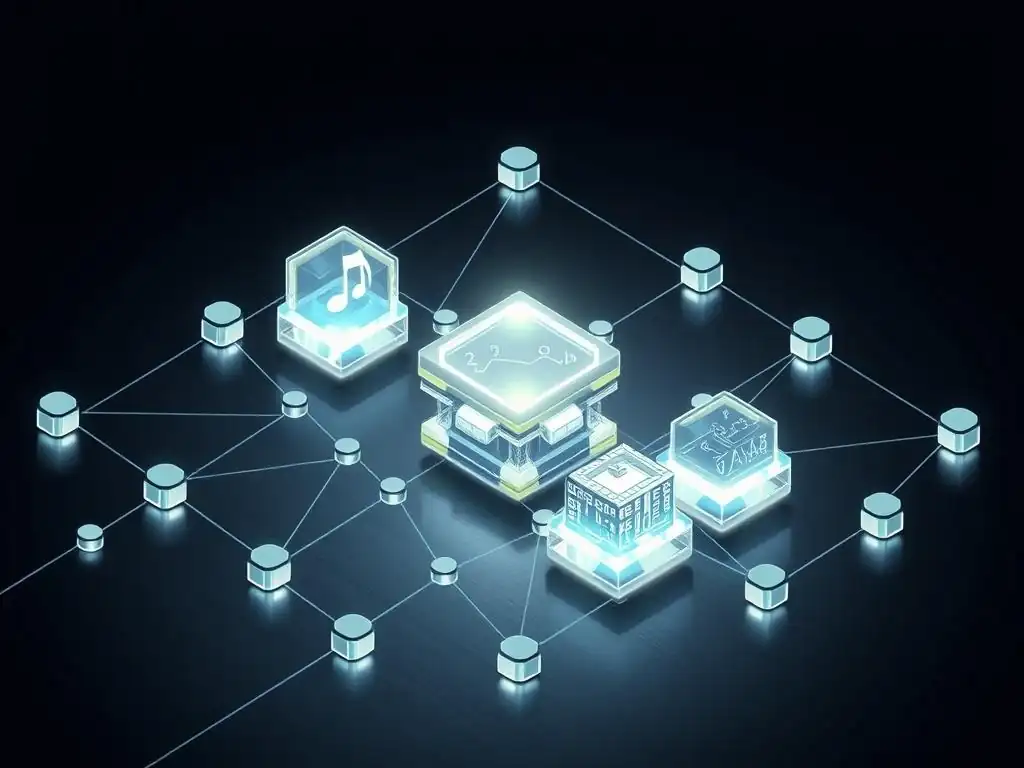
Tokenizing Patents: Protecting and Commercializing Inventions
Tokenizing patents involves representing the ownership rights, licensing rights, or potential future revenue streams associated with a granted patent as digital tokens on a blockchain. This can be particularly valuable for startups or research institutions holding valuable patents but lacking the resources to fully commercialize them. By tokenizing, they can sell fractional ownership or licensing rights to investors or industry partners, raising capital and distributing the commercialization effort. For example, a company with a patent for a novel battery technology could issue tokens representing a percentage of future royalties generated from licensing this patent to manufacturers.
Specific blockchain IP tokenization strategies for patents might involve creating different token classes: one representing equity-like ownership stakes tied to patent value appreciation, another representing rights to receive a portion of licensing revenue, or utility tokens granting specific use rights under the patent. Smart contracts can automate the distribution of licensing fees or royalties based on pre-defined triggers, such as sales figures reported by licensees. This provides a transparent and automated way to manage complex patent monetization agreements, potentially increasing the efficiency and reach of patent commercialization efforts globally.
Tokenizing Copyrights: Empowering Creators and Artists
Copyright tokenization is one of the most explored areas in IP tokenization, particularly within the creative industries like music, art, literature, and digital media. It involves representing the ownership or royalty rights of creative works as tokens. This empowers creators by allowing them to bypass traditional intermediaries (like record labels, publishers, or galleries) and connect directly with their audience or investors. For instance, a musician can tokenize the royalty stream from a specific song or album, selling tokens directly to fans who then receive a portion of future streaming or sales revenue.
Blockchain IP tokenization strategies for copyrights often focus on proving authenticity, tracking usage, and automating royalty payments. Digital art NFTs (Non-Fungible Tokens) are a prime example, where each token represents unique ownership of a specific digital artwork, providing verifiable proof of authenticity and provenance. For music or written works, fungible tokens can represent shares in royalty pools. Smart contracts ensure that whenever the copyrighted work is used or sold according to the token's terms, the revenue is automatically and transparently distributed among all token holders, creating a more equitable and efficient system for creators.
Tokenizing Trademarks: Building Brand Equity on the Blockchain
Tokenizing trademarks involves representing aspects of brand identity, usage rights, or associated revenues as digital tokens. While less common than patent or copyright tokenization, it holds potential for managing brand licensing, combating counterfeiting, and engaging with consumers. A company could issue tokens that grant specific licensees the right to use their trademark under defined conditions managed by a smart contract. This could streamline the licensing process for complex global brands with numerous licensees.
Furthermore, blockchain IP tokenization strategies for trademarks can be used to create loyalty programs or fan engagement initiatives where tokens represent brand affinity or provide exclusive access to branded content or products. For example, a fashion brand could issue tokens that grant holders early access to new collections or discounts, tying the token to the brand's value and potentially creating a secondary market for brand loyalty. While direct tokenization of the core legal trademark registration is complex due to existing legal frameworks, tokenizing associated rights or brand value streams offers innovative possibilities for brand management and monetization.
Tokenizing Trade Secrets: Securing Confidential Information
Tokenizing trade secrets is perhaps the most challenging area of IP tokenization due to the inherent nature of trade secrets – their value lies in their confidentiality. Unlike patents or copyrights, trade secrets are not publicly registered. Tokenization in this context would not involve making the secret information public on a blockchain. Instead, blockchain IP tokenization strategies for trade secrets would focus on securely managing access rights, tracking authorized disclosures, and potentially enabling conditional licensing based on cryptographic proofs without revealing the secret itself.
One approach could involve using blockchain to create a secure, auditable log of who has been granted access to specific, encrypted trade secret information, perhaps unlocked using private keys managed on the blockchain. Smart contracts could enforce access restrictions and track usage. Another concept involves tokenizing the right to use a trade secret under strict non-disclosure agreements, with the token serving as proof of this authorized access and potentially automating royalty payments derived from products or services that utilize the secret. This requires advanced cryptographic techniques and careful legal structuring to maintain confidentiality while leveraging blockchain for management.
Real-World Examples of Intellectual Property Tokenization
Case Study 1: Tokenizing Music Royalties for Independent Artists
Several platforms have emerged to help independent musicians tokenize their future royalty streams. For example, platforms allow artists to list a percentage of their streaming or publishing royalties from specific songs or albums as tokens. Investors or fans can then purchase these tokens, effectively buying a share of the artist's future earnings from that work. One reported instance involved an artist tokenizing 50% of their streaming royalties from a popular track, raising capital directly from their fanbase.
The blockchain IP tokenization strategy here involves using smart contracts to receive royalty payments from digital streaming platforms (DSPs) or collection societies (often requiring off-chain integration) and then automatically distributing the proportional share to token holders based on their token ownership percentage. This process is transparently recorded on the blockchain, allowing token holders to verify their earnings. This model provides artists with upfront capital without selling their masters or signing restrictive deals, while offering fans and investors a direct way to support artists and potentially earn passive income.
Case Study 2: Blockchain-Based Platform for Managing and Licensing Digital Art
The rise of Non-Fungible Tokens (NFTs) has provided a prominent example of blockchain IP tokenization strategies applied to digital art. Platforms like SuperRare, KnownOrigin, and MakersPlace enable artists to create unique tokens (NFTs) linked to their digital artworks. The NFT serves as a verifiable digital certificate of authenticity and ownership, recorded on a blockchain like Ethereum. When an artwork is sold, the ownership of the NFT is transferred, and this transaction is permanently logged on the chain.
This tokenization empowers digital artists by creating scarcity and value for inherently reproducible digital files. Smart contracts embedded in many art NFTs include a "creator royalty" clause, which automatically sends a percentage (often 10-15%) of any future secondary sale price back to the original artist. This ensures artists continue to earn from their work throughout its lifecycle, a significant improvement over traditional art markets where artists rarely benefit from secondary sales. This model has unlocked a multi-billion dollar market for digital art, demonstrating the power of tokenization for creators.
Choosing the Right Blockchain Platform for IP Tokenization
Evaluating Blockchain Options: Ethereum, Polygon, Corda
Selecting the appropriate blockchain platform is a critical decision for implementing effective blockchain IP tokenization strategies. Different platforms offer varying features, consensus mechanisms, transaction speeds, costs, and ecosystems.
- Ethereum: As the most mature smart contract platform, Ethereum has a large developer community and established standards (like ERC-721 for NFTs and ERC-20 for fungible tokens). However, it can suffer from high transaction fees (gas costs) and congestion, though Layer 2 solutions like Optimism and Arbitrum are mitigating this.
- Polygon: A Layer 2 scaling solution for Ethereum, Polygon offers much faster transactions and significantly lower costs, making it attractive for applications requiring frequent, low-value transfers, such as royalty distributions. It benefits from compatibility with the Ethereum ecosystem.
- Corda: Developed by R3, Corda is a distributed ledger platform designed specifically for enterprise use cases and regulated industries. It focuses on privacy and permissioned networks, where participation is restricted. This makes it suitable for tokenizing sensitive IP like trade secrets or managing complex patent licensing among known parties, where privacy and identity verification are paramount.
The choice depends heavily on the specific type of IP being tokenized, the desired level of privacy, the target audience (public investors vs. enterprise partners), and the required transaction volume and speed.
Key Features to Look for in an IP Tokenization Platform
When evaluating platforms for blockchain IP tokenization strategies, several key features are paramount. Firstly, the platform must support the creation of both fungible (for divisible assets like royalty shares) and non-fungible tokens (for unique assets like a specific patent or artwork). Robust smart contract capabilities are essential for programming the rules governing the tokens, such as transfer restrictions, access controls, and automated royalty payments.
Scalability and transaction costs are also critical considerations, especially for platforms dealing with high volumes of micro-payments or frequent transfers. Security features, including the underlying consensus mechanism's robustness and cryptographic standards, are non-negotiable. Furthermore, developer-friendliness, availability of development tools, and the size and activity of the platform's ecosystem can influence the ease and cost of building and maintaining the tokenization solution. Features supporting identity verification (KYC/AML) may also be necessary depending on regulatory requirements for the token offering.
Security and Governance Considerations for Platform Selection
Security and governance are foundational elements when choosing a blockchain platform for sensitive assets like intellectual property. The platform's consensus mechanism (e.g., Proof-of-Stake, Proof-of-Work, or permissioned consensus) directly impacts its security and resilience against attacks. A robust and battle-tested consensus mechanism is crucial to ensure the integrity and immutability of the IP records stored on the chain. Smart contract security is also paramount; platforms should have tools or best practices to facilitate secure contract development and auditing.
Governance refers to how decisions are made regarding the platform's development and upgrades. For enterprise-level IP tokenization, a platform with clear, potentially permissioned, governance structures might be preferred to ensure stability and control. For public tokenization, decentralized governance models might be more aligned with the ethos of the project. Understanding the platform's approach to security updates, bug fixes, and network upgrades is vital for long-term viability and trust in the blockchain IP tokenization strategies built upon it.
The Future of Intellectual Property Management with Blockchain
Decentralized IP Registries and Marketplaces
The future of intellectual property management is likely to see the emergence and growth of decentralized IP registries and marketplaces built on blockchain technology. Instead of relying solely on national, centralized patent and copyright offices, innovators may be able to register proof of creation and ownership directly on a blockchain, providing a globally verifiable and immutable record. While not replacing legal registration in the short term, these decentralized registries could serve as a powerful complementary layer, especially for proving prior art or establishing clear ownership trails across borders.
Decentralized marketplaces for tokenized IP will facilitate the seamless buying, selling, and licensing of IP assets. These platforms will leverage smart contracts to automate transactions, reducing the need for intermediaries and lowering costs. Imagine a global marketplace where inventors can list tokenized patents for licensing, artists can sell fractional ownership of their music royalties, and brands can manage trademark licenses, all on a transparent and efficient blockchain network. These platforms will be key enablers of advanced blockchain IP tokenization strategies.
The Impact of Tokenization on Innovation and Creativity
Blockchain IP tokenization strategies have the potential to profoundly impact innovation and creativity. By providing new avenues for funding, easier access to markets, and more direct connections between creators and consumers/investors, tokenization can lower the barriers to entry for bringing new ideas and creative works to the forefront. Innovators who previously struggled to find funding or navigate complex traditional systems may find it easier to capitalize on their intellectual property.
The ability to fractionalize ownership and revenue streams can also incentivize collaboration and co-creation. Multiple parties can easily share in the success of a project by holding tokens representing their contribution or share of future profits, all managed transparently via smart contracts. This could foster a more collaborative and dynamic environment for innovation, where value creation is directly linked to participation and ownership is easily distributed. The increased liquidity and accessibility of IP assets could also stimulate further investment in R&D and creative endeavors.
Predictions for the Growth of the Blockchain IP Tokenization Market
While still in its early stages, the market for blockchain IP tokenization is poised for significant growth. Driven by the increasing adoption of blockchain technology, the growing recognition of the value of intangible assets, and the need for more efficient and transparent IP management solutions, analysts predict substantial expansion. Some market reports estimate the broader tokenization market, including real estate, art, and IP, could reach trillions of dollars in value within the next decade.
Specifically for IP, early successes in areas like digital art (NFTs) and music royalties demonstrate the viability and demand for tokenized IP assets. As legal and regulatory clarity improves and more robust, user-friendly platforms emerge, the tokenization of patents, trademarks, and even trade secrets is expected to become more mainstream. The potential for unlocking liquidity in a traditionally illiquid asset class, estimated to be worth trillions globally, suggests a massive addressable market for effective blockchain IP tokenization strategies.
Conclusion: Embracing the Potential of Blockchain for IP
Key Takeaways on Blockchain IP Tokenization Strategies
Blockchain IP tokenization strategies offer a compelling set of benefits for protecting, managing, and monetizing intellectual property. Key takeaways include enhanced security and transparency through immutable on-chain records, improved liquidity and accessibility via fractional ownership and global marketplaces, and streamlined operations like licensing and royalty distribution powered by smart contracts. These strategies empower IP owners by providing new revenue streams and direct connections with investors and users.
However, realizing the full potential requires addressing significant challenges, particularly concerning legal and regulatory uncertainty, the complexities of IP valuation in a tokenized form, and ensuring robust security and platform scalability. Despite these hurdles, the momentum towards tokenization is growing, driven by the clear advantages it offers over traditional IP management methods.
The Future of IP Protection and Monetization in the Decentralized Era
The decentralized era ushered in by blockchain technology is set to redefine intellectual property protection and monetization. While traditional legal frameworks remain essential, blockchain offers a powerful layer of technological enforcement and transparency. The future will likely see a hybrid model where on-chain tokenization complements off-chain legal rights, creating a more resilient and efficient global IP ecosystem.
Blockchain IP tokenization strategies will become increasingly sophisticated, enabling more granular control over IP usage, automating complex cross-border licensing agreements, and facilitating dynamic marketplaces for IP assets. As the technology matures and regulatory environments adapt, tokenization will play a crucial role in unlocking the vast untapped value of intellectual property, fostering innovation, and empowering creators and inventors in unprecedented ways. The transition to tokenized IP is not just a technological shift but a fundamental change in how innovation is valued, managed, and shared globally.
Frequently Asked Questions
How does blockchain help protect intellectual property (IP)?
Blockchain provides a secure and immutable ledger to record ownership and creation timestamps, making it difficult to forge or alter IP records. This enhanced traceability helps in proving ownership and deterring infringement.
What are some potential benefits of tokenizing intellectual property?
Tokenization allows for fractional ownership of IP, making it more accessible to investors and creators. It also streamlines the process of licensing and royalty payments, increasing efficiency.
What are some of the challenges involved in implementing Blockchain IP tokenization strategies?
Navigating complex legal and regulatory landscapes is a major challenge. Ensuring accurate IP valuation and maintaining data privacy on the blockchain are also crucial considerations.
What types of IP can be effectively tokenized using blockchain technology?
Various forms of IP, including patents, copyrights, trademarks, and trade secrets, can be tokenized. The suitability depends on the specific IP and the desired monetization strategy.
How can Blockchain IP tokenization strategies contribute to the future of decentralized systems?
By enabling transparent and decentralized management of IP rights, blockchain empowers creators and fosters innovation. This can pave the way for new business models and collaborative ventures within decentralized ecosystems.
Okay, here's a final reflection designed to close your article "Intellectual Property Tokenization: Protecting and Monetizing Innovation on the Blockchain," optimized for the keyword "Blockchain IP tokenization strategies" and following the structure you provided:
Final Reflection: Embracing the Tokenized Future of Innovation
The journey through exploring Blockchain IP tokenization strategies reveals more than just a technological advancement; it unveils a paradigm shift in how we value, protect, and ultimately, unleash the potential of intellectual property. The ability to fractionalize ownership, automate royalty payments, and create transparent marketplaces for ideas is no longer a futuristic fantasy, but a tangible reality reshaping the landscape of innovation.
This exploration underscores the profound impact of blockchain on democratizing access to IP ownership and investment. The potential for creators to directly benefit from their work, bypassing traditional gatekeepers, is truly transformative. Innovation distinguishes between a leader and a follower.
- Steve Jobs. This quote resonates deeply as we consider the power of tokenization to empower innovators and foster a more equitable ecosystem where creativity can flourish.
As we stand at the cusp of this tokenized future, let us not only embrace the technological advancements but also reflect on the ethical considerations and societal implications. Consider how you can leverage these Blockchain IP tokenization strategies to empower creators, protect innovation, and contribute to a more vibrant and accessible future for intellectual property. The power to shape this future lies in our collective understanding and responsible application of these groundbreaking technologies.
Unleash Your IP Potential: Start Tokenizing Today!
Thank you for exploring the world of intellectual property tokenization and discovering how it can transform the way we protect and monetize innovation. Now is the time to take the next step and explore how these technologies can benefit your own creations.
Here are some actionable steps you can take right now:
- Brainstorm one piece of intellectual property that could benefit from tokenization, such as a patent, trademark, or copyright.
- Research blockchain platforms and solutions specializing in IP tokenization to find the best fit for your needs.
- Share this article with fellow innovators and entrepreneurs who might benefit from protecting and monetizing their IP through blockchain technology.
Are you ready to secure your legacy and unlock new revenue streams? What is the first piece of intellectual property you're considering tokenizing, and what impact do you hope it will have?
Leave a Reply