
Creating Immersive Worlds: The Impact of Blockchain on Game Development

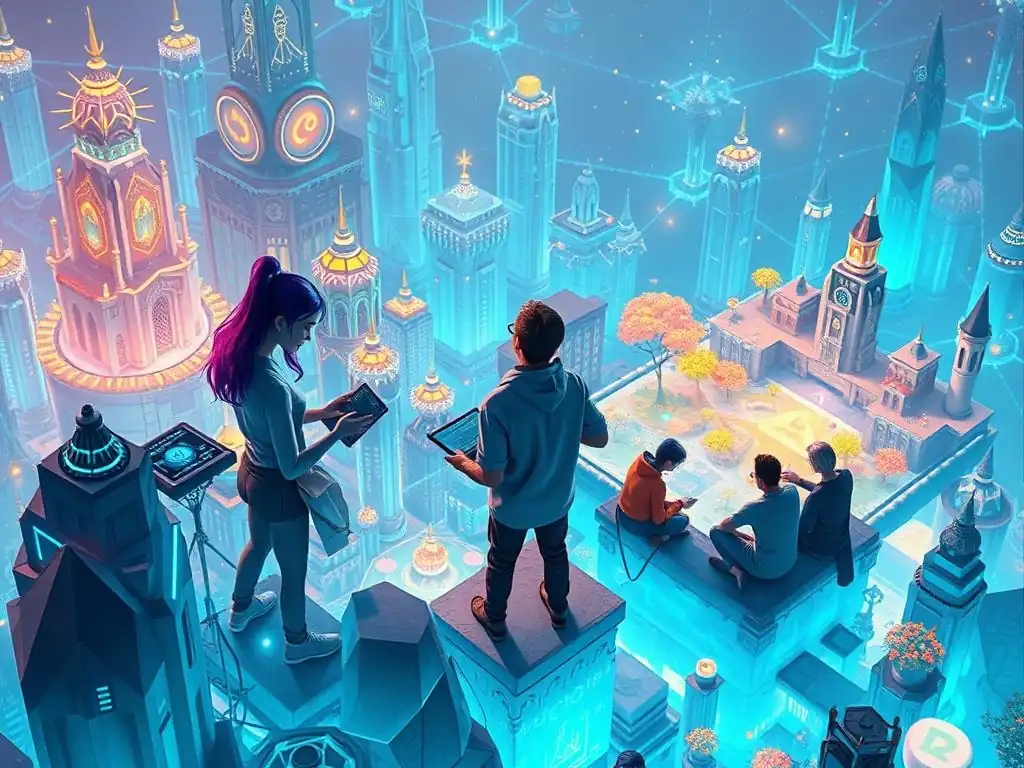
Welcome to Blockchain Trends, your go-to source for understanding the revolutionary impact of blockchain technology. Forget just cryptocurrencies; we're diving deep into DeFi, enterprise solutions, and the decentralized future.
Curious about how this technology is reshaping industries? This week, we're unlocking the potential of blockchain gaming development opportunities. Discover how blockchain is fueling the creation of truly immersive worlds and how you can be a part of this exciting revolution. What are the key advantages and potential pitfalls? Let's explore...
Creating Immersive Worlds: The Impact of Blockchain on Game Development
- Introduction: Blockchain's Revolution in Game Development
- How Blockchain is Transforming Game Development
- Key Benefits of Blockchain for Game Developers
-
Exploring Blockchain Gaming Development Opportunities
- Developing Blockchain-Based Games: Technical Considerations and Challenges
- Utilizing Blockchain Gaming SDKs and Platforms: Streamlining Development
- Creating and Managing In-Game Assets on the Blockchain: Tokenization Strategies
- Integrating Blockchain with Existing Game Engines: Unity and Unreal Engine
- Case Studies: Successful Blockchain Games and Their Impact
- Challenges and Considerations in Blockchain Gaming
- The Future of Blockchain Gaming Development
- Conclusion: Embracing Blockchain Gaming Development Opportunities
-
Frequently Asked Questions
- What are the primary benefits of using blockchain in game development?
- How does blockchain enable true ownership of in-game assets?
- What are some examples of DeFi applications within blockchain gaming?
- What are the current regulatory challenges facing blockchain gaming development?
- What are some of the future trends to watch for in blockchain gaming development?
- Final Reflection: Embracing the Decentralized Frontier
- Ignite Your GameFi Journey: Build the Future!
Introduction: Blockchain's Revolution in Game Development
The Evolution of Gaming and the Rise of Blockchain Technology
From the rudimentary pixels of Pong to the photorealistic landscapes of modern AAA titles, the gaming industry has undergone a relentless evolution. Early gaming experiences were solitary, confined to arcade cabinets or home consoles connected to single televisions. The advent of the internet ushered in an era of multiplayer gaming, connecting players globally in virtual worlds.
Massively Multiplayer Online Role-Playing Games (MMORPGs) like World of Warcraft redefined social interaction and community building within games, laying the groundwork for today's interconnected gaming landscape. However, despite these advancements, the fundamental power structures within gaming remained centralized, with developers and publishers retaining ultimate control over in-game assets and economies.
Now, blockchain technology emerges as the next significant paradigm shift, promising to decentralize gaming and empower players in unprecedented ways. This technology, initially popularized by cryptocurrencies like Bitcoin, provides a secure, transparent, and immutable ledger for recording transactions and ownership. Its application in gaming is not merely about integrating cryptocurrencies; it's about fundamentally altering the relationship between players and games, fostering true digital ownership and creating new economic models that benefit both players and developers. This shift is opening up exciting new avenues for blockchain gaming development opportunities.
Understanding Immersive Worlds and Their Appeal
Immersive worlds in gaming are designed to deeply engage players, transporting them to believable and captivating virtual environments. These worlds are characterized by rich narratives, detailed graphics, complex systems, and opportunities for meaningful interaction.
The appeal of immersive worlds lies in their ability to offer escapism, social connection, and a sense of agency and accomplishment that can be highly rewarding for players. Games like Grand Theft Auto V, with its sprawling open-world Los Santos, or The Witcher 3: Wild Hunt, known for its intricate narrative and morally grey choices, exemplify the power of immersive world-building to captivate audiences for extended periods.
Blockchain technology has the potential to significantly enhance the immersion offered by these virtual worlds. By introducing true digital ownership of in-game assets through Non-Fungible Tokens (NFTs), players gain a tangible stake in the worlds they inhabit. This ownership extends beyond mere cosmetic items; it can encompass land, characters, and even in-game businesses.
Furthermore, blockchain-based economies can create more dynamic and player-driven virtual worlds, where player actions have real economic consequences within and potentially even outside the game ecosystem. This deeper level of engagement and investment fosters a stronger sense of immersion and attachment to the game world, making blockchain gaming development opportunities particularly attractive for creating truly engaging experiences.
Blockchain Gaming Development Opportunities: A New Frontier
The integration of blockchain technology into gaming is not just a trend; it represents a fundamental shift in how games are designed, played, and monetized. For game developers, blockchain opens up a new frontier of blockchain gaming development opportunities, allowing them to create more engaging, player-centric, and economically viable games. This new paradigm moves away from traditional centralized models where players are essentially renting access to in-game assets, towards a decentralized model where players can truly own and control their digital possessions.
This shift creates opportunities for entirely new game genres and mechanics centered around player ownership and decentralized economies. Play-to-earn models, where players can earn cryptocurrency or valuable NFTs by playing games, are emerging as a powerful force, particularly in regions where traditional income opportunities are limited.
Moreover, blockchain facilitates the creation of more transparent and fair in-game economies, reducing the potential for developer manipulation and fostering trust within the player base. The demand for skilled developers in this space is rapidly growing, making blockchain gaming development opportunities a promising career path for those interested in the intersection of gaming and cutting-edge technology.
How Blockchain is Transforming Game Development
Decentralization and True Ownership: Redefining Player Experience
Decentralization, a core principle of blockchain technology, is fundamentally reshaping the player experience in gaming by introducing true ownership of in-game assets. In traditional gaming models, players purchase in-game items or currencies, but these assets ultimately reside within the game developer's ecosystem and are subject to their control. If a game shuts down, or a player's account is banned, these digital assets effectively vanish, representing a sunk cost for the player. Blockchain changes this paradigm by allowing players to own their digital assets as NFTs, recorded on a public and immutable ledger.
NFTs grant players verifiable ownership of unique in-game items, characters, or land. This ownership is not tied to a specific game platform but is rather linked to the player's blockchain wallet, giving them the freedom to trade, sell, or even potentially use these assets across different games or metaverses, depending on interoperability.
For example, a player who earns a rare sword in a blockchain game truly owns that sword and can prove its scarcity and provenance. This sense of ownership fosters a deeper connection to the game and its assets, enhancing player engagement and creating new avenues for blockchain gaming development opportunities focused on player empowerment.
Secure and Transparent In-Game Economies: Powering Player Transactions
Blockchain technology provides the infrastructure for secure and transparent in-game economies, revolutionizing how player transactions are handled. Traditional in-game economies often rely on centralized servers and databases, making them vulnerable to manipulation, fraud, and lack of transparency. Blockchain, with its distributed and cryptographically secured ledger, offers a more robust and trustworthy alternative. Transactions are recorded on the blockchain, making them publicly auditable and resistant to tampering, ensuring fairness and accountability within the game economy.
Cryptocurrencies, often built on blockchain networks, serve as the native currency for these in-game economies. This allows for seamless and efficient peer-to-peer transactions between players, bypassing traditional payment processors and their associated fees. Smart contracts, self-executing agreements written in code and stored on the blockchain, can automate complex in-game transactions and processes, such as item trading, reward distribution, and governance mechanisms.
This level of security and transparency not only enhances player trust but also opens up new possibilities for blockchain gaming development opportunities focused on building robust and player-driven economies. For instance, games can implement decentralized marketplaces where players can freely buy, sell, and trade in-game assets with confidence in the security and fairness of the system.
Blockchain-Based Asset Creation and Trading: Enabling Unique Digital Ownership
Blockchain significantly enhances asset creation and trading within games by enabling unique digital ownership through NFTs. In traditional games, digital assets are often mass-produced and easily duplicated, diminishing their perceived value and scarcity. NFTs, on the other hand, are unique cryptographic tokens that represent ownership of a specific digital asset. This inherent scarcity and verifiability of NFTs allows for the creation of truly unique and collectible in-game items, characters, and virtual land.
Game developers can leverage blockchain to create limited edition items, rare characters with unique attributes, or plots of virtual land with varying scarcity. Players can then collect, trade, and showcase these NFTs, building digital collections and engaging in player-driven marketplaces. The ability to trade NFTs on open marketplaces outside the game ecosystem adds another layer of value and utility to these digital assets.
This system empowers players to participate in a thriving digital economy and creates new blockchain gaming development opportunities focused on crafting compelling and valuable digital collectibles. For example, a developer could create a limited run of legendary weapons as NFTs, making them highly sought after and potentially valuable assets within and beyond the game world.
Enhanced Interoperability and Cross-Game Functionality: Building Unified Universes
Blockchain technology holds the potential to unlock enhanced interoperability and cross-game functionality, paving the way for the creation of unified virtual universes. Currently, in-game assets are typically locked within the confines of a single game, lacking utility or value outside of that specific ecosystem. Blockchain, by enabling standardized digital asset ownership through NFTs, could facilitate the movement of assets between different games and platforms, creating a more interconnected and open gaming landscape.
Imagine owning a character skin or a weapon as an NFT that is not just usable in one game but can be ported to other compatible games within a larger metaverse. This interoperability would unlock significant value for players, as their digital assets would gain broader utility and longevity. Game developers could collaborate to create interconnected ecosystems where assets and even game characters could traverse different virtual worlds, fostering a more cohesive and immersive metaverse experience.
While still in its early stages, the vision of interoperable blockchain-based assets is a powerful driver for innovation and presents exciting blockchain gaming development opportunities focused on building unified and persistent digital worlds. This concept could lead to the development of metaverses where players can seamlessly transition between different games and experiences while retaining their digital identities and assets.
Key Benefits of Blockchain for Game Developers
Increased Player Engagement and Retention: Building Loyal Communities
Blockchain technology offers several key benefits for game developers, notably increased player engagement and retention, crucial for building loyal communities. The introduction of true digital ownership through NFTs and play-to-earn mechanics fosters a deeper sense of investment and attachment to the game. Players who own valuable in-game assets are more likely to remain engaged with the game over the long term, as their progress and achievements translate into tangible digital possessions with real-world value.
Play-to-earn models incentivize active participation and skill development, rewarding players for their time and effort. This creates a more economically sustainable and player-centric gaming ecosystem, where players are not just consumers but also active contributors and stakeholders. Furthermore, blockchain can facilitate decentralized governance models, allowing players to participate in the game's development and future direction, further strengthening community bonds.
These factors contribute to higher player retention rates and the formation of more dedicated and engaged gaming communities, making blockchain gaming development opportunities attractive for developers seeking to build lasting player bases. Games like Axie Infinity have demonstrated the power of play-to-earn to attract and retain millions of players, showcasing the potential of this model.
New Revenue Streams and Monetization Models: Exploring Play-to-Earn
Blockchain unlocks new revenue streams and monetization models for game developers, moving beyond traditional models like upfront game purchases and in-app purchases. Play-to-earn is a prominent example, where developers can generate revenue through transaction fees on NFT marketplaces, initial NFT sales, or by taking a small percentage of player earnings. This model aligns developer incentives with player success, as the game's economy thrives when players are actively engaged and earning.
Furthermore, blockchain enables the creation of decentralized autonomous organizations (DAOs) for game governance, where developers and players can collectively manage the game's economy and development roadmap. This can lead to more transparent and community-driven revenue sharing models. Developers can also explore innovative monetization strategies like fractional NFT ownership, allowing players to collectively own and manage high-value in-game assets.
These new revenue streams can be more sustainable and equitable than traditional models, fostering a healthier ecosystem for both developers and players, making blockchain gaming development opportunities financially appealing. The success of games like The Sandbox, which utilizes virtual land NFTs and a play-to-earn model, illustrates the viability of these alternative monetization strategies.
Enhanced Security and Anti-Cheat Measures: Protecting the Gaming Environment
Blockchain technology offers enhanced security and anti-cheat measures that can significantly protect the gaming environment. Traditional gaming systems are often vulnerable to hacking, account breaches, and cheating, undermining fair play and damaging the player experience. Blockchain's decentralized and cryptographically secure nature makes it inherently more resistant to these threats. The immutability of the blockchain ledger ensures that game data and transaction records are tamper-proof, reducing the possibility of cheating through manipulating game files or databases.
NFTs, representing ownership of in-game assets, are securely stored on the blockchain, making them less susceptible to theft or duplication compared to centralized in-game item systems. Furthermore, blockchain can be used to implement decentralized anti-cheat systems that are more difficult to circumvent than traditional client-side or server-side anti-cheat software.
While not a silver bullet, blockchain's security features can contribute to a more secure and fair gaming environment, enhancing player trust and the overall integrity of the game, making blockchain gaming development opportunities appealing for creating secure and reliable platforms. Developers are exploring using blockchain to verify player actions and detect anomalies, further strengthening anti-cheat measures.
Fostering Innovation and Creativity: Unleashing New Game Design Possibilities
Blockchain is fostering innovation and creativity in game design by unleashing entirely new game mechanics and possibilities. The introduction of true digital ownership, decentralized economies, and player-driven governance opens up a wealth of uncharted territory for game developers to explore. Play-to-earn mechanics are prompting the development of new game genres and gameplay loops centered around earning and economic activity. NFT-based assets are inspiring creative designs for unique and collectible in-game items with inherent value and utility.
Decentralized governance models are empowering players to shape the evolution of games, leading to more community-driven and dynamic gaming experiences. Blockchain is also facilitating the creation of metaverse platforms where games and virtual worlds are interconnected, allowing for novel forms of cross-game interaction and asset utilization.
This technological shift is pushing the boundaries of game design and encouraging developers to think outside the box, leading to more innovative and engaging gaming experiences, making blockchain gaming development opportunities a hotbed for creative exploration. We are seeing the emergence of new game genres like decentralized strategy games, blockchain-based RPGs, and metaverse-integrated social games, all driven by the innovative potential of blockchain.
Exploring Blockchain Gaming Development Opportunities
Developing Blockchain-Based Games: Technical Considerations and Challenges
Developing blockchain-based games presents unique technical considerations and challenges that developers must navigate. Integrating blockchain technology into game development requires expertise in areas such as smart contract development, blockchain architecture, cryptocurrency integration, and NFT standards. Developers need to choose an appropriate blockchain platform that meets the game's scalability, transaction speed, and cost requirements. Ethereum, Polygon, Solana, and Flow are some of the popular blockchains used for gaming, each with its own trade-offs in terms of performance, fees, and development tools.
Scalability is a significant challenge, as blockchain networks often have limitations on transaction throughput, which can impact the responsiveness of real-time games. Developers need to implement layer-2 scaling solutions or design game mechanics that minimize on-chain transactions for less critical actions. Security is paramount, as vulnerabilities in smart contracts or blockchain integrations can lead to exploits and asset theft.
Thorough auditing and security best practices are essential. Furthermore, bridging the gap between traditional game development workflows and blockchain technology requires new tools and expertise, making blockchain gaming development opportunities technically demanding but also rewarding for skilled developers. Developers need to consider factors like gas fees, transaction latency, and blockchain network congestion when designing their games.
Utilizing Blockchain Gaming SDKs and Platforms: Streamlining Development
To streamline the development process and overcome the technical complexities of blockchain integration, developers can leverage Blockchain Gaming Software Development Kits (SDKs) and platforms. These tools provide pre-built functionalities, libraries, and APIs that simplify the integration of blockchain features into games. SDKs can handle tasks such as wallet integration, NFT minting and management, smart contract interaction, and blockchain transaction processing, allowing developers to focus on game design and gameplay mechanics rather than low-level blockchain infrastructure.
Platforms like Enjin, Immutable X, and Forte offer comprehensive solutions for blockchain game development, providing not only SDKs but also marketplaces, developer support, and infrastructure for scaling and managing blockchain games. These platforms often abstract away much of the technical complexity, making it easier for traditional game developers to enter the blockchain gaming space and explore blockchain gaming development opportunities.
Using SDKs and platforms can significantly reduce development time and costs, accelerate time-to-market, and improve the overall efficiency of blockchain game development. These tools are constantly evolving and becoming more user-friendly, lowering the barrier to entry for developers interested in blockchain gaming.
Creating and Managing In-Game Assets on the Blockchain: Tokenization Strategies
Creating and managing in-game assets on the blockchain involves implementing effective tokenization strategies, primarily through the use of NFTs. Tokenization is the process of representing digital assets as tokens on a blockchain, enabling ownership, transferability, and scarcity. For in-game assets, NFTs are the most common tokenization method, allowing developers to create unique and collectible items, characters, land, and other game elements. Strategies for tokenization include defining the properties and metadata of NFTs, such as rarity, attributes, and utility within the game.
Developers need to design NFT minting mechanisms, distribution models, and in-game systems for utilizing and interacting with NFTs. Smart contracts are used to define the rules and logic for NFT ownership, trading, and functionality. Managing NFTs involves considerations for storage, security, and interoperability.
Developers also need to establish marketplaces or integrate with existing NFT marketplaces to facilitate player trading and asset liquidity. Effective tokenization strategies are crucial for creating engaging and economically viable blockchain games, and are a key aspect of blockchain gaming development opportunities. Careful planning of NFT utility and scarcity is vital for creating a thriving in-game economy.
Integrating Blockchain with Existing Game Engines: Unity and Unreal Engine
Integrating blockchain technology with existing game engines like Unity and Unreal Engine is becoming increasingly feasible, enabling developers to leverage their existing skills and tools for blockchain game development. Both Unity and Unreal Engine, the dominant engines in the gaming industry, offer plugins, SDKs, and APIs that facilitate blockchain integration. These tools allow developers to connect their game logic and assets to blockchain networks, enabling NFT minting, smart contract interactions, and cryptocurrency payments within the game environment.
Unity, with its wide adoption in mobile and indie game development, has a growing ecosystem of blockchain plugins and SDKs. Unreal Engine, favored for AAA game development, is also seeing increasing support for blockchain integration. Developers can utilize these engines to create visually rich and engaging blockchain games without having to build everything from scratch.
Integrating blockchain with established game engines lowers the technical barrier to entry and accelerates the development of high-quality blockchain games, making blockchain gaming development opportunities more accessible to a wider range of developers. This integration also allows for the creation of hybrid games that combine traditional game mechanics with blockchain-based features.
Case Studies: Successful Blockchain Games and Their Impact
Axie Infinity: Analyzing its Success Factors
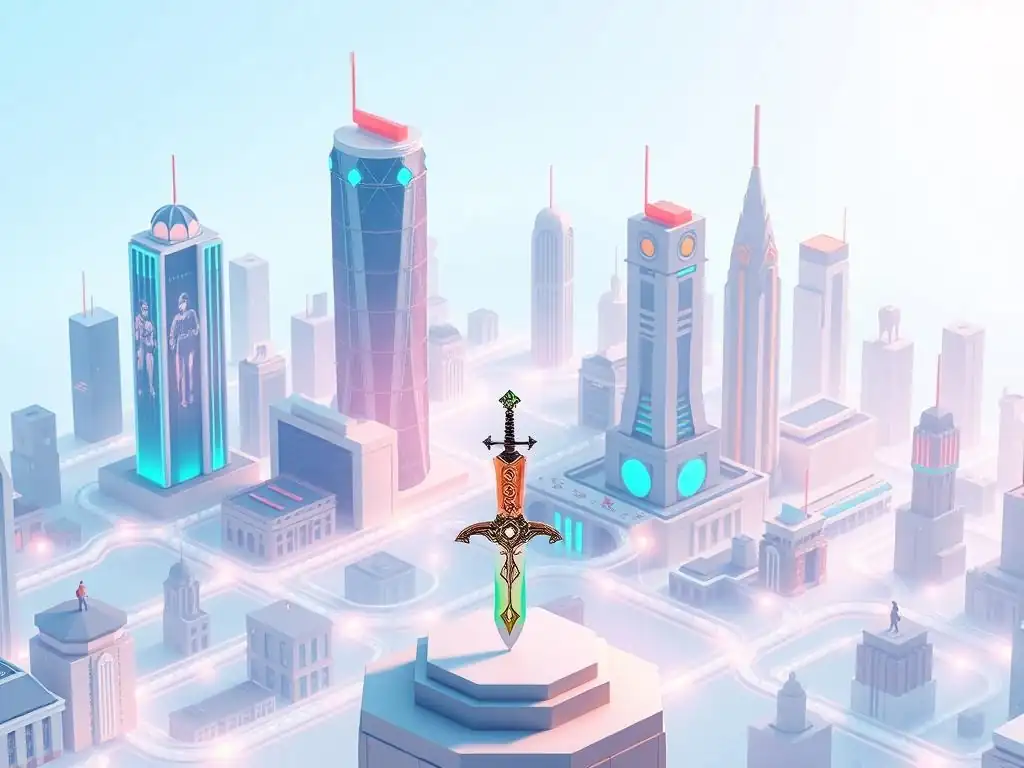
Axie Infinity, a Pokémon-inspired, play-to-earn blockchain game, stands as a prominent example of success in the space. Its success can be attributed to several factors. Firstly, its play-to-earn model, where players earn cryptocurrency (AXS and SLP) by playing the game, resonated strongly, particularly in regions like Southeast Asia. This model provided income opportunities for players, driving massive adoption and engagement. Secondly, Axie Infinity features collectible NFT creatures called Axies, which players can breed, battle, and trade. The scarcity and utility of Axies as NFTs created a thriving in-game economy and a valuable digital asset ecosystem.
Thirdly, Axie Infinity built a strong community through active engagement, decentralized governance, and a focus on player ownership. The game's simple yet engaging gameplay loop, combined with its robust play-to-earn mechanics and NFT collectibles, created a compelling value proposition for players. Axie Infinity demonstrated the potential of blockchain gaming to create sustainable economies and empower players, highlighting the attractiveness of blockchain gaming development opportunities focused on play-to-earn and NFT integration. At its peak, Axie Infinity generated billions of dollars in NFT trading volume and became a significant force in the blockchain gaming space.
Decentraland: Examining its Implementation
Decentraland is a decentralized virtual world built on the Ethereum blockchain, showcasing the implementation of blockchain for metaverse platforms. It allows users to purchase, develop, and monetize virtual land parcels represented as NFTs. Decentraland's implementation highlights the potential of blockchain for creating user-owned and governed virtual environments. Land ownership in Decentraland grants users control over their virtual space, allowing them to build experiences, host events, and monetize their land through various means, such as advertising, commerce, and rentals.
Decentraland utilizes its own cryptocurrency, MANA, for in-world transactions and governance. The platform is governed by a decentralized autonomous organization (DAO), giving LAND and MANA holders voting rights on key decisions about the platform's future. Decentraland exemplifies the concept of a decentralized metaverse where users have true ownership and control over their digital assets and the virtual world itself, demonstrating the potential of blockchain gaming development opportunities in the metaverse space. It serves as a case study for how blockchain can enable user-generated content and decentralized ownership in virtual worlds.
Illuvium: Understanding its Community Engagement
Illuvium is an upcoming AAA blockchain-based RPG, notable for its strong emphasis on community engagement and high-quality graphics. While still in development, Illuvium has garnered significant attention for its visually stunning world, complex gameplay, and community-centric approach. Illuvium's community engagement strategy involves transparent communication, active participation in community discussions, and rewarding early supporters and contributors. The project utilizes a decentralized governance model, allowing token holders to participate in decision-making processes.
Illuvium is building a strong community even before its full release, showcasing the importance of community building in blockchain gaming. The game's high production values and AAA quality graphics aim to attract both traditional gamers and blockchain enthusiasts, demonstrating the potential of blockchain gaming development opportunities to bridge the gap between traditional and decentralized gaming.
Illuvium’s focus on community and high-quality gameplay suggests that these factors are crucial for the long-term success of blockchain games, especially those targeting a wider audience beyond crypto-native players. Their community-driven approach includes early access programs and opportunities for players to contribute to the game's development.
Challenges and Considerations in Blockchain Gaming
Scalability Issues and Solutions: Addressing Transaction Throughput
Scalability remains a significant challenge for blockchain gaming, particularly for games requiring high transaction throughput and low latency. Many popular blockchains, especially earlier generations like Ethereum, face limitations in the number of transactions they can process per second, leading to network congestion and high gas fees, especially during peak activity. This can negatively impact the player experience in real-time games requiring frequent on-chain interactions.
Solutions to scalability issues are being actively developed. Layer-2 scaling solutions, such as Polygon, Optimism, and Arbitrum, offer increased transaction throughput and lower fees by processing transactions off-chain while still maintaining the security of the main blockchain. Sidechains and state channels are other scaling approaches being explored.
Game developers need to carefully consider scalability when choosing a blockchain platform and designing their game mechanics to minimize on-chain transactions or utilize scaling solutions effectively. Addressing scalability is crucial for the mass adoption of blockchain gaming and unlocking the full potential of blockchain gaming development opportunities. Ongoing advancements in blockchain technology are continuously improving scalability and reducing transaction costs.
The regulatory landscape surrounding blockchain gaming and NFTs is still evolving and presents legal uncertainties that developers must navigate. Regulations regarding cryptocurrencies, NFTs, and play-to-earn mechanics vary significantly across jurisdictions, creating complexities for game developers operating globally. Issues such as NFT classification (are they securities? ), taxation of cryptocurrency earnings, and compliance with anti-money laundering (AML) and know your customer (KYC) regulations need careful consideration.
Game developers need to stay informed about the evolving regulatory environment in their target markets and seek legal counsel to ensure compliance. The lack of clear and consistent regulations poses a challenge for blockchain gaming development opportunities, as legal uncertainty can hinder investment and innovation. Industry bodies and legal experts are working to clarify the regulatory framework for blockchain gaming, but developers must remain vigilant and proactive in navigating these legal complexities. Regulatory clarity is essential for fostering a stable and predictable environment for the growth of blockchain gaming.
User Experience and Adoption Barriers: Simplifying Blockchain Integration
User experience (UX) and adoption barriers are critical considerations for the widespread adoption of blockchain gaming. Many mainstream gamers are unfamiliar with blockchain technology, cryptocurrencies, and NFTs, and the complexity of interacting with these systems can be a significant barrier to entry. Onboarding processes, wallet management, gas fees, and blockchain terminology can be confusing and intimidating for new users. Simplifying the user experience is crucial for attracting a broader audience to blockchain games.
Developers need to prioritize seamless blockchain integration that minimizes friction for players. Abstracting away the technical complexities of blockchain behind intuitive interfaces, providing user-friendly wallet solutions, and covering gas fees for initial transactions can improve the onboarding experience. Education and clear communication about the benefits of blockchain gaming are also essential. Overcoming UX challenges and lowering adoption barriers are key to realizing the full potential of blockchain gaming development opportunities and bringing blockchain gaming to the mainstream. Focusing on player-centric design and intuitive interfaces is paramount for mass adoption.
Environmental Impact of Blockchain Technology: Exploring Sustainable Solutions
The environmental impact of some blockchain technologies, particularly proof-of-work blockchains like Bitcoin and Ethereum (prior to The Merge), has raised concerns within the gaming community and beyond. Proof-of-work consensus mechanisms require significant energy consumption for transaction validation, contributing to carbon emissions. While Ethereum has transitioned to a more energy-efficient proof-of-stake mechanism, concerns remain about the environmental footprint of blockchain technology in general.
Exploring sustainable blockchain solutions is crucial for the long-term viability of blockchain gaming. Proof-of-stake blockchains, sidechains, and layer-2 scaling solutions generally consume significantly less energy than proof-of-work blockchains. Developers can choose to build on more environmentally friendly blockchains or implement carbon offsetting initiatives to mitigate the environmental impact of their games. Addressing environmental concerns is important for the ethical and sustainable growth of blockchain gaming development opportunities and aligning with broader environmental responsibility goals. The gaming industry, with its large and environmentally conscious player base, has a vested interest in promoting sustainable blockchain practices.
The Future of Blockchain Gaming Development
The Metaverse and Blockchain Gaming: Creating Persistent Virtual Worlds
The metaverse and blockchain gaming are intrinsically linked, with blockchain technology playing a crucial role in building persistent and decentralized virtual worlds. The metaverse envisions a future of interconnected virtual environments where users can interact, socialize, work, and play. Blockchain provides the foundational infrastructure for the metaverse by enabling digital ownership, interoperability, and decentralized economies within these virtual worlds. NFTs facilitate ownership of virtual land, avatars, and assets within metaverses, while cryptocurrencies power in-world economies and transactions.
Blockchain gaming is at the forefront of metaverse development, pioneering the creation of user-owned and player-driven virtual worlds. Games are becoming increasingly integrated into metaverse platforms, blurring the lines between gaming experiences and broader virtual social spaces. The convergence of the metaverse and blockchain gaming is creating exciting blockchain gaming development opportunities focused on building immersive, persistent, and interconnected virtual worlds. The metaverse offers a fertile ground for blockchain games to evolve and expand beyond traditional gaming boundaries.
Emerging Trends in Blockchain Gaming: DAOs and DeFi Integration
Emerging trends in blockchain gaming include the increasing integration of Decentralized Autonomous Organizations (DAOs) and Decentralized Finance (DeFi) principles. DAOs are being used for game governance, allowing players to participate in decision-making processes related to game development, economy management, and community direction. This fosters a more community-driven and democratic approach to game development.
DeFi integration is bringing financial innovation to blockchain gaming. Play-to-earn models are inherently linked to DeFi, as players earn cryptocurrency and NFTs that can be traded and utilized within decentralized financial ecosystems. Games are also incorporating DeFi mechanisms like staking, yield farming, and decentralized lending to create more sophisticated and player-owned in-game economies. These trends are pushing the boundaries of blockchain gaming development opportunities, creating more complex, engaging, and financially rewarding gaming experiences. The integration of DAOs and DeFi is empowering players and creating new economic paradigms within gaming.
Predictions for the Future of Blockchain-Based Gaming Experiences
Predictions for the future of blockchain-based gaming experiences are optimistic, envisioning a significant expansion and evolution of the sector. Blockchain gaming is expected to move beyond niche audiences and attract mainstream gamers as UX improves and adoption barriers decrease. We can anticipate the emergence of more AAA-quality blockchain games with sophisticated gameplay and immersive worlds, bridging the gap between traditional and decentralized gaming.
Play-to-earn models are likely to evolve and become more sustainable, with games offering diverse earning opportunities beyond simple grinding. Interoperability between blockchain games and metaverse platforms will increase, creating more interconnected and persistent virtual experiences. The integration of AI and other emerging technologies with blockchain gaming is also anticipated, further enhancing gameplay and creating new forms of interactive entertainment.
The future of blockchain gaming development opportunities is bright, with the potential to revolutionize the gaming industry and create entirely new forms of digital entertainment and economic empowerment. Blockchain gaming is poised to become a major force in the future of entertainment and digital ownership.
Conclusion: Embracing Blockchain Gaming Development Opportunities
The Transformative Potential of Blockchain for the Gaming Industry
Blockchain technology possesses transformative potential for the gaming industry, fundamentally altering how games are developed, played, and monetized. From enabling true digital ownership and decentralized economies to fostering player engagement and creating new revenue streams, blockchain is reshaping the gaming landscape. The shift towards player-centric models, empowered by blockchain, is creating more equitable and engaging gaming experiences. The security, transparency, and innovation offered by blockchain are paving the way for a new era of gaming.
The industry is witnessing a growing wave of blockchain gaming development opportunities, attracting both traditional game developers and blockchain enthusiasts. As technology matures and adoption increases, blockchain gaming is poised to become a major force in the entertainment industry, driving innovation and creating new forms of digital interaction and economic value. The transformative potential of blockchain extends beyond mere technological advancements; it represents a paradigm shift in the relationship between games and players.
Preparing for the Future of Decentralized Gaming Platforms
Preparing for the future of decentralized gaming platforms requires developers, players, and the industry as a whole to embrace the principles and opportunities offered by blockchain technology. Developers need to invest in learning blockchain development skills, explore blockchain gaming SDKs and platforms, and experiment with new game mechanics and monetization models enabled by blockchain. Players need to become familiar with blockchain concepts, understand the benefits of digital ownership, and engage with blockchain games to provide feedback and contribute to the evolution of the space.
The gaming industry as a whole needs to foster collaboration and standardization to promote interoperability and address challenges such as scalability, regulation, and user experience. Embracing the future of decentralized gaming platforms means fostering innovation, promoting responsible development practices, and prioritizing player empowerment, maximizing blockchain gaming development opportunities. The industry is on the cusp of a significant transformation, and proactive preparation is key to realizing the full potential of decentralized gaming.
Call to Action: Exploring Blockchain Gaming Development Opportunities Further
The burgeoning field of blockchain gaming presents a wealth of blockchain gaming development opportunities for aspiring and established game developers alike. The demand for skilled blockchain game developers is rapidly increasing, creating exciting career paths and entrepreneurial ventures. Developers are encouraged to explore this new frontier, experiment with blockchain technology, and contribute to the evolution of decentralized gaming. Learning resources, online communities, and developer platforms are readily available to help developers get started in blockchain gaming.
For those interested in shaping the future of gaming, exploring blockchain gaming development is a compelling call to action. The potential to create innovative, engaging, and player-centric gaming experiences, coupled with the economic opportunities and technological advancements, makes blockchain gaming a dynamic and rewarding field to enter. The future of gaming is being built on blockchain, and now is the time to explore these exciting development opportunities and become a part of this transformative industry shift.
Frequently Asked Questions
What are the primary benefits of using blockchain in game development?
Blockchain offers several key benefits, including enhanced security through decentralized ledgers, true ownership of in-game assets for players, and the potential for new monetization models like play-to-earn.
How does blockchain enable true ownership of in-game assets?
Blockchain creates a verifiable and transparent record of ownership for digital assets, represented as NFTs. This allows players to truly own their items, trade them freely, and even use them across different games.
What are some examples of DeFi applications within blockchain gaming?
DeFi applications can be integrated to allow players to earn cryptocurrency through gameplay, participate in governance of the game's economy, and stake their assets for rewards within the game ecosystem.
What are the current regulatory challenges facing blockchain gaming development?
Regulatory uncertainty surrounding NFTs and cryptocurrencies poses a significant challenge. Developers must navigate complex legal landscapes to ensure compliance and avoid potential legal issues.
What are some of the future trends to watch for in blockchain gaming development?
Expect to see increased focus on user experience (UX) improvements, deeper integration of AI and VR/AR technologies, and the development of more sophisticated and engaging blockchain games.
Final Reflection: Embracing the Decentralized Frontier
The journey through the landscape of blockchain gaming development opportunities reveals not just technological advancements, but a fundamental shift in the power dynamics of the gaming industry. The promise of true ownership, decentralized economies, and player-driven narratives is no longer a distant dream, but a tangible reality shaping the future of interactive entertainment. This transformation demands a re-evaluation of traditional development models and an embrace of the innovative possibilities that blockchain technology unlocks.
The impact of blockchain on gaming extends far beyond mere asset ownership; it's about fostering communities, empowering creators, and building truly immersive worlds where players are active participants in the game's evolution. Witnessing this paradigm shift firsthand has been profoundly inspiring, solidifying the belief that the future of gaming lies in decentralization and player agency. The best way to predict the future is to create it.
- Peter Drucker. This quote resonates deeply with the current state of blockchain gaming, where developers and players alike are actively shaping a new era of interactive experiences.
As we stand at the cusp of this decentralized frontier, I urge you to consider the profound implications of blockchain gaming. Reflect on the potential for creativity, collaboration, and community building that this technology unlocks. Embrace the challenge of learning new skills, exploring uncharted territories, and contributing to the evolution of a gaming landscape where players are not just consumers, but active creators and owners of their digital destinies. The future of gaming is being written now, and your contribution can help shape a more equitable, immersive, and rewarding experience for all.
Ignite Your GameFi Journey: Build the Future!
Thank you for exploring the exciting potential of blockchain in game development. You've gained insights into how decentralization can transform immersive gaming experiences. Now, it's time to become a builder, creator, and innovator in this space!
Here’s how you can elevate your understanding:
- Brainstorm ideas for in-game assets that could benefit from blockchain technology. Imagine designing a gaming experience powered by NFTs.
- Join online blockchain development communities and forums to share your ideas and connect with fellow game developers. Find potential collaborators and learn from their experiences.
- Follow leading GameFi projects to analyze their successes and setbacks. Study industry trends to identify new opportunities.
What innovative gameplay loop could blockchain enable to redefine the gaming experience? Share your visionary ideas in the comments below!
Leave a Reply