
Blockchain Digital Identity: Empowering Underserved Populations with Secure Identification

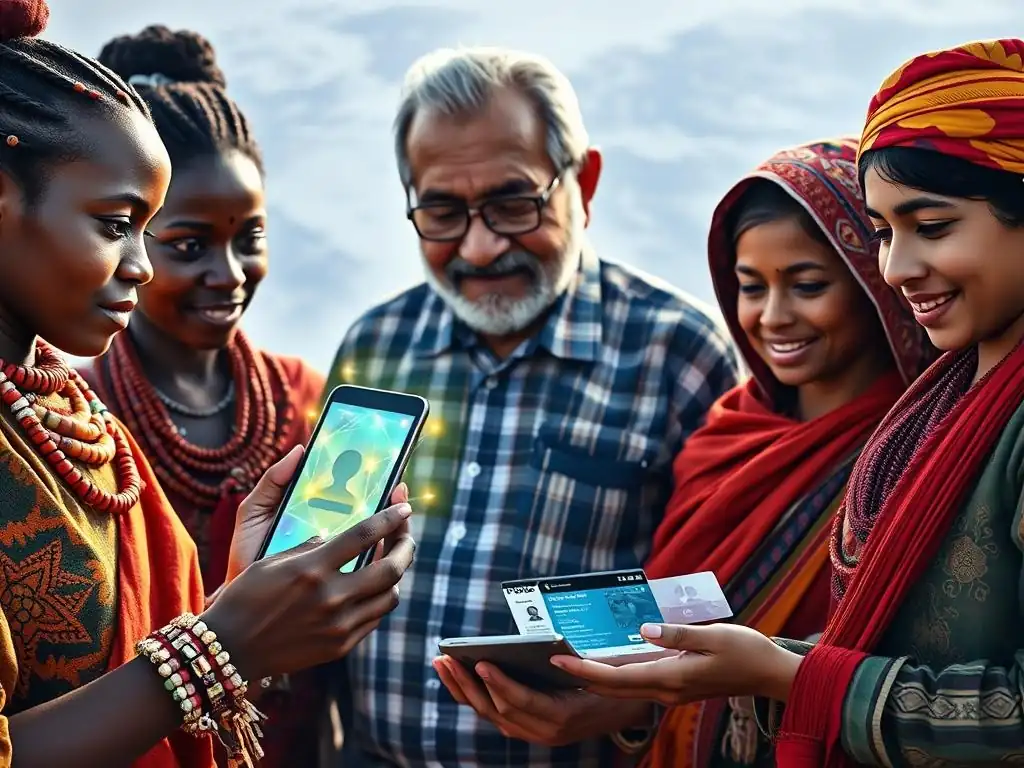
Welcome to Blockchain Trends, your gateway to understanding the revolutionary impact of blockchain technology.
Are you ready to discover how blockchain is reshaping identity and empowering individuals worldwide? Dive into our latest article exploring secure blockchain digital identity solutions and learn how they're providing crucial identification to underserved populations, unlocking access to essential services and opportunities. Uncover the potential of this cutting-edge technology and explore how it's revolutionizing the landscape of Enterprise Blockchain Solutions. What impact will this have on the future?
Blockchain Digital Identity: Empowering Underserved Populations with Secure Identification
- Introduction: The Need for Secure Digital Identity Solutions for Underserved Communities
- Understanding Blockchain Digital Identity
-
How Secure Blockchain Digital Identity Solutions Empower Underserved Populations
- Financial Inclusion: Accessing Banking and Financial Services with Blockchain Identity
- Healthcare Access: Streamlining Medical Records and Improving Patient Care with Digital IDs
- Land Rights and Property Ownership: Securely Registering and Managing Land Titles on the Blockchain
- Education and Skills Verification: Providing Credentials and Opportunities with Blockchain-Based Certificates
- Humanitarian Aid and Disaster Relief: Efficiently Distributing Aid and Verifying Beneficiaries
-
Challenges and Considerations for Implementing Blockchain Digital Identity
- Scalability and Performance of Blockchain Identity Systems
- Interoperability and Standardization of Digital Identity Protocols
- Data Privacy and Security Concerns: Addressing Risks and Ensuring Compliance
- Regulatory Landscape and Legal Frameworks for Digital Identity
- Digital Literacy and Accessibility: Bridging the Digital Divide
- Real-World Examples and Case Studies of Blockchain Digital Identity Initiatives
- The Future of Blockchain Digital Identity: Trends and Opportunities
- Conclusion: Secure Blockchain Digital Identity Solutions – A Path to Empowerment and Inclusion
-
Frequently Asked Questions
- How can blockchain technology provide secure digital identities for underserved populations?
- What are the key benefits of using blockchain for digital identity solutions in developing countries?
- How does blockchain-based digital identity differ from traditional identification systems?
- What are the regulatory challenges surrounding the implementation of blockchain digital identity solutions?
- What is the potential impact of secure blockchain digital identity solutions on financial inclusion for underserved communities?
- Final Reflection: Embracing Secure Digital Empowerment
- Embrace Your Digital Identity: Start Building a Brighter Future!
Introduction: The Need for Secure Digital Identity Solutions for Underserved Communities
The Global Identity Gap: Challenges and Consequences for Vulnerable Populations
An estimated one billion people worldwide lack officially recognized identification, according to reports from organizations like the World Bank. This significant global identity gap disproportionately affects vulnerable populations, including refugees, stateless persons, rural communities, and those living in extreme poverty. Without a foundational identity document, individuals struggle to access essential services that are fundamental to well-being and economic participation.
The consequences of this identity deficit are far-reaching and severe. Individuals without proof of identity face significant barriers to accessing healthcare, enrolling children in school, receiving government benefits or humanitarian aid, opening bank accounts, and even voting. They are also more vulnerable to exploitation, human trafficking, and statelessness, as their existence is not formally recognized or protected by state systems. Secure blockchain digital identity solutions offer a promising path to bridge this gap, providing a universally accessible and verifiable form of identification.
Blockchain Technology: A Potential Solution for Secure and Inclusive Digital Identity
Blockchain technology, initially popularized by cryptocurrencies, offers unique characteristics that make it potentially transformative for digital identity systems. Its decentralized, immutable, and transparent nature can address many of the shortcomings of traditional, centralized identity management systems, particularly regarding security, privacy, and accessibility for marginalized groups.
By leveraging cryptographic principles and distributed ledgers, blockchain can enable the creation of digital identities that are resistant to tampering, difficult to forge, and controlled by the individual rather than a central authority. This shift towards user-centric identity, often referred to as self-sovereign identity (SSI), is crucial for empowering underserved populations. It allows them to own and manage their identity data, selectively sharing only necessary attributes when required, fostering trust and enabling participation in the digital and physical economies from which they were previously excluded.
Understanding Blockchain Digital Identity
What is Blockchain Digital Identity? A Decentralized Approach
Blockchain digital identity refers to a system where an individual's identity attributes are stored, verified, and managed using a blockchain or distributed ledger technology. Unlike traditional systems where a central authority (like a government or bank) issues and controls identity, a blockchain-based approach distributes the identity data or proof of identity across a network of computers. This decentralization eliminates a single point of failure and reduces reliance on potentially untrustworthy intermediaries.
In essence, a blockchain digital identity isn't necessarily storing all personal data on the chain, which would be inefficient and a privacy risk. Instead, it often involves storing cryptographic hashes or verifiable claims about an individual's identity attributes issued by trusted entities (like a university verifying a degree or a government verifying citizenship). The individual holds the private keys controlling access to these claims, allowing them to present verifiable proofs of identity or specific attributes (like "over 18" without revealing their exact birthdate) to relying parties. This model underpins secure blockchain digital identity solutions.
Key Features of Blockchain-Based Identity Systems: Security, Privacy, and Control
Blockchain-based identity systems boast several key features that distinguish them from conventional models. Security is paramount; cryptographic techniques secure identity data and transactions, making them highly resistant to fraud and unauthorized access. The distributed nature of the ledger means there's no single database to hack, significantly enhancing resilience against cyber threats.
Privacy is another core feature. While the blockchain itself can be public, the sensitive personal data is typically not stored directly on the ledger. Instead, it might be stored off-chain but linked cryptographically, or only proofs/hashes are stored. Users control who sees their information through digital wallets and selective disclosure mechanisms.
This contrasts sharply with centralized databases that hold vast amounts of sensitive data, making them prime targets for breaches. Furthermore, these systems empower individuals by giving them control over their identity data, aligning with the principles of self-sovereign identity. Users decide which verified claims to share and with whom, moving away from the current paradigm where platforms and institutions often control user identity information. These features collectively contribute to building secure blockchain digital identity solutions.
Benefits of Secure Blockchain Digital Identity Solutions Over Traditional Systems
Secure blockchain digital identity solutions offer significant advantages over traditional, centralized identity systems, particularly for populations lacking formal identification. One major benefit is increased accessibility and inclusivity. Traditional systems often require physical presence, specific documents, and access to bureaucratic processes that are unavailable or too costly for many in underserved areas or displaced populations. Blockchain identity, while still requiring some form of digital access, can potentially be issued and verified through more streamlined, decentralized processes.
Another key benefit is enhanced security and reduced fraud. Centralized databases are vulnerable to large-scale data breaches, identity theft, and manipulation. Blockchain's immutability and cryptographic security make it extremely difficult to alter identity records fraudulently. For instance, a land registry on a blockchain is far more resistant to bribery and corruption than a paper-based or centralized digital system. Furthermore, blockchain identity can facilitate verifiable credentials, allowing individuals to prove qualifications, ownership, or legal status securely and efficiently across borders or different institutions without relying on easily forged paper documents.
How Secure Blockchain Digital Identity Solutions Empower Underserved Populations
Financial Inclusion: Accessing Banking and Financial Services with Blockchain Identity
Lack of recognized identification is a primary barrier to financial inclusion for hundreds of millions globally. Without an official ID, individuals cannot open bank accounts, access credit, receive remittances securely, or participate in formal financial markets. Secure blockchain digital identity solutions can provide a verifiable and widely accepted proof of identity, enabling underserved populations to meet Know Your Customer (KYC) and Anti-Money Laundering (AML) requirements mandated by financial institutions.
With a blockchain-based digital identity, individuals can establish a financial footprint. They can access digital wallets, micro-loans, insurance, and other financial products previously out of reach. For example, a pilot project in East Africa explored using blockchain identity linked to mobile money accounts, allowing smallholder farmers, previously unbanked, to access micro-financing based on verifiable transaction histories tied to their secure digital identity. This opens doors to economic opportunity and stability.
Healthcare Access: Streamlining Medical Records and Improving Patient Care with Digital IDs
Accessing healthcare can be challenging for individuals without formal identification, particularly in emergency situations or when crossing borders. Furthermore, medical records are often fragmented, incomplete, or inaccessible, hindering effective treatment. Secure blockchain digital identity can serve as a universal patient identifier, linking disparate medical records securely and privately, controlled by the patient.
A blockchain-based health identity allows individuals to carry their medical history digitally, granting healthcare providers permission to access relevant information when needed. This is especially critical for refugees or displaced persons who may not have access to their original records. Projects like the one explored by the European Commission on cross-border healthcare data using blockchain highlight the potential for secure digital IDs to improve patient care coordination, reduce medical errors, and ensure individuals receive appropriate treatment regardless of their location or access to traditional identification.
Land Rights and Property Ownership: Securely Registering and Managing Land Titles on the Blockchain
For many underserved communities, particularly in developing regions, formal land ownership records are often non-existent, incomplete, or vulnerable to corruption and disputes. This lack of secure property rights hinders economic development, prevents access to credit (as land cannot be used as collateral), and leads to frequent conflicts. Secure blockchain digital identity solutions can provide a trustworthy and immutable record of land ownership.
By linking verifiable identities to land parcels registered on a blockchain ledger, ownership records become transparent, tamper-proof, and easily verifiable. This process can drastically reduce fraud, bribery, and disputes related to land titles. For instance, initiatives like the project in Georgia demonstrated that registering land titles on a blockchain could significantly speed up transactions and reduce the risk of forged documents, providing secure property rights to citizens, including those in rural areas previously underserved by traditional registry systems.
Education and Skills Verification: Providing Credentials and Opportunities with Blockchain-Based Certificates
Proof of education and skills is vital for employment and economic advancement. However, paper-based certificates are susceptible to loss or forgery, and verifying credentials across different institutions or countries can be cumbersome and time-consuming. Secure blockchain digital identity can facilitate the issuance and verification of tamper-proof digital academic and professional credentials.
Universities, vocational schools, and training programs can issue blockchain-based certificates linked to an individual's secure digital identity. These credentials, such as diplomas or course completion certificates, are stored as verifiable claims controlled by the individual. Employers can instantly and reliably verify these credentials directly on the blockchain, streamlining hiring processes and combating resume fraud. This is particularly beneficial for individuals from underserved backgrounds seeking to prove their qualifications to potential employers or educational institutions without relying on fragile or easily falsified paper documents.
Humanitarian Aid and Disaster Relief: Efficiently Distributing Aid and Verifying Beneficiaries
In humanitarian crises and disaster relief efforts, quickly and accurately identifying and verifying beneficiaries is crucial for effective aid distribution and preventing fraud. Traditional methods often rely on manual processes, paper lists, or centralized databases that can be slow, inefficient, and vulnerable in chaotic environments. Secure blockchain digital identity solutions offer a more robust and transparent approach.
By providing displaced persons or affected populations with a secure, portable digital identity, aid organizations can register beneficiaries efficiently, distribute aid (like cash transfers via crypto wallets linked to the ID), and track the flow of resources transparently on the blockchain. This not only ensures that aid reaches the intended recipients but also reduces administrative overhead and potential for corruption. The UNHCR's pilot project utilizing blockchain for refugee identity management is a prime example of how secure blockchain digital identity can improve the efficiency and accountability of humanitarian efforts.
Challenges and Considerations for Implementing Blockchain Digital Identity
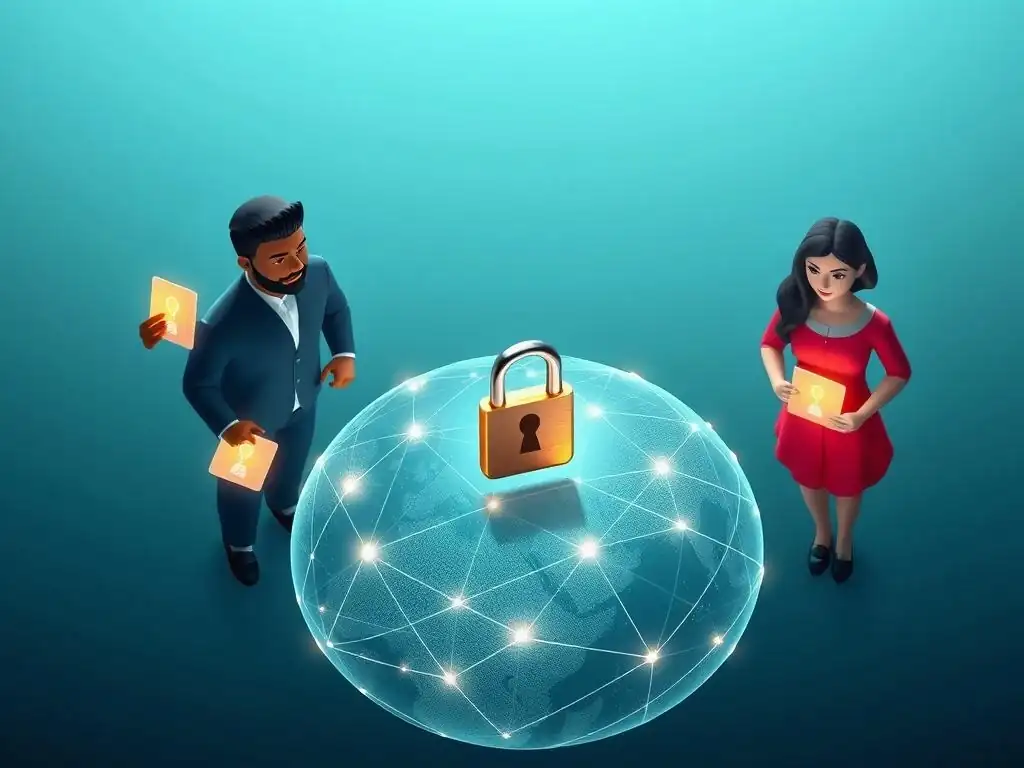
Scalability and Performance of Blockchain Identity Systems
While promising, implementing secure blockchain digital identity solutions faces significant technical challenges, particularly regarding scalability and performance. Public blockchains like Bitcoin or early Ethereum versions have limited transaction throughput (transactions per second), which could be a bottleneck for systems needing to support identity verification for millions or billions of people globally. High transaction fees on some networks can also be prohibitive.
Developing identity systems capable of handling a massive volume of identity transactions and verifications requires blockchains or layer-2 solutions designed for higher performance and lower costs. Solutions exploring private or permissioned blockchains, or specialized identity layers built on public chains, are being developed to address these scalability concerns. Ensuring these systems can operate reliably and quickly, even under peak demand, is crucial for widespread adoption and effectiveness, especially in emergency situations where rapid identity verification is critical.
Interoperability and Standardization of Digital Identity Protocols
For secure blockchain digital identity solutions to be truly effective globally, different systems and platforms must be able to communicate and verify identity claims seamlessly. Currently, various blockchain identity projects and initiatives utilize different protocols and standards (or lack thereof), creating potential silos and hindering interoperability. An identity issued on one blockchain might not be easily verifiable on another, or by traditional systems.
The development and adoption of universal or widely accepted standards for decentralized identifiers (DIDs) and verifiable credentials (VCs), such as those being defined by the W3C (World Wide Web Consortium), are critical steps towards achieving interoperability. Establishing common frameworks and data models will allow individuals to use their secure digital identity across different applications, services, and jurisdictions, regardless of the underlying technology used to issue the initial credentials. Without standardization, the fragmentation of identity systems could undermine the potential benefits of blockchain identity.
Data Privacy and Security Concerns: Addressing Risks and Ensuring Compliance
While blockchain enhances security and privacy compared to centralized databases, implementing secure blockchain digital identity solutions still presents complex data privacy and security considerations. The immutability of blockchain means that once data (or a hash of data) is recorded, it is extremely difficult, if not impossible, to alter or delete. This poses challenges regarding the "right to be forgotten" and managing sensitive personal information in compliance with regulations like GDPR.
Ensuring that sensitive personal data is not directly stored on the public ledger and that robust mechanisms are in place for user control, selective disclosure, and potential data recovery (in case keys are lost) is paramount. Cryptographic techniques like zero-knowledge proofs can allow verification of identity attributes without revealing the underlying data, enhancing privacy. However, system design must carefully balance transparency, security, and privacy, ensuring compliance with evolving data protection laws worldwide while protecting users from potential misuse of their identity information.
Regulatory Landscape and Legal Frameworks for Digital Identity
The regulatory landscape for digital identity, particularly decentralized and blockchain-based forms, is still evolving and varies significantly across jurisdictions. Lack of clear legal frameworks regarding the recognition of blockchain-based identities, the legal status of verifiable credentials, and the responsibilities of issuers, holders, and verifiers creates uncertainty and hinders widespread adoption.
Governments and international bodies are grappling with how to integrate secure blockchain digital identity solutions into existing legal and administrative systems. Questions around liability in case of identity misuse, the process for revoking credentials, and cross-border recognition of digital identities need to be addressed through clear legislation and international agreements. Establishing a supportive and predictable regulatory environment is essential for scaling blockchain identity initiatives and ensuring they are legally recognized and trusted.
Digital Literacy and Accessibility: Bridging the Digital Divide
Even the most secure blockchain digital identity solutions require a certain level of digital literacy and access to technology (smartphones, internet connectivity) to be utilized effectively. This presents a significant challenge for empowering the very populations who are often most underserved and may lack access to these resources or the skills to manage digital wallets and cryptographic keys.
Bridging the digital divide requires complementary efforts alongside technology deployment. This includes investing in digital infrastructure in remote or underserved areas, providing digital literacy training, and developing user interfaces for identity management that are intuitive and accessible to individuals with varying levels of technical proficiency. Without addressing these fundamental accessibility issues, the potential of blockchain identity to empower marginalized communities may remain limited to those who already have some level of digital inclusion.
Real-World Examples and Case Studies of Blockchain Digital Identity Initiatives
Estonia's e-Residency Program: A Government-Backed Digital Identity for Global Citizens
Estonia's e-Residency program is a pioneering government-issued secure digital identity scheme, though it predates and differs from purely blockchain-native identity systems. Launched in 2014, it provides non-residents with a secure digital identity that grants access to Estonia's e-services, such as company formation, banking, and digital signing. While not fully blockchain-based in its core infrastructure, it demonstrates a successful model of government-backed digital identity enabling remote access to services.
As of late 2023, the program had over 100,000 e-residents from more than 170 countries, who have established over 25,000 companies. The system relies on public key cryptography and secure smart cards for authentication. While not a pure blockchain implementation, Estonia is actively exploring blockchain technology, including for identity-related use cases like ensuring the integrity of its e-governance data through distributed ledger technology, highlighting a governmental trend towards leveraging secure digital identity solutions and exploring blockchain's role.
UNHCR and Accenture's Blockchain Pilot for Refugee Identity Management in Jordan
The United Nations High Commissioner for Refugees (UNHCR) partnered with Accenture on a pilot program in Jordan to explore using blockchain technology for managing the identities of Syrian refugees. The goal was to provide refugees with a secure, verifiable digital identity that they controlled, enabling them to access aid and services without relying solely on physical documents, which are often lost or confiscated during displacement.
This initiative utilized a private, permissioned blockchain to register refugee identities and facilitate aid distribution, specifically leveraging iris scanning for biometric identification linked to the blockchain ID. This allowed refugees to access cash assistance from ATMs using just their iris scan, securely verified against their blockchain-registered identity. The pilot demonstrated the potential of secure blockchain digital identity to provide continuity of identity and access to essential resources for highly vulnerable and displaced populations, improving efficiency and reducing fraud in aid delivery.
Georgia's Land Titling Project: Secure and Transparent Land Registry on the Blockchain
The country of Georgia embarked on a project with Bitfury Group in 2016 to pilot registering and verifying land titles using blockchain technology. The traditional land registry system, like many globally, faced issues with efficiency, transparency, and vulnerability to fraud and corruption. The aim was to create a secure, immutable, and transparent record of land ownership.
By recording property transaction hashes on the Bitcoin blockchain, the project created an immutable audit trail for land ownership records. This system makes it extremely difficult to falsify titles or transaction histories, providing secure property rights to citizens. While not a complete replacement for the existing system, this pilot demonstrated the practical application of blockchain for securing critical government records and providing citizens with greater confidence in their property rights, showcasing secure blockchain digital identity principles applied to asset ownership verification.
The Future of Blockchain Digital Identity: Trends and Opportunities
The Convergence of Blockchain, AI, and Biometrics for Enhanced Identity Verification
The future of secure blockchain digital identity solutions is likely to involve the convergence of several cutting-edge technologies. Blockchain provides the secure, decentralized ledger for storing identity proofs and managing verifiable credentials. Artificial intelligence (AI) can enhance identity verification processes, for example, by analyzing patterns to detect fraudulent activity or improving facial recognition algorithms.
Biometric data, such as fingerprints, iris scans, or facial recognition, can be securely linked to a blockchain identity (often as a cryptographic hash rather than the raw data) to provide a strong, multi-factor authentication method. This combination offers enhanced security and usability, particularly in contexts where traditional authentication methods are challenging. For instance, using biometrics linked to a blockchain ID could provide a highly secure way for individuals in remote areas to access services without needing to remember complex passwords or carry physical tokens.
The Role of Self-Sovereign Identity (SSI) in Empowering Individuals
Self-Sovereign Identity (SSI) is a foundational principle guiding many secure blockchain digital identity initiatives. SSI puts the individual at the center of their identity management, giving them control over their digital identity and data. In an SSI model, individuals issue, own, and control their identity, rather than relying on governments, corporations, or other third parties.
Blockchain technology provides a suitable infrastructure for SSI by offering a decentralized, tamper-proof layer for verifying claims and managing identifiers (DIDs). The SSI movement, supported by organizations like the Decentralized Identity Foundation (DIF), is developing open standards and protocols that enable individuals to obtain verifiable credentials from trusted issuers (e.g., a school, an employer), store them securely in a digital wallet, and selectively present them to verifiers (e.g., a bank, a landlord) without revealing unnecessary personal information. This model is poised to fundamentally change how we interact online and offline, giving unprecedented control to the individual.
Blockchain-Based Identity for the Metaverse and Web3
As digital environments like the metaverse and Web3 applications become more prevalent, the need for secure, interoperable, and user-controlled digital identity becomes critical. Users will require persistent identities that can seamlessly transition between different virtual worlds, decentralized applications (dApps), and online services while maintaining privacy and security. Secure blockchain digital identity solutions are ideally positioned to fulfill this need.
A blockchain-based identity can serve as a portable, universal passport for the metaverse and Web3. It can securely link users to their digital assets (NFTs, virtual property), reputation, credentials, and online activity across decentralized platforms. This allows for persistent identity and ownership without requiring users to create separate accounts for every service, reducing fragmentation and enhancing user experience. It also enables new forms of interaction and commerce based on verified identity and ownership in decentralized virtual spaces.
The Potential for Global Digital Identity Standards and Interoperability
The long-term vision for secure blockchain digital identity is a world where individuals have a universally recognized and trusted digital identity that they control, enabling seamless interaction across borders and systems. Achieving this requires the development and widespread adoption of global digital identity standards and protocols that ensure interoperability between different blockchain networks, identity platforms, and traditional systems.
Initiatives like the W3C's work on Decentralized Identifiers (DIDs) and Verifiable Credentials (VCs) are laying the groundwork for such global standards. As these standards mature and gain traction, it will become easier for governments, organizations, and individuals to issue, manage, and verify identity claims in a standardized way. This global interoperability is key to unlocking the full potential of secure blockchain digital identity solutions, particularly for cross-border use cases like international travel, humanitarian aid, and providing identity to stateless persons.
Conclusion: Secure Blockchain Digital Identity Solutions – A Path to Empowerment and Inclusion
The Transformative Impact of Blockchain on Underserved Communities
Secure blockchain digital identity solutions hold immense potential to transform the lives of underserved communities globally. For the estimated one billion people without official identification, a verifiable digital identity can be the key to unlocking access to fundamental rights and services – from healthcare and education to financial services and secure land ownership. By providing a decentralized, secure, and user-controlled form of identification, blockchain technology can help bridge the identity gap and foster greater inclusion and empowerment.
The examples from Estonia, UNHCR's pilot, and Georgia's land registry demonstrate that secure blockchain digital identity is not just a theoretical concept but is being implemented in real-world scenarios with tangible benefits. While challenges related to scalability, regulation, and digital literacy remain, ongoing innovation and collaboration are steadily addressing these hurdles. The shift towards self-sovereign identity models, powered by blockchain, promises a future where individuals, regardless of their circumstances or location, can own and control their digital identity, participating fully in the global economy and society.
Call to Action: Fostering Collaboration and Innovation in Blockchain Digital Identity
Realizing the full potential of secure blockchain digital identity solutions for underserved populations requires concerted effort from various stakeholders. Governments, NGOs, technology developers, financial institutions, and international organizations must collaborate to develop robust, interoperable, and accessible identity systems. Investment in infrastructure and digital literacy programs is crucial to ensure that the benefits of these technologies reach those who need them most.
Continued research and development are needed to enhance the scalability, privacy, and security of blockchain identity platforms. Furthermore, establishing clear legal and regulatory frameworks is essential for building trust and enabling widespread adoption. By fostering collaboration, driving innovation, and focusing on the needs of the most vulnerable, we can leverage secure blockchain digital identity to create a more equitable and inclusive world, where identity is a tool for empowerment, not a barrier to opportunity.
Frequently Asked Questions
How can blockchain technology provide secure digital identities for underserved populations?
Blockchain offers a decentralized and immutable ledger, making digital identities resistant to tampering and single points of failure. This enhanced security is crucial for protecting vulnerable individuals' data.
What are the key benefits of using blockchain for digital identity solutions in developing countries?
Blockchain provides increased trust and transparency, enabling individuals to control their own data. It also reduces the risk of identity theft and fraud, leading to greater financial inclusion and access to services.
How does blockchain-based digital identity differ from traditional identification systems?
Traditional systems are centralized and vulnerable to data breaches. Blockchain offers a decentralized, self-sovereign identity (SSI) model, giving individuals greater control and ownership over their personal information.
What are the regulatory challenges surrounding the implementation of blockchain digital identity solutions?
Lack of clear regulations and standardization can hinder widespread adoption. Interoperability between different blockchain systems and compliance with data privacy laws (GDPR) are also key concerns.
What is the potential impact of secure blockchain digital identity solutions on financial inclusion for underserved communities?
By providing verifiable credentials and access to financial services, blockchain digital identity can empower individuals to participate in the formal economy, opening up opportunities for economic growth and development.
Final Reflection: Embracing Secure Digital Empowerment
The exploration of blockchain digital identity solutions reveals a powerful potential to bridge the identification gap for underserved populations, and its relevance is undeniable. The promise of secure, self-sovereign identity is no longer a futuristic concept but a tangible tool for social and economic inclusion, ready to be deployed and refined. This technology offers a pathway to unlock opportunities previously inaccessible due to lack of verifiable identification, paving the way for a more equitable and just world.
The impact of secure blockchain digital identity extends far beyond mere convenience; it fundamentally alters the power dynamic, placing control back in the hands of the individual. Witnessing the potential for this technology to empower marginalized communities fuels a deep sense of responsibility to advocate for its ethical and equitable implementation. Identity is not inherent; it is constructed through interaction and recognition. Blockchain offers a new paradigm for this construction, one that prioritizes individual agency and control.
This shift in perspective is crucial for fostering trust and ensuring that digital identity solutions truly serve the needs of those who stand to benefit the most.
As we stand at the cusp of a digital revolution, let us not forget the human element at its core. Consider how you can contribute to a future where secure blockchain digital identity solutions are not just technological advancements, but catalysts for positive social change. Reflect on the ways you can advocate for inclusive policies, support ethical development practices, and champion the rights of underserved populations to access and control their own digital identities. The power to shape a more equitable future lies within each of us.
Embrace Your Digital Identity: Start Building a Brighter Future!
Thank you for exploring the potential of blockchain in empowering underserved populations through secure digital identities. You now have a deeper understanding of how this technology can revolutionize access and opportunity. Let's translate that knowledge into action!
Here's how you can contribute to this transformative movement:
- Be a Pioneer: Advocate for Blockchain-Based Identity Solutions in Your Community.: Research local initiatives and explore ways to support or implement similar systems that provide secure and verifiable identification.
- Dig Deeper: Explore the technical documentation of existing blockchain identity platforms, such as Civic or uPort, to understand the underlying mechanisms and potential applications.
- Share this article with your network and start a conversation about the importance of digital identity for equitable access to services and opportunities.
What specific steps will you take today to champion the use of blockchain for inclusive and secure digital identity solutions? Let us know in the comments!
Leave a Reply