
Investing in Decentralized Social Media: Opportunities and Risks


Welcome to Blockchain Trends, your guide to navigating the ever-evolving landscape of blockchain technology!
Decentralized social media promises a revolutionary shift in how we connect and share online. But before you jump in, are you truly aware of the decentralized social media investment risks involved? This article delves deep into the potential pitfalls alongside the exciting opportunities, offering crucial insights for anyone considering investing in this burgeoning sector. Prepare to uncover the challenges and rewards that lie ahead in the world of blockchain-powered social platforms – and discover whether it's the right investment for you.
Investing in Decentralized Social Media: Opportunities and Risks
- Introduction: The Rise of Decentralized Social Media Platforms
- Opportunities in Decentralized Social Media Investments
- Decentralized Social Media Investment Risks: A Comprehensive Analysis
- Evaluating Decentralized Social Media Projects: Key Metrics and Due Diligence
- Comparing Traditional Social Media Investment vs. Decentralized Alternatives
- Case Studies: Mastodon and Lens Protocol
- Mitigating Decentralized Social Media Investment Risks
- The Future of Decentralized Social Media Investments
- Conclusion: Navigating the Decentralized Social Media Investment Landscape
-
Frequently Asked Questions
- What are the main investment opportunities in decentralized social media projects?
- What are the key Decentralized social media investment risks that investors should be aware of?
- How does Decentralized Social Media (DeSM) differ from traditional social media in terms of data ownership?
- What role does blockchain technology play in mitigating content censorship on decentralized social media platforms?
- How can investors evaluate the long-term sustainability of a decentralized social media project?
- Final Reflection: Navigating the Decentralized Frontier
- Uncover Your Decentralized Social Media Investment Strategy!
Decentralized social media represents a paradigm shift from the centralized platforms that dominate the internet today. Unlike platforms like Facebook, X (formerly Twitter), and Instagram, which are controlled by a single entity, decentralized social media platforms leverage blockchain technology to distribute control and ownership among users. This fundamental difference is rooted in the core principles of decentralization: transparency, immutability, and user empowerment.
In a decentralized social network, user data is not stored on central servers but often distributed across a network of nodes, making it more resistant to censorship and single points of failure. This architecture typically allows for greater user autonomy over their data, content, and platform governance. The emergence of decentralized social media is a response to growing concerns about data privacy, algorithmic bias, and the power wielded by large tech corporations in the Web2 space.
The decentralized social media landscape is diverse and evolving, encompassing various approaches to platform architecture and governance. Some platforms are built as entirely new blockchain-based networks, while others integrate decentralized components into existing social media models. Examples include platforms built on blockchains like Ethereum, Solana, and dedicated social media blockchains.
These platforms often utilize cryptocurrencies and tokens to incentivize user participation, content creation, and platform governance. Furthermore, the concept of decentralized social media extends beyond just alternative platforms; it also includes protocols and tools that allow users to build their own social experiences or migrate existing social graphs to more open and user-centric environments. This nascent ecosystem is driven by a vision of a more democratic and equitable social web, where users have greater control and benefit from the value they create.
Decentralized social media is increasingly capturing the attention of investors for several compelling reasons, primarily stemming from the inherent limitations and growing user dissatisfaction with traditional social media platforms. A key driver is the promise of user data ownership and control. In an era where data privacy is a paramount concern, decentralized platforms offer a compelling alternative by shifting data ownership from corporations back to individuals.
This resonates strongly with users who are increasingly wary of how their data is collected, used, and monetized by centralized social media giants. Investors recognize the potential market demand for platforms that prioritize user privacy and data sovereignty.
Furthermore, the censorship resistance inherent in decentralized systems is a significant draw. Traditional social media platforms are often criticized for their opaque content moderation policies and susceptibility to censorship, whether politically motivated or commercially influenced. Decentralized platforms, by design, are more resistant to censorship due to their distributed nature and reliance on cryptographic principles.
This is particularly appealing in regions with restrictive internet environments and for users who value free speech and open discourse. From an investment perspective, this censorship resistance can translate to a more resilient and globally accessible platform, attracting users who are disenfranchised by the current social media landscape. Finally, the integration of blockchain technology and tokenomics opens up new revenue models and investment opportunities, moving beyond traditional advertising-based models to encompass tokenized economies, creator monetization, and community governance, all of which present novel avenues for value creation and investor returns.
Investing in decentralized social networks at an early stage presents a significant opportunity for substantial returns, mirroring the early days of the internet and the subsequent growth of Web2 social media giants. The decentralized social media space is still nascent, meaning that valuations of promising projects can be comparatively low, offering a lower barrier to entry for investors.
Similar to how early investments in companies like Facebook or Google proved incredibly lucrative, identifying and investing in decentralized social networks with strong fundamentals, innovative technology, and growing user bases can lead to exponential growth as the sector matures. The potential for network effects in social media is immense, and capturing a significant user base early on can create a strong competitive advantage and drive substantial value appreciation for early investors.
Moreover, the blockchain and cryptocurrency space is known for its rapid innovation and potential for disruptive technologies. Decentralized social media is at the intersection of these trends, offering a chance to invest in projects that are not only technologically advanced but also address fundamental user needs and societal concerns related to data privacy, censorship, and platform governance. Early stage investments in this sector often involve participating in token sales or seed rounds, which can provide access to tokens at potentially discounted prices compared to later market valuations.
However, it is crucial to acknowledge that early stage investments also carry higher risks due to the unproven nature of projects and the volatility of the cryptocurrency market. Thorough due diligence and a long-term investment horizon are essential for navigating this potentially high-reward, high-risk landscape of early stage decentralized social media investments.
Revenue Models: Tokenomics, Subscriptions, and Creator Monetization
Decentralized social media platforms are exploring diverse and innovative revenue models that move beyond the traditional advertising-centric approaches of Web2 platforms. Tokenomics, the economic principles governing a platform's native tokens, plays a central role in many decentralized social networks. These tokens can be used for various purposes, including incentivizing content creation and curation, rewarding user engagement, and facilitating governance participation.
For investors, understanding the tokenomics model is crucial as it directly impacts the token's value proposition and potential for appreciation. A well-designed tokenomic model can create a virtuous cycle, where platform growth and user activity drive token demand, which in turn incentivizes further participation and development.
Subscription models, familiar from Web2, are also being adapted for decentralized social media. Platforms may offer premium features or content access through subscriptions, often payable in cryptocurrency. This can provide a more direct and sustainable revenue stream compared to advertising, aligning platform incentives more closely with user value.
Creator monetization is another significant area of innovation. Decentralized platforms are empowering creators by enabling them to directly monetize their content through various mechanisms, such as direct payments in cryptocurrency, tokenized content ownership, and decentralized marketplaces for digital assets. This creator-centric approach can attract high-quality content and foster a more vibrant ecosystem.
Examples include platforms implementing tipping systems in cryptocurrencies, or enabling creators to issue NFTs representing ownership of their content, allowing them to sell or license their work directly to their audience. These diverse revenue models, driven by tokenomics, subscriptions, and creator empowerment, present exciting investment opportunities in decentralized social media, shifting the value capture away from centralized intermediaries and towards users and creators.
The demand for user-owned social platforms is steadily increasing, fueled by a growing awareness of the limitations and drawbacks of centralized social media. Users are becoming increasingly concerned about data privacy violations, algorithmic manipulation, and the lack of control over their online experiences on platforms owned and operated by large corporations.
Numerous surveys and studies indicate a rising level of distrust in traditional social media, with users expressing frustration over issues such as censorship, data breaches, and the monetization of their personal information without their direct benefit or consent. This growing dissatisfaction is creating a fertile ground for decentralized social media platforms that promise greater user autonomy and control.
This demand is not just theoretical; we are witnessing a tangible migration of users to decentralized alternatives, albeit still in the early stages. Platforms like Mastodon, while not strictly blockchain-based, exemplify the desire for open-source, community-driven social networks.
Furthermore, the broader Web3 movement, encompassing decentralized technologies and principles, is gaining momentum, attracting users who are philosophically aligned with the ideals of decentralization, transparency, and user empowerment. Investors are recognizing this shift in user sentiment and behavior, understanding that the future of social media may well be decentralized and user-centric.
This growing demand for user-owned platforms translates into a significant market opportunity for decentralized social media projects that can effectively address user concerns and provide compelling alternatives to the centralized status quo. The potential for user migration and network effects in this space is substantial, making it an attractive area for investment as the demand for user-owned social platforms continues to rise.
Regulatory Uncertainties: Data Privacy and Content Moderation
Regulatory uncertainty poses a significant risk to investments in decentralized social media. The decentralized nature of these platforms challenges existing regulatory frameworks designed for centralized entities. Data privacy regulations, such as GDPR in Europe and CCPA in California, are primarily designed to regulate centralized data controllers.
Applying these regulations to decentralized networks where data is distributed and control is less centralized is complex and creates legal ambiguities. For instance, determining who is responsible for data breaches or ensuring compliance with "right to be forgotten" requests becomes significantly more challenging in a decentralized context. The lack of clear regulatory guidance can lead to compliance risks and potential legal liabilities for decentralized social media projects and their investors.
Content moderation also presents a major regulatory hurdle. While decentralization aims to reduce censorship, it also raises concerns about the spread of harmful content, such as hate speech, misinformation, and illegal activities. Traditional social media platforms are increasingly under pressure to moderate content effectively, and regulators are exploring ways to extend these obligations to decentralized platforms. However, the decentralized architecture makes content moderation more complex.
Defining responsibilities for content moderation, developing effective moderation mechanisms without undermining decentralization principles, and navigating varying regulatory approaches across different jurisdictions are significant challenges. The lack of regulatory clarity in both data privacy and content moderation creates a risky environment for decentralized social media investments, as projects may face unexpected regulatory crackdowns or be forced to adapt to evolving and potentially burdensome compliance requirements. This regulatory ambiguity necessitates careful monitoring of legal developments and proactive engagement with regulatory bodies to mitigate potential risks.
Technical Challenges: Scalability, Usability, and Interoperability
Decentralized social media platforms face significant technical challenges that can impact their viability and investment potential. Scalability is a primary concern. Blockchains, the underlying technology for many decentralized social networks, often have limitations in transaction throughput and processing speed compared to centralized databases.
As user bases grow and activity increases, decentralized platforms may struggle to maintain performance and handle the volume of interactions required for a smooth social media experience. Transaction fees (gas fees) on some blockchains can also become prohibitively expensive during periods of high network activity, hindering user adoption and platform usability. Addressing scalability limitations through layer-2 solutions or alternative blockchain architectures is crucial for the long-term success of decentralized social media, but these solutions are still under development and may introduce new complexities and risks.
Usability remains a critical hurdle for mainstream adoption. The user experience on many decentralized platforms is often less intuitive and more technically complex than on established Web2 social media. Onboarding processes, managing cryptocurrency wallets, understanding blockchain concepts, and navigating decentralized interfaces can be daunting for non-technical users.
Improving usability and creating user-friendly interfaces are essential to attract a broader audience beyond early adopters in the crypto space. Interoperability is another significant challenge. Different decentralized social media platforms and protocols are often siloed, making it difficult for users to seamlessly move their data, social graphs, and content between platforms.
Lack of interoperability can hinder network effects and limit user choice. Developing standards and protocols for interoperability is crucial for creating a more open and connected decentralized social media ecosystem, but achieving widespread adoption of such standards is a complex undertaking. These technical challenges related to scalability, usability, and interoperability represent significant risks for investors, as they can impede user adoption, limit platform growth, and impact the long-term competitiveness of decentralized social media projects.
Market volatility and liquidity concerns are inherent risks associated with investing in crypto-based decentralized social media platforms. Many decentralized social media projects utilize their own cryptocurrencies or tokens for platform governance, user incentives, and economic activity. The cryptocurrency market is known for its high volatility, with token prices subject to significant and rapid fluctuations.
This volatility can impact the value of investments in decentralized social media tokens, potentially leading to substantial losses. Factors such as market sentiment, regulatory news, technological developments, and broader macroeconomic trends can all contribute to cryptocurrency price volatility. Investors need to be prepared for these price swings and understand the inherent risks associated with investing in volatile digital assets.
Liquidity is another crucial consideration. Many decentralized social media tokens are relatively new and may have limited trading volume and liquidity, especially on smaller or decentralized exchanges. Low liquidity can make it difficult to buy or sell tokens at desired prices, particularly for larger investors. Slippage, the difference between the expected trade price and the actual execution price, can be significant for illiquid tokens, eroding potential returns.
Furthermore, the regulatory landscape for cryptocurrency exchanges is still evolving, and there are risks of exchanges being shut down or facing regulatory scrutiny, which can further impact liquidity and access to trading. Investing in decentralized social media tokens requires careful consideration of market volatility and liquidity risks. Diversification, risk management strategies, and a long-term investment perspective are crucial for navigating these challenges and mitigating potential losses associated with the inherent volatility and liquidity concerns in the cryptocurrency market.
Security Risks: Smart Contract Vulnerabilities and Sybil Attacks
Security risks are paramount in the decentralized social media space, particularly concerning smart contract vulnerabilities and Sybil attacks. Many decentralized social media platforms rely on smart contracts to automate platform functions, manage token distribution, and govern platform rules. Smart contracts, while offering automation and transparency, are also susceptible to vulnerabilities in their code. If vulnerabilities are exploited, it can lead to significant financial losses, platform disruptions, and loss of user trust.
The immutability of blockchain means that once a smart contract is deployed with vulnerabilities, it can be difficult or impossible to fix without complex and potentially risky interventions. Auditing smart contracts by reputable security firms is crucial, but even audited contracts can still contain undiscovered vulnerabilities. The complexity of decentralized systems and the nascent nature of smart contract development increase the risk of security breaches.
Sybil attacks are another significant security concern for decentralized social media platforms. In a Sybil attack, a malicious actor creates a large number of fake accounts or identities to gain disproportionate influence over the network, manipulate voting mechanisms, or disrupt platform operations. Decentralized social media platforms, aiming for open and permissionless access, can be particularly vulnerable to Sybil attacks.
Mechanisms to mitigate Sybil attacks, such as proof-of-personhood protocols or reputation systems, are being developed, but they are not foolproof and can introduce new complexities and trade-offs. Successful Sybil attacks can undermine platform integrity, distort content feeds, and erode user trust.
Investors in decentralized social media projects need to carefully assess the security measures in place to address smart contract vulnerabilities and Sybil attacks, as these security risks can have severe consequences for platform viability and the value of investments. Robust security audits, proactive monitoring, and continuous security improvements are essential for mitigating these risks.
Assessing the Team, Community, and Governance Model
Evaluating decentralized social media projects requires a thorough due diligence process, focusing on key aspects such as the team, community, and governance model. The team behind a decentralized social media project is crucial to its success. Assess the team's experience, expertise, and track record in blockchain technology, social media, and community building.
Look for teams with a proven ability to execute their roadmap, adapt to challenges, and foster a thriving ecosystem. Review the team's public profiles, past projects, and involvement in the blockchain and social media space. A strong and experienced team is more likely to navigate the complexities of building and growing a successful decentralized social media platform.
The community is the lifeblood of any social media platform, and decentralized platforms are no exception. Assess the size, engagement, and activity level of the project's community. Look at metrics such as the number of active users, community forum participation, social media engagement, and developer activity. A vibrant and growing community indicates strong user interest and support, which is crucial for network effects and platform growth.
A healthy community also contributes to platform governance, content creation, and overall ecosystem development. The governance model of a decentralized social media project determines how decisions are made, how the platform evolves, and how power is distributed among stakeholders. Understand the project's governance structure, whether it's based on token voting, delegated governance, or other mechanisms.
Assess the transparency, fairness, and inclusiveness of the governance model. A well-designed governance model ensures that the platform is responsive to community needs, adaptable to changing circumstances, and resistant to centralization risks. Evaluating the team, community, and governance model provides crucial insights into the project's fundamentals, long-term viability, and potential for success.
Analyzing the Underlying Technology and Tokenomics Model
A critical aspect of due diligence for decentralized social media projects involves analyzing the underlying technology and tokenomics model. The technology stack, including the chosen blockchain, consensus mechanism, scalability solutions, and smart contract architecture, directly impacts the platform's performance, security, and scalability. Evaluate the technical soundness of the project, considering factors such as transaction speed, security protocols, energy efficiency, and development activity.
Understand the trade-offs inherent in different technological choices and assess whether the chosen technology is well-suited for the demands of a social media platform. Examine the project's whitepaper, technical documentation, and open-source code (if available) to gain a deeper understanding of the technology.
The tokenomics model is fundamental to the economic sustainability and user incentives of a decentralized social media platform. Analyze the token's utility, distribution mechanism, supply schedule, and governance functions. Understand how the token is used to incentivize user participation, content creation, curation, and platform governance. Assess whether the tokenomics model is designed to create long-term value for token holders and platform participants.
Look for tokenomics models that align incentives between users, creators, developers, and the platform itself. Evaluate the token distribution strategy to ensure fair and equitable access to tokens, avoiding excessive concentration in the hands of early investors or the development team. A well-designed tokenomics model can drive platform adoption, incentivize positive behavior, and create a sustainable economic ecosystem. Analyzing the underlying technology and tokenomics model provides crucial insights into the project's technical feasibility, economic viability, and long-term potential.
Understanding the Competitive Landscape and Network Effects
Understanding the competitive landscape and network effects is essential when evaluating decentralized social media projects. The social media market, even in its decentralized form, is competitive. Identify the project's direct and indirect competitors, both within the decentralized social media space and from traditional Web2 platforms. Analyze the project's unique value proposition, target audience, and competitive advantages. Assess whether the project offers compelling features or functionalities that differentiate it from existing platforms and attract users. Consider the project's marketing strategy, community building efforts, and partnerships to gauge its ability to gain market share and compete effectively.
Network effects are paramount in social media. The value of a social media platform increases as more users join and participate. Evaluate the project's potential to leverage network effects and achieve critical mass. Assess the platform's user acquisition strategy, community engagement mechanisms, and features that encourage user interaction and content sharing. Consider the barriers to entry and switching costs for users.
Platforms with strong network effects tend to be more resilient and defensible against competition. However, building network effects in a decentralized environment can be challenging, requiring effective community building, user incentives, and a compelling user experience. Analyzing the competitive landscape and network effects provides crucial insights into the project's market positioning, growth potential, and long-term sustainability. Projects that can effectively compete, build strong network effects, and differentiate themselves in the crowded social media space are more likely to generate value for investors.
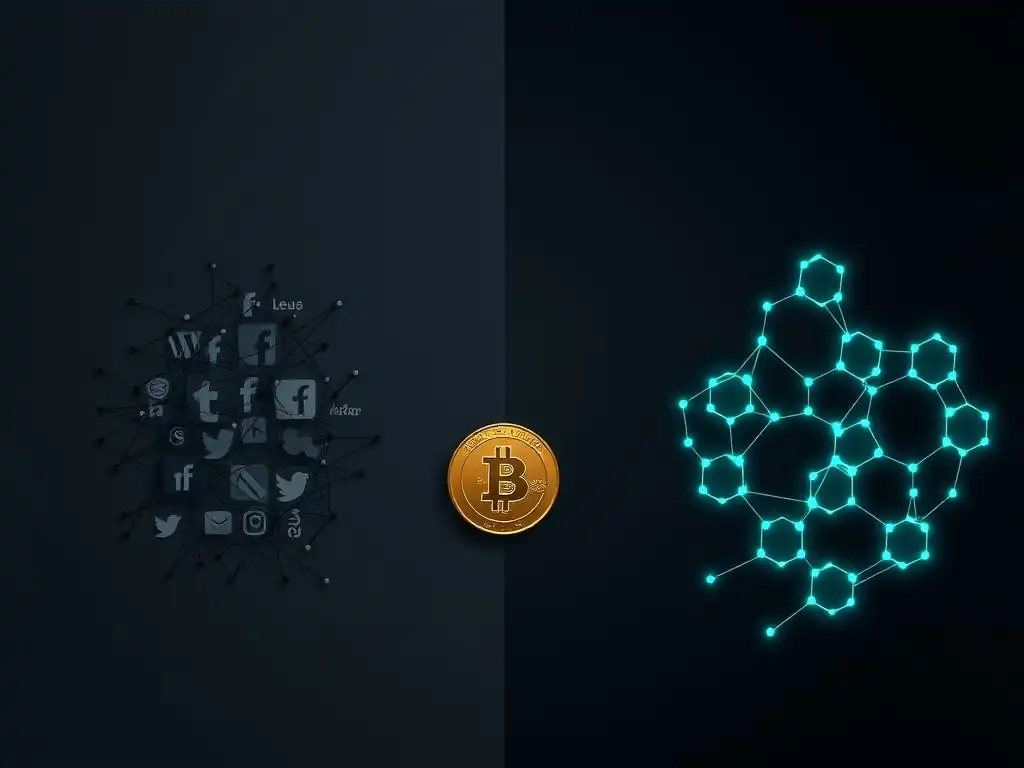
Investing in decentralized social media offers several potential advantages compared to traditional social media investments. Firstly, higher growth potential is often cited. Decentralized social media is a nascent sector with significant room for growth. Early investments in promising projects could yield substantial returns as the sector matures and adoption increases. This is analogous to investing in internet companies in the early 1990s or social media companies in the mid-2000s. The disruptive nature of decentralized technology and the growing user demand for alternatives to centralized platforms create a fertile ground for rapid growth and value appreciation.
Secondly, user ownership and control are central to decentralized social media. This resonates with a growing segment of users concerned about data privacy and platform manipulation. Platforms that prioritize user ownership and control may attract a loyal and engaged user base, leading to stronger network effects and long-term sustainability. Investing in platforms that align with user values can be a socially responsible and potentially more resilient investment strategy.
Thirdly, innovative revenue models are emerging in decentralized social media. Tokenomics, creator monetization, and decentralized governance offer new avenues for value creation beyond traditional advertising-based models. These innovative models can potentially lead to more equitable and sustainable revenue distribution, benefiting users, creators, and platform stakeholders, including investors. Finally, censorship resistance and global reach are inherent advantages of decentralized platforms.
These platforms are less susceptible to censorship and can potentially reach a global audience without being constrained by geographical or political boundaries. This can be particularly attractive in regions with restrictive internet environments and for users who value free speech and open discourse. These advantages collectively make decentralized social media an attractive and potentially high-reward investment opportunity compared to the mature and often saturated traditional social media market.
Despite the potential advantages, investing in decentralized social media also carries significant disadvantages compared to traditional social media investments. Firstly, higher risk and volatility are inherent in the decentralized space. The decentralized social media sector is still nascent and unproven, with many projects in early stages of development.
The cryptocurrency market, which underpins many decentralized platforms, is highly volatile and subject to rapid price swings. This volatility translates to higher investment risk compared to investing in established, publicly traded traditional social media companies. The lack of regulatory clarity and the evolving legal landscape also contribute to the higher risk profile.
Secondly, lower liquidity and market maturity are characteristic of the decentralized social media sector. Many decentralized social media tokens have limited trading volume and liquidity, making it more difficult to buy or sell large amounts of tokens without impacting prices. The market for decentralized social media is less mature and less efficient than the market for traditional social media stocks. Price discovery may be less efficient, and market manipulation risks may be higher.
Thirdly, technical complexity and usability challenges can hinder mainstream adoption. Decentralized platforms often require users to understand blockchain concepts, manage cryptocurrency wallets, and navigate technically complex interfaces. This complexity can create a barrier to entry for non-technical users, limiting user growth and platform adoption compared to user-friendly traditional social media platforms. Finally, regulatory uncertainty and security risks pose significant challenges.
The regulatory landscape for decentralized technologies is still evolving, and projects may face unexpected regulatory hurdles or compliance challenges. Security risks, such as smart contract vulnerabilities and Sybil attacks, are also prevalent in the decentralized space. These disadvantages highlight the higher risk, lower liquidity, technical complexities, and regulatory uncertainties associated with investing in decentralized social media compared to the more established and regulated traditional social media market.
Case Studies: Mastodon and Lens Protocol
Lessons Learned from Mastodon's Growth and Challenges
Mastodon, a decentralized microblogging platform, provides valuable lessons for understanding the growth and challenges of decentralized social media. Launched in 2016, Mastodon is a free and open-source federated social network, meaning it's composed of independently run servers ("instances") that can interoperate. Mastodon's growth has been organic and driven by user dissatisfaction with centralized platforms like X (Twitter), particularly concerning content moderation and algorithmic control.
Mastodon experienced significant user surges, notably following Elon Musk's acquisition of Twitter in 2022, demonstrating the appeal of decentralized alternatives when users seek refuge from platform changes they dislike. By late 2022, Mastodon reported over 2.5 million monthly active users, a substantial increase, although still a fraction of X's user base.
However, Mastodon's growth also highlights the challenges of decentralized social media. Usability remains a barrier for mainstream adoption. The federated nature of Mastodon and the concept of instances can be confusing for new users. Finding and choosing an instance, understanding federation, and navigating different moderation policies across instances can be less intuitive than joining a centralized platform.
Monetization is another significant challenge. Mastodon is primarily funded through donations and community support, lacking a robust and scalable revenue model. This limits its resources for development, marketing, and infrastructure.
Content moderation, while decentralized, can also be inconsistent across instances, leading to fragmentation and potential moderation gaps. Mastodon's experience demonstrates that while decentralized social media can attract users seeking alternatives to centralized platforms, addressing usability, monetization, and consistent content moderation remain crucial challenges for wider adoption and long-term sustainability. Its growth spurts driven by events on centralized platforms also show a reactive rather than proactive user acquisition pattern, suggesting the need for stronger inherent value propositions beyond simply being "not centralized".
Insights from Lens Protocol's Modular Design and Composability
Lens Protocol, developed by the Aave team, offers valuable insights into the potential of modular design and composability in decentralized social media. Unlike Mastodon which is a platform, Lens Protocol is a decentralized social graph protocol built on the Polygon blockchain. It is designed to be an open and composable foundation for building various social media applications. Lens Protocol's modular architecture allows developers to build different social media features and functionalities on top of the core protocol, fostering innovation and customization. This composability is a key differentiator from traditional social media platforms, which are typically monolithic and closed ecosystems.
Lens Protocol emphasizes user data ownership and portability. Users own their social graph data as NFTs (Non-Fungible Tokens), giving them control over their profiles, followers, and content. This allows users to potentially migrate their social graph between different applications built on Lens Protocol, reducing platform lock-in and fostering a more user-centric social web.
The protocol's composability also enables developers to integrate Lens Protocol's social graph into existing Web3 applications, creating richer and more interconnected user experiences. For example, a decentralized music streaming platform could integrate Lens Protocol to enable social interactions and artist discovery. Lens Protocol's approach highlights the potential of building decentralized social media as a set of composable building blocks rather than monolithic platforms.
This modularity can foster innovation, user choice, and greater interoperability within the decentralized social media ecosystem. However, the success of Lens Protocol depends on the growth of its developer ecosystem and the adoption of applications built on top of it, demonstrating that protocol-level innovation needs to be coupled with thriving application-level development to realize its full potential.
Diversification is a crucial strategy for mitigating risks in blockchain social media investments, given the sector's inherent volatility and nascent stage. Asset diversification is paramount. Instead of concentrating investments in a single decentralized social media project, spread capital across multiple projects with different technologies, target audiences, and geographical focuses. This reduces the impact of failure or underperformance of any single project on the overall investment portfolio. Consider investing in projects at different stages of development, from early-stage startups to more established platforms, to balance risk and potential returns.
Geographical diversification can also be beneficial. Decentralized social media adoption and regulatory environments vary across different regions. Investing in projects targeting diverse geographical markets can reduce exposure to regional regulatory risks and capitalize on varying adoption rates. Technology diversification involves spreading investments across projects built on different blockchains and utilizing different technological approaches.
This mitigates risks associated with the failure or limitations of a specific blockchain technology or scalability solution. Consider projects built on Ethereum, Solana, Polygon, and other relevant blockchains. Furthermore, investment instrument diversification can be employed.
Instead of solely investing in project tokens, explore other investment instruments such as equity in companies building decentralized social media platforms, or participating in decentralized autonomous organizations (DAOs) that govern these platforms. Diversification across assets, geographies, technologies, and investment instruments is a cornerstone of risk management in the volatile and evolving decentralized social media investment landscape. A well-diversified portfolio can smooth out returns, reduce overall risk exposure, and increase the probability of capturing long-term value creation in this sector.
Due Diligence Best Practices for Evaluating Decentralized Projects
Effective due diligence is paramount for mitigating risks when evaluating decentralized social media projects. Thoroughly research the team behind the project. Assess their experience, expertise, and track record in blockchain, social media, and community building. Verify their credentials and online reputation. A strong and reputable team significantly increases the likelihood of project success.
Analyze the project's whitepaper and technical documentation in detail. Understand the project's vision, technology, tokenomics, roadmap, and competitive advantages. Assess the technical feasibility of the project and the soundness of its tokenomic model. Look for clear and well-articulated documentation that demonstrates a deep understanding of the challenges and opportunities in decentralized social media.
Evaluate the project's community and user base. Assess the size, engagement, and activity level of the community. Look at metrics such as social media followers, forum participation, and developer activity. A vibrant and growing community is a positive indicator of user interest and platform adoption potential. Scrutinize the project's tokenomics.
Understand the token's utility, distribution mechanism, supply schedule, and governance functions. Assess whether the tokenomics model is designed to incentivize positive behavior, create long-term value, and align incentives between stakeholders. Look for potential token distribution imbalances or inflationary tokenomics models that could negatively impact token value. Assess the project's security measures. Understand the security protocols in place to protect against smart contract vulnerabilities, Sybil attacks, and other security threats.
Review security audit reports and assess the project's commitment to ongoing security improvements. Engage with the project's community and team. Participate in community forums, ask questions, and seek clarification on any concerns. Direct interaction with the community and team can provide valuable insights and help assess the project's transparency and responsiveness. Following these due diligence best practices can significantly enhance investment decision-making and mitigate risks in the decentralized social media space.
Staying Informed About Regulatory Developments and Technological Advancements
Staying informed about regulatory developments and technological advancements is crucial for navigating the evolving landscape of decentralized social media investments. Actively monitor regulatory news and policy changes related to blockchain, cryptocurrencies, and social media in key jurisdictions. Regulatory developments can have a significant impact on the legal compliance and operational feasibility of decentralized social media projects. Subscribe to regulatory news updates, follow industry associations, and engage with legal experts to stay abreast of evolving regulations. Understand the implications of regulations such as data privacy laws, content moderation rules, and cryptocurrency regulations on decentralized social media platforms.
Continuously track technological advancements in blockchain, decentralized technologies, and social media platforms. The decentralized space is rapidly evolving, with new technologies and solutions emerging constantly. Follow industry publications, attend conferences, and engage with developer communities to stay informed about technological trends. Understand the implications of new technologies such as layer-2 scaling solutions, interoperability protocols, decentralized identity solutions, and AI integration for decentralized social media.
Network with industry experts and other investors in the decentralized social media space. Attend industry events, join online communities, and connect with individuals who are knowledgeable and experienced in this sector. Networking can provide valuable insights, access to information, and opportunities for collaboration. Be adaptable and prepared to adjust investment strategies based on regulatory changes and technological advancements.
The decentralized social media landscape is dynamic and uncertain. Flexibility and adaptability are essential for navigating evolving risks and opportunities. Continuously learning, staying informed, and adapting investment strategies are key to long-term success in decentralized social media investments.
The future of decentralized social media investments will be shaped by several emerging trends, including AI integration, SocialFi, and cross-chain compatibility. Artificial Intelligence (AI) integration is poised to play an increasingly significant role. AI can enhance content curation, personalize user experiences, improve content moderation, and combat spam and malicious activity on decentralized social media platforms.
AI-powered recommendation algorithms can help users discover relevant content and communities, while AI-driven moderation tools can assist in identifying and removing harmful content more efficiently. However, integrating AI in a decentralized context also raises challenges related to data privacy, algorithmic transparency, and ensuring that AI systems align with decentralized principles. Projects that effectively leverage AI to enhance user experience and platform functionality while maintaining decentralization principles are likely to be at the forefront of innovation.
Social Finance (SocialFi) is another emerging trend that combines social media with decentralized finance (DeFi). SocialFi platforms integrate DeFi functionalities such as token staking, yield farming, and decentralized marketplaces directly into social media experiences. This can enable new forms of creator monetization, community governance, and user engagement. For example, users could earn tokens for creating and curating content, stake tokens to participate in platform governance, or access exclusive content through tokenized memberships.
SocialFi has the potential to create more economically vibrant and user-owned social media ecosystems, but it also introduces complexities related to financial risk management and regulatory compliance within the DeFi space. Cross-chain compatibility is becoming increasingly important for decentralized social media platforms. As the blockchain ecosystem becomes more fragmented, the ability for decentralized social media platforms to operate across multiple blockchains and interoperate with different ecosystems will be crucial.
Cross-chain compatibility can enhance user accessibility, expand platform reach, and reduce reliance on any single blockchain infrastructure. Projects that embrace cross-chain solutions and facilitate seamless user experiences across different blockchain networks are likely to gain a competitive advantage in the evolving decentralized social media landscape. These emerging trends of AI integration, SocialFi, and cross-chain compatibility will shape the future direction of decentralized social media and create new investment opportunities.
Decentralized Autonomous Organizations (DAOs) are expected to play a crucial role in the governance of decentralized social media platforms. DAOs are community-led entities governed by rules encoded in smart contracts, enabling decentralized and transparent decision-making. In decentralized social media, DAOs can be used to manage platform upgrades, content moderation policies, tokenomics parameters, and community treasury management. DAOs empower platform users and token holders to participate in platform governance, shifting control away from centralized entities and towards the community. This aligns with the core principles of decentralization and user ownership in decentralized social media.
DAOs can facilitate more democratic and transparent governance processes compared to traditional centralized platforms. Token holders can vote on proposals, express their preferences on platform policies, and influence the direction of platform development. However, DAO governance also presents challenges.
Effective DAO governance requires active community participation, clear governance mechanisms, and mechanisms to prevent governance attacks or manipulation. Low voter turnout, lack of expertise among token holders, and coordination challenges can hinder effective DAO governance. Furthermore, legal and regulatory frameworks for DAOs are still evolving, creating legal uncertainties and potential liabilities.
Despite these challenges, DAOs are increasingly being adopted by decentralized social media projects as a mechanism for community governance. Projects that develop robust and inclusive DAO governance models, foster active community participation, and address the challenges of decentralized decision-making are likely to build more resilient, user-centric, and sustainable decentralized social media platforms. The evolution and maturity of DAO governance will be a key factor shaping the future of decentralized social media.
The long-term investment outlook for decentralized social media platforms is cautiously optimistic, contingent upon addressing current challenges and capitalizing on emerging opportunities. The underlying trend of user demand for greater data privacy, censorship resistance, and platform ownership is expected to persist and potentially accelerate. As users become more aware of the limitations and drawbacks of centralized social media, the appeal of decentralized alternatives is likely to grow.
Technological advancements in blockchain scalability, usability, and interoperability are gradually addressing some of the technical hurdles facing decentralized social media. Layer-2 solutions, improved user interfaces, and cross-chain protocols are making decentralized platforms more accessible and user-friendly.
However, significant challenges remain. Regulatory uncertainty, security risks, and the need for mainstream user adoption are still major hurdles. The success of decentralized social media will depend on navigating evolving regulatory landscapes, mitigating security threats effectively, and creating user experiences that can compete with the convenience and network effects of established centralized platforms.
The long-term investment outlook also depends on the ability of decentralized social media projects to develop sustainable revenue models and build thriving ecosystems. Tokenomics, creator monetization, and SocialFi innovations offer promising avenues for revenue generation, but their long-term viability needs to be proven. While the decentralized social media space is still in its early stages, the potential for disruption and value creation is substantial.
Long-term investors with a high-risk tolerance, a deep understanding of blockchain technology, and a patient investment horizon may find attractive opportunities in this evolving sector. The future of decentralized social media investments will likely be characterized by volatility, innovation, and gradual mainstream adoption, with potentially significant rewards for those who can navigate the risks and identify promising projects early on.
Investing in decentralized social media presents a landscape of both significant opportunities and considerable risks. The promise of user-owned platforms, innovative revenue models, and censorship resistance is attracting increasing investor attention. Early-stage investments hold the potential for high returns, mirroring the growth trajectory of Web2 social media. However, decentralized social media investment risks are also substantial, encompassing regulatory uncertainties, technical challenges related to scalability and usability, market volatility, and security vulnerabilities. Navigating this complex landscape requires a comprehensive understanding of both the opportunities and the inherent risks.
Successful decentralized social media investment necessitates rigorous due diligence, focusing on the team, community, technology, tokenomics, and competitive landscape of each project. Diversification strategies are crucial for mitigating risk, and staying informed about regulatory developments and technological advancements is essential for adapting to the evolving environment. While the long-term investment outlook for decentralized social media is promising, it is crucial to acknowledge that this sector is still nascent and unproven.
Investors should approach decentralized social media with a long-term perspective, a high-risk tolerance, and a commitment to continuous learning and adaptation. By carefully evaluating opportunities, diligently managing risks, and staying informed about the dynamic nature of this space, investors can potentially capitalize on the transformative potential of decentralized social media and contribute to the evolution of a more user-centric and equitable social web.
Frequently Asked Questions
Decentralized social media offers opportunities to invest in platforms promising greater user control over their data and content. This leads to potential for higher user adoption and innovative revenue models, creating investment potential.
Risks include regulatory uncertainty, scalability challenges, and competition from established centralized platforms. Furthermore, the success of these projects relies heavily on user adoption and network effects.
In DeSM, users typically own their data, unlike traditional platforms where the company controls it. This ownership is often secured through blockchain technology and cryptographic keys.
Blockchain's immutable ledger and decentralized nature make it difficult for a single entity to censor content. This allows for greater free speech and resistance to arbitrary takedowns.
Consider the project's tokenomics, developer activity, and community engagement. Also assess the project's ability to attract and retain users in a competitive market.
The exploration of decentralized social media investment risks, as outlined in this article, is not merely an academic exercise; it's a critical navigation of the evolving digital landscape. As centralized platforms face increasing scrutiny regarding data privacy and censorship, the allure of decentralized alternatives grows stronger, making a thorough understanding of their inherent risks paramount for any investor.
The potential of decentralized social media to reshape online interaction is undeniable, yet the path forward is fraught with uncertainty. Witnessing the nascent stages of this revolution evokes a sense of both excitement and caution, reminding us that innovation often comes hand-in-hand with unforeseen challenges. The future is already here – it's just not evenly distributed.
- William Gibson. This quote encapsulates the current state of decentralized social media: the promise is there, but widespread adoption and stability remain elusive.
As you consider the opportunities and risks discussed, remember that informed participation is key. The decentralized social media space is not a get-rich-quick scheme, but a complex ecosystem demanding careful consideration and a long-term perspective. Embrace the potential for change, but proceed with eyes wide open, ready to adapt and learn as this exciting frontier continues to unfold.
Thank you for exploring the world of decentralized social media with Blockchain Trends! You've now gained valuable insights into the opportunities and risks associated with investing in this emerging landscape. Ready to take the next step?
Here are some actionable ways to get started:
- Identify promising projects in the decentralized social media ecosystem that align with your investment goals and risk tolerance. Focus on platforms emphasizing data privacy, censorship resistance, or creator empowerment.
- Follow and engage with key influencers and thought leaders in the decentralized social media space. Learn from their insights and contribute to the ongoing conversation on platforms such as Mastodon or Lens Protocol.
- Consider creating a diversified portfolio of tokens related to decentralized social media. This approach allows you to participate in the growth of the space while managing risk. Remember to consult with a financial advisor before making any investment decisions.
What specific criteria will you use to evaluate the potential of different decentralized social media platforms before investing? Share your thoughts in the comments below!
Leave a Reply