
Ethical Considerations: Addressing Bias and Fairness in AIDriven Smart Contracts

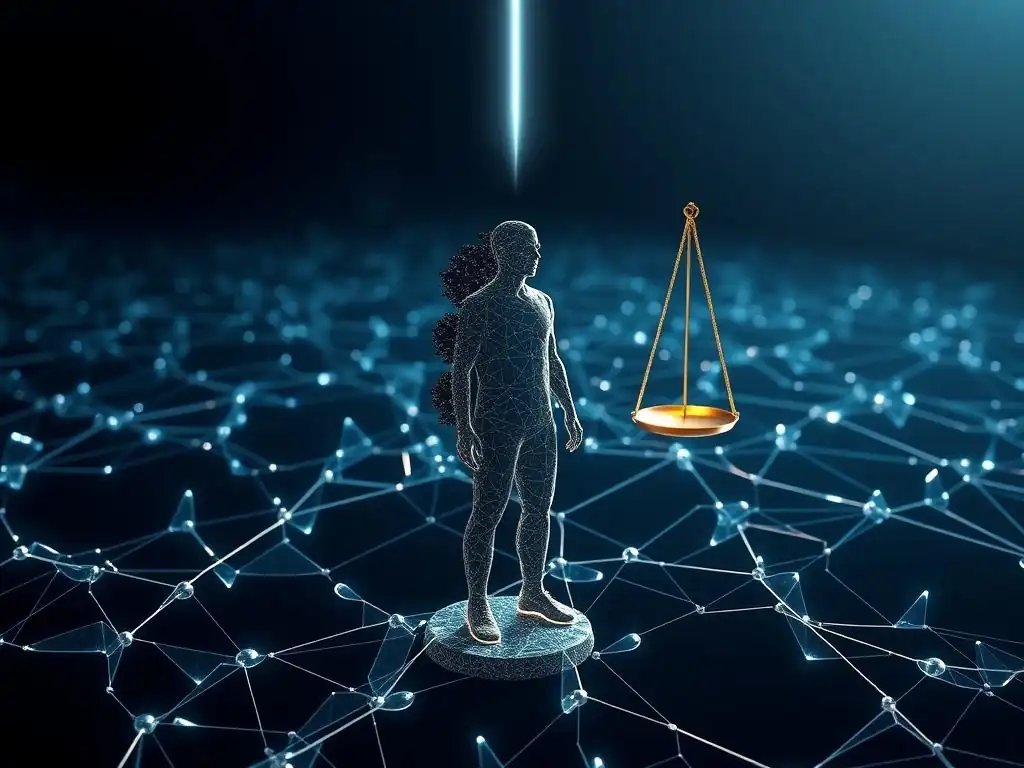
Welcome to Blockchain Trends, your compass in the rapidly evolving world of decentralized technologies. Are smart contracts truly impartial? Dive into our latest exploration of Bias in AI-Driven Smart Contracts and uncover the ethical challenges and crucial considerations surrounding fairness in these increasingly powerful systems. This article scratches the surface, but it sets the stage for a deeper understanding of the vital intersection between blockchain and AI. Intrigued? Keep reading to discover how we can build a more equitable future with decentralized technologies.
Ethical Considerations: Addressing Bias and Fairness in AI-Driven Smart Contracts
- Introduction: The Intersection of AI, Smart Contracts, and Ethical Concerns
- Bias in AI-Driven Smart Contracts: Sources and Manifestations
- The Impact of Biased Smart Contracts on Fairness and Equity
-
Strategies for Mitigating Bias and Promoting Fairness in AI-Powered Smart Contracts
- Data Auditing and Preprocessing: Ensuring Data Quality and Representativeness for Smart Contract Training
- Algorithmic Transparency and Explainability: Making AI Decision-Making More Understandable
- Fairness-Aware AI Techniques: Implementing Algorithms Designed to Minimize Bias
- Decentralized Governance and Auditing: Establishing Community Oversight Mechanisms for Smart Contracts
- Building Ethical Frameworks for AI and Smart Contract Development
- Case Studies: Examining Successful Approaches to Bias Mitigation in Smart Contracts
- The Future of Ethical AI in Smart Contracts: Challenges and Opportunities
- Conclusion: Towards a More Equitable and Trustworthy Future with AI-Driven Smart Contracts
-
Frequently Asked Questions
- What is the primary ethical concern when integrating AI with smart contracts?
- How can bias creep into AI-driven smart contracts?
- What are some strategies for mitigating bias in AI-driven smart contracts?
- How does regulation play a role in ensuring fairness in AI-driven smart contracts?
- What is the future outlook for addressing bias and fairness in AI-driven smart contracts?
- Final Reflection: Navigating the Ethical Frontier of AI-Powered Agreements
- Empower Fair Smart Contracts: Take Action Now!
Introduction: The Intersection of AI, Smart Contracts, and Ethical Concerns
Understanding the Growing Role of AI in Smart Contract Automation
The integration of Artificial Intelligence (AI) into smart contracts represents a significant leap forward in blockchain technology, promising to automate complex decision-making processes and enhance the functionality of decentralized applications. Smart contracts, self-executing agreements coded on a blockchain, gain a new dimension of intelligence through AI, enabling them to adapt to dynamic conditions, interpret nuanced data, and perform tasks previously requiring human intervention.
This synergy is particularly impactful in areas such as decentralized finance (DeFi), supply chain management, and digital identity verification, where AI algorithms can optimize contract execution, predict market trends, and personalize user experiences within the blockchain ecosystem.
The increasing reliance on AI to power smart contracts is driven by the need for greater efficiency and sophistication in blockchain applications. Traditional smart contracts, while revolutionary in their automation of basic agreements, often lack the adaptability required for intricate real-world scenarios.
AI bridges this gap by providing smart contracts with the ability to learn from data, make predictions, and react autonomously to changing circumstances. For example, in DeFi, AI can be used to dynamically adjust lending rates based on market volatility or to automatically rebalance investment portfolios based on pre-defined risk parameters, thus making smart contracts more robust and versatile.
Identifying Potential Ethical Pitfalls in AI-Enhanced Blockchain Applications
While the convergence of AI and smart contracts offers immense potential, it also introduces significant ethical challenges, particularly concerning bias and fairness. AI algorithms, by their nature, learn from data, and if this data reflects existing societal biases, the AI models will inevitably perpetuate and even amplify these biases in their decision-making processes within smart contracts.
This is especially concerning in the context of blockchain, where immutability and decentralization can make it difficult to rectify biased outcomes once they are encoded and executed. The lack of transparency in some AI models, often referred to as the "black box" problem, further complicates the issue, making it challenging to understand how decisions are made and to identify and address sources of bias.
The ethical pitfalls of AI-driven smart contracts extend beyond mere algorithmic inaccuracies. They touch upon fundamental principles of fairness, equity, and accountability in decentralized systems. If smart contracts, designed to be trustless and impartial, are instead influenced by biased AI, they risk undermining the very foundations of trust and transparency that blockchain technology seeks to establish.
This can lead to discriminatory outcomes, erode user confidence, and ultimately hinder the widespread adoption of blockchain solutions. Therefore, addressing bias and ensuring fairness in AI-powered smart contracts is not just a technical challenge but a critical ethical imperative for the responsible development and deployment of this technology.
Bias in AI-Driven Smart Contracts: Sources and Manifestations
Data Bias: How Skewed Datasets Impact Smart Contract Outcomes
Data bias is a primary source of unfairness in AI-driven smart contracts. AI algorithms are trained on datasets, and if these datasets are not representative of the population or phenomenon they are intended to model, the resulting AI models will inherit and amplify the biases present in the data.
For instance, if a smart contract designed to automate loan approvals is trained on historical loan data that underrepresents or unfairly discriminates against certain demographic groups, the AI model will likely perpetuate this discrimination in its automated decisions. This can lead to systematically unfair outcomes, where individuals from certain backgrounds are disproportionately denied loans, not due to their creditworthiness, but due to biases embedded in the training data.
The issue of data bias is pervasive across various domains. Datasets may reflect historical inequalities, societal prejudices, or simply lack sufficient representation of certain groups. Consider facial recognition AI used in identity verification smart contracts.
If the training dataset predominantly features images of one ethnicity, the AI may perform less accurately when identifying individuals from other ethnicities, leading to biased verification processes. Similarly, in natural language processing AI used for contract interpretation, skewed datasets might lead to misinterpretations or unfair assessments based on language variations or dialects that are underrepresented in the training data. The impact of data bias is profound, as it directly shapes the AI's understanding of the world and its subsequent decision-making within smart contracts.
Algorithmic Bias: Unfairness Embedded in AI Models Used in Smart Contracts
Algorithmic bias arises from the design and implementation of AI models themselves, independent of the data they are trained on. Even with perfectly balanced and representative datasets, bias can creep in through the choice of algorithms, the way features are selected and weighted, or the optimization criteria used during model training.
For example, an AI algorithm designed for risk assessment in insurance smart contracts might inadvertently prioritize certain factors that correlate with, but are not causally related to, actual risk. If these factors disproportionately affect specific demographic groups, the algorithm will exhibit bias, leading to unfair insurance premiums or coverage denials for those groups.
Furthermore, the inherent complexity of many AI models, particularly deep learning models, can make it difficult to detect and rectify algorithmic bias. These models often operate as "black boxes," where the decision-making process is opaque and not easily interpretable. This lack of transparency makes it challenging to pinpoint the source of bias and to modify the algorithm to ensure fairness.
Moreover, optimization goals that prioritize overall accuracy without explicitly considering fairness metrics can inadvertently lead to biased outcomes. For example, an algorithm optimized to maximize prediction accuracy across the entire population might achieve this by being highly accurate for majority groups while being significantly less accurate and fair for minority groups.
Human Bias: The Role of Developers in Perpetuating Inequality in Decentralized Systems
Human bias, consciously or unconsciously introduced by developers and stakeholders, is a critical factor contributing to unfairness in AI-driven smart contracts. Developers make numerous decisions throughout the AI lifecycle, from data collection and preprocessing to algorithm selection, model training, and deployment.
These decisions are inevitably influenced by their own perspectives, assumptions, and biases, which can inadvertently seep into the AI system. For instance, if developers designing a smart contract for job recruitment have implicit biases regarding certain demographic groups, these biases may manifest in the features they select for the AI model, the way they frame the problem, or the thresholds they set for automated decision-making, leading to discriminatory hiring outcomes.
Moreover, the lack of diversity within the AI and blockchain development communities can exacerbate the problem of human bias. If development teams are not representative of the diverse populations that AI-driven smart contracts are intended to serve, they may lack the necessary perspectives to identify and mitigate potential biases that disproportionately affect marginalized groups.
Even well-intentioned developers may inadvertently introduce bias through unconscious assumptions or by relying on metrics that do not adequately capture fairness considerations. Therefore, addressing human bias requires not only technical solutions but also a commitment to diversity, inclusion, and ethical awareness within the development process, along with robust testing and validation procedures to identify and rectify unintended biases.
The Impact of Biased Smart Contracts on Fairness and Equity
Discriminatory Outcomes: Real-World Examples of Unfair Smart Contract Applications
The potential for discriminatory outcomes from biased AI-driven smart contracts is not merely theoretical; real-world examples are beginning to emerge across various sectors. In decentralized lending platforms, if AI algorithms used for credit scoring are biased against certain demographic groups, individuals from these groups may face higher interest rates or outright loan denials, regardless of their actual creditworthiness. This mirrors existing biases in traditional financial systems but amplifies them through automated, immutable smart contracts.
For example, studies have shown that traditional credit scoring algorithms can exhibit racial bias, leading to disparities in access to credit for equally qualified borrowers. Applying similar or even subtly biased AI models within DeFi smart contracts could perpetuate and worsen these inequalities in a decentralized context.
Another concerning area is decentralized identity management. If AI-powered identity verification systems embedded in smart contracts are biased against certain facial features or accents, individuals from underrepresented groups may face difficulties accessing essential services or participating in blockchain-based ecosystems. Imagine a decentralized voting system using facial recognition for voter authentication.
If the AI is less accurate in recognizing certain ethnicities, it could disenfranchise eligible voters due to biased technology. These examples underscore the tangible and harmful consequences of bias in AI-driven smart contracts, highlighting the urgent need for proactive measures to ensure fairness and equity in their design and deployment.
Erosion of Trust: The Consequences of Bias on Blockchain Adoption and User Confidence
Bias in AI-driven smart contracts can significantly erode trust in blockchain technology and undermine user confidence. Blockchain's core value proposition rests on principles of transparency, immutability, and trustlessness. When smart contracts, intended to be impartial and reliable, are revealed to produce biased or discriminatory outcomes due to flawed AI, it directly contradicts these core principles.
Users who experience or witness unfairness in decentralized systems powered by biased AI may lose faith in the technology's ability to deliver on its promises of equitable and transparent solutions. This loss of trust can hinder the wider adoption of blockchain and its potential to create more inclusive and accessible systems.
The reputational damage caused by biased smart contracts extends beyond individual users. Organizations and developers deploying AI-powered smart contracts risk significant backlash and reputational harm if their systems are perceived as unfair or discriminatory.
In a decentralized and transparent environment like blockchain, instances of bias are likely to be quickly exposed and widely disseminated, amplifying the negative impact on public perception. For blockchain to achieve mainstream acceptance and fulfill its transformative potential, it is crucial to address the ethical challenges of AI integration and ensure that AI-driven smart contracts are designed and implemented with fairness and equity as paramount considerations.
The emergence of biased AI-driven smart contracts poses complex legal and regulatory challenges, particularly regarding accountability and liability. Traditional legal frameworks often struggle to address the nuances of AI decision-making, especially within the decentralized and often borderless environment of blockchain. When a smart contract powered by biased AI leads to discriminatory outcomes, determining who is responsible and liable becomes a significant hurdle. Is it the developer who coded the smart contract?
The data provider who supplied biased data? The AI algorithm designer? Or the user who deployed the contract? The decentralized nature of blockchain further complicates these questions of accountability.
Existing anti-discrimination laws and regulations, designed for centralized systems, may not be directly applicable or easily enforceable in the context of decentralized AI-driven smart contracts. Furthermore, the lack of clear regulatory frameworks specifically addressing AI bias in blockchain creates uncertainty and potential legal risks for developers and organizations operating in this space.
Regulators are beginning to grapple with these challenges, exploring potential approaches such as establishing standards for AI fairness in smart contracts, developing mechanisms for auditing and verifying AI algorithms, and clarifying legal responsibilities in decentralized AI ecosystems. Navigating this complex legal and regulatory landscape is crucial for fostering responsible innovation and mitigating the risks associated with biased AI in smart contracts.
Strategies for Mitigating Bias and Promoting Fairness in AI-Powered Smart Contracts
Data Auditing and Preprocessing: Ensuring Data Quality and Representativeness for Smart Contract Training
Mitigating data bias begins with rigorous data auditing and preprocessing. This involves carefully examining datasets used to train AI models for smart contracts to identify and address potential sources of bias. Data audits should assess the representativeness of the data, looking for underrepresentation of certain demographic groups or overrepresentation of biased historical patterns. Techniques like statistical analysis and visualization can help uncover imbalances and biases within datasets. For example, if training data for a loan approval AI predominantly features loan applications from one gender or ethnicity, this imbalance needs to be identified and addressed.
Preprocessing techniques play a crucial role in mitigating data bias. These techniques can include re-weighting data samples to give underrepresented groups more influence during training, resampling datasets to balance representation across different groups, or using data augmentation techniques to generate synthetic data points for underrepresented categories. Furthermore, feature selection and engineering should be carefully considered to avoid relying on features that are proxies for protected attributes or that perpetuate existing societal biases.
For instance, using zip code as a feature in a loan approval AI could inadvertently introduce geographic bias if certain zip codes are associated with specific demographic groups. Thorough data auditing and preprocessing are essential first steps in building fairer AI models for smart contracts.
Algorithmic Transparency and Explainability: Making AI Decision-Making More Understandable
Enhancing algorithmic transparency and explainability is crucial for identifying and mitigating bias within AI models used in smart contracts. "Black box" AI models, which operate in opaque ways, make it difficult to understand how decisions are made and to pinpoint sources of bias.
Techniques that promote transparency, such as using inherently interpretable models like decision trees or linear models where appropriate, or employing explainable AI (XAI) methods for more complex models, can significantly improve our ability to detect and address algorithmic bias. XAI techniques aim to provide insights into the reasoning behind AI decisions, making them more understandable to developers and users.
For instance, SHAP (SHapley Additive exPlanations) and LIME (Local Interpretable Model-agnostic Explanations) are XAI methods that can help explain the contribution of different features to an AI model's output. By using these techniques, developers can gain insights into which features are driving potentially biased decisions in a smart contract's AI. Furthermore, promoting model documentation and open-source AI algorithms can enhance transparency and allow for community scrutiny and auditing. Increased transparency and explainability not only facilitate bias detection but also build trust in AI-driven smart contracts by making their decision-making processes more understandable and accountable.
Fairness-Aware AI Techniques: Implementing Algorithms Designed to Minimize Bias
Fairness-aware AI techniques offer a direct approach to mitigating bias by incorporating fairness considerations directly into the AI model training process. Traditional AI training often focuses solely on optimizing accuracy, potentially overlooking fairness implications. Fairness-aware AI, on the other hand, explicitly aims to minimize bias while maintaining acceptable levels of accuracy. This can be achieved through various methods, including modifying the training objective function to include fairness metrics, applying constraints during training to ensure fairness across different groups, or using adversarial training techniques to reduce bias.
Several fairness metrics can be used to guide fairness-aware AI development. These include demographic parity, which aims to ensure equal outcomes across different groups, and equalized opportunity, which focuses on equalizing true positive rates across groups.
For example, in a loan approval smart contract, fairness-aware AI could be designed to achieve demographic parity by ensuring that the loan approval rate is similar across different demographic groups, even if it slightly reduces overall prediction accuracy. Implementing fairness-aware AI techniques requires careful consideration of the specific fairness goals and the appropriate metrics for the application, but it represents a powerful approach to building fairer and more equitable AI-driven smart contracts.
Decentralized Governance and Auditing: Establishing Community Oversight Mechanisms for Smart Contracts
Decentralized governance and auditing mechanisms can play a vital role in promoting fairness and mitigating bias in AI-powered smart contracts. In traditional centralized systems, accountability for AI bias often rests solely with the deploying organization. However, in decentralized blockchain environments, community involvement and oversight can provide an additional layer of accountability and transparency. Decentralized Autonomous Organizations (DAOs) can be leveraged to establish governance structures that allow stakeholders to participate in the oversight and auditing of AI-driven smart contracts, ensuring that fairness considerations are prioritized.
Community auditing of AI algorithms and smart contract code can help identify potential biases and vulnerabilities that might be missed by individual developers or organizations. Furthermore, decentralized governance mechanisms can enable the implementation of bias detection and mitigation protocols within smart contract systems themselves.
For instance, a DAO could establish a process for regularly auditing the performance of AI models within smart contracts, particularly concerning fairness metrics, and propose updates or modifications to address any identified biases. Decentralized governance and auditing, therefore, offer a promising pathway to enhance the fairness and trustworthiness of AI-driven smart contracts through collective oversight and accountability.
Building Ethical Frameworks for AI and Smart Contract Development
Defining Ethical Principles for AI-Driven Smart Contracts: A Multi-Stakeholder Approach
Developing ethical frameworks for AI-driven smart contracts requires a multi-stakeholder approach, bringing together AI experts, blockchain developers, ethicists, legal scholars, and community representatives. Defining clear ethical principles is the foundation for responsible AI implementation in blockchain. These principles should encompass fairness, equity, transparency, accountability, and respect for human rights. For example, principles might include ensuring non-discrimination, promoting algorithmic transparency, establishing clear lines of accountability for biased outcomes, and protecting user privacy within AI-powered smart contract systems.
A collaborative and inclusive process is essential for defining these ethical principles. Workshops, forums, and open consultations involving diverse stakeholders can facilitate the exchange of perspectives and the development of a shared understanding of ethical considerations. The resulting ethical principles should be context-specific, taking into account the unique characteristics of blockchain technology and the diverse applications of AI-driven smart contracts.
Furthermore, these principles should be regularly reviewed and updated to adapt to evolving technological advancements and societal values. A robust set of ethical principles serves as a guiding compass for the responsible development and deployment of AI in smart contracts.
Developing Guidelines for Responsible AI Implementation in Blockchain Environments
Building upon ethical principles, developing practical guidelines for responsible AI implementation in blockchain environments is crucial for translating ethical considerations into actionable practices. These guidelines should provide concrete steps and recommendations for developers, organizations, and policymakers involved in creating and deploying AI-driven smart contracts. Guidelines might cover areas such as data governance, algorithm design, bias mitigation techniques, transparency mechanisms, accountability frameworks, and user rights protection. For instance, guidelines could recommend specific data auditing procedures, fairness-aware AI techniques, or transparency reporting requirements for AI-powered smart contracts.
These guidelines should be practical, specific, and adaptable to different types of AI and smart contract applications. They should also be informed by best practices from the fields of AI ethics, software engineering, and blockchain development. Furthermore, guidelines should be iteratively developed and refined through pilot projects, case studies, and ongoing feedback from the community. Regular updates and revisions are essential to ensure that the guidelines remain relevant and effective in addressing the evolving ethical challenges of AI in blockchain. Well-defined guidelines provide a roadmap for responsible AI implementation, fostering a culture of ethical innovation within the blockchain ecosystem.
Fostering Collaboration Between AI Experts, Blockchain Developers, and Ethicists
Effective mitigation of bias and promotion of fairness in AI-driven smart contracts necessitates fostering strong collaboration between AI experts, blockchain developers, and ethicists. These three groups bring distinct but complementary expertise to the table. AI experts possess the technical knowledge to design and implement fair algorithms and bias mitigation techniques.
Blockchain developers understand the intricacies of smart contract technology and decentralized systems. Ethicists provide the ethical framework and critical perspectives necessary to navigate the complex moral dilemmas posed by AI in blockchain. Siloed approaches are insufficient; only through close collaboration can we effectively address the multifaceted challenges of ethical AI in smart contracts.
Collaborative initiatives can take various forms, such as joint research projects, interdisciplinary workshops, and cross-functional development teams. Educational programs that bridge the gap between AI, blockchain, and ethics are also crucial for building a workforce equipped to address these challenges. Furthermore, open communication channels and platforms for knowledge sharing among these communities can facilitate the dissemination of best practices and the collective development of ethical solutions. By fostering a culture of collaboration and interdisciplinary dialogue, we can create a more robust and ethically grounded ecosystem for AI-driven smart contracts.
Case Studies: Examining Successful Approaches to Bias Mitigation in Smart Contracts
Decentralized Autonomous Organization (DAO) Treasury Management: Implementing Bias Detection in Voting Systems
Decentralized Autonomous Organizations (DAOs) managing significant treasuries are increasingly exploring AI to optimize decision-making processes, including voting systems. One case study involves a DAO that implemented an AI-powered system to analyze voting patterns and detect potential biases in proposal outcomes. This system used natural language processing to analyze the sentiment and argumentation in proposals and voting rationales, combined with network analysis to identify voting coalitions and potential undue influence. The goal was to identify and mitigate biases that might arise from factors unrelated to the merits of proposals, such as social influence or skewed information dissemination within the DAO.
The DAO's bias detection system flagged instances where voting patterns appeared to deviate significantly from expected distributions based on proposal content. In these cases, the DAO initiated community discussions and audits to further investigate the potential sources of bias. This led to improvements in proposal presentation guidelines, enhanced information sharing mechanisms, and adjustments to the voting process to promote more informed and less biased decision-making. This case demonstrates how AI, when ethically applied, can be used to enhance fairness and transparency within DAO governance, specifically by proactively detecting and mitigating potential biases in voting systems.
AI-Powered Loan Origination on Blockchain: Ensuring Fair Access to Capital
In the decentralized finance (DeFi) space, AI-powered loan origination smart contracts are emerging to automate and streamline lending processes. One project focused on developing an AI-driven lending platform on blockchain with a strong emphasis on fairness and inclusivity. They addressed potential bias in credit scoring by utilizing alternative data sources beyond traditional credit bureaus, such as on-chain transaction history and decentralized reputation scores. Furthermore, they implemented fairness-aware AI techniques during model training, specifically focusing on demographic parity to ensure equal access to loans across different demographic groups with comparable financial profiles.
The platform conducted rigorous testing and auditing of their AI models to identify and mitigate potential biases before deployment. They also incorporated explainability features into their system, allowing users to understand the factors influencing loan approval decisions. Initial results showed that the platform achieved a more equitable distribution of loans compared to traditional lending systems, while maintaining competitive risk assessment accuracy. This case highlights the feasibility of building AI-powered DeFi applications that prioritize fairness and promote wider access to financial services through careful design and bias mitigation strategies.
Supply Chain Traceability with AI: Preventing Discrimination Against Smallholder Farmers
AI-driven smart contracts are being applied to enhance supply chain traceability and transparency, particularly in agriculture. One initiative focused on using AI and blockchain to create a fairer and more transparent supply chain for smallholder farmers in developing countries. The project addressed potential bias in pricing and contract terms by implementing AI algorithms within smart contracts to monitor market prices, track farmer inputs and outputs, and automatically adjust contract terms based on pre-defined fairness criteria. This aimed to prevent exploitation of smallholder farmers due to information asymmetry or unfair bargaining power.
The AI system analyzed real-time market data and historical price trends to establish fair price benchmarks for agricultural commodities. Smart contracts then automatically adjusted payments to farmers based on these benchmarks and the quality of their produce, ensuring they received fair compensation. Furthermore, the blockchain-based traceability system provided transparency into the entire supply chain, empowering farmers with greater visibility and control over their produce and transactions. This case illustrates how AI-driven smart contracts can be leveraged to promote fairness and equity in supply chains, particularly by protecting vulnerable stakeholders like smallholder farmers from discriminatory practices.
The Future of Ethical AI in Smart Contracts: Challenges and Opportunities
Addressing New Forms of Bias as AI Technology Evolves
As AI technology continues to evolve, new forms of bias are likely to emerge in AI-driven smart contracts, requiring ongoing vigilance and adaptation. Advancements in areas like generative AI and large language models could introduce novel biases related to content generation, language interpretation, and complex reasoning within smart contracts.
For example, if a smart contract uses a generative AI model to automatically draft legal clauses, biases embedded in the training data of that model could lead to unfair or discriminatory contract terms. Similarly, biases in large language models could affect the fairness of smart contracts that rely on natural language understanding for tasks like dispute resolution or contract negotiation.
Addressing these evolving forms of bias requires continuous research and development of new bias detection and mitigation techniques. It also necessitates proactive monitoring of AI model performance within smart contract systems and ongoing adaptation of ethical frameworks and guidelines. The future of ethical AI in smart contracts depends on our ability to anticipate and address these emerging challenges proactively, ensuring that fairness remains a central consideration as AI technology advances.
Exploring the Potential of Federated Learning and Differential Privacy for Enhanced Fairness
Federated learning and differential privacy are emerging techniques that hold significant potential for enhancing fairness and privacy in AI-driven smart contracts. Federated learning enables AI models to be trained on decentralized data sources without directly accessing or centralizing the data. This can be particularly beneficial in blockchain environments where data privacy and decentralization are paramount. By training AI models collaboratively across multiple nodes or participants in a blockchain network, federated learning can potentially reduce data bias by leveraging more diverse and representative datasets without compromising data privacy.
Differential privacy is a technique that adds carefully calibrated noise to data or model outputs to protect individual privacy while still enabling meaningful data analysis and AI model training. Applying differential privacy to AI-driven smart contracts can enhance user privacy and reduce the risk of sensitive data being misused or exposed. Furthermore, differential privacy can contribute to fairness by preventing AI models from learning and perpetuating biases based on sensitive attributes. Exploring and implementing federated learning and differential privacy in AI-driven smart contracts offers promising avenues for building more fair, private, and robust decentralized AI systems.
Promoting Education and Awareness about Ethical Considerations in AI and Blockchain
Promoting education and awareness about ethical considerations in AI and blockchain is crucial for fostering a responsible and equitable future for AI-driven smart contracts. A lack of awareness about AI bias and its potential consequences can hinder efforts to mitigate unfairness and build ethical systems. Educational initiatives targeting developers, policymakers, users, and the wider public are essential to raise awareness about the ethical challenges and best practices in this space. This includes incorporating ethical considerations into AI and blockchain education curricula, developing public awareness campaigns, and creating accessible resources and tools for ethical AI development in smart contracts.
Furthermore, fostering a culture of ethical awareness within the blockchain and AI communities is vital. This involves encouraging open discussions about ethical dilemmas, promoting responsible innovation, and recognizing and rewarding ethical practices. By cultivating a strong ethical consciousness and providing the necessary education and awareness, we can empower individuals and organizations to contribute to a more equitable and trustworthy future for AI-driven smart contracts.
Conclusion: Towards a More Equitable and Trustworthy Future with AI-Driven Smart Contracts
The Importance of Proactive Measures to Ensure Fairness in Decentralized Systems
Ensuring fairness in AI-driven smart contracts is not merely a desirable goal but a critical necessity for building equitable and trustworthy decentralized systems. Bias in these systems can have far-reaching consequences, leading to discriminatory outcomes, eroding user trust, and hindering the widespread adoption of blockchain technology.
Proactive measures to mitigate bias, from data auditing and fairness-aware AI techniques to decentralized governance and ethical frameworks, are essential to address these challenges effectively. Waiting for biased outcomes to emerge and then attempting to rectify them is insufficient; a proactive and preventative approach is crucial to embed fairness into the very fabric of AI-driven smart contract systems.
The decentralized and immutable nature of blockchain underscores the importance of addressing bias upfront. Once biased smart contracts are deployed and executed, rectifying unfair outcomes can be complex and challenging. Therefore, a proactive focus on fairness throughout the AI and smart contract development lifecycle, from design to deployment and ongoing monitoring, is paramount. This proactive stance requires a commitment from developers, organizations, policymakers, and the broader community to prioritize ethical considerations and invest in the tools and techniques necessary to build fairer AI-driven smart contracts.
Call to Action: Encouraging Collaboration and Innovation in Ethical AI and Smart Contract Development
The path towards a more equitable and trustworthy future with AI-driven smart contracts requires collective effort and ongoing innovation. This is a call to action for AI experts, blockchain developers, ethicists, policymakers, and the wider community to collaborate and innovate in the field of ethical AI and smart contract development.
Collaboration across disciplines and sectors is essential to bring diverse perspectives and expertise to bear on the complex challenges of bias and fairness. Innovation is needed to develop new bias detection and mitigation techniques, fairness-aware AI algorithms, and ethical frameworks that are specifically tailored to the unique characteristics of blockchain technology.
We encourage researchers to explore new frontiers in fairness-aware AI and decentralized governance for smart contracts. We urge developers to prioritize ethical considerations in their AI and smart contract design and implementation processes. We call on policymakers to create supportive regulatory frameworks that promote responsible AI innovation in blockchain. And we invite the wider community to engage in open discussions and contribute to the collective effort to build a more equitable and trustworthy future with AI-driven smart contracts, ensuring that these powerful technologies are used to create a fairer and more just world for all.
Frequently Asked Questions
What is the primary ethical concern when integrating AI with smart contracts?
The primary concern is the potential for bias within the AI algorithms. This can lead to unfair or discriminatory outcomes when the smart contract executes, undermining trust and fairness.
How can bias creep into AI-driven smart contracts?
Bias can be introduced through biased training data used to develop the AI model. This data may reflect existing societal inequalities, which are then amplified by the AI's decision-making process.
What are some strategies for mitigating bias in AI-driven smart contracts?
Strategies include using diverse and representative training data, implementing fairness metrics to assess the AI's performance across different groups, and incorporating human oversight to review and validate the AI's decisions.
How does regulation play a role in ensuring fairness in AI-driven smart contracts?
Regulation can establish standards for data collection and AI development, mandate transparency and auditability, and create mechanisms for accountability and redress when biased outcomes occur.
What is the future outlook for addressing bias and fairness in AI-driven smart contracts?
The future involves ongoing research into fairness-aware AI algorithms, the development of robust auditing frameworks, and a greater emphasis on ethical considerations throughout the entire smart contract lifecycle.
The exploration of ethical considerations in AI-driven smart contracts, particularly concerning bias, fairness, and transparency, is not merely an academic exercise. It is a critical imperative for shaping a future where automated agreements empower, rather than disenfranchise, individuals and communities. The potential for bias to be embedded within these systems, often unintentionally, demands constant vigilance and proactive mitigation strategies.
The pervasive influence of technology in our lives makes the pursuit of fairness in AI-driven systems not just a technical challenge, but a moral one. The very fabric of trust in our digital interactions hinges on our ability to ensure these systems are equitable and just. The ultimate measure of a man is not where he stands in moments of comfort and convenience, but where he stands at times of challenge and controversy.
- Martin Luther King, Jr. This quote resonates deeply, reminding us that our commitment to fairness must be unwavering, especially when faced with the complexities of emerging technologies.
As we stand at the cusp of a new era of automated agreements, I invite you to consider your role in shaping this future. Reflect on the potential biases that might inadvertently creep into the systems you build or use. Strive to champion fairness, transparency, and accountability in the development and deployment of AI-driven smart contracts. By embracing these ethical considerations, we can collectively build a more just and equitable digital world for all.
Empower Fair Smart Contracts: Take Action Now!
Thank you for exploring the critical ethical dimensions of AI-driven smart contracts. We hope you've gained valuable insights into mitigating bias and promoting fairness within this rapidly evolving technology. Now, it's time to put that knowledge into practice.
Here are a few actionable steps you can take to contribute to a more equitable future:
- Dive Deeper: Experiment with bias detection tools: in a sandbox environment to better understand their functionality and identify potential pitfalls. This is your primary action—get hands-on!
- Share this article with your network and spark a conversation about the ethical responsibilities of developers and businesses leveraging AI in smart contracts. Don’t let these insights remain confined to you!
- Explore open-source projects focused on fairness-aware AI and consider contributing your skills and knowledge to enhance their effectiveness. Think collaboration, not isolation!
What innovative solutions do you envision for ensuring fairness and accountability in AI-driven smart contracts? Share your thoughts in the comments below!
Leave a Reply