
Event NFTs: Unlocking Exclusive Experiences in Virtual Worlds

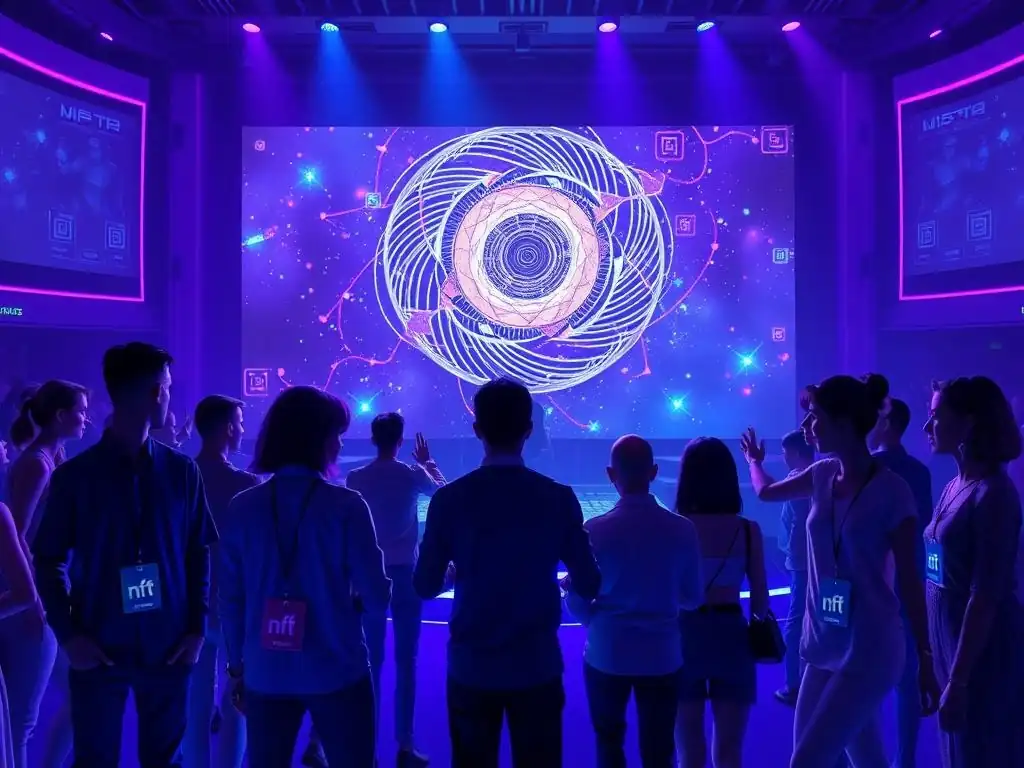
Welcome to Blockchain Trends, your compass in the ever-evolving landscape of decentralized technologies!
Delve into the exciting realm where blockchain transcends cryptocurrency, unlocking new possibilities in DeFi, enterprise solutions, and beyond. Are you ready to discover how NFTs are revolutionizing the events industry? This week, we explore the groundbreaking use of NFTs for virtual events, offering exclusive experiences and transforming how we connect in the digital world. Intrigued? Keep reading to unlock the future of events!
- Understanding NFTs for Virtual Events: A Blockchain Trends Deep Dive
- The Benefits of Using NFTs for Virtual Events
- Use Cases: Real-World Examples of Event NFTs in Action
- How to Create and Distribute NFTs for Virtual Events
- Overcoming Challenges in Implementing NFTs for Virtual Events
- The Future of Event Ticketing: The Role of NFTs in Virtual Worlds
-
Frequently Asked Questions
- What are Event NFTs and how do they relate to virtual events?
- How can Event NFTs enhance the attendee experience in virtual events?
- What are some potential benefits for event organizers in using NFTs?
- How does regulation impact the use of NFTs for virtual events?
- What is the future outlook for NFTs in the virtual event space?
- Final Reflection: Embracing the Future of Connection
- Unlock Your Metaverse Adventure Now!
Understanding NFTs for Virtual Events: A Blockchain Trends Deep Dive
What are NFTs for Virtual Events and How Do They Work?
NFTs for virtual events, at their core, are Non-Fungible Tokens utilized as digital tickets or access passes to online gatherings, conferences, concerts, and experiences within virtual worlds or metaverses. Unlike traditional tickets, these NFTs are unique cryptographic assets on a blockchain, meaning each NFT event ticket is distinct and its ownership is easily verifiable and transparently recorded on a distributed ledger. Think of them as digital collectibles that not only grant entry to a virtual event but also potentially offer additional perks, exclusive content, or serve as memorabilia after the event concludes.
The functionality of event NFTs hinges on blockchain technology. When an event organizer decides to use NFTs for ticketing, they typically create a collection of NFTs, each representing a ticket. These NFTs are then made available for purchase or distribution, often through NFT marketplaces or dedicated event platforms.
Upon purchasing an NFT event ticket, the ownership is transferred to the buyer's digital wallet, recorded on the blockchain. To access the virtual event, the platform verifies the user's ownership of a valid event NFT in their wallet. This verification process is seamless and secure, leveraging the inherent properties of blockchain to ensure authenticity and prevent counterfeiting, a significant advantage over traditional ticketing systems.
Exploring the Intersection of Blockchain, Metaverse, and Event Ticketing
The rise of NFTs for virtual events is intrinsically linked to the convergence of blockchain technology, the burgeoning metaverse, and the evolving landscape of event ticketing. Blockchain provides the foundational infrastructure for secure and transparent digital ownership, which is crucial for verifying the authenticity and uniqueness of event tickets in the digital realm.
The metaverse, representing persistent, shared virtual worlds, offers the perfect environment for these NFT event tickets to function as access keys to immersive experiences. Within these virtual spaces, event NFTs can unlock exclusive areas, grant access to special performances, or even transform into wearable digital items, enhancing the attendee's virtual identity and participation.
This intersection is reshaping the event ticketing industry by introducing a new paradigm of digital ownership and engagement. Traditional ticketing systems often suffer from issues like scalping, fraud, and lack of post-event value. NFTs address these problems head-on. For instance, the inherent scarcity and verifiable ownership of NFTs can curb ticket scalping, as organizers can control the initial distribution and set resale royalties.
Furthermore, the collectible nature of NFTs adds a layer of post-event engagement. An NFT event ticket can become a valuable digital souvenir, potentially increasing in value over time, unlike a paper ticket that is often discarded after use. This blend of utility, security, and collectibility positions NFTs as a transformative force in the future of event ticketing, particularly within the expanding metaverse ecosystem.
The Benefits of Using NFTs for Virtual Events
Enhanced Security and Authenticity in Virtual Event Ticketing
One of the most compelling advantages of utilizing NFTs for virtual event ticketing is the significant boost in security and authenticity they offer. Traditional digital tickets are often susceptible to counterfeiting and fraud, costing the event industry millions annually. In contrast, NFTs, being based on blockchain, leverage cryptographic security. Each NFT is unique and its provenance is immutably recorded on the blockchain, making it virtually impossible to counterfeit or duplicate. This inherent security feature drastically reduces the risk of fraudulent tickets infiltrating virtual events.
Furthermore, the transparent nature of blockchain ensures the authenticity of each NFT event ticket. Anyone can verify the ticket's origin, issuance, and ownership history directly on the blockchain, eliminating the need for centralized verification systems that can be vulnerable to manipulation or failure. This enhanced security and authenticity not only protect event organizers from revenue loss due to fraud but also provide attendees with peace of mind, knowing that their virtual event tickets are genuine and secure, fostering greater trust and confidence in the virtual event experience.
NFTs as Collectibles: Creating Lasting Memories of Virtual Experiences
Beyond their utility as access passes, NFTs for virtual events possess a unique attribute: they can serve as digital collectibles, transforming event tickets into lasting memories of virtual experiences. Unlike traditional tickets, which are often discarded after an event, event NFTs can retain value and become cherished digital memorabilia. This collectible aspect taps into the growing trend of digital ownership and the desire for unique digital assets.
Imagine attending a virtual concert and receiving an NFT ticket that not only grants entry but also evolves after the event, perhaps revealing exclusive content or transforming into a digital artwork commemorating the performance. This transforms the ticket from a mere transactional item into a valuable and lasting memento. For example, attendees of early metaverse events who received NFT badges now possess digital artifacts that are not only historically significant within the metaverse ecosystem but also potentially valuable as digital collectibles, showcasing the enduring appeal and potential appreciation of event NFTs.
Access Control and Exclusive Content: Leveling Up Virtual Event Engagement
NFTs revolutionize access control and the distribution of exclusive content within virtual events, significantly enhancing attendee engagement. Traditional virtual events often struggle to differentiate experiences for various ticket holders, leading to a homogenized experience. Event NFTs, however, can be designed with tiered access levels, unlocking different areas, features, or content within the virtual event based on the specific NFT held by the attendee. This allows event organizers to create more personalized and engaging experiences.
For instance, an NFT could grant VIP access to a virtual backstage area, exclusive Q&A sessions with performers, or early access to merchandise within a virtual event. Furthermore, event NFTs can be programmed to dynamically evolve, unlocking additional content or benefits over time, keeping attendees engaged even after the event concludes. This dynamic access control and content distribution, powered by NFTs, not only elevates the virtual event experience but also incentivizes attendees to actively participate and collect different types of event NFTs, fostering a deeper connection with the event and the organizers.
Monetization Opportunities: Empowering Creators and Event Organizers
NFTs unlock novel monetization opportunities for creators and event organizers in the virtual realm, going beyond traditional ticket sales. Firstly, the ability to program resale royalties into NFT smart contracts allows creators to earn a percentage of each secondary market sale of their event NFTs. This provides a continuous revenue stream, even after the initial ticket sale, and incentivizes creators to foster a thriving secondary market for their NFT event tickets.
Secondly, event NFTs can be bundled with exclusive digital merchandise, virtual collectibles, or future event access, creating premium packages that command higher prices. For example, an NFT event ticket could be bundled with a limited-edition virtual avatar skin or access to future exclusive events. Moreover, the data collected from NFT sales and ownership can provide valuable insights into attendee demographics and preferences, enabling event organizers to tailor future events and marketing strategies more effectively. This multifaceted monetization potential empowers creators and organizers to generate new revenue streams and build more sustainable and engaging virtual event ecosystems.
Use Cases: Real-World Examples of Event NFTs in Action
Case Study 1: Grimes' Virtual Art Gallery and NFT Drop
Grimes, the renowned musician and artist, pioneered the use of NFTs in the virtual art world with her groundbreaking virtual art gallery and NFT drop in 2021. She partnered with her brother, Mac Boucher, to create a virtual art gallery called "WarNymph," showcasing her digital artworks. Access to this exclusive virtual gallery was granted through NFTs, effectively using NFTs as entry tickets to a digital art exhibition. This initiative generated significant buzz and demonstrated the potential of NFTs to gate access to unique virtual experiences.
Furthermore, Grimes auctioned off a collection of her digital artworks as NFTs within this virtual gallery. These NFTs, ranging from unique digital animations to musical compositions, fetched substantial prices, with some pieces selling for hundreds of thousands of dollars. This case study highlighted how NFTs could not only provide access to virtual events but also serve as a novel medium for artists to directly monetize their digital creations and engage with their audience in innovative ways, paving the path for future event NFT applications.
Case Study 2: VeeCon's NFT-Based Ticketing System
VeeCon, the annual NFT conference hosted by Gary Vaynerchuk, serves as a prominent example of large-scale adoption of NFT-based ticketing for a real-world event. Since its inception, VeeCon has exclusively utilized NFTs as tickets, eliminating traditional paper or digital tickets entirely. The VeeCon ticket NFTs are not just access passes; they are integral to the VeeCon experience, offering various utilities and benefits beyond event entry.
Owning a VeeCon NFT ticket grants access to the conference, but also unlocks exclusive content, networking opportunities, and even merchandise drops throughout the year leading up to the event. These NFT tickets have become highly sought-after digital assets within the NFT community, demonstrating the power of NFTs to create a strong sense of community and reward early adopters and loyal attendees. VeeCon's successful implementation of NFT ticketing showcases the scalability and viability of NFTs for managing access to large-scale events and building a robust ecosystem around event participation.
Case Study 3: Decentraland's Metaverse Festival NFT Badges
Decentraland, a leading decentralized metaverse platform, has consistently utilized NFTs to enhance its virtual events, most notably its Metaverse Festival. For the Metaverse Festival, Decentraland issued NFT badges to attendees, functioning as proof of participation and unlocking exclusive in-world experiences. These NFT badges were distributed to attendees who participated in specific activities or visited certain locations within the virtual festival, incentivizing exploration and engagement within the metaverse event.
These NFT badges were not merely symbolic; they granted access to exclusive stages, virtual merchandise, and even opportunities to interact with performing artists within Decentraland. Furthermore, these Metaverse Festival NFT badges became collectible items within the Decentraland community, traded and showcased by users as digital memorabilia of their participation in the virtual event. This case study demonstrates how event NFTs can be seamlessly integrated into metaverse environments to enhance user engagement, reward participation, and foster a sense of community within virtual events.
How to Create and Distribute NFTs for Virtual Events
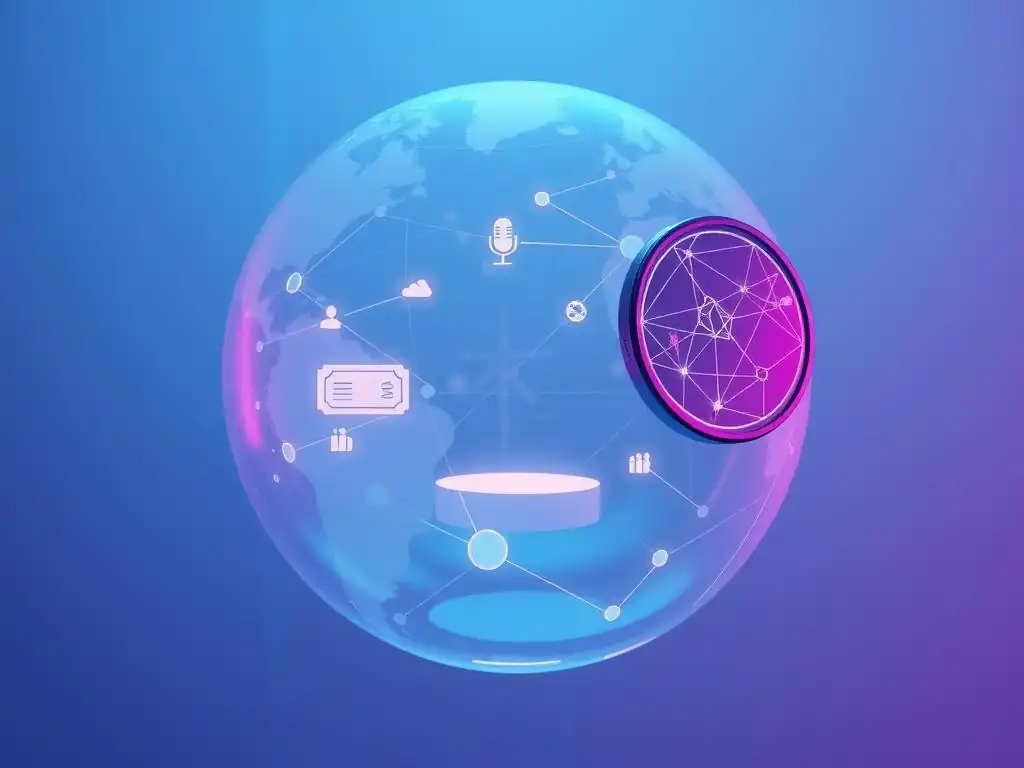
Choosing the Right Blockchain Platform for Your Event NFTs
Selecting the appropriate blockchain platform is a crucial first step in creating NFTs for virtual events. Several blockchain platforms are suitable for NFT creation, each with its own strengths and considerations. Ethereum remains the most widely used blockchain for NFTs, boasting a large ecosystem, established marketplaces like OpenSea and Rarible, and robust tooling. However, Ethereum can experience high transaction fees (gas fees), particularly during periods of network congestion, which can be a concern for large-scale event NFT distributions.
Alternatives like Polygon (a Layer-2 scaling solution for Ethereum), Solana, and Flow offer lower transaction fees and faster processing times, making them attractive options for event NFTs, especially for events expecting a high volume of ticket sales. Polygon benefits from Ethereum compatibility, while Solana and Flow offer distinct architectures optimized for speed and scalability.
The choice of blockchain platform should consider factors such as transaction fees, scalability, community ecosystem, marketplace integration, and the technical expertise available to the event organizer. For instance, an event targeting a mainstream audience might prioritize lower fees and user-friendliness, leaning towards platforms like Polygon or Flow, while an event deeply integrated within the existing NFT art community might opt for Ethereum for its established presence.
Designing Compelling NFT Artwork and Metadata
The visual appeal and metadata associated with event NFTs are critical for their desirability and perceived value. The NFT artwork acts as the visual representation of the ticket and can significantly impact its collectibility and market value. Event organizers should invest in high-quality, visually engaging artwork that reflects the event's theme and brand. This could range from stylized digital art to animated graphics or even 3D models. The artwork should be unique and visually distinct for each NFT tier or ticket type, if applicable.
Equally important is the NFT metadata, which provides detailed information about the event, the ticket, and any associated utilities or benefits. Metadata should include key event details such as the event name, date, time, and location (virtual world). It should also clearly outline the specific access rights and benefits associated with the NFT, such as VIP access, exclusive content, or merchandise redemption.
Well-structured and informative metadata enhances the transparency and utility of the NFT, making it more appealing to potential attendees and collectors. Consider incorporating unlockable content within the metadata, which can be revealed after the event, adding an element of surprise and extending the engagement beyond the event itself.
Minting and Listing Your Event NFTs on Marketplaces
Minting is the process of creating and publishing your event NFTs on the chosen blockchain. This involves deploying a smart contract that defines the properties of your NFT collection and then generating individual NFT tokens based on that contract. Several platforms and tools simplify the minting process, even for users without extensive technical expertise. NFT marketplaces like OpenSea, Rarible, and Magic Eden offer user-friendly interfaces for minting NFTs directly on their platforms. Alternatively, dedicated NFT minting platforms provide more customization options and control over the minting process.
Once minted, event NFTs need to be listed on NFT marketplaces to facilitate sales and distribution. Choosing the right marketplaces depends on the target audience and the chosen blockchain platform. For Ethereum-based NFTs, OpenSea and Rarible are popular choices. For Solana NFTs, Magic Eden is a leading marketplace. Listing NFTs involves setting the price, defining any royalty fees for secondary sales, and providing a compelling description of the event and the NFT's benefits. Consider offering different NFT tiers with varying prices and benefits to cater to a wider range of attendees and maximize revenue generation.
Marketing and Promoting Your Virtual Event NFTs
Effective marketing and promotion are crucial for the successful adoption of event NFTs. Reaching the target audience and communicating the value proposition of NFT event tickets is essential for driving sales and event attendance. Leverage social media platforms, particularly those popular within the crypto and NFT communities, such as Twitter, Discord, and Telegram, to announce the event and the NFT ticket sale. Collaborate with NFT influencers and communities to amplify the reach and generate buzz.
Utilize content marketing strategies, such as blog posts, articles, and videos, to educate potential attendees about the benefits of event NFTs and how they enhance the virtual event experience. Highlight the unique features of your NFT event tickets, such as exclusive access, collectible value, and potential for future utility. Consider offering early bird discounts or exclusive NFT airdrops to incentivize early adoption and reward early supporters. Engage with the community through AMAs (Ask Me Anything) sessions and online forums to address questions and build excitement around the event and the NFT tickets.
Overcoming Challenges in Implementing NFTs for Virtual Events
Addressing Scalability and Transaction Fee Concerns
Scalability and transaction fees remain significant challenges in the widespread adoption of NFTs for virtual events, particularly for events expecting a large number of attendees. Blockchains like Ethereum, while popular, can experience network congestion, leading to slow transaction times and high gas fees, especially during peak demand periods such as ticket sales. These high fees can deter potential attendees and make NFT event tickets less accessible, particularly for smaller events or events targeting a mainstream audience.
To mitigate these challenges, event organizers can consider utilizing Layer-2 scaling solutions like Polygon, which offer lower transaction fees and faster processing speeds while still benefiting from Ethereum's security and ecosystem. Alternatively, exploring blockchain platforms specifically designed for scalability, such as Solana or Flow, can provide a more cost-effective and efficient solution for large-scale NFT event ticketing. Careful planning and platform selection are crucial to ensure a smooth and affordable NFT ticketing experience for all attendees, regardless of network congestion or transaction fee fluctuations.
Ensuring User-Friendliness and Accessibility for Non-Crypto Natives
A major hurdle in mainstream NFT adoption is the perceived complexity and user-unfriendliness of cryptocurrency and blockchain technologies. Many potential virtual event attendees are not familiar with crypto wallets, NFT marketplaces, or the concept of blockchain. This lack of familiarity can create a significant barrier to entry for NFT-based event ticketing, limiting its appeal to a niche crypto-savvy audience.
To overcome this challenge, event organizers must prioritize user-friendliness and accessibility in their NFT ticketing implementation. This involves providing clear and সহজ-to-understand instructions on how to purchase, manage, and use NFT event tickets.
Consider partnering with platforms that offer simplified onboarding processes for non-crypto natives, such as allowing users to purchase NFTs with credit cards or offering custodial wallet solutions. Providing comprehensive customer support and educational resources is also crucial to guide new users through the process and address any concerns or questions they may have, making NFT event tickets accessible and appealing to a wider audience beyond the crypto community.
The legal and regulatory landscape surrounding NFTs and virtual events is still evolving, presenting potential challenges for event organizers. Regulations concerning digital assets, securities laws, and consumer protection are varying across jurisdictions, creating uncertainty and complexity for NFT event implementations. Issues such as the legal classification of NFTs as securities, the taxation of NFT transactions, and the protection of consumer rights in the NFT space are still being debated and clarified by regulatory bodies worldwide.
Event organizers need to be mindful of these legal and regulatory considerations and seek legal counsel to ensure compliance with applicable laws in their jurisdiction and the jurisdictions of their attendees. This includes understanding the potential legal implications of selling and distributing NFTs, particularly regarding securities regulations and consumer protection laws. Transparency in terms and conditions, clear disclosure of risks associated with NFTs, and adherence to data privacy regulations are crucial for mitigating legal risks and fostering trust and compliance in the NFT event space.
The Future of Event Ticketing: The Role of NFTs in Virtual Worlds
Predicting the Evolution of Virtual Events and NFT Integration
The future of event ticketing is increasingly intertwined with the evolution of virtual events and the deeper integration of NFTs. As virtual worlds and the metaverse become more sophisticated and immersive, virtual events are poised to become more prevalent and engaging, attracting larger audiences and offering richer experiences. NFTs are expected to play a central role in this evolution, transforming from simple access passes to dynamic and interactive components of virtual events.
We can anticipate event NFTs evolving beyond basic tickets to encompass a wider range of utilities, such as personalized avatars, virtual merchandise, exclusive content unlocks, and even voting rights within virtual event communities. The interoperability of NFTs across different metaverse platforms will also become increasingly important, allowing attendees to carry their event NFTs and digital identities seamlessly across various virtual worlds, enhancing the portability and value of these digital assets. This deeper integration of NFTs will not only streamline event ticketing but also unlock entirely new possibilities for attendee engagement and event monetization within virtual worlds.
Exploring New Possibilities for Immersive and Interactive Experiences
NFTs are paving the way for new possibilities in creating immersive and interactive experiences within virtual events. Imagine event NFTs that dynamically change based on attendee actions and participation within the virtual event, rewarding engagement and creating personalized narratives. For instance, an NFT could evolve to reflect milestones achieved during the event, such as attending specific sessions, completing challenges, or interacting with other attendees, creating a unique and personalized digital souvenir of the experience.
Furthermore, NFTs can facilitate interactive elements within virtual events, such as voting on event content, participating in decentralized governance of virtual spaces, or even influencing the event's narrative through NFT-based voting mechanisms. The combination of NFTs with augmented reality (AR) and virtual reality (VR) technologies can further blur the lines between the physical and digital worlds, creating hybrid event experiences where NFT event tickets unlock exclusive content and interactions both online and offline, enhancing the overall immersiveness and engagement of events in the future.
NFTs and the Metaverse: Building the Future of Digital Communities
Ultimately, NFTs and the metaverse are converging to build the future of digital communities centered around shared experiences and digital ownership. Event NFTs are not just tickets; they are becoming membership tokens within virtual event communities, fostering a sense of belonging and shared identity among attendees. Owning an event NFT can grant access to exclusive online communities, forums, and social spaces related to the event, creating year-round engagement and fostering lasting connections beyond the event itself.
The scarcity and verifiable ownership of NFTs create a sense of exclusivity and value that can strengthen digital communities around virtual events. Event organizers can leverage NFTs to reward loyal attendees, incentivize community participation, and build decentralized autonomous organizations (DAOs) around their virtual events, empowering community members to collectively shape the future of these digital gatherings. As the metaverse expands and digital communities become increasingly important, NFTs will play a crucial role in fostering ownership, engagement, and a sense of belonging within these evolving digital landscapes, transforming virtual events from isolated occurrences into vibrant and persistent digital communities.
Frequently Asked Questions
What are Event NFTs and how do they relate to virtual events?
Event NFTs are non-fungible tokens that serve as digital tickets or access passes to virtual events. They offer unique experiences and benefits within the virtual world, going beyond traditional ticketing systems.
How can Event NFTs enhance the attendee experience in virtual events?
Event NFTs can unlock exclusive content, virtual meet-and-greets, digital merchandise, and access to special areas within the virtual event platform. This gamified access incentivizes engagement and creates a more memorable experience.
What are some potential benefits for event organizers in using NFTs?
Organizers can use NFTs to generate revenue through initial sales and resales on secondary markets, creating a new stream of income. They also offer better control over ticketing, preventing fraud and scalping.
How does regulation impact the use of NFTs for virtual events?
The regulatory landscape for NFTs is still evolving, but compliance with securities laws is crucial. Event organizers need to consider legal implications regarding ownership, transferability, and potential security classification.
What is the future outlook for NFTs in the virtual event space?
The future looks promising, with NFTs poised to become a standard feature for virtual events. Expect to see more integration with metaverse platforms and innovative applications of NFTs to enhance attendee engagement and value.
Final Reflection: Embracing the Future of Connection
The exploration of NFTs for virtual events reveals a profound shift in how we perceive and participate in shared experiences. No longer confined by physical limitations, these digital keys unlock exclusive access and foster deeper engagement within virtual worlds, transforming passive spectators into active participants in a burgeoning digital landscape. This evolution is not just about technology; it's about reimagining community and connection in the metaverse.
The impact of NFTs on virtual events extends far beyond mere ticketing; it's about creating a sense of belonging and ownership in a digital space. This shift resonates deeply with our innate desire for connection and shared experiences, even as those experiences increasingly migrate online. The best moments in our lives are not passive, receptive, relaxing moments... The best moments usually occur if a person's body or mind is stretched to its limits in a voluntary effort to accomplish something difficult and worthwhile.
- Mihaly Csikszentmihalyi. This quote perfectly encapsulates the potential of NFTs to elevate virtual events from simple entertainment to engaging, rewarding experiences.
As we navigate this evolving digital frontier, let us embrace the potential of NFTs to build more meaningful and immersive virtual events. Consider how you can leverage these tools to foster deeper connections, reward participation, and create truly unforgettable experiences for yourself and others. The future of connection is here; let's build it together, one NFT at a time.
Unlock Your Metaverse Adventure Now!
Thank you for exploring the exciting potential of event NFTs with us! We hope you've gained valuable insights into how these digital keys are transforming virtual experiences. Are you ready to dive in and become part of this revolution?
Here’s how to get started:
- Create or connect your Web3 wallet and browse NFT marketplaces to discover upcoming events that utilize NFTs. This is your gateway to exclusive experiences in the metaverse!
- Share this article with fellow enthusiasts and start a conversation about the future of event ticketing. Spreading the word helps build a stronger community!
- Explore a virtual world platform that interests you, and stay alert for NFT-gated events happening there. Find your digital home!
What kind of virtual event are you most excited to experience with an event NFT, and what perks would make it unforgettable? Let us know in the comments below!
Leave a Reply