
Overcoming Challenges: Addressing the Barriers to Blockchain Adoption in the Aid Sector

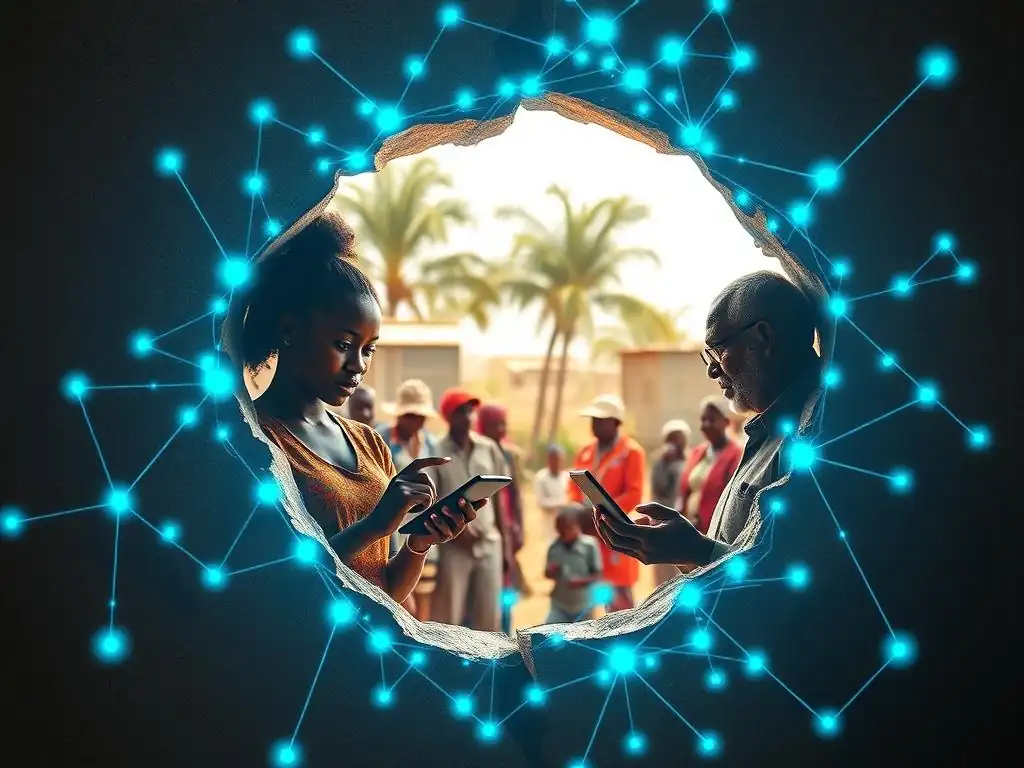
Welcome to Blockchain Trends, your go-to source for understanding the revolutionary power of blockchain.
Ever wondered how blockchain can extend its impact beyond the crypto realm? Today, we delve into a critical area: Blockchain adoption aid sector. Discover the challenges and opportunities that lie ahead as we explore how this technology can reshape the future of aid and development. Prepare to uncover the key barriers and potential solutions in our in-depth analysis, leaving you pondering the transformative possibilities.
Overcoming Challenges: Addressing the Barriers to Blockchain Adoption in the Humanitarian Sector
- Introduction: The Promise of Blockchain in Humanitarian Action
-
Identifying the Key Challenges to Blockchain Implementation in Humanitarian Organizations
- Technological Barriers to Blockchain Adoption in the Humanitarian Sector
- Financial and Resource Constraints Hindering Blockchain Integration
- Regulatory and Legal Uncertainties Surrounding Blockchain Use in Humanitarian Action
- Organizational and Cultural Resistance to Blockchain Innovation
- Trust and Security Concerns Regarding Blockchain's Role in Humanitarian Aid
-
Strategies for Overcoming the Barriers to Blockchain Adoption in the Humanitarian Sector
- Capacity Building and Training Programs for Humanitarian Professionals
- Collaboration and Partnerships to Advance Blockchain Initiatives
- Addressing Regulatory and Legal Concerns through Advocacy and Dialogue
- Developing User-Friendly and Accessible Blockchain Solutions
- Enhancing Security and Transparency in Blockchain Systems for Humanitarian Aid
- Case Studies: Successful Blockchain Implementations in Humanitarian Aid
- The Future of Blockchain in Humanitarian Aid: Trends and Opportunities
- Conclusion: Realizing the Transformative Potential of Blockchain in Humanitarian Aid
-
Frequently Asked Questions
- How can blockchain technology improve transparency in the aid sector?
- What are the main barriers hindering blockchain adoption in the aid sector?
- How can aid organizations address the skills gap related to blockchain technology?
- What role do regulations play in promoting or hindering blockchain adoption in the aid sector?
- What are some potential future applications of blockchain in the aid sector beyond financial transactions?
- Final Reflection: Embracing Transparency and Trust
- Ignite Change: Become a Leader in Aid Innovation!
Introduction: The Promise of Blockchain in Humanitarian Action
Blockchain Technology: A Potential Game-Changer for Humanitarian Aid Delivery
Blockchain technology, often associated with cryptocurrencies, holds significant potential to revolutionize humanitarian aid delivery. Its core characteristics of decentralization, immutability, and transparency offer compelling solutions to long-standing challenges in the sector, such as inefficient distribution, lack of accountability, and vulnerability to corruption. By creating a shared, tamper-proof ledger, blockchain can track funds, resources, and aid distribution from donor to beneficiary, potentially reducing leakage and ensuring aid reaches those who need it most.
The potential benefits extend beyond financial transactions. Blockchain could enhance supply chain management for medical supplies or food, improve identity verification for refugees and displaced persons, and provide secure, verifiable records of aid interventions. Organizations exploring blockchain adoption in the aid sector envision a future where aid is delivered faster, more efficiently, and with unprecedented levels of transparency, building greater trust among donors, recipients, and implementing agencies.
Why Blockchain Adoption Matters for Efficiency and Transparency in Humanitarian Aid
Increased efficiency and transparency are critical goals for humanitarian organizations striving to maximize the impact of limited resources. Traditional systems often involve multiple intermediaries, leading to delays, increased costs, and opportunities for diversion. Blockchain adoption in the aid sector can streamline processes by enabling direct, peer-to-peer transactions, reducing administrative overhead and potentially speeding up the delivery of cash or goods.
Furthermore, the inherent transparency of public or permissioned blockchains allows stakeholders to verify transactions and track the flow of aid in near real-time. This level of visibility can significantly enhance accountability, making it easier to identify bottlenecks or misuse of funds. For instance, tracking cash transfers on a blockchain can provide verifiable proof that funds were disbursed to registered beneficiaries, a level of transparency difficult to achieve with traditional methods. This enhanced accountability is crucial for maintaining donor confidence and ensuring the sustainability of aid programs.
Identifying the Key Challenges to Blockchain Implementation in Humanitarian Organizations
Technological Barriers to Blockchain Adoption in the Humanitarian Sector
Limited Technical Expertise and Blockchain Development Skills
A significant hurdle for blockchain adoption in the aid sector is the pervasive lack of technical expertise within humanitarian organizations. The development and implementation of blockchain solutions require specialized skills in areas like distributed ledger technology, smart contract programming, and cryptography, which are not typically core competencies for aid workers or program managers. This skills gap necessitates reliance on external consultants or partners, increasing costs and potentially slowing down development cycles.
Bridging this knowledge deficit is crucial. Even when partnering with technology firms, humanitarian staff need a foundational understanding of how blockchain works to effectively define requirements, manage projects, and troubleshoot issues. Without sufficient internal capacity, organizations may struggle to identify appropriate use cases, evaluate potential solutions, or maintain blockchain systems once implemented, hindering successful, long-term blockchain adoption in the aid sector.
Interoperability Issues with Existing Humanitarian Information Management Systems
Humanitarian organizations rely on a complex ecosystem of existing information management systems for everything from beneficiary registration and needs assessments to logistics and financial reporting. Integrating new blockchain solutions with these legacy systems presents significant technical challenges. Many existing systems are proprietary, built on outdated architectures, or lack open APIs, making seamless data exchange with a decentralized ledger difficult and costly.
Achieving interoperability is vital for realizing the full benefits of blockchain adoption in the aid sector. For example, a blockchain-based cash transfer system needs to interact with beneficiary databases and financial reconciliation software. Without smooth data flow between these systems, the efficiency gains promised by blockchain can be negated by manual data entry, reconciliation errors, and fragmented information silos. This integration complexity often requires substantial custom development and rigorous testing.
Scalability Limitations of Current Blockchain Solutions for High-Volume Aid Distribution
While blockchain technology is advancing rapidly, many current platforms still face scalability limitations that can pose a challenge for high-volume humanitarian operations. Distributing aid to millions of affected people, especially in emergency contexts, requires systems capable of processing a large number of transactions quickly and reliably. Public blockchains like Bitcoin or Ethereum, while decentralized, can face congestion and high transaction fees during peak usage, making them less suitable for frequent, low-value transactions common in cash assistance programs.
Permissioned or private blockchains can offer better scalability and lower transaction costs, but they require careful consideration regarding governance and decentralization levels. Selecting a blockchain architecture that can handle the transaction throughput required for large-scale aid distribution, such as processing thousands or even millions of micro-payments or supply chain updates daily, is a critical technical consideration for successful blockchain adoption in the aid sector. Organizations must carefully evaluate the performance characteristics of different platforms against their operational needs.
Financial and Resource Constraints Hindering Blockchain Integration
High Initial Investment Costs for Blockchain Infrastructure and Development
Implementing blockchain solutions in the humanitarian sector often involves significant upfront investment. This includes the costs associated with developing or acquiring the necessary software, setting up and maintaining infrastructure (even for cloud-based solutions), integrating with existing systems, and training staff. For organizations operating on tight budgets and dependent on donor funding, these initial costs can be prohibitive, especially when the return on investment is not immediately apparent or quantifiable in traditional terms.
Unlike off-the-shelf software, blockchain solutions often require significant customization to fit the unique and complex operational needs of humanitarian aid. This custom development work adds to the initial expense. Securing funding specifically for technological innovation like blockchain can be challenging, as donors often prioritize direct program costs. This financial barrier is a major factor slowing down blockchain adoption in the aid sector, requiring organizations to make a compelling case for the long-term benefits.
Competition for Funding and Resource Allocation with Existing Humanitarian Programs
Humanitarian organizations constantly face the difficult task of allocating limited resources among competing urgent needs, such as emergency response, health programs, education initiatives, and livelihoods support. Investing in new technologies like blockchain must compete for funding and internal resources (staff time, IT support) with these vital, established programs. Demonstrating that blockchain adoption in the aid sector offers a superior value proposition compared to traditional methods is essential but not always straightforward.
Proving the cost-effectiveness and impact of blockchain requires pilot projects and rigorous evaluation, which themselves require resources. Organizations must balance the potential for future efficiency gains and improved transparency offered by blockchain with the immediate demands of current humanitarian crises. This internal competition for scarce resources is a significant practical challenge that can delay or prevent investment in blockchain initiatives, even when the potential benefits are recognized.
Regulatory and Legal Uncertainties Surrounding Blockchain Use in Humanitarian Action
Ambiguity in Data Privacy and Protection Regulations Across Different Jurisdictions
Operating across multiple countries and contexts, humanitarian organizations must navigate a complex patchwork of data privacy and protection regulations. Using blockchain technology, which by its nature involves distributed ledgers and sometimes public data, introduces ambiguity regarding compliance. Questions arise about how to reconcile the principles of immutability and transparency with regulations like GDPR in Europe or varying data localization laws elsewhere, especially when handling sensitive beneficiary data such as identity information or health records.
Determining who is responsible for data stored on a blockchain and how data subjects can exercise their rights (like the right to erasure, which is fundamentally incompatible with immutable ledgers) becomes complicated. Organizations pursuing blockchain adoption in the aid sector must carefully consider the legal implications of storing or referencing personal data on a blockchain and may need to explore privacy-preserving techniques or design architectures that minimize the storage of sensitive information on the ledger itself. Navigating these legal uncertainties adds complexity and risk.
Lack of Clear Legal Frameworks for Cross-Border Blockchain-Based Aid Transactions
The cross-border nature of humanitarian aid delivery means that blockchain-based transactions could span multiple legal jurisdictions, each with potentially different or non-existent regulations concerning digital assets, smart contracts, and decentralized technologies. This lack of clear, harmonized legal frameworks creates uncertainty for organizations attempting to implement blockchain solutions for international aid flows, cash transfers, or supply chain management.
Issues such as the legal standing of smart contracts in different countries, the regulatory treatment of tokens used for value transfer, and the legal implications of operating decentralized networks across borders need to be addressed. Without clear guidance, organizations face potential legal and compliance risks. Advocating for clearer regulatory sands or developing internal compliance frameworks that account for these cross-jurisdictional complexities is a necessary step for broader blockchain adoption in the aid sector.
Organizational and Cultural Resistance to Blockchain Innovation
Resistance to Change and Lack of Awareness Among Humanitarian Workers
Introducing new technologies like blockchain often encounters resistance rooted in familiarity with existing processes and apprehension about the unknown. Humanitarian workers, often operating under immense pressure in challenging environments, may be reluctant to adopt new tools that require learning new skills or altering established workflows. A general lack of awareness about what blockchain is and how it can practically benefit their work contributes to skepticism and inertia within organizations.
Overcoming this cultural barrier requires more than just technical implementation; it demands effective change management, clear communication, and demonstration of value. Staff need to understand why blockchain adoption in the aid sector is being pursued, how it simplifies their tasks, improves outcomes, or enhances security and transparency, rather than just seeing it as another complex technological mandate. Addressing these human factors is as critical as resolving technical challenges.
Concerns about Data Security and Transparency in Blockchain Systems
Despite blockchain's reputation for security and transparency, concerns persist within humanitarian organizations. The public nature of some blockchains can raise worries about revealing sensitive operational details or beneficiary information, even if data is pseudonymized. There are also legitimate concerns about the security of specific implementations, including vulnerabilities in smart contracts, risks associated with private key management, and the potential for cyberattacks targeting associated systems or user interfaces.
While blockchain's core technology is robust, the broader ecosystem around a blockchain implementation (user interfaces, off-chain data storage, integration layers) can be vulnerable. Organizations must address these security concerns proactively, implementing best practices for system design, auditing smart contracts, and providing secure methods for user interaction. Building trust in the security and appropriate use of transparency features is essential for gaining acceptance and driving blockchain adoption in the aid sector.
Trust and Security Concerns Regarding Blockchain's Role in Humanitarian Aid
Perceived Complexity and Opacity of Blockchain Technology
For many outside the technology sector, blockchain remains a complex and often opaque concept. Jargon like "hashing," "consensus mechanisms," and "smart contracts" can be intimidating and difficult to grasp. This perceived complexity can lead to a lack of trust, as stakeholders (including staff, beneficiaries, and even some donors) may be hesitant to rely on a system they don't fully understand. This opacity contrasts with the need for clear, understandable processes in humanitarian work.
Simplifying the explanation of blockchain's role and benefits is crucial for building confidence. Focusing on the outcomes – such as faster payments, verifiable deliveries, or secure identity – rather than the underlying technological details can help demystify the concept. Addressing this perception of complexity through accessible training and clear communication is vital for fostering trust and enabling successful blockchain adoption in the aid sector.
Security Risks and Vulnerabilities in Blockchain Platforms, Including Smart Contracts
While blockchain is often touted as highly secure, it is not immune to risks. Vulnerabilities can exist in the blockchain platforms themselves, particularly in the implementation of smart contracts. Errors or bugs in smart contract code can lead to unintended consequences, including the loss of funds or manipulation of program logic, as demonstrated by past incidents in the wider blockchain ecosystem (e.g., the infamous DAO hack).
Furthermore, the security of a blockchain system depends heavily on how it is designed and implemented, including key management practices, the security of off-chain data storage, and the resilience of the network against various types of attacks (e.g., 51% attacks on public chains, or collusion risks on permissioned chains). Organizations pursuing blockchain adoption in the aid sector must conduct thorough security audits, work with experienced developers, and implement robust security protocols to mitigate these risks and ensure the integrity and reliability of the aid delivery system.
Strategies for Overcoming the Barriers to Blockchain Adoption in the Humanitarian Sector
Capacity Building and Training Programs for Humanitarian Professionals
Developing Blockchain Skills and Expertise within Humanitarian Organizations
To overcome the technical expertise gap, humanitarian organizations must invest in targeted capacity building and training programs. This involves providing staff with foundational knowledge about blockchain technology, its potential applications in aid, and the practical skills needed to manage or interact with blockchain-based systems. Training can range from introductory workshops for all staff to specialized courses for IT professionals and program managers who will be directly involved in designing and implementing blockchain solutions.
Building internal expertise reduces reliance on external parties, empowers staff to identify appropriate use cases, and ensures the long-term sustainability of blockchain initiatives. Organizations can partner with universities, technology providers, or training institutions to develop tailored curricula. Fostering a core group of blockchain-literate individuals within the organization is a critical step towards successful blockchain adoption in the aid sector.
Fostering a Culture of Innovation and Experimentation
Addressing organizational and cultural resistance requires cultivating a culture that embraces innovation and is open to experimentation. Humanitarian organizations can create dedicated innovation hubs, allocate small budgets for pilot projects, and encourage staff at all levels to propose and explore new ideas, including those leveraging blockchain technology. Celebrating early successes and learning from failures in a supportive environment can help demystify new technologies and build confidence.
Leadership endorsement of innovation is crucial to signal its importance. By demonstrating that the organization values exploration and is willing to invest in learning, even through pilot projects that may not scale immediately, organizations can reduce fear of change and encourage staff to engage with new tools. This cultural shift is fundamental for accelerating blockchain adoption in the aid sector beyond initial trials.
Collaboration and Partnerships to Advance Blockchain Initiatives
Building Alliances Between Humanitarian Organizations, Tech Companies, and Governments
Collaboration is key to overcoming many of the challenges to blockchain adoption in the aid sector. Humanitarian organizations can form strategic alliances with technology companies that have expertise in blockchain development and implementation. These partnerships can provide access to technical skills, infrastructure, and innovative solutions that organizations might not be able to develop internally.
Furthermore, engaging with governments and regulatory bodies is essential to address legal and regulatory uncertainties. By participating in dialogues and advocating for clear frameworks around the use of blockchain for humanitarian purposes, organizations can help shape an enabling environment. Collaborating with other aid organizations facing similar challenges allows for sharing lessons learned, pooling resources for research or pilot projects, and developing common standards or best practices, accelerating collective progress towards widespread blockchain adoption in the aid sector.
Sharing Knowledge and Best Practices for Blockchain Implementation
Given that many humanitarian organizations are at different stages of exploring or implementing blockchain, establishing platforms for knowledge sharing and the dissemination of best practices is invaluable. This can involve creating working groups, hosting workshops, publishing case studies, and developing open-source tools or frameworks. Sharing experiences, including both successes and challenges, helps others avoid common pitfalls and accelerates the learning curve for the entire sector.
Initiatives like the Blockchain Charity Alliance or similar sector-specific forums can play a crucial role in facilitating this knowledge exchange. By openly discussing technical approaches, governance models, data privacy considerations, and impact measurement methodologies, organizations can collectively build a robust foundation for effective and responsible blockchain adoption in the aid sector, ensuring that solutions are not only innovative but also ethical and appropriate for the humanitarian context.
Addressing Regulatory and Legal Concerns through Advocacy and Dialogue
Working with Policymakers to Establish Clear Regulatory Frameworks
To navigate the complex regulatory landscape, humanitarian organizations must proactively engage with policymakers at national and international levels. This involves educating regulators about the specific ways blockchain is being used in humanitarian aid and advocating for clear, pragmatic legal frameworks that facilitate, rather than hinder, its deployment. This includes seeking clarity on issues such as the legal status of blockchain-based transactions, data ownership and privacy in decentralized systems, and compliance with anti-money laundering (AML) and counter-terrorism financing (CTF) regulations when dealing with digital assets.
By participating in consultations, submitting position papers, and highlighting the benefits of blockchain for transparency and accountability, organizations can help shape regulations that support responsible innovation. Addressing these legal uncertainties through persistent advocacy is vital for creating a stable and predictable environment necessary for scaling blockchain adoption in the aid sector.
Promoting Data Privacy and Protection Standards for Blockchain-Based Humanitarian Aid
Ensuring the privacy and protection of sensitive beneficiary data is paramount in humanitarian work. When implementing blockchain solutions, organizations must actively promote and adhere to high standards for data handling. This involves designing systems with privacy by design principles, exploring techniques like zero-knowledge proofs or homomorphic encryption where appropriate, and carefully considering what data is stored on-chain versus off-chain.
Developing sector-specific guidelines or codes of conduct for using blockchain with personal data can help build trust and ensure compliance. This might involve defining standards for data minimization, consent mechanisms for data shared on a blockchain, and protocols for handling data breaches in a decentralized context. Proactively addressing data privacy concerns and demonstrating a commitment to protecting beneficiary information is essential for ethical and sustainable blockchain adoption in the aid sector.
Developing User-Friendly and Accessible Blockchain Solutions

Simplifying Blockchain Technology for Non-Technical Users
For blockchain solutions to be widely adopted by humanitarian staff and beneficiaries, they must be user-friendly and accessible, regardless of technical literacy. This means designing interfaces and applications that abstract away the underlying complexity of blockchain technology. Users should not need to understand concepts like gas fees or private keys to send or receive aid; the technology should be intuitive and seamlessly integrated into their workflows or daily lives.
Focusing on user experience (UX) and user interface (UI) design is critical. This involves conducting usability testing with actual staff and beneficiaries in the field, gathering feedback, and iteratively refining the application. Providing clear instructions, local language support, and accessible interfaces (e.g., mobile-first designs for areas with limited infrastructure) will lower the barrier to entry and encourage widespread blockchain adoption in the aid sector among those who directly interact with the system.
Creating Intuitive Interfaces and Applications for Aid Distribution
Specifically for aid distribution, blockchain applications need to be designed with the end-user – often vulnerable populations – in mind. This requires simple interfaces, perhaps using visual cues or audio instructions, and ensuring compatibility with basic mobile phones common in many aid contexts. For cash transfers, this might mean integrating with existing mobile money networks or providing simple QR code-based redemption systems that beneficiaries can easily understand and use.
The success of blockchain adoption in the aid sector for distribution depends on its ease of use in challenging environments. Applications must be robust, work offline where connectivity is poor (synchronizing data later), and minimize the potential for errors. Designing solutions that are not only technologically sound but also practical and culturally appropriate for the target population is essential for achieving impact at scale.
Enhancing Security and Transparency in Blockchain Systems for Humanitarian Aid
Implementing Robust Security Measures to Protect Data and Prevent Fraud
Ensuring the security of blockchain systems is paramount to protect sensitive data and prevent fraud or manipulation of aid flows. This involves implementing multi-layered security measures, starting with robust smart contract auditing by independent experts to identify and fix vulnerabilities before deployment. It also includes secure management of private keys, utilizing multi-signature wallets where appropriate, and implementing strong authentication mechanisms for users accessing the system.
Beyond the blockchain itself, organizations must secure the entire ecosystem, including off-chain databases, user interfaces, and integration points with other systems. Regular security audits, penetration testing, and continuous monitoring are necessary to identify and respond to potential threats. A strong security posture builds trust among all stakeholders and is fundamental for the responsible deployment and blockchain adoption in the aid sector.
Promoting Transparency and Accountability in Blockchain-Based Aid Transactions
One of the most compelling promises of blockchain is enhanced transparency. Organizations should leverage this feature responsibly to increase accountability. This involves designing systems that allow relevant stakeholders – such as donors, auditors, and potentially beneficiaries (with appropriate privacy safeguards) – to view and verify transactions on the ledger. This could mean providing public dashboards or explorers for permissioned ledgers that show aggregated or pseudonymized transaction data.
Defining clear governance models for permissioned blockchains, including who has access to what data and how decisions are made, is also key to promoting accountability. By making the flow of aid visible and verifiable, organizations can build greater confidence among donors, potentially leading to increased funding, and demonstrate to beneficiaries and the public that aid is being delivered efficiently and honestly. This commitment to transparency is a major driver for blockchain adoption in the aid sector.
Case Studies: Successful Blockchain Implementations in Humanitarian Aid
Blockchain for Transparent Cash Transfers in Refugee Camps
One prominent example of successful blockchain adoption in the aid sector is the use of blockchain for cash transfers to refugees. The World Food Programme (WFP) pioneered using a private, permissioned blockchain (Building Blocks) to manage cash assistance for Syrian refugees in Jordan starting in 2017. Instead of relying on traditional banks or mobile money operators, WFP recorded entitlements and transactions directly on the blockchain. Beneficiaries could then redeem their assistance at partner shops by scanning their eye (iris recognition), with the transaction instantly recorded on the distributed ledger.
This system significantly enhanced transparency, allowing WFP to track every transaction from the organization to the beneficiary. It also reduced transaction fees, as intermediaries were minimized, saving approximately 98% on banking fees initially. By September 2018, WFP had processed over $40 million in cash transfers to more than 100,000 refugees using blockchain, demonstrating its potential for delivering aid more efficiently and accountably at scale. This case highlights how blockchain can improve efficiency and transparency in a critical area of humanitarian response.
Using Blockchain to Track and Verify Medical Supplies in Conflict Zones
Another compelling use case for blockchain adoption in the aid sector is tracking medical supplies, particularly in challenging environments like conflict zones where supply chains are vulnerable to disruption, theft, or counterfeit products. Organizations exploring this application aim to create an immutable record of a medicine's journey from manufacturer to the final health facility or patient. Each transfer of custody – from warehouse to truck, across borders, to a clinic – can be recorded as a transaction on a blockchain.
This distributed ledger provides a verifiable history, making it difficult to introduce counterfeit drugs or divert legitimate supplies without detection. For instance, pilot projects have explored using blockchain to track vaccines or essential medicines, ensuring their provenance and integrity. While still often in pilot phases, the potential for blockchain to enhance supply chain transparency and accountability for critical goods, ultimately ensuring they reach those in need safely, represents a significant opportunity for blockchain adoption in the aid sector.
The Future of Blockchain in Humanitarian Aid: Trends and Opportunities
Exploring the Potential of Decentralized Finance (DeFi) for Aid Delivery
Decentralized Finance (DeFi) is an emerging area within blockchain that holds intriguing potential for humanitarian aid. DeFi protocols aim to recreate traditional financial services like lending, borrowing, and asset management using decentralized networks and smart contracts, removing intermediaries. For aid delivery, this could mean exploring decentralized stablecoins for cash transfers, utilizing DeFi lending platforms for peer-to-peer remittances to affected populations, or even creating tokenized aid funds that allow for more flexible and transparent management of contributions.
While DeFi is still a nascent and volatile space with significant risks (including smart contract vulnerabilities and regulatory uncertainty), its principles of disintermediation and transparency align well with humanitarian goals. Organizations may cautiously explore using stablecoins on more controlled or permissioned networks or investigate how DeFi concepts could inform the design of more resilient and transparent funding mechanisms for aid programs, potentially expanding the scope of blockchain adoption in the aid sector.
Utilizing Blockchain for Identity Management and Beneficiary Verification
Establishing and verifying the identity of beneficiaries is a fundamental challenge in humanitarian aid, particularly for displaced populations who may lack official documentation. Blockchain technology offers a promising approach to creating secure, portable, and self-sovereign digital identities. Individuals could potentially control their own digital identity stored on a blockchain, allowing them to share verifiable credentials (e.g., proof of displacement, skills, aid received) with different organizations without relying on a single central authority.
This could streamline registration processes, prevent duplicate aid distribution, and empower beneficiaries by giving them control over their personal data. Initiatives exploring decentralized identity solutions on blockchain aim to provide individuals with a persistent digital identity that is not tied to a physical location or a single aid agency, enhancing their dignity and enabling more efficient delivery of services. This represents a significant area for future blockchain adoption in the aid sector, moving beyond financial transactions to encompass personal data management.
The Role of Blockchain in Enhancing Supply Chain Transparency and Accountability
Building on existing pilots, the future will likely see expanded use of blockchain for humanitarian supply chains. This includes tracking food, shelter materials, medical equipment, and other essential goods from procurement to distribution points and ultimately to beneficiaries. A blockchain-based supply chain ledger can provide an immutable record of ownership transfers, location data, and condition monitoring (e.g., temperature for vaccines), increasing visibility and accountability throughout complex logistics networks.
Enhanced supply chain transparency can help identify inefficiencies, reduce losses due to spoilage or theft, and verify the authenticity of goods. Implementing blockchain solutions across the entire supply chain network, involving multiple partners from manufacturers and shipping companies to logistics providers and local distributors, will require significant collaboration and standardization. Scaling blockchain adoption in the aid sector for supply chains has the potential to improve operational efficiency and build greater trust in the delivery process.
Conclusion: Realizing the Transformative Potential of Blockchain in Humanitarian Aid
Overcoming Challenges to Unlock the Benefits of Blockchain Technology
Blockchain technology offers a powerful suite of capabilities – transparency, immutability, efficiency – that align well with the core objectives of humanitarian aid. However, realizing this transformative potential requires actively addressing the significant technological, financial, regulatory, organizational, and security challenges currently hindering widespread blockchain adoption in the aid sector. These barriers are real and require concerted effort, investment, and collaboration to overcome.
By focusing on capacity building, fostering strategic partnerships, engaging with policymakers, designing user-centric solutions, and prioritizing robust security and genuine transparency, organizations can systematically dismantle these obstacles. The lessons learned from early pilot projects, such as WFP's cash transfer program, provide valuable insights and demonstrate that successful blockchain adoption in the aid sector is achievable and can deliver tangible benefits in terms of efficiency, accountability, and trust.
The Path Forward for Widespread Blockchain Adoption in the Humanitarian Sector
The path towards widespread blockchain adoption in the humanitarian sector is not without its complexities, but the potential rewards in terms of improved aid delivery and greater impact are substantial. It requires a phased approach, starting with clear identification of appropriate use cases where blockchain offers a distinct advantage over existing systems. This should be followed by well-designed pilot projects with rigorous evaluation to gather evidence of effectiveness and cost-efficiency.
Scaling these initiatives will depend on securing dedicated funding, developing standardized approaches, building necessary technical and operational capacity, and fostering a collaborative ecosystem among humanitarian actors, technology providers, donors, and governments. By learning from experiences, sharing knowledge, and working together to create an enabling environment, the humanitarian sector can move beyond early experimentation to fully harness the transformative power of blockchain for the benefit of those most in need, making blockchain adoption in the aid sector a reality that enhances global humanitarian efforts.
Frequently Asked Questions
How can blockchain technology improve transparency in the aid sector?
Blockchain offers immutable and auditable records, enhancing transparency by tracking aid distribution and ensuring funds reach their intended recipients. This reduces corruption and builds trust.
What are the main barriers hindering blockchain adoption in the aid sector?
Key barriers include a lack of technical expertise within aid organizations, regulatory uncertainty surrounding blockchain use, and concerns about data privacy and security.
Organizations can invest in training programs for their staff, partner with blockchain experts, and leverage open-source resources to build internal capacity.
What role do regulations play in promoting or hindering blockchain adoption in the aid sector?
Clear and supportive regulations can foster innovation and investment in blockchain solutions. Ambiguous or restrictive regulations can create uncertainty and stifle adoption.
What are some potential future applications of blockchain in the aid sector beyond financial transactions?
Beyond payments, blockchain can facilitate secure identity management for beneficiaries, improve supply chain traceability for aid delivery, and enable decentralized data sharing among organizations.
Final Reflection: Embracing Transparency and Trust
The exploration of blockchain's potential within the aid sector, as detailed throughout this article, underscores a crucial point: the future of effective and accountable aid delivery hinges on embracing innovative solutions. The challenges identified – from technological infrastructure limitations to regulatory uncertainties – are significant, yet the potential rewards of increased transparency, reduced corruption, and more efficient resource allocation are too substantial to ignore. The journey towards widespread blockchain adoption in the aid sector is undoubtedly complex, but the commitment to overcoming these barriers is paramount.
The promise of blockchain extends beyond mere technological advancement; it represents a fundamental shift in how we approach humanitarian assistance. This shift, towards greater transparency and trust, is not just desirable, it is essential for rebuilding confidence in the aid sector and ensuring that resources reach those who need them most. The ultimate measure of a man is not where he stands in moments of comfort and convenience, but where he stands at times of challenge and controversy.
- Martin Luther King, Jr. This quote resonates deeply, reminding us that the true test of our commitment lies in our willingness to persevere through the difficulties inherent in implementing transformative technologies like blockchain.
As we conclude this exploration, consider the role you can play in fostering this change. Whether you are a policymaker, a technologist, an aid worker, or simply a concerned citizen, your understanding and advocacy for blockchain's responsible implementation can contribute to a more equitable and effective aid ecosystem. Let us all strive to be catalysts for positive change, embracing the potential of blockchain to build a more transparent, accountable, and ultimately, more humane world.
Ignite Change: Become a Leader in Aid Innovation!
Thank you for exploring the challenges of adopting blockchain technology in the humanitarian sector. We hope this article has provided valuable insights into overcoming these barriers. Now, it's time to put that knowledge into practice and make a real difference.
Here's how you can become an active participant in driving change:
- Share this article with your network immediately. Start conversations within your organization and beyond to increase awareness and understanding of blockchain applications in aid work.
- Consider launching a small-scale blockchain pilot project in your next humanitarian initiative. Even a limited effort can yield useful insights and lay the groundwork for broader implementation.
- Engage with open-source resources related to blockchain-based aid solutions, contributing your expertise to ongoing development and community discussions.
What is the first step you'll take to promote blockchain adoption in your organization or community? Share your plans below!
Leave a Reply