
DeFi Security Risks: How to Prepare for the Unexpected


Welcome to Blockchain Trends, your compass in the rapidly evolving world of decentralized technology. Are you ready to delve deeper than just the headlines?
Unlocking the full potential of DeFi requires a keen understanding of its inherent vulnerabilities. In this article, we're tackling a critical question: how can we effectively implement DeFi security risks mitigation strategies to safeguard the future of decentralized finance? Explore the unexpected challenges and discover actionable insights to stay ahead of the curve. Let's begin!
- Introduction: Understanding the Landscape of DeFi Security Threats
- Common DeFi Security Risks Explained
- Strategies for DeFi Security Risks Mitigation
- Best Practices for Users to Protect Themselves from DeFi Security Risks
- The Future of DeFi Security: Emerging Trends and Technologies
- Conclusion: Navigating the DeFi Landscape with Confidence Through Proactive DeFi Security Risks Mitigation
-
Frequently Asked Questions
- What are the most common DeFi security risks that users and platforms should be aware of?
- How can DeFi platforms mitigate smart contract vulnerabilities and ensure the security of their code?
- What measures can users take to protect themselves from DeFi security risks when interacting with decentralized applications?
- What role does regulation play in addressing DeFi security risks, and how might it impact the future of the decentralized finance ecosystem?
- What are some emerging trends in DeFi security that are helping to make the ecosystem more secure and resilient against attacks?
- Final Reflection: Navigating the Uncharted Waters of DeFi
- Unveil Your DeFi Security Shield!
Introduction: Understanding the Landscape of DeFi Security Threats
The Growing Importance of DeFi and its Inherent Vulnerabilities
Decentralized Finance (DeFi) has rapidly emerged as a transformative force within the cryptocurrency ecosystem. By offering open, permissionless, and transparent financial services, DeFi platforms have attracted significant capital and user adoption. The total value locked (TVL) in DeFi protocols has fluctuated, but at times reached peaks exceeding $100 billion, demonstrating the massive scale and potential of this sector. This growth is fueled by the promise of higher yields compared to traditional finance, coupled with the accessibility and composability that blockchain technology provides. Users are drawn to DeFi for opportunities like lending, borrowing, trading, and yield farming, all without intermediaries.
However, the very nature of DeFi, built on nascent and often unaudited smart contracts, introduces inherent vulnerabilities. The immutability of blockchain, while a strength in many aspects, becomes a double-edged sword when code flaws are exploited. Once a smart contract is deployed with vulnerabilities, rectifying them can be complex, sometimes requiring hard forks or migrations, which are disruptive and can create further risks. Furthermore, the pseudonymous nature of blockchain addresses, while offering a degree of privacy, can also make it challenging to trace and prosecute malicious actors, adding to the complexities of DeFi security risks mitigation.
Why DeFi Security Risk Mitigation is Crucial for Adoption
The long-term success and mainstream adoption of DeFi are inextricably linked to robust security and effective DeFi security risks mitigation strategies. Despite the innovative potential and financial opportunities DeFi presents, the sector has been plagued by numerous high-profile security breaches. Estimates suggest that billions of dollars have been lost due to exploits, hacks, and rug pulls in the DeFi space since its inception. These incidents not only result in direct financial losses for users but also erode trust in the entire ecosystem.
For DeFi to truly challenge and complement traditional finance, it must overcome the perception of being a high-risk environment. Large institutional investors and risk-averse retail users are hesitant to engage with platforms perceived as vulnerable to exploits. Effective DeFi security risks mitigation is therefore not merely a technical challenge but a fundamental requirement for fostering user confidence and attracting broader participation. Building a secure and resilient DeFi ecosystem is essential to unlock its full potential and ensure its sustainable growth, making DeFi security a paramount concern for developers, users, and the industry as a whole.
Common DeFi Security Risks Explained
Smart Contract Vulnerabilities: The Primary Target
Smart contracts are the foundational building blocks of DeFi, automating agreements and executing transactions without intermediaries. They are essentially lines of code that dictate the rules and logic of DeFi protocols. However, these contracts, often written in languages like Solidity, are complex and prone to coding errors or oversights. Given the immutable nature of blockchain, once a smart contract with vulnerabilities is deployed, it becomes a permanent target for malicious actors. Smart contract vulnerabilities are consistently identified as the primary source of DeFi security risks, leading to significant financial losses.
The complexity of DeFi protocols, often involving intricate interactions between multiple smart contracts, amplifies the potential attack surface. Even seemingly minor coding errors can be exploited to drain funds, manipulate protocol logic, or disrupt operations. The open-source nature of many DeFi projects, while promoting transparency, also means that malicious actors can scrutinize the code to identify potential weaknesses. Therefore, rigorous security practices, including thorough auditing and formal verification, are paramount in mitigating DeFi security risks stemming from smart contract vulnerabilities.
Reentrancy Attacks: Exploiting Contract Callbacks
Reentrancy attacks are a classic example of smart contract vulnerabilities that have caused substantial damage in DeFi history. This type of attack exploits the way smart contracts handle external calls to other contracts. In essence, a malicious contract can repeatedly call a vulnerable contract's function before the initial call is fully completed. This can lead to a situation where the vulnerable contract incorrectly updates its state, allowing the attacker to withdraw more funds than they are entitled to.
Imagine a scenario where a user deposits 10 tokens into a lending protocol and then attempts to withdraw them. In a vulnerable contract, the withdrawal function might first send the tokens to the user and then update the contract's internal balance. A reentrancy attack occurs when the malicious contract, upon receiving the tokens in the first call, immediately makes another withdrawal request before the original balance update occurs in the vulnerable contract.
This repeated calling, or re-entering, can drain the contract of funds. A prominent example of a reentrancy attack is the infamous DAO hack in 2016, which, although predating the current DeFi boom, serves as a stark reminder of the severity of this vulnerability.
Integer Overflow/Underflow: Mathematical Errors Leading to Exploits
Integer overflow and underflow vulnerabilities arise from the limitations of how computers represent numbers. In programming, integers have maximum and minimum values they can store. An integer overflow occurs when an arithmetic operation results in a value exceeding the maximum representable integer, causing the value to wrap around to a very small number. Conversely, an underflow occurs when a value becomes smaller than the minimum representable integer, wrapping around to a very large number.
In the context of DeFi smart contracts, these mathematical errors can have severe financial consequences. For example, if a token contract uses an integer type with a maximum value to track user balances, an overflow could be exploited to artificially inflate an attacker's balance. Imagine a scenario where a user has a balance close to the maximum integer value and receives a small token transfer.
If the contract is vulnerable to integer overflow, this addition could cause the balance to wrap around to a small number, which might seem harmless initially. However, if the attacker then performs an action that subtracts from this wrapped-around balance, the underflow could cause it to jump back to a huge, artificially inflated value. These types of vulnerabilities, while seemingly basic, can be easily overlooked and lead to significant exploits if not properly addressed during smart contract development and testing.
Front Running: Capitalizing on Pending Transactions
Front running is a type of exploit that takes advantage of the transparent and often predictable nature of blockchain transaction ordering. In many blockchains, including Ethereum, transactions are placed in a public mempool before being included in a block. Malicious actors can monitor this mempool to identify pending transactions, particularly large or profitable ones, and then submit their own transactions with higher gas fees to be included in the block before the original transaction. This allows the front runner to capitalize on the anticipated price movements or outcomes of the original transaction.
In DeFi, front running can manifest in various forms. For example, in decentralized exchanges (DEXs), if a large buy order is placed, a front runner can detect this transaction in the mempool and submit a buy order for the same asset with a slightly higher gas fee. This ensures their order is executed first, driving up the price before the original large buy order is processed.
The front runner can then sell their purchased assets at the inflated price, profiting at the expense of the original trader. While not always directly draining funds from a protocol, front running represents a significant form of market manipulation and unfair advantage within the DeFi ecosystem, highlighting another facet of DeFi security risks.
Oracle Manipulation: Feeding False Data to DeFi Protocols
Oracles are essential components of many DeFi protocols that bridge the gap between blockchains and the real world. Smart contracts, by design, cannot directly access off-chain data, such as asset prices, weather information, or election results. Oracles provide this external information to smart contracts, enabling DeFi protocols to interact with real-world events and data. However, this reliance on oracles introduces a potential point of vulnerability, as the security of a DeFi protocol becomes dependent on the integrity and reliability of its oracles.
If an oracle is compromised or manipulated, it can feed false or inaccurate data to the DeFi protocol, leading to disastrous consequences. For example, if a lending protocol relies on an oracle to determine the price of collateral assets, manipulation of this oracle could lead to incorrect loan-to-value ratios, enabling attackers to borrow more than they are entitled to or liquidate users unfairly. Oracle manipulation is a critical DeFi security risk because it can undermine the entire logic and functionality of a protocol, even if the smart contracts themselves are perfectly secure.
The Role of Oracles in DeFi and Their Susceptibility
Oracles play a diverse and crucial role in the DeFi ecosystem. They are used to provide price feeds for trading and lending protocols, to verify real-world events for prediction markets, and to supply random numbers for gaming and lottery applications. Without reliable oracles, many complex DeFi applications would be impossible to build. However, the very nature of oracles, acting as intermediaries between the decentralized blockchain and centralized off-chain data sources, makes them inherently susceptible to manipulation.
Traditional oracles often rely on centralized data sources, such as specific APIs or exchanges. If these sources are compromised, or if the oracle operator itself is malicious or negligent, the data fed to the DeFi protocol can be corrupted. Even decentralized oracle solutions, which aggregate data from multiple sources, can be vulnerable if a sufficient number of sources are compromised or if the aggregation mechanism itself is flawed. The susceptibility of oracles underscores the importance of robust oracle security measures and careful selection of reliable oracle providers as part of DeFi security risks mitigation.
Examples of Oracle Exploits in DeFi History
The history of DeFi is unfortunately punctuated by numerous examples of oracle exploits that have resulted in significant financial losses. One notable example is the exploit of Cheese Bank in 2020. Attackers manipulated the price of the COMP token on a specific, less liquid exchange that the Cheese Bank protocol relied upon for its oracle price feed.
By artificially inflating the price of COMP on this exchange, the attackers were able to borrow significantly more assets from Cheese Bank than they were entitled to, based on the inflated value of their collateral. This exploit resulted in the loss of millions of dollars.
Another prominent case is the Mirror Protocol exploit in 2021. A vulnerability in the oracle price feed mechanism allowed attackers to mint MIR tokens (Mirror Protocol's native token) by providing outdated and artificially low price data for collateral assets. This allowed them to drain substantial amounts of value from the protocol. These examples highlight the real-world impact of oracle vulnerabilities and emphasize the critical need for robust DeFi security risks mitigation strategies specifically focused on oracle security.
Rug Pulls and Exit Scams: A Growing Concern in the DeFi Space
Rug pulls and exit scams represent a particularly insidious category of DeFi security risks. Unlike technical exploits of smart contract vulnerabilities or oracle manipulation, rug pulls are deliberate fraudulent schemes perpetrated by project developers themselves. In a rug pull, developers create a DeFi project, often with enticing promises of high yields or innovative features, attract investors to deposit funds, and then abruptly abandon the project, taking the invested funds with them.
Rug pulls exploit the trust and excitement surrounding new DeFi projects, particularly in a space where due diligence is often lacking and the allure of quick profits is strong. Because DeFi is permissionless and largely unregulated, it is relatively easy for malicious actors to launch projects with little to no accountability. Rug pulls are a significant concern in the DeFi space, eroding investor confidence and hindering the long-term growth and legitimacy of the sector. Effective DeFi security risks mitigation must include strategies to identify and avoid potential rug pulls.
Identifying Red Flags: How to Spot Potential Scams
Identifying potential rug pulls requires careful due diligence and a healthy dose of skepticism. Several red flags can indicate a higher risk of a project being a scam. One key indicator is an anonymous or pseudonymous team. Legitimate projects typically have transparent and publicly known teams with verifiable experience in blockchain or finance. Lack of team transparency should raise immediate concerns. Another red flag is unaudited smart contracts. Reputable DeFi projects undergo rigorous security audits by third-party firms. The absence of an audit, or claims of an audit from an unknown or questionable firm, should be viewed with caution.
Unrealistic or unsustainable high APYs (Annual Percentage Yields) are another common lure used in rug pulls. While DeFi can offer attractive yields, promises of extremely high or guaranteed returns should be scrutinized. Often, these unsustainable yields are part of a Ponzi scheme designed to attract early investors who are then paid out with funds from later investors, until the scheme collapses. Finally, lack of clear documentation or a poorly written whitepaper can also be a warning sign.
Legitimate projects usually have comprehensive whitepapers outlining their technology, tokenomics, and roadmap. A vague or nonsensical whitepaper, or one that copies content from other projects, suggests a lack of genuine development and commitment. By being aware of these red flags, users can improve their DeFi security risks mitigation efforts and avoid falling victim to rug pulls.
The Impact of Rug Pulls on Investor Confidence
Rug pulls have a devastating impact on investor confidence in the DeFi space. Each high-profile rug pull reinforces the perception of DeFi as a risky and unregulated "Wild West," deterring new users and institutional investors from entering the market. The financial losses suffered by victims of rug pulls can be substantial, ranging from individual retail investors losing their savings to larger investors facing significant portfolio write-downs. Beyond the direct financial damage, rug pulls erode the overall trust in DeFi as a legitimate and reliable alternative financial system.
The prevalence of rug pulls also makes it more challenging for legitimate DeFi projects to gain traction and user adoption. Investors become more hesitant to trust new projects, even those with genuine innovation and solid teams, due to the fear of being scammed. This "trust deficit" slows down the growth of the DeFi ecosystem and hinders its ability to reach its full potential. Addressing the issue of rug pulls through increased user education, stricter project vetting processes, and potentially regulatory oversight is crucial for rebuilding investor confidence and fostering a more sustainable and trustworthy DeFi environment.
Flash Loan Attacks: Leveraging Liquidity for Malicious Gains
Flash loan attacks are a unique type of exploit prevalent in DeFi that leverage the innovative concept of flash loans. Flash loans are uncollateralized loans that are borrowed and repaid within the same blockchain transaction. This means that the borrower does not need to provide any upfront collateral, but the loan must be repaid before the transaction is finalized. If the loan is not repaid, the entire transaction is reverted as if it never happened. Flash loans were initially intended to be a powerful tool for arbitrage, collateral swapping, and other legitimate DeFi strategies.
However, malicious actors have discovered ways to misuse flash loans for exploits. By obtaining massive amounts of capital through flash loans with minimal upfront risk, attackers can manipulate DeFi protocols in ways that would be impossible with traditional financial tools. Flash loan attacks are a significant DeFi security risk because they can be executed quickly and with relatively low cost, yet can inflict substantial damage on vulnerable protocols. Understanding how flash loan attacks work is essential for implementing effective DeFi security risks mitigation measures.
Understanding Flash Loans and Their Intended Use
Flash loans, at their core, are a powerful innovation in decentralized finance. They provide access to significant liquidity without requiring upfront collateral, opening up a range of possibilities for sophisticated DeFi users. One primary intended use case is arbitrage.
Traders can use flash loans to capitalize on price discrepancies between different decentralized exchanges. For example, if an asset is priced lower on one DEX and higher on another, a trader can use a flash loan to borrow funds, buy the asset on the cheaper DEX, sell it on the more expensive DEX, repay the loan and interest, and pocket the profit, all within a single transaction.
Another legitimate use case is collateral swapping. In lending protocols, users may need to swap their collateral assets to avoid liquidation or to optimize their positions. Flash loans can facilitate this process efficiently and cost-effectively.
For instance, a user facing potential liquidation due to price fluctuations can use a flash loan to borrow funds, swap their collateral to a less volatile asset, repay the loan, and avoid liquidation, all within a single transaction. These examples illustrate the intended benefits of flash loans as tools for enhancing efficiency and flexibility within the DeFi ecosystem, but their misuse poses serious DeFi security risks.
How Flash Loan Attacks Exploit DeFi Protocols
Flash loan attacks exploit vulnerabilities in DeFi protocols by leveraging the massive temporary liquidity provided by flash loans to execute complex and impactful manipulations within a single transaction. One common type of flash loan attack involves price manipulation. Attackers can use flash loans to borrow a large amount of a specific asset, artificially inflate its price on a decentralized exchange by executing large buy orders, and then exploit this price manipulation within another DeFi protocol. For example, they might use the inflated price to borrow against overvalued collateral in a lending protocol before the price corrects, effectively draining funds.
Another type of flash loan attack targets governance protocols. In some DeFi protocols, governance decisions are made through token-weighted voting. Attackers can use flash loans to temporarily acquire a large number of governance tokens, vote on malicious proposals that benefit them, and then repay the loan, leaving the protocol vulnerable to the implemented malicious changes.
These attacks often exploit the speed and atomicity of flash loan transactions, making it difficult for protocols to react in time. Mitigating DeFi security risks from flash loan attacks requires careful protocol design, robust price oracles resistant to short-term manipulation, and potentially mechanisms to limit the impact of flash loan-driven governance attacks.
Strategies for DeFi Security Risks Mitigation
Comprehensive Smart Contract Audits: A Necessary First Step
Comprehensive smart contract audits are a crucial first step in DeFi security risks mitigation. Given that smart contract vulnerabilities are a primary source of exploits, rigorous audits by independent security experts are essential to identify and remediate potential weaknesses before a protocol is deployed or significant funds are committed. A smart contract audit is a systematic review of the codebase, design, and logic of a smart contract to identify security vulnerabilities, coding errors, and potential areas of improvement.
Audits typically involve a combination of manual code review, automated static analysis tools, and dynamic testing. Auditors examine the contract's architecture, its interactions with other contracts, and its compliance with security best practices. The goal is to uncover potential attack vectors, such as reentrancy vulnerabilities, integer overflows/underflows, logic flaws, and gas optimization issues. While audits are not a guarantee of absolute security, they significantly reduce the likelihood of exploitable vulnerabilities and are a fundamental component of DeFi security risks mitigation.
The Importance of Third-Party Audits
The importance of third-party audits cannot be overstated in DeFi security. While internal audits by project developers can be valuable, they are often insufficient due to potential biases and blind spots. Third-party auditors bring an independent and objective perspective, applying specialized security expertise to identify vulnerabilities that might be overlooked by the development team. Reputable audit firms have dedicated teams of security engineers with deep knowledge of smart contract security, common attack patterns, and best practices for secure development.
Engaging a third-party audit firm demonstrates a project's commitment to security and provides users with a higher level of confidence in the protocol's robustness. The audit process itself can also lead to improvements in code quality and security practices within the development team. Transparently publishing audit reports is a best practice in DeFi, allowing users to review the findings and assess the security posture of a project before engaging with it. Third-party audits are therefore a cornerstone of building trust and mitigating DeFi security risks.
Reputable Audit Firms and Methodologies
Several reputable audit firms specialize in smart contract security and have established methodologies for conducting thorough audits. Firms like ConsenSys Diligence, Trail of Bits, OpenZeppelin, and PeckShield are widely recognized in the DeFi space for their expertise and rigorous audit processes. These firms typically employ a combination of manual and automated techniques, tailored to the specific complexity and functionality of the smart contract being audited.
Audit methodologies often include:
- Static Analysis: Using automated tools to scan the codebase for potential vulnerabilities based on known patterns and security rules.
- Manual Code Review: In-depth examination of the code by experienced security engineers to identify logic flaws, design weaknesses, and subtle vulnerabilities that automated tools may miss.
- Dynamic Testing: Executing the smart contract in a simulated environment to test its behavior under various conditions and identify runtime vulnerabilities.
- Formal Verification (in some cases): Using mathematical methods to formally prove the correctness and security properties of the smart contract.
Reputable audit firms also provide detailed audit reports outlining their findings, recommendations for remediation, and a security score or assessment of the audited contract. Choosing a well-regarded audit firm and understanding their methodology is an important aspect of DeFi security risks mitigation.
Formal Verification: Mathematically Proving Contract Correctness
Formal verification is a more advanced and rigorous approach to DeFi security risks mitigation that goes beyond traditional audits. While audits rely on human expertise and testing to identify vulnerabilities, formal verification uses mathematical methods to prove the correctness and security properties of a smart contract. This involves creating a mathematical model of the smart contract and its intended behavior, and then using automated tools to formally verify that the model satisfies specific security properties, such as preventing reentrancy attacks or ensuring that certain invariants are maintained.
Formal verification can provide a higher level of assurance compared to audits, as it aims to exhaustively analyze all possible execution paths and prove the absence of certain types of vulnerabilities. However, formal verification is also a more complex and resource-intensive process, often requiring specialized expertise and tools. While not yet widely adopted in DeFi, formal verification is gaining traction as a valuable technique for enhancing the security of critical smart contracts and mitigating DeFi security risks in high-value applications.
Using Formal Methods to Enhance Security
Formal methods offer a powerful way to enhance DeFi security by providing mathematical guarantees about the behavior of smart contracts. By formally verifying security properties, developers can gain a much higher degree of confidence that their contracts are resistant to certain types of attacks. For example, formal verification can be used to prove that a smart contract is free from reentrancy vulnerabilities, that it correctly implements access control mechanisms, or that it adheres to specific safety and liveness properties.
The process of formal verification can also uncover subtle design flaws or edge cases that might be missed by traditional audits and testing. By forcing developers to precisely specify the intended behavior of their contracts in a formal language, formal verification can lead to a deeper understanding of the contract's logic and potential weaknesses. While formal methods may not be applicable to all smart contracts due to their complexity and resource requirements, they are particularly valuable for securing critical components of DeFi protocols, significantly contributing to DeFi security risks mitigation.
Tools and Techniques for Formal Verification
Several tools and techniques are available for formal verification of smart contracts. One common approach is model checking, which involves automatically exploring all possible states and transitions of a smart contract model to verify if it satisfies given properties. Tools like Symbolic Execution and Bounded Model Checking are used to systematically analyze the execution paths of smart contracts and detect potential vulnerabilities.
Another technique is theorem proving, which involves using interactive proof assistants to formally prove mathematical theorems about the correctness of smart contracts. Tools like Isabelle/HOL and Coq are powerful theorem provers that can be used to verify complex security properties. Runtime Verification is a related technique that focuses on monitoring the execution of smart contracts in real-time to detect deviations from their specified behavior and trigger alerts if violations occur.
The choice of tools and techniques for formal verification depends on the complexity of the smart contract and the specific security properties that need to be verified. As formal verification tools become more user-friendly and accessible, their adoption in DeFi security risks mitigation is expected to increase.
Insurance Protocols and Risk Mitigation Tools
Insurance protocols and risk mitigation tools are emerging as important components of the DeFi ecosystem, aiming to protect users against financial losses resulting from smart contract exploits, oracle failures, and other DeFi security risks. Traditional insurance models are often difficult to apply directly to DeFi due to the decentralized and pseudonymous nature of the space. However, innovative DeFi insurance protocols are leveraging blockchain technology and decentralized mechanisms to offer coverage against various types of risks.
These protocols typically operate on a peer-to-peer or pooled risk basis, allowing users to purchase insurance coverage and also to provide capital to underwrite insurance policies and earn rewards. DeFi insurance provides a crucial layer of protection for users, enhancing confidence in the ecosystem and contributing to DeFi security risks mitigation by transferring risk away from individual users and protocols.
Exploring DeFi Insurance Options
Several DeFi insurance protocols have emerged, offering various types of coverage and risk mitigation tools. Nexus Mutual is one of the earliest and most well-known DeFi insurance providers. It operates as a decentralized autonomous organization (DAO) and offers coverage against smart contract failures. Users can purchase coverage for specific DeFi protocols, and claims are assessed and voted on by the Nexus Mutual community.
Cover Protocol is another prominent DeFi insurance provider that offers coverage against smart contract exploits and other risks. It uses a mechanism called "Claim and No Claim tokens" to allow users to speculate on the likelihood of a claim event and hedge against potential losses. InsurAce is a multi-chain insurance protocol that offers coverage for various DeFi risks, including smart contract vulnerabilities, oracle failures, and stablecoin de-pegging.
These are just a few examples, and the DeFi insurance landscape is constantly evolving with new protocols and coverage options emerging. Exploring and utilizing these DeFi insurance options is a proactive strategy for DeFi security risks mitigation.
Examples of DeFi Insurance Providers
Beyond Nexus Mutual, Cover Protocol, and InsurAce, several other DeFi insurance providers are contributing to the growing ecosystem of risk mitigation tools. Armor.fi is an aggregator of DeFi insurance protocols, simplifying the process of finding and purchasing insurance coverage across different providers. Unslashed Finance offers a wide range of insurance products for various DeFi risks, including smart contract exploits, exchange hacks, and stablecoin risks. Bridge Mutual focuses on providing decentralized insurance coverage for stablecoins and centralized exchanges.
These providers often differ in their coverage scope, pricing models, claim assessment mechanisms, and governance structures. Some protocols focus on specific types of risks, while others offer broader coverage. Users should carefully evaluate the terms and conditions of each insurance protocol, understand the risks covered, and assess the reputation and track record of the provider before purchasing coverage. The increasing availability of DeFi insurance options signals a positive trend towards greater DeFi security risks mitigation and user protection.
Implementing Robust Oracle Security Measures
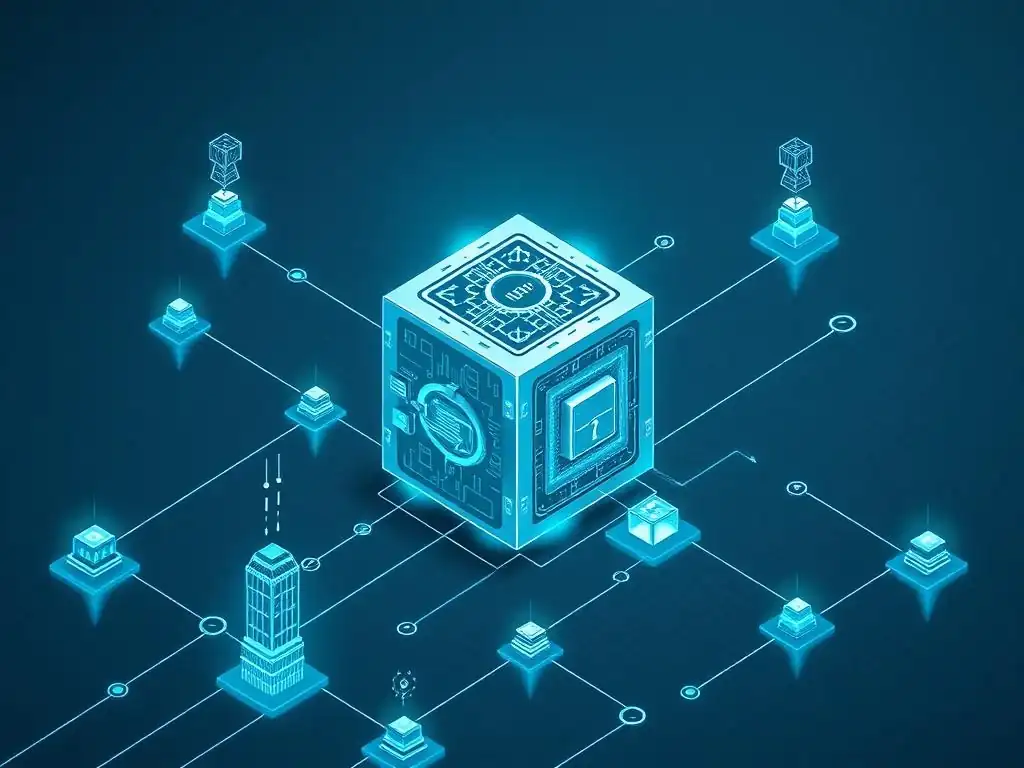
Given the critical role of oracles in DeFi and their susceptibility to manipulation, implementing robust oracle security measures is paramount for DeFi security risks mitigation. Relying on a single, centralized oracle source introduces a single point of failure and a significant vulnerability. Therefore, diversifying oracle sources and utilizing decentralized oracle networks are key strategies to enhance oracle security and mitigate the risk of oracle manipulation attacks.
Robust oracle security involves not only technical measures but also careful selection of reputable oracle providers, transparent data aggregation methodologies, and mechanisms for detecting and responding to potential oracle failures or attacks. A multi-layered approach to oracle security is essential to ensure the integrity and reliability of data feeds provided to DeFi protocols.
Diversifying Oracle Sources
Diversifying oracle sources is a fundamental principle of oracle security. Instead of relying on a single oracle provider or a single data source, DeFi protocols should aggregate data from multiple independent and reputable sources. This reduces the risk of relying on a compromised or manipulated source and makes it significantly more difficult for attackers to manipulate the overall price or data feed.
For example, a DeFi protocol relying on price oracles could aggregate data from multiple decentralized exchanges (DEXs), centralized exchanges (CEXs), and reputable data aggregators. By averaging or medianizing the data from these diverse sources, the protocol becomes more resilient to outliers, errors, and deliberate manipulation attempts. Diversification of oracle sources is a relatively simple yet highly effective strategy for improving oracle security and mitigating DeFi security risks.
Using Decentralized Oracle Networks
Decentralized oracle networks (DONs) represent a more sophisticated approach to oracle security. DONs are designed to be inherently more robust and resistant to manipulation compared to centralized oracles. These networks typically consist of multiple independent oracle nodes that retrieve data from various sources, aggregate the data using consensus mechanisms, and deliver the aggregated data to smart contracts on-chain.
Chainlink is the most widely used and established DON in the DeFi space. Chainlink provides a decentralized network of oracles that source data from numerous reputable providers, aggregate the data using robust methodologies, and deliver it securely and reliably to DeFi protocols. Other DONs, such as Band Protocol and API3, also offer decentralized oracle solutions with different architectures and features. Utilizing DONs significantly enhances oracle security by decentralizing the data sourcing, aggregation, and delivery processes, making it much harder for attackers to compromise the oracle feed and contributing substantially to DeFi security risks mitigation.
Regular Security Updates and Bug Bounty Programs
Even with the most rigorous security measures in place, software vulnerabilities can still be discovered after deployment. DeFi protocols are complex and constantly evolving, and new attack vectors may emerge over time. Therefore, regular security updates, continuous monitoring, and bug bounty programs are essential components of ongoing DeFi security risks mitigation. Proactive security maintenance and community engagement are crucial for maintaining the long-term security and resilience of DeFi protocols.
Regular security updates involve patching known vulnerabilities, implementing security enhancements, and adapting to the evolving threat landscape. Continuous monitoring involves actively monitoring protocol behavior, transaction patterns, and on-chain data for suspicious activity or potential exploits. Bug bounty programs incentivize security researchers to proactively identify and report vulnerabilities in exchange for rewards, creating a community-driven approach to security.
The Importance of Continuous Monitoring
Continuous monitoring is a critical aspect of DeFi security risks mitigation, allowing for early detection and response to potential security incidents. Monitoring systems can track various metrics, including on-chain transactions, smart contract state changes, oracle data feeds, and network activity. Anomalous patterns or suspicious behavior can trigger alerts, allowing security teams to investigate and take corrective action before significant damage occurs.
For example, monitoring systems can detect unusual spikes in transaction volume, large withdrawals from smart contracts, or sudden changes in oracle price feeds. Automated monitoring tools can be used to scan for known vulnerability patterns in smart contracts and alert developers to potential issues. Real-time monitoring dashboards provide visibility into the health and security status of DeFi protocols, enabling rapid response to emerging threats and contributing significantly to DeFi security risks mitigation.
Incentivizing Security Researchers
Bug bounty programs are a valuable tool for leveraging the expertise of the broader security research community to enhance DeFi security. These programs offer financial rewards to security researchers who identify and responsibly disclose vulnerabilities in DeFi protocols. Bug bounties incentivize researchers to proactively look for weaknesses and report them to the project team, rather than exploiting them for malicious purposes.
Reputable DeFi projects often operate public bug bounty programs on platforms like Immunefi or HackerOne, offering substantial rewards for critical vulnerabilities. These programs not only help identify security flaws but also foster a culture of security within the DeFi community. By incentivizing ethical hacking and responsible disclosure, bug bounty programs contribute significantly to DeFi security risks mitigation and the overall security posture of the ecosystem.
Best Practices for Users to Protect Themselves from DeFi Security Risks
Due Diligence: Researching DeFi Projects Before Investing
For individual users engaging with DeFi, personal responsibility and due diligence are paramount for DeFi security risks mitigation. Before investing in or using any DeFi protocol, users should conduct thorough research to understand the project, its risks, and its security measures. Relying solely on hype or promises of high yields without proper due diligence is a recipe for potential financial losses. Informed users are better equipped to make sound decisions and protect themselves from scams and exploits.
Due diligence involves analyzing various aspects of a DeFi project, including its team, tokenomics, technology, security audits, and community sentiment. Users should seek out reliable information sources, such as project documentation, audit reports, community forums, and independent reviews. A critical and skeptical mindset is essential when evaluating DeFi projects, as the space is still nascent and carries inherent risks.
Analyzing Tokenomics and Team Backgrounds
Analyzing tokenomics and team backgrounds are crucial components of due diligence for DeFi projects. Tokenomics refers to the economic model and incentives of a project's native token. Users should understand the token distribution, supply schedule, utility, and potential inflationary or deflationary mechanisms. Unsound tokenomics can lead to unsustainable projects or create opportunities for manipulation. Red flags in tokenomics might include excessive token supply, lack of clear utility, or vesting schedules that heavily favor the team at the expense of users.
Team background is equally important. Users should research the team members' experience, expertise, and reputation in the blockchain or finance space. A transparent team with verifiable credentials is generally a positive sign. Conversely, anonymous or pseudonymous teams, especially without strong justifications, should raise concerns. Scrutinizing tokenomics and team backgrounds helps users assess the legitimacy and long-term viability of a DeFi project, contributing to DeFi security risks mitigation.
Reading Whitepapers and Understanding Protocol Mechanics
Reading whitepapers and understanding protocol mechanics are essential steps in due diligence for DeFi projects. The whitepaper is the foundational document that outlines the project's vision, technology, tokenomics, and roadmap. Users should carefully read the whitepaper to understand the project's goals, how it works, and its intended value proposition. A well-written and comprehensive whitepaper indicates a serious and well-thought-out project. Vague or nonsensical whitepapers, or those that copy content from other projects, are red flags.
Beyond the whitepaper, users should strive to understand the protocol mechanics of the DeFi project they are considering. This involves researching how the smart contracts work, how the protocol interacts with other DeFi components, and what security measures are in place. Understanding the underlying technology and mechanics allows users to assess the project's technical soundness and identify potential vulnerabilities or risks. This deeper level of understanding is crucial for effective DeFi security risks mitigation at the user level.
Diversification: Spreading Risk Across Multiple DeFi Platforms
Diversification is a fundamental principle of risk management that applies equally to DeFi. Just as investors in traditional finance diversify their portfolios across different asset classes, DeFi users should diversify their holdings across multiple DeFi platforms and protocols. Concentrating all assets in a single DeFi platform exposes users to significant risk, as a single exploit or failure could result in substantial losses.
By diversifying across multiple platforms, users can mitigate the impact of a security breach or protocol failure on any single platform. If one platform is compromised, only a portion of the user's total DeFi portfolio will be affected. Diversification should consider different types of DeFi protocols (e.g., lending, DEXs, yield aggregators) and different blockchain ecosystems. While diversification cannot eliminate all DeFi security risks, it is a prudent strategy for reducing overall risk exposure and enhancing DeFi security risks mitigation at the portfolio level.
Using Hardware Wallets and Secure Storage Solutions
Using hardware wallets and secure storage solutions is a crucial best practice for securing cryptocurrency assets, including those used in DeFi. Hardware wallets are physical devices that store private keys offline, providing a much higher level of security compared to software wallets or exchange accounts. Software wallets, while convenient, are more vulnerable to hacking and malware attacks as they are typically connected to the internet. Exchange accounts are custodial, meaning users do not control their private keys, and are subject to the security risks of the exchange itself.
Hardware wallets like Ledger and Trezor generate and store private keys offline, and transactions are signed within the hardware wallet device, minimizing the risk of private key compromise. Users engaging with DeFi should prioritize using hardware wallets to protect their private keys and assets. For larger holdings, considering multi-signature wallets or other advanced secure storage solutions can further enhance DeFi security risks mitigation.
Staying Informed: Keeping Up-to-Date with the Latest Security Threats
The DeFi landscape is constantly evolving, and new security threats and vulnerabilities emerge regularly. Staying informed about the latest DeFi security risks is crucial for users to adapt their security practices and protect themselves effectively. Users should actively follow security news sources, DeFi security blogs, and community forums to stay up-to-date on emerging threats, common attack vectors, and best practices for DeFi security risks mitigation.
Platforms like Twitter, Reddit (r/DefiSecurity), and security-focused websites often share information about recent exploits, vulnerabilities, and security recommendations. Participating in DeFi communities and discussions can also provide valuable insights and shared experiences. Continuous learning and staying informed are essential for navigating the dynamic DeFi environment and maintaining a strong security posture.
The Future of DeFi Security: Emerging Trends and Technologies
Account Abstraction and Enhanced Security Features
Account abstraction is an emerging trend in blockchain technology that promises to enhance security and user experience in DeFi. Traditional blockchain accounts, like those on Ethereum, are typically externally owned accounts (EOAs) controlled by private keys. Account abstraction aims to blur the lines between EOAs and smart contract accounts, allowing users to create more flexible and programmable accounts with enhanced security features.
With account abstraction, users could potentially implement features like social recovery, multi-signature authentication, and spending limits directly at the account level, without relying on specific DeFi protocols to implement these features. This could significantly improve user security and reduce the risk of private key loss or compromise. Account abstraction is still under development, but it has the potential to be a transformative technology for DeFi security risks mitigation and user empowerment.
Layer-2 Scaling Solutions and Their Impact on Security
Layer-2 scaling solutions (L2s) are designed to improve the scalability and efficiency of blockchains like Ethereum by processing transactions off-chain while inheriting the security of the main chain (Layer-1). L2s, such as Optimistic Rollups and zk-Rollups, can also have an indirect positive impact on DeFi security. By reducing transaction fees and congestion on Layer-1, L2s can make security operations, such as emergency contract upgrades or security audits, more cost-effective and feasible.
Furthermore, some L2s are exploring novel security models and features that could enhance overall DeFi security. For example, zk-Rollups offer strong cryptographic guarantees of transaction validity, potentially reducing the reliance on trust assumptions in certain DeFi protocols. While L2s primarily focus on scalability, their development and adoption can contribute to a more secure and efficient DeFi ecosystem, indirectly aiding DeFi security risks mitigation.
The Role of AI and Machine Learning in Threat Detection
Artificial intelligence (AI) and machine learning (ML) are increasingly being explored for their potential to enhance DeFi security risks mitigation. AI and ML algorithms can be used to analyze vast amounts of on-chain data, transaction patterns, and smart contract code to detect anomalies, identify potential vulnerabilities, and predict security threats.
For example, ML models can be trained to detect unusual transaction patterns that might indicate an ongoing exploit or attack. AI-powered static analysis tools can analyze smart contract code to identify subtle vulnerabilities that might be missed by traditional methods. AI can also be used to improve oracle security by detecting and filtering out manipulated or unreliable data sources. While still in its early stages, the application of AI and ML in DeFi security holds significant promise for proactive threat detection and enhanced security monitoring.
Emphasizing the Importance of Vigilance and Continuous Improvement
Navigating the DeFi landscape requires constant vigilance and a commitment to continuous improvement in DeFi security risks mitigation strategies. The DeFi ecosystem is dynamic and rapidly evolving, with new innovations and challenges emerging constantly. Neither developers nor users can afford to become complacent about security. Proactive security measures, ongoing monitoring, and a willingness to adapt to new threats are essential for building a secure and sustainable DeFi ecosystem.
Developers must prioritize security at every stage of the development lifecycle, from smart contract design and coding to auditing and deployment. Users must take personal responsibility for their security by conducting due diligence, using secure storage solutions, and staying informed about the latest threats. A collaborative and community-driven approach to security, involving developers, auditors, researchers, and users, is crucial for effectively mitigating DeFi security risks and fostering a more secure environment for everyone.
The Path Forward for a More Secure and Sustainable DeFi Ecosystem
The path forward for a more secure and sustainable DeFi ecosystem lies in a multi-faceted approach that combines technological innovation, robust security practices, user education, and potentially, thoughtful regulatory frameworks. Continued advancements in smart contract security, formal verification, decentralized oracles, and AI-powered threat detection will play a crucial role in enhancing the technical security of DeFi protocols.
Equally important are the human elements of security: rigorous auditing, responsible development practices, and user awareness. Promoting security best practices, educating users about DeFi risks, and fostering a culture of security within the DeFi community are essential for building trust and resilience. While DeFi security risks are inherent in this nascent technology, proactive DeFi security risks mitigation efforts and a collective commitment to security will pave the way for a more secure, sustainable, and ultimately, more widely adopted decentralized financial future.
Frequently Asked Questions
What are the most common DeFi security risks that users and platforms should be aware of?
The most common risks include smart contract vulnerabilities, such as bugs and exploits, economic attacks like flash loan attacks, and governance vulnerabilities, where malicious actors can manipulate voting systems.
How can DeFi platforms mitigate smart contract vulnerabilities and ensure the security of their code?
Platforms should implement rigorous smart contract auditing by reputable firms, employ formal verification methods, and establish bug bounty programs to incentivize ethical hacking and vulnerability disclosure.
What measures can users take to protect themselves from DeFi security risks when interacting with decentralized applications?
Users should thoroughly research the platforms they use, diversify their holdings across multiple protocols, and be wary of projects with unaudited code or unusually high yields.
What role does regulation play in addressing DeFi security risks, and how might it impact the future of the decentralized finance ecosystem?
Regulation can provide clear guidelines and standards for DeFi platforms, enhancing accountability and consumer protection. However, overly restrictive regulations could stifle innovation and drive activity underground.
What are some emerging trends in DeFi security that are helping to make the ecosystem more secure and resilient against attacks?
Emerging trends include the development of formal verification tools, the increasing use of insurance protocols to protect against losses, and the adoption of decentralized security audits powered by blockchain technology.
The decentralized finance (DeFi) landscape, while brimming with innovation and potential, remains a frontier fraught with peril. Understanding and mitigating DeFi security risks is no longer a niche concern, but a fundamental imperative for anyone venturing into this revolutionary financial ecosystem. The vulnerabilities we've explored, from smart contract exploits to rug pulls, underscore the urgent need for proactive security measures and a healthy dose of skepticism.
The rapid evolution of DeFi means that security protocols must constantly adapt and improve. This ongoing arms race between developers and malicious actors highlights the critical role of community vigilance and shared knowledge in safeguarding the future of decentralized finance. Security is not a product, but a process.
This quote, often attributed to Bruce Schneier, perfectly encapsulates the dynamic and continuous nature of securing DeFi platforms and user funds.
As you navigate the exciting, yet often turbulent, waters of DeFi, remember that knowledge is your strongest shield. Take the lessons learned here, prioritize security audits, diversify your holdings, and remain ever vigilant. The future of decentralized finance hinges on our collective ability to mitigate risks and build a more secure and trustworthy ecosystem for all.
Unveil Your DeFi Security Shield!
Thanks for exploring the crucial topic of DeFi security with us! We hope this article equipped you with valuable insights to navigate the decentralized landscape safely. Now, let's put that knowledge into action!
Here are a few things you can do right now:
- Critically assess the security audits of the DeFi protocols you're using. Dive deeper than the surface-level reports. Understand the scope, limitations, and any identified vulnerabilities.
- Share this article with fellow DeFi enthusiasts to help them stay informed and protect their investments. Let's build a more secure community together!
- Consider exploring less mainstream, but potentially more secure, DeFi protocols. Research and compare different approaches to risk mitigation – you might discover a hidden gem!
What overlooked security measure do you think is crucial for DeFi's long-term success? Share your thoughts in the comments below!
Leave a Reply