
Beyond Code Audits: Holistic Approaches to DeFi Risk Management


Welcome to Blockchain Trends, your compass in the rapidly evolving landscape of decentralized technology.
Dive deep into the transformative potential of blockchain, far beyond the headlines of cryptocurrencies. From enterprise solutions to regulatory landscapes, we unravel the future of decentralized systems. Curious about securing your investments in the burgeoning world of DeFi? Then you'll want to explore our insights on " DeFi risk management strategies" and discover how to go beyond simple code audits to build truly resilient decentralized finance systems. Let's unlock the future, together.
- Beyond Code Audits: Holistic Approaches to DeFi Risk Management
- Understanding the Multifaceted Nature of DeFi Risks
- Holistic DeFi Risk Management Strategies: A Layered Approach
- Implementing Robust DeFi Risk Management Frameworks
- The Future of DeFi Risk Management: Innovation and Collaboration
- Conclusion: Embracing a Proactive Approach to DeFi Risk Mitigation
-
Frequently Asked Questions
- What are some key DeFi risks that go beyond just vulnerabilities in the code?
- Why is a "holistic" approach important for DeFi risk management, as opposed to just relying on code audits?
- What are some specific DeFi risk management strategies that address economic exploits?
- How does regulation impact DeFi risk management, and what should projects consider?
- What is the future of DeFi risk management, and how will it evolve?
- Final Reflection: Embracing Comprehensive DeFi Security
- Uncover Your DeFi Security Edge!
Beyond Code Audits: Holistic Approaches to DeFi Risk Management
Introduction: The Evolving Landscape of DeFi Risks
While code audits remain a fundamental step in securing decentralized finance (DeFi) protocols, the reality of the ecosystem's rapid evolution and interconnectedness reveals their limitations. A snapshot in time, a code audit cannot fully account for dynamic environmental factors such as volatile market conditions, unforeseen interactions between protocols, or the human element in governance and operations. The complexity of modern DeFi strategies, often involving multiple layered protocols, introduces attack vectors that are not solely rooted in a single contract's code but in the intricate system design and economic incentives.
The inadequacy of relying solely on code audits underscores the critical need for comprehensive DeFi risk management strategies. These strategies must extend beyond static analysis to encompass continuous monitoring, economic modeling, governance oversight, and proactive incident response. As the total value locked (TVL) in DeFi has grown into the tens of billions of dollars, the potential impact of exploits and failures has escalated significantly. A holistic approach recognizes that security is not just about bug-free code, but about building resilient systems capable of withstanding a multitude of potential shocks, both technical and economic.
Understanding the Multifaceted Nature of DeFi Risks
Smart Contract Vulnerabilities: A Persistent Threat
Smart contract exploits continue to be a primary source of loss in the DeFi space, despite numerous audits. These vulnerabilities often arise from logical errors, unexpected state changes, or improper handling of external calls. A classic example is the reentrancy attack, famously exploited in the 2016 DAO hack, where an attacker could recursively drain funds from a contract before the balance was updated. While defenses like checks-effects-interactions patterns are now standard, novel variations and complex interactions between contracts can still expose protocols.
Beyond reentrancy, common exploits include flash loan attacks that manipulate prices across decentralized exchanges, integer overflows/underflows leading to incorrect calculations, and access control issues allowing unauthorized actions. In 2021 and 2022 alone, estimates suggest hundreds of millions, if not billions, of dollars were lost due to various smart contract vulnerabilities across numerous protocols. Effective DeFi risk management strategies must therefore place a strong emphasis on rigorous testing, formal verification, and ongoing security reviews throughout the protocol's lifecycle, not just before launch.
Economic Risks in Decentralized Finance
DeFi protocols are deeply intertwined with economic incentives and market dynamics, introducing a distinct set of risks beyond code flaws. Liquidity risks, particularly in automated market makers (AMMs), expose liquidity providers to impermanent loss – the temporary loss of funds compared to simply holding the assets, which can become permanent if prices diverge significantly. Oracle manipulation is another critical economic risk, where attackers feed incorrect price data to a protocol, causing it to misexecute trades, liquidations, or asset valuations, often resulting in substantial losses for users and the protocol itself.
Governance risks also fall under the economic umbrella, as token holders often control critical protocol parameters, treasury funds, or even code upgrades. While decentralized governance aims to prevent single points of failure, it can be susceptible to collusion, voter apathy, or malicious proposals designed to benefit attackers. A notable incident involved a protocol where an attacker gained enough governance tokens to pass a proposal draining its treasury. Comprehensive DeFi risk management strategies must therefore include mechanisms to monitor liquidity health, secure and decentralized oracle solutions, and robust, perhaps time-locked, governance processes to mitigate these economic vectors.
Systemic Risks within the DeFi Ecosystem
The interconnected nature of DeFi, with protocols built atop one another like financial Lego bricks, introduces significant systemic risks. A failure or exploit in one foundational protocol (like a stablecoin or a major lending platform) can cascade through the ecosystem, affecting multiple dependent protocols and causing widespread instability. This interconnectedness means that even a protocol with strong internal security can be vulnerable to external failures. The collapse of a major algorithmic stablecoin in 2022 demonstrated how a single point of failure could trigger liquidations and distress across numerous linked DeFi applications.
Concentration risks are also a systemic concern, arising when a large portion of TVL or critical functionality relies on a few key protocols or assets. For instance, a significant portion of wrapped Bitcoin (wBTC) is collateralized on lending platforms; issues with the wBTC wrapper or the underlying Bitcoin market could have wide-ranging effects.
Furthermore, regulatory uncertainty poses a systemic risk, as potential government actions or lack of clear guidelines could disrupt operations, impose restrictions, or even render certain DeFi activities illegal, impacting the entire ecosystem's growth and stability. Effective DeFi risk management strategies need to model these dependencies and consider the broader market and regulatory environment.
Holistic DeFi Risk Management Strategies: A Layered Approach
Strengthening Smart Contract Security
Moving beyond initial audits requires adopting continuous and multi-faceted approaches to smart contract security. Formal verification uses mathematical proofs to confirm that a contract's code behaves as intended under all possible conditions, offering a higher degree of assurance against certain types of bugs than traditional testing. Static analysis tools automatically scan code for common vulnerabilities and anti-patterns before deployment. However, these are still pre-deployment measures and need to be complemented by ongoing efforts.
Post-deployment, bug bounty programs incentivize white-hat hackers to find vulnerabilities in live contracts, offering rewards for responsible disclosure. Protocols like Immunefi have facilitated the reporting of critical bugs, preventing potentially massive losses (e.g., bounties paid have prevented hundreds of millions in potential theft). Community audits and peer review also contribute valuable scrutiny. Moreover, continuous monitoring of contract behavior in real-time, looking for anomalous transactions or state changes, is crucial for early detection of ongoing exploits, enabling faster incident response and potentially limiting losses. These layers are essential components of robust DeFi risk management strategies.
Enhancing Economic Resilience
Building resilience against economic risks involves designing protocols with inherent safeguards and leveraging external solutions. To mitigate impermanent loss and improve liquidity stability, protocols can explore different AMM designs, introduce dynamic fees, or offer incentives that compensate liquidity providers for the risk. Diversifying reliance on single assets or pools is also key. Robust oracle systems are paramount; this involves using decentralized networks of independent data providers (like Chainlink or Band Protocol) and incorporating mechanisms like time-weighted average prices (TWAPs) or outlier detection to make oracle manipulation significantly more difficult and costly.
Decentralized governance mechanisms, while carrying their own risks, are vital for adapting to evolving economic conditions and fixing issues without centralized control. Implementing safeguards like timelocks on critical proposals (e.g., requiring a 48-hour delay before execution) provides a window for the community to react if a malicious proposal passes. Requiring a high participation quorum or utilizing security modules that can veto harmful actions can further enhance resilience. These economic design choices and safeguards are critical elements within comprehensive DeFi risk management strategies.
Addressing Systemic Risks in the DeFi Space
Mitigating systemic risks requires understanding the broader ecosystem context and building defenses against contagion. Risk modeling and stress testing protocols under simulated extreme market conditions (e.g., sudden price drops, oracle failures, or the collapse of a major stablecoin) can help identify potential vulnerabilities and dependencies. This analysis can inform design changes or reveal areas where diversification or hedging is necessary.
Insurance protocols and decentralized coverage platforms (like Nexus Mutual or Anchor Protocol's coverage) allow users to purchase protection against specific smart contract exploits or protocol failures. While still nascent and often limited in capacity, these solutions offer a layer of financial protection against systemic events. Furthermore, fostering collaboration and information sharing among DeFi projects regarding known vulnerabilities, incident post-mortems, and best practices is vital. A collective defense strategy, where knowledge is shared openly, strengthens the entire ecosystem's ability to manage systemic risks. These collaborative efforts are becoming increasingly recognized as necessary components of effective DeFi risk management strategies.
Implementing Robust DeFi Risk Management Frameworks
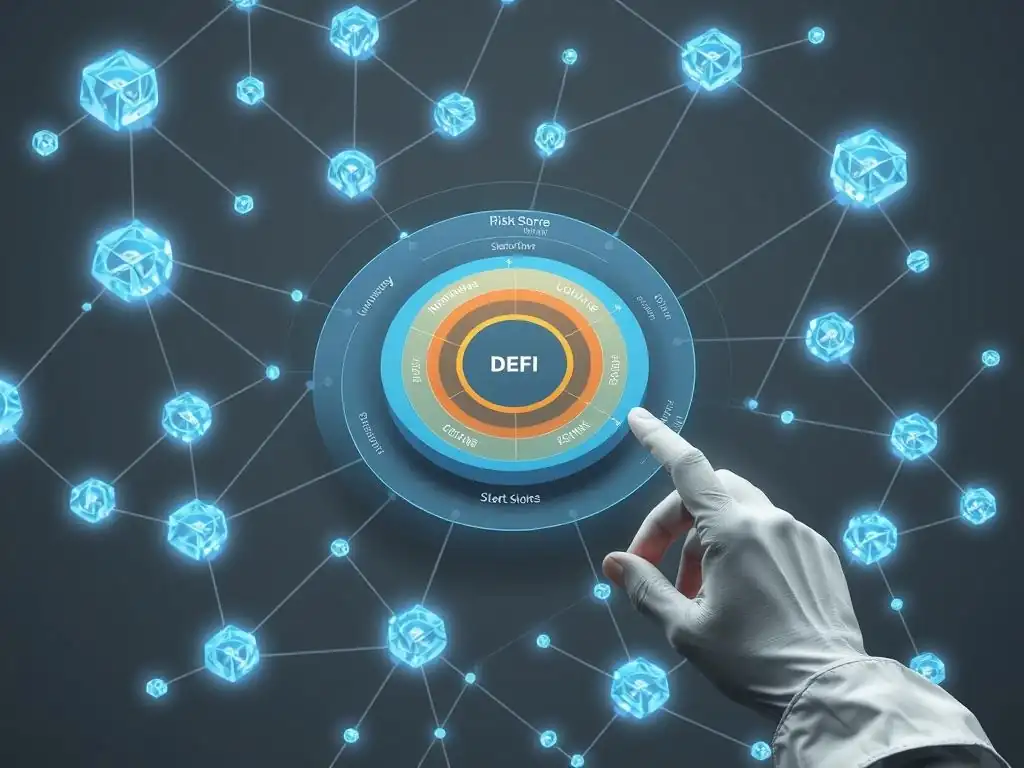
Developing a DeFi Risk Assessment Framework
A structured approach is fundamental to effective DeFi risk management strategies. The first step is developing a comprehensive risk assessment framework tailored to the unique challenges of decentralized systems. This involves identifying and prioritizing key risk factors across all layers: smart contract code, economic design, governance structure, and external dependencies. A protocol might identify oracle failure as high priority if it relies heavily on external price feeds, or smart contract bugs as critical if it manages significant user funds.
Establishing clear risk tolerance levels is also crucial. What level of potential loss or protocol downtime is acceptable? These tolerance levels should inform Key Performance Indicators (KPIs) related to security and risk, such as the number of critical bugs found per audit, the frequency of oracle updates, or the percentage of TVL covered by insurance. A well-defined framework ensures that risk considerations are integrated into every stage of protocol development and operation.
Creating a DeFi Risk Mitigation Plan
Based on the risk assessment, a detailed DeFi risk mitigation plan must be created. This plan outlines the specific security controls and economic safeguards that will be implemented to address identified risks. For example, if oracle manipulation is a high risk, the plan might specify using a minimum of three decentralized oracle networks and implementing TWAP calculations for price feeds. If smart contract bugs are paramount, the plan would include multiple audits, formal verification for core modules, and a substantial bug bounty program.
The plan should also define clear roles and responsibilities for risk management within the team or community. Who is responsible for monitoring real-time protocol activity? Who handles incident response? Who is tasked with staying updated on new exploit techniques? Clearly delineating these roles ensures accountability and preparedness, making the implementation of DeFi risk management strategies more effective and systematic.
Monitoring and Reporting DeFi Risks
Implementing a risk mitigation plan is not a one-time event; it requires continuous monitoring and reporting. Real-time monitoring of key metrics is essential to detect anomalies that could indicate an ongoing attack or emerging issue. This includes tracking large or unusual transactions, monitoring oracle feeds for discrepancies, observing governance proposal activity, and monitoring protocol TVL and health indicators. Tools that provide alerts on unexpected contract behavior are invaluable.
Regular risk reporting and auditing are also critical components of DeFi risk management strategies. This involves periodically reviewing the effectiveness of implemented controls, updating the risk assessment based on new information or market changes, and reporting on the overall risk posture to stakeholders (team, community, investors). Independent security audits should also be conducted periodically, not just at launch, to catch potential vulnerabilities introduced by updates or previously missed.
The Future of DeFi Risk Management: Innovation and Collaboration
Emerging Technologies for DeFi Security
The frontier of DeFi risk management strategies is being shaped by innovation. Artificial intelligence (AI) and machine learning are beginning to show promise in identifying complex attack patterns and detecting anomalous behavior in real-time that might evade traditional rule-based monitoring systems. AI could potentially analyze vast amounts of transaction data and smart contract interactions to predict potential vulnerabilities or ongoing exploits before they cause significant damage.
Privacy-enhancing technologies, such as zero-knowledge proofs (ZKPs), are also being explored for their potential role in security. While primarily focused on privacy, ZKPs can be used to verify the correctness of computations off-chain, reducing the attack surface on the mainnet contract. Confidential transactions, enabled by technologies like ZKPs or secure enclaves, could also limit the ability of attackers to front-run or exploit information asymmetry, adding another layer to future DeFi security frameworks.
The Role of Regulation in DeFi Risk Mitigation
While the DeFi ethos often champions decentralization and minimal intervention, the increasing scale and integration with traditional finance suggest that some form of regulatory engagement is likely and, in some areas, could enhance DeFi risk management strategies. Regulation could provide clarity on legal risks, combat illicit activity that sometimes leverages DeFi, and establish baseline consumer protection standards.
The challenge lies in balancing necessary oversight with fostering innovation. Developing industry standards and best practices, potentially through collaboration between regulators and the DeFi community, could create a framework that promotes security and stability without stifling technological advancement. Clear rules around stablecoin reserves, for instance, could mitigate systemic risk. However, overly broad or restrictive regulations could push activity into less transparent or less secure environments.
Fostering a Culture of Security and Risk Awareness in the DeFi Community
Ultimately, effective DeFi risk management strategies depend on the collective understanding and actions of the entire community – developers, users, and token holders. Education and training are paramount. Users need to understand the risks involved in interacting with different protocols, recognizing common scams (like phishing or rug pulls), and practicing safe key management. Developers need continuous training on secure coding practices and emerging attack vectors.
Fostering a culture of open source development and collaborative security efforts is also key. Making code publicly available allows for broader scrutiny. Encouraging white-hat hacking, responsible disclosure, and collaborative analysis of incidents helps the entire ecosystem learn and improve. Building a community where security is a shared responsibility, not just the burden of a single team, is perhaps the most powerful long-term strategy for managing risks in the decentralized finance space.
Conclusion: Embracing a Proactive Approach to DeFi Risk Mitigation
Key Takeaways for Effective DeFi Risk Management
Effective DeFi risk management strategies are not a one-size-fits-all solution but require a layered, proactive, and continuously evolving approach. Relying solely on initial code audits is insufficient given the dynamic and interconnected nature of the ecosystem. Successful strategies must integrate rigorous smart contract security measures, robust economic design safeguards, and mechanisms to address systemic vulnerabilities.
Implementing a formal risk assessment framework, developing a detailed mitigation plan with clear responsibilities, and establishing continuous monitoring and reporting processes are fundamental operational requirements. Protocols that prioritize these frameworks are better positioned to identify, understand, and respond to the diverse threats they face, significantly reducing the likelihood and impact of potential incidents.
The Path Forward for a Safer and More Sustainable DeFi Ecosystem
The future of DeFi hinges on its ability to mature its approach to risk. This involves embracing emerging technologies like AI for enhanced security, engaging constructively with potential regulatory frameworks, and, crucially, fostering a strong culture of security awareness and collaboration within the community. As the ecosystem grows and integrates further into global finance, the sophistication of attack vectors will also increase.
Therefore, the path forward for a safer and more sustainable DeFi ecosystem requires constant vigilance, innovation in DeFi risk management strategies, and a collective commitment to building secure and resilient decentralized applications. By moving beyond reactive measures and adopting comprehensive, proactive frameworks, DeFi can continue its transformative journey while mitigating the significant risks inherent in this pioneering space.
Frequently Asked Questions
What are some key DeFi risks that go beyond just vulnerabilities in the code?
Beyond code audits, DeFi faces risks like economic exploits, oracle manipulation, and governance attacks. These require a more holistic risk management approach.
Why is a "holistic" approach important for DeFi risk management, as opposed to just relying on code audits?
Code audits are crucial but insufficient. A holistic approach considers market risks, regulatory uncertainty, and operational vulnerabilities for comprehensive protection.
What are some specific DeFi risk management strategies that address economic exploits?
Strategies include circuit breakers, liquidity limits, and real-time monitoring of on-chain data to detect and mitigate suspicious activity.
How does regulation impact DeFi risk management, and what should projects consider?
Regulatory uncertainty demands proactive compliance planning. Projects should consider KYC/AML, data privacy, and security standards to navigate evolving legal landscapes.
What is the future of DeFi risk management, and how will it evolve?
The future involves AI-powered risk assessment, decentralized insurance protocols, and formal verification to enhance trust and security in DeFi ecosystems.
Final Reflection: Embracing Comprehensive DeFi Security
The journey through the landscape of DeFi risk management strategies reveals a crucial truth: code audits alone are no longer sufficient to safeguard the future of decentralized finance. The interconnectedness and complexity of DeFi protocols demand a more holistic approach, one that encompasses economic modeling, on-chain monitoring, and proactive community engagement. Ignoring this reality leaves the ecosystem vulnerable to exploits that can erode trust and hinder the widespread adoption of DeFi.
The evolution of DeFi risk management reflects a broader shift in our understanding of security. It's no longer enough to simply patch vulnerabilities after they're discovered. We must anticipate potential threats, build resilient systems, and foster a culture of continuous improvement. This is a responsibility shared by developers, auditors, and users alike. Security is not a product, but a process.
This quote underscores the ongoing nature of risk management and the need for constant vigilance in the face of ever-evolving threats.
As we navigate the uncharted waters of decentralized finance, let us remember that security is not a barrier to innovation, but rather its foundation. Consider how you can contribute to a more secure and sustainable DeFi ecosystem. Whether you're a developer, an investor, or simply a curious observer, your understanding and engagement are vital. Embrace the principles of holistic risk management, and together, we can build a future where DeFi thrives.
Uncover Your DeFi Security Edge!
Thanks for exploring the world of DeFi risk management with us! We hope you found valuable insights into moving beyond traditional code audits and embracing a more comprehensive approach. Now, it’s time to put that knowledge into action!
Here are a few ways you can elevate your DeFi security game:
- Implement a proactive risk monitoring system: Don't wait for issues to arise; continuously track key metrics and identify potential threats before they impact your projects.
- Deepen your understanding by exploring advanced security concepts like formal verification and fuzzing to uncover hidden vulnerabilities.
- Share your newfound knowledge:Start a discussion in our Blockchain Trends forum about your favorite DeFi risk mitigation strategies!
What specific risk assessment tool are you most excited to try in your own DeFi projects? Let's discuss!
Leave a Reply