
Bridging DeFi Ecosystems: The Role of Interoperability in Decentralized Finance


Welcome to Blockchain Trends, your gateway to understanding the real potential of blockchain technology. Beyond the hype, discover how this revolutionary technology is reshaping industries.
Ready to unlock the future of finance? This week, we dive deep into the critical need for and development of DeFi interoperability solutions. Explore the best practices that are paving the way for seamless interactions between decentralized ecosystems and unlocking unprecedented opportunities. Curious about how these solutions will revolutionize the landscape? Let's explore!
- DeFi Interoperability Solutions Best Practices: A Guide to Implementation
-
Frequently Asked Questions
- What exactly is DeFi interoperability, and why is it important?
- What are some examples of DeFi interoperability solutions?
- What are the main challenges in achieving seamless DeFi interoperability?
- What are some best practices for implementing DeFi interoperability solutions?
- How is regulation impacting the development and adoption of DeFi interoperability solutions?
- Final Reflection: Embracing the Interconnected Future of Finance
- Unlock DeFi's Potential: Become an Interoperability Pioneer!
DeFi Interoperability Solutions Best Practices: A Guide to Implementation
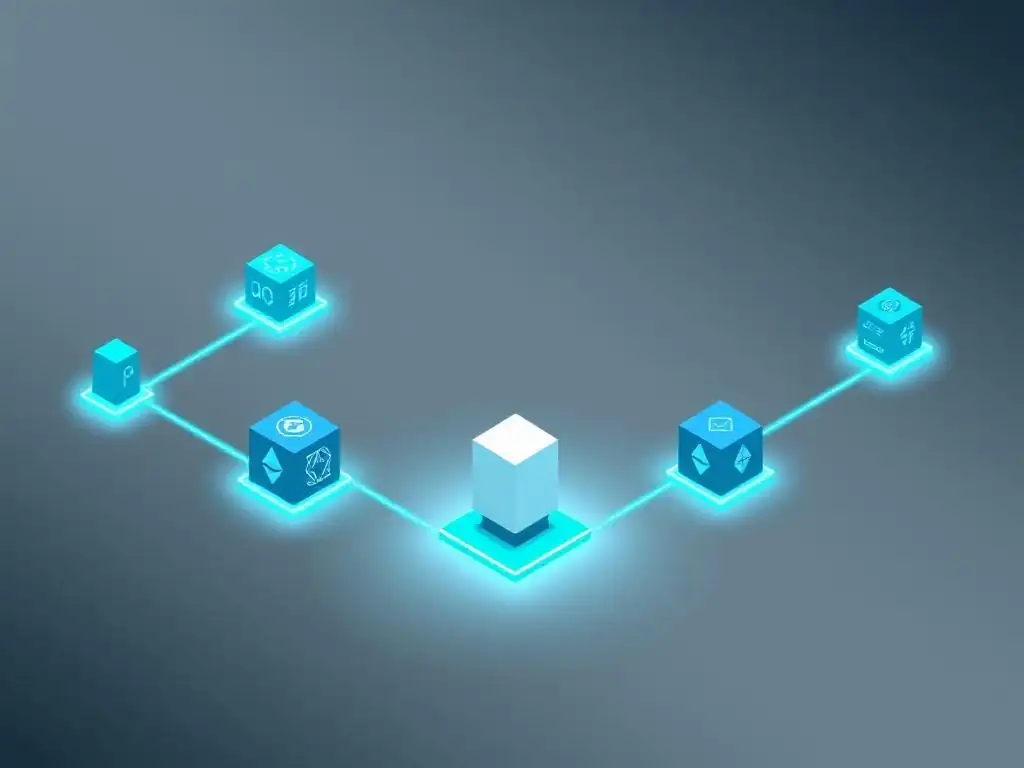
Implementing effective cross-chain strategies in Decentralized Finance requires careful consideration of security, robustness, and suitability for the specific use case. As DeFi ecosystems expand across multiple blockchain networks, the need for reliable and secure bridges, protocols, and applications becomes paramount. Adhering to established DeFi interoperability solutions best practices is not just a recommendation, but a necessity to protect user funds and ensure the stability of the decentralized financial system. This section outlines key considerations and practical approaches for navigating the complexities of cross-chain development and deployment.
The landscape of DeFi interoperability solutions is still evolving, and while innovation is rapid, so are the potential risks. Developers and users alike must prioritize security and due diligence when interacting with or building upon these cross-chain technologies. By focusing on proven methodologies and learning from past incidents, the industry can collectively move towards building a more resilient and interconnected DeFi future.
Security Considerations for Cross-Chain DeFi Protocols
The introduction of cross-chain communication inherently expands the attack surface for DeFi protocols. When assets or data move between distinct blockchain environments, they often rely on intermediary mechanisms like bridges or relayers, which can become points of vulnerability. Attacks on cross-chain bridges have resulted in some of the largest hacks in crypto history, highlighting the critical need for stringent security measures.
For example, the Ronin Bridge exploit in March 2022 led to a loss of over $600 million, while the Wormhole bridge suffered an exploit exceeding $320 million in February 2022. These incidents underscore that inadequate security in cross-chain infrastructure poses systemic risks to the entire DeFi ecosystem.
Effective DeFi interoperability solutions best practices in security involve a multi-layered approach. This includes rigorous validation of cross-chain messages, secure handling of private keys or signing mechanisms that control bridge assets, and designing protocols that minimize trust assumptions wherever possible.
Developers should favor solutions that employ robust cryptographic proofs (like zero-knowledge proofs) over those relying solely on trusted multi-signature schemes with a small set of validators. Continuous monitoring for suspicious activity, anomaly detection, and the implementation of circuit breakers to temporarily halt operations in case of detected exploits are also vital components of a strong security posture for any cross-chain DeFi protocol.
Smart Contract Audits and Risk Mitigation Strategies for Interoperable DeFi
Smart contracts are the backbone of DeFi, and their complexity increases significantly when dealing with cross-chain interactions. Any vulnerability in a smart contract handling asset transfers or data validation across chains can have catastrophic consequences. Therefore, comprehensive security audits by multiple, reputable third-party firms are absolutely essential for any protocol implementing DeFi interoperability solutions. An audit should not just check for common vulnerabilities but also specifically analyze the cross-chain logic, how external messages are handled, and potential reentrancy or timing attacks that could arise from the interaction between different chain states.
Beyond initial audits, implementing robust risk mitigation strategies is crucial for maintaining secure cross-chain operations. This includes setting rate limits on the total value that can be transferred within a specific timeframe to contain potential losses during an exploit.
Utilizing multi-signature wallets with geographically distributed and diverse key holders for managing bridge vaults adds an extra layer of protection against single points of failure. Furthermore, integrating decentralized oracle networks to provide reliable, tamper-proof data feeds about the state of connected chains can help prevent attacks based on manipulated or inaccurate information, which is a key element of DeFi interoperability solutions best practices.
Choosing the Right Interoperability Solution for Your DeFi Project: A Decision Framework
Selecting the appropriate DeFi interoperability solution is a critical decision that depends heavily on the specific requirements and goals of the DeFi project. There is no one-size-fits-all solution; options range from simple asset bridges to complex cross-chain messaging protocols and Layer-2 scaling solutions.
Key factors to consider include the level of security and trust assumptions required (e.g., trustless vs. federated vs. trusted multi-sig), the types of assets or data needing to be transferred, the target blockchain networks, transaction costs, speed, and the technical complexity of implementation and maintenance. A project focused on simple token transfers between two chains might choose a different solution than one requiring complex smart contract calls across multiple ecosystems.
A structured decision framework involves assessing the trade-offs inherent in different DeFi interoperability solutions. For instance, atomic swaps offer high security for direct peer-to-peer token exchanges but are limited in functionality and liquidity. Cross-chain bridges provide flexibility but often rely on external validators or mechanisms that introduce trust assumptions and potential security risks.
Interoperability protocols like Polkadot or Cosmos offer broader frameworks for building interconnected ecosystems but require significant integration effort. Evaluating each potential solution against criteria such as security model strength, economic finality guarantees, development overhead, and long-term viability in the evolving blockchain landscape is a vital step in adopting DeFi interoperability solutions best practices.
Best Practices for Developing Secure and Scalable Cross-Chain Applications
Developing decentralized applications (dApps) that leverage cross-chain capabilities requires adherence to specific development best practices to ensure both security and scalability. Secure coding standards are paramount; all smart contracts involved in cross-chain operations must be written with extreme care, minimizing complexity and potential attack vectors.
This includes rigorous input validation, careful handling of external calls, and designing contracts to be resilient to unexpected states or delays in cross-chain communication. Given the asynchronous nature of cross-chain interactions, developers must design state machines and logic that can gracefully handle potential message delays, reordering, or failures without compromising the integrity of the application or user funds.
Scalability in cross-chain dApps involves designing architecture that can handle increasing transaction volumes and potentially connect to more chains over time. This might involve utilizing Layer-2 scaling solutions on individual chains or designing the cross-chain components to be modular and extensible. Thorough testing is non-negotiable; this includes extensive unit testing, integration testing across simulated chain environments, and ideally, formal verification of critical cross-chain logic. Employing DeFi interoperability solutions best practices in development means prioritizing security-first design, building in mechanisms for monitoring and incident response, and planning for potential upgrades or emergency measures to address unforeseen vulnerabilities in the future.
Frequently Asked Questions
What exactly is DeFi interoperability, and why is it important?
DeFi interoperability refers to the ability of different blockchain networks and DeFi protocols to communicate and interact with each other. It's crucial because it unlocks greater liquidity and efficiency within the fragmented DeFi space.
What are some examples of DeFi interoperability solutions?
Examples include cross-chain bridges, such as Wrapped Bitcoin (wBTC), and blockchain interoperability protocols, like Polkadot and Cosmos. These solutions enable the transfer of assets and data between otherwise isolated blockchains.
What are the main challenges in achieving seamless DeFi interoperability?
Key challenges include security risks associated with bridges, scalability limitations, and the complexity of coordinating diverse protocols. Maintaining trust and preventing exploits are paramount.
What are some best practices for implementing DeFi interoperability solutions?
Best practices include rigorous security audits, decentralized governance mechanisms, and transparent communication about potential risks. Prioritizing user safety is crucial.
How is regulation impacting the development and adoption of DeFi interoperability solutions?
Regulatory uncertainty poses a significant challenge, particularly regarding cross-border transactions and compliance requirements. Clearer regulatory frameworks are needed to foster innovation while mitigating risks.
Final Reflection: Embracing the Interconnected Future of Finance
The exploration of DeFi interoperability solutions best practices underscores a crucial point: the future of decentralized finance hinges on seamless connectivity. We've seen how fragmented ecosystems limit potential and how interoperability unlocks unprecedented opportunities for innovation, efficiency, and accessibility. The journey towards a truly interconnected DeFi landscape is not just a technological challenge, but a fundamental shift in how we perceive and interact with financial systems.
The rise of DeFi interoperability is not merely a trend; it's a foundational shift reshaping the financial landscape. This evolution resonates deeply, reminding us that true progress lies in collaboration and breaking down artificial barriers. The strength of the web is in its universality. Access by everyone regardless of disability is an essential aspect.
- Tim Berners-Lee. This quote, though originally about the internet, perfectly encapsulates the spirit of DeFi interoperability: creating a universally accessible and interconnected financial web.
As we stand at the cusp of this interconnected future, let us not be passive observers. Let us actively engage in shaping the DeFi landscape, advocating for open standards, promoting collaborative development, and embracing the principles of interoperability. Consider how you can contribute, whether through supporting projects, educating others, or simply demanding greater connectivity from the platforms you use. The power to build a more inclusive and efficient financial system lies within each of us.
Unlock DeFi's Potential: Become an Interoperability Pioneer!
Thank you for exploring the world of DeFi interoperability with us! We hope this article highlighted the crucial role it plays in shaping the future of decentralized finance. Now, it's time to turn your understanding into action.
Get involved in the interoperable DeFi movement by:
- Exploring Cross-Chain Solutions: Dive into different cross-chain bridges and protocols to understand how they work and their potential applications. This hands-on experience is essential for grasping practical implementations.
- Staying updated on discussions regarding governance across various blockchain platforms.
- Sharing Your Insights: Spread awareness about the importance of interoperability! Talk about this article with fellow crypto enthusiasts and contribute to ongoing conversations about the future of decentralized finance on your favorite social media channels.
What innovative interoperability solutions do you see transforming the DeFi landscape in the coming year? Share your ideas in the comments below!
Leave a Reply