
Unlocking Liquidity in Real Estate: Tokenization and Fractional Ownership with Blockchain

Welcome to Blockchain Trends, your compass navigating the evolving landscape of decentralized technologies. Beyond the hype of cryptocurrencies, blockchain is quietly revolutionizing industries. Intrigued by the potential of blockchain to unlock liquidity in traditionally illiquid assets? Dive into our latest analysis exploring blockchain real estate tokenization benefits, and discover how fractional ownership is poised to reshape the future of property investment. The revolution starts here.
Unlocking Liquidity in Real Estate: Tokenization and Fractional Ownership with Blockchain
- Introduction: Revolutionizing Real Estate with Blockchain Technology
- Understanding Blockchain Real Estate Tokenization
- Fractional Ownership: Democratizing Real Estate Investment
-
Blockchain Real Estate Tokenization Benefits: A Deep Dive
- Enhanced Liquidity: Opening Up Real Estate to a Wider Market
- Increased Accessibility: Lowering the Barrier to Entry for Investors
- Improved Transparency and Security: Leveraging Blockchain's Immutability
- Reduced Transaction Costs: Streamlining Real Estate Processes
- Portfolio Diversification: Accessing a Wider Range of Properties
- Exploring the Advantages of Tokenization for Property Owners
- Use Cases: Real-World Examples of Blockchain Real Estate Tokenization
- Challenges and Considerations for Blockchain Real Estate
- The Future of Real Estate Investment: Tokenization and Beyond
-
Frequently Asked Questions
- How does blockchain enhance liquidity in the real estate market through tokenization?
- What are the primary benefits of fractional ownership of real estate facilitated by blockchain?
- What role does DeFi (Decentralized Finance) play in blockchain real estate tokenization?
- What regulatory considerations are important when implementing blockchain-based real estate tokenization?
- Beyond liquidity, what other enterprise applications does blockchain offer for the real estate industry?
- Final Reflection: Embracing the Future of Real Estate Investment
- Ignite Your Real Estate Revolution!
Introduction: Revolutionizing Real Estate with Blockchain Technology
The Inherent Illiquidity of Traditional Real Estate Markets
Traditional real estate has long been considered an attractive asset class, offering stability and potential for significant returns. However, a fundamental characteristic of real estate investment is its inherent illiquidity. Unlike stocks or bonds that can be traded on public exchanges within minutes, buying or selling a property is a lengthy, complex, and costly process. It involves numerous intermediaries, extensive paperwork, due diligence, financing arrangements, and often takes several months to complete. This slow transaction speed and high friction make it difficult for investors to quickly enter or exit positions, tying up significant capital for extended periods.
This illiquidity poses significant challenges for both large-scale investors and individuals. For institutional investors, allocating capital to real estate means committing funds that are not readily accessible for other opportunities. For smaller investors, the high entry cost and difficulty in selling make direct real estate ownership prohibitive. The market is fragmented, opaque, and lacks a centralized, efficient trading mechanism akin to stock markets. This lack of liquidity limits participation, hinders price discovery, and ultimately restricts the overall efficiency and growth potential of the real estate investment landscape.
Blockchain's Potential to Transform Real Estate Investment
Blockchain technology offers a compelling solution to many of the challenges plaguing traditional real estate markets, particularly its illiquidity. By enabling the creation of digital tokens representing ownership or rights in a property, blockchain allows for the fractionalization and easy transfer of real estate assets. This process, known as real estate tokenization, can fundamentally alter how properties are bought, sold, and managed. The immutable and transparent nature of blockchain records ensures secure and verifiable transactions, reducing the need for many traditional intermediaries.
The application of blockchain in real estate promises to unlock significant value by enhancing liquidity, increasing accessibility, and streamlining processes. Imagine being able to buy or sell a fraction of a building with the speed and ease of trading shares on an exchange.
This is the potential blockchain brings – transforming a historically slow, opaque, and exclusive market into one that is faster, more transparent, and more inclusive. The benefits of blockchain real estate tokenization extend across the entire value chain, impacting investors, property owners, developers, and managers alike, paving the way for a more dynamic and efficient global property market.
Understanding Blockchain Real Estate Tokenization
What is Real Estate Tokenization? Defining the Process
Real estate tokenization is the process of issuing digital tokens on a blockchain, where each token represents ownership or a defined set of rights related to a specific real estate asset. This could be a single property, a portfolio of properties, or even a share in a real estate investment trust (REIT). Essentially, it involves converting tangible or intangible rights associated with real estate into digital, programmable assets on a distributed ledger. These tokens can then be bought, sold, and traded much like other digital assets or securities.
The core idea is to digitize the equity or debt of a property, creating fungible or non-fungible tokens that represent fractional ownership or other economic interests. This process typically involves a legal framework that connects the digital tokens to the underlying physical asset and its legal ownership structure. The tokens themselves are recorded on a blockchain, providing a transparent and immutable ledger of ownership. This digitization is the foundational step towards unlocking liquidity and enabling fractional ownership in the real estate sector.
How Tokenization Works: Converting Assets into Digital Tokens
The process of tokenizing a real estate asset involves several key steps. First, the legal ownership and details of the property are verified and structured for tokenization. This often requires setting up a Special Purpose Vehicle (SPV) – a legal entity that owns the property, and whose shares are then tokenized.
Next, a smart contract is created on a chosen blockchain platform (such as Ethereum, Binance Smart Chain, or others supporting smart contracts). This smart contract defines the terms of the token, including the total number of tokens, what each token represents (e.g., a fraction of equity, a share of rental income), and rules for transfer, voting rights (if any), and distribution of income.
Once the smart contract is deployed and the tokens are issued, they represent digital shares in the SPV that owns the property. These tokens can then be offered to investors through a security token offering (STO) or placed on secondary markets for trading. The blockchain records every transaction involving these tokens, providing a transparent and tamper-proof history of ownership. This digital representation and the underlying smart contract automation are what enable the seamless transfer and management of fractional ownership, delivering significant blockchain real estate tokenization benefits.
Key Components of a Real Estate Tokenization Platform
A robust real estate tokenization platform requires several integrated components to function effectively. At its core is the blockchain infrastructure itself, which provides the secure, decentralized ledger for recording token ownership and transactions. Built upon this are smart contracts, which automate the rules and logic governing the tokens and the underlying asset, handling things like dividend distribution, voting rights, and transfer restrictions. A crucial component is a legal and regulatory compliance layer, ensuring that the tokenization process adheres to relevant securities laws and real estate regulations in the jurisdictions involved.
Furthermore, a typical platform includes an issuance module for creating and distributing the tokens, often through a primary offering mechanism. A secondary trading venue or exchange is also vital, providing a marketplace where investors can buy and sell tokens, thereby enabling liquidity – a key benefit of blockchain real estate tokenization. Finally, robust security measures, identity verification (KYC/AML) procedures for investors, and integration with payment systems are necessary to facilitate compliant and secure operations. These components work together to transform illiquid real estate assets into tradable digital securities.
Fractional Ownership: Democratizing Real Estate Investment
The Concept of Fractional Ownership Explained
Fractional ownership is a model where the cost and usage of an asset are divided among multiple owners. In the context of real estate, this means several individuals or entities collectively own a single property, each holding a share or fraction of the total ownership. Traditionally, fractional ownership has been implemented through legal structures like tenants in common or limited liability companies, often used for high-value assets like vacation homes, private jets, or commercial properties where the cost is prohibitive for a single buyer. Each owner possesses a deed or title reflecting their specific percentage of the property.
While not a new concept, traditional fractional ownership in real estate has been cumbersome. It often involves complex legal agreements, difficulties in managing the property or making collective decisions, and significant challenges when one owner wishes to sell their share. Finding a buyer for a specific fraction of a property through traditional means can be even harder than selling the entire property, further exacerbating the illiquidity issue. This is where blockchain and tokenization offer a transformative improvement, streamlining the process and making it accessible for a much wider range of properties and investors.
How Blockchain Enables Seamless Fractional Ownership
Blockchain technology radically simplifies and enhances the concept of fractional ownership in real estate through tokenization. By representing ownership shares as digital tokens on a blockchain, the process becomes significantly more granular and manageable. Instead of dealing with complex legal deeds for small percentages, investors simply hold tokens in their digital wallet. Each token represents a defined fraction (e.g., 1/1000th or 1/1,000,000th) of the property's value or the SPV that owns it.
The blockchain provides a transparent, immutable, and easily verifiable record of who owns how many tokens, and thus, what fraction of the property they own. Smart contracts can automate the distribution of rental income proportionally to token holders or manage voting rights on property decisions based on token holdings.
More importantly, these tokens can be bought and sold on secondary markets enabled by blockchain technology. This eliminates the need to find a specific buyer for a physical fraction and instead allows investors to trade their digital tokens much more easily, fundamentally enhancing the liquidity of fractional ownership and delivering significant blockchain real estate tokenization benefits.
Benefits of Fractional Ownership for Investors
Fractional ownership facilitated by blockchain tokenization offers numerous benefits for investors, particularly those previously excluded from the real estate market. Firstly, it dramatically lowers the barrier to entry. Instead of needing hundreds of thousands or millions of dollars to buy an entire property, investors can purchase tokens representing fractions of a property for potentially just a few hundred or thousand dollars. This democratizes access to high-value real estate assets like prime commercial buildings or luxury properties that were previously only accessible to wealthy individuals or institutions.
Secondly, fractional ownership allows for greater portfolio diversification. Investors can spread their capital across multiple property types (residential, commercial, industrial) and geographical locations by buying tokens in different tokenized assets, rather than tying up all their funds in a single property. This diversification helps mitigate risk. Thirdly, the enhanced liquidity provided by tokenization means investors can more easily exit their positions by selling their tokens on secondary markets, offering flexibility that traditional real estate lacks. This combination of accessibility, diversification, and liquidity makes fractional ownership via blockchain a powerful new model for real estate investment.
Blockchain Real Estate Tokenization Benefits: A Deep Dive
Enhanced Liquidity: Opening Up Real Estate to a Wider Market
One of the most significant blockchain real estate tokenization benefits is the dramatic increase in liquidity. Traditionally, selling a property can take anywhere from three months to over a year, depending on market conditions and property type. This lengthy process ties up capital and makes real estate a relatively illiquid asset class. Tokenization transforms this by creating digital shares that can be traded on secondary markets designed for security tokens. These markets can operate 24/7, allowing investors to buy and sell their ownership fractions much faster than ever before.
While the market for security tokens is still developing, the potential is to reduce transaction times from months to potentially just days or even hours for well-established tokens. This enhanced liquidity makes real estate a more attractive investment for a broader range of investors, including those who need the ability to access their capital more readily. It also facilitates quicker price discovery as assets are traded more frequently, reflecting market demand in near real-time. This shift from an illiquid, over-the-counter market to potentially exchange-based trading is a core advantage delivered by blockchain real estate tokenization.
Increased Accessibility: Lowering the Barrier to Entry for Investors
Another pivotal advantage among the blockchain real estate tokenization benefits is the significant increase in accessibility for investors. The traditional real estate market is often characterized by high minimum investment requirements, making it largely exclusive to accredited investors or institutions. Buying a property outright or even investing in a traditional real estate fund often requires substantial capital, typically starting from tens of thousands to millions of dollars.
Tokenization allows properties to be divided into a large number of digital tokens, each representing a small fraction of ownership. This enables investors to participate with much smaller amounts, potentially starting from just a few hundred or thousand dollars. For example, a $10 million property could be divided into 1 million tokens priced at $10 each.
This fractionalization opens the door for retail investors, individuals in emerging markets, and others who previously lacked the capital or access to participate in real estate investment. This democratization of access is a major driver behind the growing interest in blockchain real estate tokenization.
Improved Transparency and Security: Leveraging Blockchain's Immutability
Blockchain's inherent properties of transparency and immutability provide substantial security benefits for real estate tokenization. Every transaction involving the tokens – from initial issuance to subsequent trades – is recorded on the blockchain's distributed ledger. This ledger is publicly viewable (depending on the blockchain used) and tamper-proof, meaning once a transaction is recorded, it cannot be altered or deleted. This creates a single, reliable source of truth regarding ownership history and transaction details.
This level of transparency significantly reduces the risk of fraud, disputes over ownership, and other issues common in traditional real estate transactions which often rely on fragmented and sometimes incomplete paper-based records or centralized databases. The use of smart contracts also adds a layer of security and predictability, automating processes like dividend payouts based on predefined, verifiable rules. By leveraging blockchain's cryptographic security and distributed nature, real estate tokenization offers a more secure and trustworthy environment for managing and transferring property ownership interests compared to traditional methods.
Reduced Transaction Costs: Streamlining Real Estate Processes
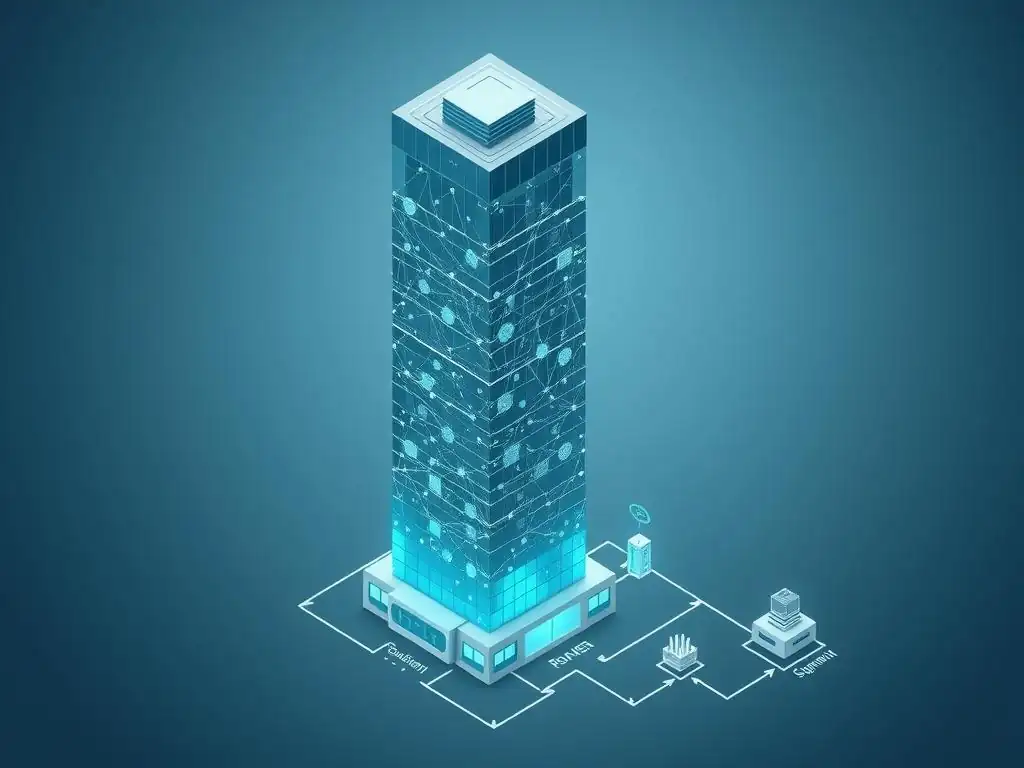
Traditional real estate transactions are notoriously expensive, involving a multitude of fees including agent commissions (often 5-6% of the property value), legal fees, title insurance, appraisal costs, and various administrative charges. These costs add up significantly and act as a barrier to frequent trading or smaller transactions. Blockchain real estate tokenization has the potential to drastically reduce these costs by streamlining or eliminating many of the intermediary functions.
By automating processes through smart contracts and providing a direct peer-to-peer or exchange-based trading environment, tokenization can significantly lower or even remove traditional commissions and fees. While there will still be costs associated with platform usage, legal structuring, and potentially brokerage fees on exchanges, the overall cost structure is expected to be much lower, particularly for secondary market trades. Estimates vary, but some studies suggest potential cost reductions of 1-3% or more compared to traditional sales, making real estate investment and trading more efficient and cost-effective.
Portfolio Diversification: Accessing a Wider Range of Properties
Tokenization enables investors to build diversified real estate portfolios with greater ease and lower capital requirements than ever before. In the traditional market, diversifying across different property types (e.g., residential, commercial, industrial, retail) and geographies requires significant capital and navigating multiple distinct markets. An investor might need to buy a whole house in one city and a whole office unit in another to achieve basic diversification.
With tokenization, an investor can purchase tokens representing fractions of various properties across different sectors and locations. They could own a small percentage of a shopping mall in one country, a residential building in another, and a logistics center elsewhere, all within a single investment portfolio managed through a digital wallet. This ability to easily invest small amounts across a wide array of tokenized real estate assets allows investors to spread risk and tailor their exposure to different market segments and economic conditions, significantly enhancing portfolio diversification – a key benefit of blockchain real estate tokenization.
Exploring the Advantages of Tokenization for Property Owners
Access to Capital: Raising Funds More Efficiently
For property owners and developers, tokenization offers a powerful new avenue for accessing capital. Instead of relying solely on traditional bank loans, private equity, or selling the entire asset, owners can issue tokens representing equity or debt in their property. This allows them to raise funds by selling fractions of the property's value to a broad base of investors. This process can be faster and more flexible than traditional financing methods, potentially unlocking capital that was previously tied up in illiquid assets.
For instance, a developer needing funds for a new project phase might tokenize a portion of an existing completed building to finance the next one, without taking on additional debt or selling the entire asset. This can provide greater financial flexibility and potentially lower the cost of capital compared to traditional loans or equity raises, depending on market demand for the tokenized asset. The ability to tap into a global pool of investors directly is a major advantage provided by blockchain real estate tokenization.
Global Investor Base: Expanding Market Reach
Tokenization removes geographical barriers to real estate investment, opening up a property to a global pool of potential investors. Traditionally, selling a property or seeking investment is largely limited to local or regional markets due to legal complexities, lack of information, and difficulties in conducting cross-border transactions. Tokenization allows anyone with an internet connection and access to the relevant platform (and who meets regulatory requirements) to invest in a property located anywhere in the world.
For a property owner in, say, New York, tokenizing their building means they are no longer limited to finding buyers or investors only in the US. They can potentially attract investment from Europe, Asia, or South America, provided the platform and legal structure support international participation. This dramatically expands the potential market for the asset, increasing the likelihood of finding investors and potentially achieving a better valuation. Tapping into this global liquidity is a significant benefit of blockchain real estate tokenization for property owners.
Faster Transaction Times: Accelerating the Sales Process
Just as tokenization speeds up the buying and selling process for investors, it also accelerates the capital raising or exit process for property owners. Conducting a traditional property sale or securing equity investment can take many months, involving extensive negotiations, due diligence, and legal procedures. Issuing and selling tokens, while still requiring initial setup and legal structuring, can significantly shorten the time it takes to raise capital or divest ownership.
Once the tokenization framework is in place and the tokens are issued, subsequent transfers between investors on a secondary market can happen in minutes or hours, not months. For a property owner looking to sell a portion of their equity, conducting a security token offering (STO) can potentially be completed faster than finding a single buyer for a large stake or the entire property through traditional channels. While the initial STO process still takes time, the potential for rapid subsequent trading among token holders represents a fundamental shift towards faster liquidity provided by blockchain real estate tokenization.
Streamlined Property Management
Blockchain and tokenization can also introduce efficiencies into property management. While tokenization primarily addresses ownership and investment, the underlying technology can be integrated with property management systems. Smart contracts can automate the distribution of rental income directly to token holders based on their proportional ownership, removing the need for manual calculations and payouts. This increases efficiency and transparency in income distribution.
Furthermore, blockchain can potentially be used to record and manage other aspects of property operations, such as maintenance requests, tenant interactions, or even voting on property-related decisions (e.g., approving major repairs or changes) among fractional owners. While this area is still developing, the potential for automated, transparent, and efficient management processes built on a distributed ledger exists. This streamlining of operations, combined with the benefits for ownership and liquidity, highlights the comprehensive potential of blockchain real estate tokenization.
Use Cases: Real-World Examples of Blockchain Real Estate Tokenization
Case Study 1: Tokenizing a Commercial Property
Consider a hypothetical example based on publicly discussed projects: the tokenization of a commercial office building in a major European city. Let's say a property valued at approximately $30 million was tokenized. The owner decided to sell a 40% stake ($12 million value) through a security token offering to raise capital for renovations and other investments. Instead of finding a single investor or a small group through traditional private equity channels, the owner partnered with a real estate tokenization platform.
The property was legally structured under an SPV, and 1.2 million tokens were issued on a blockchain, each representing $10 of equity in the SPV. The STO was conducted over several weeks, attracting investors from various countries. The use of blockchain ensured transparent tracking of investments and token distribution. While a traditional sale of a 40% stake might have taken 6-12 months, the STO process, from setup to capital raise, was completed in under 5 months. This case demonstrates how tokenization can provide faster access to capital from a wider investor base for commercial real estate assets.
Case Study 2: Fractional Ownership of Luxury Real Estate
Another common use case, inspired by projects like the tokenization of a share in the St. Regis Aspen Resort (though specific details vary by project), involves luxury real estate. Imagine a high-value asset, like a luxury villa valued at $15 million. Instead of selling it outright or pursuing a complex timeshare model, the owner decides to tokenize it, offering fractional ownership. They might issue 150,000 tokens, each priced at $100, representing 1/150,000th ownership or economic rights in the property.
This allows multiple investors to own a piece of a high-end asset they could never afford individually. Investors might purchase anywhere from 10 tokens ($1,000) to 1,000 tokens ($100,000). The blockchain records each investor's token balance, providing clear proof of their fractional ownership.
Rental income generated from the villa when not in use by owners is automatically distributed to token holders via smart contracts. Furthermore, investors can sell their tokens on a secondary market, providing an exit strategy far more liquid than finding a buyer for a specific fraction of a physical property deed. This exemplifies how blockchain enables accessible and liquid fractional ownership in the luxury sector, highlighting key blockchain real estate tokenization benefits.
Case Study 3: REITs and Blockchain Integration
Real Estate Investment Trusts (REITs) allow investors to own shares in portfolios of income-generating real estate. However, traditional REIT shares trade on stock exchanges, subject to stock market volatility, and accessing the underlying property data or specific asset performance can be indirect. Blockchain offers a way to potentially enhance REITs through tokenization. While not a pure single-property tokenization, this involves tokenizing shares of a REIT or even creating a tokenized fund that directly holds tokenized properties.
Imagine a tokenized REIT where each token represents a share in a portfolio of 10 tokenized commercial properties. The blockchain could potentially provide more granular transparency into the performance of individual assets within the portfolio, as each property's token data might be accessible (while respecting privacy).
Trading of these tokenized REIT shares could occur on security token exchanges, potentially offering different trading dynamics or access points compared to traditional stock markets. This integration of blockchain technology with existing real estate investment structures like REITs is an emerging area showcasing the broader potential of blockchain real estate tokenization benefits beyond individual assets.
Challenges and Considerations for Blockchain Real Estate
One of the most significant challenges for blockchain real estate tokenization is navigating the complex and often unclear regulatory landscape. Tokens representing real estate ownership or economic rights are typically classified as securities in many jurisdictions, including the United States and parts of Europe. This means token issuers must comply with stringent securities regulations, including registration requirements (unless an exemption applies), disclosure obligations, and rules regarding marketing and investor eligibility (e.g., only selling to accredited investors).
The legal frameworks for digital assets and their relationship to tangible assets like real estate are still evolving globally. Ensuring that the token structure legally conveys the intended rights to the token holder and is enforceable in relevant jurisdictions requires careful legal structuring. Discrepancies between property laws (which are highly localized) and digital asset regulations (which are global) add layers of complexity. Successful real estate tokenization projects require close collaboration between legal experts, blockchain developers, and real estate professionals to ensure compliance and investor protection.
Security Risks: Protecting Digital Assets
While blockchain technology itself is designed to be secure and immutable, the broader ecosystem surrounding real estate tokenization presents security risks that need careful consideration. Digital tokens are held in digital wallets, which can be vulnerable to hacking or loss if private keys are not managed securely by investors. Platforms facilitating token issuance and trading can also be targets for cyberattacks, potentially risking investor funds or sensitive data.
Furthermore, the smart contracts governing the tokens, while powerful, are susceptible to coding errors or vulnerabilities if not rigorously audited. A flaw in a smart contract could lead to unintended consequences, such as incorrect distribution of income or frozen assets. Protecting the link between the physical property and its digital representation also requires robust legal and technical safeguards. Mitigating these security risks is paramount to building trust and ensuring the long-term viability of blockchain real estate tokenization.
Market Adoption: Overcoming Resistance to Change
Despite the compelling blockchain real estate tokenization benefits, widespread market adoption faces significant hurdles. The real estate industry is traditionally slow to adopt new technologies, characterized by established practices, entrenched intermediaries (agents, brokers, lawyers, title companies), and a general resistance to change. Educating potential investors, property owners, and industry professionals about how tokenization works, its benefits, and its security is a major undertaking.
Building liquidity on secondary trading platforms for real estate tokens is also a challenge in the early stages. Without sufficient buyers and sellers, the promise of enhanced liquidity remains theoretical. Overcoming the inertia of traditional processes and building confidence in this new model requires successful pilot projects, clear regulatory guidance, and the development of user-friendly, reliable platforms. The pace of adoption will depend on demonstrating tangible value and ease of use compared to traditional methods.
Technical Complexity: Ensuring Interoperability
Implementing blockchain real estate tokenization involves significant technical complexity. Choosing the right blockchain platform, designing and auditing secure smart contracts, and integrating with existing real estate systems and financial infrastructure requires specialized expertise. Ensuring interoperability between different platforms and across various blockchains is also a challenge, potentially leading to fragmented markets if not addressed.
Furthermore, managing the connection between the on-chain digital token and the off-chain physical asset and its legal ownership requires careful technical and legal coordination. Processes for identity verification (KYC/AML), payment processing, and compliance monitoring need to be seamlessly integrated with the blockchain layer. Addressing this technical complexity and building robust, scalable, and interoperable solutions is crucial for the long-term success of blockchain real estate tokenization.
The Future of Real Estate Investment: Tokenization and Beyond
Predictions for the Growth of Blockchain Real Estate
Experts predict significant growth in the blockchain real estate market over the coming years, driven by increasing awareness of blockchain real estate tokenization benefits and maturing regulatory frameworks. While the market is still in its nascent stages, with total tokenized real estate value currently estimated in the low billions of dollars globally, forecasts suggest it could reach hundreds of billions or even trillions in the next decade. Factors contributing to this growth include increasing institutional interest, the development of more robust and compliant tokenization platforms, and greater investor demand for accessible and liquid real estate investments.
While mass adoption is still some years away, the trend towards digital assets and fractional ownership is clear. As regulatory clarity improves and successful case studies proliferate, more property owners and investors are expected to explore tokenization. The market will likely see growth first in specific niches, such as commercial real estate, luxury properties, or fund structures, before potentially expanding to broader residential markets. The long-term outlook points towards tokenization becoming a standard method for real estate investment and capital formation.
The Role of DeFi in Real Estate Tokenization
Decentralized Finance (DeFi) is expected to play an increasingly important role in the evolution of real estate tokenization. DeFi protocols operating on blockchains offer services like lending, borrowing, and trading without traditional intermediaries. Integrating tokenized real estate assets into the DeFi ecosystem could unlock even greater liquidity and financial innovation. For example, investors could potentially use their real estate tokens as collateral to borrow stablecoins through DeFi lending protocols, unlocking capital without selling their ownership stake.
Decentralized exchanges (DEXs) could provide alternative trading venues for real estate tokens, potentially offering 24/7 trading and increased accessibility compared to centralized platforms. Yield farming or liquidity mining protocols could incentivize providing liquidity for real estate tokens. While significant challenges related to valuation, legal enforceability, and regulatory compliance need to be addressed, the convergence of tokenized real estate and DeFi has the potential to create new financial instruments and markets, further enhancing the blockchain real estate tokenization benefits.
The Impact on Traditional Real Estate Models
Blockchain real estate tokenization is poised to have a transformative impact on traditional real estate models. Intermediaries whose primary function is information asymmetry or manual process execution (like certain aspects of brokerage, escrow, or title search) may see their roles evolve or diminish as processes become automated and transparent on the blockchain. Traditional funding mechanisms, such as bank loans and private equity raises, will face competition from potentially faster and more accessible tokenization methods.
While traditional real estate professionals won't disappear entirely – expertise in property valuation, management, and legal structuring remains crucial – their services will likely adapt to integrate with tokenized assets. The market structure could shift towards more direct peer-to-peer transactions and exchange-based trading, reducing reliance on traditional, opaque marketplaces. Ultimately, tokenization has the potential to make the entire real estate market more efficient, transparent, and accessible, fundamentally altering how real estate is owned, traded, and financed.
Frequently Asked Questions
How does blockchain enhance liquidity in the real estate market through tokenization?
Blockchain enables fractional ownership of properties via tokens, making real estate investments more accessible to a wider range of investors. This increases liquidity by allowing investors to buy and sell smaller portions of a property much easier than traditional methods.
What are the primary benefits of fractional ownership of real estate facilitated by blockchain?
Fractional ownership through blockchain offers benefits such as lower entry barriers, increased diversification, and enhanced transparency. It also allows for easier trading and management of real estate assets.
What role does DeFi (Decentralized Finance) play in blockchain real estate tokenization?
DeFi platforms can provide lending and borrowing opportunities against real estate tokens, further enhancing their utility. This integration allows for greater financial flexibility and access to capital.
What regulatory considerations are important when implementing blockchain-based real estate tokenization?
Compliance with securities laws is crucial, as tokens representing fractional ownership are often considered securities. Understanding and adhering to local and international regulations is essential for legal and sustainable implementation.
Beyond liquidity, what other enterprise applications does blockchain offer for the real estate industry?
Blockchain can streamline processes like title insurance and property management, improving efficiency and reducing costs. It also provides a secure and transparent ledger for all transactions.
Final Reflection: Embracing the Future of Real Estate Investment
The exploration of blockchain real estate tokenization benefits reveals a profound shift in how we perceive and interact with property ownership. The democratization of real estate investment, once a distant dream, is now within reach, empowered by the transparency and accessibility that blockchain technology provides. This isn't just about technological advancement; it's about reshaping financial landscapes and empowering individuals to participate in markets previously reserved for the elite.
The impact of tokenization extends far beyond mere fractional ownership. It's fundamentally altering the cultural and social landscape of investment, fostering inclusivity and challenging traditional barriers. Witnessing this evolution firsthand underscores the transformative power of technology to level the playing field and create opportunities for all. The future of real estate is not just about bricks and mortar, but about the seamless integration of technology and finance to unlock value and empower individuals.
This quote encapsulates the essence of what we've explored: a future where real estate investment is no longer a privilege, but an accessible avenue for wealth creation.
As we conclude this exploration, I invite you to consider the implications of blockchain real estate tokenization in your own life. How can you leverage these emerging technologies to diversify your portfolio, access new investment opportunities, and contribute to a more equitable financial future? The power to shape the future of real estate lies within our collective understanding and adoption of these innovative solutions. Embrace the possibilities, explore the potential, and become a part of the revolution that's reshaping the world of property investment.
Ignite Your Real Estate Revolution!
Thank you for exploring how blockchain is transforming real estate investment! You've discovered the potential of tokenization to increase liquidity and broad access. Are you ready to get involved?
Here are some ways to deepen your understanding and participate in this exciting movement:
- Explore fractional ownership platforms. Find out where you can buy or sell tokenized real estate, even with a small investment. This is your starting point!
- Calculate your potential real estate gains. Use our free ROI calculator to see how tokenization can help maximize your profits.
- Join the conversation on our blockchain forum! Share your insights and connect with fellow real estate enthusiasts and blockchain experts.
What innovative idea for real estate tokenization will you share with our Blockchain Trends community today?
Leave a Reply