
NFT Storytelling: Immersive Narratives and BlockchainBased Experiences

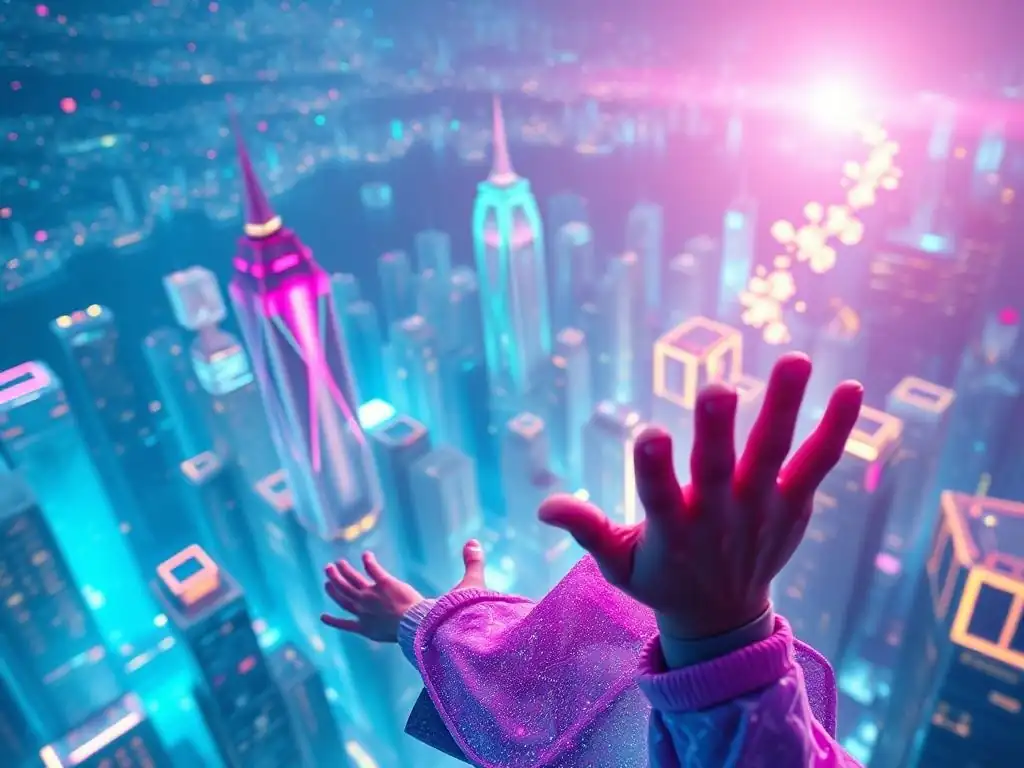
Welcome to Blockchain Trends, your go-to source for understanding the real-world applications of blockchain technology. Ever wondered how blockchain is revolutionizing art and entertainment? Dive into our exploration of NFT storytelling and discover how creators are crafting immersive narratives and experiences using the power of decentralized systems. Uncover the fascinating possibilities and the future of blockchain-based storytelling – the journey starts here!
NFT Storytelling: Immersive Narratives and Blockchain-Based Experiences
- Introduction: The Rise of NFT Storytelling
- What is NFT Storytelling? Defining Immersive Blockchain Narratives
- The Benefits of Using NFTs for Storytelling
- Examples of Successful NFT Storytelling Projects
- The Technical Aspects of Creating NFT Stories
- Challenges and Considerations in NFT Storytelling
- The Future of NFT Storytelling: Trends and Predictions
- NFT Storytelling: A New Era for Creators and Audiences
-
Frequently Asked Questions
- How does blockchain technology enhance NFT storytelling?
- What are some examples of immersive blockchain-based experiences in NFT storytelling?
- How can NFTs revolutionize traditional storytelling formats like books or movies?
- What are the regulatory considerations surrounding NFT storytelling and blockchain-based experiences?
- What is the future potential for NFT storytelling and immersive blockchain narratives?
- Final Reflection: Weaving Worlds with NFTs
- Ignite Your Imagination: Craft Your NFT Narrative!
Introduction: The Rise of NFT Storytelling
Exploring the Intersection of NFTs and Narrative
The convergence of Non-Fungible Tokens (NFTs) and narrative is birthing a new frontier in creative expression: NFT storytelling. This innovative approach moves beyond static digital collectibles, leveraging the unique properties of blockchain assets to build dynamic, evolving, and often interactive story worlds. Unlike traditional media where consumers are often passive recipients, NFT storytelling transforms the audience into participants, stakeholders, and sometimes, even co-creators of the narrative. Each NFT can represent a character, a location, a key plot point, an item of lore, or even a piece of a larger, unfolding saga, verifiable on a public ledger.
This integration fundamentally changes the relationship between creator and audience. For example, owning an NFT representing a specific character might grant the holder exclusive access to backstory elements, participation in future plot decisions, or even rights to use that character in derivative works.
This level of immersion and verifiable ownership was previously difficult, if not impossible, to achieve at scale. The unique, immutable nature of NFTs ensures that each piece of the narrative distributed via blockchain is distinct and provably owned, laying the groundwork for complex, decentralized storylines that can evolve over time based on community interaction and creator releases.
Why Blockchain is Revolutionizing Storytelling
Blockchain technology provides the foundational infrastructure that makes NFT storytelling possible, introducing unprecedented levels of transparency, provenance, and programmability to narrative assets. Traditionally, digital stories or assets were easily copied and lacked clear ownership trails, making it difficult for creators to monetize or for audiences to truly "own" a piece of the narrative world. Blockchain solves this by providing a decentralized, immutable ledger that records the creation and ownership history of each NFT, ensuring its authenticity and scarcity.
Furthermore, smart contracts, code stored on the blockchain, enable automated execution of rules and agreements, opening up possibilities for interactive and dynamic narratives. A smart contract attached to an NFT could, for instance, automatically unlock new story content for the owner after a specific date, trigger an event based on the ownership of multiple related NFTs, or distribute royalties to creators upon secondary sales. This programmable layer allows for complex interactions and evolving storylines that respond to the actions of NFT holders, creating truly immersive blockchain narratives that transcend the limitations of traditional digital media formats.
What is NFT Storytelling? Defining Immersive Blockchain Narratives
Key Characteristics of NFT Storytelling Experiences
Immersive blockchain narratives, often facilitated through NFT storytelling, possess several defining characteristics that set them apart from conventional media. Foremost is verifiable digital ownership, where participants don't just consume the story but own elements of it, recorded on a blockchain like Ethereum or Polygon. This ownership can grant access to exclusive content, influence narrative direction, or provide utility within associated metaverses or games. A second characteristic is interoperability, the potential for narrative assets (NFTs) to be recognized and utilized across different platforms or digital environments, although this is still an evolving area.
Another crucial aspect is community participation and governance. Many successful NFT storytelling projects empower their communities, allowing holders to vote on plot points, character developments, or future directions via decentralized autonomous organizations (DAOs). This shifts the storytelling model from a top-down creator-to-consumer flow to a more collaborative, bottom-up ecosystem. Finally, these experiences often feature dynamic elements; NFTs can evolve or change based on events within the story world, holder actions, or creator updates, making the narrative a living, breathing entity rather than a fixed artifact.
How NFTs Enable New Forms of Interactive Storytelling
NFTs serve as powerful tools for building interactive storytelling experiences that were previously difficult to implement. By tokenizing characters, items, locations, or moments, creators can design narratives where ownership of specific NFTs acts as a key to unlock different story paths or secret content. For example, possessing a rare "Artifact of Eldoria" NFT might grant access to a hidden chapter or a special quest line within a game built around the narrative.
Moreover, NFTs can represent states or attributes that change over time or through interaction. A character NFT might gain new traits or visual characteristics based on how the holder engages with the story or participates in community events. This creates a personalized and evolving narrative experience tied directly to the user's unique blockchain assets. The ability to track ownership and transferability of these narrative components on the blockchain also facilitates complex branching narratives and collaborative storytelling where different users' NFT holdings collectively influence the broader storyline.
The Benefits of Using NFTs for Storytelling
Enhanced Ownership and Engagement for Audiences
One of the most significant benefits of NFT storytelling is the profound level of ownership and engagement it fosters among audiences. When a fan owns an NFT representing a piece of their favorite story – be it a character, a unique prop, or a limited edition scene – they become more than just a viewer; they become a stakeholder. This verifiable digital ownership, recorded transparently on the blockchain, creates a deeper connection to the narrative world and its characters.
This sense of ownership often translates directly into increased engagement. Holders of narrative NFTs are more likely to participate in community discussions, attend virtual events, and interact with the story as it unfolds, knowing their participation or ownership has tangible value and potential influence. For instance, early data from some NFT-based comic projects suggests that holders of character NFTs are significantly more active in community forums and participate in polls at higher rates compared to general fans, demonstrating a clear link between ownership and engagement levels in NFT storytelling immersive blockchain narratives.
Novel Revenue Streams for Creators and Storytellers
NFT storytelling unlocks innovative and potentially lucrative revenue streams for creators, moving beyond traditional models reliant on single sales or subscriptions. Creators can generate revenue from the initial sale of their narrative NFTs, setting different price points based on rarity or utility. Crucially, blockchain technology enables smart contracts to automatically enforce royalty percentages on secondary market sales. A creator might set a 7% royalty fee, meaning every time their narrative NFT is resold on a marketplace, they automatically receive 7% of the sale price, providing a continuous income stream as their story assets trade hands and appreciate in value.
Beyond direct sales and royalties, creators can build entire economies around their narrative NFTs. This includes selling digital merchandise tied to the story, offering exclusive experiences or content only accessible to NFT holders, or even launching native tokens or fractionalized ownership models for highly sought-after narrative assets. This multi-faceted approach allows creators to capture value at various points in the story's lifecycle and build sustainable businesses directly tied to their intellectual property on the blockchain.
Building Decentralized Storytelling Ecosystems
NFT storytelling facilitates the creation of decentralized storytelling ecosystems where the narrative is not solely controlled by a single entity but is influenced and potentially governed by the community of NFT holders. Blockchain enables transparent and verifiable mechanisms for community participation, such as voting on plot developments via DAOs. This distributed control can lead to more diverse and community-resonant storylines.
These ecosystems often foster vibrant communities around shared ownership and passion for the narrative. Holders can form guilds, collaborate on fan fiction or art using their owned assets (often with creator permission facilitated by NFT rights), and collectively contribute to the world-building. This decentralized model can lead to greater longevity and organic growth for a story world, as its future is partially entrusted to its most dedicated fans, creating a powerful network effect for NFT storytelling immersive blockchain narratives.
Examples of Successful NFT Storytelling Projects
Case Study 1: Bored Ape Yacht Club - Community-Driven Narrative and Brand Building
While not initially marketed purely as a "story," the Bored Ape Yacht Club (BAYC) has become a prime example of community-driven NFT storytelling and brand building. Launched in April 2021, the project centered around a collection of 10,000 unique Bored Ape NFTs. The initial concept established a loose premise: a group of apes who got filthy rich and are now hanging out in a swampy club. However, the true narrative evolved with the community. Holders began creating backstories and personalities for their specific apes.
Yuga Labs, the creators, leaned into this, introducing companion collections like the Bored Ape Kennel Club (dogs) and Mutant Ape Yacht Club (mutated apes), expanding the lore and providing new narrative elements. They also hosted real-world and virtual events, created merchandise, and even launched ApeCoin ($APE), a utility and governance token for the ecosystem.
The community's engagement and the creators' strategic expansion have turned the BAYC into a cultural phenomenon and a sprawling narrative universe, demonstrating how NFT ownership can fuel collective storytelling and build a massive brand valuation, estimated to be in the billions of dollars for the overall ecosystem.
Case Study 2: Cryptoon Goonz - Interactive Comic and Metaverse Integration
Cryptoon Goonz, a project by artist @SeanTat2s, offers a more direct example of NFT storytelling focused on a comic book narrative. The project features a collection of cartoon-style character NFTs. Ownership of these NFTs grants holders access to an ongoing digital comic series set in the Goonz universe. The narrative follows the adventures of these characters, with plot points sometimes influenced by community interaction and holder feedback.
Beyond the comic itself, Cryptoon Goonz has expanded into the metaverse, allowing holders to use their NFTs as avatars in virtual worlds like The Sandbox. This integration creates an immersive blockchain narrative experience where fans can not only read the story but also inhabit the world using their owned assets. The project demonstrates how NFTs can serve as keys to episodic content and bridges into interactive digital environments, providing a tangible example of how narrative can be delivered and experienced through blockchain assets.
Lessons Learned from Pioneering NFT Storytelling Initiatives
Early NFT storytelling initiatives like BAYC and Cryptoon Goonz offer valuable lessons. First, community is paramount. Projects that successfully engage and empower their holders to contribute to the narrative tend to build stronger, more resilient ecosystems. Second, utility matters; providing holders with access to content, experiences, or governance rights beyond just the digital art itself is crucial for long-term engagement. BAYC's success is heavily tied to the utility and status associated with holding an Ape.
Third, narrative can be emergent. While creators can provide a foundational premise, allowing the story to evolve with community input can lead to more dynamic and beloved worlds. Cryptoon Goonz's interactive elements and metaverse presence highlight the importance of delivering the narrative through engaging, multi-platform experiences enabled by the NFTs. Finally, clear communication about the vision and roadmap is essential to manage community expectations in the volatile landscape of NFT storytelling immersive blockchain narratives.
The Technical Aspects of Creating NFT Stories

Choosing the Right Blockchain for your Narrative
Selecting the appropriate blockchain is a critical technical decision when embarking on NFT storytelling. Each blockchain has different characteristics regarding transaction speed, cost (gas fees), environmental impact, and ecosystem maturity. Ethereum was the first and remains the largest platform for NFTs, offering robust infrastructure and broad compatibility with marketplaces. However, its high gas fees can be prohibitive for frequent, low-value transactions often associated with interactive narrative elements.
Alternatives like Polygon (a layer-2 solution for Ethereum), Flow, and Solana offer faster transactions and significantly lower fees, making them more suitable for projects requiring high-volume interactions or involving many participants. Flow, for instance, was designed specifically for consumer-friendly applications like games and digital collectibles. When choosing, creators must weigh the trade-offs between ecosystem size, transaction costs, speed, and the specific technical requirements of their planned NFT storytelling immersive blockchain narratives.
Smart Contracts and Interactive Storytelling Mechanics
Smart contracts are the backbone of interactive NFT storytelling. These self-executing pieces of code, stored on the blockchain, automatically run when predetermined conditions are met. For narrative purposes, smart contracts can be programmed to handle a variety of functions:
- Content Unlocking: A smart contract can verify NFT ownership and grant access to specific digital content (e.g., a new chapter, an audio log, a video clip).
- NFT Evolution: Contracts can be written to allow NFTs to change their metadata or appearance based on events (e.g., a character NFT "levels up" after the holder completes a task).
- Token Gating: Smart contracts can restrict access to Discord channels, websites, or virtual spaces only to holders of specific narrative NFTs.
- Voting Mechanisms: For DAO-governed narratives, smart contracts can facilitate secure and transparent voting processes where the weight of a vote might be tied to the number or rarity of owned NFTs.
// Example snippet (simplified) for unlocking content based on NFT ownership
contract NarrativeContentUnlocker {
    mapping(uint256 => bool) public unlockedContent;
    IERC721 public narrativeNFT; // Address of the NFT contract

    constructor(address _nftAddress) {
        narrativeNFT = IERC721(_nftAddress);
    }

    function unlockNarrativePiece(uint256 _tokenId, uint256 _contentId) public {
        // Check if the caller owns the NFT
        require(narrativeNFT.ownerOf(_tokenId) == msg.sender, "Not the owner of this NFT");

        // Check if content is not already unlocked for this NFT
        require(!unlockedContent[_contentId], "Content already unlocked");

        // Logic to unlock content (e.g., store state, emit event)
        unlockedContent[_contentId] = true;
        // Potentially trigger an event to signal content unlock
        emit ContentUnlocked(_tokenId, _contentId);
    }

    event ContentUnlocked(uint256 indexed tokenId, uint256 indexed contentId);
}
This simplified example illustrates how a smart contract can verify ownership ( narrativeNFT.ownerOf(_tokenId) == msg.sender) before allowing an action, like unlocking content ( unlockedContent[_contentId] = true). Complex narratives can chain together multiple smart contract interactions to create rich, responsive story experiences.
NFT Metadata and Visual Storytelling
NFT metadata is the data associated with a token that gives it meaning and defines its properties. While the token itself exists on the blockchain, the metadata, which typically includes the asset's name, description, and a link to the digital file (like an image, video, or text file), is often stored off-chain due to blockchain storage limitations and costs. This metadata is crucial for visual storytelling and conveying narrative information.
The metadata links the NFT to the actual visual or textual content that tells the story. For a character NFT, the metadata points to the character's image, but can also include attributes like "Strength: 10", "Faction: Elara", or "Last Seen: Whispering Woods" – elements that build the narrative.
For a dynamic story, the metadata link might point to a JSON file that is updated as the story progresses, allowing the NFT's representation on marketplaces or galleries to change, visually reflecting the narrative's evolution. Careful management of metadata integrity and ensuring reliable storage (often via decentralized systems like IPFS) is vital for maintaining the persistent identity and narrative context of the NFT.
Challenges and Considerations in NFT Storytelling
Security and Copyright Issues in Blockchain Narratives
Despite the transparency of the blockchain, security and copyright issues remain significant challenges for NFT storytelling. While blockchain verifies ownership of the token, it doesn't automatically protect the underlying creative content (the story, art, music) from being copied or misused elsewhere online. Creators still need traditional copyright measures to protect their intellectual property. Furthermore, smart contract vulnerabilities can pose security risks; bugs in the code could potentially allow attackers to steal NFTs or manipulate narrative elements.
Another concern is the potential for scams, phishing attacks, and fraudulent projects within the NFT space, which can erode trust. Users must be vigilant about wallet security and verifying the legitimacy of projects. Clear terms regarding the rights granted to NFT holders (e.g., commercial use rights, rights to create fan works) are also crucial but complex to implement and enforce purely on-chain, often requiring a combination of blockchain proof of ownership and traditional legal frameworks.
The Environmental Impact of NFT Storytelling
The environmental impact of some blockchains used for NFTs has been a significant point of criticism. Proof-of-Work (PoW) blockchains like the original Ethereum mainnet consumed substantial amounts of energy due to the computational power required for mining. This raised concerns about the carbon footprint of NFT creation and trading.
However, the blockchain landscape is rapidly evolving. Ethereum has transitioned to Proof-of-Stake (PoS) with "The Merge," dramatically reducing its energy consumption by over 99%. Other blockchains like Polygon, Flow, and Solana were built on or utilize PoS or similar consensus mechanisms that are inherently far more energy efficient than PoW. While energy consumption remains a consideration, particularly for projects still on or bridging with PoW chains, the industry trend towards PoS is mitigating this challenge for the future of NFT storytelling immersive blockchain narratives.
Accessibility and Inclusivity in Web3 Storytelling
Accessibility and inclusivity present hurdles for widespread adoption of NFT storytelling. Engaging with these narratives typically requires a certain level of technical literacy – understanding how to set up a crypto wallet, manage private keys, navigate marketplaces, and interact with decentralized applications (dApps). This technical barrier can exclude individuals who are not digitally native or lack experience with blockchain technology.
Furthermore, the financial barrier can be significant. The cost of NFTs, transaction fees (though decreasing on some chains), and the speculative nature of the market can make participation expensive and risky, potentially limiting access to affluent individuals. Projects aiming for truly immersive blockchain narratives need to consider user-friendly interfaces, educational resources, and potentially lower-cost entry points or alternative access methods to ensure their stories can be enjoyed by a broader and more diverse audience, fostering greater inclusivity in the Web3 space.
The Future of NFT Storytelling: Trends and Predictions
The Metaverse and Immersive Blockchain Experiences
The future of NFT storytelling is inextricably linked with the development of the metaverse. As persistent, interconnected virtual worlds emerge, narrative NFTs are poised to become crucial components of immersive blockchain experiences within them. Imagine using a character NFT as your avatar in a metaverse, with its traits and history from the story influencing your interactions or abilities in the virtual world.
NFTs representing digital land, items, or even moments in time within a narrative can provide tangible assets for users to own and interact with in these virtual spaces. This integration allows stories to extend beyond screens into spatial, interactive environments, creating deeper levels of immersion. The potential for interoperability between different metaverse platforms, while still largely aspirational, could allow narrative assets to retain their identity and utility across multiple digital worlds, vastly expanding the scope of NFT storytelling.
DAOs and Community-Driven Storytelling
Decentralized Autonomous Organizations (DAOs) are expected to play an increasingly significant role in the future of NFT storytelling. As communities form around popular narrative NFT projects, DAOs provide a framework for decentralized governance, allowing token holders to collectively make decisions about the story's direction, character development, or future releases.
This model shifts power from a centralized creative team to a distributed network of fans and stakeholders. While this presents challenges in terms of creative coherence and decision-making efficiency, it also opens up exciting possibilities for truly collaborative narratives where the community has a verifiable stake and voice. We may see DAOs funding new story arcs, commissioning fan art or fiction, or even voting on major plot twists, leading to more organic and community-resonant NFT storytelling immersive blockchain narratives.
The Evolution of Narrative in a Decentralized World
The evolution of narrative in a decentralized world will likely see stories become more dynamic, fragmented, and co-created. The traditional linear, fixed narrative is giving way to stories that are experienced through interactions with distributed assets (NFTs) and influenced by collective actions. Narratives may exist across multiple platforms – a comic series, a game, a social media ARG (Alternate Reality Game), and metaverse experiences – all linked by owned NFTs.
This decentralized approach challenges conventional storytelling structures but also offers unprecedented opportunities for depth and engagement. Creators will become more like world-builders and orchestrators, providing the foundational elements and framework, while the community, empowered by NFT ownership and DAO participation, helps shape the ongoing narrative. The future promises a landscape where stories are not just told, but lived and built collaboratively on the blockchain.
NFT Storytelling: A New Era for Creators and Audiences
Empowering Creators with Blockchain Technology
Blockchain technology, through NFTs and smart contracts, is fundamentally empowering creators, offering them new tools for creative expression, monetization, and direct audience connection. Creators can tokenize their intellectual property, ensuring verifiable ownership and provenance for their characters, worlds, and stories. This allows them to distribute their work directly to their audience, bypassing traditional intermediaries like publishers or studios, and retain a larger share of the revenue.
The ability to earn royalties on secondary sales provides a long-term, sustainable income stream tied to the enduring value of their narrative assets. Furthermore, blockchain enables creators to build direct, transparent relationships with their fanbase, offering exclusive content or experiences to NFT holders and fostering a loyal community around their work. This direct connection and innovative monetization potential mark a significant shift in the creator economy, particularly for those exploring NFT storytelling immersive blockchain narratives.
Connecting Audiences to Stories in New Ways
For audiences, NFT storytelling offers novel and deeper ways to connect with stories. Owning a piece of the narrative transforms the relationship from passive consumption to active participation and investment. Fans can collect, trade, and interact with story elements in tangible ways, building personal connections to characters and plot points represented by their unique NFTs.
The potential for interactive narratives, where audience actions or NFT holdings influence the storyline, creates a sense of agency and immersion. Being part of a community that collectively influences a story's direction via a DAO fosters a strong sense of belonging and shared purpose. This evolution moves beyond simply following a plot to actively participating in and shaping a living, breathing narrative world built on the transparency and ownership offered by the blockchain.
Conclusion: The Transformative Potential of NFT Storytelling
NFT storytelling represents a significant evolution in how stories are created, distributed, and experienced. By leveraging the unique properties of blockchain technology – verifiable ownership, transparency, and programmability via smart contracts – creators can build immersive blockchain narratives that are dynamic, interactive, and deeply engaging. While challenges related to technology, accessibility, and environmental impact exist, the rapid advancements in the Web3 space are addressing many of these issues.
The pioneering projects in this space have demonstrated the power of community, utility, and emergent narrative in building successful storytelling ecosystems. As the metaverse expands and DAO structures mature, the potential for truly immersive, co-created, and decentralized stories powered by NFTs will only grow. NFT storytelling is not just a fleeting trend; it is a transformative force poised to redefine the relationship between storytellers, their narratives, and the audiences who bring them to life.
Frequently Asked Questions
How does blockchain technology enhance NFT storytelling?
Blockchain enables verifiable ownership and provenance tracking of digital assets, creating a more secure and transparent environment for creators and collectors of NFT stories. This fosters trust and allows for new forms of digital scarcity.
What are some examples of immersive blockchain-based experiences in NFT storytelling?
Examples include interactive narratives where NFT ownership unlocks specific chapters or character perspectives, and virtual worlds where NFTs represent unique in-world assets and experiences that contribute to the story. Think of it as gamified storytelling.
How can NFTs revolutionize traditional storytelling formats like books or movies?
NFTs can allow fractional ownership of intellectual property, enabling direct funding from fans and creating new revenue streams for creators. They also facilitate community engagement and co-creation within the narrative world.
What are the regulatory considerations surrounding NFT storytelling and blockchain-based experiences?
Regulatory landscapes are still evolving, but key concerns include intellectual property rights, securities laws, and consumer protection. Navigating these complexities is crucial for the long-term sustainability of NFT storytelling.
What is the future potential for NFT storytelling and immersive blockchain narratives?
The future holds potential for personalized storytelling experiences, AI-driven narrative generation linked to NFT ownership, and the creation of entirely new forms of interactive and decentralized entertainment. The metaverse is a key player here.
Final Reflection: Weaving Worlds with NFTs
The journey through NFT storytelling immersive blockchain narratives reveals more than just a technological innovation; it unveils a fundamental shift in how we create, consume, and connect with stories. The potential for decentralized ownership and verifiable scarcity, combined with the power of immersive experiences, is not just a trend, but a nascent revolution in the art of narrative.
This exploration has highlighted the profound influence of blockchain technology on the cultural landscape, allowing creators to bypass traditional gatekeepers and forge direct connections with their audiences. The ability to own a piece of a story, to actively participate in its unfolding, transforms the passive consumer into an engaged co-creator. Stories are not just things we tell; they are things we live by.
This quote underscores the power of narratives to shape our understanding of the world, and NFTs are providing new avenues for these stories to resonate and endure.
Now, consider the implications of this shift. How can you, as a creator or a consumer, embrace the potential of NFT storytelling? Let the narratives you create or support be those that foster connection, inspire innovation, and build a more equitable and engaging future for storytelling. The blockchain is a new canvas; let us paint it with stories that matter.
Ignite Your Imagination: Craft Your NFT Narrative!
Thank you for exploring the exciting world of NFT storytelling with us! We hope you've gained a new appreciation for how blockchain technology can unlock immersive and engaging narrative experiences. Now, it's time to bring these ideas to life.
Here are a few ways you can dive deeper into the world of NFT storytelling:
- Develop a proof-of-concept for your own NFT-based story. Imagine the possibilities—branching narratives, unlockable content, or collaborative storytelling. Start small, think big!
- Explore emerging NFT storytelling platforms and communities. See how creators are pushing the boundaries and find inspiration for your own projects.
- Share this article with a fellow creative or blockchain enthusiast to spark a conversation about the future of narrative experiences.
What innovative NFT storytelling idea are you most excited to explore, and what unique twist will you add to your story?
Leave a Reply