
Trezor Model T: Exploring the Flagship Hardware Wallet for Crypto Enthusiasts

Welcome to Blockchain Trends, your guide to understanding the revolutionary world of blockchain technology. Beyond just cryptocurrencies, we delve into the exciting applications shaping the future. Intrigued by securing your digital assets? Let's dive deep into the Trezor Model T security features, and discover why this flagship hardware wallet is a must-have for serious crypto enthusiasts. Ready to unlock the secrets to protecting your digital wealth?
- Real-World Applications of Trezor Model T Security Features
-
Frequently Asked Questions
- How does the Trezor Model T protect my private keys?
- What are the key security features of the Trezor Model T that make it a flagship hardware wallet?
- Can the Trezor Model T be used for more than just storing cryptocurrencies?
- What happens if my Trezor Model T is lost or stolen?
- How does the Trezor Model T address the risk of physical attacks?
- Final Reflection: Securing the Future of Digital Assets
- Unlock Your Crypto Security Potential!
Real-World Applications of Trezor Model T Security Features
Case Studies: Users Who Benefited from Trezor Model T
The robust Trezor Model T security features have proven invaluable in protecting digital assets against a myriad of online threats. Consider the hypothetical case of a long-term cryptocurrency investor targeted by sophisticated phishing attacks. They receive seemingly legitimate emails or encounter malicious websites designed to steal their private keys.
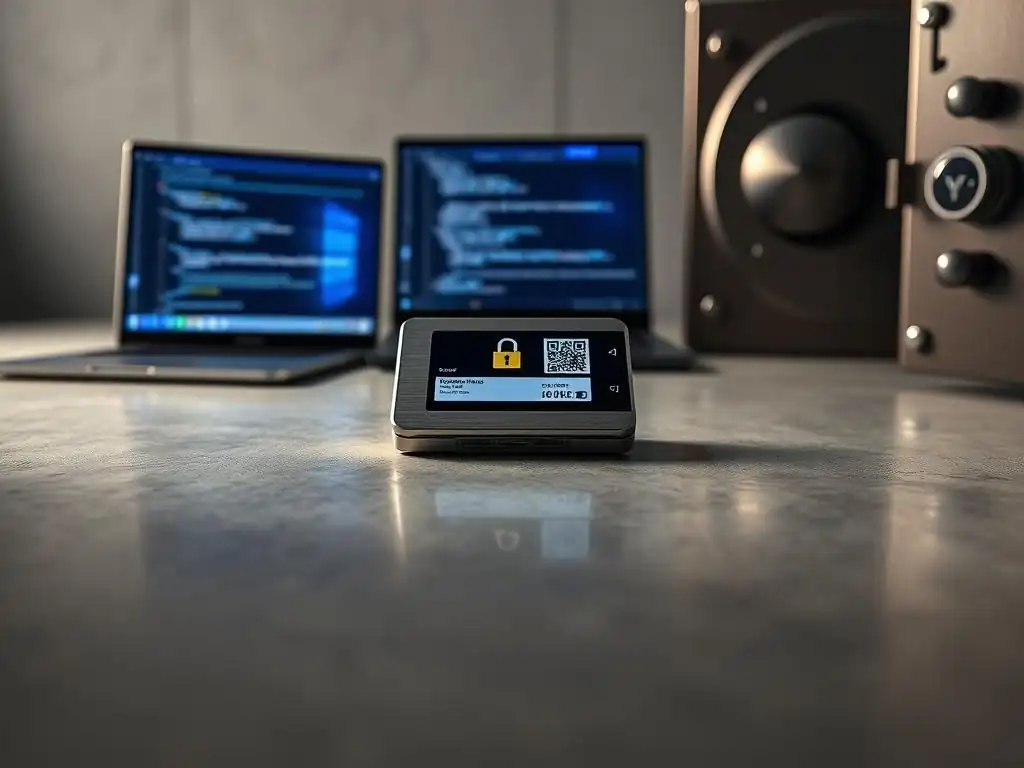
However, because their significant crypto holdings are secured on a Trezor Model T, the private keys never leave the device's secure chip. Any attempt to sign a transaction requires physical confirmation on the device's touchscreen, making it impossible for remote attackers to access or move funds. This physical barrier, a core aspect of the Trezor Model T security features, effectively neutralizes online threats like phishing and malware that compromise software wallets.
Another scenario involves users managing substantial amounts of cryptocurrency who might be operating on computers potentially infected with malware or keyloggers. While a software wallet on such a compromised machine would be highly vulnerable, the Trezor Model T's air-gapped transaction signing process ensures that even if the computer is compromised, the sensitive private keys remain isolated within the hardware wallet.
The user verifies transaction details directly on the Trezor Model T screen before approving, preventing malware from altering transaction specifics or stealing keys. This critical security measure, part of the comprehensive Trezor Model T security features package, offers a vital layer of defense against persistent threats targeting users' computing environments.
How Trezor Model T Supports DeFi and Enterprise Applications
Interacting with Decentralized Finance (DeFi) protocols often involves signing complex transactions and granting permissions to smart contracts. The Trezor Model T security features provide a necessary layer of protection in this volatile environment. When a user connects their Trezor Model T to a web-based DeFi application, the sensitive signing process is offloaded from the potentially vulnerable computer to the secure hardware device.
The Trezor Model T displays the crucial transaction details for verification on its trusted screen before the user physically confirms the signature. This prevents malicious smart contracts or compromised web interfaces from tricking the user into signing unintended transactions, such as approving unlimited spending allowances or transferring assets to attacker-controlled addresses.
For enterprises managing corporate crypto treasuries or integrating blockchain technology into their operations, the need for stringent security is paramount. The Trezor Model T security features offer a professional-grade solution for securely storing and managing private keys associated with significant capital.
Its air-gapped signing, robust recovery options, and PIN protection make it suitable for scenarios requiring multi-signature setups or secure access control policies. While large enterprises might use more complex custodial solutions, for businesses looking for a non-custodial hardware-based approach to manage substantial on-chain assets securely, the Trezor Model T provides a reliable foundation, mitigating risks associated with employee error, internal threats, or external cyberattacks targeting hot wallets or less secure storage methods.
Regulatory Compliance: Ensuring Security in a Changing Landscape
As regulatory frameworks around cryptocurrency evolve globally, demonstrating secure asset management practices is becoming increasingly important for both individuals and businesses. The Trezor Model T security features inherently support compliance by providing a verifiable method of secure private key storage and transaction execution.
By using a hardware wallet, users maintain direct control over their private keys, aligning with principles that emphasize self-custody and the mitigation of counterparty risk, which can be relevant for certain regulatory reporting requirements or audits. The transparent nature of transaction signing, where details are confirmed on the device, also provides a clear audit trail for on-chain activity initiated by the wallet.
Furthermore, for businesses operating in regulated environments, the ability to prove secure control over digital assets without relying on third-party custodians can be a significant advantage. The Trezor Model T security features, including the secure element and the requirement for physical interaction, offer a high standard of cryptographic security that can help meet requirements for protecting sensitive financial data.
While specific regulations vary, adopting best practices in key management using devices like the Trezor Model T demonstrates a commitment to security and risk mitigation, which is a common expectation across financial compliance standards, thus aiding entities in navigating the complex and changing landscape of crypto regulation.
Frequently Asked Questions
How does the Trezor Model T protect my private keys?
The Trezor Model T stores your private keys offline, meaning they never touch your computer or the internet. This significantly reduces the risk of online hacking and malware attacks.
What are the key security features of the Trezor Model T that make it a flagship hardware wallet?
The Trezor Model T boasts features like a secure element, a touchscreen interface for transaction verification, and advanced cryptography to protect your digital assets.
Can the Trezor Model T be used for more than just storing cryptocurrencies?
Yes, beyond storing cryptocurrencies, the Trezor Model T also supports password management and U2F authentication, adding an extra layer of security to your online accounts.
What happens if my Trezor Model T is lost or stolen?
If your Trezor Model T is lost or stolen, you can use your recovery seed (a 12 or 24-word phrase) to restore your wallet and access your funds on a new device, ensuring your funds are safe.
How does the Trezor Model T address the risk of physical attacks?
The Trezor Model T incorporates a sealed enclosure and secure boot process to prevent tampering and protect against physical attacks aimed at extracting your private keys.
Final Reflection: Securing the Future of Digital Assets
The exploration of the Trezor Model T's security features underscores a vital truth in today's digital landscape: self-custody is paramount for safeguarding cryptocurrency investments. As we've delved into the intricacies of its architecture, from the secure element to the advanced cryptographic protocols, it becomes clear that hardware wallets like the Trezor Model T are not merely accessories, but essential tools for navigating the decentralized world with confidence. The increasing sophistication of cyber threats demands a proactive approach to security, and the Model T offers a robust defense against potential attacks.
The impact of secure hardware wallets extends far beyond individual users; it shapes the very foundation of trust within the cryptocurrency ecosystem. The ability to independently verify and control one's digital assets is a cornerstone of decentralization, empowering individuals and fostering a more resilient financial system. This resonates deeply with the original ethos of blockchain technology, where transparency and autonomy reign supreme. Not your keys, not your coins
– this simple adage encapsulates the fundamental principle that ownership requires control, and the Trezor Model T provides precisely that.
Now, as you navigate the exciting, yet often complex, world of cryptocurrency, remember the lessons learned about the Trezor Model T's security features. Don't simply rely on centralized exchanges or custodial services. Take control of your financial future. Invest in your own security. Explore the possibilities of self-custody and empower yourself with the knowledge and tools necessary to protect your digital assets. The future of finance is decentralized, and it's in your hands to secure it.
Unlock Your Crypto Security Potential!
Thanks for diving into the world of the Trezor Model T! We hope you found valuable insights into securing your digital assets with this powerful hardware wallet. Now, it's time to take control and safeguard your crypto.
Here's what you can do next:
- Take the leap and purchase your own Trezor Model T! Secure your future by ordering directly from Trezor's official website.
- Explore advanced security settings on your current wallet and compare them with the Trezor Model T's capabilities to identify areas for improvement.
- Share this article with fellow crypto enthusiasts to help them understand the importance of hardware wallet security.
What advanced security feature of the Trezor Model T excites you the most, and how will it impact your crypto strategy?
Leave a Reply