
Charity 2.0: Upgrading Philanthropy with Blockchain Innovations


Welcome to Blockchain Trends, your guide to understanding the real-world impact of this revolutionary technology.
Ever wondered how blockchain can build trust and accountability in the non-profit sector? Dive into our latest article and discover how blockchain charity donation transparency is transforming philanthropy, offering unprecedented visibility and security. Explore the potential of Charity 2.0 and uncover how decentralized systems are revolutionizing giving.
Charity 2.0: Upgrading Philanthropy with Blockchain Innovations
- Introduction: Revolutionizing Charitable Giving with Blockchain Technology
- The Current State of Philanthropy: Challenges and Opportunities
- Blockchain Solutions for Enhanced Charity Donation Transparency
- Use Cases: Blockchain Projects Transforming the Charity Sector
- Benefits of Blockchain for Charitable Organizations and Donors
-
Addressing Concerns and Challenges in Implementing Blockchain for Charity
- Regulatory Compliance: Navigating Legal Frameworks for Cryptocurrency Donations
- Scalability Issues: Ensuring Blockchain Networks Can Handle High Transaction Volumes
- Education and Adoption: Overcoming the Learning Curve for Charities and Donors
- Security Risks: Protecting Against Cyberattacks and Fraudulent Activities
- The Future of Blockchain in Philanthropy: A Vision for Charity 3.0
- Conclusion: Blockchain - A Catalyst for a More Transparent and Effective Charity Sector
-
Frequently Asked Questions
- How can blockchain improve transparency in charity donations?
- What are some real-world examples of blockchain being used for charity donations?
- How does blockchain help reduce administrative costs in charitable organizations?
- What are the potential regulatory challenges facing blockchain-based charity initiatives?
- How does blockchain enhance accountability within the charity sector?
- Final Reflection: Empowering Trust Through Transparency
- Ignite Change: Become a Blockchain Philanthropy Pioneer!
Introduction: Revolutionizing Charitable Giving with Blockchain Technology
The Promise of Blockchain in Addressing Philanthropic Challenges
The traditional landscape of charitable giving, while rooted in altruism, often faces significant hurdles related to trust, efficiency, and accountability. Donors frequently express concerns about how their contributions are utilized, how much is consumed by administrative overhead, and whether funds truly reach the intended beneficiaries. This lack of clear visibility can erode confidence and potentially dampen the willingness of individuals and institutions to give generously.
Blockchain technology emerges as a promising solution to these deeply ingrained challenges, offering a fundamentally new way to manage and track charitable funds. Its core features – decentralization, immutability, and transparency – align directly with the stated goals of many philanthropic organizations and the expectations of modern donors seeking greater assurance.
Blockchain offers the potential to create a verifiable, tamper-proof record of every transaction, from the initial donation to the final disbursement to a project or recipient. This inherent traceability is a powerful tool for combating fraud and mismanagement, issues that have unfortunately plagued the sector in the past. By leveraging blockchain, charities can build systems where the flow of money is open to scrutiny, allowing donors to follow the journey of their contribution step-by-step.
This level of Blockchain charity donation transparency is unprecedented and represents a significant upgrade from often opaque traditional financial reporting methods. Beyond tracking, blockchain can also facilitate more efficient operations, reducing the time and cost associated with intermediaries and manual processes.
Charity 2.0: A New Era of Transparency and Efficiency
The concept of "Charity 2.0" envisions a philanthropic sector transformed by digital technologies, with blockchain at its forefront. This new era moves beyond simple online donation forms to embrace a more interconnected, data-driven, and transparent ecosystem. It's about building trust through verifiable actions rather than relying solely on institutional reputation.
In Charity 2.0, the focus shifts towards demonstrating tangible impact and ensuring that the maximum possible percentage of each donation reaches the cause it was intended for. This paradigm shift is driven by the capabilities of technologies like blockchain, smart contracts, and digital currencies, which enable direct interaction and verifiable outcomes.
Central to Charity 2.0 is the emphasis on Blockchain charity donation transparency. Donors in this new era are not just passive contributors; they are empowered stakeholders who can potentially verify the use of their funds on a public ledger. This increased visibility fosters a stronger connection between the donor and the cause, potentially leading to greater engagement and sustained support.
Furthermore, the efficiency gains offered by blockchain can free up valuable resources – both financial and human – that can be redirected towards core mission activities rather than administrative tasks. Charity 2.0 is about leveraging technological innovation to create a more effective, trustworthy, and ultimately, more impactful philanthropic landscape.
The Current State of Philanthropy: Challenges and Opportunities
Issues with Traditional Charity Models: Lack of Transparency and High Overhead
Traditional charity models, while facilitating immense good globally, often grapple with structural issues that can hinder their effectiveness and public perception. A primary concern is the lack of granular transparency regarding financial flows. Once a donation is made through conventional channels (bank transfers, checks, credit cards), it typically enters a charity's general fund.
Donors receive receipts and annual reports, but tracking their specific contribution to a particular project or beneficiary is often impossible. This opacity can lead to donor skepticism, sometimes fueled by reports of high administrative costs or instances of fraud within the sector. While many charities operate efficiently, the lack of verifiable, transaction-level data makes it difficult for them to universally demonstrate their efficiency and integrity.
Another significant challenge is the potential for high overhead costs associated with fundraising, administration, and payment processing. Traditional banking fees, international transfer costs, and the labor involved in manual tracking and reporting can consume a notable percentage of donated funds. While estimates vary widely depending on the organization's size, mission, and location, administrative and fundraising costs can sometimes range from 10% to over 30% of total expenses for some charities.
Although some administrative costs are necessary for effective operation, a perception of excessive overhead can deter donors who want their money to go directly to the cause. This highlights the need for more streamlined and cost-effective solutions that can minimize intermediaries and automate processes, enhancing the effective use of donor funds.
The Need for Increased Trust and Accountability in Charitable Organizations
Trust is the bedrock of philanthropy. Donors contribute their hard-earned money based on faith that organizations will use it wisely and effectively to address pressing social issues. However, this trust is fragile and can be easily eroded by negative news, perceived inefficiencies, or a simple lack of clear communication about impact.
High-profile scandals, though rare, can cast a shadow over the entire sector, making donors more cautious and demanding greater accountability. In an age where information is readily available, donors are increasingly seeking proof of impact and assurance that their contributions are making a tangible difference. They want to feel confident that their generosity is not being lost to bureaucracy or inefficiency.
This growing demand for accountability necessitates robust mechanisms for verifying how funds are spent and measuring the impact of charitable activities. Traditional reporting methods, such as annual reports and occasional project updates, provide a high-level overview but often lack the granular detail that can truly demonstrate the journey and impact of individual donations.
Implementing systems that provide verifiable, real-time, or near-real-time information on fund utilization can significantly enhance trust. This is where the potential for Blockchain charity donation transparency becomes particularly compelling, offering a technological solution to meet the donor's need for assurance and the charity's need to demonstrate integrity and effectiveness.
Blockchain Solutions for Enhanced Charity Donation Transparency
Blockchain's Immutable Ledger: Ensuring Donation Tracking and Accountability
At the heart of blockchain technology lies the immutable ledger – a distributed database shared across a network, where records (blocks) are linked together cryptographically. Once a transaction is recorded on the blockchain and validated, it is exceptionally difficult, if not impossible, to alter or delete it without the consensus of the network. This inherent immutability provides a powerful foundation for Blockchain charity donation transparency.
When a donation is made via a blockchain-based system, the transaction details – sender, receiver, amount, timestamp – can be recorded on this ledger. Each subsequent movement of these funds, as they are allocated to specific projects or disbursed to beneficiaries, can also be recorded as a new transaction linked to the original one.
This creates a permanent, verifiable audit trail that is accessible to relevant parties (depending on the blockchain's design, potentially even the public). Donors can be provided with a transaction ID or a link to a block explorer, allowing them to trace their donation's path on the distributed ledger.
For instance, a donor contributing 1 Ether to a water project could potentially see that 0.5 Ether was allocated to purchasing pipes and 0.5 Ether was sent to cover labor costs, with each step recorded as a distinct, verifiable transaction on the blockchain. This level of detailed, tamper-proof tracking fundamentally changes the dynamics of accountability, providing concrete evidence of fund utilization that goes far beyond traditional paper trails or centralized databases.
Smart Contracts: Automating Donation Distribution and Impact Measurement
Smart contracts are self-executing contracts with the terms of the agreement directly written into lines of code. These contracts reside on a blockchain and automatically execute when predefined conditions are met. In the context of charity, smart contracts can automate the distribution of donated funds based on verifiable milestones or specific criteria, significantly enhancing Blockchain charity donation transparency and efficiency.
For example, a smart contract could be set up to hold donated funds for a school construction project. The contract could be programmed to release a portion of the funds only when verifiable proof is provided that the foundation has been laid, another portion when the walls are up, and the final amount upon completion, verified by independent third parties or sensor data uploaded to the blockchain.
This automation reduces the need for manual approvals and disbursements, minimizing administrative delays and the potential for human error or deliberate misuse. Furthermore, smart contracts can be linked to verifiable data sources (via oracles) to trigger payments based on real-world events or data – such as confirming delivery of supplies, verifying the number of meals distributed, or even measuring environmental impact data.
This allows for a more direct link between donation, activity, and outcome, making it easier to demonstrate impact. By encoding the rules of fund distribution directly into transparent, auditable code on the blockchain, smart contracts ensure that funds are released exactly as intended, adding another layer of trust and accountability to the philanthropic process.
Cryptocurrencies and Digital Wallets: Streamlining Global Charitable Giving
The use of cryptocurrencies like Bitcoin, Ether, or stablecoins in philanthropy offers a streamlined and often more cost-effective way to facilitate global charitable giving. Traditional international money transfers can be slow, expensive, and subject to various fees imposed by banks and intermediaries, potentially reducing the final amount received by the charity or beneficiary. Cryptocurrency transactions, in contrast, can often be processed much faster and at significantly lower costs, particularly for cross-border payments. This is especially beneficial for international aid organizations working in multiple countries, allowing them to move funds efficiently to where they are needed most.
Digital wallets provide a direct means for donors to send cryptocurrency donations and for charities or even individual beneficiaries to receive them. Setting up a digital wallet is often simpler and more accessible than establishing a traditional bank account, particularly in regions with limited banking infrastructure. This opens up new avenues for fundraising from a global pool of donors and enables direct aid distribution in areas where traditional financial systems are less developed.
While volatility can be a concern for some cryptocurrencies, the increasing use of stablecoins (cryptocurrencies pegged to traditional assets like the US dollar) can mitigate this risk. Accepting cryptocurrency donations, managed through secure digital wallets and recorded on the blockchain, adds a layer of modernity and efficiency, further supporting Blockchain charity donation transparency by creating an on-chain record of the contribution.
Use Cases: Blockchain Projects Transforming the Charity Sector
Alice.si is a notable example of a platform specifically designed to bring Blockchain charity donation transparency to social impact projects. Founded in 2016, Alice built a platform where charitable projects could set specific, verifiable goals and outcomes. Donors could contribute funds which were then locked in a smart contract linked to these goals. Funds were only released to the charity or project implementers when independent third parties or verifiable data demonstrated that the agreed-upon milestones had been successfully met. This mechanism fundamentally shifted the focus from simply receiving donations to proving impact before funds were fully disbursed.
The platform aimed to tackle the trust deficit by making the impact conditional on verified results, visible on the blockchain. For instance, a project focused on providing shelter for the homeless in London used Alice. Donors could see their funds were held securely until the project provided verifiable proof (e.g., photos, third-party confirmation) that individuals had successfully been moved into housing.
This model provides donors with a high degree of confidence that their money is directly contributing to achieving the stated social goals, offering a level of accountability that is difficult to replicate with traditional systems. While specific total donation volumes processed by Alice might fluctuate, their model has served as a key proof-of-concept for impact-driven transparent giving using blockchain.
Case Study 2: Giveth - Decentralized Platform for Charitable Giving
Giveth is another pioneering project in the blockchain for social good space, operating as a decentralized altruistic community and platform built primarily on the Ethereum blockchain. Launched with the vision of creating a "Future of Giving," Giveth allows individuals and groups ("Makers") to create projects seeking donations, and donors ("Givers") to contribute directly to these projects using cryptocurrencies. A core principle of Giveth is radical transparency: all donations and fund flows are recorded on the public Ethereum ledger, allowing anyone to trace contributions.
Unlike traditional platforms that might take a significant cut, Giveth aims for minimal fees and emphasizes direct support for grassroots initiatives. It utilizes features like "Campaigns" and "Projects" where Makers can provide updates and demonstrate progress, which is then visible to donors on the platform and verifiable on the blockchain.
By leveraging the decentralized nature of Ethereum, Giveth provides a peer-to-peer giving experience that enhances Blockchain charity donation transparency by making the entire process, from donation to potential allocation by the project, open and auditable on the public ledger. The platform has facilitated contributions to a diverse range of projects, from environmental causes to open-source development and direct aid initiatives.
Real-World Examples of Blockchain Improving Charity Donation Tracking
Beyond dedicated platforms like Alice and Giveth, other organizations have explored or implemented blockchain solutions to enhance donation tracking. UNICEF, for example, established a Cryptocurrency Fund in 2019, allowing it to receive, hold, and disburse donations in cryptocurrencies like Ether and Bitcoin. This fund operates with full Blockchain charity donation transparency, as all transactions are recorded on the respective public ledgers. This allows donors to see that their crypto contribution was received by UNICEF's fund and how it is subsequently distributed to support projects via smart contracts, such as funding open-source technologies beneficial to children.
Another instance involves smaller initiatives leveraging blockchain for specific campaigns. For example, some disaster relief efforts have experimented with using blockchain to track funds from donors to the point of distribution, sometimes even using digital tokens or wallets for direct aid disbursement to affected populations. While widespread adoption by large, established NGOs is still growing, these real-world examples demonstrate the practical application of blockchain's core features – immutability, transparency, and efficiency – to the critical task of tracking charitable funds and proving their journey, paving the way for greater trust and accountability in the sector.
Benefits of Blockchain for Charitable Organizations and Donors
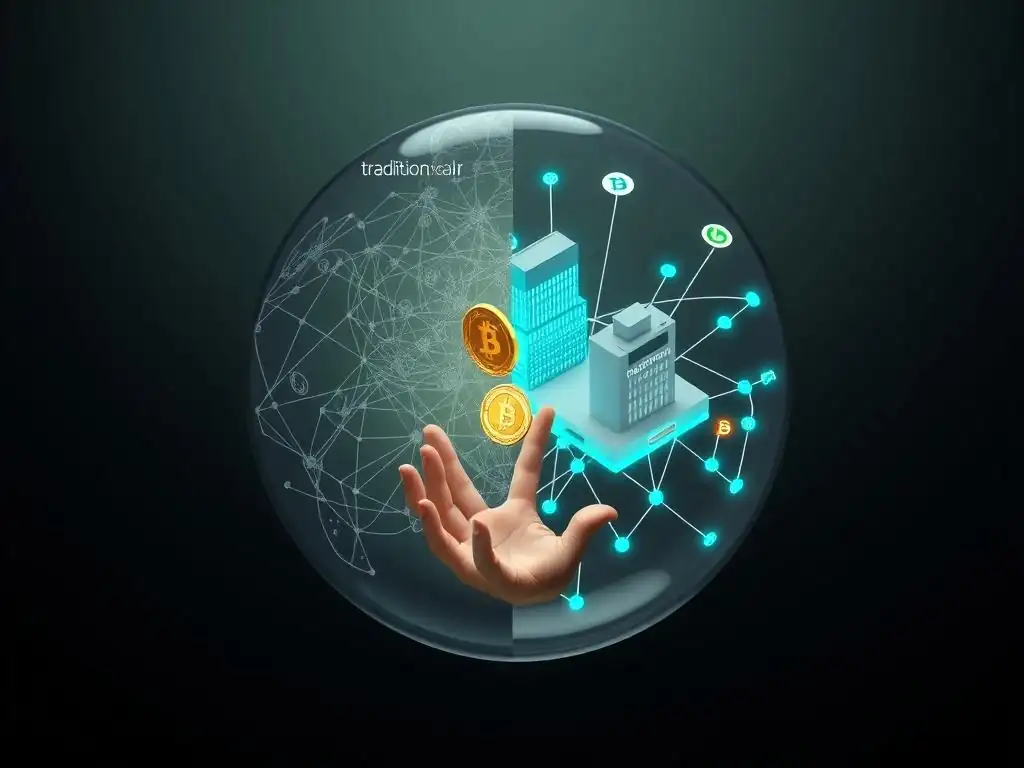
Increased Transparency: Building Trust with Donors Through Verifiable Transactions
One of the most significant benefits blockchain brings to philanthropy is a dramatic increase in transparency. By recording every transaction on an immutable, distributed ledger, blockchain allows for verifiable proof of fund flows. Donors can move beyond simply trusting a charity's word or annual report; they can potentially follow their donation's path on the blockchain, seeing when it was received and how it was allocated or spent by the organization.
This level of Blockchain charity donation transparency builds stronger trust between donors and charities. When donors can verify that their money reached the intended recipient or project milestone, they gain confidence in the organization's integrity and effectiveness.
This enhanced trust is not just a feel-good factor; it can have a tangible impact on fundraising. Donors who trust an organization are more likely to become repeat donors and potentially increase their contribution amounts over time. Studies and surveys, although still emerging in the blockchain space, consistently indicate that donors prioritize knowing how their money is used. Providing access to verifiable, on-chain data directly addresses this priority, demonstrating accountability in a way that traditional methods cannot. This transparency can transform donor relationships from transactional to genuinely participatory, fostering a community built on shared goals and verifiable impact.
Reduced Overhead Costs: Minimizing Administrative Expenses with Automation
Blockchain technology offers several avenues for reducing the administrative overhead traditionally associated with managing charitable funds. Smart contracts can automate processes like fund distribution based on predefined conditions, eliminating the need for manual checks and approvals. Accepting cryptocurrency donations can bypass traditional banking fees, especially for international transfers, which can often be a significant cost for global aid organizations. Furthermore, the automated tracking provided by the blockchain ledger reduces the administrative burden of manual record-keeping and reconciliation for reporting purposes.
Consider the process of distributing funds across multiple field offices or partners globally. Traditionally, this involves multiple bank transfers, currency conversions, and layers of administrative oversight, each incurring costs and potential delays.
Using cryptocurrency and smart contracts, funds can be transferred near-instantly and automatically released to partners upon the fulfillment of verifiable conditions, significantly cutting down on transaction fees and administrative labor. While there might be initial setup costs for implementing blockchain solutions, the long-term potential for reducing ongoing administrative expenses and directing more funds towards program delivery is substantial, potentially freeing up an estimated 10% to 20% or more of certain operational budgets currently allocated to financial administration.
Enhanced Efficiency: Streamlining Donation Processing and Distribution
Efficiency is critical in the charity sector, particularly during times of crisis when rapid fund deployment is essential. Blockchain can significantly streamline the entire donation lifecycle. Cryptocurrency donations are typically processed much faster than traditional methods like checks or even bank transfers, particularly across international borders. Once received, smart contracts can automate the allocation and distribution of these funds based on pre-programmed rules, ensuring timely release to projects or beneficiaries as milestones are met or needs arise.
This speed and automation mean that aid can potentially reach those who need it faster. For instance, in disaster relief scenarios, rapid access to funds is paramount. A blockchain-based system could allow donations to be received and then automatically disbursed to verified local partners or directly to affected individuals via digital wallets once specific emergency conditions are confirmed. This contrasts sharply with traditional systems that might involve days or weeks of processing, transfers, and bureaucratic approvals. The enhanced efficiency provided by blockchain ensures that charitable intent translates into timely action, maximizing the impact of every donation.
Expanded Reach: Enabling Global Charitable Giving with Cryptocurrency
The global reach of blockchain networks and cryptocurrencies opens up new possibilities for charitable giving. Traditional financial systems can pose significant barriers to international donations, including high transfer fees, unfavorable exchange rates, and limited accessibility in certain regions. Cryptocurrency donations bypass many of these hurdles. Anyone with an internet connection and a digital wallet can potentially send cryptocurrency to a charity's wallet, regardless of geographical location. This expands the potential donor base for charities beyond traditional borders, allowing them to receive support from anywhere in the world.
Furthermore, the ability to disburse funds directly via digital wallets can be revolutionary for reaching beneficiaries in areas with limited banking infrastructure. Instead of relying on cash deliveries or complex payout mechanisms, aid can be sent directly to the digital wallets of verified recipients. This not only increases efficiency but also enhances Blockchain charity donation transparency by creating a verifiable record of the final distribution step on the ledger. By embracing cryptocurrency, charities can connect with a wider network of potential donors and deliver aid more directly and effectively to those they serve globally.
Addressing Concerns and Challenges in Implementing Blockchain for Charity
One of the significant challenges for charities adopting blockchain and cryptocurrency is navigating the complex and evolving landscape of regulatory compliance. Laws regarding cryptocurrencies vary significantly across different jurisdictions. Charities must understand how to legally accept, hold, and potentially convert cryptocurrency donations. This includes understanding tax implications for both the charity and the donor, reporting requirements for large donations, and Anti-Money Laundering (AML) and Know Your Customer (KYC) regulations, especially if they are disbursing funds directly to individuals.
Operating globally adds another layer of complexity, as charities must comply with the regulations of multiple countries. This requires seeking legal counsel and potentially developing sophisticated internal compliance frameworks. While the inherent transparency of a public blockchain can aid in tracking, interpreting this data for regulatory reporting can be challenging. Charities need clear policies on how they handle crypto assets, how they value donations (e.g., at the time of receipt), and how they convert them to fiat currency if necessary. Ensuring full regulatory compliance is crucial for maintaining legitimacy and avoiding legal repercussions.
Scalability Issues: Ensuring Blockchain Networks Can Handle High Transaction Volumes
While blockchain offers many benefits, some networks, particularly popular public ones like Ethereum (though undergoing upgrades), have faced scalability challenges. High transaction volumes can lead to network congestion, slow confirmation times, and increased transaction fees (gas costs). For a charity processing potentially many small donations, high transaction fees could negate the cost-saving benefits of using blockchain. If a network becomes too expensive or slow to use reliably, it can hinder the charity's operations and the very transparency it seeks to provide.
Solutions are being developed and implemented to address these scalability issues. Layer-2 scaling solutions (like rollups) process transactions off the main chain before settling them on the main chain, dramatically increasing transaction throughput and reducing costs. Charities can also choose to utilize blockchain protocols specifically designed for higher transaction volumes and lower fees. However, selecting the right blockchain and scaling solution requires technical expertise and careful consideration of the trade-offs between decentralization, security, and scalability, ensuring that the chosen method still provides sufficient Blockchain charity donation transparency and reliability.
Education and Adoption: Overcoming the Learning Curve for Charities and Donors
Blockchain technology is still relatively new and complex for many people. Charitable organizations need to invest in educating their staff, particularly those in finance, fundraising, and IT, on how blockchain and cryptocurrencies work, how to manage digital wallets securely, and how to integrate these technologies into existing systems. This requires time, resources, and access to expertise, which might be limited for smaller non-profits. The learning curve can be steep, and initial implementation can be challenging.
Similarly, donors need to feel comfortable making cryptocurrency donations. While the crypto community is growing, many potential donors are still unfamiliar with obtaining and transferring cryptocurrencies or using digital wallets. Charities need to provide clear, user-friendly instructions and educational resources to guide donors through the process. If the donation process is too complicated or intimidating, it can deter potential contributions, regardless of the promise of Blockchain charity donation transparency. Overcoming this educational barrier is critical for widespread adoption.
Security Risks: Protecting Against Cyberattacks and Fraudulent Activities
Although the underlying blockchain ledger is highly secure due to its cryptographic nature, the systems and interfaces built around it can be vulnerable to security risks. Digital wallets can be targeted by phishing attacks or malware if not properly secured. Smart contracts, if not rigorously audited, can contain bugs or vulnerabilities that malicious actors could exploit to steal funds (as seen in some past decentralized finance hacks). Private keys, which control access to funds in a digital wallet, must be protected with the utmost care, as their loss or compromise can result in the permanent loss of funds.
Charities implementing blockchain solutions must prioritize security. This includes using reputable and audited platforms, implementing strong internal security protocols for managing digital assets and private keys, conducting security audits of smart contracts, and educating staff on cybersecurity best practices. While blockchain offers enhanced transparency and accountability, it also introduces new security considerations that must be proactively managed to protect donor funds and maintain trust. Robust security measures are paramount to realizing the full potential of Blockchain charity donation transparency without exposing assets to undue risk.
The Future of Blockchain in Philanthropy: A Vision for Charity 3.0
Decentralized Autonomous Organizations (DAOs) for Community-Driven Philanthropy
Looking ahead, the evolution of blockchain could lead to "Charity 3.0," characterized by even greater decentralization and community involvement. Decentralized Autonomous Organizations (DAOs) represent a potential future model for philanthropic endeavors. A philanthropic DAO could be governed by its community members (perhaps token holders who are donors or beneficiaries) rather than a traditional board of directors. Decisions on which projects to fund, how funds are allocated, and even the mission itself could be made through transparent, on-chain voting mechanisms.
In a philanthropic DAO, the rules for fund allocation and governance would be embedded in smart contracts on the blockchain, making the operations transparent and resistant to centralized control. This model could empower donors and beneficiaries to have a more direct say in the philanthropic process, fostering a truly participatory form of giving.
While still in early stages for large-scale philanthropy, the DAO structure aligns perfectly with the principles of Blockchain charity donation transparency and could lead to more responsive and community-aligned charitable efforts. Imagine a DAO focused on climate action where token holders vote on funding specific reforestation projects, with the funds released automatically via smart contracts upon verifiable evidence of trees planted.
Blockchain-Based Identity Solutions for Secure and Verified Giving
Another area of future development lies in the integration of blockchain with decentralized identity solutions. Secure, verifiable digital identities could play a crucial role in enhancing both the donor and beneficiary experience. For donors, decentralized identity could simplify compliance checks (like KYC/AML) while maintaining privacy, creating a smoother donation process, particularly for large contributions or in regulated environments.
More significantly, blockchain-based identity could revolutionize how aid is delivered to beneficiaries. Instead of relying on traditional identification or manual verification processes, aid recipients could have a secure, digital identity linked to the blockchain.
This identity could verify their eligibility for aid programs and allow them to receive funds or resources directly into a digital wallet associated with that identity. This could drastically reduce the potential for fraud in aid distribution and ensure that resources reach the intended vulnerable populations, adding a critical layer of verifiable proof to the final step of Blockchain charity donation transparency – confirming who received the aid.
The Potential of NFTs for Fundraising and Awareness Campaigns
Non-Fungible Tokens (NFTs) have emerged as a significant trend in the blockchain space, and they hold intriguing potential for charitable fundraising and awareness campaigns. Charities could create unique digital assets as NFTs – perhaps digital art created by beneficiaries, tokenized experiences (like a virtual tour of a project site), or limited-edition digital collectibles related to their cause. These NFTs could be sold to raise funds, offering donors not just a receipt but a unique, verifiable digital asset associated with their contribution.
NFTs can also be programmed with royalties that trigger a small percentage payment back to the charity on every secondary sale. This creates a potential for ongoing revenue streams from a single fundraising campaign.
Beyond fundraising, NFTs can serve as digital proofs of participation in a campaign or as unique badges for donors, fostering a sense of community and recognition. While the NFT market has seen volatility, the underlying technology provides a creative new avenue for charities to engage with donors, particularly younger, digitally native audiences, and generate funds in a way that can be tracked and verified on the blockchain, contributing to overall Blockchain charity donation transparency for these specific campaigns.
Conclusion: Blockchain - A Catalyst for a More Transparent and Effective Charity Sector
Blockchain technology presents a transformative opportunity for the charitable sector to address long-standing challenges related to trust, efficiency, and accountability. By leveraging the power of immutable ledgers, smart contracts, and cryptocurrencies, charities can build systems that offer unprecedented levels of transparency, streamline operations, reduce costs, and expand their global reach.
While the path to full adoption involves navigating regulatory complexities, scalability concerns, and the need for education, the potential benefits for maximizing social impact are immense. Embracing this innovation is not just about adopting new technology; it's about fundamentally rethinking how charitable giving operates to build a more effective and trustworthy ecosystem.
The journey towards Charity 2.0 and potentially Charity 3.0 is an ongoing process that requires collaboration between technology developers, charitable organizations, donors, and regulators. Pilot projects and early adopters have already demonstrated the feasibility and benefits of using blockchain for specific use cases, from transparent fund tracking to automated aid distribution. As the technology matures and becomes more user-friendly, its integration into mainstream philanthropy will likely accelerate, driven by the clear advantages it offers in demonstrating impact and building donor confidence.
Blockchain's Role in Fostering a New Era of Trust and Accountability in Philanthropy
Ultimately, blockchain's most significant contribution to philanthropy may be its ability to restore and enhance trust. By providing verifiable, tamper-proof records of transactions and fund flows, blockchain enables a level of Blockchain charity donation transparency that was previously unattainable. This transparency allows donors to see precisely how their contributions are being used, fostering a sense of confidence and connection to the cause. When accountability is built into the very infrastructure of giving, it strengthens the relationship between charities and their supporters.
This new era of trust, underpinned by the inherent accountability of blockchain, has the potential to unlock greater generosity and engagement from donors worldwide. As charities successfully implement these technologies and openly share their impact through verifiable data, they can differentiate themselves and build stronger, more resilient relationships with their donor base. Blockchain is not just a tool for tracking money; it is a catalyst for building a more open, accountable, and ultimately more impactful future for philanthropy, ensuring that every contribution makes the greatest possible difference in addressing the world's most pressing challenges.
Frequently Asked Questions
How can blockchain improve transparency in charity donations?
Blockchain provides an immutable and auditable ledger, making it easier to track donations from origin to recipient. This increased visibility builds trust and reduces the risk of fraud.
What are some real-world examples of blockchain being used for charity donations?
Several charities are experimenting with blockchain, including using cryptocurrency donations and platforms that offer donation tracking and reporting. These initiatives aim to increase donor confidence.
How does blockchain help reduce administrative costs in charitable organizations?
By automating processes and reducing reliance on intermediaries, blockchain can streamline operations and lower administrative overhead. This frees up more funds for the actual charitable cause.
What are the potential regulatory challenges facing blockchain-based charity initiatives?
Regulatory frameworks are still evolving, and charities using blockchain may face challenges related to compliance, data privacy, and anti-money laundering regulations. Clear guidelines are needed.
How does blockchain enhance accountability within the charity sector?
Blockchain fosters accountability by providing a transparent and verifiable record of all transactions. This allows donors and the public to easily monitor how funds are being used and ensure they are reaching their intended purpose.
Final Reflection: Empowering Trust Through Transparency
The exploration of Blockchain charity donation transparency reveals a profound shift in how we approach philanthropy. No longer confined to traditional models, charitable giving is being revolutionized by the immutable and transparent nature of blockchain technology. This isn't just about efficiency; it's about rebuilding trust in institutions and empowering donors with unprecedented visibility into the impact of their contributions.
The potential of blockchain to reshape the cultural landscape of giving is undeniable. Witnessing the evolution of charity from opaque systems to transparent ledgers inspires hope for a future where every donation counts and accountability is paramount. The best way to find yourself is to lose yourself in the service of others.
- Mahatma Gandhi. This quote encapsulates the spirit of giving, and blockchain provides the tools to ensure that spirit is honored and amplified.
As we stand at the cusp of this new era of charitable giving, I invite you to reflect on the power of transparency. Consider how you can leverage these innovative technologies, not just in your philanthropic endeavors, but in all aspects of your life, to foster greater trust and accountability. Let us all strive to build a world where every act of kindness is amplified by the power of transparency, creating a ripple effect of positive change that benefits us all.
Here's a CTA tailored for the end of an article titled "Charity 2.0: Upgrading Philanthropy with Blockchain Innovations" on the website "Blockchain Trends" (blockchaintrends.org):
Ignite Change: Become a Blockchain Philanthropy Pioneer!
Thank you for exploring how blockchain is revolutionizing the world of giving! Now that you understand the potential of this technology to create more transparent and impactful charities, let's put that knowledge into action.
Here's how you can contribute to the future of philanthropy:
- Dive deep and donate directly to a blockchain-verified charity. Research organizations that are already leveraging blockchain for transparency and impact, ensuring your contribution goes exactly where it's intended.
- Explore platforms connecting blockchain-focused charities to Web3 enthusiasts and share them in crypto and philanthropy circles.
- Suggest a local non-profit organization that you like investigate incorporating blockchain technology for greater transparency to its board.
Ready to be part of the movement building a more transparent and effective future for charitable giving? What blockchain-based charity are you most excited to support, and why?
Leave a Reply