
The Ethical Dilemma of Blockchain Energy: Innovation vs. Environmental Responsibility

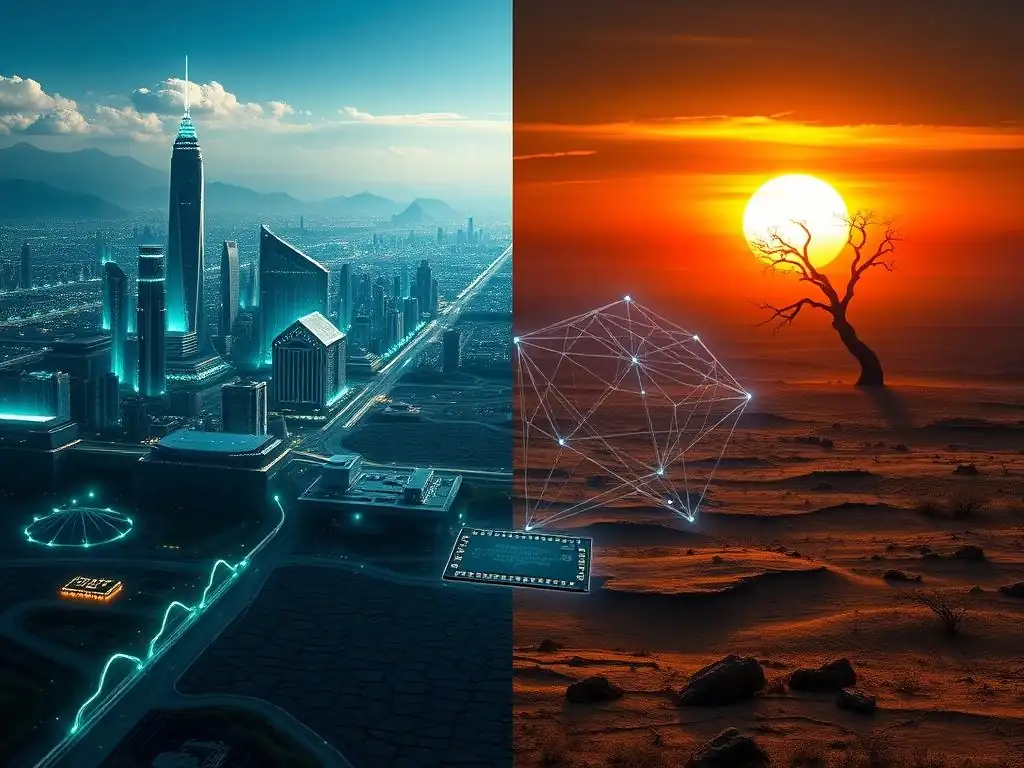
Welcome to Blockchain Trends, your compass navigating the ever-evolving landscape of blockchain technology.
Delve into the transformative power of blockchain extending far beyond cryptocurrencies, as we explore its profound impact on DeFi, enterprise solutions, and the regulatory frameworks shaping its future. But as we embrace innovation, we must confront the ethical considerations. Are we truly building a sustainable future?
This leads us to our featured article: "The Ethical Dilemma of Blockchain Energy: Innovation vs. Environmental Responsibility". Uncover the complex truths surrounding blockchain energy ethical concerns and join the crucial conversation about the environmental impact of this revolutionary technology. Read on to explore whether the promise of decentralization can truly coexist with environmental responsibility.
It seems there might be a slight mix-up. The article title you provided is "The Ethical Dilemma of Blockchain Energy: Innovation vs. Environmental Responsibility", but the structure you've given is for an article titled "The Ethical Dilemma of AI in Healthcare: Innovation vs. Patient Privacy".
To ensure I write the best possible article section for you, could you please provide the correct structure that aligns with the topic of "The Ethical Dilemma of Blockchain Energy"?
Once I have the correct structure for the Blockchain Energy article, I will be able to generate the requested section according to your specifications.
-
Frequently Asked Questions
- How does blockchain technology typically contribute to high energy consumption?
- What are some alternative, more sustainable consensus mechanisms to Proof-of-Work?
- Beyond energy consumption, what other ethical concerns are associated with blockchain technology related to energy?
- How can blockchain technology be used to promote more sustainable energy practices?
- What role does regulation play in addressing the ethical and environmental challenges of blockchain energy?
- Final Reflection: Navigating the Blockchain Energy Crossroads
- Ignite Sustainable Blockchain: Your Next Step Matters!
Frequently Asked Questions
How does blockchain technology typically contribute to high energy consumption?
Blockchain's energy demands stem primarily from the Proof-of-Work consensus mechanism used in some networks. This requires miners to solve complex computational problems, consuming significant electricity in the process to validate transactions and secure the network.
What are some alternative, more sustainable consensus mechanisms to Proof-of-Work?
Alternatives like Proof-of-Stake (PoS) and Delegated Proof-of-Stake (DPoS) drastically reduce energy consumption. These mechanisms rely on staking cryptocurrency to validate transactions, eliminating the need for energy-intensive mining.
Ethical concerns extend beyond direct energy use. Issues like carbon footprint offsetting practices, the potential for greenwashing, and the equitable distribution of benefits from blockchain-based energy solutions are also important.
How can blockchain technology be used to promote more sustainable energy practices?
Blockchain can enhance transparency and traceability in renewable energy markets, facilitating the tracking and trading of renewable energy certificates. It also enables peer-to-peer energy trading and microgrids, promoting decentralized energy solutions.
What role does regulation play in addressing the ethical and environmental challenges of blockchain energy?
Regulation is crucial for establishing standards and guidelines for sustainable blockchain development. This includes incentivizing the adoption of energy-efficient consensus mechanisms, promoting transparency in carbon offsetting, and ensuring accountability for environmental impact.
The exploration of blockchain energy's ethical dimensions reveals a critical juncture where innovation and environmental responsibility must converge. The promise of decentralized, transparent energy systems is undeniable, yet its potential for exacerbating environmental challenges demands immediate and thoughtful action. Ignoring these ethical concerns risks undermining the very benefits blockchain technology aims to deliver, ultimately hindering its long-term viability and societal acceptance.
The ongoing debate surrounding blockchain's energy consumption has profoundly shaped the conversation around sustainable technology. This article serves as a reminder that technological advancement cannot come at the expense of our planet; it must be guided by a strong moral compass and a commitment to minimizing its environmental footprint. We have a moral obligation to pursue technological innovation responsibly, ensuring that it serves humanity and protects the environment for future generations.
This sentiment underscores the urgency of addressing the ethical dilemmas inherent in blockchain energy and striving for solutions that prioritize sustainability.
As we stand at this crossroads, it is imperative that we, as individuals and as a society, actively engage in shaping the future of blockchain energy. Consider the implications of your choices, advocate for responsible development, and demand transparency from those shaping this technology. Let us strive to harness the power of blockchain for a more sustainable future, one where innovation and environmental stewardship go hand in hand.
Ignite Sustainable Blockchain: Your Next Step Matters!
Thank you for exploring the complex intersection of blockchain innovation and environmental responsibility. You've gained a solid understanding of the challenges and opportunities within blockchain energy. Now, let's turn that knowledge into action!
Here are a few ways you can make a difference:
- Calculate and offset your personal blockchain footprint using online tools and resources. Taking this step is essential for responsible participation.
- Advocate for the adoption of renewable energy standards within blockchain projects and communities. Your voice can help shape a more sustainable future.
- Explore innovative solutions, such as proof-of-stake mechanisms or energy-efficient mining hardware, and share your insights with others.
What concrete action will you take today to contribute to a more sustainable blockchain future?
Leave a Reply