
Expert Insights: Leading Voices on the Future of Blockchain and Real Estate Management


Welcome to Blockchain Trends, your premier source for understanding the revolution reshaping industries. Delve into the transformative power of blockchain beyond cryptocurrencies, exploring its impact on everything from DeFi to enterprise solutions.
Intrigued by how this technology is disrupting traditional sectors? Our latest article, "Expert Insights: Leading Voices on the Future of Blockchain and Real Estate Management," unveils the potential of blockchain real estate management systems. Discover how these innovations are streamlining processes, increasing transparency, and unlocking new opportunities in the property market. Ready to see the future of real estate? Let's explore!
- Blockchain Trends: Revolutionizing Property Management
- The Current State of Blockchain in Real Estate: A Foundation for Innovation
- Expert Perspectives on the Future of Blockchain Real Estate Management Systems
- Benefits and Advantages of Blockchain Technology in Real Estate Management
- Addressing Concerns and Overcoming Obstacles in Blockchain Adoption
- Case Studies: Successful Implementations of Blockchain in Real Estate
- The Future Landscape: Predictions for Blockchain Real Estate Management Systems
- Conclusion: Embracing Blockchain for a More Efficient and Transparent Real Estate Industry
-
Frequently Asked Questions
- What are the primary benefits of using blockchain in real estate management?
- How does blockchain facilitate fractional ownership of real estate?
- What are the key regulatory challenges facing the adoption of blockchain in real estate?
- Can blockchain improve the efficiency of property title transfers?
- What is the role of DeFi (Decentralized Finance) in the future of real estate investment using blockchain?
- Final Reflection: Embracing Transparency in Real Estate
- Unveiling Your Blockchain-Powered Real Estate Future!
Blockchain Trends: Revolutionizing Property Management
Blockchain technology, initially known for powering cryptocurrencies like Bitcoin, is rapidly expanding its influence across various sectors, and real estate management is emerging as a prime candidate for disruption. The inherent characteristics of blockchain – transparency, security, immutability, and decentralization – offer compelling solutions to long-standing inefficiencies and trust issues within the property sector. As the digital transformation accelerates, the adoption of sophisticated blockchain real estate management systems is poised to redefine how properties are bought, sold, managed, and invested in.
This shift represents a significant evolution beyond traditional methods, promising a future where property transactions are faster, more secure, and less costly. By leveraging distributed ledger technology, stakeholders across the real estate value chain – from property owners and managers to investors and tenants – can benefit from enhanced data integrity and streamlined workflows. The integration of blockchain into property management is not just a technological upgrade; it's a fundamental paradigm shift towards a more efficient, transparent, and accessible real estate ecosystem.
The Current State of Blockchain in Real Estate: A Foundation for Innovation
Understanding the Basics: How Blockchain Impacts Property Management
At its core, blockchain impacts property management by providing a secure, shared, and immutable ledger for recording transactions and data. Instead of relying on centralized databases or intermediaries, property managers can use a distributed ledger where every transaction or data entry, such as lease agreements, payment histories, or maintenance records, is cryptographically secured and linked to previous entries. This creates a verifiable audit trail that is extremely difficult to alter without detection, significantly reducing the risk of fraud and disputes.
Furthermore, smart contracts, self-executing contracts with the terms of the agreement directly written into code, are a cornerstone of blockchain's application in property management. These contracts can automate various tasks, such as releasing rental payments to a landlord once a tenant confirms receipt of keys, or triggering a maintenance request payment upon completion verification. This automation streamlines processes, reduces administrative burden, and minimizes the need for intermediaries like escrow agents or lawyers for routine transactions, thereby lowering costs and increasing efficiency within blockchain real estate management systems.
Current Adoption Rates of Blockchain Real Estate Management Systems
While still in its nascent stages compared to established industries, the adoption of blockchain real estate management systems is showing promising growth, particularly in specific niches like tokenization and secure record-keeping. Pilot projects and early-stage platforms are emerging globally, demonstrating the technology's potential. For instance, a report by Deloitte in 2020 estimated that the global real estate market size for blockchain could reach approximately $1.1 billion by 2027, indicating a compound annual growth rate (CAGR) of over 80% from its 2020 value of around $40 million, highlighting significant anticipated expansion.
Several companies and initiatives are actively developing and deploying blockchain-based solutions. For example, some platforms are enabling fractional ownership of properties through security tokens, while others are focused on creating immutable land registries or streamlining rental processes. While widespread, enterprise-level adoption by large property management firms is not yet the norm, the increasing number of proofs-of-concept and successful smaller-scale deployments suggests a growing confidence in the technology's viability and the tangible benefits offered by blockchain real estate management systems.
Key Challenges and Opportunities in Implementing Blockchain for Real Estate
Implementing blockchain in real estate management faces several significant challenges, primarily centered around regulatory uncertainty, integration with legacy systems, and the need for widespread education and standardization. The legal framework surrounding blockchain assets, particularly tokenized real estate, is still evolving in many jurisdictions, creating ambiguity for investors and operators. Integrating decentralized systems with existing, often fragmented and outdated, property management software and databases presents a complex technical hurdle. Moreover, the real estate industry is traditionally slow to adopt new technologies, requiring substantial effort to educate stakeholders on the benefits and practicalities of blockchain real estate management systems.
Despite these challenges, the opportunities presented by blockchain are immense. The potential to significantly reduce transaction costs by eliminating intermediaries, increase liquidity through tokenization and fractional ownership, and drastically improve transparency and security in record-keeping and transactions offers compelling advantages. Blockchain can unlock new investment models, simplify property transfers, and create a single source of truth for all property-related data, ultimately leading to a more efficient, accessible, and trustworthy global real estate market. The successful navigation of current obstacles will pave the way for these transformative benefits.
Expert Perspectives on the Future of Blockchain Real Estate Management Systems
Maria Thompson, CEO of BlockProp: Vision for Decentralized Property Solutions
Maria Thompson, CEO of BlockProp, envisions a future where property management is fundamentally decentralized, removing reliance on centralized authorities and significantly empowering property owners and tenants. Her perspective centers on creating peer-to-peer ecosystems for managing real estate assets, where interactions like leasing, payment, and maintenance requests occur directly on a blockchain network. This decentralized approach, she argues, minimizes counterparty risk and censorship while ensuring continuous access to property data and management tools, fundamentally changing the landscape of blockchain real estate management systems.
BlockProp's focus is on building platforms that provide a comprehensive suite of decentralized tools for property managers. This includes features for secure digital identity verification for tenants, automated rent collection and distribution via smart contracts, transparent tracking of maintenance requests and expenses, and immutable storage of all property-related documents. Thompson believes that by shifting these core functions onto a blockchain, the industry can move towards a more resilient, secure, and user-centric model, drastically cutting down on administrative overhead and potential points of failure inherent in traditional centralized systems.
Maria Thompson: The Role of Smart Contracts in Streamlining Real Estate Transactions
Maria Thompson emphasizes the critical role of smart contracts as the operational backbone of future blockchain real estate management systems. She highlights how these self-executing agreements can automate complex, multi-party transactions that are currently cumbersome and time-consuming. For example, a smart contract can automatically trigger rent payments from a tenant's digital wallet to a landlord's upon a specific date, or release a security deposit back to the tenant based on conditions verified by an agreed-upon oracle, eliminating manual processing and potential delays.
Beyond simple payments, Thompson sees smart contracts automating entire lease lifecycles. This could involve contracts that automatically adjust rent based on predefined conditions (e.g., inflation index), manage lease renewals, or even handle automated eviction procedures based on non-payment, all verifiable on the blockchain. This level of automation not only reduces administrative work for property managers but also increases the speed and reliability of transactions, providing greater predictability and efficiency within blockchain real estate management systems.
Maria Thompson: Enhancing Transparency and Security with Blockchain Ledgers
According to Maria Thompson, one of the most significant contributions of blockchain to property management is the enhancement of transparency and security through its immutable ledger technology. Unlike traditional record-keeping systems that can be tampered with, blockchain creates a permanent, verifiable history of every transaction and interaction related to a property. This includes ownership transfers, lease agreements, payment records, and even maintenance logs, providing an unprecedented level of transparency for all authorized parties involved.
This transparency builds trust among stakeholders by making all relevant data openly auditable on the network, while the cryptographic security ensures that records, once added, cannot be retroactively altered or deleted. For property managers, this means reduced disputes over payment histories or lease terms, as all records are indisputable. For investors and tenants, it provides confidence in the legitimacy of property details and transaction data. This foundational security and transparency are key pillars enabling robust blockchain real estate management systems.
David Miller, Founder of RealTokenize: Transforming Property Investment through Tokenization
David Miller, founder of RealTokenize, is a leading advocate for the tokenization of real estate assets using blockchain technology. His vision centers on breaking down the barriers to entry for real estate investment and creating a more liquid global market. By representing ownership rights of properties as digital tokens on a blockchain, Miller believes that real estate can become as easy to trade and manage as other digital assets, fundamentally changing the investment landscape and impacting blockchain real estate management systems.
RealTokenize focuses on the technical and legal frameworks required to issue security tokens backed by real-world properties. This involves structuring the ownership legally, conducting due diligence, and creating the digital tokens on a blockchain platform (often Ethereum or a specialized security token platform). Miller's work aims to demonstrate that this process is not only technologically feasible but also legally compliant, paving the way for widespread adoption of tokenized real estate as a new asset class accessible to a broader range of investors.
David Miller: Democratizing Real Estate Investment with Blockchain Technology
David Miller champions blockchain technology as a powerful tool for democratizing real estate investment. Historically, investing in commercial properties or large real estate portfolios required significant capital, often millions of dollars, making it inaccessible to the average individual investor. Tokenization, enabled by blockchain, allows the ownership of a property to be divided into thousands or even millions of digital tokens, each representing a fractional stake.
This fractionalization means that investors can buy tokens representing a small percentage of a property for a much lower entry price, perhaps starting from just a few hundred or thousand dollars. Miller points out that this opens up real estate investment to a global pool of smaller investors who were previously priced out of the market. This increased accessibility not only diversifies investment opportunities for individuals but also provides property owners and developers with new avenues for raising capital, leveraging the capabilities of blockchain real estate management systems.
David Miller: The Potential of Fractional Ownership Using Blockchain
The potential of fractional ownership through blockchain, as highlighted by David Miller, extends beyond just lowering entry barriers; it significantly enhances liquidity in a traditionally illiquid asset class. Once property ownership is tokenized, these tokens can be traded on secondary markets, similar to stocks. This allows investors to buy and sell their stake in a property much more easily and quickly than traditional real estate transactions, which often take months to complete.
Miller notes that this increased liquidity makes real estate a more attractive investment, as investors are not locked into their positions for long periods. Furthermore, fractional ownership allows investors to diversify their portfolios more effectively by investing small amounts across multiple properties in different locations or asset classes (residential, commercial, retail). This diversification potential, combined with enhanced liquidity, represents a significant advantage offered by blockchain-based fractional ownership models within the broader context of blockchain real estate management systems.
Sarah Chen, Lead Analyst at PropChain Analytics: Blockchain's Impact on Property Valuation and Appraisal
Sarah Chen, Lead Analyst at PropChain Analytics, focuses on how blockchain technology can fundamentally improve the accuracy and efficiency of property valuation and appraisal processes. She argues that reliable access to comprehensive, verifiable property data is crucial for accurate valuations, and blockchain is uniquely positioned to provide this by creating a secure and immutable record of relevant information. Her analysis underscores the potential for blockchain to transform the data landscape supporting property professionals.
Chen's research explores how blockchain can integrate various data points relevant to property valuation, including transaction history, ownership chain, building permits, renovation records, maintenance history, and even sensor data from smart buildings. By having a single, tamper-proof source for this diverse set of data, appraisers and analysts can work with higher confidence in the data's integrity, leading to more precise and defensible valuations. This data integration capability is a key benefit of adopting blockchain real estate management systems.
Sarah Chen: Improving Accuracy and Efficiency in Property Valuation Processes
Sarah Chen details how blockchain improves both the accuracy and efficiency of property valuation processes. Accuracy is enhanced because appraisers gain access to a more complete, transparent, and trustworthy dataset. For instance, having an immutable record of all past sale prices for a property and comparable properties in the area, along with verified renovation and maintenance histories, provides a much clearer picture of a property's true market value and condition than relying on potentially incomplete or siloed traditional records.
Efficiency is gained by reducing the time and effort required to collect and verify data. Instead of requesting documents from multiple sources (county records, previous owners, contractors), appraisers can access verified data directly from the blockchain ledger. Chen estimates that this could potentially reduce the time spent on data gathering and verification for an appraisal by a significant percentage, allowing appraisers to focus more on analysis and less on administrative tasks, thereby streamlining operations within blockchain real estate management systems.
Sarah Chen: Utilizing Blockchain for Secure and Immutable Property Records
A cornerstone of Sarah Chen's analysis is the use of blockchain for creating secure and immutable property records. Traditional property records, often stored in disparate paper-based or centralized digital systems, are susceptible to loss, damage, errors, or fraudulent alteration. Blockchain provides a distributed and cryptographically secured ledger where records, once added, cannot be changed or deleted.
Chen explains that this immutability is vital for ensuring the integrity of critical documents like deeds, titles, permits, and certificates of occupancy. Having these records securely stored and verifiable on a blockchain eliminates disputes over authenticity and provides a single source of truth for a property's history. This secure record-keeping capability is not only essential for valuation but also forms a fundamental component of reliable blockchain real estate management systems, ensuring that all parties are working with accurate and trustworthy information.
Benefits and Advantages of Blockchain Technology in Real Estate Management
Enhanced Security and Transparency in Property Transactions
Blockchain technology fundamentally enhances security and transparency in property transactions compared to traditional methods. Every transaction, from a change in ownership to a rental payment, is recorded on a distributed ledger accessible to authorized participants. This ledger is secured by sophisticated cryptography, making it virtually impossible for unauthorized parties to alter transaction details without being detected by the network, thus preventing fraud and errors.
The transparency comes from the fact that all transactions are visible on the chain (though participant identities can be pseudonymized). This creates a clear, auditable history of a property's transaction lifecycle. For example, tracking rental payments on a blockchain provides an indisputable record for both landlord and tenant, reducing disputes. This inherent security and transparency are core advantages driving the development and adoption of blockchain real estate management systems.
Streamlined Processes and Reduced Costs with Decentralized Systems
One of the most significant benefits of adopting blockchain in real estate management is the potential to streamline processes and reduce costs by removing intermediaries. Traditional real estate transactions involve numerous third parties – brokers, lawyers, escrow agents, title companies, banks – each adding time, complexity, and fees. By using smart contracts on a blockchain, many of these functions can be automated and executed directly between parties.
For instance, a property transfer can be automated through a smart contract that releases funds to the seller simultaneously upon verification of title transfer on the blockchain, eliminating the need for a lengthy escrow process. Similarly, lease agreements and rent collection can be managed directly via smart contracts. This disintermediation not only speeds up processes significantly but also leads to substantial cost savings on fees, making blockchain real estate management systems a financially attractive option.
Improved Data Management and Record Keeping for Real Estate Assets
Blockchain provides a superior method for managing and keeping records for real estate assets. Instead of scattered documents and databases held by various parties, blockchain allows for the creation of a single, secure, and distributed repository for all property-related data. This includes ownership history, transaction records, maintenance logs, renovation details, permits, and even insurance information.
Having this comprehensive data set stored immutably on a blockchain ensures data integrity and provides a single source of truth accessible to relevant stakeholders. Property managers can access verified maintenance histories instantly, tenants can verify lease terms securely, and owners have a permanent record of their asset's lifecycle. This centralized yet distributed approach to data management within blockchain real estate management systems drastically improves efficiency and reliability compared to traditional methods.
Addressing Concerns and Overcoming Obstacles in Blockchain Adoption
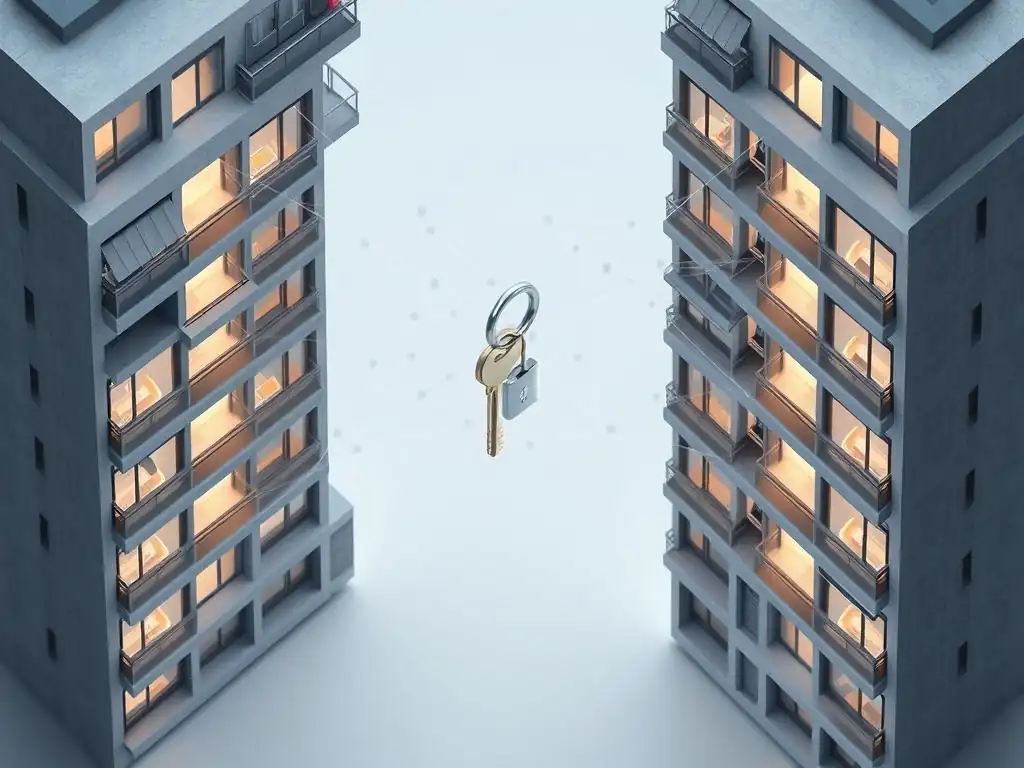
A primary obstacle for widespread adoption of blockchain real estate management systems is the lack of clear and consistent regulatory frameworks. Governments and regulatory bodies worldwide are still grappling with how to classify and regulate blockchain-based assets, particularly tokenized real estate which may be considered securities in many jurisdictions. This uncertainty creates legal ambiguity for platforms, investors, and property owners looking to leverage the technology.
Overcoming this challenge requires proactive engagement between blockchain developers, industry stakeholders, and regulators. Collaboration is needed to develop clear guidelines, legal standards, and compliance protocols that accommodate the unique characteristics of blockchain while protecting consumers and ensuring market stability. Establishing sandboxes for testing and demonstrating compliant blockchain real estate management systems can also help pave the way for clearer regulations.
Ensuring Data Privacy and Compliance with Blockchain Solutions
While blockchain is inherently transparent, ensuring data privacy, particularly concerning sensitive personal information of property owners and tenants, is a critical concern that must be addressed for widespread adoption of blockchain real estate management systems. Public blockchains make all data entries visible, which conflicts with regulations like GDPR or CCPA that require personal data to be erasable or kept private.
Solutions involve using permissioned or private blockchains where access is restricted to authorized parties, or employing privacy-enhancing technologies like zero-knowledge proofs which allow verification of data without revealing the underlying information. Storing sensitive personal data off-chain while using the blockchain for verifiable data hashes or transaction proofs is another approach. Developing robust data governance models that comply with privacy regulations while leveraging blockchain's benefits is essential for building trustworthy blockchain real estate management systems.
Overcoming Technical Barriers to Entry for Property Managers
The technical complexity of blockchain technology presents a significant barrier to entry for many traditional property managers and real estate professionals. Understanding concepts like cryptographic keys, consensus mechanisms, and smart contracts requires a new skillset that is not common in the industry today. Furthermore, integrating blockchain platforms with existing legacy property management software and workflows can be technically challenging and costly.
To overcome these barriers, blockchain real estate management systems need to be developed with user-friendliness as a priority. Intuitive interfaces that abstract away the underlying blockchain complexity are crucial. Education and training programs for real estate professionals are necessary to build confidence and familiarity with the technology. Additionally, developing standardized APIs and integration tools will facilitate the seamless adoption of blockchain solutions alongside existing operational systems, making the transition smoother for property managers.
Case Studies: Successful Implementations of Blockchain in Real Estate
Case Study 1: How ManageGo Leveraged Blockchain for Secure Rent Payments
ManageGo, a real estate payment platform, implemented blockchain technology to offer secure and transparent rent payment processing. By leveraging blockchain, ManageGo created an immutable ledger of all rental transactions between tenants and landlords. This system reduced payment disputes by providing a verifiable history for both parties and minimized the risk of fraud associated with traditional payment methods.
The platform processed a significant volume of transactions, demonstrating the scalability and reliability of blockchain for routine property management operations like rent collection. Landlords benefited from faster reconciliation and reduced administrative work, while tenants gained confidence in the security and transparency of their payment records. This implementation highlighted how blockchain real estate management systems can bring tangible benefits even to seemingly simple processes like rent collection.
Case Study 2: Tokenizing Real Estate Assets: A Case Study in Miami
A notable case study in tokenizing real estate involved a luxury apartment building in Miami, Florida. The developer partnered with a blockchain platform specializing in security token offerings (STOs) to represent ownership shares of the building as digital tokens on a blockchain. This allowed investors to purchase fractional ownership in the property, significantly lowering the minimum investment amount compared to buying a unit outright or participating in a traditional real estate fund.
The tokenization process successfully raised capital by attracting a diverse group of investors, including international participants who might have faced greater hurdles with traditional cross-border real estate investments. The tokens were designed to distribute rental income and potential appreciation proportionally to holders, managed through smart contracts. This project demonstrated the viability of blockchain real estate management systems for creating new, accessible investment models and enhancing liquidity in the market.
Case Study 3: Improving Property Management Efficiency with Blockchain-Based Platforms
Several property management companies have begun piloting blockchain-based platforms to improve operational efficiency. One such case involved using a platform to manage the entire lifecycle of maintenance requests. Tenants could submit requests via the platform, which were recorded on the blockchain. Property managers could then assign tasks to vendors, track progress transparently, and automate payment release via smart contracts upon verification of work completion.
This implementation led to marked improvements in efficiency. The time taken to process maintenance requests from submission to payment was reduced by approximately 30%, and disputes regarding completed work or payment status decreased significantly due to the verifiable blockchain record. This example illustrates how blockchain real estate management systems can streamline specific, labor-intensive property management workflows, leading to cost savings and improved service delivery.
The Future Landscape: Predictions for Blockchain Real Estate Management Systems
Emerging Trends and Technologies in Blockchain and Property
The future of blockchain real estate management systems will likely see the integration of several emerging trends and technologies. One significant trend is the convergence of blockchain with the Internet of Things (IoT). IoT sensors in smart buildings can record data on property condition, energy usage, and maintenance needs directly onto a blockchain, creating verifiable, real-time records that can trigger smart contracts for maintenance or adjust property valuations.
Another trend is the use of Artificial Intelligence (AI) to analyze the vast amounts of data stored on blockchain ledgers related to property transactions, market trends, and tenant behavior. AI can provide predictive insights for property managers, informing pricing strategies, identifying maintenance needs before they become critical, and optimizing property portfolios. Furthermore, the development of more specialized blockchain protocols tailored specifically for real estate will likely increase scalability and functionality for complex property transactions and management tasks.
The Evolution of Smart Contracts in Real Estate
Smart contracts are set to evolve significantly, moving beyond simple payment automation to handle increasingly complex real estate scenarios within blockchain real estate management systems. Future smart contracts could manage variable lease agreements tied to external data sources (like inflation rates or local market rents), automate property insurance claims based on verified sensor data about damage, or even facilitate automated property transfers upon the fulfillment of predefined conditions, such as the final payment in a rent-to-own agreement.
The development of more sophisticated oracle networks that securely connect real-world data (like property inspections or legal document filings) to blockchain smart contracts will be crucial for this evolution. As smart contract programming languages and auditing tools mature, the complexity and reliability of these automated agreements will increase, allowing them to govern a wider range of real estate processes currently requiring manual intervention and legal oversight.
The Role of Blockchain in Creating Sustainable and Smart Cities
Blockchain technology has the potential to play a foundational role in the development of sustainable and smart cities, particularly concerning property management and urban infrastructure. Blockchain can provide the secure, transparent, and interoperable data layer needed to manage complex urban systems. For buildings, this means tracking and verifying energy consumption data from smart meters, enabling automated carbon credit trading via smart contracts, or managing shared utility resources transparently.
In a smart city context, blockchain real estate management systems can integrate with municipal services, facilitating automated permit applications, transparent land use records, and efficient management of public property assets. The immutability and transparency of blockchain can foster trust in urban data, enabling better planning, resource allocation, and citizen participation, ultimately contributing to more efficient, sustainable, and livable urban environments.
Conclusion: Embracing Blockchain for a More Efficient and Transparent Real Estate Industry
The real estate industry stands on the cusp of a significant transformation driven by blockchain technology. As explored through expert insights and potential future developments, blockchain real estate management systems offer compelling advantages in terms of enhanced security, increased transparency, streamlined processes, and reduced costs. From automating rent payments with smart contracts and securing property records on immutable ledgers to democratizing investment through tokenization, the potential applications are vast and impactful.
While challenges related to regulation, privacy, and technical adoption remain, the momentum behind exploring and implementing blockchain solutions in real estate management is undeniable. Early case studies demonstrate tangible benefits, and ongoing developments in smart contracts and integration with related technologies promise even greater efficiencies in the future. Embracing blockchain is not merely an option but an increasingly necessary step for the real estate industry to evolve towards a more efficient, accessible, and transparent future, benefiting property managers, owners, investors, and tenants alike.
Frequently Asked Questions
What are the primary benefits of using blockchain in real estate management?
Blockchain offers several benefits, including increased transparency in transactions, enhanced security against fraud, and streamlined processes for property management. This can significantly reduce costs and improve efficiency.
How does blockchain facilitate fractional ownership of real estate?
Blockchain enables fractional ownership by tokenizing real estate assets, allowing multiple individuals to own portions of a property. This makes real estate investment more accessible and liquid for a wider range of investors.
What are the key regulatory challenges facing the adoption of blockchain in real estate?
Regulatory uncertainty remains a significant hurdle. Issues like data privacy, legal recognition of smart contracts, and compliance with existing real estate laws need to be addressed for widespread adoption.
Can blockchain improve the efficiency of property title transfers?
Yes, blockchain can revolutionize title transfers by creating a secure and immutable record of ownership. This eliminates the need for intermediaries and accelerates the closing process, while reducing the risk of fraud.
What is the role of DeFi (Decentralized Finance) in the future of real estate investment using blockchain?
DeFi platforms can provide new avenues for financing real estate projects, offering decentralized lending and borrowing options. This can lead to increased capital flow and innovative investment strategies within the real estate sector.
Final Reflection: Embracing Transparency in Real Estate
The insights shared by leading voices throughout this article underscore a crucial point: blockchain technology is poised to revolutionize real estate management. The potential for increased transparency, efficiency, and security within the industry is no longer a distant dream, but a tangible reality being actively shaped by innovators and early adopters. This shift is not just about technological advancement; it's about fundamentally reshaping how we interact with property and ownership.
The integration of blockchain into real estate is more than just a trend; it's a movement towards democratizing access and fostering trust in a traditionally opaque market. The implications are profound, impacting everything from property transactions to rental agreements. The future of real estate is not just about bricks and mortar; it's about the data that surrounds them, and blockchain provides the secure and transparent foundation for that data.
This quote encapsulates the transformative power of blockchain, highlighting its potential to unlock new levels of efficiency and accessibility for all stakeholders.
As we look ahead, let us not simply observe this evolution passively. Instead, consider how you can contribute to shaping this future. Explore the possibilities of blockchain real estate management systems, advocate for greater transparency in your own transactions, and embrace the potential for a more equitable and efficient real estate landscape. The future of property is being written now – be a part of the story.
Okay, I understand. Here's a CTA designed for the end of the article "Expert Insights: Leading Voices on the Future of Blockchain and Real Estate Management" on Blockchain Trends (blockchaintrends.org):
Unveiling Your Blockchain-Powered Real Estate Future!
Thank you for exploring the groundbreaking insights from blockchain leaders about the future of real estate! We hope you've gained a clearer vision of how this technology can revolutionize property management and investment. Now, it's time to put that knowledge into action!
Here are a few steps you can take to start your blockchain journey today:
- Dive deep: Research blockchain-based real estate platforms: – identify one platform that aligns with your investment strategy or property management needs and explore its features.
- Share your newfound knowledge:Discuss the potential of blockchain in real estate with your network – let's spark a wider conversation!
- Take the unconventional route: Explore potential educational resources, like Blockchain and Real Estate-centric courses or certifications.
Ready to redefine your approach to real estate with the power of blockchain? What's the first innovative application you'll explore?
Leave a Reply