
Smart Contracts and NFTs: Exploring the Synergies and Use Cases

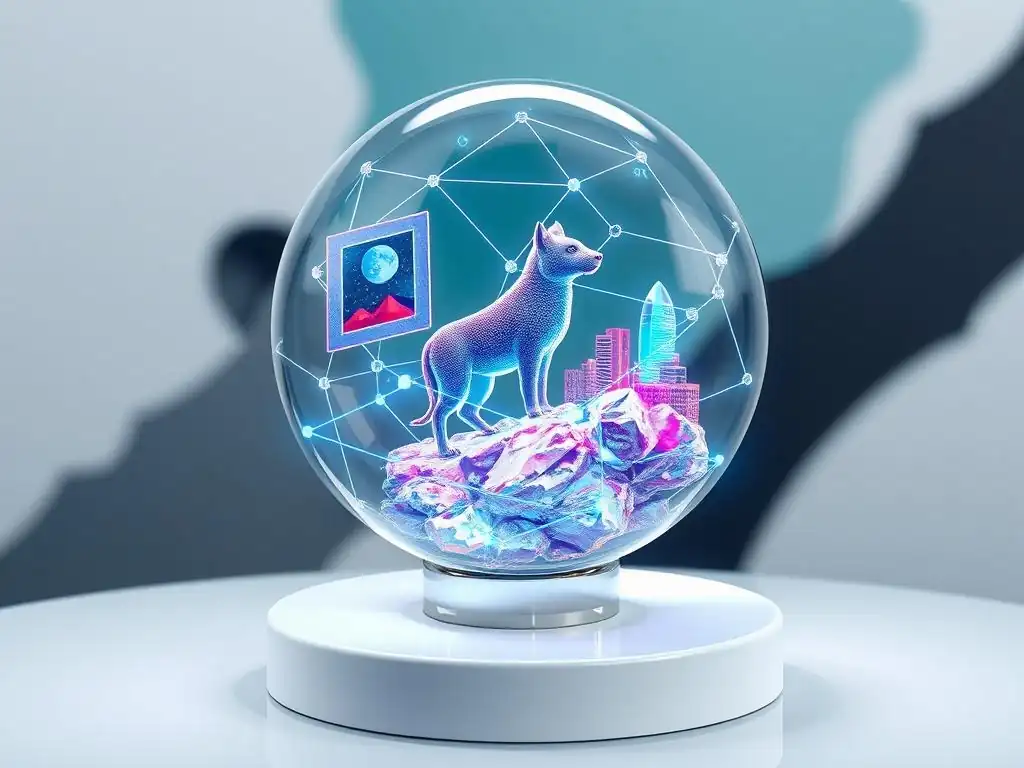
Welcome to Blockchain Trends, your gateway to understanding the revolutionary world of blockchain beyond cryptocurrencies. Are you ready to explore how blockchain is reshaping industries? Dive into our deep dive on Blockchain smart contracts NFT use and discover the powerful synergies between these technologies and their impact on everything from digital ownership to decentralized finance. What innovative applications are emerging, and what challenges lie ahead? Let's unlock the future together.
Smart Contracts and NFTs: Exploring the Synergies and Use Cases
- Understanding Smart Contracts and NFTs in the Blockchain Ecosystem
- Synergies Between Smart Contracts and NFTs: Unlocking New Possibilities
-
Real-World Blockchain Smart Contracts NFT Use Cases
- Digital Art and Collectibles: Authenticity and Provenance via NFTs and Smart Contracts
- Gaming and Virtual Worlds: In-Game Assets and Ownership
- Supply Chain Management: Tracking and Verification of Goods
- Intellectual Property Rights Management: Protecting Digital Content
- Decentralized Finance (DeFi) Applications with NFTs
- Challenges and Considerations for Smart Contracts and NFTs
- The Future of Smart Contracts and NFTs: Innovation and Growth
- Conclusion: Embracing the Power of Smart Contracts and NFTs
-
Frequently Asked Questions
- What is a smart contract and how does it relate to NFTs?
- How do NFTs leverage blockchain smart contracts for ownership and authenticity?
- What are some common use cases for blockchain smart contracts in the NFT space?
- How can blockchain smart contracts help to regulate and enforce the use of NFTs?
- What are the potential future developments for blockchain smart contracts and their impact on the NFT ecosystem?
- Final Reflection: The Enduring Promise of Decentralized Creativity
- Unveil the Future: Start Building with NFTs and Smart Contracts Now!
Understanding Smart Contracts and NFTs in the Blockchain Ecosystem
What are Smart Contracts? Definition and Core Functionality
Smart contracts are self-executing contracts with the terms of the agreement directly written into code. These contracts automatically execute and enforce the terms when predetermined conditions are met, without the need for intermediaries. Imagine a vending machine: you insert money (the input), select a product, and the machine automatically dispenses the item (the output) based on the programmed rules. Smart contracts operate similarly, but on a blockchain, ensuring transparency, security, and immutability. Once deployed on a blockchain, the terms of a smart contract cannot be altered, providing a high degree of trust and reliability in digital agreements.
The core functionality of smart contracts lies in their ability to automate and streamline processes across various sectors. They eliminate the need for manual intervention in contractual agreements, reducing costs and increasing efficiency. For example, in supply chain management, a smart contract can be programmed to automatically release payment to a supplier once a shipment reaches a specific location, as verified by data from IoT sensors.
This automated process reduces delays and disputes, fostering smoother and more reliable operations. The use of blockchain technology further enhances security and transparency, as every transaction and execution of the smart contract is recorded on a distributed ledger, accessible to all authorized participants.
Exploring NFTs: Unique Digital Assets on the Blockchain
Non-Fungible Tokens, or NFTs, represent unique digital assets on a blockchain. Unlike cryptocurrencies like Bitcoin, which are fungible (one Bitcoin is interchangeable with another), each NFT is distinct and irreplaceable. Think of NFTs as digital certificates of authenticity and ownership for unique items, whether digital or physical. This uniqueness is encoded in the token's metadata, which can represent anything from digital art and collectibles to virtual real estate, in-game items, or even real-world assets. The ownership and history of each NFT are transparently and immutably recorded on the blockchain, providing verifiable proof of authenticity and provenance.
The rise of NFTs has revolutionized digital ownership and the creator economy. Artists, musicians, and creators can now tokenize their work, directly connecting with their audience and bypassing traditional intermediaries. For instance, a digital artist can create a limited edition of a digital artwork as NFTs, selling them directly to collectors and earning royalties on secondary sales.
This direct-to-consumer model empowers creators and allows them to retain greater control over their creations and revenue streams. The scarcity and verifiable ownership offered by NFTs have driven significant interest and investment in the digital asset space, opening up new avenues for digital commerce and creative expression.
The Relationship Between Smart Contracts and NFTs: A Symbiotic Connection
Smart contracts and NFTs are intrinsically linked within the blockchain ecosystem, forming a powerful symbiotic relationship. Smart contracts provide the underlying infrastructure and functionality that enable the creation, management, and trading of NFTs. NFTs, in turn, leverage the automation and security of smart contracts to ensure verifiable ownership and seamless transactions. Essentially, smart contracts are the engine that powers the NFT ecosystem, defining the rules and conditions surrounding NFT creation, ownership transfer, and various utilities.
This relationship is crucial for the functionality and value proposition of NFTs. Without smart contracts, NFTs would be mere digital representations without enforceable rules or automated processes. Smart contracts define the properties of an NFT, such as its creator, metadata, and rules for transfer and use.
They also automate key processes like royalty distribution to creators on secondary sales, ensuring that creators continue to benefit from the ongoing value of their work. This synergistic connection is what makes NFTs more than just digital images; it transforms them into programmable digital assets with verifiable ownership, utility, and potential for complex interactions within the blockchain ecosystem.
Synergies Between Smart Contracts and NFTs: Unlocking New Possibilities
Smart Contracts as the Engine for NFT Functionality
Smart contracts serve as the foundational technology powering the functionalities of NFTs. They are the coded agreements that define the rules and behaviors governing NFTs, from their creation (minting) to their transfer, and even their destruction (burning). Every aspect of an NFT's lifecycle is managed and executed by the smart contract it is associated with. For example, when an artist mints an NFT, a smart contract is deployed on the blockchain that assigns unique properties to that NFT and records the initial ownership.
Furthermore, smart contracts dictate the terms of NFT marketplaces and platforms. They automate the process of buying and selling NFTs, ensuring that transactions are executed fairly and securely. When a user purchases an NFT on a marketplace, the smart contract automatically transfers ownership of the NFT to the buyer and distributes funds to the seller, all without the need for manual intervention. This automation and trustless execution are key to the efficiency and reliability of the NFT ecosystem, making smart contracts indispensable for NFT functionality.
NFT Ownership and Transfer: Powered by Smart Contracts
The concept of verifiable digital ownership, central to NFTs, is entirely enabled by smart contracts. Smart contracts securely record and manage the ownership history of each NFT on the blockchain. When an NFT is created, the smart contract establishes the initial owner and then tracks every subsequent transfer of ownership, creating an immutable and transparent record. This eliminates the possibility of counterfeiting or disputes over ownership, as the blockchain acts as a definitive ledger of NFT provenance.
Transferring ownership of an NFT is also streamlined and secured through smart contracts. When a transaction to transfer an NFT is initiated, the smart contract verifies the seller's ownership and then updates the ownership record on the blockchain to reflect the new owner. This process is automated, secure, and transparent, ensuring that NFT transfers are reliable and auditable. The use of smart contracts for ownership and transfer is a fundamental aspect of NFT technology, providing users with confidence in the legitimacy and security of their digital assets.
Enhanced Security and Transparency through Smart Contract-NFT Integration
The combination of smart contracts and NFTs significantly enhances both security and transparency within digital asset ecosystems. Smart contracts, by their nature, are designed to be tamper-proof and execute exactly as programmed. This inherent security is extended to NFTs, ensuring that the rules and conditions governing NFTs are reliably enforced. For instance, royalty payments to NFT creators, programmed into smart contracts, are automatically executed whenever an NFT is resold, guaranteeing fair compensation without relying on manual processes or intermediaries.
Transparency is also greatly improved through the integration of smart contracts and NFTs. All transactions and interactions involving NFTs, including minting, sales, and transfers, are recorded on the public blockchain. This provides a complete and auditable history of each NFT, readily accessible to anyone. This level of transparency builds trust and reduces the potential for fraud or manipulation. For example, buyers can easily verify the authenticity and provenance of an NFT by examining its transaction history on the blockchain, ensuring they are purchasing a legitimate digital asset.
Real-World Blockchain Smart Contracts NFT Use Cases
Digital Art and Collectibles: Authenticity and Provenance via NFTs and Smart Contracts
The most prominent use case for NFTs and smart contracts is in the realm of digital art and collectibles. NFTs provide a solution to the long-standing problem of digital scarcity and ownership in the digital art world. Artists can now create unique digital artworks and issue them as NFTs, proving authenticity and provenance through the immutable record on the blockchain. Smart contracts underpin this entire ecosystem, managing the minting, sales, and transfers of digital art NFTs, and ensuring artists retain control and receive fair compensation.
For example, the digital artist Beeple sold an NFT artwork titled "Everydays: The First 5000 Days" for $69.3 million at Christie's auction in March 2021. This landmark sale highlighted the potential of NFTs to revolutionize the art market, providing artists with new avenues for monetization and collectors with verifiable ownership of digital masterpieces. Smart contracts facilitated the secure and transparent auction process, demonstrating the practical application of blockchain technology in the art world.
Smart Contract-Enabled Royalties for NFT Creators
Smart contracts are instrumental in ensuring that NFT creators receive royalties on secondary sales of their work. Traditionally, artists often miss out on profits when their artwork is resold in the secondary market. However, smart contracts can be programmed to automatically distribute a percentage of each secondary sale back to the original creator. This embedded royalty mechanism is a game-changer for digital artists, providing a sustainable income stream and incentivizing the creation of valuable digital art.
Platforms like SuperRare and Foundation have integrated smart contract-based royalty systems, enabling artists to earn a predetermined percentage, typically around 10%, on every resale of their NFTs. This automated royalty distribution is transparent and trustless, ensuring that artists are fairly compensated for the ongoing value of their creations. This feature has been a major draw for artists to the NFT space, fostering a more equitable and creator-centric digital art market.
Secure and Transparent NFT Marketplaces
Smart contracts are the backbone of secure and transparent NFT marketplaces. These marketplaces leverage smart contracts to automate and secure all aspects of NFT trading, from listing and bidding to payment processing and ownership transfer. The use of smart contracts eliminates the need for intermediaries in many marketplace operations, reducing fees and increasing efficiency. Furthermore, the transparency of blockchain ensures that all transactions are publicly auditable, fostering trust and accountability within the marketplace.
Platforms like OpenSea and Rarible utilize smart contracts extensively to facilitate NFT trading. Smart contracts manage the escrow of funds and NFTs during transactions, ensuring that both buyers and sellers are protected. Once a sale is agreed upon, the smart contract automatically executes the exchange of funds for the NFT, providing a seamless and secure trading experience. This reliance on smart contracts is critical to the functioning and trustworthiness of NFT marketplaces, making them a viable platform for digital asset trading.
Gaming and Virtual Worlds: In-Game Assets and Ownership
NFTs are transforming the gaming and virtual worlds by introducing true ownership of in-game assets. Traditionally, players purchase in-game items that are ultimately owned by the game developers and reside within the game's ecosystem. NFTs change this paradigm by allowing players to own digital assets as unique tokens on a blockchain, giving them real ownership and control outside of a specific game. Smart contracts facilitate the management, trading, and interoperability of these NFT-based in-game assets.
Games like Axie Infinity and Decentraland are pioneering the use of NFTs for in-game items and virtual land. In Axie Infinity, players collect, breed, and battle NFT-based creatures called Axies, which they truly own and can trade or sell. Decentraland allows users to purchase and develop virtual land parcels represented as NFTs, creating a user-owned metaverse. These examples demonstrate how NFTs and smart contracts are creating new models for gaming and virtual world economies, empowering players with digital ownership and enabling player-driven ecosystems.
Smart Contracts for NFT-Based In-Game Items
Smart contracts are essential for managing NFT-based in-game items, ensuring their functionality and interoperability within games and across different platforms. Smart contracts define the properties and rules governing in-game NFTs, such as their rarity, attributes, and utility. They also manage the creation, distribution, and trading of these items, creating a secure and transparent system for in-game asset management.
Game developers are using smart contracts to create various types of NFT-based in-game items, including weapons, characters, virtual land, and cosmetic items. These items can be traded on in-game marketplaces or external NFT marketplaces, allowing players to monetize their gaming achievements and investments. Smart contracts ensure that the rules governing these items are consistently enforced within the game environment, creating a fair and reliable system for in-game asset ownership and trading.
Decentralized Gaming Economies Powered by NFTs
NFTs and smart contracts are driving the development of decentralized gaming economies, where players have greater control and ownership over in-game assets and economies. Traditional gaming economies are often centralized and controlled by game developers, limiting player agency and economic participation. Decentralized gaming economies, powered by NFTs, aim to create player-owned economies where players can earn, trade, and truly own their in-game assets.
Play-to-earn games like Axie Infinity have demonstrated the potential of decentralized gaming economies. Players earn cryptocurrency and NFTs by playing the game, which they can then trade or sell, creating real economic value. Smart contracts facilitate the distribution of rewards, management of in-game assets, and the functioning of decentralized marketplaces within these gaming ecosystems. This shift towards decentralized gaming economies is empowering players and creating new opportunities for economic participation in the gaming world.
Supply Chain Management: Tracking and Verification of Goods
NFTs and smart contracts offer powerful tools for enhancing supply chain management, particularly in tracking and verifying the authenticity of goods. NFTs can represent physical products, with their metadata containing information about the product's origin, manufacturing process, and journey through the supply chain. Smart contracts can automate the tracking and verification process, creating a transparent and auditable record of a product's lifecycle.
For instance, luxury goods companies are exploring the use of NFTs to combat counterfeiting. By issuing NFTs representing genuine products, they can provide consumers with a verifiable proof of authenticity. Smart contracts can be used to track the product's journey from manufacturing to the consumer, recording each step on the blockchain. This provides a higher level of transparency and security compared to traditional tracking methods, making it more difficult to introduce counterfeit goods into the supply chain.
NFT-Based Product Authentication Using Smart Contracts
NFTs, combined with smart contracts, provide a robust solution for product authentication. Each product can be assigned a unique NFT upon manufacturing, acting as a digital passport. This NFT contains immutable information about the product, such as its origin, materials, and manufacturing date. Smart contracts can be programmed to verify the authenticity of the NFT and, consequently, the product it represents.
Consumers can verify the authenticity of a product by scanning a QR code or using other methods to access the NFT associated with the product on the blockchain. The smart contract can then confirm if the NFT is valid and if the product information matches the recorded data. This NFT-based authentication system provides a higher level of security against counterfeiting compared to traditional methods like holograms or serial numbers, which can be more easily replicated.
Improved Transparency and Traceability in Supply Chains
The use of NFTs and smart contracts in supply chain management significantly improves transparency and traceability. By recording each stage of a product's journey on the blockchain as an NFT transaction, a complete and auditable history of the product's lifecycle is created. This enhanced transparency allows stakeholders, including manufacturers, distributors, retailers, and consumers, to track the product's movement and verify its provenance at any point in the supply chain.
For example, in the food industry, NFTs can be used to track the origin and journey of food products from farm to table. Consumers can scan a QR code on a food product to access its NFT and view information about its origin, farming practices, processing, and transportation. This level of transparency builds consumer trust and enables better accountability within the supply chain, contributing to more ethical and sustainable practices.
Intellectual Property Rights Management: Protecting Digital Content

NFTs and smart contracts offer innovative solutions for managing and protecting intellectual property (IP) rights in the digital age. NFTs can represent ownership of digital content, such as music, videos, software, and literary works. Smart contracts can automate the licensing, distribution, and enforcement of copyrights for these digital assets, providing creators with greater control over their IP and new avenues for monetization.
Traditionally, managing digital IP has been challenging due to the ease of digital copying and distribution. NFTs provide a mechanism for establishing verifiable ownership and provenance for digital content. Smart contracts can automate the process of granting licenses for digital content, tracking usage, and collecting royalties. This system can streamline IP rights management and create new business models for creators and content distributors.
Smart Contracts for NFT Licensing and Copyright Enforcement
Smart contracts can automate the licensing and copyright enforcement for NFTs representing digital content. Creators can define the terms of use and licensing for their digital content within the smart contract associated with the NFT. This can include defining the rights granted to NFT holders, such as usage permissions, commercial rights, and distribution limitations. Smart contracts can then automatically enforce these terms.
For instance, a musician could release a song as an NFT and use a smart contract to define the licensing terms, such as allowing NFT holders to use the song in their own videos but prohibiting commercial redistribution. The smart contract can then track the usage of the NFT and potentially automate copyright enforcement actions if the licensing terms are violated. This smart contract-based system can simplify and automate IP rights management for digital content creators.
Secure Distribution of Digital Content
NFTs and smart contracts can facilitate the secure distribution of digital content, offering an alternative to traditional distribution platforms. Creators can distribute their digital content directly to consumers by selling NFTs that grant access to or ownership of the content. Smart contracts can manage the distribution process, ensuring that only NFT holders can access the content and that creators receive payment for their work.
This direct distribution model can bypass intermediaries and reduce distribution fees, potentially increasing revenue for creators. Furthermore, the use of NFTs and smart contracts can enhance security and prevent unauthorized distribution of digital content. For example, a filmmaker could release a movie as NFTs, with each NFT granting access to stream or download the film. Smart contracts would manage access control and ensure that only NFT holders can view the content, providing a more secure and direct distribution channel.
Decentralized Finance (DeFi) Applications with NFTs
NFTs are increasingly being integrated into Decentralized Finance (DeFi) applications, expanding the possibilities of both sectors. NFTs, initially primarily focused on digital art and collectibles, are finding new utility as financial instruments within DeFi. Smart contracts are crucial for enabling these DeFi applications with NFTs, providing the necessary infrastructure for complex financial interactions and automated processes.
The integration of NFTs into DeFi is creating new opportunities for users to leverage their NFT holdings for financial purposes, such as using NFTs as collateral for loans or participating in fractionalized ownership schemes. This convergence of NFTs and DeFi is expanding the utility of NFTs beyond collectibles and art, unlocking new financial applications and driving further innovation in the blockchain space.
NFT-Collateralized Loans Through Smart Contracts
One significant DeFi application of NFTs is using them as collateral for loans. Traditional loan systems often require physical assets or financial instruments as collateral. NFTs, representing valuable digital assets, can now be used as collateral in decentralized lending platforms. Smart contracts facilitate this process by securely locking NFTs as collateral and automatically executing loan terms and repayments.
Platforms like NFTfi and Arcade allow users to borrow cryptocurrency by pledging their NFTs as collateral. Smart contracts manage the loan agreement, ensuring that the NFT is locked until the loan is repaid. If the borrower defaults on the loan, the smart contract automatically transfers ownership of the NFT to the lender. This NFT-collateralized loan system provides liquidity to NFT holders and expands the use cases of NFTs within the DeFi ecosystem.
Fractionalized NFT Ownership for DeFi Participation
Fractionalization of NFTs, enabled by smart contracts, allows for shared ownership of high-value NFTs and opens up new avenues for DeFi participation. High-value NFTs, such as rare digital art or virtual land, can be expensive and inaccessible to many users. Fractionalization divides ownership of an NFT into smaller, tradable fractions represented as fungible tokens. Smart contracts manage the fractional ownership, ensuring that all fractional owners have a stake in the underlying NFT.
Platforms like Fractional.art enable the fractionalization of NFTs. Smart contracts create fungible tokens representing fractions of ownership of an NFT, which can be traded on decentralized exchanges. This allows multiple users to collectively own and potentially benefit from high-value NFTs, democratizing access and enabling new forms of DeFi participation. Fractionalized NFTs can be used in various DeFi applications, such as yield farming or governance, further integrating NFTs into the broader DeFi ecosystem.
Challenges and Considerations for Smart Contracts and NFTs
Scalability Issues in Blockchain Networks
Scalability remains a significant challenge for blockchain networks, particularly when dealing with the increasing popularity of smart contracts and NFTs. Many blockchain networks, especially older ones like Ethereum, can experience network congestion and high transaction fees (gas fees) during periods of high demand. This scalability limitation can impact the efficiency and cost-effectiveness of smart contract and NFT applications.
High gas fees on congested networks can make minting, trading, and interacting with NFTs expensive, potentially hindering wider adoption. Solutions to scalability challenges are being actively developed, including Layer-2 scaling solutions like rollups and sidechains, as well as the emergence of newer, more scalable Layer-1 blockchains. Addressing scalability is crucial for ensuring the long-term viability and growth of the smart contract and NFT ecosystem.
Smart Contract Security Audits and Best Practices
Security is paramount for smart contracts, as vulnerabilities can lead to significant financial losses and reputational damage. Smart contracts, once deployed, are immutable, meaning that bugs or vulnerabilities cannot be easily fixed. Therefore, rigorous security audits and adherence to best practices in smart contract development are essential.
Smart contract security audits involve independent experts reviewing the code to identify potential vulnerabilities before deployment. Best practices include writing secure and well-tested code, following established security patterns, and using formal verification methods. Investing in security audits and prioritizing secure development practices is crucial for building robust and reliable smart contract and NFT applications.
Legal and Regulatory Landscape for NFTs and Smart Contracts
The legal and regulatory landscape surrounding NFTs and smart contracts is still evolving and presents significant uncertainties. The legal classification of NFTs, their ownership rights, and the enforceability of smart contracts are areas that are being actively debated and addressed by legal and regulatory bodies worldwide. The lack of clear and consistent regulations can create challenges for businesses and individuals operating in the NFT and smart contract space.
Regulatory bodies are beginning to pay closer attention to NFTs and smart contracts, particularly in areas like consumer protection, anti-money laundering (AML), and securities regulations. Businesses and individuals involved in NFTs and smart contracts need to stay informed about the evolving regulatory landscape and seek legal advice to ensure compliance and mitigate potential risks. The development of clear and balanced regulations will be crucial for fostering responsible innovation and wider adoption of NFTs and smart contracts.
The Future of Smart Contracts and NFTs: Innovation and Growth
Emerging Trends in NFT Technology and Smart Contract Development
The NFT and smart contract space is characterized by rapid innovation and the emergence of new trends. One notable trend is the increasing utility of NFTs beyond digital art and collectibles. NFTs are being explored for use cases in various industries, including ticketing, identity management, supply chain tracking, and real estate. Another trend is the development of more sophisticated smart contracts that enable complex functionalities for NFTs, such as dynamic NFTs that can evolve over time and NFTs with embedded governance mechanisms.
The metaverse and Web3 are also driving innovation in NFT technology and smart contract development. NFTs are becoming key components of virtual worlds and decentralized applications, representing digital identities, virtual assets, and access rights. The ongoing evolution of blockchain technology and the increasing demand for digital ownership and decentralized solutions are expected to fuel further innovation and growth in the NFT and smart contract space.
Potential Applications of Smart Contracts and NFTs in New Industries
The potential applications of smart contracts and NFTs extend far beyond their current use cases and are likely to expand into numerous new industries. In the entertainment industry, NFTs could revolutionize ticketing, music royalties, and fan engagement. In the healthcare sector, NFTs could be used for secure medical records management and pharmaceutical supply chain tracking. In the real estate industry, NFTs could represent property ownership and facilitate fractionalized real estate investment.
The versatility and programmability of smart contracts and NFTs make them adaptable to a wide range of industries and use cases. As businesses and organizations explore the benefits of blockchain technology and digital ownership, the adoption of smart contracts and NFTs is expected to accelerate across various sectors, transforming traditional processes and creating new opportunities for innovation.
The Role of Blockchain Smart Contracts NFT Use in the Decentralized Web (Web3)
Blockchain smart contracts and NFTs are foundational building blocks of the decentralized web, or Web3. Web3 envisions a more user-centric and decentralized internet, where users have greater control over their data, digital assets, and online experiences. Smart contracts and NFTs are essential for realizing this vision by enabling decentralized applications (dApps), digital ownership, and new forms of online interaction and governance.
NFTs provide a mechanism for users to own and control their digital identities, content, and assets in Web3. Smart contracts enable the decentralized operation of dApps, facilitating peer-to-peer interactions, and automating processes without relying on centralized intermediaries. The combination of blockchain, smart contracts, and NFTs is driving the development of a more open, transparent, and user-empowered internet, marking a significant shift from the centralized Web2 paradigm.
Conclusion: Embracing the Power of Smart Contracts and NFTs
Smart contracts and NFTs represent a powerful synergy within the blockchain ecosystem, unlocking new possibilities for digital ownership, automation, and innovation across diverse industries. From revolutionizing digital art and gaming to enhancing supply chain transparency and enabling new DeFi applications, the use cases for blockchain smart contracts and NFTs are rapidly expanding.
While challenges such as scalability, security, and regulatory clarity remain, the ongoing development and adoption of these technologies point towards a future where digital assets and decentralized systems play an increasingly significant role in our lives. Embracing the power of smart contracts and NFTs is crucial for navigating the evolving landscape of the digital age and unlocking the full potential of blockchain technology.
Frequently Asked Questions
What is a smart contract and how does it relate to NFTs?
A smart contract is a self-executing contract written in code and stored on a blockchain. When it comes to NFTs, smart contracts are crucial for defining ownership and governing the rules of the NFT.
How do NFTs leverage blockchain smart contracts for ownership and authenticity?
NFTs rely on smart contracts to record ownership on the blockchain, creating a verifiable and immutable record. This guarantees the NFT's authenticity and prevents counterfeiting.
What are some common use cases for blockchain smart contracts in the NFT space?
Smart contracts facilitate NFT marketplaces, manage royalty payments to creators, and enable programmable art that changes based on certain conditions. They also enable fractional ownership of high-value NFTs.
How can blockchain smart contracts help to regulate and enforce the use of NFTs?
Smart contracts can embed usage rights and restrictions directly into the NFT's code, allowing creators to control how their digital assets are used. This can automate licensing and prevent unauthorized commercial exploitation.
What are the potential future developments for blockchain smart contracts and their impact on the NFT ecosystem?
Future developments may include more sophisticated smart contracts that enable complex NFT interactions, such as decentralized autonomous organizations (DAOs) managing NFT collections. This will lead to increased community governance and new forms of digital ownership.
Final Reflection: The Enduring Promise of Decentralized Creativity
The exploration of smart contracts and NFTs reveals a powerful synergy, and its current relevance lies in reshaping ownership and creative expression in the digital age. No longer are creators solely reliant on centralized platforms; blockchain technology empowers them to directly connect with their audience and monetize their work in novel ways, fundamentally altering the landscape of digital commerce and artistic innovation.
The influence of smart contracts and NFTs extends far beyond mere technological advancements; it's fostering a cultural shift towards decentralized autonomy and verifiable scarcity. This paradigm shift is not just about digital art; it's about reimagining how we interact with value, ownership, and community. The future is already here – it's just not evenly distributed.
- William Gibson. This quote resonates deeply, as the potential of blockchain smart contracts and NFTs is only beginning to be realized, promising a more equitable and transparent future for creators and consumers alike.
As we stand at the cusp of this decentralized revolution, I invite you to reflect on the possibilities that lie ahead. Consider how you can leverage these technologies to support creators, participate in new forms of digital ownership, and contribute to a more open and accessible future. The power to shape this future rests in our collective understanding and adoption of these transformative tools.
Here's a Call to Action (CTA) tailored for your "Smart Contracts and NFTs: Exploring the Synergies and Use Cases" article on Blockchain Trends (blockchaintrends.org):
Unveil the Future: Start Building with NFTs and Smart Contracts Now!
Thank you for diving into the exciting world of smart contracts and NFTs! We hope you've gained a deeper understanding of their potential synergies and real-world applications. Now, it's time to put that knowledge into action and become a part of this revolutionary landscape.
- Start experimenting: Launch your first NFT collection utilizing smart contracts. Even a simple project is a fantastic learning experience.
- Join the conversation: Share your favorite NFT projects leveraging smart contracts on social media using #BlockchainTrendsNFTs. Let's amplify the innovation!
- Deep Dive: Explore open-source smart contract code for NFT projects on GitHub. Understand the mechanics behind successful implementations.
What's one unique application of smart contracts and NFTs that you're most excited to explore? Share your thoughts in the comments below!
Leave a Reply