
Biometrics and Blockchain: A Powerful Synergy for Enhanced Identity Verification and Security

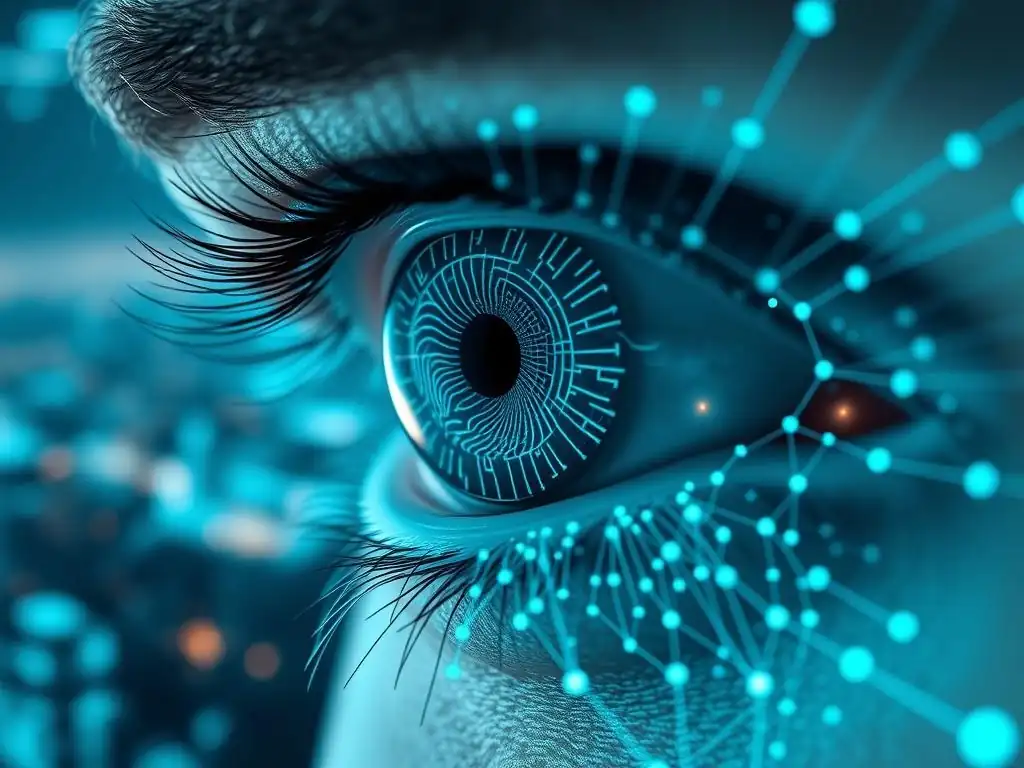
Welcome to Blockchain Trends, your source for in-depth analysis of blockchain's revolutionary impact.
Beyond the hype, discover how blockchain technology is reshaping industries. Dive in to explore the cutting-edge applications extending far beyond cryptocurrencies. This week, we delve into the fascinating intersection of blockchain biometric identity verification security, and how this powerful synergy promises to revolutionize user authentication and data protection. Intrigued by the potential of a future where identity is both secure and decentralized? Keep reading to uncover the latest advancements and challenges in this critical area.
- Introduction: The Convergence of Biometrics and Blockchain for Secure Identities
- Understanding the Fundamentals: Biometrics and Blockchain Technology
- Blockchain Biometric Identity Verification Security: A Combined Approach
-
Benefits of Blockchain-Based Biometric Authentication
- Enhanced Security: Mitigating Identity Theft and Fraud
- Improved Privacy: Protecting User Data with Decentralized Storage
- Increased Efficiency: Streamlining Verification Processes and Reducing Costs
- Greater Trust and Transparency: Building Confidence in Identity Systems
- Enhanced User Experience: Simplifying Authentication with Biometric Methods
-
Challenges and Considerations for Implementing Blockchain Biometric Identity Verification
- Scalability Issues: Addressing the Performance Limitations of Blockchain
- Regulatory Compliance: Navigating Data Privacy Regulations (e.g., GDPR)
- Interoperability: Ensuring Compatibility with Existing Systems
- Security Vulnerabilities: Addressing Potential Risks Associated with Blockchain Technology
- Cost of Implementation: Evaluating the Financial Implications of Deploying Blockchain Solutions
- Real-World Applications of Blockchain Biometric Identity Verification
- The Future of Blockchain Biometric Identity Verification
- Conclusion: Blockchain and Biometrics – A Path to Secure and Trustworthy Digital Identities
-
Frequently Asked Questions
- How does blockchain enhance biometric identity verification security?
- What are the key advantages of combining blockchain with biometric authentication?
- How can blockchain address the privacy concerns often associated with biometric data?
- What are some real-world applications of blockchain-based biometric identity verification?
- What are the current regulatory challenges surrounding the use of blockchain and biometrics for identity verification?
- Final Reflection: Securing the Future with Immutable Identity
- Secure Your Future: Embrace Biometric Blockchain!
Introduction: The Convergence of Biometrics and Blockchain for Secure Identities
The Growing Need for Robust Identity Verification in the Digital Age
In today's hyper-connected digital landscape, the need for robust identity verification has never been more critical. As our lives become increasingly intertwined with online services, from banking and healthcare to social media and e-commerce, the risk of identity theft and fraud escalates dramatically. Traditional username and password combinations, once the cornerstone of digital security, are proving woefully inadequate against sophisticated cyberattacks and phishing schemes.
Statistics from the Identity Theft Resource Center (ITRC) show a consistent upward trend in data breaches and identity compromises, with millions of individuals affected annually. This necessitates a paradigm shift towards more reliable and secure methods of verifying who we are online.
The rise of remote work, online education, and virtual interactions further amplifies this need. Businesses and organizations are increasingly reliant on digital platforms, making secure access and authentication paramount. In sectors like finance and healthcare, regulatory compliance mandates stringent identity verification protocols to prevent fraud, money laundering, and unauthorized access to sensitive patient data.
The consequences of weak identity verification can be severe, ranging from financial losses and reputational damage to compromised personal data and even national security threats. Therefore, exploring and implementing advanced identity verification technologies is not just a matter of convenience, but a fundamental requirement for a secure and trustworthy digital future.
Exploring the Potential of Blockchain in Digital Identity Management
Blockchain technology, initially recognized for its role in cryptocurrencies like Bitcoin, offers a revolutionary approach to digital identity management. Its inherent characteristics of decentralization, immutability, and transparency provide a foundation for building secure and self-sovereign identity systems. Unlike traditional centralized identity systems, which are vulnerable to single points of failure and data breaches, blockchain distributes identity data across a network of computers, making it significantly harder to compromise. This decentralized nature empowers individuals with greater control over their personal information, reducing reliance on intermediaries and fostering trust in the digital realm.
Furthermore, blockchain's immutable ledger ensures that identity records are tamper-proof and auditable. Once identity information is recorded on the blockchain, it cannot be altered or deleted, creating a permanent and verifiable history of identity transactions. This immutability is crucial for establishing trust and accountability in identity verification processes.
Consider the implications for government services, where citizens could have verifiable digital identities stored on a blockchain, facilitating secure access to public services and reducing bureaucratic inefficiencies. The potential of blockchain in digital identity management extends across various sectors, promising to reshape how we establish and manage identities in the digital age.
How Biometrics Enhance Blockchain Security: A Synergistic Approach
While blockchain provides a secure and decentralized infrastructure for identity management, biometrics offers a powerful layer of enhanced security and user-friendliness. Biometrics, the science of identifying individuals based on their unique biological or behavioral traits, provides a more reliable and convenient alternative to traditional knowledge-based authentication methods like passwords. By combining biometrics with blockchain, we create a synergistic approach that leverages the strengths of both technologies to achieve unprecedented levels of blockchain biometric identity verification security.
The synergy arises from using biometrics to verify an individual's identity before granting access to their blockchain-based digital identity. Biometric data, such as fingerprints, facial scans, or iris recognition, acts as the key to unlock and manage identity information stored on the blockchain. This combination not only strengthens security by making it significantly harder for unauthorized individuals to impersonate someone but also enhances privacy by ensuring that sensitive biometric data itself is not directly stored on the blockchain.
Instead, cryptographic hashes of biometric data are used, further protecting user privacy. This powerful combination of blockchain and biometrics promises to revolutionize digital identity verification, creating systems that are both highly secure and user-centric.
Understanding the Fundamentals: Biometrics and Blockchain Technology
What is Biometrics? An Overview of Biometric Identification Methods
Biometrics refers to the automated recognition of individuals based on their unique biological and behavioral characteristics. These characteristics, often referred to as biometric identifiers, are measurable and distinguishable traits that can be used to verify or identify a person. Biometric technology offers a more secure and reliable alternative to traditional identification methods like passwords or PINs, as biometric traits are inherently linked to an individual and are difficult to forge or replicate. The field of biometrics is rapidly evolving, with advancements in sensor technology, algorithms, and data processing capabilities leading to more accurate and efficient biometric systems.
Biometric systems generally operate through a process involving enrollment and verification or identification. During enrollment, a user's biometric data is captured and stored in a database or template. In the verification process, the system compares a newly presented biometric sample with the stored template to confirm the user's claimed identity.
Identification, on the other hand, involves comparing a biometric sample against a database of templates to determine the identity of the individual. Biometric technologies are increasingly integrated into various aspects of modern life, from unlocking smartphones and accessing buildings to border control and financial transactions, demonstrating their growing importance in enhancing security and convenience.
Types of Biometric Data: Fingerprints, Facial Recognition, Iris Scans, and Voice Recognition
Several types of biometric data are commonly used in identity verification systems, each with its own strengths and weaknesses. Fingerprint recognition, one of the oldest and most widely adopted biometric methods, relies on the unique patterns of ridges and valleys on a person's fingertips. Facial recognition technology identifies individuals by analyzing and comparing facial features from images or videos.
Iris scans, considered highly accurate, analyze the intricate patterns of the iris, the colored ring around the pupil of the eye. Voice recognition, or voice biometrics, authenticates users based on the unique characteristics of their voice, including pitch, tone, and speech patterns.
Each biometric modality offers different levels of accuracy, cost, and user acceptance. Fingerprint scanners are relatively inexpensive and widely available, but can be affected by factors like dry or damaged skin. Facial recognition is convenient and contactless, but its accuracy can be influenced by lighting conditions and facial expressions.
Iris scans are highly accurate but may be perceived as more intrusive and require specialized equipment. Voice recognition is user-friendly but can be affected by background noise and variations in voice. The selection of a specific biometric modality or a combination of modalities depends on the specific application requirements and the desired balance between security, usability, and cost.
Advantages and Limitations of Traditional Biometric Systems
Traditional biometric systems, while offering significant advantages over password-based authentication, also have limitations. A key advantage is enhanced security. Biometrics are inherently more secure than passwords, which can be forgotten, stolen, or easily compromised. Biometric systems also offer increased convenience and user-friendliness, eliminating the need to remember and manage multiple passwords. Furthermore, biometrics can improve accountability and reduce fraud by providing a more reliable way to verify identity in various applications, such as time and attendance systems or access control.
However, traditional biometric systems often rely on centralized databases to store biometric templates, creating potential security vulnerabilities and privacy concerns. A centralized database becomes a single point of failure and a tempting target for cyberattacks. Data breaches in centralized biometric databases can have severe consequences, exposing sensitive personal information to malicious actors.
Moreover, traditional biometric systems may face challenges related to accuracy and reliability, particularly in noisy environments or when dealing with variations in biometric data due to age, injury, or environmental factors. These limitations highlight the need for more secure and privacy-preserving approaches to biometric identity verification, paving the way for the integration of blockchain technology.
Blockchain Technology: A Decentralized and Immutable Ledger
Blockchain technology, at its core, is a distributed and immutable ledger that records transactions across a network of computers. It was initially conceived as the underlying technology for Bitcoin, but its applications have expanded far beyond cryptocurrencies. Blockchain's fundamental innovation lies in its ability to create a transparent, secure, and tamper-proof record of data without relying on a central authority. This decentralized nature makes blockchain resistant to censorship and single points of failure, offering a more resilient and trustworthy infrastructure for various applications.
The structure of a blockchain involves blocks of data linked together chronologically and cryptographically. Each block contains a batch of verified transactions and a hash of the previous block, creating a chain of blocks that is virtually impossible to alter retroactively. This immutability is a defining characteristic of blockchain, ensuring the integrity and auditability of the recorded data.
The consensus mechanism, employed by the blockchain network to validate transactions and add new blocks, further enhances security and prevents malicious manipulation. Different consensus mechanisms exist, such as Proof-of-Work and Proof-of-Stake, each with its own trade-offs in terms of energy consumption and security.
Key Features of Blockchain: Decentralization, Transparency, and Security
Decentralization, transparency, and security are the cornerstones of blockchain technology. Decentralization means that no single entity controls the blockchain network. Instead, the network is distributed across numerous participants, reducing the risk of censorship and single points of failure. This distributed nature enhances resilience and trust in the system. Transparency, in the context of public blockchains, refers to the open and auditable nature of the ledger. All transactions recorded on a public blockchain are visible to anyone, promoting accountability and trust. However, private and consortium blockchains offer varying degrees of transparency depending on their specific design and access permissions.
Security in blockchain is achieved through cryptographic techniques, including hashing and digital signatures. Cryptographic hashing ensures data integrity by creating a unique fingerprint of each block, making any tampering immediately detectable. Digital signatures provide authentication and non-repudiation, verifying the origin and integrity of transactions. The combination of decentralization, transparency (where applicable), and robust cryptography makes blockchain a highly secure and reliable platform for various applications, including digital identity management and blockchain biometric identity verification security.
Different Types of Blockchains: Public, Private, and Consortium Blockchains
Blockchains are not monolithic; they exist in different forms, each tailored to specific use cases and requirements. Public blockchains, like Bitcoin and Ethereum, are permissionless and open to anyone to participate in the network as a validator or user. They are characterized by high levels of decentralization and transparency but may face scalability challenges and slower transaction speeds. Private blockchains, on the other hand, are permissioned and controlled by a single organization. They offer greater control over access and data privacy but sacrifice some degree of decentralization.
Consortium blockchains represent a hybrid approach, where a group of organizations governs the blockchain network. They are permissioned but more decentralized than private blockchains, offering a balance between control and collaboration. Consortium blockchains are often used in industry-specific applications where a group of stakeholders needs to share data and collaborate securely.
The choice between public, private, and consortium blockchains depends on factors such as the level of decentralization required, data privacy considerations, regulatory compliance, and the specific use case. For blockchain biometric identity verification security, consortium or private blockchains might be preferred in certain regulated industries due to data privacy requirements, while public blockchains could be suitable for self-sovereign identity solutions.
Blockchain Biometric Identity Verification Security: A Combined Approach
How Blockchain Enhances Biometric Security and Privacy
Integrating blockchain with biometrics significantly enhances both the security and privacy aspects of biometric identity verification systems. Traditional biometric systems often store sensitive biometric templates in centralized databases, making them vulnerable to large-scale data breaches. Blockchain offers a decentralized and more secure alternative by enabling the storage of biometric hashes, rather than the raw biometric data itself, across a distributed network. This decentralized storage mitigates the risk of a single point of failure and reduces the attractiveness of biometric data as a target for cybercriminals.
Furthermore, blockchain's immutable ledger provides an auditable and tamper-proof record of biometric verification events. Every successful or failed authentication attempt can be recorded on the blockchain, creating a transparent audit trail that enhances accountability and facilitates fraud detection. This audit trail can be invaluable in investigating security incidents and ensuring the integrity of the identity verification process. By combining the inherent security of blockchain with the unique identification capabilities of biometrics, we create a robust and privacy-preserving approach to blockchain biometric identity verification security.
Decentralized Storage of Biometric Hashes: Protecting Sensitive Data
One of the most significant advantages of using blockchain in conjunction with biometrics is the ability to decentralize the storage of biometric data. Instead of storing full biometric templates in a central repository, blockchain-based systems typically store cryptographic hashes of the biometric data. A cryptographic hash is a one-way function that transforms biometric data into a fixed-size string of characters. It is computationally infeasible to reverse the hashing process and recover the original biometric data from the hash. This means that even if a blockchain network were compromised, the actual biometric information would remain protected.
Decentralizing the storage of these biometric hashes across a blockchain network further enhances security. The data is distributed across multiple nodes, making it significantly more difficult for attackers to gain access to a substantial portion of the biometric information. This decentralized approach contrasts sharply with centralized databases, which represent single points of failure and attractive targets for large-scale data breaches. By storing only biometric hashes on a decentralized blockchain, we achieve a significant improvement in data security and privacy for blockchain biometric identity verification security systems.
Immutable Audit Trails for Enhanced Accountability
Blockchain's immutable ledger provides an unparalleled capability for creating tamper-proof audit trails of biometric verification events. Every authentication attempt, whether successful or unsuccessful, can be recorded as a transaction on the blockchain, along with relevant details such as timestamps and user identifiers. Once recorded on the blockchain, these audit logs cannot be altered or deleted, creating a permanent and verifiable record of all identity verification activities.
This immutable audit trail enhances accountability in several ways. It provides a transparent and auditable record of who accessed what resources and when, making it easier to track and investigate security incidents. In regulated industries, such as finance and healthcare, immutable audit trails are crucial for demonstrating compliance with data privacy regulations and security standards.
Moreover, the transparency of blockchain-based audit trails can build trust and confidence in the identity verification process, as all stakeholders can be assured of the integrity and verifiability of the recorded events. For blockchain biometric identity verification security, these immutable audit trails are a significant advantage.
Tamper-Proof Verification Processes with Blockchain Technology
Blockchain technology ensures tamper-proof verification processes by leveraging its inherent immutability and cryptographic security. In a blockchain-based biometric identity verification system, the verification process itself can be implemented as a smart contract or a series of transactions on the blockchain. Smart contracts are self-executing agreements written in code and stored on the blockchain. They automate and enforce the rules of the verification process, ensuring that it is executed consistently and transparently.
By encoding the verification logic within a smart contract, we eliminate the potential for human error or malicious manipulation of the verification process. The smart contract automatically compares the user's presented biometric data (or a hash of it) with the stored biometric hash on the blockchain and determines whether to grant access or not.
The results of the verification process are also recorded on the blockchain, creating an immutable record of the outcome. This tamper-proof verification process, powered by blockchain and biometrics, provides a higher level of security and trust compared to traditional centralized systems, strengthening blockchain biometric identity verification security.
Biometric Authentication on Blockchain: Use Cases and Applications
The combination of blockchain and biometrics opens up a wide range of use cases and applications across various industries, enhancing security and streamlining processes. From secure access control systems to KYC procedures and digital asset protection, blockchain-based biometric authentication offers innovative solutions to identity verification challenges.
Secure Access Control Systems Powered by Blockchain and Biometrics
Blockchain and biometrics can revolutionize access control systems, providing enhanced security and efficiency for physical and digital access. In physical access control, biometric readers can be integrated with blockchain-based identity platforms to manage and verify access permissions. For example, employees could use fingerprint or facial recognition to gain access to secure buildings or areas, with access rights managed and verified on a blockchain. This approach eliminates the need for physical access cards, which can be lost, stolen, or duplicated, and provides a more secure and auditable access control system.
For digital access control, blockchain-based biometric authentication can secure access to sensitive data, applications, and online services. Users can authenticate using biometrics to access their accounts or authorize transactions, with the verification process secured by blockchain technology. This is particularly relevant for high-security environments, such as data centers or financial institutions, where robust access control is paramount. By combining biometrics for user-friendly authentication with blockchain for secure and decentralized access management, we can create next-generation access control systems that enhance both security and user experience.
Streamlining KYC (Know Your Customer) Processes with Blockchain-Based Biometric Verification
Know Your Customer (KYC) processes, essential for regulatory compliance in industries like finance, can be significantly streamlined and enhanced using blockchain-based biometric verification. Traditional KYC processes are often time-consuming, costly, and involve repetitive identity verification steps for customers across different institutions. Blockchain and biometrics offer a solution by creating reusable digital identities that can be verified once and reused across multiple service providers.
For example, a customer could undergo biometric verification and KYC checks with a certified identity provider, and their verified identity could be stored on a blockchain. When the customer needs to access services from another institution, they can grant permission for that institution to verify their identity on the blockchain, eliminating the need for repeated KYC processes.
This not only improves customer experience by reducing onboarding times but also reduces costs and operational overhead for businesses. Blockchain-based biometric KYC solutions have the potential to transform the way identity verification is conducted in regulated industries, improving efficiency and enhancing blockchain biometric identity verification security.
Protecting Digital Assets with Biometric-Enabled Blockchain Wallets
Blockchain wallets, used to manage and store cryptocurrencies and other digital assets, can be significantly secured by integrating biometric authentication. Traditional blockchain wallets often rely on private keys or passwords, which are vulnerable to phishing, keylogging, and other forms of cyberattacks. Biometric-enabled blockchain wallets add an extra layer of security by requiring biometric verification before authorizing transactions or accessing wallet funds.
Users can utilize fingerprint, facial recognition, or other biometric modalities to unlock their wallets and confirm transactions. This makes it significantly harder for unauthorized individuals to access and steal digital assets, even if they gain access to a user's device or wallet credentials. Biometric authentication provides a more user-friendly and secure alternative to complex passwords and private key management, enhancing the overall security and usability of blockchain wallets. As digital asset adoption grows, biometric-enabled blockchain wallets will play a crucial role in safeguarding user funds and promoting wider adoption of cryptocurrencies and other blockchain-based assets.
Benefits of Blockchain-Based Biometric Authentication
Enhanced Security: Mitigating Identity Theft and Fraud
The integration of blockchain and biometrics offers a significant leap forward in security, effectively mitigating identity theft and fraud. Traditional identity verification methods, particularly password-based systems, are increasingly vulnerable to sophisticated cyberattacks. Biometric authentication, by its nature, is more resistant to phishing and social engineering attacks as it relies on unique biological traits rather than knowledge-based credentials. Coupled with blockchain's decentralized and immutable nature, blockchain biometric identity verification security becomes significantly stronger.
Blockchain's decentralized storage of biometric hashes reduces the risk of large-scale data breaches that are common with centralized biometric databases. The immutable audit trails provided by blockchain enhance accountability and facilitate fraud detection. Moreover, the tamper-proof verification processes enforced by blockchain smart contracts ensure the integrity of identity verification. By combining these security features, blockchain-based biometric authentication systems offer a far more robust defense against identity theft and fraud compared to traditional approaches. This enhanced security is crucial for building trust in digital identity systems and protecting individuals and organizations from financial losses and reputational damage.
Improved Privacy: Protecting User Data with Decentralized Storage
Privacy concerns are paramount in the digital age, especially when dealing with sensitive personal information like biometric data. Blockchain-based biometric authentication systems address these concerns by prioritizing user privacy through decentralized storage and data minimization. As discussed earlier, instead of storing raw biometric data, these systems typically store only cryptographic hashes of biometric data on the blockchain. This minimizes the amount of sensitive information stored and reduces the risk of biometric data being compromised in a data breach.
Decentralized storage further enhances privacy by distributing biometric hashes across a network, making it extremely difficult for any single entity to access or control all of the data. Users retain greater control over their identity data, aligning with the principles of self-sovereign identity. Furthermore, blockchain's transparency (in public and consortium blockchains) can allow for auditable privacy practices, ensuring that identity verification processes are conducted in a privacy-respectful manner. By prioritizing decentralized storage and data minimization, blockchain-based biometric authentication offers a more privacy-preserving approach to identity verification compared to traditional centralized systems.
Increased Efficiency: Streamlining Verification Processes and Reducing Costs
Blockchain-based biometric authentication can significantly increase the efficiency of identity verification processes and reduce associated costs. Traditional identity verification methods, particularly in regulated industries, often involve manual processes, paperwork, and repetitive verification steps. Blockchain can automate and streamline many of these processes, leading to faster onboarding, reduced administrative overhead, and lower operational costs.
For example, blockchain-based KYC solutions can eliminate redundant KYC checks by allowing users to verify their identity once and reuse it across multiple service providers. Biometric authentication simplifies the user experience, making verification faster and more convenient compared to password-based systems. Smart contracts can automate verification processes, reducing the need for manual intervention and speeding up transaction times. By streamlining verification processes and reducing manual effort, blockchain-based biometric authentication can lead to significant efficiency gains and cost savings for businesses and organizations.
Greater Trust and Transparency: Building Confidence in Identity Systems
Trust and transparency are essential for the widespread adoption of digital identity systems. Blockchain technology inherently fosters trust and transparency through its decentralized and immutable nature. In the context of biometric identity verification, blockchain can enhance trust by providing auditable and verifiable records of identity transactions. The immutable audit trails on the blockchain ensure that verification processes are transparent and accountable, building confidence in the integrity of the system.
Decentralization reduces reliance on central authorities, mitigating concerns about single points of failure and data manipulation. Users have greater control over their identity data and can verify the integrity of the identity system themselves, increasing trust in the overall process. The transparency of blockchain (where applicable) allows for public scrutiny and validation of the identity system, further enhancing trust and confidence. By promoting trust and transparency, blockchain-based biometric authentication can accelerate the adoption of secure and user-centric digital identity systems.
Enhanced User Experience: Simplifying Authentication with Biometric Methods
Biometric authentication offers a significantly enhanced user experience compared to traditional password-based methods. Users no longer need to remember complex passwords or PINs, which can be easily forgotten or compromised. Biometric authentication is typically faster and more convenient, requiring only a quick fingerprint scan, facial recognition, or iris scan. This simplifies the authentication process and reduces user friction, leading to a more seamless and user-friendly experience.
Blockchain-based biometric identity systems can further enhance user experience by enabling self-sovereign identity. Users have greater control over their identity data and can manage their digital identities more easily. Reusable digital identities, facilitated by blockchain, eliminate the need for users to repeatedly verify their identity with different service providers. By simplifying authentication and empowering users with greater control over their identities, blockchain-based biometric authentication can significantly improve the overall user experience and drive wider adoption of digital identity solutions.
Challenges and Considerations for Implementing Blockchain Biometric Identity Verification

Scalability Issues: Addressing the Performance Limitations of Blockchain
Scalability remains a significant challenge for blockchain technology, particularly for public blockchains. Traditional blockchain networks can experience limitations in transaction throughput and processing speed, especially when dealing with large volumes of transactions or data. Biometric identity verification systems, especially those handling large populations, could generate a high volume of verification requests, potentially straining the scalability of the underlying blockchain.
Addressing scalability issues is crucial for the widespread adoption of blockchain biometric identity verification security. Various scaling solutions are being developed, including layer-2 solutions like state channels and sidechains, as well as sharding and other techniques to improve blockchain performance. Choosing the right type of blockchain (e.g., private or consortium blockchain) and implementing appropriate scaling solutions are important considerations for deploying blockchain-based biometric identity systems in large-scale applications. Ongoing research and development in blockchain scalability are crucial for overcoming these limitations and enabling wider adoption.
Regulatory compliance is a critical consideration for implementing blockchain-based biometric identity verification systems, particularly in regions with stringent data privacy regulations like the General Data Protection Regulation (GDPR) in Europe. GDPR and similar regulations impose strict requirements on the collection, processing, and storage of personal data, including biometric data. Organizations must ensure that their blockchain-based biometric systems comply with these regulations to avoid legal penalties and reputational damage.
Compliance with GDPR and other data privacy regulations requires careful consideration of data minimization, consent management, data security, and user rights. Implementing privacy-preserving techniques, such as storing only biometric hashes instead of raw biometric data, is crucial. Obtaining informed consent from users for the collection and processing of their biometric data is also essential. Organizations must also implement robust security measures to protect biometric data from unauthorized access and breaches. Navigating the complex landscape of data privacy regulations is a critical challenge for the successful deployment of blockchain biometric identity verification security solutions.
Interoperability: Ensuring Compatibility with Existing Systems
Interoperability, the ability of different systems and technologies to work together seamlessly, is another important consideration for implementing blockchain-based biometric identity verification. Many organizations already have existing identity management systems and infrastructure in place. Integrating new blockchain-based biometric systems with these legacy systems can be complex and challenging. Ensuring interoperability is crucial for avoiding vendor lock-in and enabling seamless data exchange and communication between different systems.
Developing open standards and protocols for blockchain-based identity systems is essential for promoting interoperability. Adopting standardized APIs and data formats can facilitate integration with existing systems and enable wider adoption of blockchain-based biometric solutions. Addressing interoperability challenges requires collaboration between technology providers, industry stakeholders, and standards organizations to create a more connected and seamless digital identity ecosystem.
Security Vulnerabilities: Addressing Potential Risks Associated with Blockchain Technology
While blockchain technology is inherently secure, it is not immune to all security vulnerabilities. Smart contract vulnerabilities, for example, can be exploited by attackers to compromise blockchain-based applications, including identity verification systems. Ensuring the security of smart contracts through rigorous testing and auditing is crucial for mitigating this risk. Private key management is another critical security consideration. If private keys are compromised, attackers could gain unauthorized access to blockchain-based identities and assets.
Furthermore, blockchain networks themselves may be vulnerable to certain types of attacks, such as 51% attacks, although these are less likely in larger and more decentralized networks. Organizations implementing blockchain-based biometric systems must carefully assess and mitigate these potential security risks. Implementing robust security practices, conducting regular security audits, and staying informed about emerging security threats are essential for maintaining the security and integrity of blockchain biometric identity verification security systems.
Cost of Implementation: Evaluating the Financial Implications of Deploying Blockchain Solutions
The cost of implementing blockchain-based biometric identity verification solutions can be a significant consideration for organizations. Developing and deploying blockchain infrastructure, integrating biometric technologies, and ensuring regulatory compliance can involve substantial upfront and ongoing costs. These costs can include software development, hardware infrastructure, integration services, security audits, and ongoing maintenance and support.
Evaluating the financial implications of deploying blockchain solutions is crucial for making informed decisions. Organizations need to carefully assess the costs and benefits of blockchain-based biometric identity verification compared to traditional approaches. Factors to consider include the potential for cost savings through increased efficiency, reduced fraud, and improved security, as well as the potential return on investment (ROI) of implementing blockchain technology. A thorough cost-benefit analysis is essential for justifying the investment in blockchain-based biometric identity verification and ensuring its financial viability.
Real-World Applications of Blockchain Biometric Identity Verification
Blockchain Biometrics in Airport Security: Streamlining Passenger Identification
Airport security is a prime area where blockchain-based biometric identity verification can significantly improve efficiency and security. Traditional airport security procedures often involve manual identity checks, long queues, and cumbersome processes. Biometric technologies, such as facial recognition and fingerprint scanning, are already being used to expedite passenger identification, but integrating them with blockchain can further enhance security and streamline operations.
Imagine a system where passengers enroll their biometric data and create a blockchain-based digital identity. Upon arrival at the airport, passengers could use biometric authentication at self-service kiosks or automated gates to verify their identity and boarding pass information stored on the blockchain. This would significantly reduce queuing times, minimize manual checks, and enhance the overall passenger experience.
Furthermore, the immutable audit trails on the blockchain could improve security and accountability in airport security processes. Several airports and airlines are exploring or piloting blockchain-based biometric solutions to revolutionize passenger identification and enhance blockchain biometric identity verification security in air travel. For example, initiatives are underway to explore digital travel credentials that leverage blockchain for secure and verifiable identity data.
Blockchain Biometrics in Banking: Enhancing Mobile Banking Security
Mobile banking has become increasingly popular, but security concerns remain a major challenge. Traditional mobile banking authentication methods, such as passwords and PINs, are vulnerable to phishing and other cyberattacks. Blockchain-based biometric identity verification offers a more secure and user-friendly approach to enhance mobile banking security. Banks can integrate biometric authentication into their mobile apps, allowing customers to securely access their accounts and authorize transactions using fingerprints, facial recognition, or other biometric modalities.
By leveraging blockchain, banks can further enhance the security and privacy of biometric authentication in mobile banking. Biometric hashes can be stored on a private or consortium blockchain, reducing the risk of data breaches. Immutable audit trails can provide a verifiable record of all mobile banking transactions.
This combination of blockchain and biometrics provides a more robust and secure mobile banking experience, building customer trust and reducing the risk of fraud. Financial institutions are actively exploring and implementing biometric authentication in their mobile banking apps, and blockchain integration is emerging as a promising approach to further enhance blockchain biometric identity verification security in this sector.
Blockchain Biometrics in Voting Systems: Ensuring Secure and Transparent Elections
Ensuring secure and transparent elections is crucial for democratic processes. Traditional voting systems are often vulnerable to fraud, manipulation, and lack of transparency. Blockchain-based voting systems have the potential to address these challenges by providing a secure, transparent, and auditable platform for electronic voting. Integrating biometric identity verification into blockchain-based voting systems can further enhance security and prevent voter impersonation and fraud.
Voters could register their biometric data and create a blockchain-based digital identity. During elections, voters could use biometric authentication to verify their identity and cast their votes securely on the blockchain. The immutability and transparency of blockchain ensure that votes are tamper-proof and auditable.
Biometric verification adds an extra layer of security, preventing unauthorized voting and ensuring the integrity of the election process. While blockchain-based voting systems are still in early stages of adoption, pilot projects and research initiatives are exploring their potential to revolutionize elections and enhance blockchain biometric identity verification security in democratic processes. Countries like Estonia have been pioneers in digital voting, and blockchain biometrics could further advance the security and transparency of such systems.
The Future of Blockchain Biometric Identity Verification
Emerging Trends: Self-Sovereign Identity (SSI) and Decentralized Identity (DID)
Self-Sovereign Identity (SSI) and Decentralized Identity (DID) are emerging trends that are closely aligned with blockchain-based biometric identity verification. SSI and DID empower individuals with greater control over their digital identities, giving them the ability to create, manage, and control their own identity data without relying on central authorities or intermediaries. Blockchain technology provides the infrastructure for building SSI and DID solutions, while biometrics offers a user-friendly and secure authentication mechanism.
In an SSI or DID model, individuals own and control their identity data, stored on a blockchain-based platform. They can selectively share their identity information with verifiers as needed, without disclosing unnecessary personal details. Biometric authentication can be used to securely access and manage their self-sovereign identities. This paradigm shift towards user-centric identity management is gaining momentum, driven by growing privacy concerns and the desire for greater individual control over personal data. Blockchain-based biometric identity verification is a key enabler of SSI and DID, paving the way for a more user-centric and privacy-respectful digital identity landscape.
The Role of AI and Machine Learning in Enhancing Blockchain Biometric Security
Artificial Intelligence (AI) and Machine Learning (ML) are playing an increasingly important role in enhancing the security and accuracy of both biometric and blockchain technologies. In biometrics, AI and ML algorithms are used to improve the accuracy and robustness of biometric recognition systems, particularly in challenging conditions such as noisy environments or variations in biometric data. AI-powered biometric systems can adapt and learn from new data, improving their performance over time.
In blockchain, AI and ML can be used to enhance security by detecting and preventing fraudulent activities and cyberattacks. AI-powered anomaly detection systems can monitor blockchain networks for suspicious transactions and identify potential security threats. Furthermore, AI can be used to optimize blockchain performance and scalability. The convergence of AI, ML, blockchain, and biometrics holds immense potential for creating more secure, efficient, and intelligent identity verification systems. Future advancements in AI and ML are expected to further enhance blockchain biometric identity verification security and expand its applications.
The Potential for Blockchain Biometrics to Revolutionize Identity Management Globally
Blockchain-based biometric identity verification has the potential to revolutionize identity management on a global scale. Traditional identity systems are often fragmented, inefficient, and lack interoperability, particularly across borders. Blockchain and biometrics offer a foundation for building a more unified, secure, and interoperable global identity ecosystem. Blockchain's decentralized and distributed nature makes it suitable for managing identities across diverse geographical locations and jurisdictions.
Biometric authentication provides a universal and language-independent method of identity verification, overcoming some of the limitations of traditional identity documents. SSI and DID, enabled by blockchain and biometrics, can empower individuals with portable and verifiable digital identities that can be used globally. The potential for blockchain biometrics to revolutionize identity management extends across various sectors, including travel, finance, healthcare, and e-commerce, creating a more seamless and secure global digital identity landscape. Realizing this potential requires continued innovation, collaboration, and standardization efforts to build interoperable and globally accepted blockchain biometric identity verification security solutions.
Conclusion: Blockchain and Biometrics – A Path to Secure and Trustworthy Digital Identities
Recapping the Synergistic Benefits of Combining Biometrics and Blockchain
The synergy between biometrics and blockchain creates a powerful combination for enhanced identity verification and security. Biometrics provides user-friendly and reliable authentication based on unique biological traits, while blockchain offers a decentralized, immutable, and transparent infrastructure for managing identity data. Combining these technologies addresses the limitations of traditional identity systems and creates a more secure, privacy-preserving, and efficient approach to digital identity management.
Key synergistic benefits include enhanced security through decentralized storage of biometric hashes and tamper-proof verification processes, improved privacy through data minimization and user control, increased efficiency through streamlined verification and reduced costs, greater trust and transparency through immutable audit trails, and enhanced user experience through simplified biometric authentication. This powerful synergy positions blockchain biometric identity verification security as a transformative force in the future of digital identity.
The Importance of Continued Innovation and Collaboration in the Field
Continued innovation and collaboration are crucial for realizing the full potential of blockchain-based biometric identity verification. Ongoing research and development are needed to address challenges such as scalability, interoperability, and regulatory compliance. Innovation in biometric technologies, blockchain protocols, AI and ML integration, and privacy-preserving techniques is essential for advancing the field.
Collaboration between technology providers, industry stakeholders, governments, and standards organizations is vital for building interoperable, secure, and globally accepted blockchain biometric identity solutions. Sharing knowledge, best practices, and resources can accelerate innovation and drive wider adoption. Open standards and protocols are needed to ensure interoperability and prevent vendor lock-in. Continued innovation and collaboration are key to unlocking the transformative potential of blockchain biometric identity verification security and building a more secure and trustworthy digital future.
Blockchain Biometric Identity Verification Security: A Key Enabler for a More Secure Future.
In conclusion, blockchain biometric identity verification security represents a significant advancement in the quest for more secure and trustworthy digital identities. By combining the strengths of biometrics and blockchain, we can create identity systems that are more resistant to fraud, more privacy-preserving, more efficient, and more user-friendly. This technology holds immense potential to revolutionize identity management across various sectors, from finance and healthcare to travel and e-commerce.
As the digital world continues to evolve and reliance on digital identities grows, the need for robust and secure identity verification solutions becomes increasingly critical. Blockchain-based biometric identity verification is poised to play a key role in shaping a more secure future, enabling individuals and organizations to interact and transact online with greater confidence and trust. By embracing innovation and collaboration, we can unlock the full potential of this powerful synergy and build a more secure and trustworthy digital world for all.
Frequently Asked Questions
How does blockchain enhance biometric identity verification security?
Blockchain provides a decentralized and immutable ledger, making biometric data resistant to tampering and single points of failure. This increases trust and security in the identity verification process.
What are the key advantages of combining blockchain with biometric authentication?
The synergy offers enhanced security against fraud, improved data privacy through decentralized storage, and greater efficiency in identity management.
How can blockchain address the privacy concerns often associated with biometric data?
Blockchain allows for selective disclosure and zero-knowledge proofs, enabling verification without revealing the actual biometric data. This safeguards user privacy.
What are some real-world applications of blockchain-based biometric identity verification?
Examples include secure access control systems, streamlined border control procedures, and improved digital identity management for online services.
What are the current regulatory challenges surrounding the use of blockchain and biometrics for identity verification?
Regulations are still evolving, but key concerns include data protection laws, compliance with KYC/AML requirements, and the need for clear legal frameworks governing the use of these technologies.
Final Reflection: Securing the Future with Immutable Identity
The convergence of biometrics and blockchain, as explored throughout this article, is not merely a technological novelty, but a fundamental shift in how we approach identity verification and security. In a world increasingly plagued by data breaches and identity theft, the promise of a decentralized, secure, and verifiable identity system is more critical than ever. The potential to revolutionize industries from finance to healthcare, and even voting systems, is immense and demands our immediate attention.
This synergy between biometrics and blockchain has profoundly influenced, and continues to shape, the digital landscape. The ability to create a self-sovereign identity, controlled by the individual and secured by immutable blockchain technology, empowers us to reclaim ownership of our personal data. Identity is the new perimeter of security,
a sentiment that perfectly encapsulates the urgency and importance of exploring and implementing these innovative solutions. The ongoing development and refinement of these technologies will undoubtedly determine the future of digital trust and security.
As we conclude this exploration, I invite you to consider the implications of this powerful synergy in your own life. How can you advocate for the adoption of more secure and privacy-respecting identity verification systems? How can you contribute to the ongoing conversation surrounding the ethical and responsible implementation of blockchain and biometrics? Let us all strive to build a future where identity is not a vulnerability, but a source of empowerment and security for everyone.
Okay, here's a CTA designed for the end of a web article titled "Biometrics and Blockchain: A Powerful Synergy for Enhanced Identity Verification and Security," on the website "Blockchain Trends" (blockchaintrends.org):
Secure Your Future: Embrace Biometric Blockchain!
Thanks for diving into the exciting world of biometric blockchain and its potential to revolutionize identity security. We hope you've gained valuable insights into how this powerful combination can create a safer, more trustworthy digital world. Now, it's time to take action and be part of this innovative movement!
Here's how you can get started:
- Revolutionize your perspective on security by developing an understanding of biometric blockchain, so you can begin to implement security measures for the future.
- Explore new ways to incorporate biometric authentication into your own projects using blockchain technology. It's time to push the boundaries of what's possible!
- Share this article and your thoughts on biometric blockchain with other security leaders, or those who have an interest in security in general. Join the discussion and help shape the future of secure digital identity.
What unique application of biometric blockchain are you most excited to see implemented in the near future? Let's discuss!
Leave a Reply