
Beyond Art: Sustainable NFTs in Gaming, Music, and Collectibles

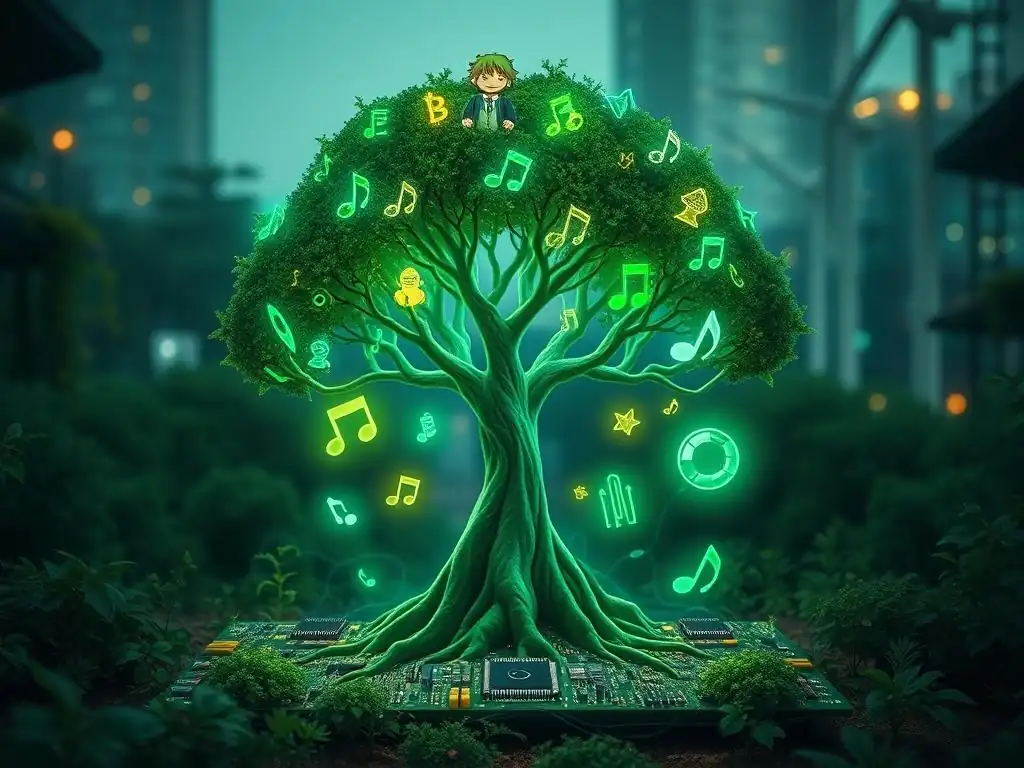
Welcome to Blockchain Trends, your compass in the ever-evolving world of decentralized technologies!
Dive in to discover how blockchain is reshaping industries beyond the headlines. Are you ready to explore a new frontier? This week, we're venturing Beyond Art, investigating the rise of Sustainable NFTs in gaming, music, and collectibles – and uncovering how these digital assets are finding a greener path forward. Intrigued? The revolution is just beginning...
Beyond Art: Sustainable NFTs in Gaming, Music, and Collectibles
- Introduction: The Rise of Eco-Friendly NFTs Beyond Digital Art
- Sustainable NFTs in Gaming: Revolutionizing Play-to-Earn
- Music Industry Transformation: Eco-Conscious NFTs for Musicians
- Collectibles Reimagined: The Green Future of Digital Ownership
- Blockchain Technology Innovations for Sustainable NFTs
- The Benefits of Sustainable NFTs: Beyond Environmental Responsibility
- Challenges and Opportunities in the Sustainable NFT Space
- The Future of NFTs: A Sustainable and Inclusive Ecosystem
- Frequently Asked Questions
- Final Reflection: A Greener Future for Digital Ownership
- Ignite Change: Explore Sustainable NFT Possibilities!
Introduction: The Rise of Eco-Friendly NFTs Beyond Digital Art
The Environmental Concerns of Traditional NFTs
The initial boom in Non-Fungible Tokens (NFTs), largely centered around digital art, brought significant attention to the blockchain's energy consumption. Early NFTs were predominantly minted and traded on Proof-of-Work (PoW) blockchains like Ethereum, which required immense computational power to validate transactions. This process involved numerous computers competing to solve complex mathematical problems, consuming substantial amounts of electricity, often sourced from fossil fuels.
Estimates from 2021 suggested that a single Ethereum transaction could consume as much energy as an average US household uses in over a week, equating to roughly 200-300 kWh per transaction before Ethereum's transition to Proof-of-Stake. This raised serious environmental concerns and led to considerable backlash against the technology.
This high energy footprint became a major barrier to mainstream adoption and acceptance, particularly among environmentally conscious creators, collectors, and corporations. Critics pointed to the carbon emissions associated with PoW mining, arguing that the environmental cost outweighed the benefits of digital ownership and scarcity provided by NFTs.
This pressure highlighted the urgent need for more sustainable alternatives within the blockchain space, pushing developers and platforms to explore less energy-intensive methods for creating and managing digital assets. The narrative around NFTs began shifting, recognizing that for the technology to have a long-term future, especially as it expanded beyond speculative art, sustainability had to become a core consideration.
Shifting Focus: Sustainable NFTs in Gaming, Music, and Digital Collectibles
As the NFT market matured, its applications rapidly expanded beyond static digital art into dynamic sectors like gaming, music, and various forms of digital collectibles. This expansion coincided with growing awareness and demand for environmentally responsible blockchain solutions. The focus began to shift towards sustainable NFTs, leveraging energy-efficient blockchain protocols. This includes blockchains utilizing Proof-of-Stake (PoS) or various Layer-2 scaling solutions built on top of existing chains. These technologies drastically reduce the energy required per transaction, often by orders of magnitude compared to PoW.
The move towards sustainable NFTs is particularly critical for sectors like gaming and music, which aim for broad consumer adoption. Gamers and music fans are increasingly environmentally aware and are more likely to embrace digital assets that align with their values. Sustainable NFTs gaming music applications allow creators and platforms to engage their audiences without contributing to the high carbon footprint previously associated with the technology. This shift is not just about mitigating environmental impact; it's also about improving scalability, reducing transaction costs, and building a more accessible and future-proof ecosystem for digital ownership across these diverse industries.
Sustainable NFTs in Gaming: Revolutionizing Play-to-Earn
Energy-Efficient Blockchain Solutions for Gaming NFTs
The gaming industry, with its massive user base and high transaction volume potential (players interacting with in-game items, trading, etc. ), desperately needed scalable and energy-efficient blockchain solutions for NFTs. Traditional PoW was simply not viable due to its environmental cost and congestion issues.
This necessity accelerated the adoption of Proof-of-Stake (PoS) networks and Layer-2 scaling solutions optimized for speed and low energy consumption. Blockchains like Polygon (a Layer-2 scaling solution for Ethereum), Flow, WAX, and Immutable X (another Ethereum Layer-2) emerged as popular choices for gaming, specifically designed to handle millions of transactions with minimal energy use compared to Layer-1 PoW chains.
For example, Polygon, which uses a PoS consensus mechanism, claims its network consumes approximately 0.00079% of the energy consumed by Ethereum's Proof-of-Work chain per transaction before the Merge. Flow, developed by Dapper Labs (creators of CryptoKitties and NBA Top Shot), uses a unique multi-node architecture to achieve high throughput and low energy consumption, stating that minting an NFT on Flow uses less energy than a Google search. These statistics highlight the dramatic reduction in environmental impact achievable with energy-efficient blockchain designs, making sustainable NFTs gaming a practical reality.
In-Game Assets and Sustainable NFT Marketplaces for Gamers
NFTs in gaming allow players to truly own their digital assets, such as unique skins, weapons, virtual land, or characters, moving beyond traditional in-game licenses. These assets can be traded, sold, or even used across different games, creating vibrant player-owned economies. To facilitate this, dedicated NFT marketplaces focused on gaming assets have emerged. Many of these platforms prioritize sustainability by building on or integrating with energy-efficient blockchains. Marketplaces like Immutable X, which powers games like Gods Unchained and Guild of Guardians, process transactions off-chain using zero-knowledge rollups, dramatically reducing the need for energy-intensive mainnet interactions.
The market for gaming NFTs has seen significant growth. While exact figures fluctuate, reports in 2021 and 2022 estimated billions of dollars in transaction volume specifically related to in-game NFTs. Marketplaces like AtomicHub on the WAX blockchain or platforms built on Polygon are designed to handle the high volume of trades expected from millions of gamers, ensuring that these transactions have a minimal environmental footprint. By focusing on energy-efficient infrastructure, these platforms and the games built on them are paving the way for widespread adoption of sustainable NFTs gaming experiences, where players can collect and trade assets responsibly.
Case Study: Axie Infinity's Migration to Ronin
Axie Infinity, a pioneer in the play-to-earn gaming space, faced significant challenges operating on the Ethereum mainnet during its early growth phase. High gas fees and network congestion made breeding Axies (NFT characters) and processing in-game transactions expensive and slow for its rapidly expanding user base. More importantly, operating on a PoW chain contributed to the environmental concerns surrounding the game's success. To address these issues comprehensively, Sky Mavis, the game's developer, decided to launch its own Ethereum-linked sidechain called Ronin.
The migration to Ronin, completed in phases throughout 2021, was a critical step. Ronin is a blockchain specifically designed for Axie Infinity, optimized for fast, cheap, and energy-efficient transactions related to the game's assets (Axies, land, items) and currency (SLP, AXS). By moving off the Ethereum mainnet for daily gameplay, Axie Infinity drastically reduced the energy consumption per transaction.
While Ronin's exact energy usage is not as widely publicized as major Layer-1s, sidechains generally use significantly less energy than PoW chains due to different consensus mechanisms (often Proof-of-Authority or Delegated PoS). This strategic move allowed Axie Infinity to scale to millions of users at its peak, processing millions of NFT-related transactions daily in a far more sustainable manner than would have been possible on the crowded Ethereum mainnet, showcasing a successful transition towards sustainable NFTs gaming at scale.
Music Industry Transformation: Eco-Conscious NFTs for Musicians
Minting Green: Sustainable NFT Platforms for Music Creation
The music industry is exploring NFTs as a new way for artists to distribute music, engage fans, and generate revenue, but the environmental impact of traditional NFT minting has been a significant hurdle. In response, platforms specializing in music NFTs are increasingly prioritizing sustainability by building on or integrating with energy-efficient blockchains.
Platforms like Catalog, Sound.xyz, and Royal (which allows fans to own music royalties) are often built on Layer-2 solutions or PoS chains like Polygon or Solana, known for their low energy consumption. These platforms enable musicians to "mint green" – creating sustainable music NFTs with a minimal environmental footprint.
Minting an NFT on an energy-efficient platform can consume orders of magnitude less energy than on a PoW chain. For instance, minting on Polygon uses a fraction of the energy compared to the Ethereum mainnet before the Merge. Some platforms also offer carbon offsetting options, though the primary focus is on reducing energy consumption at the source through blockchain choice. This allows independent artists and major labels alike to experiment with music NFTs responsibly, offering everything from limited edition tracks and albums to unique fan experiences and digital merchandise as sustainable music NFTs.
Reducing Carbon Footprint: Artists Embracing Environmentally Friendly NFTs
A growing number of musicians are becoming vocal about the environmental impact of technology and are specifically seeking out eco-friendly options when entering the NFT space. Rather than simply using the most popular but energy-intensive platforms, artists are researching and choosing networks known for their sustainability efforts. This conscious choice helps reduce the carbon footprint associated with their digital releases and aligns with the values of many fans. For example, artists have utilized platforms built on Tezos or Algorand, which are PoS chains with significantly lower energy consumption than PoW networks.
Some artists have publicly stated their commitment to using only sustainable methods for their NFT projects. This isn't just a marketing tactic; it reflects a genuine concern for the environment and a desire to use blockchain technology responsibly. By opting for sustainable NFTs, musicians can engage with the innovative potential of Web3 while minimizing negative externalities. This trend is pushing the entire music NFT ecosystem towards more sustainable practices, encouraging platforms and marketplaces to prioritize energy efficiency to attract environmentally conscious creators and collectors interested in sustainable NFTs gaming music and other forms of digital assets.
Fan Engagement and Sustainable NFT Collectibles in Music
Music NFTs offer unparalleled opportunities for fan engagement, providing direct connections and unique value propositions. This includes offering exclusive content, early access to music, digital collectibles like album art variations or virtual merchandise, and even fractional ownership of streaming royalties. For environmentally conscious fans, the sustainability of these digital assets is crucial. Sustainable music NFTs minted on energy-efficient chains allow fans to support their favorite artists and own unique digital items without contributing to significant environmental damage.
Platforms are designing interactive experiences around sustainable music NFTs, such as virtual listening parties accessible only to token holders or digital meet-and-greets. Collectibles like limited-edition digital pressings of albums or unique visual art tied to a song can be traded on secondary markets, creating value for fans. By ensuring these collectibles are created and traded on eco-friendly infrastructure, the music industry can build a vibrant, engaged, and sustainable digital economy around artists and their communities. This focus on sustainable NFTs gaming music and collectibles is key to long-term adoption and positive impact.
Collectibles Reimagined: The Green Future of Digital Ownership
Sustainable NFT Collectibles: Reducing Environmental Impact
The realm of digital collectibles, encompassing everything from digital art and trading cards to virtual real estate and sports memorabilia, was one of the earliest and most prominent use cases for NFTs. Initially, many high-value collectible NFTs were minted on energy-intensive PoW chains. However, the environmental backlash spurred a rapid shift towards more sustainable alternatives. Today, a significant portion of new digital collectibles are being issued on Proof-of-Stake blockchains or Layer-2 solutions, drastically reducing the energy required for minting and trading.
For instance, minting 10,000 unique digital collectibles on a PoS chain like Solana or on an Ethereum Layer-2 like Polygon consumes a tiny fraction of the energy compared to minting the same number directly on the Ethereum mainnet before its transition. This move towards sustainable NFT collectibles is vital for attracting mainstream brands and collectors who are increasingly aware of environmental issues. Major players in the collectibles space, including sports leagues and established art platforms, are recognizing the need for eco-friendly options to maintain brand reputation and appeal to a broader, more environmentally conscious audience.
Eco-Friendly NFT Marketplaces for Digital Collectibles
The marketplaces where digital collectibles are bought and sold play a crucial role in promoting sustainability. While large marketplaces like OpenSea have taken steps to integrate with Layer-2 solutions and support PoS assets (especially post-Ethereum Merge), platforms built natively on energy-efficient chains or those specifically prioritizing sustainability are gaining traction. Marketplaces on Tezos, Flow, or Polygon, for example, facilitate the trade of sustainable NFT collectibles with significantly lower transaction energy footprints.
These eco-friendly marketplaces often highlight their commitment to sustainability, educating users about the benefits of choosing assets minted on specific chains. They provide infrastructure for creators to issue sustainable NFT collectibles and for collectors to trade them with peace of mind regarding environmental impact. The volume of transactions on these platforms demonstrates growing demand for green options; for example, the Tezos-based marketplace objkt.com has facilitated millions of transactions for digital art and collectibles with minimal energy use due to Tezos's Liquid Proof-of-Stake mechanism.
The Role of Proof-of-Stake and Layer-2 Solutions in Sustainable Collectibles
The widespread adoption of Proof-of-Stake (PoS) blockchains and Layer-2 scaling solutions has been the primary driver behind the emergence of sustainable NFT collectibles. PoS networks achieve consensus through validators staking cryptocurrency, a process that is vastly more energy-efficient than the computational mining required for PoW. Ethereum's transition to PoS in September 2022 is perhaps the most significant example, reducing its energy consumption by an estimated 99.95%, making NFTs minted and traded on the mainnet inherently more sustainable.
Layer-2 solutions like Optimism, Arbitrum (Optimistic Rollups), and zkSync, StarkNet (ZK Rollups) process transactions off the main Ethereum chain, bundling them into batches and submitting a single proof to the Layer-1. This batching drastically reduces the number of Layer-1 interactions needed, leading to lower gas fees and significantly lower energy consumption per transaction. For high-volume activities common in the collectibles market, such as trading card packs or digital art drops, using Layer-2s ensures that even popular sustainable NFT collectibles remain environmentally responsible.
Blockchain Technology Innovations for Sustainable NFTs

Exploring Proof-of-Stake (PoS) and its Impact on NFT Sustainability
Proof-of-Stake (PoS) is a consensus mechanism that offers a fundamental alternative to Proof-of-Work (PoW) in validating blockchain transactions and securing the network. Instead of relying on energy-intensive computational races, PoS requires validators to "stake" a certain amount of cryptocurrency as collateral to participate in the validation process. The probability of being selected to validate a block and earn rewards is proportional to the amount staked. This mechanism eliminates the need for vast amounts of electricity to power mining hardware, resulting in drastically lower energy consumption.
The impact of PoS on NFT sustainability is profound. Blockchains like Solana, Cardano, Avalanche, and Tezos were designed with PoS or similar energy-efficient mechanisms from the outset. Ethereum's successful transition from PoW to PoS in September 2022 was a landmark event, transforming the energy profile of the largest NFT ecosystem. Post-Merge, the energy consumption of the Ethereum network plummeted by over 99.95%, making NFTs minted and traded on Ethereum significantly more sustainable. This shift has made PoS the de facto standard for building sustainable NFT platforms and applications, including sustainable NFTs gaming music and collectibles.
Layer-2 Scaling Solutions: Enhancing Efficiency and Reducing Energy Consumption
Layer-2 (L2) scaling solutions are protocols built on top of a Layer-1 blockchain (like Ethereum) to increase transaction throughput and reduce costs and energy consumption. They achieve this by processing transactions off the main chain and periodically submitting summarized data or proofs back to the Layer-1. This significantly reduces the load on the main chain. Common L2 technologies include Optimistic Rollups (e.g., Optimism, Arbitrum), ZK Rollups (e.g., zkSync, StarkNet, Polygon zkEVM), and Validium.
For NFTs, L2 solutions are particularly beneficial for applications requiring high transaction volumes, such as blockchain games or large-scale digital collectible drops. Minting or trading an NFT on an L2 can be significantly cheaper and faster than on the main Layer-1, and crucially, it uses much less energy.
For example, processing 1,000 NFT trades on a ZK Rollup might require only a fraction of the energy needed for 1,000 individual transactions on the Layer-1. By abstracting away most of the transaction activity to more efficient off-chain or sidechain environments, L2s play a critical role in making the broader NFT ecosystem, including sustainable NFTs gaming music, more scalable and environmentally friendly.
Sidechains and Other Innovative Approaches to Eco-Friendly NFT Minting
Beyond PoS and L2s, other blockchain architectures and consensus mechanisms are being employed to facilitate eco-friendly NFT minting and trading. Sidechains, like Polygon (which functions as a plasma/PoS hybrid) or Ronin (used by Axie Infinity), are independent blockchains connected to a main chain (like Ethereum) via a two-way bridge. They have their own consensus mechanisms, often variations of PoS or Proof-of-Authority (PoA), which are designed for high throughput and low energy consumption, making them suitable for specific applications like gaming.
Other innovative approaches include blockchains with different consensus mechanisms entirely, such as Delegated Proof-of-Stake (DPoS) used by chains like EOS or TRON, or Proof-of-History (PoH) used by Solana in conjunction with PoS. These mechanisms aim to achieve consensus more efficiently than PoW.
Furthermore, some platforms are exploring "lazy minting" or "gasless minting" techniques, where the NFT is not actually recorded on the blockchain until its first transfer or sale. While the final transaction still occurs on a chain, this reduces the number of initial minting transactions, contributing to overall efficiency and supporting the growth of sustainable NFTs gaming music and collectibles.
The Benefits of Sustainable NFTs: Beyond Environmental Responsibility
Attracting Eco-Conscious Investors and Collectors
One of the most significant benefits of sustainable NFTs is their appeal to a growing segment of the market that prioritizes environmental responsibility. As awareness of climate change increases, investors and collectors are more likely to support projects and platforms that demonstrate a commitment to reducing their carbon footprint. Offering sustainable NFTs can open up new markets and attract a demographic that might have been hesitant to engage with NFTs due to previous environmental concerns associated with PoW.
Brands, artists, and game developers who choose energy-efficient blockchains for their NFT projects can leverage this as a key selling point. Highlighting the low energy consumption or carbon neutrality of their NFTs resonates with environmentally aware consumers and can differentiate their offerings in a crowded market. This focus on sustainability transforms a potential liability into a competitive advantage, fostering trust and attracting a dedicated base of eco-conscious collectors interested in sustainable NFTs gaming music and other digital assets.
Enhancing Brand Reputation and Building Trust
Adopting sustainable practices in the NFT space significantly enhances brand reputation. Companies, artists, and game studios are under increasing scrutiny from the public regarding their environmental impact. By choosing to mint and trade NFTs on energy-efficient blockchains, they signal their commitment to corporate social responsibility and environmental stewardship. This can improve public perception, build trust with consumers, and align the brand with positive values.
Conversely, continuing to rely solely on energy-intensive methods can damage a brand's image and alienate potential customers and partners. For example, a major gaming company launching NFTs on a PoW chain might face backlash from its community. By embracing sustainable NFTs gaming, music, or collectibles, brands can demonstrate innovation not just in technology but also in ethical and environmental practices, positioning themselves as forward-thinking and responsible leaders in the digital economy.
Driving Innovation and Adoption of Sustainable Blockchain Practices
The demand for sustainable NFTs is a powerful catalyst for innovation within the broader blockchain ecosystem. As creators and users gravitate towards energy-efficient platforms for NFTs, it incentivizes blockchain developers to further optimize their protocols for speed, scalability, and low energy consumption. This includes continued research and development in PoS consensus mechanisms, Layer-2 scaling technologies, and other novel approaches to reduce the environmental footprint of blockchain transactions.
This focus on sustainability drives the maturation of the underlying technology, making blockchain more efficient and viable for a wider range of applications beyond NFTs. The improvements in transaction speed and cost resulting from these sustainability-driven innovations also benefit other blockchain use cases, such as DeFi, supply chain management, and enterprise solutions. Thus, the push for sustainable NFTs gaming music and collectibles not only addresses environmental concerns but also accelerates the overall adoption and development of more efficient and robust blockchain infrastructure.
Challenges and Opportunities in the Sustainable NFT Space
Addressing Scalability Issues and High Transaction Fees
While Proof-of-Stake and Layer-2 solutions significantly improve scalability and reduce transaction fees compared to PoW, challenges remain, particularly during periods of high network activity. Even on energy-efficient chains, sudden surges in demand (e.g., during a popular NFT drop) can lead to temporary congestion and increased transaction costs, albeit usually far lower than peak PoW fees. For mass adoption, particularly in high-volume sectors like gaming, continuous improvement in scalability is necessary.
The opportunity lies in the ongoing development of more advanced Layer-2 technologies, sharding, and cross-chain solutions that can handle millions or billions of transactions per day seamlessly and affordably. Further optimization of PoS consensus mechanisms and the development of application-specific blockchains or sidechains, like Ronin for Axie Infinity, also present opportunities to build highly scalable and sustainable infrastructure tailored for specific use cases, such as sustainable NFTs gaming music platforms.
Educating Users and Promoting Awareness of Sustainable Options
Despite the advancements, a significant portion of the public and even some participants in the crypto space remain unaware of the distinction between energy-intensive PoW NFTs and sustainable NFTs minted on PoS or L2 chains. Misinformation and outdated narratives about the environmental impact of all NFTs persist. This lack of awareness is a major challenge to the widespread adoption of sustainable practices.
There is a significant opportunity for platforms, creators, and industry leaders to educate users about the different blockchain technologies and their respective environmental impacts. Clear communication, transparent reporting on energy usage, and highlighting the benefits of choosing sustainable options can empower users to make informed decisions. Promoting awareness of sustainable NFTs gaming music and collectibles can help shift the market towards greener alternatives and counter negative perceptions based on outdated information.
Fostering Collaboration and Standardization Within the Industry
The lack of standardized metrics and reporting on the environmental impact of different blockchains and NFT platforms makes it difficult for users to compare options and verify sustainability claims. Different chains use different methodologies for calculating energy consumption, and there is no universal standard for what constitutes a "sustainable" NFT. This fragmentation can lead to confusion and greenwashing.
Fostering collaboration among blockchain projects, NFT platforms, and environmental organizations is crucial to developing industry-wide standards for sustainability. Initiatives to create transparent reporting frameworks, establish certifications for eco-friendly NFTs, or develop tools that allow users to easily assess the environmental impact of a specific NFT could build trust and accelerate the adoption of sustainable practices. Standardizing approaches to sustainable NFTs gaming music and collectibles can create a clearer path for the industry's growth.
The Future of NFTs: A Sustainable and Inclusive Ecosystem
Predictions for the Growth of Sustainable NFT Markets
The trajectory for sustainable NFT markets is overwhelmingly positive. As blockchain technology continues to mature and become more energy-efficient, and as environmental awareness grows globally, the demand for NFTs minted and traded on eco-friendly infrastructure is expected to rise significantly. Analysts predict that the overall NFT market will continue to grow, and within this growth, the share of sustainable NFTs will increase disproportionately.
Major brands, artists, sports leagues, and gaming companies are increasingly adopting blockchain technology, and their public image necessitates a focus on sustainability. This will likely drive them towards PoS chains and Layer-2 solutions for future NFT projects. Furthermore, regulatory trends in some regions may favor less energy-intensive blockchain technologies, further accelerating the shift. This points towards a future where sustainable NFTs gaming music and collectibles are not niche alternatives but the mainstream standard.
The Role of Regulation and Policy in Promoting Eco-Friendly Practices
Government regulation and policy have the potential to significantly influence the adoption of sustainable NFT practices. As policymakers gain a better understanding of blockchain technology, they may implement regulations aimed at mitigating environmental impact. This could include incentives for using energy-efficient chains, requirements for transparency regarding energy consumption, or even restrictions on energy-intensive PoW activities.
While regulation can pose challenges, it also presents an opportunity to level the playing field and accelerate the shift towards sustainable solutions. Clear policies could provide certainty for businesses and investors, encouraging greater investment in eco-friendly blockchain infrastructure. Harmonized international standards for assessing and reporting blockchain sustainability could further facilitate the growth of a truly global and sustainable NFT market, impacting everything from sustainable NFTs gaming music platforms to digital art marketplaces.
Conclusion: Embracing Sustainable NFTs for a Greener Blockchain Future
The journey of NFTs from energy-intensive digital art to sustainable collectibles in gaming, music, and beyond reflects the rapid evolution and increasing maturity of the blockchain space. While early environmental concerns were valid, the industry has responded with significant innovations in Proof-of-Stake, Layer-2 scaling, and other energy-efficient technologies. These advancements have made sustainable NFTs gaming music, digital art, and collectibles not only possible but increasingly the preferred option for creators, platforms, and environmentally conscious consumers.
Embracing sustainable NFTs is crucial for the long-term viability and positive impact of blockchain technology. It allows the unique benefits of NFTs – true digital ownership, scarcity, and new forms of engagement – to be realized without imposing a heavy environmental cost. As the technology continues to improve and awareness spreads, sustainable NFTs are poised to become the standard, fostering a greener, more inclusive, and more robust digital ecosystem for creativity, ownership, and interaction across all sectors.
Frequently Asked Questions
What are Sustainable NFTs and why are they important?
Sustainable NFTs are non-fungible tokens created using blockchain networks that minimize their environmental impact. They are important because traditional NFTs often use energy-intensive blockchains, leading to a large carbon footprint. Sustainable NFTs promote eco-friendly practices within the NFT ecosystem.
How can NFTs be used sustainably in gaming?
Gaming companies can use proof-of-stake blockchains or layer-2 scaling solutions to create NFTs with lower energy consumption. They can also implement carbon offsetting programs and design games that encourage sustainable behaviors. This promotes the use of green NFTs.
Can NFTs be used for sustainable music practices?
Yes, artists can release music NFTs on eco-friendly blockchains and use the funds to support environmental initiatives. They can also create NFTs that reward fans for sustainable actions, like attending eco-friendly concerts or reducing their carbon footprint. This helps promote eco-conscious music consumption.
How does blockchain regulation impact the development of sustainable NFTs?
Clear and consistent regulations can encourage the adoption of sustainable practices by providing legal frameworks for carbon offsetting and environmental reporting. Regulations can also incentivize the use of energy-efficient blockchains and discourage environmentally harmful NFT creation methods. Regulatory compliance is key.
What is the future of sustainable NFTs in the broader blockchain ecosystem?
The future likely involves wider adoption of eco-friendly blockchains, improved carbon offsetting technologies, and increased consumer demand for sustainable NFTs. We can expect to see greater integration of sustainability principles into NFT marketplaces and projects across various industries. This drives the evolution of decentralized systems.
Okay, here's a final reflection designed to close your article "Beyond Art: Sustainable NFTs in Gaming, Music, and Collectibles," optimized for the keyword "Sustainable NFTs gaming music" and following the structure you provided:
Final Reflection: A Greener Future for Digital Ownership
The exploration of Sustainable NFTs in gaming, music, and collectibles reveals a crucial turning point. No longer can we ignore the environmental impact of blockchain technology; the future of digital ownership hinges on embracing eco-conscious alternatives that allow for innovation without compromising our planet.
The shift towards sustainable NFTs is not merely a trend; it's a fundamental realignment of values within the digital space. This movement represents a conscious effort to reconcile technological advancement with environmental responsibility, ensuring that future generations can enjoy the benefits of blockchain without bearing the burden of its ecological footprint. We do not inherit the earth from our ancestors; we borrow it from our children.
This ancient proverb resonates deeply as we consider the legacy we leave behind in the digital realm.
As we conclude this journey into the world of sustainable NFTs, I invite you to consider your own role in shaping this future. How can you, as a creator, collector, or consumer, champion eco-friendly practices within the gaming, music, and collectibles industries? Let us all strive to build a digital landscape where innovation and sustainability coexist harmoniously, ensuring a brighter, greener future for all.
Ignite Change: Explore Sustainable NFT Possibilities!
Thank you for exploring the potential of sustainable NFTs beyond art. We hope you've gained insights into how blockchain technology can promote positive change in gaming, music, and collectibles. Now, it's time to take action.
Here are ways you can contribute to a greener NFT future:
- Join a Sustainable NFT Platform: Participate in platforms dedicated to eco-friendly NFT creation and trading. Seek out solutions that use proof-of-stake or layer-2 scaling to reduce energy consumption. This is your primary step!
- Educate your friends and family about the environmental impact of NFTs and the availability of greener options. Sharing knowledge makes a difference!
- Reach out to artists or musicians you admire and encourage them to consider minting their next collection as a sustainable NFT. You might be the catalyst for change!
What innovative applications of sustainable NFTs excite you the most, and what actions will you take to help them grow? Share your thoughts in the comments below!
Leave a Reply