
The Psychology of Collecting NFTs in Games: Scarcity, Status, and Digital Desire


Welcome to Blockchain Trends, where we delve into the revolutionary world beyond just Bitcoin. Are you fascinated by the driving forces behind the digital ownership craze? Today, we unravel the captivating world of NFT collecting psychology gaming. Discover how scarcity, status, and the allure of digital assets fuel the desire to acquire and showcase unique in-game NFTs. What makes gamers so driven to collect these digital treasures? Let's explore the fascinating motivations behind this emerging trend and what it means for the future of gaming and blockchain technology.
- Understanding the NFT Collecting Psychology in Gaming
- Scarcity and the Perceived Value of In-Game NFTs
- Status and Social Signaling Through NFT Ownership
- The Digital Desire: Ownership in the Metaverse
- The Impact of Game Design on NFT Collecting Habits
- Potential Downsides of NFT Collecting in Games
- The Future of NFT Collecting Psychology in Gaming
- Conclusion: Harnessing the Power of NFT Collecting Psychology Responsibly
-
Frequently Asked Questions
- What psychological factors drive the desire to collect NFTs within gaming environments?
- How does the scarcity of NFTs influence the collecting behavior of gamers?
- How do NFTs contribute to a sense of status or identity for gamers?
- What are some potential drawbacks or risks associated with collecting NFTs in games?
- Beyond monetary value, what other forms of value do NFTs offer to collectors in games?
- Final Reflection: The Enduring Allure of Digital Ownership
- Unlock Your NFT Power: Dive Deeper into the Digital Realm!
Understanding the NFT Collecting Psychology in Gaming
What Drives the Desire for NFTs in Games?
The allure of Non-Fungible Tokens (NFTs) within gaming environments taps into fundamental aspects of human psychology, extending far beyond mere speculation or investment. At its core, the desire for in-game NFTs is fueled by a potent mix of collectionism, the pursuit of status, and the innate human drive for ownership. Just as physical collectibles like trading cards or rare stamps hold value and appeal, digital NFTs in games offer a new frontier for this inherent human tendency.
Players are drawn to the idea of possessing unique digital assets that are verifiably scarce, providing a sense of accomplishment and distinction within the game world. This desire is amplified by the game context itself, where NFTs can unlock exclusive content, enhance gameplay, or simply serve as badges of honor.
Furthermore, the integration of NFTs into games leverages the established psychological rewards systems already present in gaming. Games are designed to be engaging and rewarding, often through systems of progression, achievement, and customization. NFTs seamlessly integrate into these systems, offering a tangible and potentially valuable form of reward. The possibility of owning and trading these assets adds an extra layer of engagement, turning gameplay into a potentially profitable endeavor. This blend of intrinsic gaming motivations with the extrinsic value of NFTs creates a powerful psychological hook that drives players to collect and engage with these digital assets.
Exploring the Intersection of NFTs, Gaming, and Psychology
The convergence of NFTs, gaming, and psychology creates a fascinating landscape for understanding player behavior and motivation. Gaming, by its very nature, is deeply rooted in psychological principles, utilizing reward loops, social interaction, and a sense of progression to keep players engaged. NFTs layer onto this foundation by introducing concepts of scarcity, ownership, and market value, which further amplify these psychological drivers. This intersection is not merely about adding a new technology to games; it's about fundamentally altering the player experience and the relationship between players and game assets.
Psychologically, the appeal of NFTs in games can be understood through various lenses. From a behavioral perspective, the gamified nature of NFT acquisition and trading taps into operant conditioning, where players are incentivized to engage in certain behaviors (playing the game, completing challenges) to receive rewards (NFTs). From a cognitive perspective, the perceived scarcity and uniqueness of NFTs influence their perceived value, impacting decision-making and investment behavior.
Socially, NFTs act as signals of status and identity within gaming communities, influencing social dynamics and player interactions. Understanding these psychological dimensions is crucial for both game developers looking to integrate NFTs effectively and players seeking to navigate this evolving landscape responsibly.
Scarcity and the Perceived Value of In-Game NFTs
The Role of Limited Edition NFTs in Player Motivation
Limited edition NFTs play a crucial role in driving player motivation by leveraging the psychological principle of scarcity. Humans inherently value things that are rare and difficult to obtain. This principle, deeply ingrained in our psychology, translates directly to the digital realm of NFTs. When in-game NFTs are released in limited quantities, they immediately gain a sense of exclusivity and desirability. This scarcity creates a sense of urgency and competition among players, motivating them to actively participate in events, complete challenges, or even invest resources to acquire these coveted assets.
The effectiveness of limited edition NFTs in driving motivation is evident in numerous games. Consider collectible card games like Gods Unchained, where limited edition cards are highly sought after and command significant prices on secondary markets. The knowledge that only a finite number of these cards exist fuels player engagement, driving participation in tournaments and pack openings in the hopes of acquiring these rare assets.
This mechanism is not unique to card games; it extends to virtual land in metaverse games like The Sandbox or unique character skins in games like Fortnite (though Fortnite skins are not NFTs, the principle of limited availability drives desire). The limited supply directly translates to perceived value and, consequently, heightened player motivation.
How Scarcity Marketing Impacts NFT Collecting Behavior
Scarcity marketing is a powerful tool employed by game developers to amplify the appeal of NFT collectibles and shape player collecting behavior. By strategically limiting the supply of certain NFTs and emphasizing their rarity, developers can create a sense of FOMO (Fear of Missing Out) and drive demand. This can be achieved through various techniques, such as time-limited NFT drops, tiered rarity systems, or exclusive NFTs awarded only to top-performing players. The effectiveness of scarcity marketing relies on tapping into the psychological aversion to loss and the desire for exclusivity.
For example, consider the Bored Ape Yacht Club, although not directly game-related, it exemplifies scarcity marketing in the NFT space. The limited supply of 10,000 Bored Ape NFTs, coupled with their unique artwork and community exclusivity, drove their value to astronomical heights. In gaming, this principle is applied through in-game NFT drops linked to specific events or achievements.
Games might announce a limited run of a powerful weapon NFT available only for a weekend, incentivizing players to play intensely during that period. This scarcity marketing not only drives immediate engagement but also fosters a secondary market for these NFTs, further enhancing their perceived value and collectibility.
Case Study: Axie Infinity and Its Scarcity-Driven NFT Economy
Axie Infinity, a play-to-earn game, provides a compelling case study of a scarcity-driven NFT economy. The game revolves around collecting, breeding, and battling creatures called Axies, which are NFTs. Each Axie is unique, with varying stats and abilities, and crucially, their supply is inherently limited by the breeding mechanics and the game's design. This built-in scarcity is a cornerstone of Axie Infinity's economy and its NFT collecting psychology.
The scarcity of Axies, particularly those with desirable traits or from early generations, directly influences their value within the game's marketplace. Rare Axie types or those with specific battle-oriented builds command higher prices, driving players to invest time and resources in acquiring and breeding them.
The game's scholarship system, where players lend out their Axies to others to earn in-game currency, further highlights the economic value derived from these scarce NFTs. The success of Axie Infinity in its early stages demonstrated the potent combination of engaging gameplay and a well-designed, scarcity-driven NFT economy, showcasing how psychological principles can be effectively integrated into blockchain gaming.
NFTs as Digital Status Symbols in Gaming Communities
NFTs in games have rapidly become more than just digital assets; they function as powerful digital status symbols within gaming communities. In online gaming environments, where social identity and reputation are highly valued, owning rare or prestigious NFTs can significantly elevate a player's standing. Just as owning luxury goods signals status in the physical world, possessing sought-after in-game NFTs communicates wealth, dedication, and early adoption within the digital realm. This social signaling aspect of NFTs taps into the human desire for recognition and belonging within a group.
The status conferred by NFTs is particularly pronounced in games with active communities and visible marketplaces. Players can showcase their NFT collections within their profiles, display rare items in virtual spaces, or even use them as avatars. For example, in metaverse platforms like Decentraland or Cryptovoxels, owning valuable virtual land NFTs signifies a certain level of investment and influence within the virtual world.
Similarly, in games with competitive leaderboards, owning rare weapon or character NFTs can imply skill and dedication, further enhancing social status. The visual and verifiable nature of NFTs makes them highly effective tools for signaling status and garnering social recognition within gaming communities.
Using NFTs to Showcase Achievement and Dedication
Beyond mere status signaling, NFTs can also be used to authentically showcase player achievement and dedication within games. Unlike traditional in-game rewards that are often tied to a single account and potentially lost upon game closure, NFTs represent a permanent and verifiable record of accomplishments. This permanence adds a layer of prestige and significance to NFT rewards, making them highly valued as symbols of player skill and commitment.
Games are increasingly utilizing NFTs to reward players for significant achievements, such as completing challenging quests, winning tournaments, or reaching top ranks. These achievement-based NFTs serve as digital trophies, publicly demonstrating a player's skill and dedication to the game. For instance, a game might award a unique NFT badge to players who complete a particularly difficult raid or reach the highest rank in a competitive season. These NFTs become badges of honor, visible to other players and verifiable on the blockchain, providing lasting recognition for in-game accomplishments that extends beyond the confines of the game itself.
The phenomenon of "flexing," or ostentatious display of wealth or status, is a significant aspect of NFT collecting psychology, particularly in gaming. NFTs, with their verifiable ownership and potential for high value, provide a perfect medium for digital flexing. This behavior is driven by the psychological desire for social validation and recognition, where individuals seek to impress others and elevate their social standing through the display of valuable possessions. In the context of gaming, NFTs become a form of social currency, used to signal status and garner admiration within online communities.
The act of flexing with NFTs can take various forms in gaming. Players might prominently display their rare NFT avatars, showcase their valuable NFT collections in virtual galleries within metaverse games, or even subtly brag about recent NFT purchases in game chats. This behavior is fueled by the inherent social nature of gaming and the desire to gain social capital within these communities. While flexing can sometimes be perceived negatively, it is undeniably a powerful motivator in NFT collecting, driven by the fundamental human desire for social recognition and validation.
The Digital Desire: Ownership in the Metaverse
Understanding Digital Ownership and the Metaverse
The concept of digital ownership is fundamentally transforming with the advent of blockchain technology and the rise of the metaverse. Traditionally, digital assets in games and online platforms have been centrally controlled, meaning users do not truly "own" them. NFTs, however, introduce a paradigm shift by enabling provable and decentralized digital ownership.
This shift is particularly significant in the metaverse, where users are increasingly investing time, effort, and resources into building digital identities and acquiring virtual assets. The psychological appeal of true digital ownership in the metaverse stems from the human desire for autonomy, control, and permanence in the digital realm.
In the metaverse context, NFTs represent verifiable ownership of digital land, virtual items, avatars, and even digital identities. This ownership is secured on the blockchain, making it transparent, immutable, and transferable. For users deeply invested in metaverse experiences, NFTs offer a sense of security and control over their digital assets that was previously unavailable. This newfound digital ownership empowers users to participate in metaverse economies, trade assets freely, and build lasting digital legacies, fostering a deeper psychological connection to their virtual lives.
The Appeal of Unique and Verifiable Digital Assets
The appeal of unique and verifiable digital assets, central to the NFT concept, is deeply rooted in human psychology. Humans have a natural inclination towards collecting unique items and valuing authenticity. NFTs cater to this innate desire in the digital sphere by providing a way to create and own truly unique digital assets that can be verifiably proven to be authentic. This verifiability and uniqueness are key drivers of the psychological appeal of NFTs, especially in the context of gaming and the metaverse.
The blockchain-based nature of NFTs ensures that each token is unique and its ownership history is transparent and immutable. This verifiability addresses a long-standing issue in the digital world, where copying and duplication are rampant. For collectors, knowing that their digital asset is genuinely unique and verifiably owned adds significant value and prestige. In gaming, this translates to a desire for unique character skins, rare in-game items, or exclusive virtual land NFTs that stand out from the crowd and represent a distinct digital identity.
NFTs as a Gateway to the Metaverse Economy
NFTs are emerging as a critical gateway to the metaverse economy, facilitating digital commerce, ownership, and interoperability within virtual worlds. Their ability to represent ownership of digital assets in a verifiable and transferable manner makes them essential for enabling decentralized and user-centric metaverse economies. Psychologically, NFTs offer users a sense of agency and participation in the metaverse economy, empowering them to create, trade, and monetize their digital assets, fostering a deeper engagement with these virtual environments.
As the metaverse evolves, NFTs are becoming increasingly integrated into various aspects of virtual economies, from virtual real estate and digital art to in-game items and virtual event tickets. They enable users to seamlessly transfer assets between different metaverse platforms (to the extent interoperability is developed), participate in decentralized marketplaces, and earn income through play-to-earn mechanisms. This economic empowerment, facilitated by NFTs, significantly enhances the appeal of the metaverse, drawing users in with the promise of both entertainment and economic opportunity within these burgeoning digital worlds.
The Impact of Game Design on NFT Collecting Habits
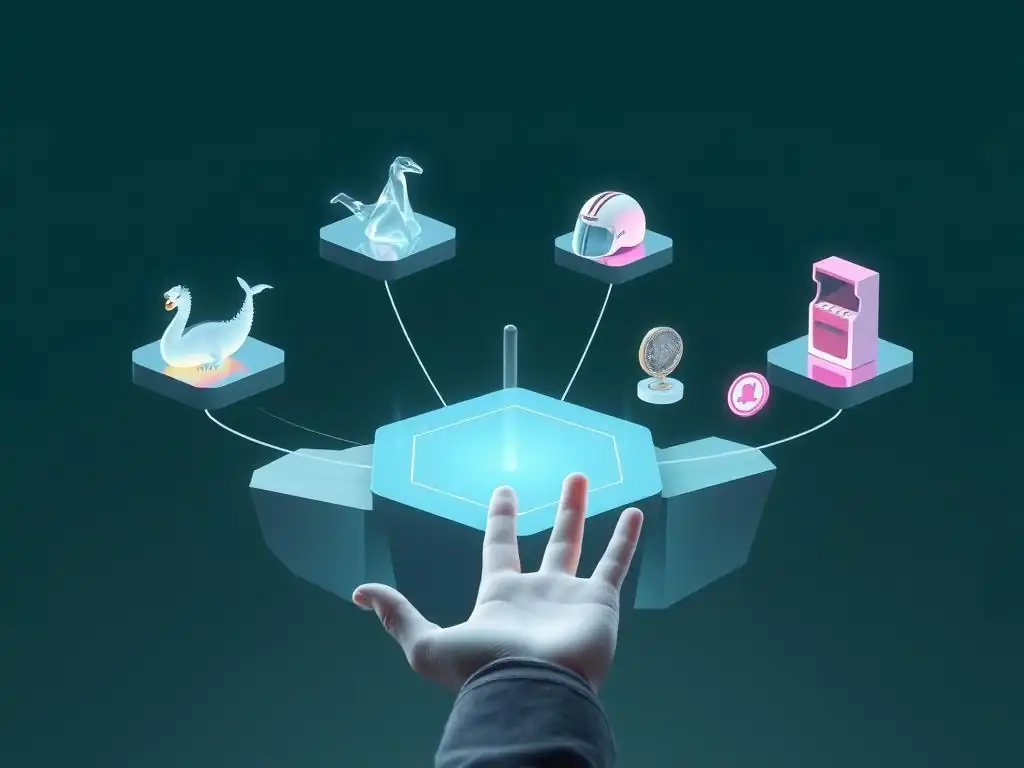
How Game Mechanics Influence NFT Acquisition
Game mechanics play a crucial role in shaping NFT acquisition habits and influencing player behavior within NFT-integrated games. The design of game systems, reward structures, and progression mechanics directly impacts how players interact with NFTs, driving their collecting habits and shaping their engagement with the game's NFT economy. Developers can leverage game design principles to encourage specific NFT collecting behaviors, from fostering a healthy secondary market to promoting responsible engagement with NFT mechanics.
For instance, games that incorporate play-to-earn mechanics, where players earn NFTs through gameplay, directly incentivize NFT acquisition as a core gameplay loop. Games like Splinterlands or Alien Worlds exemplify this, where players actively engage in gameplay to earn NFT rewards that can be traded or used to further enhance their gameplay. Similarly, games that integrate NFTs into their progression systems, such as requiring specific NFTs to access higher-level content or unlock advanced features, create a direct gameplay incentive for NFT acquisition. Carefully designed game mechanics are essential for shaping healthy and engaging NFT collecting habits.
Gamification of NFT Collecting: Rewards and Recognition
Gamification techniques are increasingly being employed to enhance the NFT collecting experience, making it more engaging, rewarding, and psychologically appealing. By incorporating elements like badges, leaderboards, challenges, and progression systems into NFT acquisition, developers can tap into intrinsic player motivations and drive deeper engagement with NFT mechanics. This gamification of NFT collecting goes beyond mere economic incentives, appealing to players' desire for achievement, recognition, and social status within the game.
Games can gamify NFT collecting through various methods. For example, players might earn badges or titles for completing NFT collections, climb leaderboards based on the rarity or value of their NFT holdings, or participate in special events that reward unique NFTs for completing challenges. These gamified elements add layers of engagement and motivation to NFT collecting, transforming it from a purely transactional activity into a more integrated and rewarding part of the gameplay experience. This approach can foster a more sustainable and psychologically rewarding NFT ecosystem within games.
Designing Games to Encourage Responsible NFT Engagement
Designing games to encourage responsible NFT engagement is paramount for the long-term sustainability and ethical considerations of NFT gaming. Developers have a responsibility to mitigate potential downsides associated with NFT collecting, such as excessive speculation, gambling-like behaviors, and potential financial risks for players. This requires careful game design that prioritizes player well-being, transparency, and responsible engagement with NFT mechanics.
Responsible game design in the NFT space involves several key considerations. This includes implementing clear and transparent information about NFT mechanics, probabilities, and potential risks. It also involves designing game systems that are not overly reliant on speculative NFT trading and that prioritize fun and engaging gameplay over purely financial incentives. Furthermore, developers can incorporate features that promote responsible gaming habits, such as spending limits, cool-down periods for NFT transactions, and resources for players who may be struggling with excessive NFT engagement. Prioritizing responsible design is crucial for fostering a healthy and sustainable future for NFT gaming.
Potential Downsides of NFT Collecting in Games
Addressing Concerns About Gambling and Addiction
The integration of NFTs into games raises legitimate concerns about potential gambling-like behaviors and the risk of addiction. The speculative nature of NFT markets, combined with the reward loops inherent in gaming, can create environments that may be susceptible to problematic engagement. Addressing these concerns is crucial for ensuring the ethical and sustainable development of NFT gaming and protecting vulnerable players.
The potential for gambling-like behavior stems from the element of chance often associated with NFT acquisition (e.g., loot boxes containing NFTs) and the fluctuating value of NFTs in secondary markets. This can trigger similar psychological responses to traditional gambling, with players chasing losses or becoming overly invested in speculative NFT trading.
Furthermore, the addictive nature of gaming, combined with the potential for financial rewards through NFTs, can exacerbate these risks. Game developers and the industry as a whole need to proactively address these concerns through responsible game design, player education, and potentially regulatory oversight to mitigate the risks of gambling and addiction associated with NFT gaming.
The Importance of Transparency and Responsible Gaming
Transparency and responsible gaming practices are essential for mitigating the potential downsides of NFT collecting in games. Open communication about NFT mechanics, probabilities, and risks is crucial for empowering players to make informed decisions and engage with NFT gaming responsibly. Furthermore, game developers have a responsibility to implement responsible gaming measures to protect players and foster a healthy gaming environment.
Transparency in NFT gaming includes clearly disclosing the probabilities of obtaining rare NFTs, the mechanics of NFT marketplaces, and the potential risks associated with NFT trading. Responsible gaming practices involve implementing features such as spending limits, parental controls, and access to resources for players who may be experiencing problematic gaming behavior. Game developers should also actively promote responsible gaming messages and educate players about the potential risks and rewards of NFT gaming. Transparency and responsible gaming are not merely optional; they are ethical imperatives for the NFT gaming industry.
Mitigating the Risks of Volatility in the NFT Market
The inherent volatility of the NFT market poses a significant risk to players involved in NFT collecting in games. The value of NFTs can fluctuate dramatically, leading to potential financial losses for players who have invested heavily in these digital assets. Mitigating these risks requires a multi-faceted approach, involving responsible game design, player education, and potentially the development of more stable and sustainable NFT market mechanisms.
Game developers can mitigate volatility risks by designing game economies that are less reliant on speculative NFT trading and more focused on intrinsic gameplay value. Educating players about the volatility of the NFT market and the risks associated with investing in NFTs is also crucial. Furthermore, the industry may explore mechanisms to stabilize NFT markets, such as introducing more robust valuation models or developing insurance mechanisms to protect players against extreme market fluctuations. Addressing the volatility risk is essential for fostering trust and long-term sustainability in the NFT gaming space.
The Future of NFT Collecting Psychology in Gaming
Emerging Trends in NFT Gaming and Player Behavior
Several emerging trends are shaping the future of NFT gaming and player behavior in this evolving space. These trends include the increasing integration of NFTs into mainstream games, the rise of play-to-earn and metaverse gaming models, and the growing sophistication of player collecting strategies. Understanding these trends is crucial for anticipating the future psychological landscape of NFT gaming.
One key trend is the integration of NFTs beyond niche blockchain games into more mainstream gaming experiences. As major game studios explore NFT integration, we can expect to see NFTs become more accessible and widely adopted by gamers. The rise of play-to-earn models is also significantly impacting player behavior, with many players now viewing gaming not just as entertainment but also as a potential source of income.
Furthermore, player collecting strategies are becoming more sophisticated, with players increasingly employing data analysis and market research to optimize their NFT investments and gameplay. These trends suggest a future where NFT gaming becomes more integrated, economically driven, and strategically complex.
The Evolution of Digital Ownership and Identity
The concept of digital ownership and identity is undergoing a profound evolution, driven by the rise of NFTs and the metaverse. NFTs are empowering users to establish verifiable digital ownership and build persistent digital identities across virtual worlds. This evolution is fundamentally changing how players perceive their digital assets and their relationship with online platforms, leading to new psychological dynamics in the digital realm.
As digital ownership becomes more tangible and verifiable through NFTs, players are likely to develop a stronger sense of attachment and investment in their digital assets. This could lead to a greater emphasis on digital identity and self-expression in virtual environments, with NFTs playing a central role in defining and showcasing digital identities. The metaverse, as a persistent and interconnected digital space, will further amplify this trend, creating a future where digital ownership and identity become increasingly intertwined with our real-world lives and sense of self.
The Impact of AI and Personalization on NFT Gaming
Artificial intelligence (AI) and personalization technologies are poised to significantly impact NFT gaming and player collecting psychology in the future. AI can be used to personalize NFT experiences, optimize game mechanics, and even create dynamic and evolving NFTs. Personalization, driven by AI, can further enhance player engagement and tailor NFT collecting experiences to individual preferences and playstyles.
AI can personalize NFT rewards based on player behavior, creating dynamic challenges and rewards that are tailored to individual skill levels and collecting preferences. AI can also be used to create NFTs that evolve over time based on player actions or external data, adding a new layer of dynamism and personalization to digital collectibles.
Furthermore, AI-powered analytics can provide developers with deeper insights into player collecting habits, enabling them to optimize game design and personalize NFT experiences to maximize engagement and responsible player behavior. The integration of AI and personalization will likely lead to more engaging, dynamic, and tailored NFT gaming experiences in the future.
Conclusion: Harnessing the Power of NFT Collecting Psychology Responsibly
Balancing Player Engagement and Ethical Considerations
Harnessing the power of NFT collecting psychology responsibly requires a delicate balance between maximizing player engagement and upholding ethical considerations. While the psychological drivers behind NFT collecting can be leveraged to create engaging and rewarding gaming experiences, it is crucial to do so in a way that prioritizes player well-being, transparency, and responsible gaming practices. Finding this balance is essential for the long-term sustainability and ethical integrity of the NFT gaming industry.
Balancing player engagement and ethical considerations involves several key principles. This includes prioritizing fun and engaging gameplay over purely financial incentives, ensuring transparency in NFT mechanics and risks, implementing responsible gaming measures, and actively mitigating potential downsides such as gambling-like behaviors and market volatility. It also requires a continuous dialogue between developers, players, and regulators to establish ethical guidelines and best practices for NFT gaming.
Shaping a Sustainable Future for NFT Gaming
Shaping a sustainable future for NFT gaming depends on a collective commitment to responsible innovation, ethical practices, and player-centric design. By understanding and addressing the psychological drivers behind NFT collecting, while simultaneously mitigating potential risks and upholding ethical standards, the industry can unlock the transformative potential of NFTs in gaming and create a vibrant and sustainable ecosystem for players and developers alike.
A sustainable future for NFT gaming requires ongoing efforts in several areas. This includes fostering a culture of responsible game design, promoting player education and awareness, developing robust regulatory frameworks, and continuously innovating to create more engaging, equitable, and ethical NFT gaming experiences. By prioritizing player well-being, transparency, and responsible innovation, the NFT gaming industry can realize its full potential and create a positive and lasting impact on the future of gaming and digital ownership.
Frequently Asked Questions
What psychological factors drive the desire to collect NFTs within gaming environments?
Several factors are at play, including scarcity, the desire for status symbols, and the inherent allure of owning unique digital assets.
How does the scarcity of NFTs influence the collecting behavior of gamers?
The limited availability of certain NFTs creates a sense of exclusivity and value, fueling a competitive drive among collectors to acquire rare or unique items, impacting NFT collecting psychology gaming.
How do NFTs contribute to a sense of status or identity for gamers?
Owning valuable or rare NFTs can elevate a gamer's perceived status within the gaming community, offering a form of digital self-expression and social recognition.
What are some potential drawbacks or risks associated with collecting NFTs in games?
Potential risks include market volatility, the possibility of fraud or scams, and the potential for overspending on digital assets, impacting player experience.
Beyond monetary value, what other forms of value do NFTs offer to collectors in games?
NFTs can provide access to exclusive in-game content, grant governance rights within the game's ecosystem, and foster a sense of community ownership and participation.
Final Reflection: The Enduring Allure of Digital Ownership
The rise of NFTs in gaming, as explored throughout this article, highlights a fundamental truth about human nature: we are driven by the desire for ownership and recognition, even in the digital realm. The principles of scarcity, status, and digital desire, once confined to physical collectibles, are now powerfully shaping the gaming landscape, influencing how we interact with virtual worlds and each other.
The impact of NFT collecting on gaming culture is undeniable. It's transforming how we perceive value, community, and even identity within these spaces. This shift, while exciting, demands careful consideration of its potential implications, particularly regarding accessibility and ethical considerations. The things you own end up owning you.
- Chuck Palahniuk. This quote resonates deeply as we navigate the complexities of digital ownership and strive to ensure that the pursuit of virtual assets enhances, rather than diminishes, the gaming experience.
As you reflect on the psychology of NFT collecting in gaming, consider how these principles resonate within your own life. Are you drawn to the allure of scarcity? Do you seek validation through digital possessions? Let this exploration be a catalyst for mindful engagement with the evolving digital world, empowering you to cultivate a healthy and fulfilling relationship with both virtual and real-world experiences.
Unlock Your NFT Power: Dive Deeper into the Digital Realm!
Thank you for exploring the fascinating psychology behind NFT collecting in games. We hope you've gained new insights into the motivations behind digital desire and the importance of scarcity in the metaverse. Now, it's time to take action!
Here are some ways to further explore and engage with the world of gaming NFTs:
- Start building your own digital collection! Explore emerging games and platforms to discover promising NFT projects that match your interests.
- Join the conversation! Share this article with fellow gamers and blockchain enthusiasts to encourage discussions about the psychological factors influencing NFT adoption.
- Challenge your understanding: Research how different game mechanics, such as play-to-earn models and staking, affect the perceived value and desirability of NFTs.
What psychological factors most influence your NFT collecting habits in games? Share your thoughts in the comments below!
Leave a Reply