
Harnessing Waste Energy for Blockchain Mining: An Innovative Approach


Welcome to Blockchain Trends, where we delve into the cutting-edge applications of blockchain technology reshaping our world. Beyond the hype, lies a powerful engine for innovation.
Ever wondered if blockchain could actually help the environment? Our latest exploration reveals a fascinating solution: Blockchain waste energy mining. Discover how innovative approaches are turning discarded energy into a valuable resource, powering the decentralized future and potentially mitigating environmental impact. Intrigued? Read on to uncover the details of this groundbreaking concept and its implications.
Harnessing Waste Energy for Blockchain Mining: An Innovative Approach
- Introduction: Blockchain's Energy Challenge and the Promise of Waste Energy
- Understanding Waste Energy and Its Potential for Blockchain
- The Mechanics of Blockchain Waste Energy Mining
- Benefits of Blockchain Waste Energy Mining
- Case Studies: Real-World Examples of Waste Energy Blockchain Mining
- Challenges and Opportunities in Blockchain Waste Energy Mining
- The Future of Blockchain and Sustainable Energy: A Synergistic Relationship
- Conclusion: Towards a Sustainable and Energy-Efficient Blockchain Future
-
Frequently Asked Questions
- What exactly is blockchain waste energy mining?
- Why is blockchain waste energy mining considered an innovative approach?
- How does using waste energy for mining benefit the environment?
- What are some potential challenges associated with implementing blockchain waste energy mining?
- Beyond Proof-of-Work, can waste energy be used in other blockchain-related activities?
- Final Reflection: Powering the Future with Waste
- Ignite Your Mining Potential: Explore Sustainable Blockchain Solutions!
Introduction: Blockchain's Energy Challenge and the Promise of Waste Energy
The Growing Concern Over Blockchain Energy Consumption
The energy footprint of blockchain technology, particularly for proof-of-work cryptocurrencies like Bitcoin, has become a significant point of discussion and concern globally. Estimates frequently place Bitcoin's annual electricity consumption in the range of countries like Argentina or Norway, consuming potentially over 100 terawatt-hours per year. This substantial energy demand is primarily driven by the computational power required for mining, where specialized hardware performs complex calculations to validate transactions and secure the network. The reliance on electricity from often fossil fuel-heavy grids contributes to a considerable carbon footprint, leading to calls for more sustainable alternatives within the blockchain ecosystem.
This escalating energy use not only raises environmental questions regarding greenhouse gas emissions but also impacts energy grids and can influence local electricity prices. The scale of operations required for competitive mining often necessitates large data centers filled with thousands of high-powered machines running continuously. As blockchain adoption grows and mining difficulty increases, the energy demand is projected to rise further, exacerbating these concerns. Addressing this challenge is crucial for the long-term viability and public perception of blockchain technology, pushing the industry to explore innovative solutions beyond traditional energy sources to power its operations sustainably.
Exploring Sustainable Blockchain Solutions: Beyond Traditional Energy Sources
The quest for sustainable blockchain operations has led to the exploration of various alternatives to conventional fossil fuel-based electricity. One prominent path is the shift towards less energy-intensive consensus mechanisms, such as Proof-of-Stake (PoS), which requires significantly less computational power than Proof-of-Work (PoW). Projects transitioning to PoS have demonstrated dramatic reductions in energy consumption, sometimes by over 99%. Beyond algorithmic changes, there is a growing focus on sourcing electricity from renewable resources like solar, wind, and hydroelectric power.
However, relying solely on grid-connected renewables can still present challenges, such as intermittency and the need for grid infrastructure upgrades. This drives the exploration of decentralized and novel energy sources. Research and development are actively pursuing ways to integrate blockchain mining with off-grid renewable projects or leverage energy sources that are currently underutilized. The goal is to decouple blockchain's growth from increasing strain on traditional energy grids and reduce its environmental impact, paving the way for truly green blockchain applications and services.
Introducing Waste Energy Harvesting for Eco-Friendly Blockchain Mining
Waste energy harvesting represents a promising and innovative approach to power blockchain operations, offering a path towards significantly reducing their environmental footprint. This method involves capturing energy that is currently being dissipated or discarded from various industrial processes, data centers, landfills, or even everyday activities, and converting it into usable electricity. Instead of consuming fresh energy from the grid, blockchain waste energy mining repurposes energy that would otherwise be lost, turning a liability into an asset.
Implementing waste energy-powered blockchain mining can lead to a more circular energy economy within the sector. It provides a practical application for energy recovery technologies and offers miners a potentially lower-cost alternative to grid power, enhancing profitability while simultaneously contributing to environmental sustainability. By focusing on capturing and utilizing existing energy flows, this approach aligns blockchain technology with principles of resource efficiency and offers a compelling vision for eco-friendly blockchain mining operations.
Understanding Waste Energy and Its Potential for Blockchain
What is Waste Energy? Defining Unutilized Energy Resources
Waste energy refers to energy that is produced during a process but is not utilized and is subsequently released into the environment, typically as heat, but also in other forms like combustible gases or pressure differentials. This energy represents a significant inefficiency in many industrial, commercial, and even residential systems. For example, manufacturing plants often release large amounts of heat from machinery or chemical reactions, data centers generate substantial heat from servers, and power plants lose energy through exhaust gases and cooling systems. Identifying and quantifying these sources is the first step in waste energy recovery.
Globally, the amount of waste energy is enormous. Studies estimate that industrial processes alone could recover a substantial percentage of their energy consumption through effective waste heat capture. This untapped resource exists across a wide spectrum of activities, from the heat generated by braking trains to the biogas produced by organic decomposition in landfills and wastewater treatment plants. Recognizing these unutilized energy streams as potential power sources, rather than mere byproducts, is fundamental to developing strategies like blockchain waste energy mining.
Types of Waste Energy Suitable for Blockchain Mining Operations
Several types of waste energy are particularly well-suited for conversion into electricity to power blockchain mining operations. The choice of energy source depends on availability, concentration, and the specific technologies required for conversion. Common sources include waste heat, combustible gases like methane, and pressure variations. Each presents unique opportunities and challenges for integration with energy conversion systems designed to power energy-intensive tasks like blockchain mining.
- Waste Heat: A ubiquitous form of waste energy, readily available from industrial processes, power generation, and data centers.
- Combustible Gases: Such as methane produced in landfills (landfill gas) or anaerobic digestion facilities (biogas).
- Pressure Energy: Less common for large-scale mining but present in certain industrial processes.
Waste Heat Recovery for Blockchain Applications
Waste heat is arguably the most abundant form of waste energy and holds significant potential for powering blockchain infrastructure. High-temperature waste heat from industrial furnaces, kilns, or exhaust stacks can be converted into electricity using technologies like Organic Rankine Cycle (ORC) systems or steam turbines. Even lower-grade heat from data centers or manufacturing processes can be utilized with technologies like Thermoelectric Generators (TEGs) or absorption chillers that can then power cooling systems, indirectly reducing the net energy load for mining facilities.
Integrating waste heat recovery systems directly into or adjacent to mining facilities located near industrial sites or data centers can provide a stable, low-cost power source. This approach minimizes transmission losses and leverages existing energy infrastructure that would otherwise be wasted. The potential to co-locate mining operations with heat-generating facilities makes waste heat recovery a particularly attractive option for achieving sustainable blockchain waste energy mining.
Utilizing Landfill Gas for Sustainable Mining
Landfill gas, a natural byproduct of organic decomposition in landfills, is primarily composed of methane and carbon dioxide. Methane is a potent greenhouse gas, but it is also a valuable energy source. Capturing landfill gas and using it to fuel generators provides a dual benefit: it prevents methane from escaping into the atmosphere, reducing emissions, and it creates a renewable energy source. This captured gas can power reciprocating engines, turbines, or fuel cells to generate electricity.
Several projects have already demonstrated the viability of using landfill gas to power energy-intensive operations. Applying this model to blockchain mining means setting up mining facilities near landfills that have active gas collection systems. This provides a continuous, local power supply that is both environmentally beneficial and potentially more cost-effective than grid electricity, making landfill gas-powered operations a tangible example of blockchain waste energy mining.
Industrial Waste Energy Streams and Blockchain Technology
Beyond just waste heat and landfill gas, numerous other industrial processes generate energy that could be harnessed for blockchain technology. This includes energy from pressure reduction in pipelines, waste pressure from manufacturing, or even the kinetic energy from heavy machinery. While often more niche, these sources represent localized opportunities for energy recovery. Technologies tailored to capture these specific energy forms can be employed to generate electricity on-site.
Integrating blockchain mining operations with diverse industrial waste energy streams requires careful planning and custom energy conversion solutions. However, the potential exists to tap into a wide variety of underutilized resources, further diversifying the energy sources for sustainable blockchain mining. This opens up possibilities for distributed mining operations located strategically near industrial hubs that are actively seeking ways to reduce their energy footprint and find productive uses for their waste streams.
The Untapped Potential of Waste Energy in Powering Blockchain Networks
The sheer volume of waste energy available globally represents a vast, largely untapped resource with immense potential for powering energy-intensive applications like blockchain networks. By shifting the focus from consuming primary energy to recovering secondary energy, the blockchain industry can significantly reduce its environmental impact and contribute to a more sustainable energy future. Estimates suggest that waste heat alone from industrial sources could power a substantial portion of global electricity demand if effectively captured and converted.
Leveraging this potential requires investment in energy recovery technologies and innovative business models that co-locate mining operations with waste energy sources. The economic incentive of lower energy costs combined with the environmental benefits of reducing emissions makes blockchain waste energy mining a compelling proposition. Realizing this potential could transform the energy profile of the blockchain industry, turning it from a significant energy consumer into a catalyst for deploying advanced energy recovery technologies and promoting a circular energy economy.
The Mechanics of Blockchain Waste Energy Mining
Setting Up a Waste Energy-Powered Blockchain Mining Operation
Establishing a blockchain waste energy mining operation involves a complex interplay of site selection, energy source assessment, technology integration, and infrastructure development. The first critical step is identifying a reliable and sufficient source of waste energy, whether it's a landfill with active gas collection, an industrial plant with significant waste heat, or another suitable site. This requires detailed energy audits and partnership agreements with the energy source owner.
Once a source is identified, the appropriate energy conversion technology must be selected and installed. This might involve gas engines for landfill gas, ORC systems or turbines for high-grade waste heat, or TEGs for lower-grade heat. Alongside the energy conversion system, the necessary electrical infrastructure to power the mining rigs must be built, including transformers, distribution panels, and cooling systems for the mining hardware. The entire setup requires careful engineering to ensure efficient energy transfer from the waste source to the mining equipment, maintaining optimal operating conditions for both the energy recovery system and the miners.
Key Technologies for Converting Waste Energy into Electricity
Converting various forms of waste energy into usable electricity for blockchain mining requires specific technological solutions tailored to the type and quality of the energy available. These technologies vary in scale, efficiency, and cost, making the selection process crucial for the economic and environmental viability of the mining operation. Understanding the principles behind these conversion methods is key to appreciating the technical feasibility of blockchain waste energy mining.
- Thermoelectric Generators (TEGs)
- Organic Rankine Cycle (ORC) Systems
- Fuel Cells
Thermoelectric Generators (TEGs) for Blockchain Mining
Thermoelectric Generators (TEGs) are solid-state devices that convert temperature differences directly into electrical energy through the Seebeck effect. They are particularly useful for capturing lower-grade waste heat, such as that emitted by server racks in data centers or exhaust pipes. While their efficiency is generally lower than other conversion methods, TEGs have no moving parts, making them reliable, silent, and requiring minimal maintenance.
Integrating TEGs into a blockchain waste energy mining setup could involve placing them on heat sinks of mining rigs or near other heat-generating components within a facility. The electricity generated can then directly supplement the power supply for the rigs or power auxiliary systems like fans. Although perhaps not capable of powering an entire large-scale operation on their own, TEGs offer a decentralized method for capturing localized waste heat, contributing to overall energy efficiency and potentially reducing the net energy drawn from other sources.
Organic Rankine Cycle (ORC) Systems and Cryptocurrency Mining
Organic Rankine Cycle (ORC) systems are similar to traditional steam turbines used in power plants but use an organic fluid with a lower boiling point than water. This makes them suitable for converting medium- to high-temperature waste heat into electricity. Sources like industrial processes (e.g., steel mills, cement plants), geothermal energy, or concentrated solar power can provide the necessary heat input for ORC systems.
For blockchain waste energy mining, an ORC system could be installed at an industrial site that generates significant waste heat. The heat is used to vaporize the organic fluid, which then expands through a turbine connected to a generator, producing electricity. This electricity is then fed to the adjacent mining facility. ORC systems are scalable and can recover substantial amounts of energy, making them viable for powering large-scale mining farms located near suitable industrial partners, offering a powerful method for waste energy-powered mining.
Fuel Cells and the Future of Sustainable Blockchain
Fuel cells convert chemical energy from a fuel (like hydrogen or methane) and an oxidant (like oxygen) into electricity through an electrochemical reaction. Certain types of fuel cells, particularly those designed to run on methane, are well-suited for utilizing combustible waste gases like landfill gas or biogas from anaerobic digestion. Unlike combustion engines, fuel cells are highly efficient and produce significantly lower emissions, often only water and CO2 (from methane).
Integrating fuel cells into blockchain waste energy mining involves capturing waste gases and feeding them directly into fuel cell stacks. The electricity generated can then power mining rigs. This approach is particularly promising for sites like landfills, wastewater treatment plants, or agricultural facilities producing biogas. While the initial investment in fuel cell technology can be high, their efficiency and environmental benefits align well with the goals of sustainable blockchain operations and represent a forward-looking option for eco-friendly blockchain mining.
Overcoming Technical Challenges in Waste Energy Conversion
Implementing blockchain waste energy mining is not without its technical hurdles. One significant challenge is the variability in the quality, temperature, and flow rate of waste energy sources. Industrial processes can fluctuate, and landfill gas production varies depending on factors like waste composition and moisture. Energy conversion systems must be designed to handle these variations efficiently to provide a stable power supply for sensitive mining equipment.
Another challenge lies in the efficiency of the conversion technologies themselves. While technologies like ORC systems can be efficient for high-grade heat, converting low-grade heat or diffuse energy sources can be less efficient, potentially requiring larger or more numerous conversion units. Integrating these systems seamlessly with existing industrial infrastructure and the electrical demands of a mining farm also requires specialized engineering expertise. Ongoing research and development are focused on improving the efficiency and cost-effectiveness of waste energy recovery technologies to make waste energy-powered blockchain mining more widely accessible and economically attractive.
Benefits of Blockchain Waste Energy Mining
Environmental Advantages: Reducing Carbon Footprint and Promoting Sustainability
Perhaps the most significant benefit of blockchain waste energy mining is its profound positive impact on the environment. By utilizing energy that would otherwise be released into the atmosphere or simply dissipated, these operations reduce the demand for electricity generated from fossil fuels. This directly translates to a lower carbon footprint for the blockchain industry. For instance, capturing and using landfill gas prevents the release of methane, a potent greenhouse gas, while simultaneously producing electricity.
Furthermore, waste energy-powered blockchain mining promotes a more circular and sustainable energy economy. It incentivizes the recovery and productive use of energy that is currently wasted, aligning the energy-intensive activity of mining with principles of resource efficiency and environmental stewardship. By demonstrating a viable model for powering blockchain with recovered energy, this approach sets a precedent for other energy-intensive industries and accelerates the adoption of waste energy recovery technologies globally.
Economic Benefits: Lowering Energy Costs for Miners and Creating New Revenue Streams
Beyond the environmental benefits, blockchain waste energy mining offers compelling economic advantages. Energy is typically the largest operational cost for blockchain miners, often accounting for 70-80% of expenses. By tapping into low-cost or even free waste energy sources, miners can drastically reduce their electricity bills, significantly increasing their profitability and competitiveness, especially during periods of lower cryptocurrency prices.
Moreover, waste energy sources often have a more stable cost profile compared to volatile grid electricity prices, offering miners greater predictability in their operational expenses. For owners of waste energy sources (e.g., industrial plants, landfills), partnering with mining operations creates a new revenue stream from something previously considered waste. This can offset the costs of energy recovery infrastructure and turn a disposal problem into an economic opportunity, fostering mutually beneficial partnerships that drive the growth of waste energy-powered mining.
Blockchain waste energy mining can also have positive social impacts, particularly in local communities located near waste energy sources. Setting up mining operations and associated energy recovery infrastructure creates jobs in engineering, construction, operation, and maintenance. These projects can revitalize industrial sites or provide economic activity in areas with landfills or agricultural waste streams.
Furthermore, by utilizing local waste energy resources, these operations can contribute to local energy independence and resilience. They provide a distributed energy generation source that is less reliant on centralized grids, potentially enhancing energy security for the surrounding area. Projects that convert community waste like biogas into energy for blockchain mining can empower local residents and businesses by turning local resources into productive assets, demonstrating a model for sustainable development through community-based blockchain waste energy mining.
Case Studies: Real-World Examples of Waste Energy Blockchain Mining
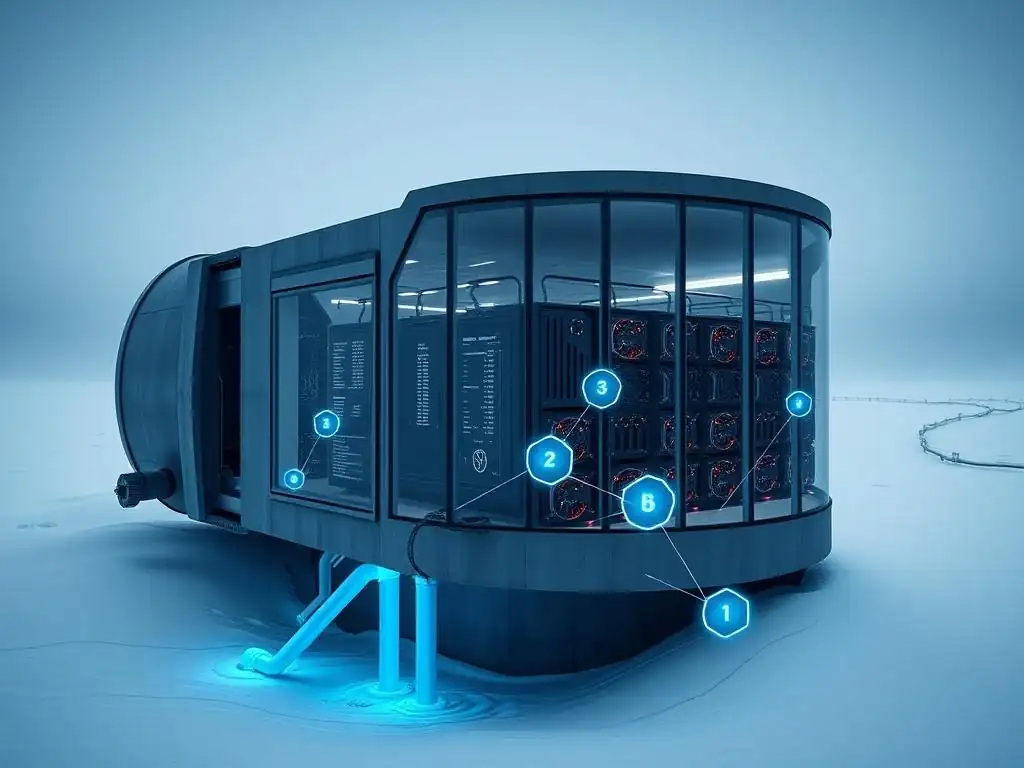
Landfill Gas-Powered Bitcoin Mining in Pennsylvania
One prominent example of blockchain waste energy mining is the operation run by companies like Stronghold Digital Mining in Pennsylvania. This company utilizes coal refuse waste, a byproduct of historical coal mining, which contains residual coal that can be burned to generate electricity. Traditionally, these refuse piles are environmental hazards. By burning the refuse in controlled power plants, Stronghold generates electricity and remediates the land.
This electricity, generated from what was essentially a waste product, is then used to power Bitcoin mining operations located on-site. While technically using 'waste fuel' rather than strictly 'waste energy', the principle is similar: leveraging an environmental liability to generate energy for mining. This model not only powers mining rigs but also funds environmental cleanup efforts, demonstrating a tangible link between waste energy-powered mining and positive environmental outcomes. Reports indicate these operations can manage significant mining capacity, showcasing the potential scale achievable with such energy sources.
Industrial Waste Heat Recovery for Blockchain Validation in Sweden
While specific large-scale, publicly detailed cases of industrial waste heat directly powering crypto mining farms are still emerging, the concept is actively being explored and implemented at various scales, particularly in regions with strong industrial bases and environmental regulations like Sweden. Data centers themselves are major producers of waste heat. Projects in Sweden have focused on capturing the waste heat from traditional data centers and using it to heat local homes or greenhouses, effectively turning waste heat into a valuable resource.
Applying this model to blockchain waste energy mining involves locating mining facilities near industrial plants (e.g., paper mills, steel works) or existing data centers that generate significant heat. Technologies like ORC systems or absorption chillers can capture this heat. While direct electricity generation for mining is a primary goal, some projects explore utilizing mining heat itself for other purposes (like district heating), indirectly improving the overall energy efficiency of the system. This highlights the potential for symbiotic relationships where mining benefits from waste heat and also contributes usable heat back to the community or industry, advancing sustainable blockchain mining.
Community-Based Biogas to Blockchain Project in Rural India
While a large-scale, widely publicized "community-based biogas to blockchain" project powering extensive mining in rural India might be an approximation rather than a specific, documented case study, the underlying concept is highly feasible and aligns with development goals. India has a significant agricultural sector producing large amounts of organic waste. Anaerobic digestion technology is increasingly used to convert this waste into biogas, which can then be used for cooking, lighting, or generating electricity.
A hypothetical but entirely plausible scenario for blockchain waste energy mining involves a rural community setting up a biogas plant to process agricultural waste. The generated biogas fuels a small generator producing electricity. This electricity, potentially more reliable or cheaper than grid access in remote areas, could then power a small-scale blockchain mining operation managed by the community or a local cooperative. Such a project would provide economic benefits through mining rewards, improve waste management, reduce reliance on traditional fuels, and provide a local, sustainable power source, illustrating the potential for eco-friendly blockchain mining at a grassroots level.
Challenges and Opportunities in Blockchain Waste Energy Mining
Regulatory Hurdles and Policy Considerations
Navigating regulatory landscapes presents a significant challenge for blockchain waste energy mining. Energy regulations are often complex and vary greatly by jurisdiction. Projects utilizing waste energy sources may face specific rules regarding energy generation, grid connection (even if only for backup), environmental permits related to emissions from conversion technologies, and land use regulations for siting facilities near industrial sites or landfills.
Policies can also either hinder or help. Lack of clear regulations around waste energy utilization or complex permitting processes can slow down development. Conversely, supportive policies like tax incentives for renewable energy or waste-to-energy projects, streamlined permitting for co-located facilities, and mandates for waste heat recovery can create significant opportunities and accelerate the adoption of blockchain waste energy mining. Advocacy and clear communication with policymakers are crucial to fostering a regulatory environment that supports these innovative projects.
Technological Advancements Needed for Widespread Adoption
While the core technologies for waste energy conversion exist, further advancements are needed to make blockchain waste energy mining truly widespread and economically viable across diverse waste sources. Improving the efficiency and reducing the cost of technologies like TEGs for low-grade heat recovery is essential to tap into a broader range of waste streams. Developing more robust and flexible energy conversion systems that can handle the variable nature of waste energy sources is also critical for providing a stable power supply.
Integration challenges remain, requiring sophisticated control systems to manage the interface between the waste energy source, the conversion technology, the electrical grid (for stability or backup), and the demanding power requirements of mining hardware. Continued R&D in materials science, power electronics, and system integration is necessary to optimize these processes. Opportunities exist for startups and researchers to develop specialized, cost-effective solutions tailored specifically for powering blockchain operations using different types of waste energy.
Investment and Funding Opportunities in Sustainable Blockchain Mining
Despite the challenges, blockchain waste energy mining presents significant investment and funding opportunities, driven by both economic and environmental imperatives. As concerns about blockchain's energy consumption grow, there is increasing demand for sustainable mining solutions from investors, institutions, and the public. Projects that demonstrably reduce carbon footprint and utilize waste resources are likely to attract capital from environmentally conscious investors and green funds.
The economic benefits of lower energy costs also make these projects attractive to traditional investors seeking profitable ventures in the mining sector. Furthermore, government grants and incentives aimed at promoting renewable energy, waste-to-energy projects, and industrial efficiency can provide crucial funding support. The convergence of profitability, environmental sustainability, and potential regulatory support creates a fertile ground for investment in waste energy-powered blockchain mining infrastructure and technology development.
The Future of Blockchain and Sustainable Energy: A Synergistic Relationship
Waste Energy as a Key Enabler for a Greener Blockchain Ecosystem
Waste energy recovery is poised to play a vital role in the evolution towards a greener blockchain ecosystem. By providing a source of electricity that is both low-cost and environmentally beneficial, it removes a major barrier to sustainable blockchain adoption. As the industry continues to grow and diversify, accessing energy that doesn't contribute to increased fossil fuel consumption becomes paramount. Blockchain waste energy mining offers a practical and scalable way to achieve this.
This approach helps to decouple blockchain's energy demand from the traditional grid's capacity and carbon intensity. It encourages the development of distributed energy systems and promotes the efficient use of resources that are currently discarded. As technology improves and awareness grows, waste energy could become a standard power source for a significant portion of blockchain infrastructure, facilitating the growth of a truly sustainable and responsible digital economy powered by eco-friendly blockchain mining.
The Role of Blockchain in Promoting Waste Reduction and Energy Efficiency
Beyond simply consuming waste energy, blockchain technology itself can play a role in promoting waste reduction and energy efficiency across various industries. Blockchain's ability to provide transparent, immutable records can be used to track energy consumption and waste generation in supply chains and industrial processes. Smart contracts can incentivize energy-efficient behaviors or verify compliance with environmental regulations.
Furthermore, decentralized energy marketplaces built on blockchain can facilitate the trading of renewable energy credits or excess power generated from waste energy sources, creating new economic incentives for efficiency and recovery. By providing a secure and transparent platform for managing energy data and transactions, blockchain can help optimize energy grids, improve the management of distributed energy resources, and support initiatives aimed at reducing waste and improving energy utilization across society, complementing the efforts in blockchain waste energy mining.
Predictions for the Growth of Blockchain Waste Energy Mining
Predictions suggest that blockchain waste energy mining will see significant growth in the coming years, driven by increasing environmental pressures, rising traditional energy costs, and technological advancements. As more companies and investors prioritize sustainability, the demand for mining operations with a lower carbon footprint will increase. This will incentivize the development of projects located near reliable waste energy sources.
Technological improvements in waste energy conversion, coupled with decreasing costs of mining hardware, will make these operations more economically attractive. We can expect to see more partnerships between energy-intensive industries, waste management facilities, and blockchain mining companies. While it may not replace all traditional mining, waste energy-powered blockchain mining is likely to become a significant segment of the industry, contributing substantially to its overall sustainability profile and demonstrating a viable path forward for eco-friendly blockchain mining.
Conclusion: Towards a Sustainable and Energy-Efficient Blockchain Future
Embracing Innovation for a More Environmentally Responsible Blockchain
The journey towards a sustainable and energy-efficient blockchain future requires embracing innovative approaches that challenge traditional energy consumption models. The significant energy demand of certain blockchain applications has highlighted the urgent need for change. By exploring and adopting alternative power sources and energy recovery methods, the industry can mitigate its environmental impact and build a more responsible technological ecosystem.
Innovation in areas like consensus mechanisms, hardware efficiency, and crucially, energy sourcing, is paramount. Blockchain waste energy mining stands out as a particularly promising innovation, offering a tangible way to power operations using resources that would otherwise be discarded. Embracing such solutions is not just an environmental necessity but also an opportunity for the industry to lead by example in sustainable technology development.
The Potential of Blockchain Waste Energy Mining to Transform the Industry
Blockchain waste energy mining has the potential to fundamentally transform the energy profile of the blockchain industry. By shifting reliance away from conventional, often fossil fuel-based, electricity towards captured and converted waste energy, it offers a path to significantly lower emissions and reduced environmental impact. This can improve public perception, attract environmentally conscious participants, and contribute to the long-term viability of energy-intensive blockchain applications.
Economically, it offers miners a competitive advantage through lower energy costs and creates new value streams from waste resources. Socially, it can benefit communities and promote localized energy independence. As technology matures and projects scale, waste energy-powered blockchain mining could become a standard practice, demonstrating that high-compute activities can be powered sustainably.
Call to Action: Supporting the Development and Adoption of Sustainable Blockchain Solutions
Advancing towards a sustainable blockchain future powered by waste energy requires collective action. This includes continued investment in research and development of efficient waste energy conversion technologies and their integration with blockchain infrastructure. It also necessitates supportive regulatory frameworks and policies that incentivize the adoption of these solutions.
Industry participants, from miners and developers to investors and users, should advocate for and support projects focused on sustainable energy sourcing. Collaboration between the blockchain industry, energy companies, waste management sectors, and policymakers is essential to overcome challenges and unlock the full potential of blockchain waste energy mining. By actively pursuing and supporting these innovative approaches, we can pave the way for a blockchain ecosystem that is not only transformative in its applications but also responsible in its energy consumption.
Frequently Asked Questions
What exactly is blockchain waste energy mining?
It's the process of using waste energy, such as excess heat or flared natural gas, to power the energy-intensive computations required for blockchain mining, primarily for Proof-of-Work (PoW) blockchains.
Why is blockchain waste energy mining considered an innovative approach?
Because it addresses two major problems simultaneously: environmental concerns related to energy waste and the high energy consumption of certain blockchain networks, creating a more sustainable mining method.
How does using waste energy for mining benefit the environment?
It reduces greenhouse gas emissions by utilizing energy that would otherwise be wasted and potentially vented or released into the atmosphere, leading to a smaller carbon footprint for blockchain operations.
What are some potential challenges associated with implementing blockchain waste energy mining?
Challenges include the infrastructure costs of setting up mining operations near waste energy sources, the intermittency of some waste energy streams, and the need for regulatory clarity regarding energy usage.
Yes, waste energy can also be used to power blockchain data centers and other resource-intensive blockchain applications, promoting energy efficiency across the entire decentralized ecosystem, not just mining.
Okay, here's a final reflection designed to close your article "Harnessing Waste Energy for Blockchain Mining: An Innovative Approach," optimized for the keyword "Blockchain waste energy mining" and following the structure you provided:
Final Reflection: Powering the Future with Waste
The exploration of Blockchain waste energy mining isn't just a theoretical exercise anymore; it's a critical imperative in our current climate. The convergence of energy-intensive blockchain operations with readily available, yet often overlooked, waste energy sources presents a tangible solution to mitigate environmental impact and foster a more sustainable digital future. This is no longer a niche concept, but a burgeoning field poised to reshape the landscape of both blockchain technology and energy management.
The potential of this approach resonates deeply, offering a pathway towards a more responsible and ethical technological ecosystem. The ability to transform discarded energy into a valuable resource for powering decentralized networks speaks volumes about human ingenuity and our capacity for innovation. It challenges us to rethink our relationship with waste and to embrace circular economy principles. The greatest threat to our planet is the belief that someone else will save it.
- Robert Swan. This quote underscores the urgency and the individual responsibility we all share in championing solutions like blockchain waste energy mining.
Now, consider the implications of this innovative approach in your own life. How can you support and advocate for the adoption of sustainable technologies like blockchain waste energy mining? Reflect on the energy you consume and the waste you generate. Let's collectively strive to create a future where technology empowers us to build a more sustainable and equitable world, one powered by innovation and a commitment to responsible resource management.
Ignite Your Mining Potential: Explore Sustainable Blockchain Solutions!
Thank you for exploring the fascinating world of waste energy and blockchain mining. We hope you've gained valuable insights into this innovative approach to creating a more sustainable future. Now, let's put that knowledge into action!
Here are a few steps you can take to further explore this exciting field:
- Research potential waste energy sources in your area. Consider local industrial plants, data centers, or agricultural facilities.
- Join the conversation! Share this article with your network on social media using the hashtag #SustainableBlockchain to spark discussions about innovative mining solutions.
- Connect with local universities or research institutions to learn about their ongoing projects in renewable energy and blockchain. You might discover valuable collaborative opportunities!
What is the most unexpected waste energy source you can think of that could power a blockchain mining operation? Share your ideas in the comments below!
Leave a Reply