
Blockchain and the Circular Economy: Enabling Ethical and Sustainable Supply Loops


Welcome to Blockchain Trends, your guide to understanding the revolutionary impact of blockchain technology beyond the headlines.
Dive into the transformative world where trust meets technology. In this article, we explore Blockchain sustainable supply chain ethics, uncovering how this groundbreaking innovation is paving the way for verifiable transparency and a truly circular economy. Ready to unravel the complexities and potential of ethical supply chains powered by blockchain? Let's begin!
- Introduction: The Convergence of Blockchain and Circular Economy Principles
- What is the Circular Economy and Why Does it Need Blockchain?
- Blockchain's Impact on Supply Chain Transparency and Traceability
- Key Applications of Blockchain for Sustainable Supply Chain Ethics
- Benefits of Integrating Blockchain into Circular Supply Loops
- Case Studies: Blockchain in Action for Circular Economy
- Overcoming Challenges in Blockchain Implementation for Sustainability
- The Future of Blockchain for Ethical and Sustainable Supply Chains
- Conclusion: Blockchain as a Catalyst for Ethical and Sustainable Supply Loops
-
Frequently Asked Questions
- How can blockchain technology contribute to a more sustainable supply chain?
- What are some ethical considerations when implementing blockchain in a supply chain?
- How can blockchain enhance the principles of the circular economy?
- What role does regulation play in the adoption of blockchain for sustainable supply chain ethics?
- Beyond cryptocurrencies, what are some real-world enterprise applications of blockchain related to sustainability and ethics?
- Final Reflection: Embracing Transparency for a Sustainable Tomorrow
- Reimagine Your Supply Chain Today!
Introduction: The Convergence of Blockchain and Circular Economy Principles
Understanding the Rising Importance of Sustainable Supply Chains
The escalating global focus on environmental responsibility and ethical consumption has propelled sustainable supply chains to the forefront of business priorities. Consumers are increasingly demanding transparency and accountability from brands, wanting assurance that the products they purchase are not only high quality but also sourced and produced ethically and sustainably. A 2023 study by NielsenIQ revealed that 78% of consumers globally consider sustainability an important factor in their purchasing decisions.
This shift in consumer sentiment is further amplified by growing regulatory pressures. Governments worldwide are implementing stricter environmental regulations and labor laws, compelling businesses to re-evaluate their supply chain practices.
For instance, the European Union's Corporate Sustainability Reporting Directive (CSRD) mandates comprehensive sustainability reporting for a vast number of companies operating within the EU, emphasizing the need for verifiable and transparent supply chain data. This confluence of consumer demand and regulatory mandates underscores the critical need for businesses to adopt and demonstrate sustainable supply chain ethics.
The imperative for sustainable supply chains is not merely a matter of compliance or public image; it's also about long-term business resilience and efficiency. Unsustainable practices, such as resource depletion and unethical labor, pose significant risks to supply chain stability and profitability. For example, reliance on finite resources makes businesses vulnerable to price volatility and supply disruptions.
Similarly, ethical lapses can lead to reputational damage, consumer boycotts, and legal repercussions, all of which can severely impact a company's bottom line. Therefore, embracing sustainable supply chain ethics is not just an ethical choice but a strategic imperative for businesses seeking to thrive in an increasingly conscious and regulated global marketplace. The integration of technology to enable and verify these ethical and sustainable practices is becoming crucial.
The Role of Blockchain in Fostering Ethical Practices
Blockchain technology emerges as a powerful tool in the quest for ethical and sustainable supply chains. Its inherent characteristics – transparency, immutability, and decentralization – provide a robust foundation for fostering ethical practices throughout the supply loop. Transparency is enhanced as blockchain allows for the recording of every transaction and movement of goods across the supply chain, creating an auditable and accessible record for all authorized stakeholders.
This visibility enables consumers, regulators, and businesses themselves to trace products back to their origin, verifying claims of ethical sourcing and production. Immutability, another core feature of blockchain, ensures that once data is recorded, it cannot be altered or tampered with, providing a high degree of trust and reliability in the information shared. This is particularly crucial for verifying ethical claims, as it prevents fraudulent modifications of data related to labor practices or environmental impact.
Furthermore, the decentralized nature of blockchain distributes data across a network of computers, eliminating single points of failure and enhancing data security. This distributed ledger system makes it significantly more difficult for malicious actors to manipulate or compromise supply chain information. In the context of ethical practices, this security is vital for protecting sensitive data related to fair wages, working conditions, and environmental certifications.
By leveraging blockchain, businesses can build supply chains that are not only more transparent and traceable but also inherently more ethical. The technology's capacity to establish trust and accountability makes it a key enabler for promoting sustainable supply chain ethics and fostering a more responsible global economy.
What is the Circular Economy and Why Does it Need Blockchain?
Defining the Circular Economy: Reduce, Reuse, Recycle
The circular economy represents a paradigm shift from the traditional linear "take-make-dispose" model to a more sustainable and regenerative approach. At its core, the circular economy is defined by the principles of "reduce, reuse, recycle," aiming to minimize waste and maximize resource utilization. Instead of viewing products at the end of their life cycle as waste, the circular economy emphasizes keeping resources in use for as long as possible, extracting the maximum value from them, and then recovering and regenerating products and materials at the end of each service life.
This involves designing products for durability, repairability, and recyclability, as well as implementing systems for product take-back, reuse, and material recovery. The Ellen MacArthur Foundation, a leading advocate for the circular economy, estimates that transitioning to a circular economy could unlock trillions of dollars in economic opportunities and significantly reduce environmental impact.
The "reduce" principle focuses on minimizing resource consumption in production and consumption processes. This includes optimizing product design to use fewer materials, promoting dematerialization through service-based models, and encouraging conscious consumption patterns. "Reuse" emphasizes extending the lifespan of products through repair, refurbishment, remanufacturing, and redistribution. This can involve creating systems for product sharing, leasing, and take-back programs.
"Recycle" involves processing waste materials into new raw materials or products, closing the loop and reducing reliance on virgin resources. Effective recycling requires efficient collection, sorting, and processing infrastructure, as well as markets for recycled materials. By embracing these core principles, the circular economy seeks to decouple economic growth from resource depletion and environmental degradation, paving the way for a more sustainable and resilient future.
Challenges in Implementing Circular Economy Models: Transparency and Traceability
Despite the compelling benefits of the circular economy, its successful implementation faces significant challenges, particularly in achieving transparency and traceability across complex supply chains. Circular economy models often require intricate reverse logistics and material flows, making it difficult to track materials and products as they move through various stages of reuse, recycling, and remanufacturing. In many traditional supply chains, information is siloed and fragmented, hindering the ability to effectively monitor material flows and verify circularity claims.
For example, tracking recycled content in a product can be challenging without robust traceability systems, making it difficult for consumers and businesses to trust claims of circularity. A 2020 report by the World Economic Forum highlighted that lack of transparency and traceability is a major barrier to scaling circular economy initiatives.
Furthermore, the lack of transparency can undermine consumer trust in circular products. Consumers are increasingly skeptical of "greenwashing," where companies make misleading or unsubstantiated claims about the sustainability of their products. Without verifiable data on material sourcing, production processes, and recycling rates, it is difficult to build consumer confidence in circular economy models.
This lack of trust can hinder the adoption of circular products and services, slowing down the transition to a more circular economy. Therefore, overcoming the challenges of transparency and traceability is crucial for realizing the full potential of circular economy models and fostering widespread adoption of sustainable practices.
How Blockchain Addresses Circular Economy Obstacles: Enhanced Trust and Data Integrity
Blockchain technology offers a powerful solution to address the transparency and traceability obstacles hindering the implementation of circular economy models. By providing a shared, immutable, and transparent ledger, blockchain can enhance trust and data integrity throughout circular supply loops. The technology enables the creation of a verifiable record of material provenance, product lifecycle events, and recycling processes, fostering greater accountability and transparency.
For instance, blockchain can be used to track materials from their origin, through manufacturing, consumption, and end-of-life management, creating a complete and auditable record of their journey. This enhanced traceability allows stakeholders to verify circularity claims and ensure that materials are being managed sustainably.
Moreover, blockchain's data integrity features are crucial for building trust in circular economy initiatives. The immutability of blockchain records ensures that data cannot be tampered with, preventing fraudulent claims and greenwashing. This is particularly important for verifying recycled content, tracking waste streams, and ensuring compliance with environmental regulations.
By leveraging smart contracts, blockchain can also automate processes related to material recovery and recycling, incentivizing participation in circular economy systems and streamlining operations. The enhanced trust and data integrity offered by blockchain are essential for building robust and scalable circular economy models, paving the way for a more sustainable and resource-efficient future. Blockchain's ability to ensure data accuracy and transparency directly supports the principles of sustainable supply chain ethics within a circular economy framework.
Blockchain's Impact on Supply Chain Transparency and Traceability
Enhancing Supply Chain Visibility with Blockchain Technology
Blockchain technology significantly enhances supply chain visibility by providing a shared and transparent platform for tracking goods and information as they move through the network. Traditional supply chains often suffer from fragmented data and limited visibility, with information siloed across different stakeholders. Blockchain overcomes these limitations by creating a single, immutable record of all transactions and movements, accessible to authorized participants.
This enhanced visibility allows businesses to gain a comprehensive understanding of their supply chains, from raw material sourcing to final product delivery. For example, companies can track the origin of raw materials, monitor production processes, and verify the authenticity of products throughout the supply chain. This level of visibility is crucial for identifying inefficiencies, mitigating risks, and improving overall supply chain performance.
Furthermore, blockchain's transparency extends to consumers, who can gain access to verified information about the products they purchase. By scanning a QR code or accessing a blockchain-based platform, consumers can trace the journey of a product, verifying its origin, ethical sourcing, and sustainability credentials. This increased transparency empowers consumers to make informed purchasing decisions and hold brands accountable for their supply chain practices.
Industry analysts at Gartner predict that by 2025, blockchain will support the tracking and tracing of products across various industries, significantly enhancing supply chain visibility and transparency globally. This heightened visibility, enabled by blockchain, is a cornerstone for building sustainable and ethically sound supply chains.
Tracking Product Lifecycle from Origin to End-of-Life with Blockchain
Blockchain's capabilities extend beyond simple tracking to encompass the entire product lifecycle, from origin to end-of-life. This end-to-end traceability is particularly valuable for circular economy models, where managing product lifecycles and material flows is paramount. By recording data at each stage of a product's journey – from raw material extraction, manufacturing, distribution, consumption, to end-of-life management (reuse, recycling, disposal) – blockchain creates a comprehensive digital history of the product.
This detailed lifecycle tracking enables businesses to optimize resource utilization, improve product design for circularity, and ensure responsible end-of-life management. For instance, manufacturers can use blockchain data to track the performance of products in use, identify opportunities for product refurbishment or remanufacturing, and optimize take-back programs for recycling.
Moreover, blockchain-based lifecycle tracking facilitates the verification of sustainability claims and circularity metrics. By providing a transparent and auditable record of material flows and recycling processes, blockchain ensures the credibility of circular economy initiatives. This is crucial for building trust with consumers and stakeholders who are increasingly demanding verifiable proof of sustainability.
The ability to track products throughout their entire lifecycle with blockchain not only enhances transparency and accountability but also provides valuable insights for driving continuous improvement in sustainable supply chain practices and promoting a more circular economy. This comprehensive tracking is fundamental for ensuring ethical and sustainable practices are embedded within the entire supply loop.
Real-Time Data and Immutable Records for Improved Accountability
The real-time data and immutable records provided by blockchain significantly improve accountability across supply chains, especially in the context of sustainable and ethical practices. Traditional supply chains often rely on manual data entry and paper-based records, which are prone to errors, delays, and manipulation. Blockchain, on the other hand, provides a system where data is captured in real-time and recorded on an immutable ledger.
This ensures data accuracy and prevents retroactive alterations, fostering greater trust and accountability among supply chain participants. For example, real-time monitoring of temperature conditions for perishable goods, recorded on blockchain, can ensure product quality and reduce food waste. Similarly, tracking labor conditions and fair wages through blockchain can enhance accountability for ethical labor practices.
The immutability of blockchain records creates a permanent audit trail, making it easier to identify and address any deviations from ethical and sustainability standards. If a product is found to be counterfeit or sourced unethically, the blockchain record provides irrefutable evidence, enabling swift corrective actions and preventing future occurrences.
This enhanced accountability is not only beneficial for businesses in managing risks and improving compliance but also empowers consumers and regulators to hold companies responsible for their supply chain practices. The combination of real-time data and immutable records in blockchain creates a powerful framework for fostering accountability and ensuring that sustainable supply chain ethics are upheld throughout the entire value chain.
Key Applications of Blockchain for Sustainable Supply Chain Ethics
Verifying Ethical Sourcing and Fair Labor Practices with Blockchain
Blockchain technology offers powerful applications for verifying ethical sourcing and fair labor practices, critical components of sustainable supply chain ethics. In many industries, particularly fashion and agriculture, concerns about unethical sourcing and labor exploitation are prevalent. Blockchain can provide a transparent and auditable platform to track the origin of raw materials and verify compliance with fair labor standards throughout the supply chain.
For example, in the cotton industry, blockchain can be used to trace cotton from farms to finished garments, ensuring that it is sourced from regions with ethical labor practices and environmentally sound farming methods. Companies like Bext360 are using blockchain to trace coffee beans directly from farmers, ensuring fair prices and transparent transactions.
Smart contracts on blockchain can automate the verification of ethical certifications and labor agreements. Conditions related to fair wages, safe working conditions, and environmental standards can be encoded into smart contracts, automatically triggering payments or alerts when these conditions are met or violated. This automated verification reduces the reliance on manual audits and paperwork, making ethical sourcing and fair labor monitoring more efficient and reliable.
By leveraging blockchain, businesses can demonstrably prove their commitment to ethical sourcing and fair labor practices, enhancing brand reputation and building consumer trust in their products. This application of blockchain directly contributes to establishing and verifying sustainable supply chain ethics.
Preventing Counterfeiting and Ensuring Product Authenticity
Counterfeiting poses a significant threat to businesses and consumers alike, undermining brand reputation, causing financial losses, and potentially endangering consumer safety. Blockchain technology provides a robust solution for preventing counterfeiting and ensuring product authenticity in supply chains. By creating a unique digital identity for each product and recording its journey on a blockchain, businesses can establish an immutable record of authenticity that is virtually impossible to counterfeit.
This digital identity can be linked to physical products through QR codes or RFID tags, allowing consumers and supply chain stakeholders to verify the authenticity of a product at any point in the supply chain. For instance, the pharmaceutical industry is exploring blockchain to track medications from manufacturing to dispensing, combating the proliferation of counterfeit drugs.
Blockchain's decentralized and immutable nature makes it highly resistant to tampering and fraud. Once a product's authenticity record is created on the blockchain, it cannot be altered or deleted, providing a high degree of assurance to consumers and businesses. This enhanced product authenticity not only protects brands from counterfeiting but also builds consumer confidence and trust in the products they purchase.
In the context of sustainable supply chains, ensuring product authenticity is crucial for verifying claims of recycled content or ethical sourcing. Blockchain's anti-counterfeiting capabilities are therefore essential for maintaining the integrity of sustainable supply chain ethics and protecting both businesses and consumers.
Monitoring and Reducing Environmental Impact Across the Supply Chain
Blockchain can play a crucial role in monitoring and reducing environmental impact across the supply chain, a key aspect of sustainable supply chain ethics. Environmental impact monitoring requires accurate data on resource consumption, emissions, and waste generation at each stage of the supply chain. Blockchain can facilitate the collection and verification of this data, providing a transparent and auditable record of environmental performance.
For example, blockchain can be used to track carbon emissions associated with transportation, energy consumption in manufacturing, and water usage in agriculture. Companies like Circulor are using blockchain to track the carbon footprint of battery materials, enabling more sustainable battery production.
Smart contracts can be used to incentivize and reward environmentally friendly practices within the supply chain. For example, suppliers who demonstrate reduced emissions or improved waste management can be automatically rewarded through blockchain-based incentive programs. Furthermore, blockchain can facilitate the verification of environmental certifications and compliance with environmental regulations.
By providing a transparent and auditable record of environmental performance, blockchain empowers businesses to identify areas for improvement, reduce their environmental footprint, and demonstrate their commitment to environmental sustainability. This application of blockchain is vital for driving progress towards environmentally sustainable supply chain ethics and contributing to a more circular and eco-conscious economy.
Benefits of Integrating Blockchain into Circular Supply Loops
Improved Transparency and Traceability in Recycling Processes
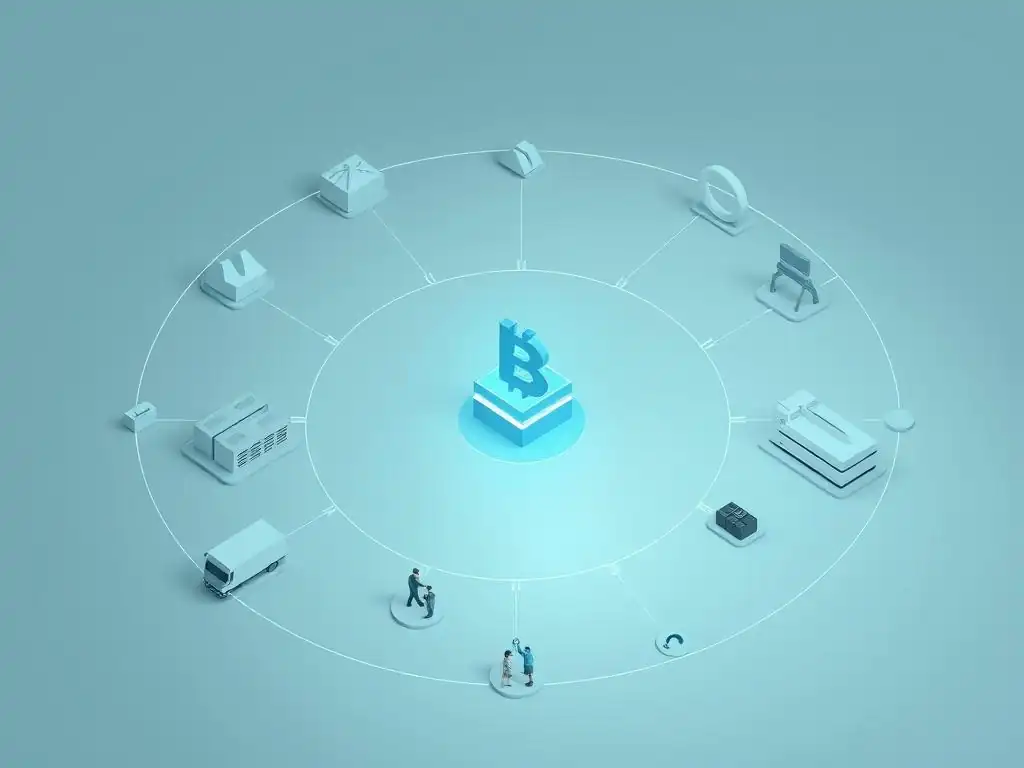
Integrating blockchain into circular supply loops offers significant benefits, particularly in improving transparency and traceability within recycling processes. Recycling systems often face challenges in tracking materials through complex collection, sorting, and processing stages. Blockchain can provide a transparent and auditable platform to track materials from collection points to recycling facilities and back into new products.
This enhanced traceability improves the efficiency of recycling processes and reduces the risk of fraud or misreporting. For example, blockchain can be used to track plastic waste collected in a specific region, ensuring that it is properly recycled and not diverted to landfills or illegal dumping.
Increased transparency in recycling processes, enabled by blockchain, builds trust among stakeholders, including consumers, recyclers, and brands. Consumers can be assured that their efforts to recycle are contributing to a genuine circular economy, while recyclers can benefit from improved efficiency and reduced operational costs. Brands can also leverage blockchain-verified recycling data to demonstrate their commitment to circularity and meet sustainability targets.
The enhanced transparency and traceability in recycling, facilitated by blockchain, are crucial for scaling circular economy initiatives and ensuring the effectiveness of recycling systems. This directly supports the goals of sustainable supply chain ethics by closing material loops responsibly.
Increased Consumer Trust and Confidence in Sustainable Products
Blockchain integration directly translates to increased consumer trust and confidence in products marketed as sustainable. As consumers become more environmentally and ethically conscious, they are increasingly seeking verifiable proof of sustainability claims. Blockchain provides this verification by offering transparent and immutable records of product origin, ethical sourcing, and environmental impact.
When consumers can access this verified information through blockchain-based platforms, they are more likely to trust sustainability claims and choose sustainable products. For example, a consumer purchasing a garment labeled as "made with recycled materials" can use blockchain to verify the recycled content and the responsible sourcing of those materials.
This increased consumer trust can translate into greater market demand for sustainable products and incentivize businesses to adopt more sustainable practices. Brands that can effectively communicate their sustainability efforts through blockchain-verified data gain a competitive advantage in the marketplace. Furthermore, blockchain can help combat greenwashing by providing consumers with reliable information to distinguish between genuinely sustainable products and those making unsubstantiated claims.
The enhanced consumer trust and confidence fostered by blockchain are essential for driving the adoption of sustainable products and building a more responsible and ethical consumer culture. This trust is a cornerstone of establishing sustainable supply chain ethics in the eyes of the consumer.
Reduced Waste and Resource Depletion through Optimized Supply Chains
Blockchain can contribute to reduced waste and resource depletion by enabling optimized supply chains within circular economy models. Enhanced transparency and traceability, facilitated by blockchain, allow businesses to identify inefficiencies and waste points in their supply chains. By tracking material flows and product lifecycles, companies can optimize resource utilization, minimize waste generation, and improve product design for circularity. For example, blockchain can help identify overstocking, optimize inventory management, and facilitate product sharing or leasing models, all of which contribute to reduced waste.
Furthermore, blockchain can streamline reverse logistics and material recovery processes, making it easier and more cost-effective to collect and recycle end-of-life products. By improving the efficiency of recycling systems, blockchain can increase material recovery rates and reduce reliance on virgin resources. The optimization of supply chains through blockchain not only reduces waste and resource depletion but also enhances operational efficiency and cost savings for businesses. This contribution to resource efficiency and waste reduction is a significant benefit of integrating blockchain into circular supply loops and supports the broader goals of sustainable supply chain ethics.
Streamlined Compliance with Environmental Regulations
Blockchain technology can streamline compliance with increasingly stringent environmental regulations, a critical aspect of operating ethically and sustainably. Environmental regulations often require businesses to track and report on various environmental metrics, such as emissions, waste generation, and resource consumption. Blockchain provides a transparent and auditable platform for collecting, verifying, and sharing this environmental data with regulatory bodies. This streamlined data management reduces the administrative burden of compliance and improves the accuracy and reliability of environmental reporting. For example, blockchain can be used to automatically generate reports on carbon emissions or waste recycling rates, simplifying compliance with environmental reporting requirements.
Smart contracts on blockchain can automate compliance processes and ensure adherence to regulatory standards. Conditions related to environmental permits, emissions limits, and waste management protocols can be encoded into smart contracts, automatically triggering alerts or actions when compliance thresholds are approached or breached. This automated compliance monitoring reduces the risk of regulatory violations and associated penalties. By streamlining compliance with environmental regulations, blockchain helps businesses operate more sustainably and ethically, while also reducing administrative costs and improving regulatory transparency. This efficient compliance mechanism is a valuable benefit of blockchain integration for sustainable supply chain ethics.
Case Studies: Blockchain in Action for Circular Economy
Case Study 1: Plastic Bank - Rewarding Plastic Collection with Blockchain-Based Tokens
Plastic Bank is a social enterprise that is leveraging blockchain to combat plastic pollution and poverty simultaneously. They have created a global recycling ecosystem where individuals in developing countries can collect plastic waste and exchange it for digital tokens, secured by blockchain, which can be redeemed for essential goods and services such as food, water, healthcare, and education.
This innovative approach incentivizes plastic collection, prevents plastic from entering oceans, and provides economic opportunities for marginalized communities. Plastic Bank's blockchain platform ensures transparency and security in the collection and redemption process, building trust among collectors, recyclers, and brands that use Plastic Bank's Social Plastic®.
By using blockchain, Plastic Bank ensures that the collected plastic is verifiably recycled and that the rewards reach the intended beneficiaries directly, eliminating intermediaries and reducing the risk of fraud. The blockchain platform also tracks the journey of the collected plastic, providing brands with verifiable proof of their contribution to plastic recycling and social impact.
Plastic Bank's success demonstrates the power of blockchain to create circular economy solutions that are not only environmentally beneficial but also socially equitable. As of recent reports, Plastic Bank has collected over 80 million kilograms of plastic, showcasing the tangible impact of blockchain in promoting sustainable supply chain ethics and circularity.
Case Study 2: Provenance - Tracking Tuna Supply Chains for Sustainability
Provenance is a technology company that uses blockchain to enhance supply chain transparency and traceability, with a focus on sustainability and ethical sourcing. One notable case study involves their work with tuna supply chains to combat illegal fishing and promote sustainable fishing practices. Provenance's blockchain platform tracks tuna from catch to consumer, recording data on fishing location, fishing methods, and certifications at each stage of the supply chain. This provides consumers with verifiable information about the origin and sustainability of the tuna they purchase, empowering them to make informed choices and support responsible fishing practices.
By using blockchain, Provenance creates a tamper-proof record of tuna's journey, ensuring transparency and accountability throughout the supply chain. This transparency helps to deter illegal fishing activities and promotes adherence to sustainable fishing regulations. Consumers can scan a QR code on tuna products to access the blockchain-verified information, gaining confidence in the sustainability claims.
Provenance's work in tuna supply chains demonstrates how blockchain can be applied to improve traceability and sustainability in complex and global supply chains, contributing to ethical sourcing and environmental responsibility. Their approach highlights the practical application of blockchain for promoting sustainable supply chain ethics in the seafood industry.
Case Study 3: Circularise - Enabling Material Transparency and Recyclability
Circularise is a company focused on enabling material traceability and circularity in complex industrial supply chains using blockchain. They provide a blockchain-based platform that allows manufacturers to track and share information about the composition and recyclability of materials used in their products. This material transparency is crucial for promoting circular economy models, as it enables efficient sorting and recycling of materials at the end-of-life. Circularise's technology is particularly relevant for industries like plastics, chemicals, and electronics, where material composition and recyclability are complex and often poorly tracked.
By using blockchain, Circularise ensures that material data is securely and transparently shared among supply chain stakeholders, including manufacturers, recyclers, and brands. This enhanced material transparency facilitates better decision-making in product design, material selection, and recycling processes. For example, recyclers can access detailed information about the materials they are processing, enabling more efficient sorting and recycling.
Brands can use Circularise's platform to track the recycled content in their products and communicate this information to consumers. Circularise's work demonstrates the application of blockchain for enabling material transparency and recyclability, key enablers for circular economy and sustainable supply chain ethics in industrial contexts.
Overcoming Challenges in Blockchain Implementation for Sustainability
Scalability and Interoperability Issues in Blockchain Networks
While blockchain offers significant potential for sustainable supply chain ethics, its implementation faces challenges, including scalability and interoperability issues. Scalability refers to the ability of a blockchain network to handle a growing volume of transactions and data without compromising performance. Many current blockchain platforms face limitations in transaction throughput and processing speed, which can be a bottleneck for large-scale supply chain applications with high transaction volumes. As supply chains involve numerous transactions across diverse stakeholders, scalability is crucial for efficient and cost-effective blockchain implementation.
Interoperability is another significant challenge. Different blockchain platforms and systems may not be easily compatible or able to communicate with each other, creating silos of data and hindering seamless information exchange across supply chains. For blockchain to be truly effective in enhancing supply chain transparency and traceability, interoperability between different blockchain networks and legacy systems is essential.
Overcoming these scalability and interoperability challenges requires ongoing technological innovation and industry-wide collaboration to develop standards and solutions that enable seamless integration and scalability of blockchain for sustainable supply chain applications. Addressing these technical hurdles is vital for realizing the full potential of blockchain for ethical and sustainable supply loops.
Data Privacy and Security Concerns in Supply Chain Applications
Data privacy and security are paramount concerns in blockchain implementation for supply chain applications, particularly when dealing with sensitive information related to ethical sourcing and business operations. While blockchain offers enhanced security through cryptography and decentralization, it is not immune to security risks. Data breaches, smart contract vulnerabilities, and unauthorized access are potential threats that need to be addressed to ensure the security and integrity of blockchain-based supply chain systems. Furthermore, supply chain data often includes commercially sensitive information that businesses may be reluctant to share on a public or permissioned blockchain network.
Data privacy regulations, such as GDPR, also impose requirements on the collection, storage, and processing of personal data, which need to be considered when implementing blockchain in supply chains. Solutions such as permissioned blockchains, zero-knowledge proofs, and data encryption techniques can help address data privacy and security concerns in blockchain applications. Careful consideration of data governance frameworks, security protocols, and privacy-enhancing technologies is crucial for building trust and ensuring responsible use of blockchain in sustainable supply chain ethics. Balancing transparency with necessary data protection is key to successful and ethical blockchain adoption.
The Need for Collaboration and Standardization in Blockchain Adoption
Widespread and effective adoption of blockchain for sustainable supply chain ethics requires strong collaboration and standardization across industries and stakeholders. Supply chains are inherently collaborative ecosystems involving diverse participants, including suppliers, manufacturers, distributors, retailers, and consumers. To realize the full benefits of blockchain, these stakeholders need to collaborate on developing common standards, protocols, and data formats for blockchain-based supply chain solutions. Lack of standardization can lead to fragmentation, interoperability issues, and hinder the scalability of blockchain adoption.
Industry consortia, standards organizations, and government initiatives play a crucial role in fostering collaboration and standardization in blockchain for supply chains. Developing industry-specific standards for data exchange, traceability protocols, and smart contract templates can facilitate wider adoption and interoperability. Collaboration among businesses, technology providers, and regulatory bodies is also essential to address legal and regulatory challenges associated with blockchain implementation and ensure alignment with existing frameworks. A collaborative and standardized approach is crucial for unlocking the transformative potential of blockchain and driving widespread adoption for sustainable supply chain ethics and circular economy initiatives.
The Future of Blockchain for Ethical and Sustainable Supply Chains
Emerging Trends in Blockchain Technology for Sustainability
The future of blockchain for ethical and sustainable supply chains is characterized by several emerging trends that are further enhancing its potential and addressing existing challenges. One key trend is the development of more scalable and energy-efficient blockchain platforms. Layer-2 solutions and alternative consensus mechanisms are being explored to improve transaction throughput and reduce the environmental footprint of blockchain networks. These advancements will make blockchain more viable for large-scale supply chain applications and contribute to its own sustainability.
Another trend is the increasing integration of blockchain with other technologies, such as IoT (Internet of Things), AI (Artificial Intelligence), and Big Data analytics. Combining blockchain with IoT sensors can enable real-time data capture and tracking of products and materials throughout the supply chain. AI and Big Data analytics can be used to analyze blockchain data to identify patterns, optimize supply chain processes, and improve decision-making for sustainability.
These technology integrations will further enhance the capabilities of blockchain for driving ethical and sustainable supply chain practices. The convergence of these technologies is poised to unlock new opportunities for blockchain in promoting sustainable supply chain ethics.
The Potential of Blockchain to Drive a More Circular and Ethical Economy
Blockchain has the transformative potential to drive a more circular and ethical economy by enabling greater transparency, traceability, and accountability across global supply chains. By facilitating the verification of ethical sourcing, fair labor practices, and environmental sustainability claims, blockchain can empower consumers to make informed purchasing decisions and support responsible businesses. This increased consumer demand for ethical and sustainable products can incentivize businesses to adopt more sustainable practices and contribute to a more ethical marketplace.
Furthermore, blockchain can enable new circular economy business models, such as product-as-a-service, sharing economy platforms, and decentralized recycling systems. By facilitating material traceability and incentivizing material recovery, blockchain can accelerate the transition towards a circular economy, reducing waste and resource depletion. The combination of enhanced transparency, traceability, and circular economy enablement positions blockchain as a powerful catalyst for driving a more ethical and sustainable economic system. Blockchain's role in fostering sustainable supply chain ethics is central to realizing this broader vision of a responsible and circular economy.
Predictions for the Adoption of Blockchain in Global Supply Chains
Predictions for the adoption of blockchain in global supply chains are optimistic, with expectations of significant growth in the coming years. Industry analysts anticipate increasing adoption of blockchain across various sectors, including food and agriculture, fashion, pharmaceuticals, and manufacturing, as businesses recognize the benefits of enhanced transparency, traceability, and efficiency. A report by MarketsandMarkets projects the blockchain supply chain market to reach USD 9.8 billion by 2025, driven by the growing demand for supply chain transparency and security.
However, widespread adoption of blockchain will require overcoming existing challenges related to scalability, interoperability, and standardization. Collaboration among industry stakeholders, technology providers, and regulatory bodies will be crucial for addressing these challenges and creating a supportive ecosystem for blockchain adoption. As blockchain technology matures and solutions to these challenges emerge, the adoption of blockchain in global supply chains is expected to accelerate, driving significant improvements in supply chain ethics, sustainability, and efficiency. The future points towards blockchain becoming an increasingly integral technology for ensuring sustainable supply chain ethics in the global economy.
Conclusion: Blockchain as a Catalyst for Ethical and Sustainable Supply Loops
Recap of Blockchain's Key Contributions to the Circular Economy
Blockchain technology stands out as a pivotal catalyst in fostering ethical and sustainable supply loops within the circular economy framework. Its key contributions are multifaceted and deeply impactful. Firstly, blockchain enhances transparency and traceability throughout supply chains, enabling stakeholders to track products and materials from origin to end-of-life with unprecedented clarity. Secondly, blockchain promotes data integrity and immutability, building trust and preventing fraudulent claims related to ethical sourcing or sustainability. Thirdly, blockchain facilitates real-time data sharing and improved accountability, empowering businesses and consumers to make informed decisions and hold supply chain actors responsible.
Furthermore, blockchain enables key applications such as verifying ethical sourcing and fair labor practices, preventing counterfeiting and ensuring product authenticity, and monitoring and reducing environmental impact. These applications collectively contribute to building more resilient, responsible, and circular supply chains. Case studies from Plastic Bank, Provenance, and Circularise demonstrate the tangible benefits of blockchain in creating practical and impactful circular economy solutions. By addressing challenges related to scalability, interoperability, data privacy, and standardization, blockchain can unlock its full potential to revolutionize supply chain ethics and drive a more sustainable future.
Call to Action: Embracing Blockchain for a More Sustainable Future
Embracing blockchain technology is no longer just an option but a strategic imperative for businesses seeking to build ethical and sustainable supply loops and contribute to a circular economy. The journey towards a more sustainable future demands a collective effort, and blockchain offers a powerful tool to facilitate this transformation. Businesses are urged to explore and implement blockchain solutions to enhance transparency, improve traceability, and verify their sustainability claims. Consumers are encouraged to demand transparency and support brands that are leveraging blockchain to build ethical and sustainable supply chains.
Policymakers and regulators should promote the development of standards and frameworks that support the responsible and effective adoption of blockchain for sustainability. Collaboration among industry stakeholders, technology providers, and researchers is essential to overcome existing challenges and unlock the full potential of blockchain for a more sustainable future. By collectively embracing blockchain, we can pave the way for a global economy that is not only more efficient and resilient but also fundamentally more ethical and environmentally responsible, ensuring sustainable supply chain ethics become the norm rather than the exception.
Frequently Asked Questions
How can blockchain technology contribute to a more sustainable supply chain?
Blockchain provides immutable and transparent tracking of products throughout the supply chain, allowing for better visibility and accountability. This reduces waste by optimizing resource allocation and preventing counterfeiting.
What are some ethical considerations when implementing blockchain in a supply chain?
Ethical considerations include ensuring data privacy, fair access to the technology, and avoiding the concentration of power among a few participants. It's also crucial to consider the environmental impact of the blockchain itself.
How can blockchain enhance the principles of the circular economy?
Blockchain facilitates the tracking of materials and products as they move through different stages of their lifecycle, allowing for easier reuse, repair, and recycling. This promotes closed-loop systems and reduces reliance on raw materials.
What role does regulation play in the adoption of blockchain for sustainable supply chain ethics?
Clear regulations are needed to establish standards for data security and transparency, as well as to address legal liabilities associated with blockchain transactions. This fosters trust and encourages wider adoption.
Examples include traceability of conflict minerals, verification of fair labor practices, and improved supply chain due diligence. These applications help companies demonstrate their commitment to ethical sourcing and environmental responsibility.
Final Reflection: Embracing Transparency for a Sustainable Tomorrow
The exploration of blockchain's potential to revolutionize the circular economy underscores a crucial point: ethical and sustainable supply chains are no longer a utopian ideal, but a tangible possibility. The convergence of these technologies offers a pathway to unprecedented transparency, accountability, and ultimately, a more responsible approach to resource management in a world grappling with environmental challenges. The potential for blockchain to verify the origin and lifecycle of products, ensuring fair labor practices and minimizing waste, is a game-changer.
The journey towards a truly circular economy hinges on our willingness to embrace transparency and traceability. This isn't just about technological innovation; it's about a fundamental shift in mindset, prioritizing ethical considerations and environmental stewardship. As we've seen, blockchain offers the tools, but it's our collective commitment that will determine its success. The greatest threat to our planet is the belief that someone else will save it.
- Robert Swan's words resonate deeply, reminding us that individual action, amplified by technological solutions, is the key to a sustainable future.
Now, consider the power you hold to contribute to this transformation. Reflect on the products you consume, the companies you support, and the choices you make. How can you champion transparency and demand ethical practices within the supply chains you interact with? By embracing blockchain-enabled solutions and advocating for responsible consumption, you become an active participant in building a more sustainable and equitable world for generations to come. The future of our planet depends on it.
Reimagine Your Supply Chain Today!
Thank you for exploring how blockchain is transforming the circular economy. You now have a clearer picture of a future where ethical and sustainable practices are not just ideals, but verifiable realities. It's time to take action.
Here’s how you can contribute to this exciting movement:
- Identify one area in your current supply chain where increased transparency could significantly reduce waste or enhance ethical sourcing. Focus on implementing blockchain solutions in that area.
- Explore a blockchain-based platform for tracking product lifecycles and share your insights with colleagues and industry peers.
- Consider encouraging your favorite brands to publicly share data on their supply chain efforts using open blockchain technology.
Are you ready to build a more sustainable and transparent future? What will be your first concrete step to integrate blockchain into your supply chain practices and support a truly circular economy?
Leave a Reply