
Real Estate Tokenization and the Democratization of Wealth: Empowering Financial Inclusion


Welcome to Blockchain Trends, your guide to understanding the revolutionary impact of blockchain technology. Beyond the hype, discover how blockchain is reshaping industries and fostering innovation. Intrigued by the possibilities? Dive into our featured article to uncover the powerful real estate tokenization benefits investors are experiencing, and how this groundbreaking application is democratizing wealth and redefining the future of property ownership. Explore the potential, understand the risks, and join us as we navigate the exciting world of decentralized systems.
Real Estate Tokenization: Democratizing Access to Investment and Driving Market Efficiency
- Understanding Real Estate Tokenization
- Benefits of Real Estate Tokenization for Investors
- Democratizing Wealth Creation Through Tokenization
- The Role of Blockchain Technology
- Regulatory Considerations
- Challenges and Opportunities
- The Future of Real Estate Investment
-
Frequently Asked Questions
- What exactly is real estate tokenization and how does it relate to financial inclusion?
- What are the primary benefits of real estate tokenization for investors, especially those who may not have access to traditional investment opportunities?
- How does blockchain technology ensure transparency and security in real estate tokenization transactions?
- What role does regulation play in the growth and adoption of real estate tokenization?
- Beyond individual investors, what are some potential enterprise applications of real estate tokenization and how might they impact the real estate industry as a whole?
- Final Reflection: Unlocking Opportunity Through Tokenization
- Unleash Your Real Estate Potential!
Understanding Real Estate Tokenization
What is Real Estate Tokenization?
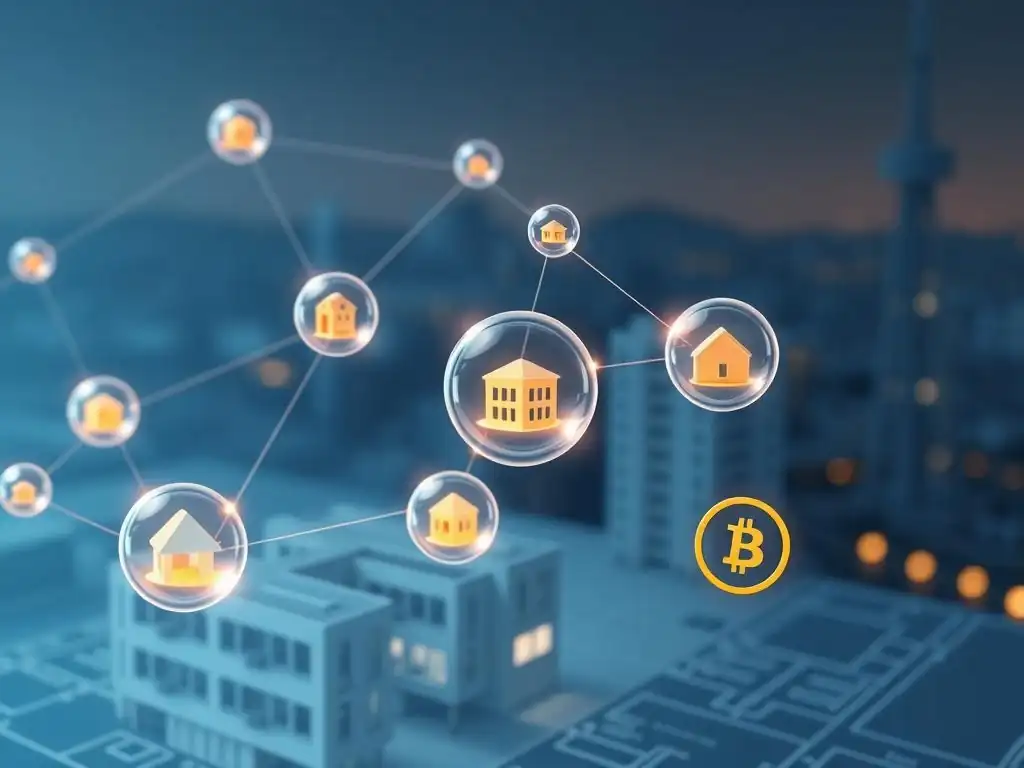
Real estate tokenization is the process of issuing digital tokens on a blockchain that represent ownership or rights to a specific real estate asset. This process transforms illiquid real estate assets into divisible, digital units, making them easier to buy, sell, and manage. By leveraging blockchain technology, tokenization provides a secure and transparent method to record ownership and transaction history, enhancing trust and efficiency in the real estate market. It essentially digitizes real estate ownership, allowing for novel investment structures and increased accessibility.
This innovative approach breaks down traditional barriers to real estate investment, such as high entry costs and complex transaction processes. Instead of buying an entire property or a large share in a fund, investors can purchase tokens representing a fraction of the property's value. This fractional ownership model opens up real estate investment to a much broader audience, including retail investors who previously found the market inaccessible due to significant capital requirements, often exceeding tens or even hundreds of thousands of dollars for direct investment.
Key Elements of a Real Estate Tokenization Platform
A robust real estate tokenization platform incorporates several critical components to ensure the secure and efficient operation of tokenized assets. At its core is the blockchain layer, typically using networks like Ethereum or Polygon, which provides the immutable ledger for recording token ownership and transactions. This blockchain ensures transparency and security, making it difficult to alter records without detection. Smart contracts are another fundamental element, automating processes such as dividend distribution, voting rights, and fractional ownership transfers based on predefined conditions.
Furthermore, these platforms require mechanisms for legal compliance and investor onboarding. This includes Know Your Customer (KYC) and Anti-Money Laundering (AML) checks to verify investor identities and adhere to regulatory requirements. Secure digital wallets are essential for investors to hold and manage their tokens. Finally, a secondary market or exchange functionality is often integrated or partnered with, allowing investors to trade their real estate tokens, thereby providing liquidity which is a significant advantage over traditional real estate investments.
Benefits of Real Estate Tokenization for Investors
Increased Accessibility through Fractional Ownership
One of the most significant ways real estate tokenization benefits investors is by drastically increasing accessibility through fractional ownership. Traditionally, investing in commercial real estate or prime properties required substantial capital, often starting from $50,000 to $100,000 or more for syndicate deals or direct purchases. Tokenization enables investors to buy tokens representing small percentages of a property, potentially lowering the minimum investment threshold to as little as $100 or $1,000, depending on the platform and asset.
This reduction in the minimum investment requirement directly empowers smaller investors, allowing them to participate in opportunities previously exclusive to high-net-worth individuals or institutional players. By enabling investment in increments, real estate tokenization benefits investors by making diversification across multiple properties or property types more feasible, even with a limited budget. This expanded access is a key driver behind the potential for democratizing wealth creation through real estate investment.
Enhanced Liquidity for Real Estate Assets
A major challenge in traditional real estate investment is the inherent illiquidity of the asset. Selling a property or even a share in a real estate fund can take months, involving complex negotiations, legal processes, and significant transaction costs, sometimes amounting to 5-10% of the property value. Real estate tokenization benefits investors by offering the potential for significantly enhanced liquidity.
By creating digital tokens that can be traded on secondary markets, investors gain the ability to sell their fractional ownership more easily and quickly, potentially within days or even hours, much like trading stocks or other digital assets. While the liquidity of tokenized real estate markets is still developing compared to traditional markets, the underlying technology removes many of the friction points that hinder traditional real estate transactions. This increased ease of exit provides investors with greater flexibility and the ability to react more nimbly to market conditions or personal financial needs.
Portfolio Diversification through Tokenized Offerings
Portfolio diversification is a fundamental strategy for managing risk, and real estate tokenization benefits investors by making it easier to achieve this diversification within the real estate asset class. Instead of concentrating a large sum of capital in a single property or geographic location, investors can allocate smaller amounts across a variety of tokenized properties.
This allows investors to build a diversified portfolio spanning different property types (e.g., residential, commercial, industrial), locations (both domestic and international), and risk profiles, all within the same investment vehicle. For example, an investor might allocate capital across a tokenized apartment building in Berlin, a tokenized office space in Singapore, and a tokenized retail complex in New York. This ability to easily spread investment across disparate assets significantly reduces portfolio risk compared to holding a single, illiquid property, further illustrating how real estate tokenization benefits investors seeking balanced growth.
Democratizing Wealth Creation Through Tokenization
Empowering Retail Investors in Real Estate
Real estate tokenization is playing a pivotal role in empowering retail investors by dismantling the high barriers to entry that have historically characterized the market. Traditionally, direct real estate ownership required substantial capital, often excluding average individuals from participating in potentially lucrative investment opportunities. Tokenization allows these investors to own fractional pieces of high-value assets, such as luxury apartments, commercial buildings, or development projects, which were previously only accessible to institutional investors or the extremely wealthy.
This shift means that someone with a few hundred or thousand dollars can now invest alongside larger players in the same asset, gaining exposure to real estate returns without needing to secure mortgages, manage properties, or navigate complex legal hurdles associated with traditional ownership. This direct access to a wider range of real estate opportunities is a powerful mechanism for democratizing wealth creation, providing a new avenue for individuals to build equity and participate in the growth of the real estate market.
Bridging Investment Gaps: Expanding Access Through Blockchain
Blockchain technology, as the foundation for tokenization, is instrumental in bridging investment gaps by creating a more inclusive financial ecosystem for real estate. Beyond just lowering minimums, blockchain enhances transparency and reduces transactional costs, which traditionally added significant overhead for smaller investors. The distributed ledger provides a clear, immutable record of ownership and transactions, reducing reliance on intermediaries like banks, brokers, and escrow companies, whose fees can be prohibitive.
By streamlining these processes and making them more cost-effective, blockchain expands access to real estate investment for individuals in regions with less developed financial infrastructure or those who have been historically underserved by traditional financial institutions. This technological leap facilitates cross-border investments and allows a global pool of investors to access real estate opportunities anywhere in the world, provided they meet regulatory requirements, further expanding the reach and potential for wealth accumulation through tokenized assets.
Case Studies: Tokenization and Economic Empowerment
While the market is still maturing, several early examples illustrate the potential of tokenization for economic empowerment. For instance, projects have emerged that tokenized portions of commercial properties in major cities, allowing hundreds or thousands of smaller investors to collectively own a stake. One notable example involved the tokenization of a luxury resort in the US, where investors could buy tokens representing ownership shares, starting at a significantly lower price point than traditional investment methods would allow for such an asset type.
Another case involves the tokenization of affordable housing projects in developing regions, aiming to attract smaller, local investors who can now participate directly in community development while potentially earning returns. While specific return data varies greatly by project and market conditions, the fundamental empowerment comes from providing these individuals with the opportunity to invest in tangible assets that were previously out of reach. These early cases, even if representing a small fraction of the global market today, demonstrate the practical application of tokenization in creating more inclusive investment pathways.
The Role of Blockchain Technology
Security and Transparency Advantages
Blockchain technology provides fundamental security and transparency advantages that are critical for the success and trustworthiness of real estate tokenization. The decentralized nature of blockchain means that data is stored across a network of computers rather than a single server, making it highly resistant to tampering and fraud. Once a transaction or ownership record is added to the blockchain, it is extremely difficult to alter or delete without the consensus of the network, creating an immutable audit trail.
This inherent transparency allows investors and other stakeholders to verify ownership records, transaction history, and asset details on the public ledger (or a permissioned ledger for private deals). This level of verifiable transparency builds trust among participants, reduces the potential for disputes, and minimizes the need for costly intermediaries to verify information. For investors, this means greater confidence in the legitimacy of their investment and the underlying asset, directly contributing to why real estate tokenization benefits investors seeking secure and verifiable ownership.
Smart Contracts and Automated Processes
Smart contracts are self-executing contracts with the terms of the agreement directly written into code. Deployed on the blockchain, they automate processes associated with tokenized real estate, increasing efficiency and reducing operational costs. For instance, smart contracts can automate the distribution of rental income proportionally to token holders based on their ownership percentage, without requiring manual calculations or distributions by a fund manager.
They can also handle the automated execution of buy/sell orders on a secondary market once specific conditions are met, manage voting rights for property-related decisions based on token holdings, or even automate the process of transferring ownership upon sale. This automation reduces administrative overhead, minimizes the potential for human error, and ensures that processes are executed exactly as programmed. The efficiency gained through smart contracts streamlines operations and reduces friction in the investment lifecycle, further enhancing the appeal of real estate tokenization benefits investors by lowering costs and speeding up processes.
Impact on Market Efficiency
The integration of blockchain and smart contracts significantly impacts the overall efficiency of the real estate market. Traditional real estate transactions are notoriously slow, involving extensive paperwork, multiple intermediaries, and lengthy closing periods that can span weeks or months. This lack of efficiency contributes to higher costs and limits liquidity.
Tokenization, powered by blockchain, has the potential to dramatically reduce transaction times and costs. By digitizing assets and automating processes via smart contracts, settlements can potentially occur much faster, sometimes within hours or days, compared to the traditional timeline. The reduction in reliance on intermediaries also lowers fees. Furthermore, the increased transparency provided by the blockchain reduces information asymmetry, allowing for more efficient price discovery. This enhanced market efficiency makes real estate investment more attractive and accessible, highlighting another way real estate tokenization benefits investors and the broader market.
Regulatory Considerations
Legal Frameworks for Tokenized Real Estate
The development of clear legal frameworks is crucial for the widespread adoption and stability of real estate tokenization. As a relatively new asset class, tokenized real estate often falls into a regulatory gray area, requiring careful consideration of existing securities laws, property laws, and financial regulations. Jurisdictions worldwide are grappling with how to classify tokens representing real estate – are they securities, fractions of property ownership, or a new type of asset?
Establishing legal clarity involves determining how tokenized ownership is legally recognized, how transactions are taxed, and what disclosures are required for token offerings. Some countries and regions are proactively developing specific regulations or adapting existing laws to accommodate digital assets, while others are taking a more cautious approach. Navigating this evolving legal landscape is essential for issuers and platforms to ensure compliance and for investors to have confidence in the legal standing of their tokenized assets.
Compliance and Due Diligence Processes
Robust compliance and due diligence processes are non-negotiable for real estate tokenization platforms and issuers. Before any tokens are offered, thorough due diligence on the underlying real estate asset is paramount, including title checks, property valuations, and assessment of any encumbrances or legal issues. This ensures the legitimacy and value of the asset being tokenized.
Furthermore, platforms must implement stringent Know Your Customer (KYC) and Anti-Money Laundering (AML) procedures for all participating investors, regardless of the investment amount. This is critical for preventing illicit activities and complying with global financial regulations. Ongoing compliance monitoring is also necessary to ensure that all activities on the platform adhere to relevant securities laws and property regulations in the jurisdictions where the asset is located and where investors reside. Adherence to these processes is vital for building trust and mitigating risks for all parties involved.
Global Regulatory Landscape
The global regulatory landscape for real estate tokenization is fragmented and constantly evolving. Different countries have adopted varying approaches, ranging from outright caution or prohibition to active encouragement and the creation of specific regulatory sandboxes for testing. For example, some jurisdictions may classify real estate tokens as securities, subjecting them to stringent registration and disclosure requirements similar to initial public offerings (IPOs).
Other regions might focus on amending property laws to explicitly recognize digital ownership or create special licenses for tokenization platforms. This lack of regulatory harmonization presents challenges for platforms operating internationally and for investors seeking to invest across borders. Understanding the specific regulations in the jurisdiction of the asset and the investor is critical. As the market matures, increased international cooperation and the development of clearer, more harmonized regulatory guidelines will be essential for unlocking the full potential of real estate tokenization on a global scale.
Challenges and Opportunities
Overcoming Adoption Barriers
Despite the compelling advantages, real estate tokenization faces significant adoption barriers. One primary challenge is the lack of widespread awareness and understanding among both potential investors and traditional real estate professionals. Many are unfamiliar with blockchain technology and the concept of tokenized ownership, leading to skepticism or reluctance to engage.
Another hurdle is the current limited liquidity of secondary markets for tokenized real estate compared to established markets like stocks or traditional real estate sales. While the technology enables liquidity, the volume of trading activity needs to grow significantly to provide truly efficient exit options for investors. Building trust and educating the market about the security, transparency, and benefits of tokenization are crucial steps in overcoming these barriers and driving broader adoption among diverse investor groups.
Addressing Security Concerns
While blockchain technology offers inherent security advantages, the real estate tokenization ecosystem is not immune to security concerns. These include potential vulnerabilities in smart contract code, risks associated with platform security (e.g., hacks of centralized exchanges or token custody solutions), and the potential for phishing attacks or scams targeting individual investors' digital wallets.
Ensuring the security of tokenized assets requires rigorous auditing of smart contracts by independent third parties, implementing robust cybersecurity measures on tokenization platforms, and providing secure storage solutions for tokens. Educating investors on best practices for protecting their digital assets is also vital. Addressing these security concerns proactively is essential for building investor confidence and ensuring the long-term viability of the tokenized real estate market.
Scaling for Future Growth
Scaling real estate tokenization platforms to handle a large volume of assets and investors is a significant opportunity and challenge. As interest grows, platforms need to process a high number of transactions efficiently and manage an increasing amount of data on the blockchain. This requires scalable blockchain infrastructure and robust platform architecture.
Furthermore, scaling involves integrating with existing financial systems and real estate industry workflows, which can be complex. Building the necessary legal and regulatory frameworks globally is also part of the scaling process. Successfully scaling will unlock the potential for tokenization to transform a larger portion of the multi-trillion-dollar global real estate market, bringing the benefits of increased accessibility, liquidity, and transparency to a much wider audience and solidifying how real estate tokenization benefits investors worldwide.
The Future of Real Estate Investment
Long-Term Impact on the Real Estate Industry
The long-term impact of real estate tokenization on the traditional real estate industry is expected to be profound. It has the potential to fundamentally alter how properties are bought, sold, and financed. By lowering transaction costs and increasing speed, it could make the market significantly more dynamic. The ability to easily trade fractional ownership might influence property valuation models and investment strategies.
Moreover, tokenization could facilitate new forms of real estate financing, such as crowdfunding for development projects through security token offerings. It might also enable more granular data analysis on market trends based on token trading activity. While it's unlikely to entirely replace traditional methods in the near future, tokenization is poised to become a significant and integrated component of the real estate finance ecosystem, pushing the industry towards greater efficiency and accessibility.
Catalyst for Innovation in Real Estate Finance
Real estate tokenization is acting as a powerful catalyst for innovation within real estate finance. It is driving the development of new investment products and platforms that leverage blockchain technology. This includes platforms specializing in specific property types, geographic regions, or investment strategies, all built around the tokenization model.
The technology is also spurring innovation in related services, such as digital identity verification for investors, automated compliance tools, and decentralized governance models for property management. The intersection of real estate, blockchain, and decentralized finance (DeFi) could lead to even more sophisticated financial instruments and lending protocols backed by tokenized real estate assets. This wave of innovation is creating new opportunities for investors and entrepreneurs within the sector.
Potential to Transform Global Investment Markets
Ultimately, real estate tokenization has the potential to transform global investment markets by making a historically localized and illiquid asset class accessible to a global pool of investors. By lowering entry barriers and increasing liquidity, it can attract significant capital flows into real estate from individuals and institutions worldwide.
This globalization of real estate investment through tokenization could lead to more efficient allocation of capital, improved price discovery across different markets, and increased stability by diversifying the investor base. As regulatory clarity improves and technology platforms mature, tokenized real estate is poised to become a mainstream investment option, fundamentally changing how individuals and institutions interact with this massive asset class and further demonstrating the significant ways real estate tokenization benefits investors on a global scale.
Frequently Asked Questions
What exactly is real estate tokenization and how does it relate to financial inclusion?
Real estate tokenization is the process of converting ownership rights in a property into digital tokens on a blockchain. This fractionalization allows for smaller investments, making real estate accessible to a wider range of investors, thus promoting financial inclusion.
What are the primary benefits of real estate tokenization for investors, especially those who may not have access to traditional investment opportunities?
Tokenization lowers the barrier to entry for real estate investment. It offers increased liquidity compared to traditional real estate, and can provide access to global real estate markets.
How does blockchain technology ensure transparency and security in real estate tokenization transactions?
Blockchain's immutable and distributed ledger provides a transparent record of all transactions. Cryptographic security ensures the integrity and security of the tokenized assets and their ownership.
What role does regulation play in the growth and adoption of real estate tokenization?
Clear and well-defined regulations are crucial for building investor confidence and fostering the responsible growth of the tokenized real estate market. They provide a framework for compliance and security.
Beyond individual investors, what are some potential enterprise applications of real estate tokenization and how might they impact the real estate industry as a whole?
Tokenization can streamline property management, facilitate faster and cheaper transactions, and unlock new opportunities for real estate financing for companies. This could lead to a more efficient and accessible real estate market.
Okay, here's a final reflection designed to close your article "Real Estate Tokenization and the Democratization of Wealth: Empowering Financial Inclusion," optimized for the keyword "Real estate tokenization benefits investors" and following the structure you provided:
Final Reflection: Unlocking Opportunity Through Tokenization
The exploration of real estate tokenization has revealed a powerful mechanism for democratizing wealth and empowering financial inclusion. The tangible benefits of real estate tokenization for investors are now undeniable, offering fractional ownership, increased liquidity, and access to previously unattainable investment opportunities. This isn't just a technological advancement; it's a fundamental shift in how we perceive and interact with the real estate market.
The impact of this shift is already being felt, reshaping the investment landscape and offering new avenues for individuals to build wealth. The ability to participate in real estate investment with smaller capital outlays is particularly transformative, leveling the playing field and fostering a more inclusive financial ecosystem. The future of finance is not just about technology, but about empowering individuals to take control of their financial destinies.
This quote encapsulates the essence of real estate tokenization: a tool for empowerment and financial liberation.
As we stand at the cusp of this new era, I invite you to reflect on the possibilities that real estate tokenization unlocks. Consider how this technology can empower you to diversify your portfolio, access new investment opportunities, and participate in the growth of the real estate market. The future of investment is here, and it's more accessible than ever before. Embrace the potential of tokenization and take control of your financial future.
Unleash Your Real Estate Potential!
Thank you for exploring the exciting world of real estate tokenization with us! You've now uncovered the possibilities of fractional ownership and greater financial inclusion. Are you ready to take control and become part of this revolutionary movement?
Here are a few steps you can take right now:
- Research Platforms: Start exploring real estate tokenization platforms that match your investment goals. Take this opportunity to compare options and find the best fit for you.
- Share Your Insights: Join the conversation in our comments section or on social media to share your thoughts on how tokenization can democratize wealth. Your perspective is valuable!
- Learn More: Visit our resource hub for additional articles on blockchain technology and its applications in finance.
What are your initial thoughts on using tokenization to invest in real estate, and which resources are you most eager to explore first? Let's discuss!
Leave a Reply