
ServiceOriented Architecture (SOA) in Blockchain: Integrating with Existing Systems


Welcome to Blockchain Trends, your compass in the rapidly evolving world of decentralized technology. Beyond the headlines about digital currencies, we delve into the real-world impact of blockchain. Ever wondered how to bridge the gap between cutting-edge blockchain technology and your existing infrastructure? This week, we're tackling the Blockchain SOA integration challenges, uncovering the secrets to seamlessly weaving decentralized solutions into your existing systems. Discover the pitfalls and possibilities – the journey starts now!
Service-Oriented Architecture (SOA) in Blockchain: Integrating with Existing Systems
- Introduction to SOA and Blockchain Technology
- The Benefits of Combining SOA and Blockchain
- Blockchain SOA Integration Challenges
- Implementing SOA in a Blockchain Environment: A Step-by-Step Guide
- Use Cases: Real-World Applications of Blockchain SOA
- Overcoming Blockchain SOA Integration Hurdles
- The Future of SOA in Blockchain: Trends and Predictions
- Conclusion: Embracing the Potential of Blockchain SOA Integration
-
Frequently Asked Questions
- How does Service-Oriented Architecture (SOA) relate to blockchain technology?
- What are the main challenges of Blockchain SOA integration?
- Why is integrating blockchain with existing systems important?
- What role do APIs play in Blockchain SOA integration?
- What are some potential benefits of successfully implementing Blockchain SOA integration?
- Final Reflection: Bridging the Divide with Blockchain SOA Integration
- Unlock Blockchain's Potential: Architect Your Future Today!
Introduction to SOA and Blockchain Technology
Understanding Service-Oriented Architecture (SOA) Principles
Service-Oriented Architecture (SOA) is an architectural style that structures an application as a collection of loosely coupled services. These services are self-contained units of functionality, such as retrieving customer data or processing an order. SOA promotes interoperability by utilizing standardized communication protocols, typically over a network.
The core principles of SOA include service autonomy, where each service operates independently; service discoverability, allowing services to be easily found and utilized; service abstraction, hiding the underlying implementation details; service reusability, enabling services to be used across different applications; and service composability, where services can be combined to create more complex functionalities. By adhering to these principles, SOA aims to create flexible, scalable, and maintainable systems. Enterprises adopted SOA to break down monolithic applications into smaller, manageable components, fostering agility and enabling easier integration between diverse systems across the organization.
A key benefit of SOA lies in its ability to decouple business processes from the underlying technology. This decoupling allows organizations to adapt quickly to changing business needs without requiring extensive overhauls of their IT infrastructure. For instance, imagine a large e-commerce platform.
Using SOA, functionalities like order processing, inventory management, and payment gateways can be developed as independent services. If the payment gateway needs to be upgraded, only that specific service needs modification, without disrupting the entire platform. This modular approach enhances resilience, reduces development time for new features, and simplifies maintenance, making SOA a valuable architectural pattern for complex enterprise environments.
Blockchain Technology Fundamentals: A Brief Overview
Blockchain technology, at its core, is a decentralized, distributed, and immutable ledger that records transactions across many computers. Instead of relying on a central authority, blockchain operates on a peer-to-peer network, where each participant holds a copy of the ledger. New transactions are grouped into blocks, which are then cryptographically linked to the previous block, forming a chain.
This chain is secured through cryptographic hashing and consensus mechanisms, ensuring data integrity and preventing tampering. Key features of blockchain include decentralization, which eliminates single points of failure and enhances security; immutability, ensuring that once data is recorded, it cannot be altered; transparency, where transaction details are typically visible to network participants; and security, achieved through cryptography and distributed consensus.
The emergence of blockchain has revolutionized data management and trust in digital systems. Initially popularized by cryptocurrencies like Bitcoin, its applications extend far beyond digital currencies. Consider a supply chain scenario.
Using blockchain, every step of a product's journey, from manufacturing to delivery, can be recorded on an immutable ledger. This provides unprecedented transparency and traceability, enabling businesses to verify product authenticity, track shipments in real-time, and build trust with consumers. Furthermore, smart contracts, self-executing contracts with the terms of the agreement directly written into code, automate processes and enforce agreements on the blockchain, further expanding its potential applications across various industries.
Why Integrate SOA with Blockchain? Exploring the Synergies
Integrating Service-Oriented Architecture (SOA) with blockchain technology offers a powerful combination that leverages the strengths of both paradigms. SOA provides a structured approach to building flexible and interoperable systems, while blockchain brings decentralization, security, and transparency. The synergy arises from the potential to enhance SOA-based systems with blockchain's immutable ledger and secure transaction capabilities. Traditional SOA systems, while modular, often rely on centralized databases and can be vulnerable to single points of failure or manipulation. By incorporating blockchain, these systems can achieve greater resilience and trust, particularly in scenarios involving multiple organizations or sensitive data.
Furthermore, blockchain can address some limitations of SOA, especially concerning data integrity and security in distributed environments. In a typical SOA setup spanning multiple organizations, ensuring data consistency and trust across different service providers can be challenging. Blockchain's distributed ledger provides a shared, immutable record of transactions, fostering trust and accountability among participants.
Imagine a consortium of banks using SOA for interbank transfers. Integrating blockchain could create a secure and transparent record of all transactions, reducing reconciliation efforts and enhancing security against fraud. This integration can lead to more robust, secure, and transparent SOA implementations, unlocking new possibilities for collaboration and data sharing in complex ecosystems.
The Benefits of Combining SOA and Blockchain
Enhanced Interoperability Through Blockchain SOA Integration
Blockchain SOA integration significantly enhances interoperability by providing a standardized and trusted platform for data exchange and service interaction. Traditional SOA systems, while designed for interoperability, can still face challenges when dealing with heterogeneous systems and organizations with varying data standards. Blockchain acts as a common, immutable ledger, facilitating seamless data exchange and communication between different services within an SOA ecosystem. By leveraging blockchain's standardized protocols and data structures, organizations can overcome data silos and integration complexities, enabling smoother and more efficient interactions between disparate systems.
Consider a scenario involving a global supply chain network using SOA principles. Different partners, such as manufacturers, distributors, and retailers, might operate on diverse IT systems. Integrating blockchain into this SOA framework provides a shared and trusted platform for tracking goods, managing inventory, and processing payments.
For example, if a shipment changes hands from a manufacturer to a distributor, this event can be recorded on the blockchain, providing all stakeholders with a verifiable and consistent record. This enhanced interoperability reduces friction in data exchange, streamlines business processes, and fosters greater collaboration across the supply chain. Industry analysts suggest that improved interoperability through technologies like blockchain can reduce supply chain operational costs by up to 15% by minimizing errors and delays.
Improved Security and Transparency with Decentralized Services
Combining SOA with blockchain inherently improves security and transparency due to blockchain's decentralized and immutable nature. In traditional SOA systems, security often relies on centralized security measures, which can become single points of failure and targets for attacks. Blockchain's decentralized architecture distributes security risks across the network, making it significantly more resilient to breaches and tampering. Furthermore, blockchain's cryptographic mechanisms ensure data integrity and confidentiality. By integrating blockchain with SOA, organizations can create more secure and transparent service-oriented applications, particularly beneficial in scenarios where data sensitivity and trust are paramount.
Transparency is another key benefit. Blockchain provides an auditable and transparent record of all transactions and service interactions. This transparency enhances trust among participants in an SOA ecosystem, as all parties have access to a shared and verifiable history of events. For instance, in a healthcare scenario using SOA for patient data management, integrating blockchain can provide patients with greater control and transparency over their medical records.
Every access or modification to patient data can be recorded on the blockchain, creating an immutable audit trail and enhancing patient trust. Studies indicate that consumers are increasingly concerned about data privacy and transparency, with surveys showing over 70% of consumers valuing companies that are transparent about their data practices. Blockchain-enabled SOA can address these concerns by offering a more secure and transparent framework for data handling.
Streamlined Business Processes via Blockchain-Enabled SOA
Blockchain-enabled SOA streamlines business processes by automating workflows, reducing manual interventions, and enhancing process efficiency. Smart contracts, a core feature of blockchain, can automate service orchestration and business logic within an SOA environment. Instead of relying on manual or centralized workflow engines, smart contracts can execute predefined rules and actions automatically when specific conditions are met. This automation reduces errors, speeds up processing times, and lowers operational costs associated with complex business processes within SOA systems.
Consider a loan origination process in the financial services industry, often characterized by multiple steps, manual approvals, and lengthy processing times. By integrating blockchain and smart contracts into an SOA framework, the loan origination process can be significantly streamlined. For example, smart contracts can automatically verify applicant credentials, assess credit scores, and trigger loan disbursements once pre-defined criteria are met.
This automation not only accelerates the loan approval process but also reduces the risk of human error and fraud. Financial institutions are increasingly exploring blockchain for process automation, with reports suggesting that blockchain adoption in banking could lead to cost savings of up to $27 billion annually by 2030 through process efficiencies.
Achieving Scalability and Efficiency with SOA and Blockchain
The combination of SOA and blockchain can contribute to both scalability and efficiency in distributed systems. SOA's modular architecture inherently promotes scalability by allowing individual services to be scaled independently based on demand. When coupled with blockchain, the overall system can benefit from blockchain's distributed nature, enhancing resilience and potentially improving efficiency in certain aspects of service delivery. While blockchain itself can face scalability challenges depending on the specific platform and consensus mechanism, integrating it strategically within an SOA framework can address specific scalability bottlenecks and enhance overall system efficiency.
Efficiency gains can be realized through reduced transaction costs and faster processing times in certain use cases. For instance, in cross-border payments, traditional SOA-based systems often involve multiple intermediaries and complex reconciliation processes, leading to high transaction fees and delays. Blockchain, with its ability to facilitate peer-to-peer transactions and reduce intermediaries, can significantly lower transaction costs and speed up payment settlements.
By integrating blockchain into the payment services of an SOA architecture, financial institutions can offer more efficient and cost-effective cross-border payment solutions. Studies by consulting firms indicate that blockchain can reduce cross-border payment costs by up to 50% compared to traditional methods, highlighting the potential efficiency gains from blockchain SOA integration.
Blockchain SOA Integration Challenges
Technical Complexities of Blockchain and SOA Integration
Integrating blockchain with SOA presents significant technical complexities arising from the inherent differences in their architectures and technologies. SOA typically relies on established protocols like SOAP or REST, while blockchain platforms have their own unique protocols and data structures. Bridging these technological gaps requires careful design and development of integration layers and adapters. Developers need to navigate the complexities of blockchain APIs, consensus mechanisms, and smart contract development, while ensuring seamless interaction with existing SOA services. This often involves specialized skills and expertise in both SOA and blockchain technologies, which can be a resource challenge for organizations.
Furthermore, data synchronization and transformation between SOA and blockchain systems can be intricate. SOA often deals with structured data in relational databases, while blockchain data structures can vary depending on the platform. Mapping and transforming data between these different formats, ensuring data integrity and consistency during the integration process, adds another layer of technical complexity.
For example, if an SOA service needs to retrieve data stored on a blockchain ledger, developers must implement mechanisms to query the blockchain, transform the data into a format compatible with the SOA service, and handle potential latency and data synchronization issues. Addressing these technical complexities requires meticulous planning, skilled development teams, and robust testing methodologies to ensure successful blockchain SOA integration.
Addressing Security Concerns in a Hybrid Architecture
While blockchain enhances security in certain aspects, integrating it with SOA introduces new security concerns in a hybrid architecture. The integration points between SOA and blockchain become potential attack vectors that need to be carefully secured. Traditional SOA security measures, such as API gateways and authentication protocols, need to be extended and adapted to the blockchain environment. Securing the communication channels between SOA services and blockchain nodes, managing cryptographic keys, and addressing vulnerabilities in smart contracts are critical security considerations. A holistic security approach is essential, encompassing both SOA and blockchain security best practices.
Moreover, data privacy and compliance become more complex in a hybrid architecture. While blockchain offers transparency, it also raises concerns about data privacy, especially when dealing with sensitive information governed by regulations like GDPR or HIPAA. Organizations need to carefully consider what data is stored on the blockchain and how to protect sensitive data while leveraging the benefits of blockchain's transparency.
Implementing privacy-enhancing technologies on the blockchain, such as zero-knowledge proofs or homomorphic encryption, might be necessary in certain use cases. Balancing the security benefits of blockchain with the security challenges of a hybrid architecture and ensuring data privacy compliance requires a comprehensive security strategy and careful architectural design.
Data Consistency and Synchronization Issues
Maintaining data consistency and synchronization between SOA systems and blockchain ledgers is a significant challenge in integration scenarios. SOA systems often rely on transactional databases with ACID properties (Atomicity, Consistency, Isolation, Durability) to ensure data consistency. Blockchain, while offering immutability, may not always provide the same level of transactional consistency as traditional databases. Synchronizing data updates between SOA services and blockchain, especially in real-time or near real-time scenarios, can be complex and require careful consideration of consistency models and synchronization mechanisms.
Latency is another factor impacting data synchronization. Blockchain transactions typically require time for block confirmation and consensus, which can introduce latency in data updates. If SOA services rely on real-time data updates from the blockchain, this latency might pose challenges. Designing asynchronous integration patterns, implementing event-driven architectures, and utilizing appropriate data synchronization techniques are crucial for addressing data consistency and synchronization issues in blockchain SOA integration. For instance, using message queues or event buses to handle asynchronous communication between SOA and blockchain can help mitigate latency issues and improve data synchronization efficiency.
The Challenge of Legacy System Integration with Blockchain SOA
Integrating blockchain SOA with legacy systems poses a significant hurdle for many organizations. Legacy systems, often built on older technologies and architectures, may not be easily compatible with modern blockchain platforms and SOA principles. Adapting legacy systems to interact with blockchain and SOA can be complex, costly, and time-consuming. Organizations may face challenges in exposing legacy system functionalities as services, developing adapters to bridge technological gaps, and ensuring seamless data flow between legacy systems and the blockchain SOA environment.
Modernizing legacy systems or implementing wrapper services around them might be necessary to facilitate integration. This could involve re-architecting parts of the legacy system, developing custom APIs, or using middleware to translate protocols and data formats.
For example, a large financial institution with a core banking system built decades ago might need to develop a service layer on top of the legacy system to expose functionalities that can be integrated with a blockchain-based payment platform. Addressing legacy system integration challenges requires a phased approach, careful assessment of legacy system capabilities, and strategic investment in modernization and integration technologies to successfully realize the benefits of blockchain SOA.
Implementing SOA in a Blockchain Environment: A Step-by-Step Guide
Designing Microservices for Blockchain Integration
Designing microservices for blockchain integration requires a thoughtful approach that considers the specific requirements of blockchain technology and the overall SOA architecture. The first step involves identifying which functionalities within the SOA system are suitable for blockchain integration. These are typically functionalities that benefit from blockchain's characteristics like immutability, transparency, and decentralization, such as data verification, secure transactions, or shared ledger applications. Microservices should be designed to be loosely coupled and independent, adhering to SOA principles, but also blockchain-aware, meaning they can interact with the chosen blockchain platform effectively.
When designing microservices, consider the data that needs to be stored on the blockchain and how it will be accessed and updated. Determine the appropriate level of granularity for microservices to optimize performance and maintainability. For instance, in a supply chain application, microservices could be designed for tracking product origins, managing shipment statuses, and processing payments, with each microservice potentially interacting with different aspects of the blockchain ledger.
Careful consideration should be given to the communication protocols between microservices and the blockchain, ensuring efficient and secure data exchange. Using containerization technologies like Docker and orchestration platforms like Kubernetes can aid in deploying and managing these blockchain-integrated microservices effectively.
Developing Secure APIs for Blockchain Data Access
Developing secure APIs is paramount for enabling controlled and secure access to blockchain data within an SOA environment. APIs act as the interface between SOA services and the blockchain, and their security is critical to prevent unauthorized access and data breaches. API design should follow security best practices, including authentication, authorization, and encryption. Implement robust authentication mechanisms, such as OAuth 2.0 or API keys, to verify the identity of services requesting blockchain data. Authorization controls should be in place to ensure that only authorized services can access specific blockchain resources or perform certain actions.
Encryption should be used to protect data in transit and at rest. Utilize HTTPS for secure communication between SOA services and blockchain APIs. Consider encrypting sensitive data stored on the blockchain itself, depending on the chosen blockchain platform and privacy requirements. API rate limiting and throttling should be implemented to prevent denial-of-service attacks and manage API usage. Regular security audits and vulnerability assessments of APIs are essential to identify and address potential security flaws. Well-designed and securely implemented APIs are crucial for enabling safe and reliable interaction between SOA and blockchain components.
Choosing the Right Blockchain Platform for SOA Compatibility
Selecting the appropriate blockchain platform is a crucial step in implementing SOA in a blockchain environment. Different blockchain platforms offer varying features, capabilities, and levels of SOA compatibility. Consider factors such as the type of blockchain (public, private, consortium), consensus mechanism, smart contract capabilities, scalability, and API availability. For enterprise SOA integration, permissioned or private blockchains are often preferred due to their enhanced control, privacy features, and scalability compared to public blockchains.
Evaluate the platform's API and SDK support for integration with SOA technologies. Some platforms offer RESTful APIs or SDKs in popular programming languages, simplifying integration efforts. Consider the platform's maturity, community support, and vendor support.
Hyperledger Fabric, Ethereum (private/consortium versions), and Corda are examples of platforms commonly considered for enterprise blockchain applications and SOA integration. For instance, Hyperledger Fabric is designed for enterprise use and offers robust permissioning, scalability, and modular architecture, making it a suitable choice for integrating with SOA systems. Carefully assess the requirements of the SOA application and choose a blockchain platform that aligns with those needs and offers good SOA compatibility.
Establishing Data Governance Policies for Blockchain SOA
Establishing clear data governance policies is essential for managing data within a blockchain SOA environment, particularly considering the decentralized and immutable nature of blockchain. Data governance policies should define roles and responsibilities for data management, data access controls, data quality standards, and data lifecycle management within the integrated system. Address issues related to data privacy, compliance with regulations (like GDPR or CCPA), and data retention policies. Determine what types of data are suitable for storage on the blockchain and what data should remain in traditional SOA databases.
Define procedures for data updates, error handling, and data reconciliation between SOA systems and the blockchain ledger. Establish audit trails and logging mechanisms to track data access and modifications. Implement data backup and recovery procedures, considering the immutability of blockchain data. Data governance policies should be aligned with the overall organizational data governance framework and should be regularly reviewed and updated as the blockchain SOA environment evolves. Strong data governance is critical for ensuring data integrity, security, compliance, and effective data management in a blockchain SOA ecosystem.
Use Cases: Real-World Applications of Blockchain SOA
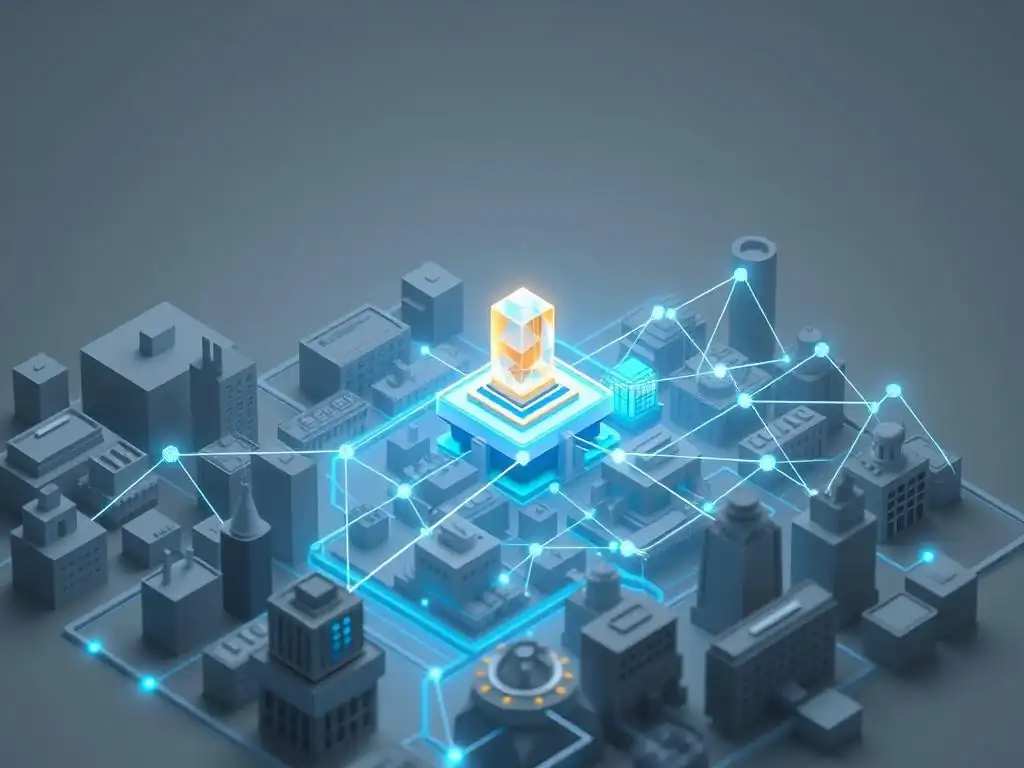
Supply Chain Management with Blockchain and SOA
Supply chain management is a prime use case for combining blockchain and SOA, offering enhanced transparency, traceability, and efficiency across complex supply networks. SOA provides the architectural framework for integrating diverse systems and processes across the supply chain, while blockchain adds a layer of trust and immutability to data sharing and transaction recording. By integrating blockchain into SOA-based supply chain systems, organizations can track products from origin to consumer, verify product authenticity, manage inventory more effectively, and streamline logistics processes.
Consider a pharmaceutical supply chain. Using blockchain SOA, every step of a drug's journey, from manufacturing to distribution and dispensing, can be recorded on a shared, immutable ledger. This provides transparency and traceability, helping to combat counterfeit drugs and ensure the integrity of the supply chain.
For instance, companies like IBM and Maersk have collaborated on TradeLens, a blockchain-based platform for supply chain management, demonstrating the real-world applicability of blockchain in this domain. Real-world implementations have shown potential reductions in shipment delays by up to 30% and cost savings in documentation processing by as much as 20% through blockchain-enabled supply chain solutions.
Financial Services: Decentralized Banking and Payments
The financial services industry can significantly benefit from blockchain SOA integration, particularly in areas like decentralized banking, payments, and securities trading. SOA provides the modular architecture for building complex financial applications, while blockchain enables secure, transparent, and efficient transaction processing and data sharing. Blockchain can facilitate faster and cheaper cross-border payments, improve KYC/AML compliance processes, and enhance security in financial transactions. Integrating blockchain into SOA-based financial systems can lead to more innovative and efficient financial services.
For example, Ripple is a real-world example of a company leveraging blockchain for cross-border payments. Their technology aims to provide faster, cheaper, and more transparent international money transfers compared to traditional banking systems. In securities trading, blockchain can streamline settlement processes, reduce counterparty risk, and improve efficiency. Nasdaq has explored blockchain technology for its private market platform, showcasing the potential of blockchain in transforming financial market infrastructure. Industry analysts predict that blockchain adoption in financial services could reach widespread implementation within the next 5-10 years, driven by the potential for cost reduction, efficiency gains, and enhanced security.
Healthcare: Secure Data Sharing and Interoperability
Healthcare is another sector where blockchain SOA integration can address critical challenges related to data security, interoperability, and patient empowerment. SOA can facilitate the integration of disparate healthcare systems, such as electronic health records (EHRs), lab systems, and pharmacy systems. Blockchain can enhance the security and privacy of patient data, improve data sharing between healthcare providers, and empower patients with greater control over their medical records. Integrating blockchain into SOA-based healthcare systems can lead to more secure, efficient, and patient-centric healthcare services.
Consider the challenge of interoperability in healthcare. Different healthcare providers often use incompatible EHR systems, hindering seamless data exchange. Blockchain can act as a secure and interoperable platform for sharing patient data across different healthcare organizations, while SOA provides the architectural framework for integrating these diverse systems. For instance, MedRec, a project out of MIT, explored using blockchain to give patients control over their medical records and improve data sharing among providers. Real-world pilot projects have shown that blockchain can reduce administrative costs associated with data exchange in healthcare by up to 25% and improve data accuracy and security.
Digital Identity Management: Secure and Portable Credentials
Digital identity management is a crucial application area for blockchain SOA, offering solutions for secure, portable, and user-centric identity credentials. SOA can provide the infrastructure for managing digital identities and related services, while blockchain can enhance the security, privacy, and self-sovereignty aspects of digital identities. Blockchain-based digital identity solutions can empower individuals with greater control over their personal data, reduce reliance on centralized identity providers, and improve security against identity theft and fraud. Integrating blockchain into SOA-based identity management systems can lead to more robust and user-friendly digital identity solutions.
For example, Sovrin is a real-world example of a decentralized identity network built on blockchain technology. Sovrin aims to provide individuals with self-sovereign identity, allowing them to control their digital credentials and share them selectively with verifiers. In the context of SOA, blockchain-based identity services can be integrated with various applications and services, enabling secure and seamless authentication and authorization across different systems. Industry analysts project that the digital identity management market is poised for significant growth, with blockchain-based solutions playing an increasingly important role in shaping the future of digital identity.
Overcoming Blockchain SOA Integration Hurdles
Standardization and Interoperability Solutions
Addressing the challenges of blockchain SOA integration requires a focus on standardization and interoperability solutions. Lack of standardization in blockchain protocols and data formats can hinder seamless integration with SOA systems. Industry efforts to develop standards for blockchain interoperability and data exchange are crucial for facilitating wider adoption of blockchain SOA. Organizations should advocate for and adopt emerging standards to improve interoperability and reduce integration complexities.
Initiatives like the InterWork Alliance and ISO Technical Committee 307 are working on developing blockchain standards that promote interoperability and facilitate cross-platform communication. Adhering to these standards can simplify blockchain SOA integration and reduce vendor lock-in. Furthermore, exploring interoperability protocols and technologies that bridge different blockchain platforms and SOA systems is essential. Cross-chain communication protocols, API gateways with interoperability features, and middleware solutions that facilitate data transformation and protocol translation can play a vital role in overcoming interoperability hurdles in blockchain SOA environments.
Leveraging Middleware for Seamless Integration
Middleware plays a crucial role in achieving seamless integration between blockchain and SOA systems. Middleware solutions can act as a bridge, abstracting away the complexities of blockchain technology and providing a simplified interface for SOA services to interact with the blockchain. Middleware can handle protocol translation, data transformation, message routing, and security aspects of blockchain integration, simplifying development and reducing integration efforts.
Enterprise service buses (ESBs) and API management platforms can be extended or adapted to serve as middleware for blockchain SOA integration. These middleware solutions can provide features like API abstraction, message transformation, security policy enforcement, and monitoring, streamlining the integration process. For instance, middleware can handle the conversion of REST API calls from SOA services into blockchain-specific API calls, and vice versa, enabling seamless communication between the two environments. Choosing and effectively leveraging appropriate middleware solutions is key to simplifying and accelerating blockchain SOA integration projects.
Best Practices for Secure Blockchain SOA Development
Adhering to best practices for secure development is paramount when building blockchain SOA applications. Security should be considered throughout the entire development lifecycle, from design to deployment and maintenance. Implement secure coding practices to minimize vulnerabilities in smart contracts and SOA services. Conduct thorough security testing, including penetration testing and vulnerability scanning, to identify and address potential security flaws.
Implement robust authentication and authorization mechanisms to control access to blockchain data and SOA services. Encrypt sensitive data both in transit and at rest. Regularly update software components and libraries to patch security vulnerabilities. Follow secure key management practices to protect cryptographic keys used in blockchain operations. Security awareness training for developers and operations teams is essential to foster a security-conscious culture and minimize human errors. By adopting and consistently applying security best practices, organizations can build more secure and resilient blockchain SOA applications.
Utilizing API Gateways for Secure and Managed Access
API gateways are essential components for providing secure and managed access to blockchain services within an SOA environment. API gateways act as a single point of entry for all API requests, providing a layer of security, control, and management over API access. API gateways can enforce security policies, handle authentication and authorization, perform rate limiting, and provide API monitoring and analytics. Using API gateways for blockchain SOA integration enhances security, improves API management, and simplifies API consumption for SOA services.
API gateways can be configured to authenticate requests before forwarding them to blockchain services, preventing unauthorized access. They can also enforce authorization policies, ensuring that only authorized services can access specific blockchain resources. API gateways can provide features like API key management, OAuth 2.0 support, and JWT validation for secure API access. Furthermore, API gateways can offer traffic management capabilities, such as rate limiting and throttling, to protect backend blockchain services from overload. By deploying API gateways, organizations can establish a secure and well-managed API infrastructure for their blockchain SOA applications.
The Future of SOA in Blockchain: Trends and Predictions
The Rise of Decentralized SOA (DSOA)
The future of SOA in blockchain points towards the rise of Decentralized SOA (DSOA), a paradigm that combines the principles of SOA with the decentralized and distributed nature of blockchain. DSOA aims to build service-oriented architectures where services themselves are decentralized and potentially running on blockchain networks. This evolution could lead to more resilient, transparent, and autonomous service ecosystems, breaking away from traditional centralized SOA models. DSOA envisions services that are not only loosely coupled but also independently verifiable and auditable through blockchain technology.
DSOA could leverage smart contracts to define service agreements, manage service orchestration, and enforce service level agreements (SLAs) in a decentralized manner. Imagine a network of logistics providers using DSOA, where each provider offers services like warehousing or transportation, and these services are discovered, composed, and executed through decentralized mechanisms on a blockchain. DSOA has the potential to create more open, collaborative, and trustless service ecosystems, particularly beneficial in scenarios involving multiple organizations or untrusted environments.
The Impact of Web3 on Blockchain SOA Architectures
Web3, the decentralized web vision built on blockchain technologies, is poised to significantly impact blockchain SOA architectures. Web3 principles, such as decentralization, tokenization, and user ownership, are influencing how SOA is being reimagined in the context of blockchain. Web3 technologies can enable the creation of more decentralized and user-centric SOA applications, where users have greater control over their data and interactions within service ecosystems.
Decentralized identity solutions, decentralized storage, and decentralized computation platforms, all key components of Web3, can be integrated into blockchain SOA architectures to enhance decentralization and user empowerment. For instance, decentralized identity can enable users to control their identities and credentials within SOA applications, while decentralized storage can provide secure and censorship-resistant data storage for service data. Web3 is driving the evolution of blockchain SOA towards more open, permissionless, and user-owned service ecosystems, shifting away from traditional centralized and permissioned models.
Convergence of Blockchain, SOA, and Artificial Intelligence
The convergence of blockchain, SOA, and Artificial Intelligence (AI) represents a powerful trend shaping the future of enterprise architectures. These three technologies, when combined, can create intelligent, decentralized, and service-oriented systems. AI can enhance SOA services with intelligent capabilities, such as predictive analytics, automated decision-making, and personalized experiences. Blockchain can provide a secure and transparent infrastructure for AI algorithms and data, ensuring data integrity and auditability in AI-driven processes.
SOA provides the architectural framework for integrating AI and blockchain components, enabling the creation of modular and scalable intelligent systems. Imagine a supply chain application where AI algorithms optimize logistics routes and predict demand, while blockchain ensures the transparency and immutability of supply chain data and transactions, all within an SOA framework. This convergence has the potential to unlock new levels of automation, efficiency, and intelligence in enterprise applications, leading to more data-driven and responsive systems.
Increased Focus on Cross-Chain Interoperability
Cross-chain interoperability, the ability for different blockchain networks to communicate and interact with each other, is becoming increasingly crucial for the future of blockchain SOA. In a multi-blockchain world, SOA applications may need to interact with services and data residing on different blockchain platforms. Cross-chain interoperability solutions are essential for enabling seamless communication and data exchange across heterogeneous blockchain networks within an SOA ecosystem.
Technologies like blockchain bridges, atomic swaps, and cross-chain messaging protocols are emerging to address the challenge of cross-chain interoperability. These solutions enable the transfer of assets and data between different blockchains, facilitating the creation of interconnected blockchain networks. For blockchain SOA, cross-chain interoperability opens up new possibilities for leveraging the strengths of different blockchain platforms and creating more versatile and interconnected service ecosystems. Increased focus on and advancements in cross-chain interoperability will be a key enabler for the widespread adoption of blockchain SOA in diverse and interconnected environments.
Conclusion: Embracing the Potential of Blockchain SOA Integration
Key Takeaways: The Value Proposition of SOA and Blockchain
The integration of Service-Oriented Architecture (SOA) and blockchain technology presents a compelling value proposition for organizations seeking to build more robust, secure, and transparent distributed systems. SOA provides the architectural foundation for modularity, interoperability, and scalability, while blockchain enhances these attributes with decentralization, immutability, and enhanced security.
Combining these paradigms addresses key challenges in modern enterprise IT, enabling streamlined business processes, improved data integrity, and enhanced trust in distributed environments. Blockchain SOA integration offers benefits across various industries, from supply chain management and financial services to healthcare and digital identity management, promising to transform how organizations build and operate their IT infrastructure.
The synergy between SOA and blockchain allows organizations to leverage the strengths of both technologies, creating systems that are not only flexible and scalable but also secure, transparent, and resilient. While integration challenges exist, such as technical complexities, security considerations, and data consistency issues, these hurdles can be overcome through careful planning, appropriate technology selection, and adherence to best practices. Embracing blockchain SOA integration enables organizations to build next-generation applications that are better equipped to meet the demands of an increasingly interconnected and data-driven world.
Future Directions for Research and Development in Blockchain SOA
Future research and development in blockchain SOA should focus on addressing the existing challenges and unlocking the full potential of this integration. Key areas for future work include developing standardized interoperability solutions to facilitate seamless integration between different blockchain platforms and SOA systems. Research into efficient and scalable cross-chain communication protocols is crucial for enabling interconnected blockchain SOA ecosystems. Further exploration of decentralized SOA (DSOA) architectures and their application in various domains is warranted, investigating the benefits and challenges of truly decentralized service ecosystems.
Security research should focus on developing robust security frameworks for hybrid blockchain SOA architectures, addressing vulnerabilities at integration points and ensuring data privacy in decentralized environments. Investigating the convergence of blockchain, SOA, and AI, exploring how these technologies can be combined to create intelligent and decentralized systems, is another promising direction.
Standardization efforts, development of user-friendly integration tools and middleware, and education and training initiatives are essential to accelerate the adoption of blockchain SOA and realize its transformative potential across industries. Continued research and development in these areas will pave the way for wider adoption and innovation in blockchain SOA, shaping the future of distributed enterprise architectures.
Frequently Asked Questions
How does Service-Oriented Architecture (SOA) relate to blockchain technology?
SOA provides a framework for building applications as loosely coupled services, which can facilitate the integration of blockchain solutions with existing enterprise systems. It allows different systems to communicate and exchange data, making blockchain adoption more manageable.
What are the main challenges of Blockchain SOA integration?
The primary challenges include data consistency between the blockchain and legacy systems, security concerns related to exposing sensitive data through APIs, and the complexity of managing decentralized architectures alongside centralized ones.
Why is integrating blockchain with existing systems important?
Integration is crucial because most organizations already have established IT infrastructure. Directly replacing these systems with blockchain is often impractical. SOA enables a gradual transition by allowing blockchain to enhance existing processes rather than completely overhaul them.
What role do APIs play in Blockchain SOA integration?
APIs (Application Programming Interfaces) are essential for enabling communication between blockchain applications and existing systems within an SOA. They provide a standardized way to access and exchange data, ensuring interoperability.
What are some potential benefits of successfully implementing Blockchain SOA integration?
Successful integration can lead to increased efficiency, improved data transparency and security, and the creation of new business models by leveraging the advantages of both blockchain and existing enterprise systems.
Final Reflection: Bridging the Divide with Blockchain SOA Integration
The exploration of Service-Oriented Architecture (SOA) within the context of blockchain technology reveals a critical juncture in modern system design. The challenges of Blockchain SOA integration, while complex, represent a significant opportunity to unlock unprecedented levels of interoperability and efficiency across diverse systems. This isn't just about technology; it's about forging connections between legacy infrastructure and the decentralized future, paving the way for truly integrated and resilient digital ecosystems.
The ongoing influence of SOA principles, now intertwined with the transformative potential of blockchain, continues to reshape the cultural and social landscape of data management and trust. The ability to seamlessly connect existing systems with blockchain networks is paramount to realizing the full potential of decentralized technologies, fostering transparency and security in ways previously unimaginable. The future of integration lies in embracing the decentralized nature of blockchain while leveraging the established architectural patterns of SOA to create robust and adaptable solutions.
As we conclude this exploration of Blockchain SOA integration challenges, I invite you to consider the implications of these technologies in your own sphere of influence. How can you leverage the principles of SOA and the power of blockchain to bridge the divides between disparate systems, fostering greater collaboration and trust? The future of interconnectedness is in our hands; let us embrace the challenge and build a more integrated and resilient world.
Unlock Blockchain's Potential: Architect Your Future Today!
Thank you for exploring how service-oriented architecture can bridge the gap between blockchain and existing systems. We hope you've gained valuable insights into leveraging this powerful combination for seamless integration and enhanced efficiency. Now, it's time to put that knowledge into action!
Here are some steps you can take right now to embrace service-oriented architecture in your blockchain endeavors:
- Start outlining your current system architecture to identify potential integration points with blockchain. This groundwork is crucial for a successful implementation.
- Explore available open-source tools and frameworks specifically designed for blockchain integration. Experiment with a small pilot project to test their compatibility and functionality.
- Share this article with your team and network to spark discussions about the future of service-oriented architecture in blockchain and gather diverse perspectives on integration strategies.
What's the first concrete step you'll take this week to explore integration in your blockchain projects? Share your plans in the comments below!
Leave a Reply