
Developers, Take Note: How NFTs Can Transform Game Economies and Player Engagement

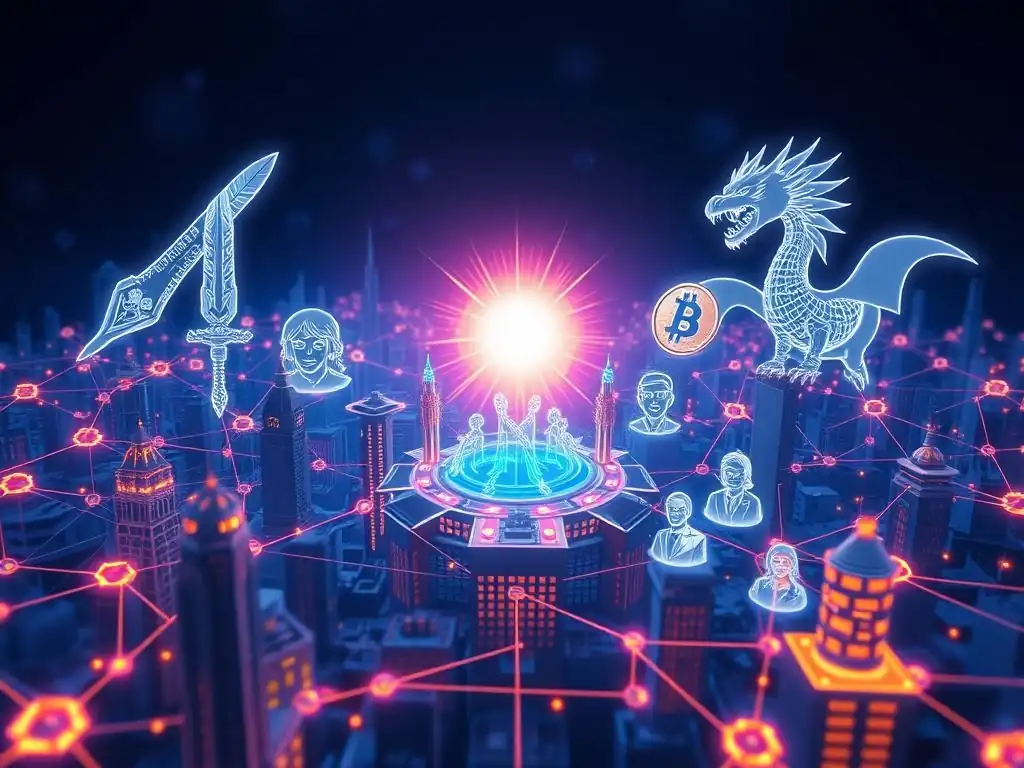
Welcome to Blockchain Trends, your go-to source for understanding the revolutionary impact of blockchain technology. Forget just cryptocurrencies – we're diving deep into DeFi, enterprise solutions, and the very future of decentralized systems. Ever wondered how NFTs are transforming game economies? Get ready to explore the innovative ways developers are leveraging these unique digital assets to revolutionize player engagement and unlock entirely new economic models. Prepare to level up your understanding!
Developers, Take Note: How NFTs Can Transform Game Economies and Player Engagement
- Introduction: The Untapped Potential of NFTs in Gaming
- Understanding the Current State of Game Economies
- How NFTs are Transforming Game Economies: Key Benefits
- Deeper Dive: Practical Applications of NFTs in Game Design
- Enhancing Player Engagement Through NFTs
- Case Studies: Successful Implementations of NFTs in Games
- Overcoming Challenges and Mitigating Risks of NFTs in Gaming
- The Future of NFTs and Game Economies
- Conclusion: Embracing NFTs for a More Engaging and Rewarding Gaming Experience
-
Frequently Asked Questions
- What specific benefits do NFTs bring to game economies?
- How can NFTs enhance player engagement in games?
- Beyond collectibles, what other in-game assets can be represented as NFTs?
- What are the regulatory considerations for incorporating NFTs into game economies?
- How might NFTs impact the future of decentralized gaming?
- Final Reflection: Embracing the NFT Revolution in Gaming
- Ignite Your Game's Future with NFTs!
Introduction: The Untapped Potential of NFTs in Gaming
Blockchain Trends: Revolutionizing Gaming
Blockchain Trends is dedicated to exploring the revolutionary impact of blockchain technology, extending far beyond the realm of cryptocurrencies. Within this digital revolution, gaming stands out as a sector ripe for transformation. Blockchain's inherent characteristics, such as decentralization, transparency, and immutability, are uniquely positioned to address long-standing issues within the gaming industry and unlock entirely new possibilities for both developers and players. From decentralized finance (DeFi) integrations within game economies to the creation of truly player-owned assets, Blockchain Trends aims to illuminate these advancements and guide stakeholders through this evolving landscape.
The integration of blockchain into gaming represents a paradigm shift, moving away from centralized control and towards more equitable and engaging ecosystems. This website serves as a hub for understanding these trends, providing insights into enterprise applications of blockchain in gaming, navigating the regulatory environment surrounding blockchain gaming assets, and anticipating the future of decentralized gaming systems. By focusing on real-world applications and future-oriented analysis, Blockchain Trends empowers developers, gamers, and enthusiasts to grasp the profound changes blockchain is bringing to the gaming world and beyond.
NFTs in Gaming: A New Paradigm for Player Ownership
Non-Fungible Tokens (NFTs) are emerging as a cornerstone of this blockchain-driven revolution in gaming, offering a groundbreaking approach to digital ownership. Unlike traditional in-game assets that are controlled and managed by game developers, NFTs grant players verifiable and immutable ownership of their digital items. This fundamental shift in ownership dynamics has the potential to reshape game economies, enhance player engagement, and foster more vibrant and sustainable gaming ecosystems. NFTs are not just about digital collectibles; they represent a fundamental change in the relationship between players and games.
This new paradigm of player ownership extends beyond mere possession. NFTs facilitate the creation of true digital scarcity, enabling unique and limited-edition in-game items that hold intrinsic value. This scarcity, combined with the transparency and security of blockchain, allows for player-to-player trading and marketplaces outside of the game's direct control, creating dynamic and player-driven economies. Furthermore, NFTs can unlock novel forms of player agency, allowing gamers to influence game development, participate in governance, and even earn real-world value from their in-game achievements and assets.
Understanding the Current State of Game Economies
Traditional Game Economies: Limitations and Challenges
Traditional game economies, prevalent in most mainstream titles, operate under a centralized model where developers retain complete control over in-game assets and currencies. Players acquire items through gameplay or in-app purchases, but these assets are typically confined to the game's ecosystem and lack real-world value or transferability. This centralized control, while providing developers with revenue streams and control over game balance, presents several limitations and challenges for players. Notably, players do not truly own their in-game assets; their access is contingent upon the game's continued operation and the developer's terms of service.
This lack of ownership leads to issues such as the absence of a secondary market controlled by players, the potential for in-game asset devaluation through developer actions, and the inability to transfer assets between games or platforms. Furthermore, traditional game economies often face challenges with botting, gold farming, and illegitimate item sales, which can disrupt the game's balance and player experience. Players invest time and potentially money into these economies, yet their investments are ultimately controlled and vulnerable within the confines of a centralized system.
The Rise of Play-to-Earn and Blockchain Gaming
The emergence of blockchain gaming, particularly the Play-to-Earn (P2E) model, represents a direct response to the limitations of traditional game economies. P2E games leverage blockchain technology and NFTs to empower players with genuine ownership of in-game assets, enabling them to earn cryptocurrency and NFTs through gameplay, which can then be traded or sold on open marketplaces.
This model shifts the focus from purely entertainment to incorporating economic incentives, rewarding players for their time and skill invested in the game. The rise of P2E is fueled by a growing demand for greater player agency and the desire to monetize gaming efforts.
Blockchain gaming, beyond just P2E, is fundamentally altering the gaming landscape by introducing concepts like decentralized governance, player-driven economies, and interoperability between games and metaverses. Games like Axie Infinity and Decentraland have showcased the potential of blockchain to create vibrant, player-centric economies where gamers can actively participate in shaping the game world and benefit financially from their contributions. This shift towards decentralized gaming ecosystems is attracting both players seeking new forms of engagement and developers looking to innovate beyond the constraints of traditional gaming models, paving the way for NFTs to transform game economies.
How NFTs are Transforming Game Economies: Key Benefits
Enhanced Player Ownership and Control with NFTs
NFTs are fundamentally changing the dynamics of player ownership in games by granting players verifiable and immutable control over their digital assets. When in-game items are represented as NFTs on a blockchain, players possess cryptographic keys that prove their ownership, independent of the game developers. This ownership is not merely a license to use an asset within a game, but actual digital property that players can control, trade, and potentially use across different platforms or games, depending on interoperability. This enhanced ownership fosters a stronger sense of investment and attachment to in-game assets.
This newfound control empowers players to participate in open marketplaces, freely trade their NFTs with other players, and potentially profit from their in-game achievements or rare item acquisitions. Unlike traditional in-game items that can be revoked or altered by developers, NFTs are secured by the blockchain, ensuring their persistence and authenticity. This shift in ownership empowers players to become active participants in the game economy, fostering a more decentralized and player-driven ecosystem where value is created and exchanged directly between players, rather than solely controlled by the game developer.
Creating True Digital Scarcity with Non-Fungible Tokens
One of the most significant contributions of NFTs to game economies is the ability to create true digital scarcity. Unlike traditional digital assets, which can be infinitely replicated, NFTs are inherently unique and limited in number, as defined by their smart contracts. This digital scarcity mirrors the scarcity of physical collectibles, creating a sense of value and desirability for rare in-game items. Developers can issue limited edition NFTs for weapons, characters, skins, or virtual land, ensuring that these assets retain their exclusivity and potential appreciation in value over time.
This scarcity mechanism drives demand and forms the basis for robust player-driven marketplaces. Just as limited edition physical collectibles are highly sought after, scarce NFTs in games can become valuable assets that players are willing to acquire, trade, and invest in. The transparent and verifiable nature of blockchain ensures that the scarcity of these NFTs is auditable and cannot be artificially manipulated by developers. This creates a level playing field and fosters trust within the game economy, as players can be confident in the genuine scarcity and authenticity of their NFT assets.
New Revenue Streams for Game Developers through NFT Sales
NFTs offer game developers innovative and potentially lucrative new revenue streams beyond traditional in-app purchases or subscription models. Developers can generate revenue through the initial sale of NFTs, offering limited edition items or early access passes to players. Furthermore, smart contracts governing NFTs can be programmed to include royalty fees, ensuring that developers receive a percentage of each subsequent sale of their NFTs on secondary marketplaces. This creates a continuous revenue stream for developers, even after the initial sale, aligning their incentives with the long-term success and value of their game and its NFT ecosystem.
This royalty mechanism is a key differentiator from traditional game economies, where developers typically only profit from the initial sale of in-game items. With NFTs, developers can participate in the growth and appreciation of their in-game assets over time, fostering a more sustainable and mutually beneficial relationship between developers and players. Moreover, the transparent nature of NFT sales and royalties on the blockchain provides developers with clear and verifiable revenue tracking, enhancing financial accountability and transparency within the game ecosystem.
Fostering Stronger Player Communities via NFT-Based Rewards
NFTs can be strategically used to foster stronger and more engaged player communities within games. Developers can reward early adopters, active community members, or top performers with exclusive NFTs, recognizing their contributions and fostering a sense of belonging and prestige. These NFT-based rewards can range from unique cosmetic items and avatars to access passes for exclusive in-game events or even governance tokens that grant voting rights within the game ecosystem. By recognizing and rewarding community participation through NFTs, developers can cultivate loyalty and strengthen player bonds.
These NFT-based rewards not only incentivize positive community behavior but also create a sense of shared ownership and investment in the game's success. Players who hold exclusive NFTs feel more connected to the game and its community, as these assets represent recognition of their status and contributions.
Furthermore, the tradable nature of NFTs allows players to potentially monetize their community engagement, adding another layer of value to their participation. This fosters a more vibrant and active community, as players are incentivized to contribute, engage, and build relationships within the game ecosystem, driven by both social recognition and potential economic benefits.
Deeper Dive: Practical Applications of NFTs in Game Design
NFT-Based In-Game Assets: Weapons, Skins, and Characters
The most readily apparent application of NFTs in game design is representing in-game assets like weapons, skins, and characters as non-fungible tokens. This transforms these items from mere digital representations within the game to verifiable, player-owned digital property on the blockchain. Imagine owning a unique sword in a game, not just as data within the game's servers, but as an NFT in your digital wallet, provably scarce and tradeable. This application allows players to collect, trade, and even showcase their in-game assets outside of the game itself, fostering a more engaging and interconnected gaming experience.
Implementing NFT-based in-game assets requires careful game design to balance scarcity, utility, and gameplay. Developers can create tiered systems of rarity for NFTs, influencing their in-game effectiveness or aesthetic appeal. For example, a legendary NFT sword could possess unique stats or visual effects, making it highly sought after and valuable. Furthermore, the use of NFTs opens up possibilities for cross-game compatibility, where assets acquired in one game might potentially be usable or tradable in another game within the same ecosystem or metaverse, enhancing the long-term value and utility of player-owned assets.
NFT-Driven Virtual Land Ownership and Development
NFTs are revolutionizing the concept of virtual land ownership within metaverse and open-world games. Representing virtual land parcels as NFTs grants players verifiable ownership of digital real estate within the game world. This ownership extends beyond mere usage rights; players can develop, build upon, and monetize their virtual land as they see fit. Examples like Decentraland and The Sandbox demonstrate the power of NFT-based virtual land, where players can create experiences, build businesses, host events, and even rent out their land to other players, fostering player-driven economies within these virtual worlds.
The scarcity and ownership of virtual land NFTs create a digital real estate market within games, mirroring real-world land economics. The value of virtual land NFTs can fluctuate based on location, proximity to popular areas, and the potential for development and monetization. This opens up new avenues for player creativity and entrepreneurship, allowing them to become virtual landowners, developers, and business owners within these immersive game worlds. NFT-driven virtual land ownership is a key component in building persistent and player-centric metaverses where users have true agency and economic participation.
Implementing NFT-Based Governance and Voting Systems
Beyond in-game assets and virtual land, NFTs can be leveraged to implement decentralized governance and voting systems within games. Issuing governance tokens as NFTs allows developers to distribute voting rights to players, empowering them to participate in decision-making processes related to game development, rule changes, or resource allocation. This shifts power from centralized developers to the player community, fostering a more democratic and player-driven game ecosystem. NFT-based governance can enhance player engagement and create a stronger sense of ownership over the game's direction and future.
Implementing NFT-based governance requires careful consideration of voting mechanisms, token distribution, and community moderation to ensure fairness and prevent manipulation. However, when implemented effectively, it can foster a more collaborative and participatory game development process. Players who hold governance NFTs feel more invested in the game's long-term success, as they have a direct voice in shaping its future. This decentralized governance model aligns incentives between developers and players, fostering a more sustainable and community-centric game ecosystem.
Creating Dynamic and Evolving Game Worlds with NFTs
NFTs contribute to the creation of dynamic and evolving game worlds by enabling player-generated content and persistent asset ownership across game iterations. NFTs are not limited to static in-game items; they can represent dynamic assets that evolve over time, reflecting player actions, in-game events, or external data feeds. For example, an NFT weapon could gain experience points and level up based on player usage, or virtual land NFTs could dynamically change based on player development and environmental factors within the game world. This creates more engaging and persistent game experiences.
Furthermore, NFTs can facilitate asset portability across game iterations or sequels. Instead of losing all in-game progress and assets when a new game version is released, players who own NFTs could potentially transfer their valuable items or achievements to the new game, maintaining their investment and progression. This concept of persistent asset ownership across game iterations is particularly relevant in the context of metaverses and interconnected gaming ecosystems, where players expect their digital identities and assets to have long-term value and utility across different virtual worlds and experiences.
Enhancing Player Engagement Through NFTs
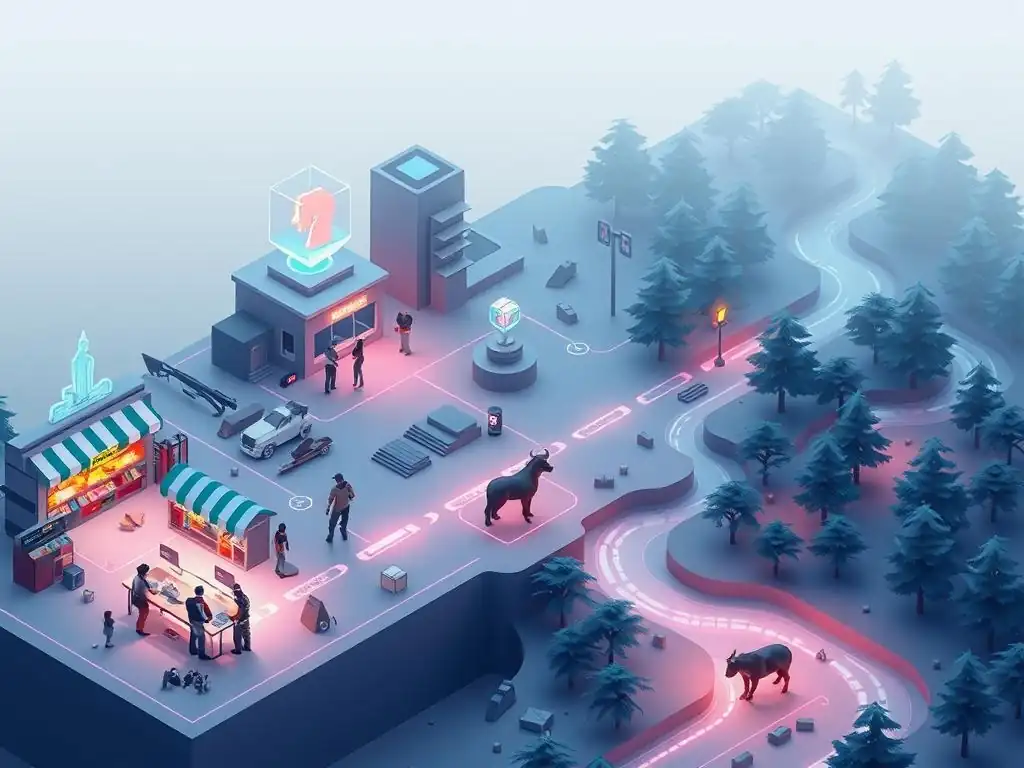
Gamification of NFT Acquisition and Trading
NFTs inherently introduce elements of gamification into the acquisition and trading of in-game assets. The scarcity, collectibility, and potential value appreciation of NFTs turn the process of obtaining and trading them into a game in itself. Developers can design engaging mechanics around NFT acquisition, such as loot boxes that drop NFTs, quests that reward rare NFTs, or crafting systems that require combining multiple NFTs to create more valuable items. This gamification of NFT acquisition and trading enhances player engagement and creates new layers of gameplay beyond traditional progression systems.
The trading aspect of NFTs further amplifies this gamification, as players actively participate in marketplaces to buy, sell, and trade their NFT assets. The dynamics of supply and demand, rarity, and perceived value create a dynamic and engaging trading environment. Players can strategize their NFT acquisitions, speculate on market trends, and build their NFT collections, adding a layer of strategic depth to the game experience. This gamified approach to NFT acquisition and trading can significantly increase player retention and create a more vibrant and player-driven game economy.
Building Unique Player Identities with NFT Avatars
NFTs are powerful tools for building unique player identities within games through customizable and verifiable avatars. Representing avatars or avatar components as NFTs allows players to create distinct digital identities that are provably owned and can be personalized with unique traits, cosmetics, and accessories. Players can acquire rare or limited edition NFT avatar components to express their individuality and stand out within the game world. These NFT avatars become digital representations of player identity and status, enhancing social interaction and community building within games.
The verifiable ownership of NFT avatars allows players to carry their digital identities across different games and platforms within interoperable ecosystems or metaverses. Imagine using the same unique NFT avatar in multiple games, maintaining a consistent digital identity and social presence across various virtual worlds. This interoperability of NFT avatars enhances player agency and creates a more persistent and interconnected digital identity for gamers, fostering a sense of belonging and recognition across different gaming communities and experiences.
NFT-Powered Tournaments and Competitive Gaming
NFTs can revolutionize competitive gaming and esports by introducing new forms of rewards, ownership, and fan engagement. Tournament organizers can issue exclusive NFTs as prizes for winning players or top performers, adding a layer of prestige and long-term value to competitive achievements. These NFT prizes can be unique in-game assets, commemorative collectibles, or even governance tokens, providing tangible recognition for skill and dedication in competitive gaming. NFTs can also be used to create player-owned teams or esports organizations, empowering players within the competitive gaming ecosystem.
Furthermore, NFTs can enhance fan engagement in esports by enabling the creation of digital collectibles and fan tokens. Esports organizations or individual players can issue NFTs representing moments, achievements, or player cards, allowing fans to collect and trade digital memorabilia. Fan tokens, often issued as NFTs, can grant holders access to exclusive content, voting rights on team decisions, or other fan-centric benefits, fostering a stronger connection between esports organizations, players, and their fan base. NFTs are poised to transform esports by creating new revenue streams, enhancing player rewards, and deepening fan engagement.
Cultivating a Sense of Belonging with NFT-Based Memberships
NFTs can be utilized to create exclusive membership communities within games, fostering a stronger sense of belonging and shared identity among players. Developers can issue membership NFTs that grant holders access to exclusive in-game areas, features, events, or communities. These NFT-based memberships can be tiered, offering different levels of access and benefits based on the rarity or exclusivity of the NFT. This creates a sense of exclusivity and prestige for NFT holders, fostering a stronger sense of community and shared identity among members.
NFT-based memberships can also unlock new revenue streams for developers, as players are willing to acquire membership NFTs for exclusive access and benefits. The tradable nature of these membership NFTs allows for a dynamic secondary market, where players can buy, sell, or trade their memberships, potentially increasing their value based on demand and perceived exclusivity. This model can create a more engaged and loyal player base, as players who hold membership NFTs feel more invested in the game and its community, fostering a stronger sense of belonging and long-term engagement.
Case Studies: Successful Implementations of NFTs in Games
Axie Infinity: NFTs for Play-to-Earn and Breeding
Axie Infinity stands as a prominent example of successful NFT implementation in a Play-to-Earn game. The game revolves around collecting, breeding, and battling creatures called Axies, all of which are represented as NFTs. Players earn Smooth Love Potion (SLP) tokens, also cryptocurrency, through gameplay, which can be used to breed new Axies or traded on cryptocurrency exchanges. Axie Infinity demonstrated the potential of NFTs to create a thriving P2E economy, empowering players to earn real-world value through their in-game activities. The game's success highlighted the appeal of NFT-based ownership and economic incentives in gaming.
The Axie Infinity ecosystem showcases several key NFT use cases: NFT-based characters (Axies), NFT-based land plots (Lunacia), and the use of NFTs for governance (AXS tokens). The breeding mechanism in Axie Infinity leverages NFTs to create new Axies with varying traits and rarities, driving the game's economy and collectibility. While facing challenges related to sustainability and economic fluctuations, Axie Infinity remains a significant case study demonstrating the transformative power of NFTs in creating engaging and economically viable Play-to-Earn game economies.
Decentraland: NFTs for Virtual Land Ownership and Creation
Decentraland is a pioneering example of a metaverse platform built upon NFT-based virtual land ownership. In Decentraland, players can purchase, develop, and monetize virtual land parcels represented as NFTs. This virtual land ownership empowers users to create experiences, build structures, host events, and even establish virtual businesses within Decentraland. The platform showcases the potential of NFTs to create user-generated content ecosystems and player-driven virtual economies. Decentraland demonstrates the practical application of NFTs in building persistent and decentralized virtual worlds.
The Decentraland ecosystem emphasizes user agency and creative freedom, with NFTs acting as the foundation for digital ownership and economic activity. The value of Decentraland's virtual land NFTs reflects real-world real estate principles, with prices influenced by location, accessibility, and development potential. Decentraland's success has inspired numerous other metaverse projects exploring NFT-based virtual land ownership and user-generated content, solidifying NFTs' role in shaping the future of virtual worlds and online experiences.
The Sandbox: NFTs for User-Generated Content and Game Experiences
The Sandbox is another leading metaverse platform that leverages NFTs extensively for user-generated content and game experiences. In The Sandbox, users can create, own, and monetize voxel-based assets, including characters, items, and game experiences, all represented as NFTs. The platform provides tools for users to build and share their creations, fostering a creative ecosystem where players can become content creators and game developers. The Sandbox exemplifies the potential of NFTs to empower user-generated content and build decentralized gaming platforms.
The Sandbox's ecosystem revolves around three main NFT categories: LAND NFTs (virtual land parcels), ASSET NFTs (user-created voxel assets), and GAME NFTs (interactive game experiences built on LAND). The platform's marketplace facilitates the trading and monetization of these NFTs, creating a vibrant economy driven by user-generated content. The Sandbox's success demonstrates the power of NFTs to democratize game development and empower players to become active participants in creating and shaping virtual worlds and gaming experiences, contributing significantly to the "NFTs transforming game economies" trend.
Overcoming Challenges and Mitigating Risks of NFTs in Gaming
Addressing Concerns About Scalability and Transaction Fees
One of the primary challenges facing NFT integration in gaming is scalability and transaction fees, particularly on blockchains like Ethereum, which have historically experienced high gas fees and slower transaction speeds. High transaction fees can hinder the accessibility and affordability of NFT trading for players, especially for lower-value in-game assets. Scalability limitations can also impact the performance of games that rely heavily on frequent NFT transactions. Addressing these concerns is crucial for the widespread adoption of NFTs in gaming.
Solutions to scalability and transaction fee issues include leveraging Layer-2 scaling solutions on Ethereum, such as Polygon or Optimism, which offer lower fees and faster transactions. Alternatively, developers can explore using alternative blockchains with lower fees and higher throughput specifically designed for gaming and NFTs, such as Flow or WAX. Careful consideration of blockchain infrastructure and scaling solutions is essential for ensuring a smooth and cost-effective NFT experience for players within game economies.
Combating NFT Scams and Protecting Players
The nascent nature of the NFT space, including NFT gaming, makes it susceptible to scams and fraudulent activities. Players, especially newcomers, may be vulnerable to phishing scams, fake NFT marketplaces, or rug pulls, where developers abandon projects after selling NFTs. Protecting players from these risks is paramount for building trust and fostering a safe and sustainable NFT gaming environment. Robust security measures and player education are crucial for mitigating NFT scams.
Strategies for combating NFT scams include implementing secure NFT marketplaces with verification processes for creators and projects, providing clear warnings and educational resources about common scams, and promoting responsible NFT trading practices. Developers should prioritize transparency and build trust with their communities by openly communicating about their projects, security measures, and risk mitigation strategies. Player education and awareness are key to empowering gamers to navigate the NFT space safely and avoid falling victim to scams.
The regulatory landscape surrounding NFTs, including NFTs in gaming, is still evolving and varies across jurisdictions. Governments and regulatory bodies are grappling with how to classify and regulate NFTs, particularly in terms of securities laws, consumer protection, and anti-money laundering regulations. Navigating this complex and evolving regulatory environment is a significant challenge for game developers integrating NFTs. Compliance with applicable regulations is essential for ensuring the long-term viability and legality of NFT gaming projects.
Game developers need to stay informed about the evolving regulatory landscape in their target markets and seek legal counsel to ensure compliance. This may involve implementing KYC (Know Your Customer) and AML (Anti-Money Laundering) procedures for NFT marketplaces, carefully structuring NFT sales to avoid securities classifications, and adhering to consumer protection laws related to digital assets. Proactive engagement with regulators and industry associations is crucial for shaping a clear and supportive regulatory framework for NFT gaming innovation.
Ensuring Fair and Equitable NFT Distribution
Ensuring fair and equitable NFT distribution is crucial for maintaining a balanced and healthy game economy. If NFT distribution is skewed towards a small group of players or early adopters, it can create imbalances in power and wealth within the game, potentially hindering player engagement and community growth. Fair and transparent NFT distribution mechanisms are essential for fostering a level playing field and ensuring that all players have opportunities to participate in the NFT economy.
Strategies for fair NFT distribution include implementing randomized NFT drops, offering NFTs as rewards for in-game achievements accessible to all players, and using decentralized autonomous organizations (DAOs) to manage NFT distribution and governance. Developers should avoid pre-mining or insider allocations of valuable NFTs that could give certain players an unfair advantage. Transparent and community-driven NFT distribution models can promote fairness, inclusivity, and a more equitable game economy for all participants.
The Future of NFTs and Game Economies
Predictions for the Growth of NFT Gaming
The future of NFT gaming appears exceptionally promising, with predictions pointing towards significant growth and mainstream adoption in the coming years. As blockchain technology matures, scalability solutions improve, and regulatory clarity emerges, the barriers to entry for NFT gaming are expected to decrease, attracting a wider audience of players and developers. Industry analysts project substantial growth in the NFT gaming market, driven by the increasing demand for player ownership, Play-to-Earn opportunities, and immersive metaverse experiences. NFTs are anticipated to become a standard feature in many future games, transforming game economies and player engagement.
This growth will be fueled by several factors, including increasing awareness of NFTs and their benefits among gamers, the development of more sophisticated and engaging NFT-based games, and the integration of NFTs into mainstream gaming platforms and ecosystems. The metaverse concept will further drive NFT gaming adoption, as NFTs are essential for representing digital ownership and interoperability within virtual worlds. The convergence of gaming, blockchain, and NFTs is poised to create a new era of player-centric and economically rewarding gaming experiences.
The Metaverse and the Role of NFTs in Interoperability
NFTs are set to play a pivotal role in the development and interoperability of the metaverse, acting as the foundation for digital ownership, identity, and asset portability across virtual worlds. The metaverse envisions a network of interconnected virtual environments where users can seamlessly move between experiences while maintaining their digital identities and assets. NFTs are crucial for enabling this interoperability, allowing players to own and transfer their avatars, items, and virtual land across different metaverse platforms and games. NFTs are the key to unlocking a truly interconnected and user-owned metaverse.
This interoperability will revolutionize the concept of digital ownership and identity, allowing players to build persistent digital personas and accumulate valuable assets that are not confined to a single game or platform. Imagine owning an NFT avatar that can be used in multiple metaverse environments, or transferring a rare NFT sword from one game to another. NFTs are the building blocks for a decentralized and user-centric metaverse, where digital assets have real-world value and utility across a network of interconnected virtual experiences, further solidifying the "NFTs transforming game economies" trend.
NFTs as a Foundation for the Next Generation of Games
NFTs are not just a trend; they represent a fundamental shift in game design and economics, poised to become a foundational technology for the next generation of games. Future games are likely to be built with NFTs at their core, leveraging their capabilities to empower players with true ownership, create player-driven economies, and foster more engaging and persistent game worlds. NFTs will move beyond just collectibles and in-game assets, becoming integral to game mechanics, governance systems, and player interactions. The next generation of games will be characterized by NFT-powered economies and player-centric design.
This evolution will lead to more innovative and immersive gaming experiences, where players are not just consumers but active participants in shaping game worlds and economies. NFTs will enable new forms of gameplay, such as decentralized autonomous game worlds governed by players, cross-game interoperability of assets and identities, and Play-to-Earn models that reward players for their contributions. The integration of NFTs into game development will usher in a new era of gaming, characterized by player ownership, decentralized economies, and more engaging and rewarding experiences for gamers worldwide.
Conclusion: Embracing NFTs for a More Engaging and Rewarding Gaming Experience
The Transformative Power of NFTs for Game Developers and Players
NFTs possess transformative power for both game developers and players, offering a paradigm shift in game economies and player engagement. For developers, NFTs unlock new revenue streams, foster stronger player communities, and enable innovative game design possibilities. For players, NFTs grant true digital ownership, empower them with economic opportunities, and enhance their sense of agency and belonging within game worlds. Embracing NFTs can lead to more sustainable, engaging, and rewarding gaming experiences for all stakeholders.
The integration of NFTs into gaming is not without its challenges, but the potential benefits are undeniable. As the technology matures and best practices emerge, the obstacles to widespread NFT adoption in gaming will diminish. Developers who proactively explore and implement NFTs in their games are poised to be at the forefront of this gaming revolution, creating more innovative and player-centric experiences that will shape the future of the industry. NFTs are not just about digital collectibles; they are about fundamentally changing the relationship between games and players for the better.
Call to Action: Explore the Possibilities of NFTs in Your Game
For game developers, now is the time to explore the vast possibilities that NFTs offer for transforming game economies and player engagement. Experiment with different NFT applications, from in-game assets and virtual land to governance systems and community rewards. Engage with the blockchain gaming community, learn from successful NFT game implementations, and consider how NFTs can enhance your game and create a more rewarding experience for your players.
The future of gaming is increasingly decentralized and player-owned, and NFTs are the key to unlocking this exciting new era. Embrace the potential of NFTs and begin building the next generation of games that empower players and revolutionize the gaming landscape.
Frequently Asked Questions
What specific benefits do NFTs bring to game economies?
NFTs introduce true digital ownership allowing players to own and trade in-game assets. This can create new revenue streams for both developers and players and can foster a more vibrant and player-driven economy.
How can NFTs enhance player engagement in games?
NFTs can enhance engagement by offering unique and verifiable digital collectibles, fostering a sense of scarcity and value. This can lead to increased player investment and participation in the game's ecosystem, as well as community building.
Beyond collectibles, what other in-game assets can be represented as NFTs?
NFTs can represent a wide array of assets, including weapons, armor, land, characters, and even skills. This unlocks possibilities for dynamic and personalized gameplay experiences and opens up new avenues for player customization.
What are the regulatory considerations for incorporating NFTs into game economies?
Regulatory landscapes surrounding NFTs are still evolving, so developers must consider securities laws, consumer protection regulations, and data privacy concerns. Staying informed about legal and compliance requirements is crucial for responsible NFT implementation.
How might NFTs impact the future of decentralized gaming?
NFTs are poised to play a central role in decentralized gaming platforms, enabling player-owned economies and governance. This can lead to more transparent and equitable gaming ecosystems where players have greater control and influence.
Final Reflection: Embracing the NFT Revolution in Gaming
The potential for NFTs transforming game economies is no longer a futuristic fantasy; it's a rapidly unfolding reality. The shift from centralized, developer-controlled economies to decentralized, player-owned assets is poised to reshape the gaming landscape, offering unprecedented opportunities for engagement, ownership, and value creation. This isn't just about adding another layer of technology; it's about fundamentally altering the relationship between developers and players.
The impact of this transformation is already being felt, with early adopters experiencing the thrill of true digital ownership and the potential for real-world value tied to their in-game achievements. This shift towards player empowerment resonates deeply with a generation that values autonomy and creative expression. The future of gaming isn't just about playing; it's about owning, creating, and participating in a shared digital economy.
This sentiment captures the essence of the NFT revolution and its potential to foster stronger, more engaged communities.
As we stand on the cusp of this new era, consider the possibilities that lie ahead. How can you, as a developer or a player, embrace the potential of NFTs to create more engaging, rewarding, and ultimately, more meaningful gaming experiences? The future of gaming is being written now, and your contribution can help shape a world where digital ownership empowers players and unlocks new levels of creativity and connection.
Okay, I'm ready to craft a Call to Action (CTA) for the end of an article on "Developers, Take Note: How NFTs Can Transform Game Economies and Player Engagement," for the website "Blockchain Trends" with the domain "blockchaintrends.org." Here it is:
Ignite Your Game's Future with NFTs!
Thanks for exploring how NFTs are reshaping game economies and player engagement. Now that you understand the potential, it's time to put that knowledge into action and truly level up your development skills.
Here’s how you can start:
- Dive in and mint your first in-game NFT prototype. Experiment with different rarity levels and utilities to understand the practical implications. This hands-on experience is crucial!
- Share this article with a fellow game developer who's curious about web3! Collaboration fuels innovation.
- Brainstorm three ways NFTs could uniquely enhance your current or future game project. Consider aspects like character customization, item ownership, and quest rewards.
What unexpected opportunities do you see NFTs unlocking for game developers and players? Share your insights in the comments below!
Leave a Reply