
Utility Tokens and the Metaverse: Powering Virtual Worlds and Experiences

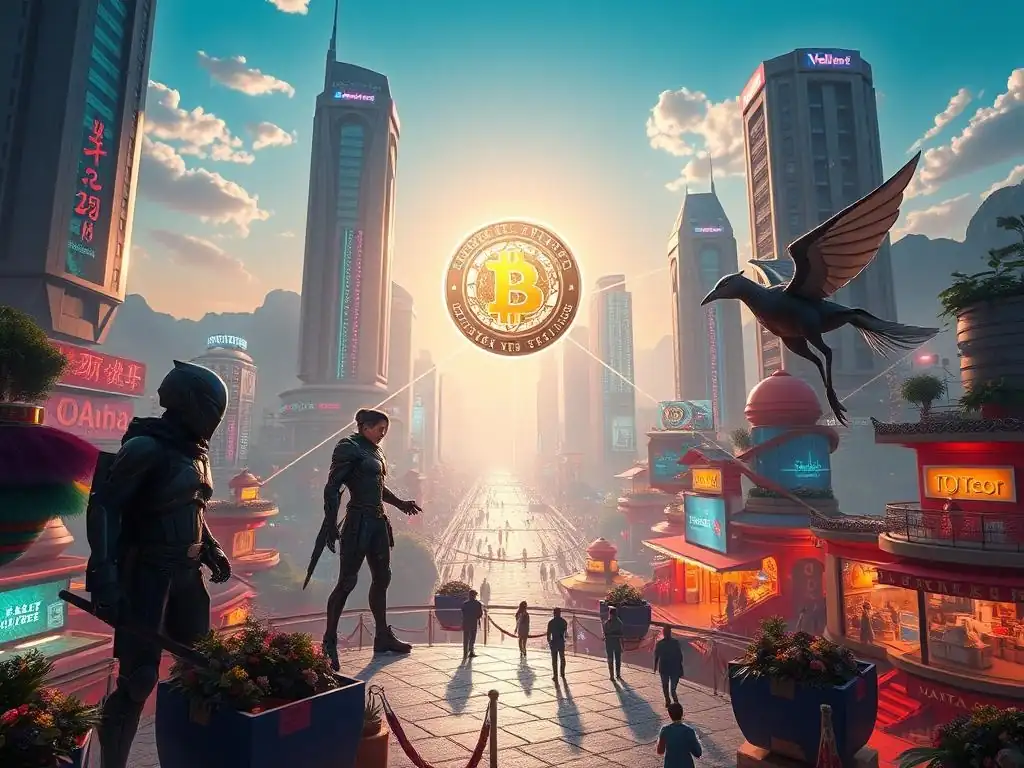
Welcome to Blockchain Trends, your guide to navigating the evolving landscape of blockchain technology beyond the hype. Discover how this revolutionary technology is reshaping industries and redefining the future of decentralized systems.
Intrigued by the possibilities? This month, we delve into the exciting intersection of blockchain utility tokens and metaverse experiences. Explore how these digital assets are powering virtual worlds, unlocking new forms of ownership, and creating immersive ecosystems. What role will utility tokens play in shaping the future of the metaverse? Let's unlock the potential together.
- Blockchain Utility Tokens and the Metaverse: Powering Virtual Worlds
- Understanding Blockchain Utility Tokens in the Metaverse Context
- The Benefits of Using Blockchain Utility Tokens in the Metaverse
- Challenges and Considerations for Utility Tokens in the Metaverse
- The Future of Blockchain Utility Tokens and Metaverse Experiences
-
Frequently Asked Questions
- How do utility tokens function within metaverse environments?
- What are some examples of metaverse experiences powered by blockchain utility tokens?
- How does blockchain technology enhance the security and transparency of metaverse experiences?
- What role do regulations play in the development and adoption of blockchain utility tokens metaverse experiences?
- What is the future outlook for blockchain utility tokens in shaping the evolution of the metaverse?
- Final Reflection: Shaping Tomorrow's Metaverse with Utility
- Unveil Your Metaverse Adventure!
Blockchain Utility Tokens and the Metaverse: Powering Virtual Worlds
Introduction: The Convergence of Blockchain Utility Tokens and Metaverse Experiences
The concept of the metaverse, a persistent, interconnected set of virtual spaces where users can interact with each other, digital objects, and AI avatars, is rapidly evolving from science fiction into a tangible reality. This immersive digital frontier promises new avenues for social connection, entertainment, commerce, and work. Unlike previous online environments, the emerging metaverse aims for a higher degree of interoperability, persistence, and user-generated content ownership, laying the groundwork for truly dynamic virtual economies and societies.
Blockchain technology is proving to be a foundational layer for this new digital paradigm. Its inherent properties of decentralization, transparency, and immutability provide the necessary infrastructure for managing digital identity, ownership of virtual assets (via NFTs), and facilitating secure transactions. Within this ecosystem, blockchain utility tokens are emerging as a critical component, acting as the functional glue that powers interactions and economic activity within these virtual worlds. Understanding the role of blockchain utility tokens in shaping rich metaverse experiences is key to grasping the potential of this transformative technology.
- Defining the Metaverse: A Brief Overview
- The Role of Blockchain Technology in Shaping the Metaverse
- Why Utility Tokens are Crucial for Metaverse Functionality
Understanding Blockchain Utility Tokens in the Metaverse Context
What are Utility Tokens? Defining Their Functionality and Purpose
Utility tokens are a class of cryptocurrency designed to provide access to a specific product or service within a blockchain ecosystem. Unlike security tokens, which represent ownership or investment in an asset and are subject to strict financial regulations, utility tokens grant holders the ability to use something. Think of them like arcade tokens – you purchase them not as an investment in the arcade itself, but to play the games. In the metaverse, these tokens can serve various functional purposes, from paying for virtual goods and services to granting access to exclusive areas or enabling participation in governance.
The primary characteristic distinguishing utility tokens is their functional purpose within a specific network or application. They are not intended to be investment vehicles, nor do they typically grant equity or profit-sharing rights in the underlying project. Instead, their value is derived from their usability and the demand for the services or features they unlock.
This clear distinction from security tokens is crucial, particularly regarding regulatory compliance, although the line can sometimes blur depending on how a token is marketed and used. Blockchain utility tokens are designed to facilitate specific actions or access within a decentralized environment, making them integral to the operational mechanics of many metaverse platforms.
- Distinguishing Utility Tokens from Security Tokens
- Key Characteristics of Utility Tokens within Blockchain Ecosystems
- Utility Tokens in Digital Economies: A Practical Perspective
Use Cases: How Utility Tokens Enhance Metaverse Experiences
One of the most straightforward uses of blockchain utility tokens in the metaverse is facilitating in-world transactions. Users can purchase virtual land, avatar wearables, digital art, or services using the platform's native utility token. For example, in some metaverse platforms, users might spend a specific token to buy a virtual house or a unique digital outfit. This creates a seamless internal economy where the token acts as the primary medium of exchange, bypassing traditional payment systems and potentially reducing transaction fees and settlement times.
Beyond commerce, utility tokens empower users through governance and access. Many decentralized metaverse projects utilize utility tokens to grant holders voting rights on key platform decisions, such as proposing new features, adjusting fees, or electing governing bodies. This shifts control from a central authority to the community.
Furthermore, tokens can be used to gate access to exclusive content, events, or areas within the metaverse, creating token-gated communities. Users holding a certain amount or type of utility token might gain entry to VIP lounges, attend private virtual concerts, or participate in alpha/beta testing of new features. Examples include platforms where holding the native token allows participation in governance polls, or grants early access to new virtual districts, significantly enhancing blockchain utility tokens metaverse experiences.
- In-World Transactions: Enabling Seamless Commerce in Virtual Worlds
- Governance and Voting Rights: Empowering Users in Metaverse Decision-Making
- Access to Exclusive Content and Experiences: Token-Gated Communities
- Rewarding User Engagement: Incentivizing Participation and Content Creation
- Metaverse Platform Examples: Token Utility
The Benefits of Using Blockchain Utility Tokens in the Metaverse

Enhanced User Ownership and Control
Blockchain utility tokens fundamentally shift the paradigm of digital ownership within virtual worlds. Historically, in traditional online games and platforms, users "owned" virtual items only within the confines of that platform's terms of service; the true ownership rested with the company. Blockchain, via utility tokens and NFTs, enables true digital ownership, where virtual assets like land, items, or even identity elements are recorded on an immutable ledger.
Users possess the private keys, giving them verifiable control over their digital property, which cannot be arbitrarily removed or altered by a central entity. This empowers users with unprecedented sovereignty over their metaverse presence and assets.
This enhanced ownership extends to governance. By distributing utility tokens that confer voting rights, metaverse platforms can transition towards decentralized governance models. Users holding these tokens can directly participate in decisions regarding the platform's future development, content moderation policies, or allocation of community funds. For instance, a metaverse DAO might use its utility token to allow holders to vote on proposals for ecosystem grants. This fosters a community-driven environment where the direction of the virtual world is shaped by its active participants, leveraging blockchain utility tokens for genuine user empowerment and control over metaverse experiences.
- True Digital Ownership: Protecting Virtual Assets and Identities
- Decentralized Governance: Fostering Community-Driven Development
- Increased Transparency and Security: Leveraging Blockchain's Immutability
Economic Empowerment for Metaverse Users
Blockchain utility tokens unlock significant economic opportunities for metaverse users, moving beyond passive consumption to active participation and value creation. Users can generate new revenue streams by creating and selling digital content (like avatar accessories or virtual buildings), providing services within the metaverse (such as hosting events or offering virtual tours), or earning tokens through gameplay and engagement. This transforms users from mere players into economic actors within a burgeoning digital economy.
Furthermore, utility tokens facilitate the emergence of micro-economies within the metaverse. Peer-to-peer transactions become seamless, allowing users to trade goods, services, and digital assets directly without intermediaries. This fosters entrepreneurial activity and allows for the creation of specialized virtual businesses. Users can also potentially invest in virtual assets like digital real estate or unique items, holding utility tokens or NFTs in anticipation of future value appreciation as the metaverse grows, creating new avenues for wealth creation and investment tied directly to blockchain utility tokens metaverse experiences.
- Creating New Revenue Streams: Earning from Content and Participation
- Micro-Economies within the Metaverse: Facilitating P2P Transactions
- Investing in Virtual Assets: Exploring Opportunities in Digital Real Estate
Fostering Innovation and Creativity
The integration of blockchain utility tokens acts as a powerful catalyst for innovation and creativity within the metaverse. By creating liquid, transferable value systems, projects can incentivize developers and creators to build new applications, experiences, and content within the virtual world. Grants funded by token treasuries or direct payments using utility tokens can support independent creators and development teams, leading to a more diverse and dynamic ecosystem than traditional closed platforms.
Utility tokens enable the creation of unique and experimental digital experiences. Token-gated access allows for curated communities and exclusive content drops, fostering loyalty and engagement. The ability to earn tokens through novel interactions or creative contributions encourages users to explore new forms of expression and participation. Innovative projects are already leveraging blockchain utility tokens to power complex in-world mechanics, from decentralized game economies to collaborative art installations, pushing the boundaries of what's possible in virtual worlds and enriching blockchain utility tokens metaverse experiences.
- Incentivizing Developers: Funding New Metaverse Applications
- Creating Unique Digital Experiences: Expanding the Possibilities of Virtual Worlds
- Innovative Projects: Utility Tokens in Action
Challenges and Considerations for Utility Tokens in the Metaverse
Regulatory Landscape and Compliance
One of the most significant hurdles for blockchain utility tokens in the metaverse is navigating the complex and rapidly evolving global regulatory environment. While often defined by their functional use rather than investment potential, the line between utility and security tokens can be blurry, attracting scrutiny from financial regulators worldwide. Projects must carefully consider securities laws in various jurisdictions to ensure their token distribution and functionality do not inadvertently classify the token as a security, leading to potential legal challenges and compliance burdens.
Addressing concerns about consumer protection and security is paramount. The decentralized nature of blockchain can make recourse difficult if users lose tokens due to scams, hacks, or simply losing their private keys. Regulations may emerge to protect users engaging in token-based transactions within the metaverse, potentially requiring identity verification or implementing safeguards against fraud. Ensuring compliance while maintaining the decentralized ethos of the metaverse is a delicate balancing act. Regulatory clarity remains a key challenge for mass adoption of blockchain utility tokens metaverse experiences.
- Navigating the Evolving Regulatory Environment for Crypto Assets
- Addressing Concerns about Consumer Protection and Security
- Regulatory Challenges: Metaverse Utility Tokens
Scalability and Interoperability
Current blockchain networks, particularly widely used ones like Ethereum (though scaling solutions are emerging), can face scalability issues, struggling to handle the high volume of rapid, low-value transactions expected in a bustling metaverse economy. High transaction fees (gas costs) and slow confirmation times can hinder smooth in-world commerce and interactions. Achieving scalable blockchain solutions that can support millions of simultaneous users and transactions without prohibitive costs or delays is crucial for widespread metaverse adoption powered by utility tokens.
Furthermore, the vision of a truly interconnected metaverse requires interoperability between different platforms and their respective token economies. Users want to be able to carry their digital assets, identity, and potentially even utility tokens between different virtual worlds. Currently, many metaverse platforms operate in silos with platform-specific tokens. Developing standards and protocols for seamless asset and token transfer between diverse blockchain networks and metaverse environments is a major technical challenge that needs to be overcome to unlock the full potential of blockchain utility tokens metaverse experiences.
- Ensuring Scalable Blockchain Solutions for High-Volume Transactions
- Achieving Interoperability Between Different Metaverse Platforms
- Technical Challenges: Scaling and Interoperating Metaverse Utility Tokens
Security Risks and Vulnerabilities
Despite blockchain's inherent security features, the use of utility tokens within the metaverse introduces specific security risks. Smart contracts that govern token functionality, distribution, and use cases can contain vulnerabilities that malicious actors can exploit, potentially leading to the loss or theft of tokens. While audits can help identify issues, the complexity of smart contracts means risks remain. Users also face risks from phishing attacks, wallet compromises, or simply losing access to their private keys, which are necessary to control their tokens and assets.
Protecting against hacking and fraud requires continuous vigilance. Metaverse platforms and token projects must implement robust security practices, including multi-factor authentication, secure wallet integrations, and regular security audits. Educating users about basic crypto security hygiene, such as safeguarding private keys and being wary of scams, is also essential. As the value of assets and transactions within the metaverse grows, so does the incentive for malicious activity, making security a paramount concern for the safe use of blockchain utility tokens metaverse experiences.
- Protecting Against Hacking and Fraud
- Addressing Smart Contract Vulnerabilities
- Security Best Practices: Metaverse Utility Tokens
The Future of Blockchain Utility Tokens and Metaverse Experiences
Emerging Trends and Innovations
The future of blockchain utility tokens in the metaverse is intertwined with several emerging trends. Decentralized Autonomous Organizations (DAOs) are expected to play an increasingly central role, utilizing utility tokens for collective governance and management of virtual worlds and their economies. This empowers communities to directly steer the evolution of their digital spaces. The integration with Non-Fungible Tokens (NFTs) will deepen, with utility tokens often used to purchase, upgrade, or gain access to experiences related to unique NFT assets, creating richer digital interactions.
Further innovations could see utility tokens becoming more dynamic, perhaps adjusting their functionality or distribution based on user activity or in-world events. Cross-chain compatibility is improving, promising greater interoperability between different blockchain networks that host metaverse platforms. Future applications might include using utility tokens to power AI interactions within the metaverse, facilitate decentralized identity verification, or even enable fractional ownership of high-value virtual assets. These trends suggest a future where blockchain utility tokens are even more deeply embedded in crafting sophisticated metaverse experiences.
- The Rise of Decentralized Autonomous Organizations (DAOs) in the Metaverse
- Integration with NFTs and Other Digital Assets
- Future Applications: Utility Tokens in the Metaverse
Potential Impact on the Broader Economy
The widespread adoption of blockchain utility tokens in the metaverse has the potential for significant impact on the broader economy. It can create entirely new jobs and industries centered around virtual world development, content creation, digital asset management, and operating metaverse businesses. Estimates vary widely, but some projections suggest the metaverse economy could be worth trillions of dollars in the coming decade, with tokens and NFTs forming a significant part of that value exchange.
The metaverse, powered by utility tokens, could transform the way we interact, collaborate, and conduct commerce. Remote work could become more immersive through virtual offices, education could leverage interactive virtual classrooms, and social interactions could take on new forms. While still nascent, the economic models enabled by blockchain utility tokens in the metaverse point towards a future where digital and physical economies are more closely intertwined, offering new opportunities for value creation and distribution on a global scale. The long-term economic impact of robust blockchain utility tokens metaverse experiences is potentially vast.
- Creating New Jobs and Industries
- Transforming the Way We Interact and Collaborate
- Long-Term Economic Impact: Metaverse Utility Tokens
Conclusion: The Transformative Power of Blockchain Utility Tokens in Shaping the Metaverse
Blockchain utility tokens are far more than just digital currency within virtual worlds; they are fundamental building blocks empowering users, enabling novel economic models, and driving innovation. They facilitate true digital ownership, allow for decentralized governance, and create seamless in-world economies, all while fostering community engagement and creativity. While challenges related to regulation, scalability, and security persist, ongoing development and increasing adoption are steadily addressing these hurdles.
The potential for utility tokens to unlock the full promise of the metaverse is immense. By providing functional access, enabling participation, and serving as the medium of exchange, they are essential for creating vibrant, user-centric, and economically viable virtual ecosystems. As the metaverse continues to evolve, the role and sophistication of blockchain utility tokens will undoubtedly grow, shaping the future of digital interaction and paving the way for truly immersive and empowering blockchain utility tokens metaverse experiences.
- Recap of Key Benefits and Challenges
- The Potential for Utility Tokens to Unlock the Full Potential of the Metaverse
- Final Thoughts: Utility Tokens and Metaverse Experiences
Frequently Asked Questions
How do utility tokens function within metaverse environments?
Utility tokens within the metaverse serve as digital currencies for in-world transactions. They enable users to purchase assets, access exclusive experiences, and participate in governance decisions.
What are some examples of metaverse experiences powered by blockchain utility tokens?
Examples include buying virtual land, acquiring in-game items, and attending exclusive events funded by tokenized access. These tokens unlock unique features and opportunities within specific metaverse platforms.
How does blockchain technology enhance the security and transparency of metaverse experiences?
Blockchain provides immutable records of ownership and transactions, enhancing security. This transparency builds trust and prevents fraud within the metaverse's digital economy.
What role do regulations play in the development and adoption of blockchain utility tokens metaverse experiences?
Regulatory frameworks are still evolving, but they aim to address concerns around consumer protection, security, and financial stability. Clear regulations are crucial for fostering responsible innovation.
What is the future outlook for blockchain utility tokens in shaping the evolution of the metaverse?
Utility tokens are expected to become increasingly integral to the metaverse, driving economic activity, user engagement, and community governance. They will likely power diverse and innovative virtual experiences.
Final Reflection: Shaping Tomorrow's Metaverse with Utility
The exploration of Blockchain utility tokens metaverse experiences reveals not just a technological advancement, but a fundamental shift in how we interact, transact, and own within digital realms. The potential for these tokens to power virtual economies and unlock unprecedented levels of user engagement is no longer a futuristic fantasy, but a rapidly unfolding reality with profound implications for creators, consumers, and the very fabric of online communities.
The rise of utility tokens in the metaverse has deeply influenced the cultural landscape, fostering a sense of digital ownership and empowering users to actively participate in the evolution of virtual worlds. This shift towards decentralized control and community-driven development is a powerful force, challenging traditional power structures and paving the way for more equitable and immersive digital experiences. The metaverse is coming, and it will affect every product, company, and person that we touch. The question is, will you be making it, or will you be watching it?
- Matthew Ball
As we stand on the cusp of this transformative era, let us embrace the potential of blockchain utility tokens to build a metaverse that is not only technologically advanced, but also inclusive, empowering, and truly reflective of the diverse communities it serves. Consider how you can contribute to this evolution, whether as a creator, investor, or simply an engaged participant, and help shape a future where digital experiences are richer, more rewarding, and more meaningful for all.
Unveil Your Metaverse Adventure!
Thank you for exploring the exciting world of utility tokens and their role in shaping the metaverse with us! We hope you’ve gained a clear understanding of how these digital assets are revolutionizing virtual experiences. Now it's time to take that knowledge and put it into action:
- Dive deep: Identify a metaverse platform that utilizes utility tokens and explore its ecosystem. Understand the specific utility offered by the token within that environment.: This will give you a firsthand look at how these tokens operate.
- Share your insights: Discuss your favorite metaverse utility token application with friends or colleagues. You might be surprised at how many people are already engaging in the digital space.
- Brainstorm: What new and innovative uses can you envision for utility tokens in the metaverse? Think beyond current applications—what problems could they solve, or experiences could they enhance?
What’s one surprising application of a utility token in the metaverse that you’ve discovered recently? Share your thoughts in the comments below!
Leave a Reply