
Permissioned vs. Public Blockchains: Choosing the Right Model for Public Record Systems


Welcome to Blockchain Trends, your go-to resource for understanding the revolution unfolding beyond the hype. Dive into the transformative potential of blockchain technology, from decentralized finance to enterprise solutions. In this article, we unravel a crucial aspect of this revolution: Permissioned blockchain use cases. Curious about how these controlled environments are reshaping industries, especially in areas like public record systems? Explore the key differences between permissioned and public blockchains and discover which model holds the key to secure, transparent, and efficient governance. Keep reading to unlock the future of decentralized innovation.
Permissioned vs. Public Blockchains: Choosing the Right Model for Public Record Systems
- Introduction: Blockchain's Potential for Revolutionizing Public Records
- Understanding Permissioned and Public Blockchains: Key Differences
-
Permissioned Blockchain Use Cases: Applications in Public Record Management
- Streamlining Property Records with Permissioned Blockchains
- Enhancing Identity Management with Secure and Controlled Blockchain Access
- Supply Chain Tracking for Government Assets: Increased Accountability and Transparency
- Verifiable Credentials and Open Data Initiatives on Public Blockchains
- Public Audits and Increased Transparency Through Decentralized Ledgers
- Challenges of Scalability and Data Privacy on Public Blockchains
-
Advantages of Permissioned Blockchains for Government Agencies
- Enhanced Data Privacy and Compliance with Regulatory Requirements
- Improved Scalability and Transaction Throughput for High-Volume Records
- Customizable Access Control and User Permissions for Sensitive Information
- Centralization Risks and Potential for Manipulation by Authorized Parties
- Vendor Lock-in and Dependence on Consortium Members
- Limited Transparency Compared to Public Blockchains
-
Advantages of Public Blockchains for Government Agencies
- Unprecedented Transparency and Public Auditability
- Resistance to Censorship and Single Points of Failure
- Open Innovation and Collaboration with the Global Blockchain Community
- Data Privacy Concerns and the Need for Anonymization Techniques
- Scalability Limitations and Transaction Fees
- Regulatory Uncertainty and Compliance Challenges
- Hybrid Approaches: Combining the Best of Both Worlds
- Case Studies: Real-World Implementations of Blockchain in Public Record Systems
- Key Considerations for Choosing the Right Blockchain Model
- Future Trends: The Evolution of Blockchain in Public Records
- Conclusion: Selecting the Optimal Blockchain Solution for Public Sector Innovation
-
Frequently Asked Questions
- What are the key differences between permissioned and public blockchains?
- Why might a public record system consider using a permissioned blockchain?
- What are some Permissioned blockchain use cases for public record management?
- How does a permissioned blockchain enhance security compared to traditional databases in public record systems?
- What are the regulatory considerations when implementing a permissioned blockchain for public record systems?
- Final Reflection: Navigating the Future of Trust
- Dive Deeper: Revolutionize Public Records with Blockchain!
Introduction: Blockchain's Potential for Revolutionizing Public Records
The Promise of Transparency and Immutability in Government Record-Keeping
Government record-keeping has historically been plagued by issues of inefficiency, lack of transparency, and vulnerability to tampering. Traditional systems often rely on centralized databases, making them susceptible to single points of failure, cyberattacks, and internal corruption. Blockchain technology presents a compelling alternative by offering a decentralized, immutable, and transparent ledger for storing and managing public records. This paradigm shift promises to enhance trust in government institutions and improve the accessibility and security of vital public information.
Imagine a scenario where land titles, birth certificates, and legal documents are stored on a blockchain. The inherent properties of blockchain, such as cryptographic hashing and distributed consensus mechanisms, ensure that once a record is added, it cannot be altered or deleted, creating an auditable and verifiable trail. This immutability addresses concerns about data manipulation and ensures the integrity of public records over time. Furthermore, the transparency afforded by blockchain can empower citizens with greater visibility into government processes, fostering accountability and reducing opportunities for fraud and mismanagement.
Exploring Blockchain Technology Beyond Cryptocurrencies for Enhanced Governance
While blockchain technology is widely recognized for its role in cryptocurrencies like Bitcoin and Ethereum, its potential extends far beyond the realm of digital currencies. The underlying principles of distributed ledger technology, consensus mechanisms, and cryptographic security can be applied to a wide array of governance applications, particularly in the management of public records. This exploration moves beyond the financial applications of blockchain, focusing on how its unique attributes can address systemic challenges within government and public administration.
Consider the inefficiencies inherent in traditional bureaucratic processes. Verifying documents, managing workflows across different government departments, and ensuring data consistency are often time-consuming and resource-intensive tasks. Blockchain technology offers the potential to streamline these processes by creating shared, synchronized, and auditable records that can be accessed and verified by authorized parties. This can lead to significant reductions in administrative overhead, improved service delivery to citizens, and enhanced inter-agency collaboration. By leveraging blockchain, governments can move towards more efficient, transparent, and citizen-centric public record systems.
Understanding Permissioned and Public Blockchains: Key Differences
Public Blockchains: Decentralized, Open, and Permissionless Access
Public blockchains, exemplified by Bitcoin and Ethereum, are characterized by their open and permissionless nature. Anyone can participate in the network, validate transactions, and access the blockchain's data. This decentralization is achieved through a distributed network of nodes that collectively maintain the ledger, ensuring no single entity controls the system. The transparency of public blockchains is paramount, as all transaction history is publicly auditable and verifiable by anyone with an internet connection.
The permissionless aspect of public blockchains means that no authorization is required to join the network or interact with it. This open access fosters innovation and encourages broad participation, leading to a vibrant ecosystem of developers and users. However, this openness also presents challenges in terms of scalability, privacy, and governance, particularly when considering applications in highly regulated sectors like public record management. Public blockchains prioritize decentralization and transparency above all else, making them suitable for applications where censorship resistance and open access are paramount.
Permissioned Blockchains: Controlled Access, Enhanced Privacy, and Scalability
In contrast to public blockchains, permissioned blockchains operate under a controlled access model. Participation in the network, including the ability to validate transactions and access certain data, is restricted to authorized entities. This controlled environment allows for enhanced privacy, as data access can be selectively granted to specific participants, and improved scalability, as the network size can be limited to trusted actors, leading to faster transaction processing times.
Permissioned blockchains are often governed by a consortium or a central authority that defines the rules of participation and manages access permissions. This model is particularly attractive to organizations and governments that require a balance between the benefits of blockchain technology, such as immutability and auditability, and the need for data privacy and regulatory compliance. Examples of permissioned blockchain platforms include Hyperledger Fabric and R3 Corda, which are designed for enterprise-grade applications where controlled access and performance are critical requirements. Permissioned blockchain use cases are prevalent in industries like finance, supply chain management, and, increasingly, public sector applications.
Comparative Analysis: Permissioned vs. Public Blockchains for Data Integrity
Both permissioned and public blockchains offer enhanced data integrity compared to traditional centralized databases, but they achieve this through different mechanisms and with varying degrees of decentralization. Public blockchains rely on a large, open network and cryptographic consensus mechanisms like Proof-of-Work or Proof-of-Stake to ensure data immutability. The sheer size and distribution of the network make it extremely difficult and computationally expensive for malicious actors to tamper with the blockchain's data.
Permissioned blockchains, while still leveraging cryptographic principles for data integrity, rely on a smaller, trusted network of participants. Data integrity is maintained through pre-defined consensus mechanisms and access controls. While permissioned blockchains may not offer the same level of censorship resistance as public blockchains due to their controlled nature, they can provide a robust and auditable record-keeping system within a defined ecosystem.
The choice between permissioned and public blockchains for data integrity depends on the specific requirements of the application, particularly concerning the level of trust, decentralization, and control needed. For public record systems, the balance between transparency and data privacy often dictates the preferred model.
Permissioned Blockchain Use Cases: Applications in Public Record Management
Streamlining Property Records with Permissioned Blockchains
The management of property records is a complex and often inefficient process in many jurisdictions, plagued by issues of fraud, outdated information, and lengthy bureaucratic procedures. Permissioned blockchains offer a compelling solution to streamline property record management by creating a shared, immutable, and transparent ledger accessible to authorized stakeholders, such as land registries, government agencies, and financial institutions.
Consider the example of Dubai, which has implemented a land registry system using blockchain technology. This system aims to eliminate paper-based processes, reduce transaction times, and enhance the security of property records. By using a permissioned blockchain, the Dubai Land Department can control access to sensitive property information while ensuring data integrity and transparency among authorized parties. This approach reduces the risk of fraud, simplifies property transfers, and improves the overall efficiency of the land administration system. Permissioned blockchain use cases in property records are gaining traction as governments seek to modernize their land management systems.
Enhancing Identity Management with Secure and Controlled Blockchain Access
Traditional identity management systems often rely on centralized databases, which are vulnerable to data breaches and identity theft. Permissioned blockchains can provide a more secure and user-centric approach to identity management by enabling individuals to control their own digital identities while providing verifiable credentials to authorized entities. This is particularly relevant for government-issued IDs, licenses, and certifications.
Imagine a scenario where citizens can store their digital identities on a permissioned blockchain, granting selective access to government agencies or other authorized parties for verification purposes. This approach enhances data privacy, as individuals retain control over their personal information, and reduces the risk of large-scale data breaches associated with centralized databases. Furthermore, blockchain-based identity systems can streamline processes like voter registration, social service delivery, and access to government services, making them more efficient and secure. Permissioned blockchain use cases in identity management are explored by governments worldwide seeking to improve security and citizen empowerment.
Supply Chain Tracking for Government Assets: Increased Accountability and Transparency
Governments manage vast amounts of assets, ranging from medical supplies and equipment to infrastructure components and public resources. Tracking these assets across complex supply chains can be challenging, leading to inefficiencies, losses, and potential corruption. Permissioned blockchains offer a solution for enhancing accountability and transparency in government asset management by providing an immutable and auditable record of asset movements and transactions.
Consider the example of tracking pharmaceuticals within a national healthcare system. Using a permissioned blockchain, government agencies can monitor the entire supply chain, from manufacturing to distribution and delivery to healthcare facilities. This enhanced visibility can help prevent counterfeit drugs from entering the supply chain, ensure the timely delivery of essential medications, and improve overall supply chain efficiency.
Furthermore, the auditable nature of blockchain records can enhance accountability and reduce opportunities for fraud or mismanagement of government assets. Permissioned blockchain use cases in supply chain management are increasingly recognized for their potential to improve efficiency and accountability in government operations.
Verifiable Credentials and Open Data Initiatives on Public Blockchains
Public blockchains, with their inherent transparency and accessibility, are well-suited for applications requiring open data initiatives and verifiable credentials. In the context of public records, this can include making certain types of government data publicly available in a verifiable and tamper-proof manner, or issuing digital credentials that can be easily verified by anyone, without relying on a central authority.
Consider the use case of academic credentials. Universities can issue diplomas and certificates as verifiable credentials on a public blockchain. These credentials can be easily verified by employers or other institutions without needing to contact the issuing university directly, streamlining the verification process and reducing the risk of fraudulent credentials. Similarly, governments can leverage public blockchains to publish open datasets related to budgets, public spending, or environmental data, ensuring transparency and public access to information. Public blockchains enable the creation of open and verifiable public records, fostering trust and accountability.
Public Audits and Increased Transparency Through Decentralized Ledgers
The inherent transparency of public blockchains makes them ideal for enhancing public audits and promoting government accountability. By recording government transactions and records on a public blockchain, citizens and external auditors can independently verify the integrity of public data and track government activities. This increased transparency can deter corruption, improve public trust, and facilitate greater accountability in government operations.
Imagine a government agency publishing its budget and expenditures on a public blockchain. This would allow citizens to track how public funds are being allocated and spent, providing a level of transparency that is often lacking in traditional systems. Furthermore, external auditors can leverage blockchain data to conduct more efficient and verifiable audits, reducing the cost and time associated with traditional audit processes. Public blockchains can serve as a powerful tool for promoting open government and enhancing public trust through increased transparency and auditability.
Challenges of Scalability and Data Privacy on Public Blockchains
While public blockchains offer significant advantages in terms of transparency and decentralization, they also present challenges related to scalability and data privacy, particularly when applied to large-scale public record systems. Public blockchains, by design, require every transaction to be validated by a large network of nodes, which can limit transaction throughput and lead to scalability bottlenecks. This can be a concern for government agencies dealing with high volumes of public records.
Furthermore, the open and transparent nature of public blockchains raises data privacy concerns, especially when dealing with sensitive personal information. Storing unencrypted personal data directly on a public blockchain is generally not advisable due to privacy regulations and ethical considerations. While techniques like anonymization and zero-knowledge proofs can be employed to mitigate some privacy risks, they add complexity and may not fully address all privacy concerns. For public record applications involving sensitive data, careful consideration must be given to data privacy and scalability limitations of public blockchains.
Advantages of Permissioned Blockchains for Government Agencies
Enhanced Data Privacy and Compliance with Regulatory Requirements
For government agencies handling sensitive public records, data privacy and regulatory compliance are paramount concerns. Permissioned blockchains offer significant advantages in this regard by enabling controlled access to data and facilitating compliance with privacy regulations like GDPR or HIPAA. By restricting network participation to authorized entities and implementing granular access controls, permissioned blockchains ensure that sensitive information is only accessible to authorized personnel.
This controlled environment allows government agencies to tailor their blockchain implementation to meet specific regulatory requirements and data privacy standards. For instance, personal data can be encrypted and access can be granted based on roles and permissions, ensuring compliance with privacy laws. Furthermore, the auditable nature of permissioned blockchains provides a clear record of data access and modifications, facilitating compliance audits and demonstrating accountability. Permissioned blockchain use cases are often favored in government applications due to these enhanced data privacy and compliance features.
Improved Scalability and Transaction Throughput for High-Volume Records
Government agencies often manage vast amounts of public records, requiring systems capable of handling high transaction volumes and ensuring efficient processing. Permissioned blockchains, with their controlled network size and optimized consensus mechanisms, typically offer significantly higher scalability and transaction throughput compared to public blockchains. This makes them better suited for applications involving high-volume record management, such as national identity systems or large-scale property registries.
By limiting participation to trusted nodes and employing more efficient consensus algorithms, permissioned blockchains can achieve transaction processing speeds that are comparable to or even exceed those of traditional databases in certain scenarios. This scalability is crucial for government agencies dealing with large populations and high volumes of public record transactions. Permissioned blockchain use cases are often chosen for government applications requiring high performance and scalability to handle the demands of public services.
Customizable Access Control and User Permissions for Sensitive Information
Managing access to sensitive public records requires robust and customizable access control mechanisms. Permissioned blockchains excel in this area by providing granular control over user permissions and data access. Government agencies can define specific roles and permissions for different users or departments, ensuring that only authorized individuals can access and modify sensitive information.
This fine-grained access control is essential for maintaining data security and privacy in public record systems. For example, different levels of access can be granted to different government departments, citizens, or external auditors, based on their roles and responsibilities. Permissioned blockchains allow for the implementation of sophisticated access control policies, ensuring that sensitive public records are protected from unauthorized access while still enabling efficient data sharing and collaboration among authorized stakeholders. The ability to customize access control is a key advantage of permissioned blockchain use cases in government.
While permissioned blockchains offer controlled access and enhanced privacy, they also introduce centralization risks that are not present in public blockchains. Because participation is restricted to authorized entities, there is a potential for collusion or manipulation by these authorized parties. If the consortium or governing body controlling the permissioned blockchain is compromised or acts maliciously, the integrity and trustworthiness of the system could be undermined.
Unlike public blockchains, where the large and decentralized network makes it extremely difficult for any single entity to exert undue influence, permissioned blockchains rely on the trustworthiness of the authorized participants. If trust is misplaced or compromised, the system could be vulnerable to manipulation or censorship. Government agencies considering permissioned blockchain use cases must carefully evaluate the risks associated with centralization and implement robust governance mechanisms to mitigate these risks. Selecting trustworthy consortium members and establishing clear governance rules are crucial for maintaining the integrity of permissioned blockchain systems in the public sector.
Vendor Lock-in and Dependence on Consortium Members
Implementing and maintaining a permissioned blockchain often involves relying on specific technology vendors or consortium members who provide the platform and support services. This can lead to vendor lock-in, where government agencies become dependent on a particular vendor or consortium and may face challenges switching to alternative solutions in the future. Vendor lock-in can limit flexibility, increase costs, and potentially stifle innovation.
Furthermore, dependence on consortium members can create governance challenges, as decisions regarding platform upgrades, maintenance, and future development may be influenced by the interests of the consortium members. Government agencies should carefully consider the potential for vendor lock-in and dependence on consortium members when evaluating permissioned blockchain use cases. Strategies to mitigate these risks include choosing open-source permissioned blockchain platforms, negotiating clear service level agreements, and fostering a diverse and competitive vendor landscape.
Limited Transparency Compared to Public Blockchains
Compared to public blockchains, permissioned blockchains offer limited transparency due to their controlled access nature. While data within a permissioned blockchain is typically auditable by authorized participants, the general public may not have visibility into the blockchain's operations or transaction history. This reduced transparency can be a disadvantage for government agencies aiming to maximize public trust and accountability through blockchain technology.
While permissioned blockchains can enhance transparency within a defined ecosystem of authorized participants, they do not offer the same level of open and public transparency as public blockchains. For applications where maximizing public trust and enabling citizen oversight are paramount, public blockchains may be a more suitable choice. Government agencies need to weigh the trade-off between controlled access and enhanced privacy offered by permissioned blockchains and the greater public transparency provided by public blockchains when selecting the appropriate blockchain model for public record systems. Permissioned blockchain use cases, while offering many benefits, require careful consideration of the transparency trade-offs.
Advantages of Public Blockchains for Government Agencies
Unprecedented Transparency and Public Auditability
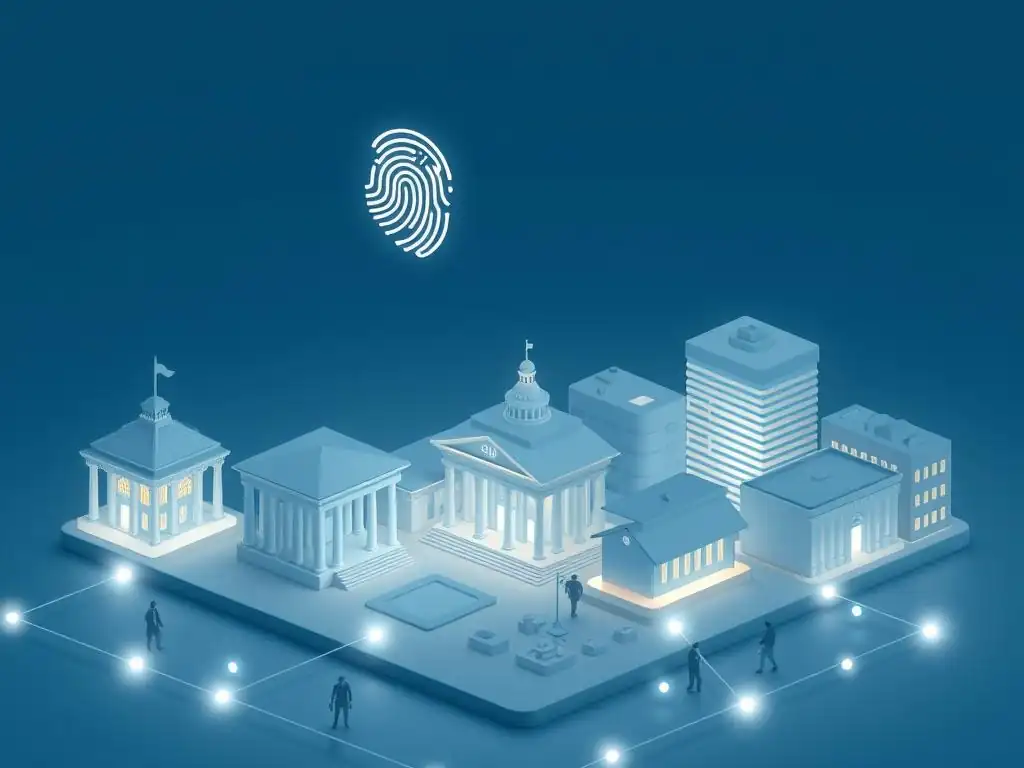
Public blockchains offer an unprecedented level of transparency and public auditability, which can be a significant advantage for government agencies seeking to build trust and accountability with citizens. All transactions and records stored on a public blockchain are publicly accessible and verifiable by anyone with an internet connection. This radical transparency can deter corruption, enhance citizen oversight, and promote open government initiatives.
The immutable nature of public blockchains further strengthens public auditability, as records cannot be altered or deleted retroactively. This ensures that the historical record is preserved and verifiable, providing a robust foundation for accountability. For government agencies committed to transparency and citizen empowerment, public blockchains offer a powerful tool for building trust and demonstrating openness. Public blockchains are ideal for blockchain use cases where transparency and public auditability are paramount objectives.
Resistance to Censorship and Single Points of Failure
Public blockchains, due to their decentralized and permissionless nature, are inherently resistant to censorship and single points of failure. No single entity controls the network, and transactions are validated by a distributed network of nodes spread across the globe. This decentralization makes it extremely difficult for any government or organization to censor transactions or shut down the network.
This censorship resistance is particularly valuable for applications where freedom of information and protection against government interference are critical. For public record systems, this can ensure that vital public information remains accessible and tamper-proof, even in politically volatile environments. Furthermore, the distributed nature of public blockchains eliminates single points of failure, making the system more resilient and reliable compared to centralized systems. Public blockchains are robust platforms for blockchain use cases requiring censorship resistance and high availability.
Open Innovation and Collaboration with the Global Blockchain Community
Public blockchains benefit from vibrant and active open-source communities of developers, researchers, and users. This open ecosystem fosters rapid innovation, knowledge sharing, and collaboration, leading to continuous improvements in blockchain technology and its applications. Government agencies adopting public blockchains can leverage this global community to access expertise, share best practices, and contribute to the ongoing development of the technology.
The open-source nature of public blockchain platforms encourages transparency and collaboration in software development. Government agencies can benefit from the collective intelligence and diverse perspectives of the global blockchain community, accelerating innovation and reducing development costs. Furthermore, engaging with the open-source community can foster interoperability and standardization, promoting wider adoption of blockchain technology in the public sector. Public blockchains offer a collaborative environment for blockchain use cases, fostering innovation and knowledge sharing.
Data Privacy Concerns and the Need for Anonymization Techniques
The inherent transparency of public blockchains, while advantageous for public auditability, raises significant data privacy concerns, particularly when dealing with sensitive personal information in public record systems. Storing unencrypted personal data directly on a public blockchain is generally not compliant with privacy regulations and poses unacceptable privacy risks.
To address these concerns, government agencies considering public blockchains must implement robust anonymization and pseudonymization techniques to protect sensitive data. However, anonymization is not always foolproof, and re-identification risks may still exist. Furthermore, implementing and maintaining effective anonymization techniques adds complexity and cost to blockchain deployments. Data privacy is a major challenge for blockchain use cases on public blockchains involving sensitive personal information.
Scalability Limitations and Transaction Fees
Public blockchains, particularly those using Proof-of-Work consensus mechanisms, often face scalability limitations and can experience high transaction fees, especially during periods of network congestion. These limitations can be a significant drawback for government agencies dealing with high volumes of public record transactions. Transaction fees can also add to the cost of using public blockchains for public services.
While scalability solutions like layer-2 scaling and sharding are being developed for public blockchains, they are still evolving and may not fully address the scalability needs of large-scale government applications in the near term. Government agencies must carefully consider the scalability limitations and potential transaction fees associated with public blockchains when evaluating them for public record systems. Scalability and cost are important considerations for blockchain use cases on public blockchains, particularly for high-volume applications.
Regulatory Uncertainty and Compliance Challenges
The regulatory landscape surrounding public blockchains is still evolving and remains uncertain in many jurisdictions. This regulatory uncertainty can pose compliance challenges for government agencies considering adopting public blockchains for public record systems. Regulations related to data privacy, anti-money laundering, and securities laws may apply to blockchain applications, and compliance requirements can be complex and vary across jurisdictions.
Government agencies need to navigate this evolving regulatory landscape carefully and ensure that their blockchain implementations comply with applicable laws and regulations. Lack of clear regulatory frameworks can create uncertainty and hinder the adoption of public blockchains in the public sector. Regulatory uncertainty and compliance challenges are significant considerations for blockchain use cases on public blockchains, requiring careful legal and regulatory analysis.
Hybrid Approaches: Combining the Best of Both Worlds
Leveraging Permissioned Blockchains for Data Storage and Public Blockchains for Verification
One promising hybrid approach is to leverage permissioned blockchains for storing sensitive public records while using public blockchains for verification and auditability. In this model, the actual record data is stored on a permissioned blockchain with controlled access and enhanced privacy, while cryptographic hashes or proofs of the records are published on a public blockchain. This allows for public verification of data integrity without exposing sensitive data to the public.
This approach combines the data privacy and scalability benefits of permissioned blockchains with the transparency and public auditability of public blockchains. Citizens or auditors can verify the integrity of public records by comparing the hashes on the public blockchain with the data stored on the permissioned blockchain, without needing direct access to the sensitive data itself. This hybrid model can be particularly suitable for public record systems requiring both data privacy and public accountability. Hybrid approaches expand blockchain use cases by combining the strengths of different blockchain types.
Interoperability Solutions for Seamless Data Exchange Between Different Blockchains
Another hybrid approach focuses on interoperability solutions that enable seamless data exchange and communication between different blockchains, including both permissioned and public blockchains. Interoperability can address the limitations of using a single blockchain model by allowing government agencies to leverage the specific strengths of different blockchains for different aspects of public record management.
For example, a government agency might use a permissioned blockchain for internal record management and data sharing among government departments, while using a public blockchain for citizen-facing services or open data initiatives. Interoperability solutions can enable data to be seamlessly transferred and verified across these different blockchain systems, creating a more flexible and integrated public record infrastructure. Interoperability is key to unlocking more complex blockchain use cases involving multiple blockchain environments.
Case Studies: Real-World Implementations of Blockchain in Public Record Systems
Estonia's Digital Identity System: A Permissioned Blockchain Example
Estonia is widely recognized as a leader in digital governance and has implemented a national digital identity system, e-Estonia, which utilizes blockchain technology. While the specific details of the underlying blockchain infrastructure are not fully public, it is generally understood that Estonia employs a permissioned blockchain approach for its digital identity system and related public record applications.
Estonia's system allows citizens to access a wide range of government services online using their digital identities, including voting, healthcare, and tax filing. The blockchain component enhances the security and integrity of these digital services and the underlying public records. Estonia's e-Estonia is a prominent example of successful permissioned blockchain use cases in government, demonstrating the potential for blockchain to enhance digital governance and citizen services.
Open Government Partnership: Leveraging Public Blockchains for Transparency
The Open Government Partnership (OGP) is a multilateral initiative promoting government transparency, accountability, and citizen participation. Several OGP member countries are exploring and implementing public blockchain solutions to enhance transparency and citizen engagement in government processes. These initiatives often focus on using public blockchains for open data initiatives, public audits, and citizen feedback mechanisms.
For example, some OGP member countries are experimenting with using public blockchains to track government spending, publish budget data, or create citizen engagement platforms for participatory budgeting. These initiatives aim to leverage the transparency and auditability of public blockchains to promote open government principles and enhance citizen trust in government. The OGP initiatives highlight the growing interest in public blockchain use cases for promoting transparency and accountability in governance.
Key Considerations for Choosing the Right Blockchain Model
Data Sensitivity and Privacy Requirements
The sensitivity of the data being managed is a crucial factor in choosing between permissioned and public blockchains for public record systems. If the data is highly sensitive and requires strict privacy protection, a permissioned blockchain is generally the more suitable choice due to its controlled access and enhanced privacy features. For less sensitive data or data that is intended to be publicly accessible, public blockchains may be a viable option, provided that appropriate anonymization techniques are implemented.
Data sensitivity should be assessed based on relevant privacy regulations and ethical considerations. Government agencies must carefully evaluate the potential privacy risks associated with different blockchain models and choose the model that best aligns with their data privacy requirements. Data sensitivity is a primary driver in selecting appropriate blockchain use cases and blockchain types.
Scalability and Transaction Volume Needs
The anticipated scalability and transaction volume needs of the public record system are another critical consideration. If the system is expected to handle high volumes of transactions and require high throughput, permissioned blockchains are often better suited due to their superior scalability compared to public blockchains. For systems with lower transaction volumes or applications where scalability is less critical, public blockchains may be sufficient.
Scalability requirements should be assessed based on the expected number of users, transactions, and data volume. Government agencies must consider the long-term scalability needs of their public record systems and choose a blockchain model that can accommodate future growth. Scalability is a key factor influencing the feasibility of different blockchain use cases, especially in large-scale government applications.
Governance and Regulatory Compliance Factors
Governance and regulatory compliance requirements are essential considerations in selecting a blockchain model for public record systems. Permissioned blockchains offer greater flexibility in terms of governance and regulatory compliance, as they allow for controlled access and the implementation of specific governance rules. Public blockchains, with their decentralized and permissionless nature, may present more challenges in terms of governance and regulatory compliance, particularly in highly regulated sectors.
Government agencies must consider the existing regulatory framework and compliance requirements relevant to their public record systems. They must also establish clear governance structures and rules for their blockchain implementations, regardless of whether they choose a permissioned or public blockchain model. Governance and regulatory compliance are crucial factors for successful blockchain use cases in the public sector.
Future Trends: The Evolution of Blockchain in Public Records
The Rise of Decentralized Identity (DID) and Self-Sovereign Identity (SSI)
Decentralized Identity (DID) and Self-Sovereign Identity (SSI) are emerging concepts that promise to revolutionize digital identity management, with significant implications for public record systems. DID and SSI empower individuals to control their own digital identities and data, rather than relying on centralized identity providers. Blockchain technology, particularly permissioned blockchains, is playing a key role in the development and deployment of DID and SSI solutions.
In the future, we can expect to see wider adoption of DID and SSI in government services and public record systems. This will enable citizens to have greater control over their personal data, enhance data privacy, and streamline access to government services. DID and SSI represent a significant evolution in blockchain use cases for identity management and public services.
The Development of Blockchain-Based Voting Systems
Blockchain technology is being explored for its potential to enhance the security, transparency, and verifiability of voting systems. Blockchain-based voting systems could potentially address concerns about voter fraud, manipulation, and lack of trust in traditional voting processes. Both permissioned and public blockchains are being considered for different types of voting applications.
While blockchain-based voting systems are still in early stages of development and deployment, they hold significant promise for the future of democratic processes. Pilot projects and trials are underway in various countries and regions to test the feasibility and security of blockchain voting. Blockchain voting represents a potentially transformative blockchain use case for enhancing democratic governance.
Exploring the Intersection of AI and Blockchain for Smart Governance
The convergence of Artificial Intelligence (AI) and blockchain technology is opening up new possibilities for "smart governance" and more efficient and citizen-centric public services. AI can be used to analyze blockchain data to gain insights into government operations, detect anomalies, and improve decision-making. Blockchain can provide a secure and auditable infrastructure for AI applications in government, ensuring data integrity and transparency.
For example, AI and blockchain can be combined to automate public service delivery, personalize citizen interactions, and improve resource allocation. This intersection of AI and blockchain has the potential to transform public administration and create more responsive and efficient government systems. The synergy between AI and blockchain expands the scope of blockchain use cases in government and public services, leading to smarter and more efficient governance models.
Conclusion: Selecting the Optimal Blockchain Solution for Public Sector Innovation
The Importance of a Strategic Approach to Blockchain Adoption in Government
Adopting blockchain technology in the public sector requires a strategic and well-planned approach. Government agencies should carefully assess their specific needs, requirements, and constraints before embarking on blockchain initiatives. A clear understanding of the potential benefits and limitations of different blockchain models, as well as the regulatory and governance considerations, is crucial for successful blockchain adoption.
A strategic approach to blockchain adoption should involve identifying specific use cases, conducting pilot projects, and gradually scaling up successful implementations. Collaboration between government agencies, technology providers, and the blockchain community is essential for driving innovation and ensuring successful blockchain deployments in the public sector. A strategic approach is key to maximizing the value of blockchain use cases in government.
Embracing the Transformative Potential of Blockchain for a More Transparent and Accountable Future
Blockchain technology holds transformative potential for revolutionizing public record systems and enhancing governance. By embracing blockchain, government agencies can move towards more transparent, accountable, efficient, and citizen-centric public services. Whether choosing permissioned, public, or hybrid blockchain models, the key is to strategically leverage the unique capabilities of blockchain technology to address specific challenges and opportunities in the public sector.
The journey towards blockchain-enabled public record systems is ongoing, but the potential benefits are significant. By embracing innovation and adopting a strategic approach, governments can unlock the transformative power of blockchain to build a more transparent and accountable future for public governance and citizen services. The future of blockchain use cases in government is bright, promising a more transparent and accountable public sector.
Frequently Asked Questions
What are the key differences between permissioned and public blockchains?
Permissioned blockchains require access control, restricting who can participate in the network. Public blockchains are open to anyone to join, validate transactions, and access data, ensuring greater transparency. This access control impacts security, speed, and governance.
Why might a public record system consider using a permissioned blockchain?
Public record systems often require strict data privacy and regulatory compliance. Permissioned blockchains offer greater control over data access and network participants, making them suitable for sensitive information. This control is vital for maintaining data integrity.
What are some Permissioned blockchain use cases for public record management?
Permissioned blockchain use cases include secure land registry systems, verifiable identity management, and tamper-proof storage of vital records. These applications leverage the immutability of blockchain while controlling access to sensitive data.
How does a permissioned blockchain enhance security compared to traditional databases in public record systems?
A permissioned blockchain provides a distributed and tamper-proof ledger, making it significantly harder to alter or delete records compared to centralized databases. The consensus mechanism ensures data integrity and prevents unauthorized modifications.
What are the regulatory considerations when implementing a permissioned blockchain for public record systems?
Implementing a permissioned blockchain requires careful consideration of data privacy regulations like GDPR and CCPA. Organizations must ensure they maintain control over data access and comply with all applicable laws regarding data storage and processing.
The exploration of permissioned versus public blockchains for public record systems underscores a critical juncture in technological advancement. The choice between these models directly impacts the transparency, security, and accessibility of vital information, shaping the very foundation of trust in our institutions. Understanding the nuances of each approach is no longer a theoretical exercise, but a practical imperative for building resilient and equitable systems.
The ongoing debate surrounding blockchain implementation highlights the tension between control and decentralization. This tension reflects a deeper societal conversation about power, access, and the future of governance. The potential for blockchain to revolutionize public record management is undeniable, but its success hinges on careful consideration of the specific needs and values of the communities it serves. Technology is nothing. What's important is that you have a faith in people, that they're basically good and smart, and if you give them tools, they'll do wonderful things with them.
- Steve Jobs. This quote reminds us that technology is a tool, and its impact is determined by the intentions and values of those who wield it.
As we move forward, let us not shy away from the complex questions surrounding blockchain adoption. Consider how these technologies can be leveraged to empower citizens, enhance accountability, and foster a more just and transparent world. The future of public record systems, and indeed, the future of trust, depends on our willingness to engage in thoughtful dialogue and responsible innovation.
Dive Deeper: Revolutionize Public Records with Blockchain!
Thank you for exploring how blockchain can transform public record systems. We hope this article has provided valuable insights into selecting the appropriate model for your needs. Now, let's turn knowledge into action!
Here's how you can contribute to the future of secure and transparent public records:
- Prioritize Blockchain Exploration: Start researching pilot programs in your local jurisdiction or organization to understand the practical implications of implementing either a permissioned or public blockchain for record management.
- Explore Open Data Initiatives: Discover if your local government has open data programs that could be integrated with blockchain technology to enhance transparency and accessibility.
- Share Your Insights: Contribute to the Blockchain Trends community by sharing this article with colleagues and initiating discussions about the future of public record management on social media!
What regulatory challenges do you anticipate in implementing blockchain technology for public records in your region?
Leave a Reply