
NFT Gaming and CrossPlatform Play: Bringing Blockchain Assets to Multiple Gaming Environments

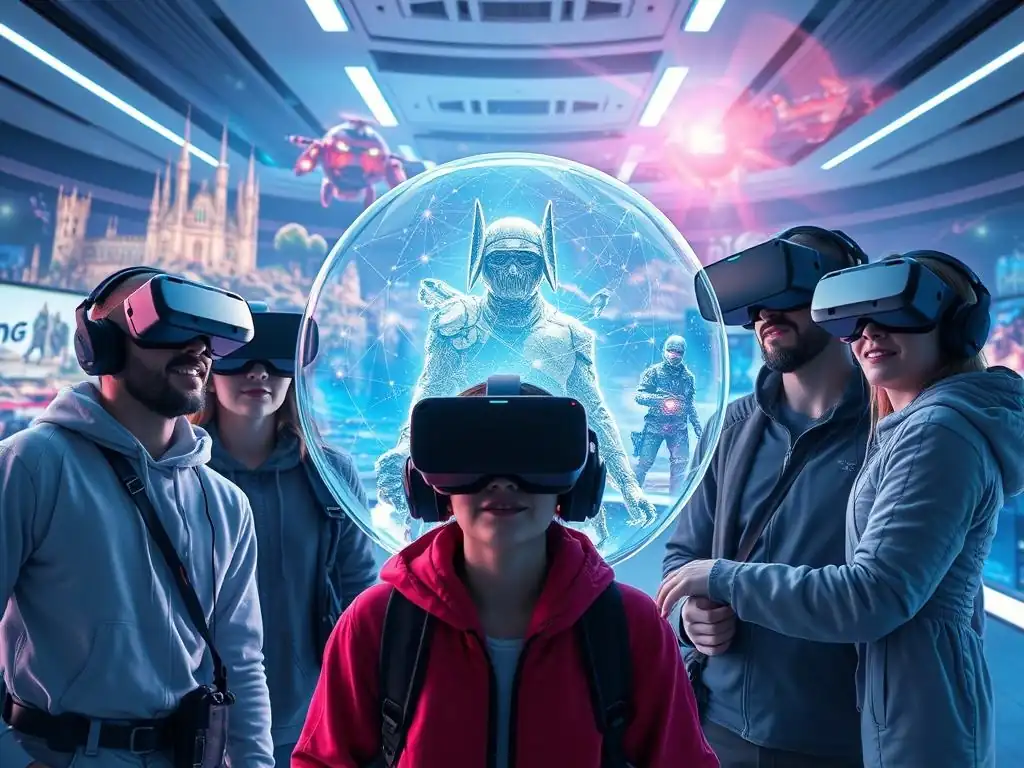
Welcome to Blockchain Trends, your trusted source for unraveling the complexities and boundless opportunities within the blockchain ecosystem. Beyond the hype, we delve into the real-world applications of this revolutionary technology. Ever wondered how your NFT assets could transcend the boundaries of a single game? Prepare to discover the exciting possibilities of NFT gaming crossplatform integration and how it's shaping the future of interactive entertainment. Dive in to explore the potential and challenges of bringing blockchain-powered assets to multiple gaming environments, and unlock a new level of ownership and interoperability.
- NFT Gaming and Cross-Platform Play: Bridging Blockchain Assets Across Gaming Ecosystems
- Understanding NFT Gaming and its Potential
- The Rise of Cross-Platform Gaming: Breaking Down Barriers
- NFT Gaming Cross-Platform Integration: The Next Frontier
- Benefits of Cross-Platform NFT Gaming for Players and Developers
- Implementing NFT Cross-Platform Functionality: Technical Considerations
- Case Studies: Early Examples of Cross-Platform NFT Integration
- The Future of NFT Gaming and Cross-Platform Play
- Overcoming Obstacles to Widespread Adoption
- Conclusion: Embracing the Potential of NFT Gaming Cross-Platform Integration
-
Frequently Asked Questions
- What exactly is NFT gaming crossplatform integration, and why is it significant?
- How does NFT gaming crossplatform integration benefit players?
- What are the main challenges in achieving seamless NFT gaming crossplatform integration?
- Besides gaming, how could NFT crossplatform integration be applied to other industries?
- What role do blockchain technologies play in enabling NFT gaming crossplatform integration?
- Final Reflection: Embracing the Interconnected Future of Gaming
- Level Up Your Gaming Future!
NFT Gaming and Cross-Platform Play: Bridging Blockchain Assets Across Gaming Ecosystems
Introduction: The Convergence of NFTs and Cross-Platform Gaming
The gaming industry is in constant evolution, continually seeking innovative ways to enhance player experiences and engagement. Two significant trends are currently reshaping the landscape: Non-Fungible Tokens (NFTs) and cross-platform play. NFTs offer a revolutionary approach to digital ownership within games, granting players verifiable rights over in-game assets.
Simultaneously, cross-platform functionality dismantles the barriers between gaming ecosystems, allowing players on different consoles, PCs, and mobile devices to interact and play together. The convergence of these two trends, NFT gaming crossplatform integration, holds immense potential to revolutionize how we play, own, and interact with digital assets in the gaming world. This article delves into the intricacies of this integration, exploring its benefits, challenges, and the future it promises for both players and developers.
This intersection of NFTs and cross-platform play is not merely a technological advancement; it represents a fundamental shift in the gaming paradigm. Imagine owning a unique sword earned in a PC game and being able to use or trade it within a console or mobile game environment.
This vision of seamless asset portability across different gaming platforms is becoming increasingly tangible thanks to blockchain technology and advancements in cross-platform development. As the gaming industry continues to embrace decentralization and interoperability, understanding NFT gaming crossplatform integration is crucial for anyone interested in the future of digital entertainment and the evolving relationship between players and their virtual possessions.
Understanding NFT Gaming and its Potential
What is NFT Gaming? Exploring Blockchain Integration in Games
NFT gaming represents a paradigm shift in the traditional gaming model by integrating blockchain technology, specifically NFTs, into game mechanics and asset management. In essence, NFT games utilize non-fungible tokens to represent unique in-game items, characters, or even virtual land.
Unlike traditional in-game assets that are confined to a specific game's ecosystem and controlled by the game developers, NFTs exist on a blockchain, providing players with verifiable ownership and control outside of the game itself. This integration allows players to truly own their digital assets, enabling them to trade, sell, or even potentially utilize these assets across different games or platforms, depending on the level of NFT gaming crossplatform integration.
The core concept behind NFT gaming is to decentralize ownership and empower players. By leveraging blockchain, NFT games introduce concepts like play-to-earn mechanics, where players can earn cryptocurrency or NFTs through gameplay, creating real-world value from their in-game achievements. This is a significant departure from conventional gaming models where in-game purchases typically offer no value outside of the game.
NFT gaming crossplatform integration further amplifies this potential by enabling these player-owned assets to transcend the boundaries of individual games and platforms, fostering a more open and interconnected gaming ecosystem. The implementation can range from simple cosmetic items to complex game functionalities tied to NFTs, offering diverse gameplay experiences and economic models.
The Benefits of NFTs in Games: Ownership, Scarcity, and Interoperability
NFTs bring a multitude of benefits to the gaming world, primarily revolving around the concepts of ownership, scarcity, and interoperability. True digital ownership is perhaps the most transformative aspect. Players are no longer merely users of in-game assets; they become verifiable owners recorded on a public blockchain. This ownership extends beyond the game itself, giving players the freedom to control their digital possessions as they see fit. This contrasts sharply with traditional in-game assets, which are essentially licenses granted by game developers and can be revoked or altered at their discretion.
Scarcity is another crucial advantage of NFTs. Because NFTs are inherently unique and their supply can be limited, they introduce verifiable digital scarcity into games. This scarcity can drive value and create demand for rare or unique in-game items, enhancing the collectibility and investment aspects of gaming.
Furthermore, NFTs pave the way for interoperability. While still in its early stages, the potential for NFT gaming crossplatform integration allows for assets to be used across different games and platforms, breaking down walled gardens and fostering a more interconnected metaverse. This interoperability could lead to a future where players can build a portfolio of digital assets that are not locked into a single game, but rather represent a universal gaming identity.
Examples of Successful NFT Games: Axie Infinity and Gods Unchained
Several NFT games have already demonstrated the potential of this technology, with Axie Infinity and Gods Unchained standing out as prominent examples. Axie Infinity, a Pokémon-inspired game, popularized the play-to-earn model, allowing players to earn cryptocurrency (AXS and SLP) by battling, breeding, and trading digital creatures called Axies, which are NFTs. At its peak, Axie Infinity boasted millions of daily active users and generated significant revenue, showcasing the economic viability and player appeal of NFT-based gaming. The game's marketplace for Axie NFTs facilitated a thriving player-driven economy, demonstrating the real-world value that could be derived from in-game assets.
Gods Unchained, a collectible card game similar to Magic: The Gathering, utilizes NFTs to represent its cards. Players truly own their cards, allowing them to trade, sell, or even lend them to other players. Gods Unchained emphasizes skill-based gameplay and competitive esports, proving that NFT integration can enhance traditional game genres.
The game's marketplace allows for active trading of cards, with rare and powerful cards fetching significant prices. Both Axie Infinity and Gods Unchained, while not fully realizing NFT gaming crossplatform integration yet, illustrate the core value proposition of NFT gaming: player ownership, play-to-earn mechanics, and the creation of player-driven economies within and potentially across gaming ecosystems.
The Rise of Cross-Platform Gaming: Breaking Down Barriers
Defining Cross-Platform Play: Connecting Players Across Different Devices
Cross-platform play, often referred to as crossplay, is a feature that enables players using different gaming platforms to play together simultaneously. This means that players on PCs, consoles (like PlayStation, Xbox, and Nintendo Switch), and mobile devices can connect and engage in multiplayer games within the same game environment. Cross-platform functionality effectively breaks down the traditional barriers imposed by platform exclusivity, creating a more unified and inclusive gaming community. It removes the limitation of being confined to playing only with others who own the same gaming system, significantly expanding the potential player base and fostering more dynamic online interactions.
The implementation of cross-platform play involves complex technical considerations, including networking protocols, server infrastructure, and input method compatibility. Game developers must ensure seamless communication and synchronization between different platforms to provide a consistent and fair gameplay experience for all players, regardless of their chosen device.
The increasing demand for cross-platform play reflects a shift in player expectations, driven by a desire for greater connectivity and the ability to play with friends and communities irrespective of platform preferences. This trend is particularly relevant to the discussion of NFT gaming crossplatform integration, as it sets the stage for a more interconnected and accessible gaming future.
Advantages of Cross-Platform Gaming: Wider Audience and Enhanced Gameplay
Cross-platform gaming offers numerous advantages, both for players and game developers. For players, the most immediate benefit is access to a significantly larger player pool. This expanded audience reduces matchmaking wait times, especially for less popular game modes or during off-peak hours. It also allows friends who own different consoles or PCs to play together, fostering social connections and enhancing the overall multiplayer experience. Cross-platform play promotes inclusivity and breaks down platform-based silos, creating more vibrant and active online communities.
For game developers, cross-platform functionality translates to increased sales potential and player engagement. By removing platform restrictions, games become accessible to a wider audience, leading to potentially higher sales figures across all supported platforms. Furthermore, a larger and more active player base can extend the game's lifespan, fostering long-term engagement and community building.
Cross-platform play can also facilitate the creation of larger and more dynamic online game worlds, which is particularly relevant for massively multiplayer online games (MMOs) and the evolving metaverse. These advantages of cross-platform gaming directly complement the potential benefits of NFT gaming crossplatform integration, creating a powerful synergy for the future of gaming.
Key Technologies Enabling Cross-Platform Functionality: Game Engines and Network Protocols
The realization of cross-platform gaming relies on a combination of advanced technologies, primarily game engines and network protocols. Modern game engines like Unity and Unreal Engine are designed with cross-platform development in mind. These engines provide developers with tools and frameworks to build games that can be deployed across multiple platforms with relative ease. They abstract away many platform-specific complexities, allowing developers to focus on game design and mechanics rather than platform-specific coding. These engines support various operating systems and hardware architectures, simplifying the process of creating cross-platform compatible games.
Network protocols are equally crucial for enabling seamless cross-platform play. Robust and efficient networking infrastructure is required to ensure real-time communication and data synchronization between players on different platforms. Developers utilize standardized network protocols and middleware solutions to handle cross-platform communication, addressing issues like latency, packet loss, and data consistency.
Furthermore, considerations like input method mapping (e.g., controller vs. keyboard and mouse) and platform-specific online services (e.g., PlayStation Network, Xbox Live) need to be carefully managed to create a unified and fair cross-platform gaming experience. These technological advancements are not only essential for cross-platform play in general but also lay the groundwork for the technical feasibility of NFT gaming crossplatform integration.
NFT Gaming Cross-Platform Integration: The Next Frontier
Unlocking the Power of Blockchain Assets in Multiple Gaming Environments
NFT gaming crossplatform integration represents the next logical step in the evolution of both NFT gaming and cross-platform play. It aims to unlock the full potential of blockchain-based assets by enabling them to be utilized and transferred across different gaming environments. Imagine owning an NFT sword in one game and being able to use that same sword in another game, regardless of the platform or developer.
This level of interoperability would create a truly open and player-centric gaming ecosystem, where digital assets hold value and utility beyond the confines of a single game. NFT gaming crossplatform integration envisions a future where players can build a persistent digital identity and asset portfolio that transcends platform boundaries.
This integration goes beyond simply transferring assets; it also opens up possibilities for cross-game functionalities and experiences. For instance, an NFT character earned in a mobile strategy game could be used as a playable avatar in a PC-based metaverse, creating a unified player identity across diverse gaming experiences. This level of interconnectedness could foster richer and more engaging game worlds, where players can seamlessly move between different games while retaining their progress and digital possessions. NFT gaming crossplatform integration is about creating a more fluid and interconnected metaverse, where blockchain assets act as bridges between different gaming universes.
Challenges and Opportunities in Integrating NFTs with Cross-Platform Games
Integrating NFTs with cross-platform games presents both significant challenges and exciting opportunities. One major challenge is ensuring compatibility across different blockchain networks and gaming platforms. Currently, various blockchains exist, and not all are inherently interoperable. Developers need to navigate the complexities of cross-chain compatibility or choose blockchain solutions that facilitate cross-platform interactions. Furthermore, integrating NFT systems into existing cross-platform game architectures requires careful planning and technical expertise to maintain seamless gameplay and user experience across all platforms.
However, the opportunities presented by NFT gaming crossplatform integration are substantial. It could lead to the creation of truly persistent and evolving game worlds, where player actions and asset ownership have lasting consequences across multiple games. This integration could also foster new economic models for game developers, enabling them to create interconnected game ecosystems and shared revenue streams.
Moreover, NFT gaming crossplatform integration has the potential to significantly enhance player engagement and retention by providing tangible value and utility for their in-game efforts and investments across a broader range of gaming experiences. Overcoming the technical and logistical challenges will unlock a new era of interconnected and player-empowering gaming.
Addressing Security Concerns and Ensuring Asset Ownership
Security is paramount in NFT gaming crossplatform integration, particularly concerning the ownership and transfer of valuable digital assets. Robust security measures are essential to protect players from fraud, theft, and unauthorized access to their NFTs. This includes implementing secure smart contracts for NFT transactions, utilizing secure wallet technologies for asset storage, and ensuring the integrity of cross-platform data synchronization processes. Developers must prioritize security best practices and conduct thorough audits to mitigate potential vulnerabilities in cross-platform NFT systems.
Ensuring verifiable asset ownership across different platforms is another critical aspect. While blockchain technology inherently provides proof of ownership, the challenge lies in seamlessly translating this ownership across different gaming ecosystems. Standardized protocols and frameworks may be needed to facilitate the recognition and validation of NFTs across various game platforms and blockchain networks.
Furthermore, user-friendly interfaces and educational resources are necessary to empower players to manage their NFT assets securely and understand the implications of cross-platform asset ownership. Addressing these security concerns and ensuring robust asset ownership mechanisms are crucial for building trust and fostering widespread adoption of NFT gaming crossplatform integration.
Benefits of Cross-Platform NFT Gaming for Players and Developers
For Players: True Asset Ownership and Seamless Gaming Experience
For players, the benefits of cross-platform NFT gaming are centered around true asset ownership and a more seamless gaming experience. NFTs empower players with verifiable ownership of their in-game assets, granting them control and agency over their digital possessions that was previously unavailable in traditional gaming models. This ownership extends beyond a single game, and with cross-platform integration, assets acquired in one game can potentially be utilized, traded, or showcased across multiple compatible gaming environments. This creates a sense of lasting value and investment in their gaming endeavors.
Furthermore, cross-platform NFT gaming can lead to a more seamless and interconnected gaming experience. Players can envision building a digital identity and asset portfolio that travels with them across different games and platforms, fostering a sense of progression and continuity. Imagine earning a rare skin in a PC game and being able to display it on your character in a related mobile game, showcasing your achievements and digital identity across your gaming ecosystem. This seamless integration enhances player engagement, provides a more rewarding gaming experience, and strengthens the sense of community across different platforms.
For Developers: Increased Revenue Streams and Enhanced Player Engagement
Game developers also stand to gain significantly from cross-platform NFT gaming integration. NFTs can unlock new revenue streams beyond traditional game sales and in-app purchases. Developers can earn royalties from secondary market NFT sales, creating a perpetual revenue model. Furthermore, cross-platform NFT integration can foster stronger player engagement and retention. By offering players true ownership and cross-game utility for their assets, developers can incentivize long-term participation and build more loyal player communities.
Moreover, cross-platform NFT ecosystems can attract a wider audience and create network effects. The interoperability of assets across different games can create a more compelling value proposition for players, potentially attracting new users to the developer's game ecosystem. This interconnectedness can also facilitate collaborations between different game developers, creating shared universes and cross-promotional opportunities. By embracing cross-platform NFT gaming, developers can tap into new economic models, enhance player engagement, and position themselves at the forefront of the evolving gaming landscape.
Implementing NFT Cross-Platform Functionality: Technical Considerations
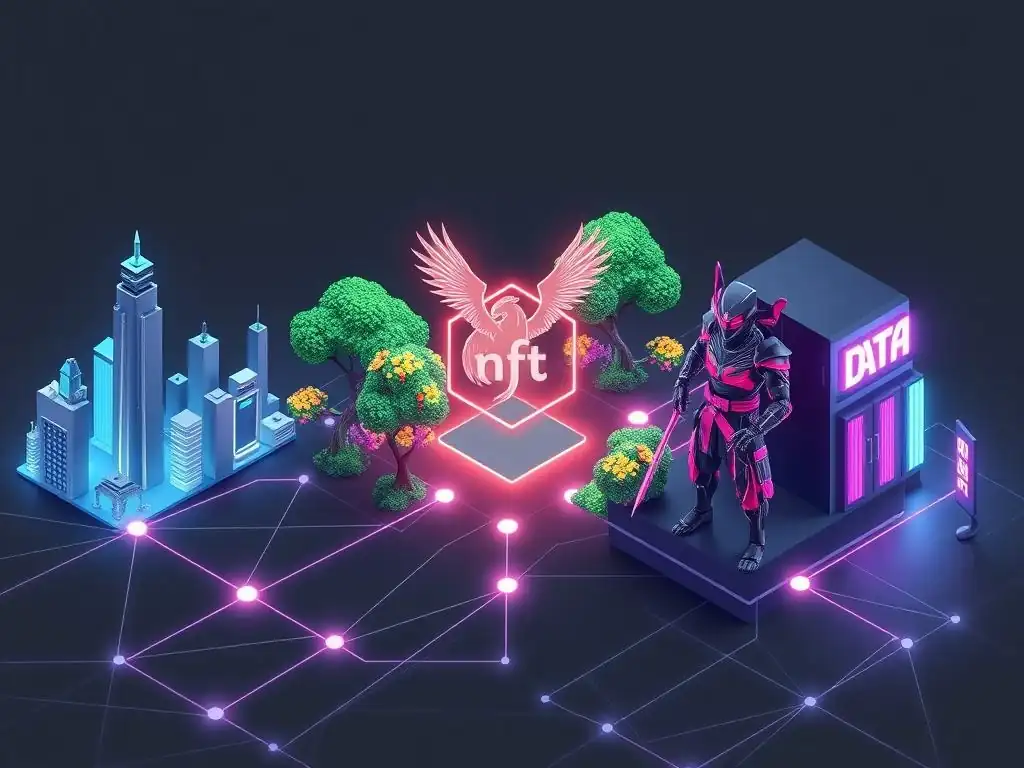
Choosing the Right Blockchain for NFT Gaming Integration
Selecting the appropriate blockchain is a critical first step in implementing NFT gaming crossplatform integration. Different blockchains offer varying features, transaction fees, scalability, and community support. For cross-platform gaming, blockchains with strong interoperability capabilities or bridging solutions are particularly advantageous. Considerations include the blockchain's transaction speed and cost, as high gas fees or slow transaction times can negatively impact the player experience. Furthermore, the blockchain's security and track record are essential for ensuring the safety and longevity of player-owned assets.
Popular blockchain options for NFT gaming include Ethereum, Polygon, Solana, and Flow, each with its own strengths and weaknesses. Ethereum, while being the most established, can suffer from high gas fees. Polygon, a layer-2 scaling solution for Ethereum, offers lower fees and faster transactions.
Solana is known for its high throughput and low fees, while Flow is specifically designed for NFTs and gaming. The choice of blockchain will depend on the specific needs and priorities of the game, including the scale of transactions, target audience, and desired level of decentralization. Careful evaluation of different blockchain options is crucial for successful NFT gaming crossplatform integration.
Developing Cross-Platform Compatible Smart Contracts
Developing smart contracts that are compatible across different platforms is essential for seamless NFT gaming crossplatform integration. Smart contracts are the backbone of NFT functionality, governing the creation, ownership, and transfer of digital assets on the blockchain. For cross-platform compatibility, smart contracts need to be designed in a way that can be understood and executed consistently across different blockchain environments and game platforms. This may involve using standardized smart contract languages and protocols or implementing bridging mechanisms to facilitate cross-chain interactions.
Ensuring that smart contracts function predictably and securely across different platforms requires rigorous testing and auditing. Developers need to consider potential variations in blockchain implementations and virtual machine environments to avoid unexpected behavior or vulnerabilities. Furthermore, user interfaces and game logic need to be designed to interact seamlessly with these cross-platform compatible smart contracts, providing a consistent and user-friendly experience regardless of the platform. Developing robust and interoperable smart contracts is a key technical challenge in achieving true NFT gaming crossplatform integration.
Ensuring Data Synchronization and Consistent Gameplay Experience
Maintaining data synchronization and a consistent gameplay experience across different platforms is a significant technical hurdle in NFT gaming crossplatform integration. Players on different devices need to experience the game world in a synchronized manner, with real-time updates and consistent state management. This requires robust server infrastructure and efficient data synchronization protocols to handle the complexities of cross-platform interactions. Latency, network variability, and platform-specific performance characteristics all need to be carefully addressed to ensure a smooth and fair gameplay experience for all players.
Furthermore, when NFTs are integrated, ensuring the consistent representation and functionality of these assets across different platforms is crucial. Visual assets, metadata, and in-game properties associated with NFTs need to be accurately and reliably synchronized across all connected devices. This may involve developing platform-agnostic data formats and synchronization mechanisms that can handle the complexities of cross-platform data management. Achieving seamless data synchronization and a consistent gameplay experience is paramount for the success of NFT gaming crossplatform integration, requiring careful planning and sophisticated technical solutions.
Case Studies: Early Examples of Cross-Platform NFT Integration
Analyzing Skyweaver: Successes and Lessons Learned
Skyweaver, a free-to-play trading card game, is an early example of a game attempting to bridge the gap between NFT gaming and cross-platform play. Developed by Horizon Blockchain Games, Skyweaver allows players to own their cards as NFTs and trade them on an open marketplace.
While not fully cross-platform in the sense of real-time multiplayer interaction between different consoles, Skyweaver is playable on PC, Mac, and mobile devices with shared accounts and asset ownership. Players can access their card collections and participate in the game ecosystem regardless of their chosen device, demonstrating a form of NFT gaming crossplatform integration in terms of asset accessibility.
Skyweaver's approach highlights the importance of user-friendly interfaces and seamless account synchronization for cross-platform NFT gaming. The game's web-based marketplace and mobile accessibility contribute to a relatively smooth experience for players managing their NFT assets across different devices. However, Skyweaver also illustrates the challenges of balancing cross-platform accessibility with technical complexities and the ongoing evolution of blockchain technology. Early examples like Skyweaver provide valuable lessons for developers seeking to implement more comprehensive NFT gaming crossplatform integration in the future, particularly in terms of user experience and asset management across platforms.
Examining Ember Sword: Challenges and Solutions
Ember Sword, an upcoming blockchain-based MMORPG, aims for a more ambitious vision of NFT gaming crossplatform integration. Developed by Bright Star Studios, Ember Sword is designed to be playable across PC and web browsers, with plans for mobile compatibility. The game emphasizes player-owned land and tradable NFT assets, aiming to create a player-driven economy and a persistent virtual world accessible across multiple platforms. Ember Sword's ambition to deliver a full-fledged MMORPG experience across platforms while integrating complex NFT systems presents significant technical and design challenges.
One of the key challenges Ember Sword faces is ensuring consistent performance and gameplay quality across different platforms, particularly web browsers and mobile devices, which may have varying processing power and network capabilities compared to PCs. The game's developers are likely addressing these challenges through optimization techniques, cloud-based gaming solutions, and careful management of server infrastructure. Ember Sword's development journey and eventual release will provide valuable insights into the practical challenges and potential solutions for implementing large-scale, cross-platform NFT gaming experiences, pushing the boundaries of what is currently achievable in NFT gaming crossplatform integration.
The Future of NFT Gaming and Cross-Platform Play
Predictions for the Growth of Blockchain-Based Cross-Platform Games
The future of gaming is increasingly pointing towards greater integration of blockchain technology and cross-platform functionality. Predictions for the growth of blockchain-based cross-platform games are optimistic, with many industry analysts anticipating a significant expansion in this sector. As blockchain technology matures and becomes more accessible, and as cross-platform gaming becomes increasingly mainstream, the convergence of these two trends is expected to accelerate. We can anticipate seeing more games emerging that leverage NFTs to offer true asset ownership and interoperability, coupled with cross-platform play to reach wider audiences and foster more interconnected gaming communities.
The growth of the metaverse concept further fuels the potential for blockchain-based cross-platform games. NFTs are seen as essential building blocks for the metaverse, enabling digital ownership and interoperability across virtual worlds. Cross-platform gaming is crucial for creating accessible and inclusive metaverse experiences, breaking down platform silos and allowing users to seamlessly navigate between different virtual environments. The synergy between NFTs, cross-platform play, and the metaverse is likely to drive significant innovation and investment in blockchain-based cross-platform gaming in the coming years, shaping the future of digital entertainment.
The Role of NFTs in Creating Persistent and Evolving Game Worlds
NFTs are poised to play a transformative role in creating persistent and evolving game worlds. The ownership and scarcity inherent in NFTs enable the development of game economies where player actions and asset ownership have lasting consequences. Imagine a game world where player-owned land evolves based on player activity, or where rare NFT items retain their value and utility across game updates and expansions. NFTs can facilitate the creation of dynamic and player-driven game worlds that are constantly evolving based on the collective actions of the community.
Furthermore, NFTs can enable cross-game persistence and progression. Assets earned or developed in one game could potentially retain value or utility in related games or future iterations of the same game world. This creates a sense of continuity and investment for players, fostering long-term engagement and community building. NFTs can also empower players to participate in the governance and development of game worlds, creating more decentralized and community-driven gaming ecosystems. The role of NFTs in shaping persistent and evolving game worlds is a key aspect of the future potential of NFT gaming crossplatform integration.
Potential Impact on the Gaming Industry and the Metaverse
The widespread adoption of NFT gaming crossplatform integration has the potential to profoundly impact both the gaming industry and the broader metaverse landscape. For the gaming industry, it could lead to a shift towards more player-centric and decentralized models, empowering players with true asset ownership and control. This could disrupt traditional gaming business models and create new opportunities for developers who embrace blockchain and NFT technologies. The gaming industry could become more open, interconnected, and driven by player communities.
In the metaverse context, NFT gaming crossplatform integration can contribute to the creation of more interoperable and user-owned virtual worlds. By enabling the seamless transfer and utilization of digital assets across different platforms and experiences, it can help build a more unified and accessible metaverse.
Gaming is often seen as a gateway to the metaverse, and the advancements in NFT gaming crossplatform integration could pave the way for broader adoption of blockchain technology and the realization of a truly interconnected and user-centric digital future. The impact of this integration extends beyond gaming, potentially influencing how we interact with digital assets and virtual worlds in various aspects of our lives.
Overcoming Obstacles to Widespread Adoption
Addressing Scalability Issues in NFT Gaming
Scalability remains a significant obstacle to the widespread adoption of NFT gaming, particularly in the context of cross-platform integration. Many existing blockchain networks face limitations in transaction throughput and speed, which can become bottlenecks when large numbers of players are interacting with NFTs in real-time within a game environment. High transaction fees, often associated with scalability issues, can also deter players from engaging with NFT-based game mechanics. Addressing these scalability challenges is crucial for creating seamless and accessible NFT gaming experiences.
Solutions to scalability issues are being actively explored and developed within the blockchain space. Layer-2 scaling solutions, such as sidechains and rollups, offer promising approaches to increase transaction throughput and reduce fees on existing blockchains like Ethereum. Alternative blockchains designed for high performance and scalability are also emerging. Game developers need to carefully consider scalability solutions when implementing NFT gaming crossplatform integration to ensure that their games can handle a large player base and provide a smooth and cost-effective user experience. Overcoming scalability limitations is essential for unlocking the full potential of NFT gaming and its cross-platform applications.
Tackling Regulatory Uncertainty and Compliance
Regulatory uncertainty surrounding cryptocurrencies and NFTs poses another significant obstacle to the widespread adoption of NFT gaming crossplatform integration. The legal and regulatory landscape for digital assets is still evolving, and different jurisdictions have varying approaches to regulating NFTs and blockchain-based activities. This uncertainty can create challenges for game developers in terms of compliance, legal frameworks, and cross-border operations. Navigating this regulatory ambiguity is crucial for ensuring the long-term sustainability and legitimacy of NFT gaming.
Game developers need to stay informed about evolving regulations and seek legal guidance to ensure compliance in relevant jurisdictions. Adopting best practices for KYC (Know Your Customer) and AML (Anti-Money Laundering) compliance may be necessary for NFT gaming platforms. Industry collaboration and dialogue with regulators are also important for fostering a clear and supportive regulatory environment for blockchain gaming. Addressing regulatory uncertainty and ensuring compliance are essential steps towards mainstream adoption of NFT gaming crossplatform integration and building trust with players and regulators alike.
Educating Players About the Benefits of NFT Ownership
Educating players about the benefits of NFT ownership is crucial for driving wider adoption of NFT gaming crossplatform integration. Many mainstream gamers are still unfamiliar with NFTs and blockchain technology, and misconceptions or skepticism may exist. Clearly communicating the advantages of NFT ownership, such as true digital ownership, scarcity, and interoperability, is essential for overcoming player hesitancy and attracting a broader audience to NFT gaming.
Game developers and the wider NFT gaming community need to invest in educational resources and initiatives to demystify NFTs and showcase their value proposition to players. User-friendly onboarding processes, in-game tutorials, and clear explanations of NFT mechanics can help players understand and appreciate the benefits of owning digital assets. Highlighting real-world use cases and success stories of NFT gaming can further build trust and demonstrate the potential of this technology. Effective player education is key to bridging the knowledge gap and fostering widespread acceptance of NFT gaming crossplatform integration.
Conclusion: Embracing the Potential of NFT Gaming Cross-Platform Integration
NFT gaming crossplatform integration stands at the forefront of gaming innovation, promising to revolutionize how players interact with digital assets and gaming ecosystems. By combining the power of NFTs for true digital ownership with the accessibility of cross-platform play, this integration unlocks a new era of interconnected, player-centric, and potentially more rewarding gaming experiences. While challenges related to technology, regulation, and player education remain, the potential benefits for both players and developers are undeniable.
As blockchain technology continues to evolve and cross-platform gaming becomes increasingly prevalent, embracing the potential of NFT gaming crossplatform integration is crucial for the future of the gaming industry and the development of the metaverse. By overcoming the existing obstacles and fostering innovation in this space, we can pave the way for a more open, interoperable, and player-empowering gaming future, where digital assets transcend platform boundaries and players truly own their gaming experiences.
Frequently Asked Questions
What exactly is NFT gaming crossplatform integration, and why is it significant?
It refers to the ability to use non-fungible tokens (NFTs) acquired in one game across multiple different gaming platforms. This is significant because it unlocks true ownership and utility of digital assets, moving beyond isolated in-game economies.
How does NFT gaming crossplatform integration benefit players?
Players benefit from greater flexibility and portability of their digital assets. They can use their NFTs in various games, increasing their value and utility while preventing digital asset silos.
What are the main challenges in achieving seamless NFT gaming crossplatform integration?
Technical challenges include standardizing NFT formats and protocols across different game engines and platforms. Additionally, legal and regulatory hurdles related to intellectual property and ownership need to be addressed.
Besides gaming, how could NFT crossplatform integration be applied to other industries?
The concept could extend to other digital asset ecosystems, such as metaverse interoperability, allowing avatars or digital art to be used across different virtual worlds. This promotes greater user control and asset mobility.
What role do blockchain technologies play in enabling NFT gaming crossplatform integration?
Blockchain provides the underlying infrastructure for secure and transparent ownership of NFTs, ensuring provenance and authenticity. It also facilitates decentralized marketplaces and trading platforms for these assets.
Final Reflection: Embracing the Interconnected Future of Gaming
The exploration of NFT gaming and cross-platform integration reveals a landscape ripe with potential, yet still navigating its nascent stages. The promise of truly owning digital assets and seamlessly utilizing them across diverse gaming environments is no longer a futuristic fantasy, but a tangible possibility being actively shaped today. This convergence represents a fundamental shift in how we perceive and interact with in-game items, transforming them from mere cosmetic enhancements to valuable, transferable assets.
This burgeoning ecosystem has already begun to ripple outwards, influencing not only the gaming industry but also the broader cultural understanding of digital ownership. The ability to earn, trade, and leverage in-game assets across multiple platforms holds profound implications for player agency and economic empowerment. The future of gaming is not just about playing games, but about owning a piece of the game itself.
This sentiment underscores the transformative power of NFTs in redefining the relationship between developers and players, fostering a more collaborative and rewarding experience.
As we stand at the cusp of this new era, let us embrace the potential of NFT gaming and cross-platform integration to revolutionize the way we play, create, and connect. Consider how you can contribute to this evolving landscape, whether as a player, developer, or simply an advocate for a more open and equitable gaming ecosystem. The future of gaming is being written now, and your participation can help shape a future where digital ownership truly empowers players and unlocks unprecedented levels of creativity and innovation.
Level Up Your Gaming Future!
Thank you for exploring the exciting world of NFT gaming and cross-platform interoperability. Now that you understand how blockchain is transforming the gaming industry, it's time to get involved and be part of this innovative movement.
You can start by exploring NFT marketplaces such as OpenSea or Rarible to discover digital assets related to your favorite games. Research different titles and consider how their NFTs could be utilized across various gaming platforms.
Join online communities on platforms like Discord or Reddit dedicated to blockchain gaming. Engage in discussions, share your insights, ask questions, and connect with fellow enthusiasts and industry experts.
Additionally, consider contributing to open-source blockchain gaming projects on platforms like GitHub that focus on seamless cross-platform NFT integration. Your skills and ideas can help shape the future of gaming.
What groundbreaking cross-platform NFT features are you most eager to see? Share your thoughts in the comments below!
Leave a Reply