
DAOs: Reshaping Governance and Organization in the Web3 World

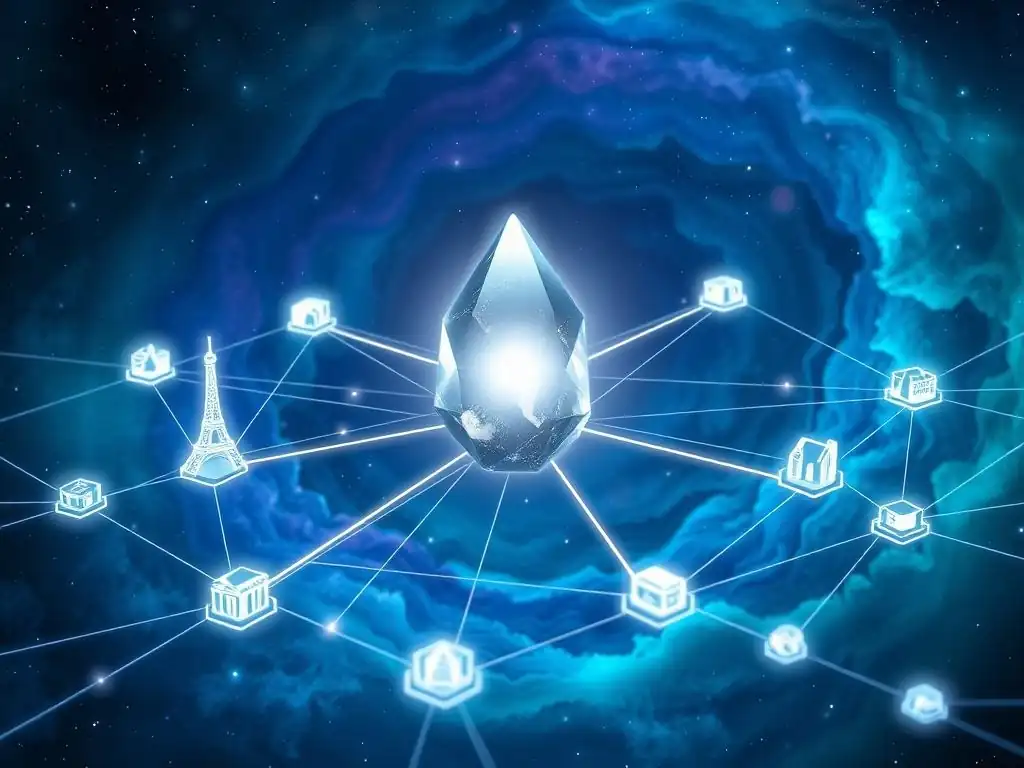
Welcome to Blockchain Trends, your compass navigating the ever-evolving landscape of blockchain technology. Are you ready to peek beyond the hype and delve into the real transformative power of decentralized systems? In this article, we're exploring how decentralized autonomous organization governance is poised to reshape the very fabric of organizations in the Web3 world. Discover how DAOs are revolutionizing decision-making and unlocking unprecedented levels of transparency and participation – but what are the challenges, and how can we ensure their long-term success? Dive in to uncover the future of organizational structure!
- Decentralized Autonomous Organization Governance: Challenges and Opportunities
-
Frequently Asked Questions
- What is a Decentralized Autonomous Organization (DAO), and how does it differ from a traditional organization?
- How does Decentralized autonomous organization governance work within a DAO?
- What are some potential benefits of using a DAO for governance?
- What are some challenges facing the adoption of DAOs for governance?
- Beyond cryptocurrencies, where else can Decentralized autonomous organization governance be applied?
- Final Reflection: Embracing the Decentralized Future
- Unleash Your DAO Potential: Build, Govern, Thrive!
Decentralized Autonomous Organization Governance: Challenges and Opportunities
Security Considerations for DAOs: Preventing Exploits and Attacks
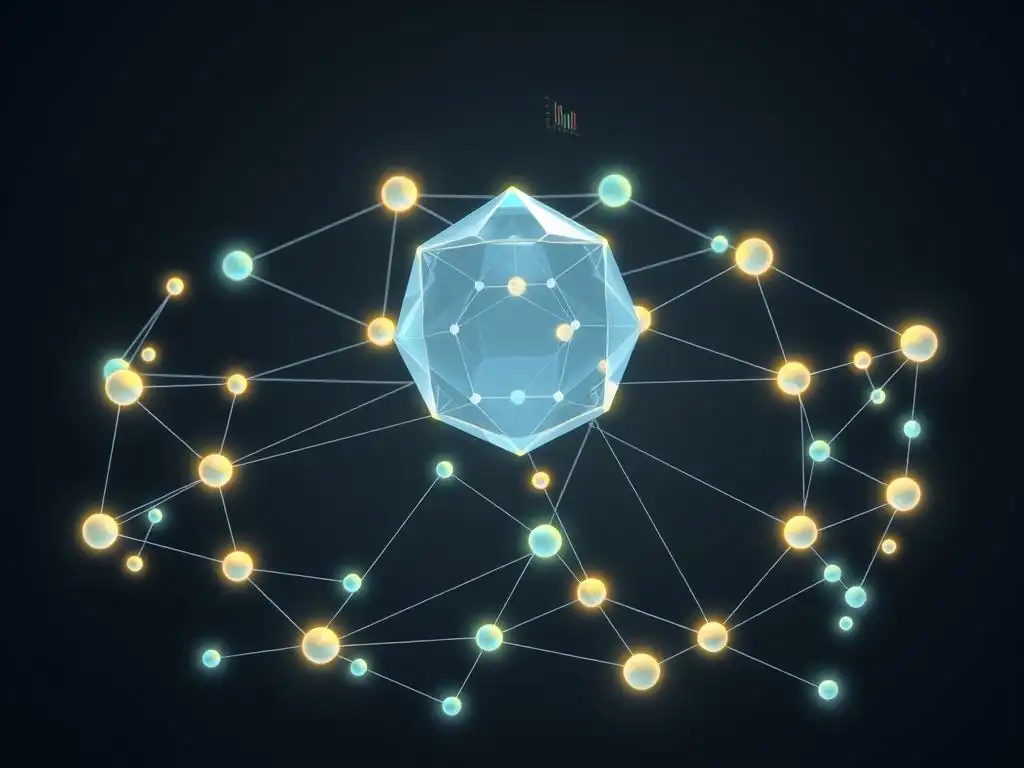
Decentralized autonomous organization governance, while aiming for transparency and immutability through smart contracts, faces significant security challenges. The core logic of a DAO, often encoded in smart contracts, becomes a single point of failure if vulnerabilities exist.
Malicious actors can exploit flaws in the code, leading to the loss of treasury funds, manipulation of governance votes, or unauthorized changes to the protocol's parameters. For instance, a poorly written voting mechanism could be susceptible to flash loan attacks, where an attacker temporarily acquires a large number of governance tokens to push through a favorable proposal before repaying the loan, effectively bypassing the intended decentralized autonomous organization governance process.
Preventing such exploits requires rigorous security practices. Comprehensive smart contract audits by reputable third parties are crucial before deployment and after any significant upgrades. Continuous monitoring and bug bounty programs incentivize the community and security researchers to identify and report vulnerabilities proactively.
The design of decentralized autonomous organization governance mechanisms themselves must also consider potential attack vectors, such as Sybil attacks (creating multiple fake identities) or plutocratic control by wealthy token holders. Implementing measures like time locks on critical actions, multi-signature requirements for treasury movements, or incorporating reputation systems can add layers of security to protect the DAO's assets and integrity.
The legal and regulatory status of decentralized autonomous organization governance remains largely undefined across many jurisdictions, creating significant uncertainty for participants and developers. Traditional legal frameworks are designed for centralized entities with clear leadership structures and geographical locations, which fundamentally clash with the distributed and often pseudonymous nature of DAOs. Questions arise regarding liability for actions taken by the DAO, the legal standing of the DAO itself (can it enter contracts or be sued? ), and how token holders and contributors are classified (e.g., as members, partners, or shareholders).
Different countries and regions are beginning to explore how to classify and potentially regulate DAOs, but a globally harmonized approach is far off. Some jurisdictions are considering specific legal wrappers for DAOs, while others may attempt to fit them into existing categories like partnerships or unincorporated associations, potentially exposing members to unlimited liability.
This lack of clarity impacts the ability of DAOs to interact with traditional financial systems, hire employees, or even operate bank accounts. Navigating this complex and evolving landscape is a major challenge for decentralized autonomous organization governance, requiring careful consideration of legal risks and potential strategies to mitigate them, such as incorporating legal entities in favorable jurisdictions to act on behalf of the DAO where necessary.
Scalability and Efficiency Challenges in DAO Operations
While aiming for broad participation, decentralized autonomous organization governance can struggle with scalability and efficiency, particularly as the community grows and the number of proposals increases. Relying solely on on-chain voting for every decision can be prohibitively expensive and slow due to transaction fees and blockchain congestion, especially on networks like Ethereum Layer 1. This can lead to voter apathy, where token holders are reluctant to pay gas fees to vote on minor proposals, concentrating voting power in the hands of a few active participants or large token holders.
Furthermore, the process of proposing, discussing, and voting on initiatives within a DAO can be cumbersome and time-consuming. Reaching consensus among a large, distributed group requires effective communication channels, clear proposal frameworks, and accessible voting interfaces. Many DAOs are exploring alternative or hybrid governance models to address these issues.
Examples include using off-chain voting platforms (like Snapshot) for signaling or less critical decisions before final on-chain execution, implementing representative governance models (like delegated voting), or utilizing quadratic voting to give less wealthy voters more influence. Improving the tools and processes for decentralized autonomous organization governance is essential for enabling DAOs to operate effectively and make timely decisions in a dynamic environment.
Frequently Asked Questions
What is a Decentralized Autonomous Organization (DAO), and how does it differ from a traditional organization?
A DAO is an internet-native entity governed by rules encoded on a blockchain, making it transparent and tamper-proof. Unlike traditional organizations, DAOs operate without centralized authority, relying on code and community consensus.
How does Decentralized autonomous organization governance work within a DAO?
DAO governance relies on token holders participating in voting on proposals. These proposals can range from resource allocation to changes in the DAO's rules, all executed automatically through smart contracts.
What are some potential benefits of using a DAO for governance?
DAOs offer enhanced transparency and accountability in decision-making. They can also foster greater community participation and reduce the risk of corruption associated with centralized control.
What are some challenges facing the adoption of DAOs for governance?
Challenges include regulatory uncertainty, the potential for malicious actors to exploit vulnerabilities in smart contracts, and ensuring broad participation from token holders in governance processes.
Beyond cryptocurrencies, where else can Decentralized autonomous organization governance be applied?
DAOs can be applied to various sectors, including supply chain management for transparent tracking, crowdfunding for community-driven investment, and scientific research for collaborative funding and decision-making.
Final Reflection: Embracing the Decentralized Future
The exploration of Decentralized Autonomous Organizations (DAOs) reveals more than just a technological innovation; it unveils a fundamental shift in how we perceive and structure governance. The rise of DAOs signifies a powerful move towards democratized decision-making and community-driven initiatives, impacting everything from investment strategies to social movements. This nascent technology holds the potential to reshape traditional hierarchies and empower individuals in unprecedented ways, making its understanding crucial in today's rapidly evolving digital landscape.
The impact of DAOs extends far beyond the realm of cryptocurrency and blockchain. Their potential to foster transparency, accountability, and inclusivity in various sectors, from philanthropy to scientific research, is truly transformative. The ability to collectively organize and allocate resources based on pre-defined rules, enforced by code, offers a compelling alternative to centralized institutions. The future of organizations is decentralized, autonomous, and community-owned.
This vision, though still in its early stages, promises a more equitable and participatory future for all.
As we stand at the cusp of this decentralized revolution, let us not merely observe, but actively engage with the possibilities that DAOs present. Consider how these principles of transparency, community governance, and automated execution can be applied in your own life, whether it's in your professional endeavors, your community involvement, or even your personal relationships. The future of governance is being written now, and your voice, your participation, and your understanding are essential to shaping a future where power is truly distributed and accessible to all.
Unleash Your DAO Potential: Build, Govern, Thrive!
Thank you for exploring the fascinating world of DAOs with Blockchain Trends! Now that you understand how DAOs are transforming governance and organizational structures in Web3, it's time to take action. What will you create?
- Explore Existing DAOs: Investigate organizations that align with your interests. Learn about their governance models, contribution opportunities, and their overall impact on the Web3 ecosystem.
- Start Small, Think Big: Develop your own DAO idea, whether it's a community project or a new way to organize a local group. Outline the use case and consider tools like Aragon to design the governance framework.
- Spark the Conversation: Share this article with a friend interested in Web3, and discuss how DAOs could address a real-world issue you both care about.
What specific challenge are you most eager for a DAO to solve? Share your thoughts in the comments below!
Leave a Reply